Are All Fuzzy Caterpillars Poisonous? A Complete Guide to Identify and Stay Safe
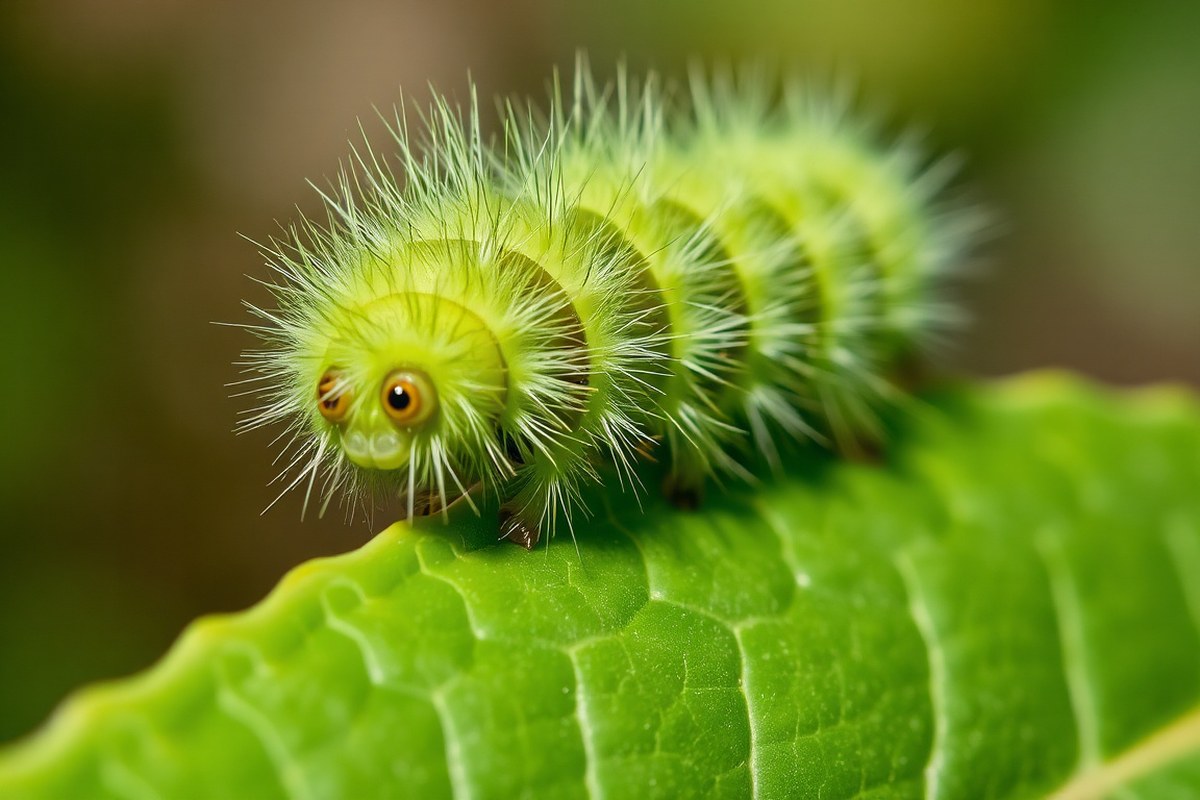
Are all fuzzy caterpillars poisonous? The short answer is no. Most fuzzy caterpillars do not cause harm when touched.
Only a few species have venomous hairs that can sting and cause pain. These hairs can deliver toxins that irritate skin and cause reactions.
Knowing which fuzzy caterpillars are dangerous helps you avoid stings. Brightly colored or spiky species often carry venom and signal danger.
Some fuzzy types hide their venomous hairs under soft-looking fur. So color isn’t the only clue.
Some fuzzy caterpillars like the woolly bear are harmless and pose little risk. Others, like the puss caterpillar, have very painful stings and should be avoided completely. You should use caution and not touch any fuzzy caterpillar unless you’re sure it’s safe.
Key Takeaways
- Not all fuzzy caterpillars sting; many are safe to observe but avoid touching.
- Bright colors and spiky hairs often warn of venomous caterpillars.
- Use gloves or tools if you must handle fuzzy caterpillars outdoors.
- Woolly bear caterpillars are fuzzy but harmless to most people.
- Puss caterpillars cause the most painful stings in the US.
- When stung, put a cold compress on for 20 minutes to ease swelling.
Are All Fuzzy Caterpillars Poisonous to Humans?
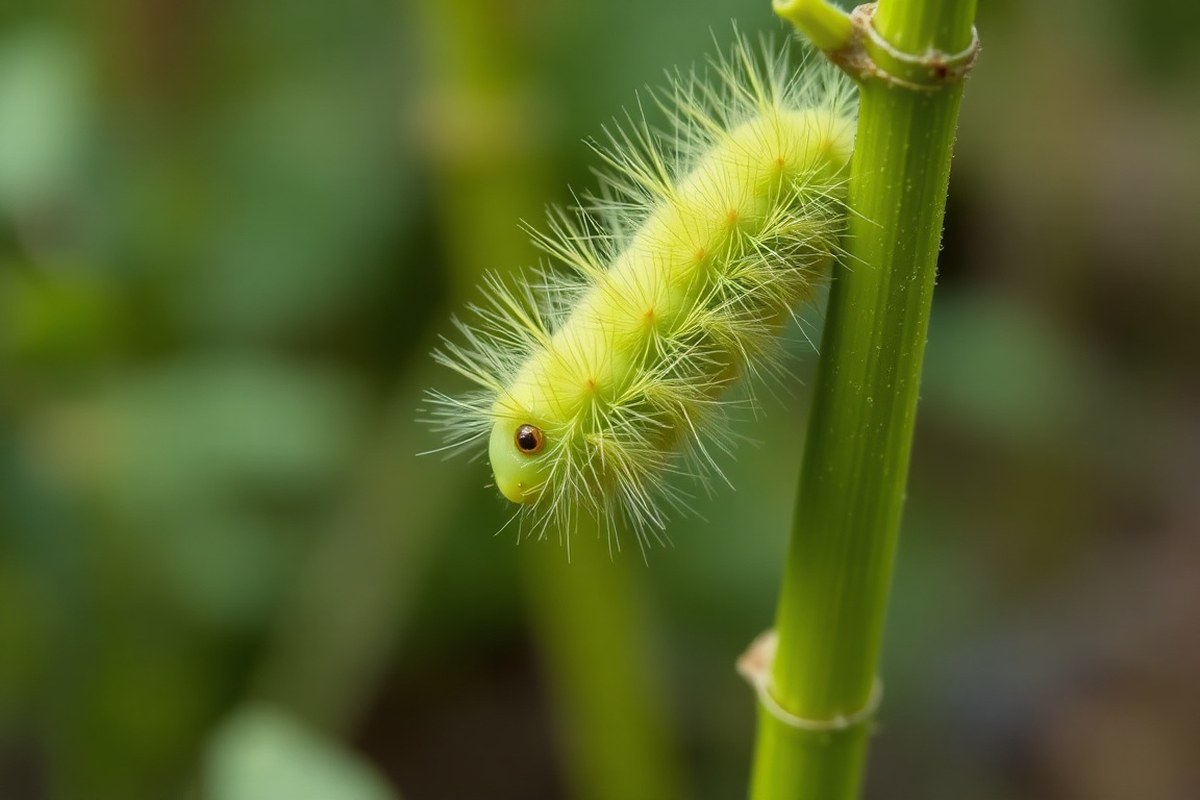
Not all fuzzy caterpillars are poisonous to humans. Many caterpillars have hairs causing only mild skin irritation.
This happens especially if your skin is sensitive. The fuzziness alone does not mean the caterpillar is venomous or dangerous.
Some species have specialized hollow hairs connected to venom glands. These hairs can inject venom and cause painful stings or allergic reactions. Some fuzzy caterpillars have soft or bristly hair.
These hairs break off easily. They cause mild itching or redness.
The color and fuzziness together help indicate risk. Brightly colored fuzzy caterpillars are more likely venomous or irritating.
Plain, dull colors usually mean they are harmless. Always avoid touching unfamiliar fuzzy caterpillars until you know more about their species.
A few well-known toxic fuzzy caterpillars cause real pain or rashes from their stings. The puss caterpillar has soft fur hiding venomous spines.
It delivers one of the most painful stings in the U.S.S. Woolly bears have fuzzy hairs. They cause little threat beyond mild irritation.
Some fuzzy caterpillars sting only if handled roughly. Their hairs must break into your skin to sting.
Reactions range from a small rash to severe pain, depending on the species and your sensitivity. Avoid touching fuzzy caterpillars if you cannot tell they are safe.
The best approach is caution and respect. Avoid direct contact, especially if you see bright colors or unusual shapes.
Identifying the caterpillar helps determine if the fuzziness means irritation or dangerous venom. Seek first aid or medical help after a sting, no matter the reaction.
Common Venomous Fuzzy Caterpillars in North America
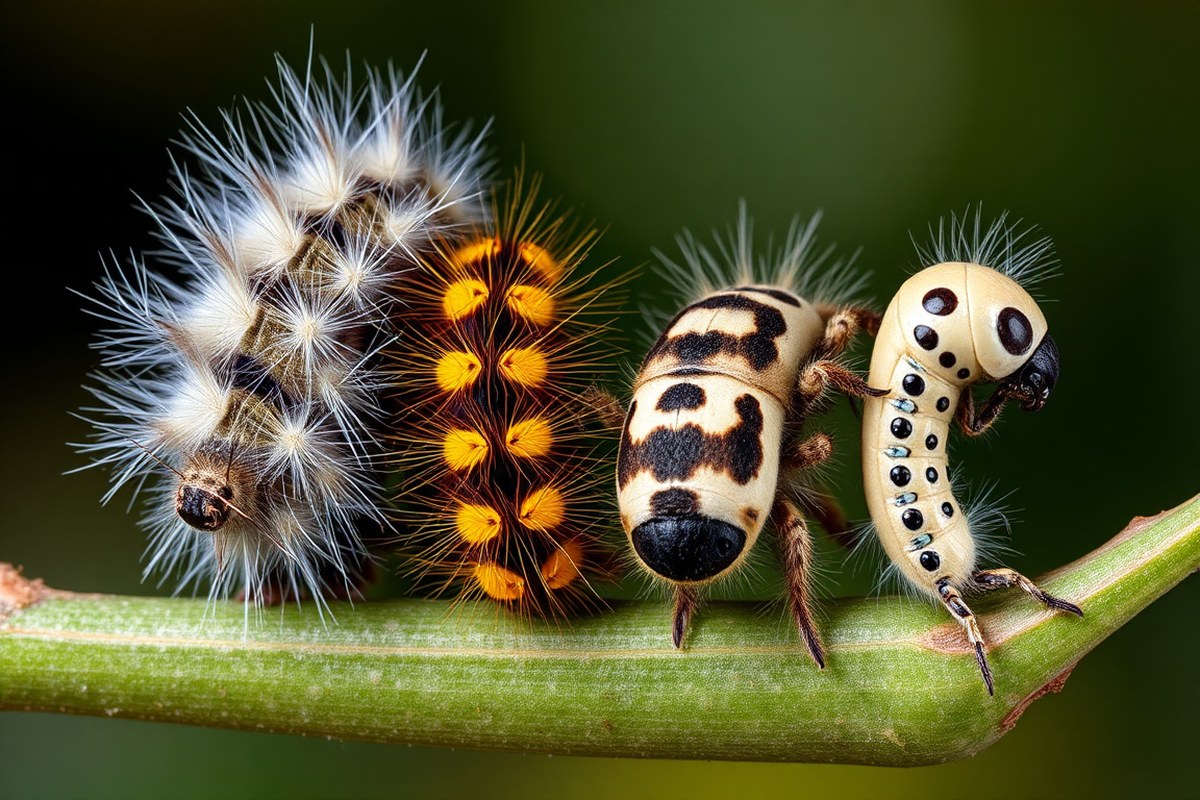
Not all fuzzy caterpillars sting, but some you see outside can cause problems. Venomous species usually have spines or bristles mixed with fuzz. Their warning colors and stinging hairs keep predators away and protect them.
Three main groups of stinging fuzzy caterpillars appear in North America. Puss caterpillars stand out with thick, hair-like spines that hide venomous tips. Slug caterpillars can look smooth and green.
Some appear hairy or ridged. Others are less clearly fuzzy. Giant silkworm moth caterpillars, like saddlebacks, show bright colors and spikes that deliver painful stings.
| Species | Features | Sting Severity |
|---|---|---|
| Puss caterpillar (Megalopyge opercularis) | Dense fur hiding venomous spines | Severe; can cause anaphylaxis |
| Saddleback caterpillar | Bright green with brown spot and spines | Severe; intense pain and rashes |
| Buck moth caterpillar | Fuzzy with stinging hairs, less bright | Moderate to severe; pain similar to saddleback |
| Slug caterpillars (Various species) | Smooth to bumpy; hair or spines may vary | Mild to moderate; mainly allergic reactions |
| Giant silkworm moth caterpillars (e.g., Io moth) | Long spines and bright colors | Moderate; painful but less frequent |
Puss caterpillars cause most stings reported in the southern US. Their venom can lead to bleeding, severe rash, and rare allergic shock.
Saddleback caterpillars are common across many states and cause severe local pain. Buck moth caterpillars sting too, though less severely, yet still requiring care.
Slug caterpillars may look less threatening but still trigger allergic reactions without strong stings. Giant silkworm moth caterpillars mostly produce moderate pain. You can often tell stinging types by bright colors and visible bristles or spines.
Never touch a fuzzy caterpillar with your bare hands; their spines may release venom instantly.
How to Identify Poisonous Versus Harmless Fuzzy Caterpillars
You can tell if a fuzzy caterpillar is poisonous by checking for specific physical signs. Venomous caterpillars often hide their spines beneath softer hairs. Following a simple checklist helps you spot danger without touching the caterpillar.
Visual Features That Indicate Danger
Look closely for venomous spines beneath long, silky hairs on the caterpillar’s body. Some venomous types, like the puss caterpillar, have dull tan colors but still sting. Rows of short, sharp spines or quills connected to venom glands often signal danger.
Hard, needle-like spines hidden under fuzzy hairs can cause painful stings. Its shape can also give clues.
Teardrop-shaped caterpillars such as the asp carry venomous spines. Avoid caterpillars with many visible spines or uneven fuzzy patches, as those can be harmful.
Color Patterns and Body Shape Clues
Bright colors or bold patterns often serve as warnings to predators and people. Black larvae have rows of yellow spots and long yellow hairs. Hidden near the base are venomous spines.
These spines can cause a painful sting. Caterpillars showing distinct markings, like the Saddleback’s brown “saddle,” can be poisonous.
However, dull-colored caterpillars may still be dangerous, so color alone can mislead. Large, leaf-eating caterpillars with noticeable spines should be treated with caution. Fuzzy caterpillars without bright warning colors are often harmless, like the woolly bear.
Use of Online Resources and Apps for Identification
Use identification apps to check fuzzy caterpillars safely before handling them. Upload pictures for instant feedback on species and danger level. Websites from local extension services often provide photos and descriptions to help you learn key features.
Many apps include warning signs about venomous species common in your area. Using these tools before touching caterpillars can prevent painful stings and rashes. Combining physical checks with digital ID will reduce guessing and keep you safe outdoors.
Why Some Fuzzy Caterpillars Have Venomous Hairs
Some fuzzy caterpillars have venomous hairs as a defense against predators. These hairs connect to venom glands beneath the caterpillar’s skin. When an animal or person brushes against them, the hairs break off and deliver venom.
The venom gets injected because the caterpillar’s hairs act like tiny, hollow needles. They puncture the skin and release toxins from attached glands. This sudden sting often causes pain, burning, or irritation, which discourages predators from eating the caterpillar.
Besides venom delivery, these hairs also serve as a physical barrier. Their sharp spines can irritate or scratch, even without venom. Some species display bright colors on their fuzzy bodies to warn animals of their venomous defense.
Symptoms and Timeline After Contact with Venomous Caterpillars
Symptoms from venomous fuzzy caterpillars usually appear right after contact. You’ll feel sharp pain, burning, or stinging at the contact spot. The skin then turns red, swells, and may develop raised welts or hives.
Common Skin Reactions and Itching
Skin redness and swelling often show up quickly after being stung. The affected area can get raised welts or small blisters. Itching follows the initial pain, sometimes feeling like a mild rash or irritation.
These reactions happen because the tiny barbed hairs break off and embed in the skin. The venom causes irritation, which makes the area itchy and sometimes sore. It’s common to see spots where the spines pierced your skin turning red.
Pain Intensity Range and Burning Sensation
Pain from a fuzzy caterpillar sting varies widely. You might get mild itching and a burning feeling like a bee sting. It could also be a sharper, more painful burn.
Some caterpillars, like the puss caterpillar, can cause intense pain. They may also cause serious symptoms like nausea or headache.
Usually, the pain is sharp and burning, staying around the sting site. It may feel like pins sticking your skin. Or like a bee’s sting.
This can make you pull away quickly. The intensity depends on the caterpillar species and your skin sensitivity.
Duration and Variability of Symptoms
Most symptoms start immediately and can last from an hour to several days. Pain and itching may fade within an hour. A red patch might stay behind.
This was reported by an entomologist. Swelling and redness may last longer, especially in sensitive skin.
Severe reactions, like blisters or allergic responses, could need medical help and last longer. Using a cold compress for 20 minutes helps reduce pain and swelling. Itching that won’t stop can get relief from antihistamines or calamine lotion.
Apply a cold compress wrapped in cloth for 20 minutes right after a sting. This helps reduce pain and swelling.
How to Safely Handle or Avoid Fuzzy Caterpillars Outdoors
Many fuzzy caterpillars can look tempting to touch, but some sting and cause pain. Even if you know which ones are harmful, taking precautions outdoors helps avoid stings. Wearing simple gear and following safe steps reduces your chances of getting hurt.
Avoiding contact with fuzzy caterpillars means learning where to look and what to wear. Stinging caterpillars often cling to tree branches, leaves, or shrubs.
Keeping your hands away and watching your step stops most stings. Protective clothing also helps when hiking or gardening where these caterpillars live.
Here’s how to handle encounters safely and lower sting risk:
- Wear long sleeves and pants. Thin clothing stops caterpillar hairs from reaching your skin. Choose light fabric so you can spot caterpillars easily. This costs nothing extra but protects your arms and legs.
- Use gloves when handling plants. Thick gloves shield your hands while working outside. Gardening or clearing brush with gloves cuts sting chances if caterpillars hide there.
- Look carefully before touching plants. Slowly scan branches and leaves. Avoid picking up fuzzy caterpillars unless you are 100% sure they can’t sting.
- Do not pick up fuzzy caterpillars. Many look harmless but carry venomous hairs. Even gentle pressure can release the hairs and cause irritation or worse.
- Stay alert near shaded, leafy areas. Poisonous caterpillars like the puss caterpillar prefer shady spots. Walk around these zones rather than through them.
- Keep children and pets supervised. They may unknowingly touch or pick caterpillars. Teach kids not to handle fuzzy caterpillars at all.
- Use insect repellent when appropriate. Some repellents discourage crawling insects but may not stop caterpillars. Still, it’s one more layer of defense outside.
- Wash skin and clothes after outdoor activities. Hairs can stick to fabric or skin. A quick rinse and changing clothes lowers accidental spread of irritating hairs.
Following these steps doesn’t guarantee no stings, but it cuts risks big time. If you do get a sting, acting fast and carefully removes irritating hairs and eases pain.
Remember, not all fuzzy caterpillars sting. But it pays off to play it safe when you meet one outdoors.
First Aid and Treatment After a Caterpillar Sting
Stings from fuzzy caterpillars can cause pain and swelling that vary in intensity. You should act quickly to reduce these symptoms and avoid complications. Use these clear steps to treat a sting effectively at home.
- Remove any caterpillar hairs or spines by gently brushing the skin with adhesive tape. This helps prevent more venom from entering your skin.
- Wash the affected area with soap and water. This cleans off leftover toxins from the caterpillar. Make sure to rinse well. Use cool water to avoid irritating your skin further.
- Apply an ice pack or cold compress. Wrap it in a cloth first. Keep it on the sting for 10 to 15 minutes. This helps reduce pain and swelling promptly.
- Take an over-the-counter pain reliever like ibuprofen or acetaminophen to ease pain and inflammation. Follow the dosage instructions on the package carefully.
- Lift the sting site above heart level if possible. This can help decrease swelling, especially if the sting is on your hand or arm.
- Use baking soda paste lightly on the sting area if you want extra relief. Mix baking soda with a little water and apply, then rinse off after 10 minutes.
- Monitor your symptoms closely for several hours. Pain should improve during this time, but swelling and redness might linger.
- Seek immediate medical care for serious symptoms like trouble breathing. Also get help for chest pain. Watch for swelling that spreads beyond the sting. These signs indicate a serious reaction.
Severe reactions can include nausea, fever, or headache after a sting. Pain sometimes feels like it reaches deeper tissues or bones. Call a doctor quickly if your eyes get affected.
Also call if you see signs of infection. Don’t wait to get help.
Home remedies can help mild symptoms, but they aren’t always enough. Medical professionals can provide treatments if your pain is intense or if you feel unwell. Remember, early ice application and pain medicines usually ease discomfort within a few hours.
Common Myths and Misconceptions About Fuzzy Caterpillars
Not all fuzzy caterpillars are poisonous or dangerous to humans. Many are harmless, even if they look scary with their bristles or bright colors. It helps to know which species are risky and which aren’t.
Not every fuzzy caterpillar stings or causes allergies. Don’t assume all of them are harmful.
The Woolly Bear Caterpillar Myth
The woolly bear caterpillar has thick black and brown fuzz that seems intimidating. Despite this, it is entirely harmless and does not sting or poison people. Many confuse it with venomous caterpillars, but touching it typically causes no harm.
This caterpillar is actually the larva of the Isabella tiger moth. It crawls around in the fall before spinning cocoons to survive winter cold. Their fuzzy look is just a natural defense, not a sign of venom.
Color Does Not Equal Danger
Black or white fuzzy caterpillars aren’t automatically poisonous. Some harmless species have these colors to blend in or warn predators. The Buck Moth Caterpillar has black and white spiky tufts.
It belongs to the venomous species you should avoid. Watch out for it.
Woolly bears and saltmarsh caterpillars are usually harmless. Still, sensitive people might get mild skin reactions. So be careful if you’re sensitive.
Some caterpillars can provoke asthma attacks or skin irritation in rare cases. Being cautious around all fuzzy caterpillars helps prevent unexpected allergic responses.
Harmless vs Venomous Life Cycle Differences
Caterpillars develop into moths or butterflies, which are generally not poisonous. Venomous fuzzy caterpillars do not turn into venomous adults. Their danger lies only in the larval stage where venomous hairs act as protection.
Harmless fuzzy caterpillars usually shed their fuzz or lose their defensive hairs when turning into adults. Venomous ones rely on their venomous bristles to protect the vulnerable larva. Knowing the life cycle of these insects keeps you safe.
It prevents unnecessary fear of harmless moths or butterflies. This helps you relax outdoors.
Never touch fuzzy caterpillars without knowing the species. Some can cause allergic reactions even if not venomous.
Step-by-Step Action Plan for Handling Fuzzy Caterpillars Safely
Follow these steps whenever you spot a fuzzy caterpillar outdoors. This plan helps you avoid stings and know what to do if exposed.
- Before you go outside: Learn to identify common venomous fuzzy caterpillars by their appearance. Carry a small guide or use a phone app to check.
- When you see a fuzzy caterpillar: Avoid touching it directly. Use a stick or wear thick gloves if you must move it. No reaction means you avoided venom.
- When you aren’t sure: Snap a clear photo from far away. Compare it with trusted images later. Correct ID reduces risk on future encounters.
- When stung: Clean the spot gently using soap and water. This reduces irritation and removes leftover hairs.
- Within 1 hour after contact: Apply ice to reduce swelling and pain. Check for signs like redness or blistering. Should symptoms get worse, go to the doctor right away.
- Next day: Monitor the sting area for changes. Severe swelling, spreading rash, or breathing trouble needs urgent doctor attention.
- After a week: If swelling and pain stop, your body cleared the venom. When symptoms last, see a doctor for advice.
Frequently Asked Questions
Are All Fuzzy Caterpillars Poisonous?
No, not all fuzzy caterpillars are poisonous. Many, like the woolly bear, are harmless and cause no serious reaction. Always avoid touching them unless you know their type for sure.
How Can You Tell If a Fuzzy Caterpillar Is Poisonous?
Poisonous fuzzy caterpillars often have bright colors and spines or bristles. One notable example, the puss caterpillar, looks bland but is highly venomous. Use caution and identification guides before touching any fuzzy caterpillar.
Which Fuzzy Caterpillars Are Not Poisonous?
Several fuzzy caterpillars like the woolly bear and milkweed tussock are safe to observe without touching. They may cause mild irritation but no serious harm. Confirm the species to avoid venomous ones.
Why Shouldn’t You Pick Up Fuzzy Caterpillars?
Picking up fuzzy caterpillars risks stings or allergic reactions from venomous hairs. Many species have tiny barbs that inject venom when handled. It is safer to admire them without direct contact.
What Happens If You Get Stung by a Hairy Caterpillar?
A sting from a hairy caterpillar can cause pain, burning, or an allergic reaction. Some species cause only mild irritation.
Others, like the puss caterpillar, cause severe pain. Seek medical advice if symptoms worsen.
What Happens If You Touch a Venomous Caterpillar?
Touching a venomous caterpillar usually causes immediate pain and skin irritation. The venomous hairs can stick in your skin and spread toxins. Remove hairs carefully and get help if the reaction is strong.
Wrapping Up
Not all fuzzy caterpillars are poisonous, but some can sting you with venomous hairs. Learning to spot the dangerous ones protects you outdoors. Next time you hike, keep a safe distance and be ready to handle a sting properly.