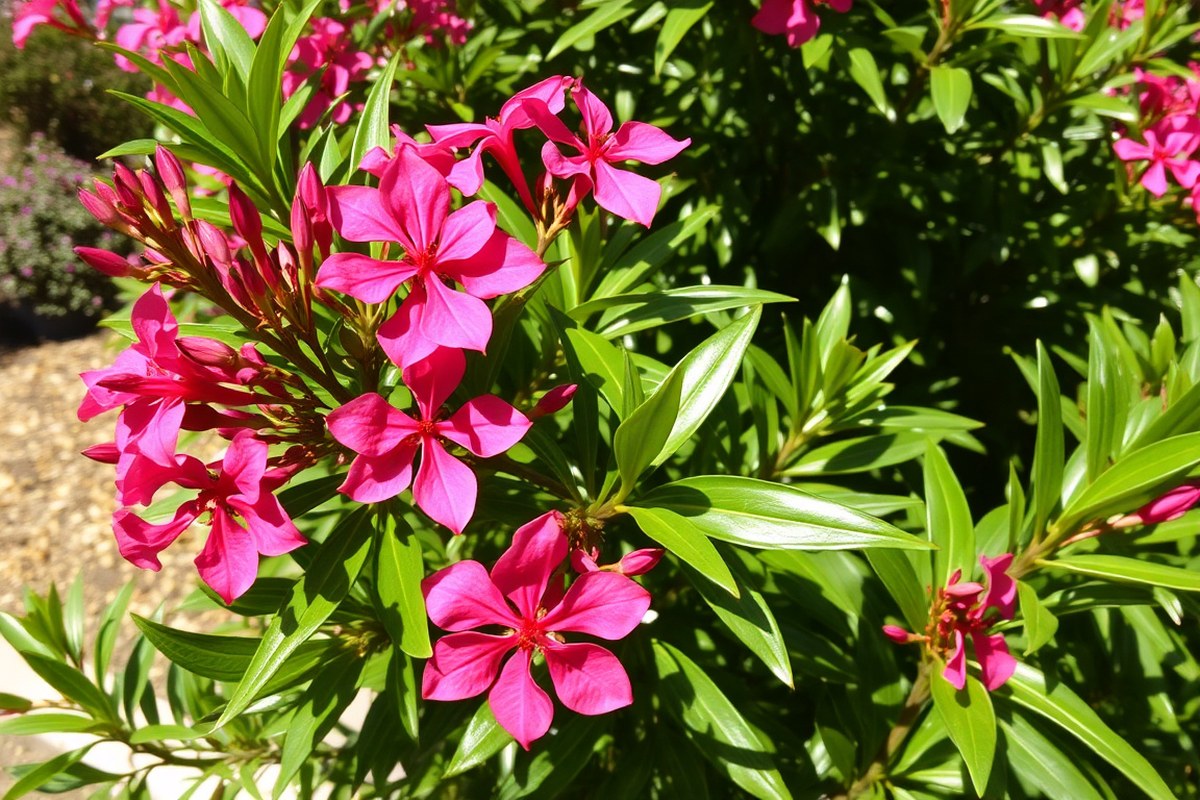
Is the Oleander Plant Poisonous? A Complete Guide to Risks and Safety
Is the oleander plant poisonous? Yes, every part of oleander is highly toxic to people and pets alike.
It contains cardiac glycosides, substances that can severely affect the heart and potentially cause fatal problems if swallowed. Avoid eating any part of the plant and be extra cautious when handling it around children and animals.
Even touching oleander can irritate your skin and eyes. Many people experience allergic reactions after only brief contact.
Always wear gloves when pruning or trimming oleander. Wash your hands thoroughly afterward to reduce irritation risk.
If anyone accidentally swallows any part of oleander, call poison control or emergency services right away. Immediate medical attention can stop serious complications from developing. Watch for signs such as nausea, vomiting, dizziness, confusion, or an irregular heartbeat after exposure.
Key Takeaways
- All parts of oleander are poisonous, so treat the whole plant as toxic.
- Oleander’s cardiac glycosides can disrupt heart rhythm, causing serious problems.
- Wear gloves and wash hands thoroughly after handling oleander to avoid skin irritation.
- Flush eyes with water for 15 minutes if oleander sap contacts them, then get medical help.
- Call poison control or emergency services immediately if oleander ingestion is suspected.
- Watch for symptoms like nausea, vomiting, or rapid heartbeat after exposure.
Is the Oleander Plant Poisonous to People and Pets?
Oleander is poisonous to humans and pets. Every part of the plant contains toxins called cardiac glycosides. These substances affect the heart and can cause serious harm if ingested.
All parts of oleander are poisonous, including stems, flowers, and seeds. Dry or dead, the plant still holds its toxicity. Always handle every part carefully, regardless of season or state.
Pets like dogs, cats, rabbits, and horses are also at risk from oleander poisoning. The ASPCA says symptoms in animals include drooling and stomach pain. Diarrhea and colic can also happen.
In some cases, eating this plant causes sudden death. Because of this, avoid planting oleander where pets or livestock can reach it.
Burning oleander is dangerous too. The smoke released contains toxins that can harm humans and animals if inhaled. Dispose of oleander clippings safely to avoid risks.
Never burn the trimmings. Always wear gloves and eye protection when working with the plant.
Being aware that oleander is toxic helps you prevent accidental poisonings. Keep this plant out of fenced or supervised areas for children and pets. Plant oleander far away from kids’ and pets’ reach.
Choose a location where neither can chew on it. This avoids accidental poisoning.
Which Oleander Plant Parts Are Most Toxic and Why?
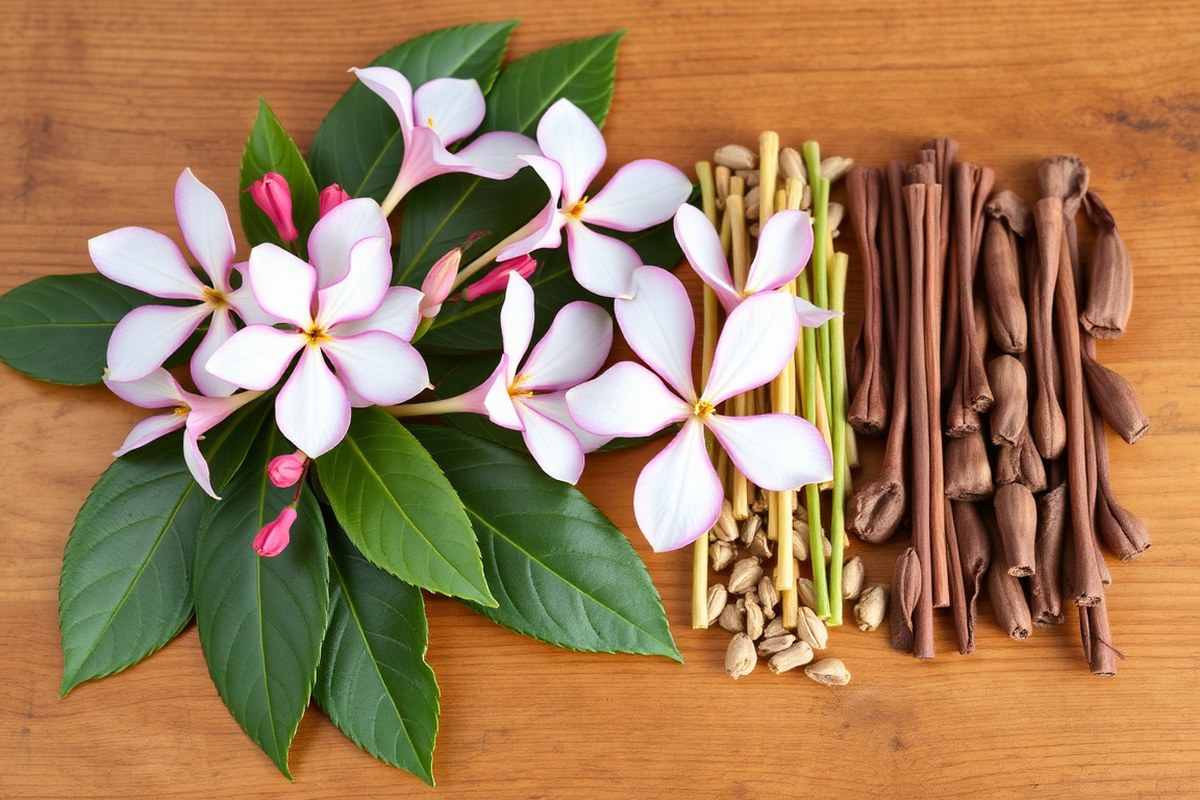
Every part of the oleander plant contains toxic cardiac glycosides. These chemicals can cause serious heart rhythm problems. Leaves, flowers, stems, seeds, and even the sap have these dangerous compounds.
Fresh leaves have a very high glycoside level. Chewing just a small handful can make a child or pet sick.
Dried leaves keep their toxicity, which is why mixing clippings into hay is risky for livestock. Oleander smoke is toxic too.
Flowers also carry heart toxins and bright colors attract children. Kids might pick or chew flowers, increasing poisoning risk. Seeds are poisonous as well, but they’re less often swallowed than leaves.
| Plant Part Or Exposure | Why It Is Risky | Typical Scenario |
|---|---|---|
| Leaves (fresh) | Oleander contains strong glycosides; even a small amount can hurt kids. | A child or pet chewing oleander stems or leaves, or leaves mixing with food creates risk. |
| Leaves (dried) | Toxins remain active after drying; livestock deaths often traced here | Clippings mixed into hay, yard waste blown into pasture |
| Flowers | Contain the same heart toxins; bright colors attract children | Child picks flowers, chews them, or uses them in play |
| Seeds | Toxic but less commonly ingested | Animal or child accidentally swallows seeds |
| Sap | Toxic; can cause skin irritation and poisoning if ingested | Contact during pruning or cuts on the plant |
Honey made from oleander nectar is generally not toxic to humans. The plant’s toxins do not pass into honey at dangerous levels. However, ingesting any oleander parts directly is risky.
Handling fresh or dried oleander carefully matters. Avoid letting leaves or branches fall into gardens, play areas, or animal feed. When pruning, wear gloves to prevent sap contact.
Never burn oleander clippings; the smoke carries toxins that are harmful when inhaled.
How Oleander’s Cardiac Glycosides Affect the Human Body
Oleander contains toxic compounds called cardiac glycosides, mainly oleandrin and neriin. These toxins stop a key protein in heart cells called sodium-potassium ATPase. This protein helps heart cells work right.
Blocking it causes problems. The pump keeps sodium and potassium balanced in your cells. This balance is needed for normal heartbeats.
Without it, heart rhythm suffers. Oleandrin blocks the pump.
This lets sodium and calcium build up inside heart cells. This causes irregular or slow heartbeats.
Oleander toxins disrupt the heart’s electrical signals. That disruption can cause dangerous rhythms called arrhythmias. These rhythms can be life-threatening.
These include a slower heart rate (bradycardia) and, in severe cases, can cause cardiac arrest. Early signs like nausea and dizziness can quickly get worse. They often lead to serious heart problems fast.
That’s why quick help matters. Toxins build up fast in your bloodstream.
This creates an emergency needing medical care immediately. Delay can make problems worse.
Oleandrin works very much like the drug digoxin, which doctors give to treat certain heart conditions. Both affect the sodium-potassium pump in a similar way. Blood tests for digoxin sometimes confuse oleandrin with it.
This mix-up makes diagnosing poisoning tricky. The tests don’t tell them apart well. People poisoned by oleander may seem to have digoxin overdose.
Doctors use similar treatments like activated charcoal. They also watch the heart closely.
When oleander poisoning happens, toxins enter the bloodstream quickly and interfere with heart cells within hours. The problem worsens as the toxins accumulate, creating serious heartbeat problems that sometimes require hospital care. Doctors may use special antidotes for cardiac glycosides.
These help remove toxins from the body. They carefully monitor heart function too.
Even a tiny bit of oleander can be very dangerous. Oleandrin’s strength affects heart cells strongly. This makes small amounts risky.
Plant sap can irritate your skin. But poisoning usually happens only if you swallow toxins. Skin contact alone rarely causes full poisoning.
Handle oleander with care around kids and pets. They are more at risk from these fast-acting toxins. Keep the plant out of reach.
Recognizing Symptoms of Oleander Poisoning in Humans
Symptoms of oleander poisoning usually start within minutes to a few hours after ingestion. Early signs often include nausea, vomiting, and diarrhea. These can look like a stomach bug, which makes poisoning hard to spot.
Heart problems are serious signs to watch for next. Irregular heartbeats and changes in pulse, sometimes very fast, sometimes very slow, can happen. Neurological symptoms like drowsiness, weakness, or tremors often appear with these heart issues.
Even small amounts of oleander can cause these symptoms, especially in children or sensitive adults. It’s safest to seek medical care immediately after any suspected ingestion, even if symptoms seem mild.
| System Affected | Common Symptoms |
|---|---|
| Gastrointestinal | Nausea, vomiting, abdominal pain, diarrhea |
| Cardiovascular | Irregular heart rate, slow pulse, rapid pulse |
| Neurological | Drowsiness, weakness, tremors |
Gastrointestinal symptoms often come first and resemble food poisoning. Cardiovascular symptoms may follow and need urgent attention. Neurological signs can develop as the poisoning worsens.
Because oleander’s toxins affect the heart like digitalis medication, symptoms can quickly become life-threatening. Don’t ignore early signs, even if they seem mild. Calling Poison Control at 1-800-222-1222 or going to the emergency room is critical.
Symptoms and Risks of Oleander Poisoning in Pets and Livestock
Oleander poisoning shows mostly as stomach upset in dogs and cats. They may vomit, drool, or have diarrhea. Larger amounts can cause slow heart rate and severe weakness, needing quick veterinary help.
Horses often show sudden signs of poisoning. They might stagger, have a slow pulse, or collapse.
Kidney damage can happen. But it’s hard to confirm oleander as the exact cause from that alone.
Cows and other farm animals can suffer severe effects too. In one farm, 13 cows died in days after eating oleander leaves. Sadly, livestock sometimes die before anyone spots symptoms.
- Dogs and cats may show vomiting and diarrhea first.
- Horses might have irregular heartbeats and kidney issues.
- Cattle can die suddenly after eating even small amounts.
- Large ingestions in pets require immediate veterinary care.
- Some animals are more sensitive, so symptoms vary.
Pets often face a high risk when exposed, with several cases ending fatally without treatment. Horses and cattle have little resistance and can die quickly after eating. Dogs and cats vary, but even smaller doses can be dangerous.
The specific treatment uses digoxin-specific antibodies, like Digibind. This medicine counters oleander toxins and might save lives. However, it’s expensive and not always on hand, so prevention counts most.
Never let pets or livestock near oleander plants; even small bites can be deadly.
Safe Handling, Pruning, and Disposal of Oleander Plants
Handling oleander safely means avoiding the toxic sap and dust from its leaves and stems. Wear gloves and eye protection every time you prune or touch the plant. Bag all cuttings.
Throw them away in the trash. Never burn or compost oleander trimmings.
Recommended Protective Gear for Gardeners
Wear thick gloves before you touch oleander plants to keep their sap off your skin. Use eye protection to prevent sap from splashing into your eyes during pruning.
Wear long sleeves and pants for protection. This is important when sweating in hot weather. Being covered reduces skin contact with the irritating sap or flower dust.
Proper Pruning Techniques to Minimize Risk
Prune oleander on dry, calm days to limit sap spread. Avoid breaking branches roughly; use sharp tools to make clean cuts. This action cuts down how much sap escapes and limits airborne particles.
Prune outdoors only, never inside or near vents. Keep your hands away from your face during work. Rinse gloves and tools thoroughly after pruning to remove toxic residue.
Use a mask if dust or flower scent irritates your lungs. It helps reduce breathing issues. To rejuvenate older bushes, cut back only one-third of the biggest stems at ground level.
Safe Disposal Methods for Oleander Waste
Collect all pruned material carefully and avoid dropping leaves or small pieces on the ground. Put all oleander waste in a sealed trash bag. This stops animals from getting to it.
Do not burn oleander branches, it releases toxic smoke harmful to you and pets. Never add oleander waste to compost, as toxins can persist and contaminate your soil over time.
Ask your local waste management if they have special disposal rules for garden waste. Some places accept yard debris only at special spots. They have rules that ban burning poisonous plants.
- Put on protective gloves, long sleeves, and eye goggles before handling oleander.
- Use sharp pruning shears for clean cuts on dry days in open air.
- Work carefully to avoid splashing or crushing branches that release sap.
- Wear a mask if prone to respiratory irritation from sap or flower scent.
- Gather all cuttings and leaves carefully. Avoid letting debris spread on the ground.
- Seal trimmings in heavy-duty trash bags to keep animals and kids safe.
- Dispose of bags in trash, do not compost or burn oleander waste.
- Clean gloves and tools after pruning with soap and water before reuse.
Immediate Actions and Medical Treatment for Oleander Poisoning
Suspected oleander poisoning needs quick action to avoid serious harm. Call poison control or emergency services immediately for expert advice. Do not wait for symptoms to appear before seeking help.
First Aid Steps After Oleander Ingestion
Take immediate steps to protect the person or pet who might have ingested oleander. Avoid making the person vomit unless a poison expert tells you. Follow clear steps to get the best help quickly.
- Call your local poison control center (1-800-222-1222 in the U.S.) or emergency services (911).
- Remove any plant pieces from the mouth or skin to prevent further exposure.
- Rinse the mouth thoroughly with water if ingestion is recent and the person is conscious.
- Keep the person calm and seated to avoid injury from dizziness or fainting.
- Document the plant, including photos, to help medical staff confirm the exposure.
- Note the time of ingestion and any symptoms for emergency responders.
- For pets, call a veterinarian or the ASPCA Animal Poison Control Center at 1-888-426-4435 immediately.
Medical Interventions and Hospital Treatments
Medical care can save lives if oleander poisoning is caught early. Hospitals use treatments to control heart rate, clear toxins, and support important functions. Treatments vary depending on the severity and symptoms present.
Doctors may monitor heart rhythm closely and give medicines to control dangerous irregular beats. They can use activated charcoal to limit poison absorption if the ingestion was recent. In severe cases, hospitalization with cardiac monitoring is necessary for several days.
Pets receive similar care from veterinarians, including intravenous fluids and medications to stabilize heart function. Rapid veterinary treatment improves outcomes significantly.
When to Seek Emergency Care
Call poison control immediately if you think someone touched oleander. If they ate any part, call emergency services right away. Waiting can let the toxin badly affect the heart and other organs.
Emergency care is needed if you see symptoms like nausea, irregular heartbeat, dizziness, or confusion. Early checkup is better, even when no symptoms show up yet. Waiting can let the poison cause serious harm.
For pets, call your emergency vet immediately after any possible oleander exposure. Rapid response is critical to avoid a fatal outcome.
Common Myths and Misconceptions About Oleander Toxicity
Oleander sticks are unsafe for cooking. Tests show toxic compounds transfer to food even after cooking. Using oleander skewers can poison you with no obvious taste or smell.
Drying oleander does not remove its poison. Its toxic chemicals are heat-stable and remain dangerous whether fresh or dry. Even dried leaves or flowers can harm pets and children.
Touching oleander might irritate your skin but usually won’t poison you without eating it. Sap can cause a rash or eye irritation. But swallowing or inhaling smoke carries much higher risks.
- Never use oleander wood or sticks near food or open flames.
- Avoid burning oleander; smoke can cause serious poisoning.
- Wear gloves and long sleeves when handling or pruning.
- Wash skin immediately if sap touches you.
- Keep children and pets away from oleander plants.
- Naturally dry leaves remain toxic for years.
- Do not compost oleander clippings; dispose safely.
Burning any part of oleander releases toxic smoke. This smoke can poison you just by breathing it in.
People have mistaken dried oleander for safe mulch or kindling. This misconception leads to accidental poisonings in animals and humans. Handle the plant with care and respect its dangers.
Oleander’s toxicity is one of the strongest in garden plants. You can admire its beauty, but never assume common tricks make it safe. Avoid all contact with any part of the plant beyond casual viewing.
Protecting Children and Pets from Oleander Poisoning Risks
Keep children and pets safe from oleander by recognizing the plant and limiting access. Physical barriers and clear supervision help prevent accidental contact. Teaching family members about oleander’s dangers adds an important layer of protection.
Identification Tips for Safe Recognition
Oleander has glossy, narrow leaves that grow in pairs or whorls of three. It blooms with clusters of showy flowers in white, pink, red, or yellow. The plant grows 6 to 20 feet tall.
You can spot it easily. Just know what to look for.
Check your yard or local parks carefully for oleander, especially in warm climates. Look along fences, walkways, or borders where the shrub is commonly planted. Early identification helps you avoid accidental contact or ingestion.
Physical and Supervision Barriers
Install a sturdy fence or barrier around oleander shrubs if removal is not an option. Keep children and pets away from the fenced area to reduce the risk of poisoning. Barriers are especially useful if oleander grows near play areas or entrances.
When supervising children outdoors, explain why they must avoid touching or eating plants. Keep a close eye on pets during walks, particularly in parks where oleander may grow. Removing oleander from spaces where kids and pets play is often the safest choice.
- Fence off oleander plants with a minimum 3-foot-high barrier
- Place oleander away from gardens, play areas, and pet runs
- Use signs to mark dangerous plants for visitors
- Prune oleander carefully to reduce accessible leaves and flowers
- Remove fallen leaves and flowers promptly to prevent ingestion
- Supervise children closely when near landscaping with oleander
- Monitor pets’ outdoor activity to avoid unsupervised contact
Physical barriers work best combined with active supervision. Even with fencing, a curious child or pet may try to reach through gaps. Regular checks can identify any risks before they become serious.
Educational Tips for Families
Teach children simple rules like “never eat any plant parts” unless an adult confirms safety. Use this rule every time the family goes outside to form good habits early on. Explain oleander’s dangers in kid-friendly terms without causing fear.
Discuss oleander risks with other family members and caregivers so everyone stays alert. Use clear signs or reminders near oleander plants to reinforce the message. Educating your whole household reduces mistakes from curiosity or ignorance.
Step-by-Step Action Plan for Handling Oleander Safely
Use this plan to keep your family and pets safe from oleander poisoning risks. Follow each step to reduce hazards and respond quickly if exposure happens.
- Before you plant: Choose a spot away from where children and pets play. Check the area regularly to spot any dropped leaves or flowers.
- Weekly: Inspect the oleander for dead or broken branches. Carefully prune these using gloves. Dispose of them in a sealed bag to avoid contact.
- After pruning: Wash your hands and any tools you used with soap and water. Make sure no sap is left on skin or clothes.
- Daily: Teach children to never touch or eat any parts of the plant. Remind pet owners to keep animals on a leash outdoors where oleander grows.
- Immediately if exposure happens: Wash the area with cold water. Call poison control or a veterinarian right away. Watch for symptoms like nausea or irregular heartbeat.
- Quarterly: Review safety signs with your household and update storage areas for gardening tools and chemicals.
- Seasonally: Check your garden for new oleander growth or damage. Remove unhealthy branches to avoid risks before busy seasons.
- Pets or livestock reaching oleander: Contact your vet or emergency services right away. Early treatment prevents severe harm.
Frequently Asked Questions
Can Oleander Cause Poisoning Through Skin Contact?
Simply touching oleander usually won’t cause poisoning. Repeated skin contact may cause irritation or allergies.
Wearing gloves helps protect your skin. Always wash hands after handling oleander.
Is Oleander Smoke Toxic If Burned in a Fire?
Burning oleander releases toxic compounds in the smoke. Inhaling it can cause serious respiratory problems. Avoid burning oleander trimmings or leaves at home.
Can Oleander Toxins Affect Bees or Pollinators?
Oleander nectar contains toxins, but bees usually avoid it or tolerate low exposure. It’s unlikely to harm pollinators significantly. But planting safer flowers nearby is a good idea.
Does Cooking or Boiling Oleander Reduce Its Toxicity?
No, cooking or boiling oleander does not make it safe. The toxins stay strong even after heat exposure.
Never use oleander parts in food or drinks. This keeps you safe from poisoning.
Is Oleander Toxicity Dangerous If Plant Parts Are Just Dried?
Yes, dried oleander parts are still highly poisonous. Drying the plant does not remove toxins.
Avoid using dried oleander near pets or kids. Keep all cuttings out of reach.
Can Oleander Poisoning Show Symptoms Immediately After Ingestion?
Symptoms can appear within a few hours of eating oleander. Early signs include stomach pain, dizziness, and irregular heartbeat, so quick action is essential.
Before You Go
Oleander is poisonous and can cause serious health problems in people and animals. Recognizing its risks helps you act fast to keep everyone safe. Start by updating your garden’s safety and keep emergency numbers handy.