What Is Optimal Humidity? A Complete Guide to Ideal Levels and Why They Matter
What is optimal humidity? It’s the range of moisture in the air that keeps your home comfortable and safe. The ideal indoor humidity usually falls between 30% and 60%.
This range keeps your stuff, health, and home safe. It stops problems from air that’s too dry or wet.
Air too dry or wet causes issues like dry skin and allergies. It can also damage electronics or wood.
To keep it right, measure your indoor humidity with a reliable humidistat. Adjust as needed, using a humidifier or dehumidifier to stay within the good zone.
This balance also helps you feel your best. When humidity climbs too high, sweating won’t cool you down properly. When it drops too low, your throat and skin get dry and irritated.
Key Takeaways
- Keep indoor relative humidity between 30% and 60% for general comfort.
- Use a humidistat to monitor your home’s humidity levels accurately.
- Add moisture with a humidifier if air drops below 30% relative humidity.
- Lower humidity using a dehumidifier when it goes above 60% to prevent mold.
- Electronic devices work best in 30% to 65% humidity to avoid damage.
- Wood products buffer moisture best near 68% to 72% humidity for stability.
What Is Optimal Humidity and Why Is It Important?

Optimal humidity means the moisture in the air that feels best. It also protects your home. This balance helps both people and buildings.
It usually falls somewhere between 30% and 60% relative humidity indoors. This range helps keep you comfortable while limiting problems that dry or damp air can cause.
Humidity affects comfort because it changes how your body cools itself. When humidity is too high, around or above 60%, sweat doesn’t evaporate well. That leaves you feeling hot and sticky.
Lower humidity helps sweat evaporate. But too dry air, below 30%, can dry out your skin and throat.
The right humidity level also matters for your health. High humidity can make asthma worse. At 50%, it may cause coughs or tightness.
It irritates breathing for sensitive people. Dry air irritates the respiratory system too. Most air-conditioned buildings keep humidity near 30% to 60% to balance these risks.
Your home and belongings also respond to humidity levels. Wood furniture and floors can crack or warp if air is too dry. Heating a home often drops relative humidity, which pulls moisture from wood and plants.
A humidor, for example, needs about 68% to 72% humidity to keep cigars fresh. Electronics typically do best between 30% and 65% humidity to avoid damage from moisture or static.
Managing optimal humidity indoors usually means regular monitoring with a hygrometer. Use humidifiers when air feels dry. Use dehumidifiers or ventilation if air is damp.
These tools help keep humidity in check. Basic humidifiers cost about $30. Dehumidifiers with large capacity cost $200 or more.
Prices vary by size and features. Proper results show balanced moisture that feels comfy and protects items without visible mold or dryness.
Problems happen if humidity sits outside this range too long. High humidity encourages mold and dust mites, harming indoor air quality and surfaces. Too low humidity can cause static shocks and cracked wood.
Checking indoor humidity helps your health and comfort. It also protects your home and belongings. Adjusting humidity keeps everything in good shape.
What Are the Ideal Humidity Ranges for Different Indoor Environments?
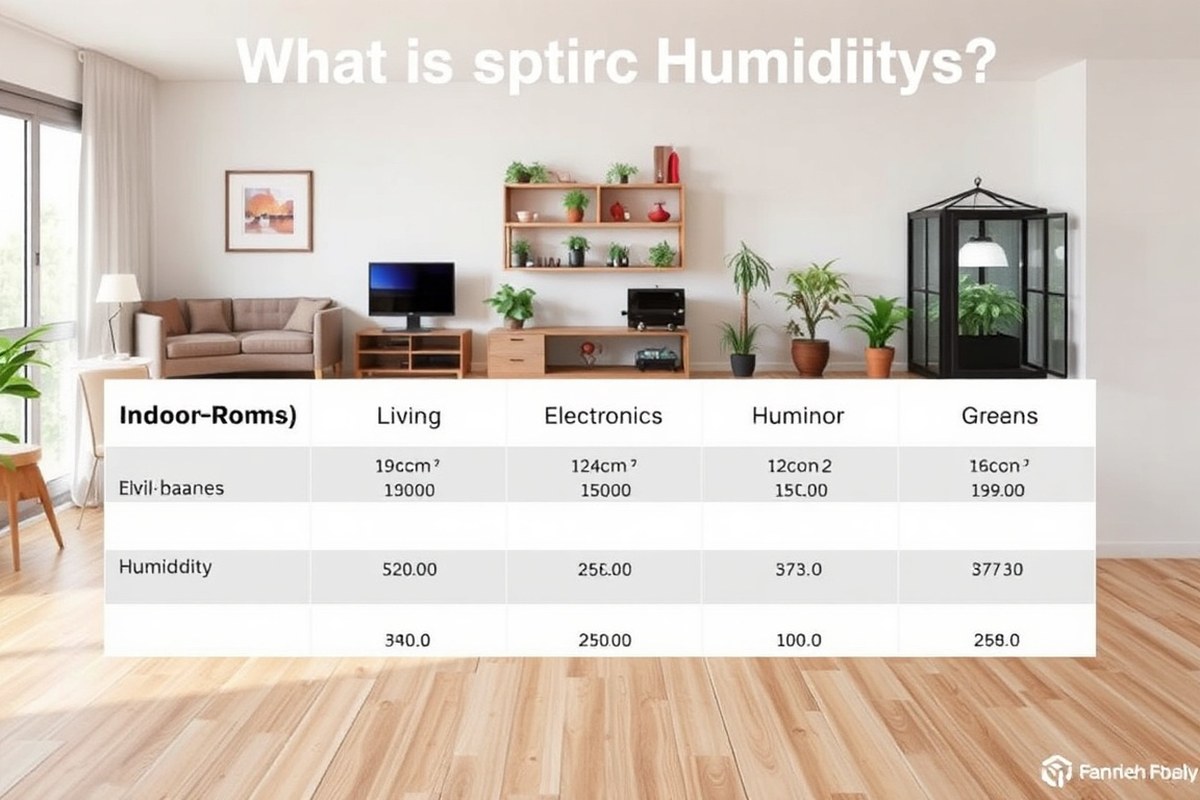
Indoor spaces need different humidity levels depending on what’s inside. Humans typically feel comfortable between 30% and 50% relative humidity (RH). This range helps avoid dryness or excessive moisture that causes discomfort or mold.
Electronics require lower humidity to prevent condensation and corrosion. Keeping RH between 30% and 45% protects sensitive circuits.
Wood products like furniture and flooring do best around 40% to 60% RH. This avoids cracking or warping caused by too dry or moist air.
Plants and greenhouses have varied needs. Most houseplants thrive at 40% to 60% RH. Some tropical plants prefer 60% to 80%.
Specialized environments, such as cigar humidors, use a precise 65% to 72% range. This range maintains cigar quality by preventing mold and tobacco beetle eggs from hatching.
| Indoor Environment | Recommended RH (%) | Why |
|---|---|---|
| Humans | 30 to 50 | Comfort; prevents dryness and mold |
| Electronics | 30 to 45 | Avoids condensation and corrosion |
| Wood Products | 40 to 60 | Prevents cracking and warping |
| Houseplants | 40 to 60 | Supports growth and moisture balance |
| Tropical Plants | 60 to 80 | Meets higher humidity needs |
| Cigar Humidor | 65 to 72 | Maintains tobacco quality and prevents pests |
Keeping these levels requires tools like humidifiers, dehumidifiers, or mineral salt buffers. For example, you can recharge humidor humidifiers with a mix of water. Use 50/50 propylene glycol and distilled water.
This mix keeps relative humidity near 70%. Avoid letting humidity get close to 100%, which can cause mold and damage.
Check humidity levels regularly with a reliable monitor and adjust with proper devices. This prevents costly damage and improves comfort.
How Does Humidity Affect Human Health and Comfort?
Low humidity indoors, especially in winter, dries out your skin and eyes. It also makes breathing harder by slowing the clearing of mucus in your airways.
This can make breathing problems worse and cause itchy skin. It may also give you static shocks around your home.
High humidity traps moisture in the air, making it hard for sweat to evaporate. Your body cools down by sweating. So when evaporation slows, you feel hotter and more uncomfortable.
This effect gets stronger when the air is warm. It’s worse if the air is as warm or warmer than your skin.
Excess moisture can worsen allergies and asthma. Dust mites, mold, and other allergens thrive in moist environments. When humidity stays high, you might notice more frequent allergy attacks and breathing difficulties.
Comfort drops off sharply at high humidity because your body can’t cool itself well. Air that’s warm and humid blocks heat loss by conduction and evaporation. You may sweat more but still feel overheated and tired.
How to Accurately Measure and Monitor Indoor Humidity Levels
Measuring indoor humidity starts with using the right tools. Most people use digital hygrometers for daily checks. Wet-bulb thermometers provide a more detailed view but need careful handling.
Using Digital Hygrometers Correctly
Digital hygrometers are common, affordable, and easy to find for under $20. They measure relative humidity and often show temperature too. Place the device 3 to 5 feet from the floor.
Keep it away from direct sunlight and vents. This helps get the best reading.
Check humidity once daily in living spaces. Also check rooms with sensitive electronics or wood. These areas need regular monitoring.
Too often or too rarely checking can miss problems or waste effort. Digital hygrometers may take 10 minutes to adjust after moving to a new spot.
You’ll see relative humidity as a percentage. Around 40 to 60% is comfortable indoors with normal room temperatures. Reading above 60% can mean moisture issues, while below 30% might cause dryness-related problems.
How to Read and Use Wet-Bulb Thermometers
Wet-bulb thermometers show the lowest temperature air can reach by evaporation. They help calculate dew point and absolute humidity, especially in HVAC or data center setups. You need to know the dry-bulb (normal air) temperature along with wet-bulb to get accurate data.
Use a small cotton wick, soaked in water and wrapped around the bulb. Air passing over the wet bulb cools as water evaporates, lowering the temperature reading. The difference between dry and wet-bulb temperatures is called wet-bulb depression.
For example, if dry-bulb is 75°F and wet-bulb is 68°F, humidity is around 55%. When dry and wet-bulb are equal, the air is 100% humid. Make sure to ventilate the thermometer properly and refill the wick with clean water.
Calibrating and Maintaining Measurement Devices
Calibration keeps readings accurate over time. Digital hygrometers can drift after months. Compare your device with a reference hygrometer.
You can also use a salt test at 75% humidity. This helps verify your device’s accuracy.
Clean wet-bulb thermometers regularly, and replace cotton wicks every few weeks. Keep sensors dry and dust-free. Batteries in digital units should be changed yearly or when readings look unstable.
Check your humidity level twice a week or whenever you feel discomfort inside. Consistent monitoring helps catch changes from weather or appliance use. Proper device care saves you from wrong readings that can cause humidity control mistakes.
- Place your digital hygrometer in an open, central area of the room.
- Wait 10 minutes for the device to stabilize after moving it.
- Record the relative humidity and temperature readings.
- For wet-bulb thermometers, soak the wick in clean water thoroughly.
- Ventilate the thermometer bulb by waving or air movement for 2 minutes.
- Note both dry-bulb and wet-bulb temperatures from thermometers.
- Calculate relative humidity using a chart or online calculator.
- Calibrate devices monthly or if readings seem off by more than 5%.
How Temperature and Other Factors Influence Optimal Humidity
Raising air temperature lowers relative humidity even if moisture stays the same. Warm air can hold more water vapor, so the same amount feels drier. If you heat air from 50°F to 70°F without adding moisture, relative humidity drops.
This drop happens because warmer air holds more moisture. Without added moisture, the air feels drier.
Relative humidity shows how much moisture air holds compared to its max at that temperature. It’s a percentage value. Higher means more moisture in the air.
When air warms up, its moisture capacity rises, dropping relative humidity. Cooling air often makes water form like dew on cold windows.
This happens because chilled air can’t hold as much moisture. The moisture turns back into liquid.
Altitude changes air pressure, which also affects humidity. At higher altitudes, lower pressure reduces the maximum moisture air can hold. Indoor relative humidity may need adjusting to avoid discomfort.
Too dry or too damp feels worse than normal. Sea level humidity standards might not suit your home.
Indoor heating during winter lowers humidity by warming cold, moist outside air. As the cold outdoor air enters and heats up indoors, its relative humidity drops.
This dry air can make noses dry and skin itchy. So adding moisture back can improve comfort.
Psychrometric charts help find humidity levels based on dry-bulb and wet-bulb temperatures. If dry-bulb temp is 68°F and wet-bulb is 58°F, you can find exact humidity. You use these two temps in a formula or chart.
This tells you the precise moisture level. This tool helps you decide when and how to humidify or dehumidify your home.
If indoor air feels dry during winter, use a meter to check humidity. This is the easiest way to know for sure. Adjust your humidifier settings based on the reading.
Below 30% relative humidity means add moisture. Above 50%, consider ventilation or a dehumidifier to prevent mold.
Put a hygrometer where you live and in bathrooms to watch humidity. Track how it changes with temperature and seasons. This helps keep your home comfortable year-round.
Practical Ways to Maintain and Adjust Optimal Humidity Indoors
Use humidifiers to add moisture when the air feels dry. This helps keep indoor humidity at the right level. Maintaining proper moisture keeps your home comfortable and healthy.
Dehumidifiers remove excess moisture during damp or humid conditions. Simple home methods can also help adjust levels gradually and safely.
Using Humidifiers and Dehumidifiers Properly
Run a humidifier when indoor humidity falls below 30%. Dry winter air often needs moisture added for comfort. Keep the humidifier running until humidity reaches 40-50%.
This usually takes several hours depending on the room size. Check the level with your hygrometer often.
Dehumidifiers work best when humidity climbs over 60%, especially in basements or bathrooms. These devices pull moisture out of the air, preventing mold and musty smells. Watch your hygrometer carefully while humidifying your room.
Low humidity can cause dry skin and irritation. Don’t let it drop too much during use.
Regularly clean humidifiers and dehumidifiers to prevent bacteria and mold growth. Change filters and follow the manufacturer’s instructions closely. Choose a humidifier size that fits your room.
The right size helps it reach target humidity faster. It also uses energy more efficiently that way.
Natural and DIY Humidity Control Methods
Small water containers or bowls placed near heat sources can add moisture slowly. Evaporation depends on air movement and temperature.
So this works best in a warm room with good airflow. It won’t raise humidity quickly but provides some relief without devices.
To reduce humidity naturally, open windows briefly on dry days to air out moisture. Use fans to improve airflow, which helps evaporation from damp surfaces. Fix leaks and dry wet areas promptly to stop humidity from rising inside your home.
- Place bowls of water near heating vents
- Use houseplants that release moisture through leaves
- Open windows for short periods on dry days
- Use exhaust fans in kitchens and bathrooms
- Fix plumbing leaks and dry spills quickly
Natural methods are best for small adjustments or mild discomfort. For quicker or larger changes, electric devices are more reliable.
Seasonal Tips for Humidity Management
Winter air tends to be dry as heating systems remove moisture. Use humidifiers indoors, especially in bedrooms, to prevent dry skin and sore throats. Adding moisture also helps preserve wood furniture and flooring.
Summer brings higher humidity, especially in humid climates. Running a dehumidifier during warm months keeps your home comfortable and reduces mold risk. Use air conditioning, which also lowers humidity as it cools.
Spring and fall may vary. Keep a portable humidifier or dehumidifier handy to adjust based on current weather. Check your hygrometer weekly to track these changes and act accordingly.
Avoiding Common Humidity Adjustment Mistakes
Don’t over-humidify your home. Humidity above 60% encourages mold and dust mites, causing health problems. Set devices to turn off or adjust automatically if possible.
Dry air below 30% can irritate skin, eyes, and sinuses. Avoid running humidifiers for too long or in large rooms without monitoring. Use a hygrometer to track your home’s humidity levels consistently.
Skip relying only on water containers or plants for major changes. These methods are slow and inconsistent. For serious humidity issues, invest in quality portable humidifiers or dehumidifiers tailored to your room size.
What Can Go Wrong with Improper Humidity and How to Prevent It
High humidity inside your home can cause mold and mildew to grow easily. These fungi damage walls, ceilings, and floors. Mold also harms indoor air quality, which can lead to allergies and breathing problems.
Wood furniture and flooring suffer when humidity is too low or too high. Wood swells in high humidity and shrinks when dry. This causes cracks, warping, and gaps that ruin the look and weaken the structure.
Health issues linked to improper humidity include dry skin, irritated eyes, and worsened asthma symptoms. Humidity below 20% often causes eye irritation and respiratory discomfort. On the other hand, excess moisture boosts dust mites and mold, triggering allergies.
Detecting moisture problems early helps prevent costly damage. Look for damp spots, peeling paint, or a musty smell.
Using a hygrometer costs $10 to $50. It gives precise humidity readings so you can act promptly.
Fixing humidity starts with good ventilation. Use exhaust fans in kitchens and bathrooms to reduce moisture buildup. Dehumidifiers take out extra water from the air inside your home.
They usually cost between $150 and $300. These devices work best when humidity is above 60%.
Sealing leaks around windows and doors stops moist air from entering. Also, control indoor plants and dry clothes outside when possible to lower humidity. Sometimes, a humidifier is needed where air dries below 30%, particularly in winter.
Condensation inside walls in tightly sealed homes results from trapped moisture. This hidden dampness encourages mold growth and wood rot. Periodic checks during cold weather help you spot early signs of condensation and address it fast.
How to Maintain Ideal Humidity Tailored to Your Specific Needs
You adjust humidity targets based on your needs, materials, and local climate. Sensitive items like cigars require steady humidity.
Asthma or allergies benefit from specific settings. Seasonal changes and climate types also affect ideal humidity levels indoors.
Humidity for Tobacco, Wood, and Electronics
Cigars need about 65% to 70% relative humidity to stay fresh without mold. Wood instruments do best around 45% to 55%, which avoids cracking and swelling. Electronics generally prefer drier air, around 40% or lower, to prevent condensation and corrosion.
Use a humidifier or dehumidifier to maintain these levels precisely. For cigars, a humidor with a built-in hygrometer helps control humidity reliably. Wood cases with a stable environment avoid warping and costly repairs over time.
Check hygrometers often; even small swings can damage cigars or wood products.
Adjusting for Respiratory Health Conditions
Asthma and allergy sufferers often feel better with indoor humidity between 30% and 50%. Too much moisture encourages dust mites and mold growth, which triggers symptoms. Too little dries out skin and nasal passages, irritating airways.
Keep the humidity steady to balance comfort and allergy control. Using air purifiers alongside dehumidifiers can also reduce airborne allergens.
- Use a humidifier with a built-in humidistat for automatic control
- Keep rooms well-ventilated to prevent mold
- Run a dehumidifier if humidity exceeds 50% indoors
- Clean humidifiers regularly to avoid bacteria growth
Adjust your settings during cold winters when heaters can dry the air. Your doctor may also suggest specific indoor humidity targets based on your health.
Seasonal and Climate Adaptation Strategies
In dry winter climates, raise indoor humidity to 30%-40% to reduce static electricity and dry skin. Humidifiers can add moisture quickly but check your local outdoor humidity levels to avoid over-humidifying.
Humid climates might require running dehumidifiers most of the year to keep indoor humidity below 60%. High humidity encourages mold and wood damage.
Temperate climates often find comfort near 40%-50%. But adjust for hot summers or cold winters. Watch outdoor weather; sudden shifts can raise humidity indoors unexpectedly.
- Increase humidifier use during heated winter months
- Use dehumidifiers in humid summers to prevent mold
- Seal windows and doors to improve humidity control
- Run exhaust fans in kitchens and bathrooms regularly
Humidity control systems with sensors can adapt in real-time to these changes.
When to Seek Professional Advice
Consult a pro if you can’t keep humidity steady or face persistent mold problems. Complex heating, ventilation, and air conditioning (HVAC) setups may need expert tuning. Large spaces or special items like musical instruments often require custom solutions.
Professionals can install whole-home humidifiers or dehumidifiers and precisely calibrate controls. They also test for hidden moisture problems that harm health or materials.
Hire licensed HVAC specialists if you notice condensation on walls or constant moisture build-up indoors.
Step-by-Step Action Plan to Keep Humidity Just Right
Follow these simple steps to get your indoor humidity where it should be. You’ll feel the difference in comfort and health fast.
- Day 1: Use a reliable hygrometer to check current humidity levels in key rooms. Write down the readings to track changes.
- Week 1: Adjust your humidifier or dehumidifier settings to reach 30%-50% humidity. Check daily if numbers move toward this range.
- Week 2: Inspect your windows and vents for drafts or leaks that affect humidity. Seal any you find and note improvement in levels.
- Week 3: Use exhaust fans in kitchens and bathrooms during and after cooking or bathing. Watch humidity drop after these steps.
- Week 4: Place houseplants or moisture absorbers in rooms that stay too dry or too damp. Track how this changes your hygrometer readings.
- Month 2: Keep monitoring humidity weekly to keep it steady. Adjust your devices or habits if levels shift outside the ideal range.
- Ongoing: Pay attention to comfort signs like dry skin or condensation on windows. Use these clues to fine-tune your humidity control.
Frequently Asked Questions
How Does Optimal Humidity Protect Wood Furniture?
It keeps wood from cracking or warping by balancing moisture. Using a small container of distilled water nearby helps wood maintain this balance indoors.
What Humidity Should I Keep for My Indoor Plants?
Most indoor plants do best with 40% to 60% humidity. Maintaining this range helps plants grow healthy and prevents dry leaves or mold.
Why Is Humidity Between 30% and 65% Good for Electronics?
It prevents static electricity and moisture damage in devices. Keeping humidity in this range protects electronics from malfunctions or corrosion.
Can Humidity Levels Affect Mold Growth in My Home?
Yes, mold grows faster when humidity is above 60%. Keeping it below helps reduce mold risks and keeps your home healthier.
Should I Change Humidity Settings for Different Seasons?
Yes, adjusting humidity helps balance indoor comfort and prevents damage. Raise humidity in winter to avoid dry air. Lower it in summer to reduce mold growth.
Is 50% Relative Humidity Safe for People with Asthma?
It can increase risks of breathing problems like coughing and wheezing. Keeping humidity slightly lower or higher may help reduce symptoms.
Key Points to Remember
The best indoor humidity balances comfort and health, keeping your home enjoyable year-round. Check your levels with a simple meter and adjust tools when needed. Start today by measuring your room’s humidity and take it from there.