Does Deer Eat Blueberries? What Happens and How to Protect Plants
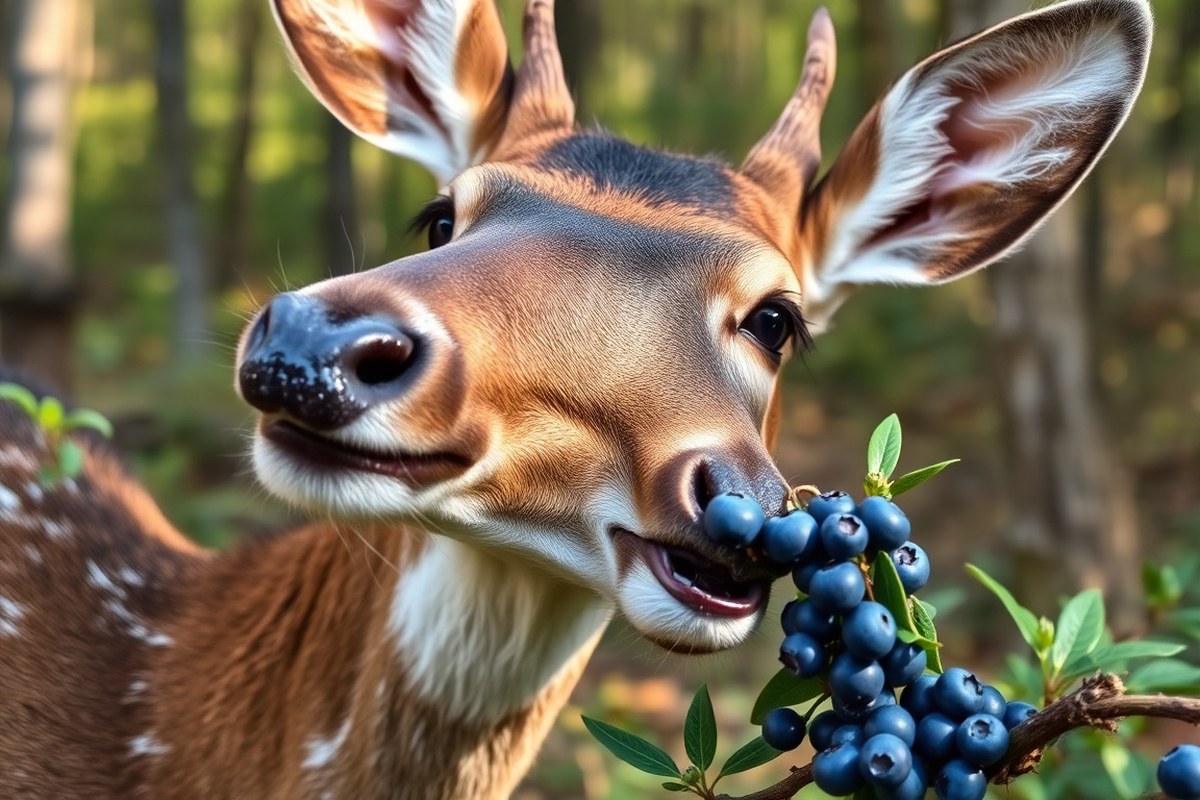
Does deer eat blueberries? Yes, deer do eat blueberries when they find them.
They enjoy the ripe berries and often nibble on the leaves and stems too. Deer will eat blueberries especially if other food is scarce in their area.
During late summer and early fall, deer feeding on blueberries becomes more common. They look for sweet fruits to add to their diet as natural sources change. This seasonal feeding can stress your blueberry bushes if left unchecked.
This can cause real problems if you have a blueberry patch. The deer feeding can damage your plants or reduce the harvest. Early protection is key to keep deer from causing costly harm.
Start by watching closely for signs of deer near your blueberries. Fencing or repellents can help keep deer away during peak feeding seasons. Acting fast helps protect your plants before damage gets worse.
Key Takeaways
- Deer eat ripe blueberries and often damage the plants’ leaves and stems.
- Deer become more attracted to blueberries when natural forage is limited.
- Early signs of deer presence include droppings and hoof prints near your plants.
- Use fencing or repellents as the first line of defense to protect blueberries.
- Deer feeding peaks during late summer when blueberries are ripe and sweet.
- Watch your blueberries daily during ripe season for signs of deer damage.
Do Deer Eat Blueberries? What the Evidence Shows

Yes, deer do eat blueberries. They are attracted to both the fruit and the leaves of blueberry plants. Deer usually eat ripe blueberries first because they are sweet.
The berries have a lot of sugar. That makes them tasty for deer.
Deer also browse on blueberry leaves and new shoots, especially when other food sources are scarce. This means they can damage the plant itself, not just the fruit. Young plants are especially vulnerable since heavy browsing can reduce growth or kill the plant.
Not all deer species have the same appetite for blueberries. White-tailed deer, common in many parts of the US and Canada, frequently feed on blueberries. Some deer species sometimes eat blueberries, if they find them.
Most prefer native plants or different shrubs. Blueberries are not their top choice.
Blueberries are a seasonal treat for deer. They typically eat more blueberries in summer and early fall when fruits are ripe.
Outside that period, they focus more on leaves or other plants. This preference varies by habitat and the availability of alternative food sources.
Deer tend to eat blueberries most in areas with limited natural forage. In densely forested or wild areas, blueberries might not be as heavily targeted. Near farms or suburbs, deer might eat blueberry bushes more.
This happens when other plants are gone or hard to find. They eat what’s available then.
Why Deer Are Attracted to Blueberries and When

Deer eat blueberries because they give an easy source of sugar. These fruits also offer nutrients at certain times of the year.
Blueberries offer carbohydrates, fiber, and some vitamins that deer find valuable. The sweet taste and soft texture make blueberries appealing, especially when other food sources are scarce.
Deer feeding on blueberries peaks in mid to late summer when the berries ripen. During this time, berries become a convenient snack that requires little effort to gather.
Deer eat fruit right off the bush. Blueberry plants can get damaged near deer.
In spring and fall, deer eat leaves, twigs, and buds. This is because ripe blueberries are less available then. The overall nutritional value of blueberries helps deer get quick energy.
Deer need extra calories in warm months. These help build fat for winter.
You might notice deer avoiding blueberries if they have access to richer forages. They tend to choose foods based on availability and nutrition.
Blueberries are a fallback when other plants lack nutrients or fruit. Deer prefer them less when other food is good.
The deer’s dietary preference for blueberries depends on local plant variety and deer density. For example, wild blueberries, which are smaller, might be less targeted than large cultivated varieties.
Deer pressure varies by location. This changes how often they eat blueberries each season.
Using fencing or repellents before blueberries ripen can keep deer from getting used to feeding there.
How Deer Feed on Blueberries and the Damage Caused
Deer mostly eat the leaves and tender stems of blueberry plants. They tend to avoid older, woody branches because they are too tough. Deer also like the sweet berries, especially when other food is scarce.
Damage from deer can be hard to spot at first. Look for stripped leaves and broken twigs near the top and edges of bushes. The plants may appear thinned out, with fewer flowers and fruits over time.
Deer feeding can weaken blueberry bushes. The removal of too many leaves limits photosynthesis.
This lowers fruit production and can slow future growth. Strong, healthy bushes resist pests better, so deer damage may invite other problems.
Watch for these signs to catch deer damage early:
- Jagged bite marks on leaves and stems
- Broken branches about 3 to 5 feet high
- Missing berries or bitten fruit halves
- Leafless tips on younger shoots
- Fresh droppings or tracks around the bushes
Checking plants early in the morning helps spot fresh damage. Deer usually feed at dawn or dusk. Damage that looks dried and older may be from other animals or weather.
Severe damage shows ragged bushes where many stems look chewed. This often happens in fall and winter when other food is harder to find. Take photos of your plants regularly to watch for damage.
Track leaf and fruit loss over several weeks. This helps you see changes clearly.
Differences Between Wild and Cultivated Blueberries Regarding Deer
| Aspect | Wild Blueberries | Cultivated Blueberries |
|---|---|---|
| Plant Density | Low; scattered growth in natural habitats | High; tightly spaced rows for easier harvest |
| Deer Feeding Patterns | Selective and opportunistic browsing | Consistent, especially where food is limited |
| Habitat Influence | Mixed forests and shrublands with other food sources | Open fields or managed land with fewer alternatives |
| Deer Damage | Less noticeable; plants spread out and mixed | More severe; can reduce crop yields quickly |
| Deer-Resistant Varieties | Rare; wild types vary naturally | Some hybrids and cultivars show better resistance |
Deer eat wild blueberries differently than they do cultivated ones. Wild blueberries grow scattered in forests or shrublands where deer find many other plants to browse. This low density makes deer impact less noticeable.
You might see only light nibbling in wild patches. Cultivated blueberries grow close together on farms. Deer have fewer natural food choices here.
This density draws more concentrated browsing. Deer can cause big damage fast, cutting berry production. These areas often need protection methods to reduce loss.
Habitat affects deer feeding on blueberries a lot. Deer in mixed woodlands graze various plants, so they don’t rely on blueberries. Fields with cultivated bushes offer less variety, forcing deer to eat more blueberries.
This change can hurt the crop and increase deer visits. Some cultivated blueberries resist deer better. Different varieties have flavors or leaf features deer avoid.
These resistant types cost more but can lower feeding damage. You’ll still need fencing or other barriers, but damage may be less. Choosing the right blueberry type helps balance crop health and deer pressure.
Matching plant variety to local deer habits improves your chance of fewer losses. Remember, deer habits change by season and nearby food options, so assess regularly.
Signs of Deer Presence Around Blueberry Plants
You can spot deer around your blueberry plants by watching for tracks, droppings, and torn leaves. These signs tell you if deer have been feeding nearby. Setting up simple monitoring helps you catch deer activity early.
Common Tracks and Droppings to Look For
Deer tracks are about 2 to 3 inches long and shaped like a pointed heart. The two toes form a split, making a distinct print in soft soil. Look for trails of these prints around your plants, especially near muddy or dusty spots.
White-tailed deer droppings are small, dark pellets clustered in groups of 10 to 20. They usually appear near feeding sites or resting areas close to blueberry bushes. These piles can be fresh or dried, so check regularly during growing seasons.
- Look for paired, heart-shaped tracks 2, 3 inches long
- Check for dark, round droppings in clusters nearby
- Scan ground below branches for scrapes or rubbed bark
- Notice flattened grass patches where deer might rest
- Watch for hair caught on thorns or fences
Most tracks and droppings appear near places where deer rest or move frequently. You may also see spots where vegetation has been trampled. These details help confirm deer are feeding on your blueberries.
Typical Feeding Damage on Blueberry Plants
Deer nibble on blueberry leaves and shoots, leaving ragged edges or missing chunks. They often eat the fruit itself, causing torn or crushed berries. You may notice bare twigs or stems stripped of younger growth.
Feeding damage usually hits the upper parts of exposed bushes. Deer reach about 3 to 4 feet high when standing on their hind legs. Look for chewed leaves hanging on branches or fruit clusters ruined by bite marks.
- Ragged leaf edges or missing leaf parts
- Young shoots stripped or broken off
- Torn or crushed blueberries on the bush or ground
- Bare branches where deer browsed
- Clusters of berries with bite marks
Notice how much damage deer cause helps you plan your protection steps. Minor chewing means early signs. But heavy browsing can stunt bushes or reduce fruit yield.
How to Set Up Deer Activity Monitoring
Place trail cameras near blueberry patches to capture deer visits at any time. Position them about 2 to 3 feet above ground, angled toward feeding spots. Check cameras weekly to gather photos or videos showing deer presence.
Use physical indicators like grease or powder on branches to detect new contact. Fresh smudges or disturbed powder reveal recent deer visits. These markers work well if cameras aren’t an option or as extra clues.
- Install trail cameras 2, 3 feet high facing blueberry bushes
- Review footage once a week to confirm deer visits
- Apply non-toxic powder on twigs to track new animal contact
- Inspect tracks and droppings regularly during growing season
- Keep a log of findings to watch for patterns
Tracking deer helps you catch feeding early and adjust your defenses. Low-cost cameras start around $40, while powder or chalk costs only a few dollars. Consistent checks ensure you spot activity before major damage.
Position cameras to avoid direct sunlight, which can blur images and waste battery.
When Deer Feeding on Blueberries Peaks Throughout the Year
Deer feeding on blueberries rises as the berries ripen, mainly from late spring through summer. Seasonal changes strongly affect deer diet, with regional differences based on local climate and berry types. Knowing when deer target blueberries helps you plan protection during critical feeding times.
Spring and Early Summer Activity
In spring, deer start browsing on tender new leaves and shoots around blueberries. They eat other plants and flowers since berries are not ripe yet. As temperatures warm and berries begin developing, deer gradually shift focus toward fruit.
Early summer marks the first feeding on immature berries like soapberries and thimbleberries nearby. Blueberry plants begin flowering and setting fruit in late spring in most US regions. Deer check these early signals to time their feeding with berry ripening.
Peak Feeding During Berry Ripening Season
Deer feeding on blueberries usually peaks during mid to late summer when fruits ripen fully. Blueberries ripen from June through August depending on location and variety. The ripe berries provide a sweet, energy-rich food source that attracts deer intensely at this time.
In wetter northern areas, the peak might occur later compared to warmer southern zones. Deer often switch from other summer forage to focus on abundant, sugar-rich berries. During these months, you’ll notice more deer activity and damage around blueberry bushes.
Late Season Deer Behaviors
As summer ends and berries drop, deer feed less on blueberries. They shift to late-season fruits like cranberries and crabapples in fall. The declining blueberry availability and other food options change deer browsing patterns.
In some areas, early frost ends berry availability sooner. Drought can also cause berries to disappear earlier. This makes deer move on earlier.
Monitoring local berry phenology each year helps anticipate when deer pressure on blueberries will ease. This knowledge allows targeted protection only when necessary to save effort and cost.
Effective Methods to Protect Blueberries from Deer Damage
Protecting your blueberry plants from deer takes a mix of tactics. Physical barriers, natural repellents, and thoughtful planting all help keep deer away. Choose methods based on your garden size, budget, and whether you want an organic approach.
Physical Barriers Such as Fencing
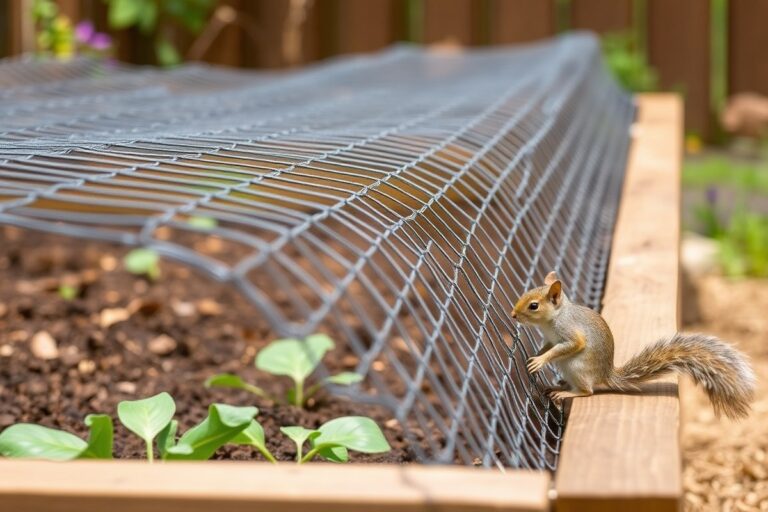
Tall fences are one of the most reliable ways to keep deer out. Deer can jump over short fences.
So aim for fencing at least 8 feet tall. Mesh wire or deer netting works best for stop gaps.
You can install a simple post and wire fence around your blueberry patch. Make sure the bottom stays close to the ground, so deer can’t squeeze underneath. The cost runs from $2 to $4 per linear foot depending on materials.
Natural Repellents and Scare Tactics
Repellents use smells or tastes that deer dislike. Commercial sprays with predator urine or garlic oils can reduce feeding. Apply before deer start eating and reapply after rain.
Scare devices like motion-activated lights or noise makers also help. They confuse deer without harming them. Rotate scares every few days to prevent habituation.
- Use a commercial deer repellent spray every 2 weeks
- Try hanging bars of scented soap around plants
- Install solar-powered motion lights near blueberries
- Place wind chimes or radios playing human voices
- Move scare devices weekly to keep deer alert
Natural repellents alone don’t guarantee full protection. Combine them with other methods for better results.
Companion Plants and Habitat Modification
Planting strong-smelling herbs or tough shrubs near blueberries helps. Examples include lavender, rosemary, or thorny bushes. These can deter deer by smell or physical barriers.
Clearing tall grass or brush around your garden reduces shelter for deer. Open spaces make deer feel exposed and less likely to feed there. Regular maintenance encourages deer to move elsewhere.
Situational Tips for Organic vs Conventional Growers
Organic growers usually avoid chemical repellents and rely more on physical barriers and natural scents. Using companion plants and homemade sprays made from garlic or pepper works well. Patience and repeated applications are necessary.
Conventional growers can add commercial deer repellents and synthetic scare devices. Fencing combined with these deterrents gives the best protection. Check product labels and local restrictions before applying sprays.
- Organic: Use garlic spray and strong-smelling herbs
- Organic: Install 8-foot fencing to avoid chemicals
- Conventional: Spray commercial repellent as directed
- Conventional: Combine repellents with motion-activated lights
- Both: Keep area clean to reduce hiding spots for deer
Adjust your approach seasonally as deer feeding habits change. Early spring and fall need more attention due to increased deer activity.
Legal and Ethical Considerations for Managing Deer Near Blueberry Crops
Deer control near blueberry crops often faces legal limits. Many states require permits to hunt or remove deer. You must check local wildlife laws before taking action.
These rules prevent overhunting and protect deer populations. Ignoring them can lead to fines or legal trouble.
Permits often come from state wildlife agencies or departments. You usually apply online or at a local office. The process may take a few days to a few weeks.
Permits specify where, when, and how many deer you can target. Some areas also require reporting your catch or harvest numbers.
Non-lethal methods to deter deer, like fencing or repellents, don’t generally need permits. However, placing electric fences may require following specific safety rules.
In farming zones, you must avoid harming other wildlife or violating property laws. Installing barriers or scare devices within your property is typically allowed without extra steps.
Ethics matter when managing deer around your blueberries. Avoid causing unnecessary suffering or stress to wildlife. Live traps should be checked often to release or humanely handle captured deer.
Shooting or hunting must follow humane standards and legal guidelines. Respect seasonal breeding or fawning times, as disturbing deer then can hurt populations.
Cost-wise, permits may range from $10 to $50, depending on the state and season. Hiring professionals to cull deer ethically could cost hundreds of dollars. But it ensures legal compliance.
Using barriers costs vary widely. Quality fencing can range from $2 to $5 per linear foot. Repellents need regular reapplication, often every few weeks, to remain effective.
Results look best when you balance legal steps with ethical treatment. Following laws prevents fines and protects deer numbers.
Using humane methods helps keep your neighborhood safe and your crops healthy. Avoid illegal or cruel methods that can create local backlash or worsen deer problems.
Always confirm current local laws before using lethal deer control near your blueberry patch.
Your Step-by-Step Action Plan to Protect Blueberries from Deer
Follow these practical steps to reduce deer damage and keep your blueberry plants healthy.
- Before planting: Choose deer-resistant blueberry varieties to lower the risk of damage early on.
- Spring: Install physical barriers like fencing around new plants to block deer access during growth.
- Early summer: Apply safe deer repellents and observe your plants weekly for nibble signs.
- Mid summer: Add deterrents like motion-activated sprinklers near your berries to scare deer away.
- Late summer (harvest time): Pick ripe berries promptly; removing attractive food reduces deer visits.
- Fall: Clear fallen fruit and prune plants to avoid leftover deer snacks during colder months.
- Winter: Maintain fence repairs and consider supplemental feeding far from blueberry patches.
- Year-round: Monitor deer activity and adjust your barriers or repellents as needed for best results.
Frequently Asked Questions
What Time of Day Do Deer Usually Eat Blueberries?
Deer mostly eat blueberries at dawn and dusk when they feel safest. These times help them avoid predators and human activity.
Can Blueberries Be a Main Food Source for Deer?
Blueberries are usually a supplement, not the main food. Deer eat more leaves, grasses, and woody plants most of the year.
Do Deer Prefer Wild Blueberries or Those in Gardens?
Deer generally prefer wild blueberries because they are more abundant. Garden bushes may suffer more damage from deer due to easier access.
Can Deer Carry Diseases Through Eating Blueberries?
Deer do not spread diseases by eating blueberries. They might carry ticks or other parasites, but the fruit itself is safe.
Will Feeding Blueberries to Deer Increase Their Population Locally?
Feeding blueberries alone won’t boost deer numbers significantly. Population changes depend more on habitat, predators, and hunting pressure.
How Can I Tell If Deer Have Eaten Blueberries or Another Animal?
Look for leaves and fruit missing with some browsing marks. Deer leave clean bite marks on stems, unlike smaller animals that nibble.
Final Thoughts
Deer do eat blueberries, especially when the fruit is ripe. Protecting your plants takes steady effort and smart tactics. Start today by checking your fencing and planning your next deer deterrent step.