Is Diatomaceous Earth Flammable? Facts, Risks, and Safe Handling Explained
Is diatomaceous earth flammable? The short answer is no.
Diatomaceous earth itself does not catch fire or burn like wood or paper. It’s mostly made of silica, which is a very stable mineral that won’t ignite.
Some types of diatomaceous earth come with different treatments but those don’t make it combustible either. Fine dust from diatomaceous earth can cause a fire risk. It happens if this dust forms a cloud in the air.
This kind of dust cloud can catch fire easily. So you should avoid dusty conditions and use it in well-ventilated areas.
For basic safety, store diatomaceous earth in a dry place away from sparks or open flames. Wetting the powder can reduce any dust hazards during handling. Always follow product instructions to keep things safe and avoid unnecessary risks.
Key Takeaways
- Diatomaceous earth is mostly silica, which does not burn or ignite.
- Fine DE dust can create a fire hazard in high concentrations.
- Keep DE powder dry and away from open flames or sparks.
- Wetting diatomaceous earth lowers airborne dust and related risks.
- Use good ventilation when applying DE to reduce dust buildup.
- Choose food-grade DE for safer handling and lower crystalline silica exposure.
Is Diatomaceous Earth Flammable or Combustible?
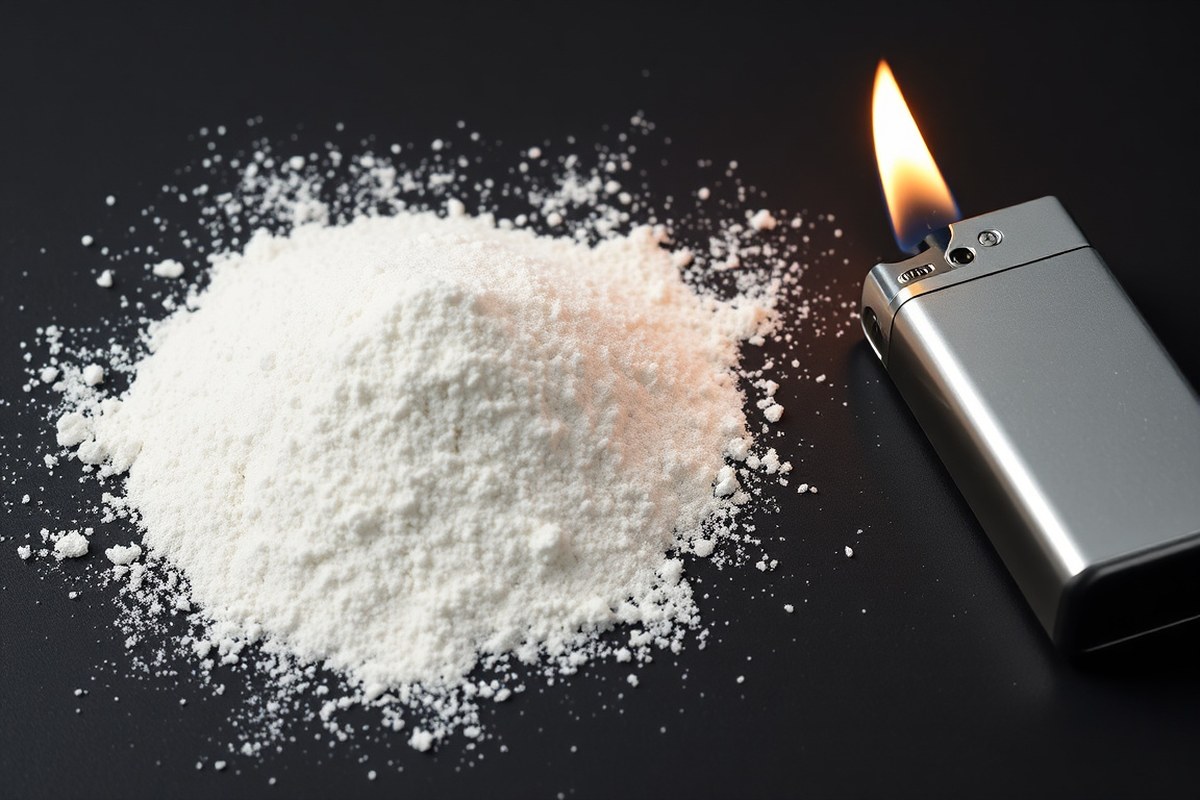
Diatomaceous earth is not flammable under normal conditions. Its main component is silica, which does not burn or ignite. This powder holds mostly silica and small alumina amounts.
It also has some iron oxide. It won’t catch fire like organic materials do.
The powder’s chemical makeup keeps it stable even at high temperatures. Silica melts only above 3,000°F (1,650°C), far hotter than household fires or garden barbecues. That means diatomaceous earth won’t ignite or burn during typical home use or pest control.
Physically, diatomaceous earth is a fine, porous powder made from fossilized algae shells. It feels soft but contains sharp, rigid silica particles. These particles do not fuel flames or support combustion since they aren’t organic or oily.
The powder itself doesn’t burn. Fine dust clouds of diatomaceous earth can be risky. They could cause dust explosions in some industrial setups.
This risk is rare in home use but worth knowing in dusty, confined spaces. Normally, scattered powder or small amounts spread outdoors do not ignite or combust.
Handling diatomaceous earth safely mainly means avoiding dust inhalation and skin irritation, not fire hazards. Applying it in dry conditions prevents clumping and keeps it effective for pest control. This powder doesn’t catch fire.
So, you don’t need fireproof storage. You can safely use it around your home or garden.
Chemical Composition and How It Affects Fire Risk

Diatomaceous earth (DE) mostly contains silica, a natural mineral. Silica makes up about 26 percent of Earth’s crust. Its silica is mostly amorphous, meaning it lacks the sharp crystal structure that can be hazardous.
This amorphous silica makes food-grade DE safe for pest control. It has very low amounts of crystalline silica.
Crystalline silica, especially the form called cristobalite, can increase fire risks and health hazards. Pool-grade or filter-grade DE goes through a heating process called calcining.
Calcined DE has over 60 percent crystalline silica. This makes it less safe for indoor use and more flammable.
Calcining also creates larger particles that can produce more dust when handled. Dust from calcined DE is a bigger hazard. It increases fire risk and inhalation dangers because of more crystalline silica.
Keep this in mind when choosing DE for home or garden projects. It affects fire safety and health risks from dust.
Always check the DE label for grade and silica content. This helps avoid inhaling harmful dust and fire hazards.
Differences in Flammability Between Food-Grade, Pool-Grade, and Calcined DE
Diatomaceous earth varies by type, affecting its fire risks. Food-grade DE is mostly safe because it has low crystalline silica.
Pool-grade DE has much higher crystalline silica, which changes its flammability and health hazards. Heating or calcining also makes DE more combustible and dangerous.
Crystalline silica raises inhalation risks and fire dangers. Food-grade DE has less than 1 percent crystalline silica. So it’s safer for garden or pet use.
Pool-grade DE contains 60 to 70 percent crystalline silica due to calcining. This heating process transforms amorphous silica into crystalline silica, increasing combustibility and health risks.
| Feature | Food Grade (Uncalcined) | Pool Grade (Calcined) |
|---|---|---|
| Silica Type | Amorphous Silica (80-90%) | Crystalline Silica (Up to 75%) |
| Particle Shape | Freshwater Cylinders | Saltwater Shards |
| Primary Uses | Pest control, animal feed, grain storage | Swimming pool filters, industrial liquid filtration |
| Inhalation Hazard | Mild to moderate respiratory irritant | Severe hazard (Silicosis carcinogen) |
Heating DE during calcining activates filtration use but adds fire hazards. Pool-grade DE dust can ignite more easily than food-grade dust.
That’s why it carries stronger warnings and requires special handling. Food-grade DE is mild enough to use around pets and gardens without raising flammability concerns.
To reduce risks, use only uncalcined, food-grade DE for home pest control. Keep it dry and avoid creating airborne dust clouds.
Pool-grade DE’s silica shards are sharp and more hazardous, so avoid household uses. The heat treatment that raises its crystalline silica makes it less safe and more flammable.
Dust Explosion Risks and How DE Powder Behaves
Diatomaceous earth dust can pose explosion risks under the right conditions. Fine airborne particles between 10 and 50 microns increase this risk. You can reduce danger by limiting dust clouds in your workspace.
Understanding Dust Explosion Basics
Dust explosions occur when fine particles mix with air in high concentrations. These particles catch fire rapidly when exposed to a spark or heat source. DE’s fine powder can create such dust clouds if disturbed too much.
Particle size plays a big role in how easily dust ignites. Dust with particles under 75 microns is most hazardous. Diatomaceous earth often has particle sizes in this range, making dusty air a risk during handling.
Application Practices to Reduce Dust
Minimize airborne dust to lower explosion risks. Apply DE powder lightly and avoid stirring it up. Use only enough to get pest control results without heavy dust clouds.
Good hygiene during application also helps control dust. Wet surfaces slightly or use dust-free forms of DE designed to reduce powder dispersion. Avoid windy or drafty spots when applying powder.
- Apply thin layers of diatomaceous earth, not piles
- Slightly moisten soil or surfaces before dusting
- Limit activities that create dust clouds, like sweeping
- Work during low-wind conditions or indoors
- Use dust applicators with controllable flow
- Wear protective gear to avoid inhaling dust
- Clean up spills carefully to prevent dust buildup
These steps keep dust levels manageable and reduce airborne risks. Less dust in the air lowers chances of explosive ignition.
Storage Measures to Prevent Dust Accumulation
Storing diatomaceous earth properly prevents dust clouds from forming. Keep containers tightly sealed to avoid powder escaping. Store in a cool, dry place away from ignition sources.
Avoid stacking bags or containers loosely, which can cause dust to escape when moved. Label storage zones clearly and restrict access to reduce accidental spills. Regularly clean storage areas to prevent fine dust layers.
PPE Recommendations
Protect yourself when handling DE powder. Dust can irritate eyes and lungs if inhaled. Use eye protection and a mask or respirator approved for fine dust particles.
PPE reduces exposure to airborne particles, lowering health risks. Also have access to eyewash stations and wash hands after handling powder. Respirators help especially where you expect dusty conditions for extended times.
Safe Handling and Storage Practices to Prevent Fire and Dust Hazards
Handle and store diatomaceous earth carefully to avoid fire or dust dangers. Keep it dry and in a well-ventilated spot. Use protective gear and apply it gently to reduce airborne dust.
Storage Environment Recommendations
Store diatomaceous earth in a cool, dry, and ventilated place. Avoid humid spots because moisture can clump the powder and reduce effectiveness.
Use tight-sealed containers that prevent dust from escaping but allow some airflow to avoid condensation buildup. Keep containers off the ground to prevent moisture seepage.
- Store DE away from heat sources or open flames.
- Use airtight plastic or metal bins with lids.
- Label containers clearly with the grade and date of purchase.
- Keep DE bags or containers improve on shelves or pallets.
- Avoid storage near strong chemicals or cleaners.
- Inspect storage areas regularly for moisture or pests.
- Limit the quantity stored to what you can use within 6 to 12 months.
Proper storage keeps DE stable and prevents dust buildup in the air, which lowers risks. Overpacked or damp storage spots increase dust explosion chances.
Proper Application Techniques
Apply diatomaceous earth slowly and close to the target area. This reduces fine dust floating in the air, which could ignite under some conditions.
Sprinkle a thin, even layer rather than dumping it in piles. Use a hand duster or a shaker with small holes for better control.
- Never use power tools or blowers to disperse DE inside the home.
- Apply only the amount needed in a clean, low-wind environment.
- Wash hands immediately after applying to avoid skin irritation.
- Keep pets and children away during application until dust settles.
- Clean up any loose DE powder after treatment to minimize airborne dust.
Gentle spreading keeps dust levels low and lowers fire risk. Avoid creating clouds of powder or working in confined, poorly ventilated spaces.
Personal Protective Equipment
Wear a dust mask rated for fine particulates whenever you handle DE. This prevents irritation to your nose and lungs caused by silica particles.
Wear goggles to keep dust from making your eyes sore or red. It helps stop scratchy dust from irritating your eyes.
Eye protection is smart when handling DE. Gloves can also protect your skin if you have sensitive skin.
- Use an N95 or P100 mask to filter fine silica dust.
- Wear safety goggles or glasses when pouring or dusting DE.
- Consider disposable gloves to avoid skin dryness or irritation.
- Wear long sleeves and pants during heavy applications.
- Wash exposed skin and clothes after use to remove dust.
Protective gear limits contact and inhalation, reducing health risks. Skipping PPE can cause coughing, sneezing, or irritation, especially in dusty conditions.
Emergency Action Procedures for Dust Fires
Dust fires can occur if airborne DE catches a spark or flame. Avoid smoking or any ignition source near open DE powder.
Avoid using water right away if a small DE fire starts. Water might spread the fire in dust situations. Cover the fire with a fire blanket to cut off oxygen.
Use a foam extinguisher made for dust fires. These methods help put out dust fires safely.
- Have a class D or multi-purpose fire extinguisher nearby when handling DE.
- Evacuate the area and call emergency services if the fire spreads quickly.
- Do not use water on a dust fire to avoid spreading dust clouds.
- Ventilate the area well after a fire to clear residual dust and fumes.
- Keep a simple first aid kit handy to treat minor eye or skin irritation.
Always prevent dust from becoming airborne near flames. Even a small spark can ignite fine DE dust.
Impact of Moisture and Environmental Conditions on Flammability
Moisture greatly reduces diatomaceous earth’s fire risk. Dry DE powder can create dust that might ignite under the right conditions. Wet or moist DE, however, tends to clump and settle, making dust explosions much less likely.
Applying diatomaceous earth in humid environments usually lowers flammability. Higher humidity causes the powder to absorb some moisture. This changes how DE particles behave, reducing airborne dust and fire risk.
When DE gets wet, it loses insect-killing power, as it can’t stick to insects properly. For pest control, apply DE only in dry conditions or after dew has dried. After rain or watering, wait until surfaces dry before reapplying to keep it effective and safe.
Temperature also influences dust behavior but less than moisture. Very high heat can dry moist DE quickly, possibly increasing dust levels temporarily. However, under normal garden or household conditions, temperature alone rarely triggers fires with DE.
Keep DE stored in a dry place to prevent moisture buildup. Proper storage helps maintain its insect-killing ability and keeps dust levels manageable. Using sealed containers or plastic bags stops moisture from ruining the powder and lowering fire risk.
Common Misconceptions About Diatomaceous Earth and Fire Safety
Not all diatomaceous earth (DE) is flammable just because it contains silica. Silica itself doesn’t catch fire easily. DE mainly comes from fossilized algae shells made of silica.
Silica is a mineral. It does not catch fire. This means using DE around open flames usually does not spark a fire or cause burning.
Some people worry DE might ignite like fine sawdust or powdered sugar. However, DE particles are hard and mineral-like, so they don’t burn or smoulder. In fact, pure DE is often used in materials like bricks to improve heat resistance.
If DE dust builds up a lot in the air, it can explode. This only happens in certain conditions. But this risk is different from DE catching fire.
Using food-grade DE near a barbecue or campfire is generally safe. It doesn’t melt or release toxic gases when heated. You can sprinkle DE in your garden or along pest paths.
You can use it near flames for pest control. It does not add fire risk. Avoid big piles of dry DE dust inside small spaces.
Stay clear of sparks near dust piles. This prevents dust flash fires, not burning of DE itself.
Some confusion comes from inhaling DE powders and their health risks. Breathing DE dust with crystalline silica can harm your lungs. It may cause silicosis or cancer after long exposure.
These risks relate to health, not fire. Wearing a mask blocks DE dust from getting into your lungs. It does not change how flammable DE is.
Pool-grade DE contains higher crystalline silica levels making it riskier for lungs, not for burning. So, avoid using it indoors or anywhere you might inhale the dust.
Food-grade DE has much less crystalline silica, making it safer for garden use and in homes. This safety only regards inhalation hazards, not any combustion concerns.
Many gardeners choose food-grade DE precisely because it’s safe for both pest control and fire risk. Applying it regularly does not increase fire risks but can reduce insect problems naturally.
Clean your tools and work area after using DE. This cuts down dust buildup and makes your home safer.
When to Seek Professional Help for Fire or Safety Concerns with DE
Call a professional if you see any fire starting or smoke near diatomaceous earth (DE). Also call experts if you suspect dust explosion risks or notice health effects from inhaling DE. Handling these risks requires trained firefighters or industrial safety consultants familiar with DE hazards.
Identifying Fire or Dust Hazard Signs
Visible smoke or flames near stored DE means call fire services immediately. A strong, unusual dust odor or airborne dust clouds can point to explosion risks. Health symptoms like coughing, difficulty breathing, or eye irritation may also signal dangerous exposure.
Unexpected heat buildup in DE storage areas is another sign of potential trouble. Equipment failures or sparks near DE powder increase fire hazard. Recognize these early to prevent a serious incident.
Emergency Contact and Reporting Procedures
Report fires or smoke around DE by calling 911 right away. Explain the fire involves a powdery material to alert responders about dust explosion dangers. For non-emergency situations like suspected dust hazards, contact your local fire marshal or environmental health agency.
Document what you see and when related to DE storage or use. Noting the time, location, and conditions helps responders assess risk quickly. Follow any evacuation orders or safety instructions they give immediately.
- Notice smoke, fire, or unusual dust near DE.
- Call 911 for fires or emergency exposures.
- Explain the hazard involves powder dust.
- Alert local authorities for non-emergency dust concerns.
- Record details: time, place, conditions.
- Follow safety or evacuation directions.
- Seek medical care if breathing or eye problems arise.
Do not try to handle DE fires alone, dust explosions can escalate fast.
Selecting Certified Safety Consultants
Large DE operations or storage sites should hire certified industrial hygiene or safety experts. Look for professionals experienced with dust explosion hazards and workplace air quality. Certification through organizations like the Board of Certified Safety Professionals helps ensure competence.
Consultants can inspect DE storage, recommend controls, and train staff in safe handling. Their assessments reduce fire risks and improve respiratory protection. Get references and check experience with mineral dusts before hiring.
Preventive Measures Through Expert Advice
Experts will guide on ventilation, dust suppression, and proper storage to reduce fire risk. They suggest monitoring airborne dust concentrations to stay below dangerous levels to prevent explosions. Maintaining good housekeeping to avoid dust buildup is also common advice.
Following expert guidance prevents costly fires and health problems. It typically involves upfront costs for equipment or training but lowers future losses. Prioritize regular safety audits and updates recommended by consultants.
Step-by-Step Action Plan for Safe Use of Diatomaceous Earth
Follow these steps to handle and store diatomaceous earth safely and minimize fire risks. Each step helps you keep your home and garden safe while using DE.
- Before You Start: Pick the right type of DE. Use food-grade for pest control. Use pool-grade for filtration. This lowers flammability and dust explosion risks.
- Day 1: Store DE in a cool, dry place away from heat sources. Check storage areas regularly for moisture and signs of dust buildup.
- Day 2: Use a mask and gloves when applying DE outdoors or in dusty areas. You’ll reduce inhalation risks and dust spreading.
- Week 1: Avoid using DE near open flames or sparks during pest control or gardening. This prevents accidental ignition.
- Week 2: Clean spilled DE dust with a damp cloth. You can also vacuum. Make sure the vacuum has a HEPA filter. Verify no dust remains in the air or on surfaces.
- After 3 Weeks: Monitor the area where DE is applied for pests or moisture. Adjust your application if wet conditions develop to avoid clumping.
- Monthly: Inspect DE storage containers for any signs of damage or moisture entry. Reseal or replace containers as needed to keep the powder dry.
Frequently Asked Questions
Can Diatomaceous Earth Catch Fire Easily?
No, diatomaceous earth does not catch fire easily due to its high silica content. It acts like a fire retardant in many cases.
It won’t ignite under normal conditions. It helps slow the spread of fire.
Is There a Risk of Dust Explosions with Diatomaceous Earth?
Yes, very fine diatomaceous earth dust can cause dust explosions in certain industrial settings. Use proper ventilation and avoid sparks where dust accumulates to stay safe.
Does Wetting Diatomaceous Earth Reduce Flammability?
Yes, adding moisture to diatomaceous earth lowers dust levels and reduces fire risk. Always dry surfaces before applying for best insect control.
Can Calcined Diatomaceous Earth Cause a Fire Hazard?
Calcined diatomaceous earth is heated to high temperatures and is less likely to start fires. However, it can still create dust hazards and should be handled cautiously.
Are Food-Grade and Pool-Grade Diatomaceous Earth Equally Safe Around Fires?
Food-grade diatomaceous earth has less crystalline silica and poses less risk of dust ignition. Pool-grade and calcined types may pose greater flammability concerns due to their processing.
What Are the Best Storage Tips to Prevent Diatomaceous Earth Fires?
Store DE in a cool, dry place away from heat sources and open flames. Keep containers sealed to prevent dust spread and moisture build-up.
Final Thoughts
Diatomaceous earth is not flammable by itself. But its dust can catch fire. This can happen under certain conditions.
Handle it carefully, especially around heat and sparks. Take one safety step now by securing your DE storage away from heat sources.