How to Care for Eucalyptus Plant: A Complete Guide for Healthy Growth
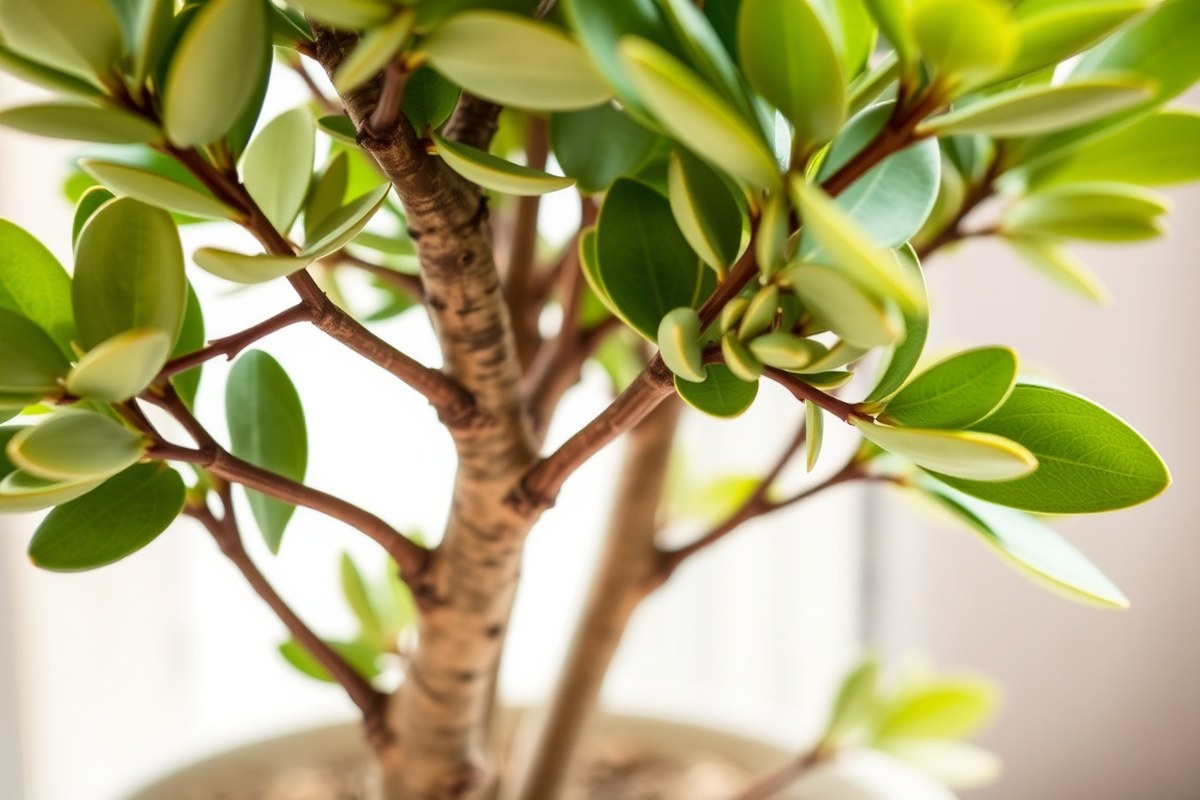
Knowing how to care for a eucalyptus plant means giving it the right light, water, and warmth. This balance keeps it healthy and growing well.
Eucalyptus does best in warm climates with 6 to 8 hours of sunlight each day. Keep temperatures between 65 and 75°F and humidity near 40 percent for steady growth.
Pick a spot with plenty of sunlight, like a south-facing window indoors. Outdoor eucalyptus plants need a sunny place too.
Water when the top inch of soil feels dry, but avoid soggy pots. These plants prefer well-draining soil and occasional feeding during the growing season.
Watch for signs like falling leaves or pests. Prune your eucalyptus often to keep its shape neat and healthy. These simple steps help your eucalyptus grow strong and stay fresh all year long.
Key Takeaways
- Place eucalyptus where it gets at least 6-8 hours of direct sunlight daily.
- Keep temperatures stable around 65 to 75°F, avoiding cold drafts.
- Water only when the top inch of soil feels dry to the touch.
- Use well-draining soil to prevent root rot and overwatering damage.
- Fertilize sparingly during spring and summer to boost growth.
- Prune or pollard to control size and encourage new shoots.
Essential Growing Conditions for Eucalyptus Plants

Eucalyptus plants need plenty of bright light to grow well. Place them where they get 5 to 6 hours of direct sunlight daily. You should place indoor eucalyptus near a south-facing window for enough light.
These plants do well in temperatures between 65 and 80 degrees Fahrenheit. They can handle some light frost if they are hardy species. But indoors is usually best for steady warmth.
A humidity level around 40 percent suits eucalyptus. So normal indoor air is fine without extra misting.
Eucalyptus thrives in well-draining soil to prevent roots from rotting. Combine equal amounts of organic potting soil, peat moss, and perlite or coarse sand. This blend ensures the soil stays loose and moist without waterlogging the roots.
Dense soil can cause eucalyptus roots to rot. This leads to yellow leaves or drooping plants. Improving drainage helps keep the roots healthy and supports steady growth.
For potted eucalyptus, choose any well-draining commercial potting mix if your budget is tight. This saves money while still meeting their soil needs.
Outdoor eucalyptus prefers sandy or loamy soil. The soil pH should be slightly acidic to neutral, near 5.5 to 6.5.
This soil type lets water flow through and stops the roots from staying soggy. Well-draining soil also reduces the risk of fungal diseases.
Choosing the Right Eucalyptus Species for Your Space
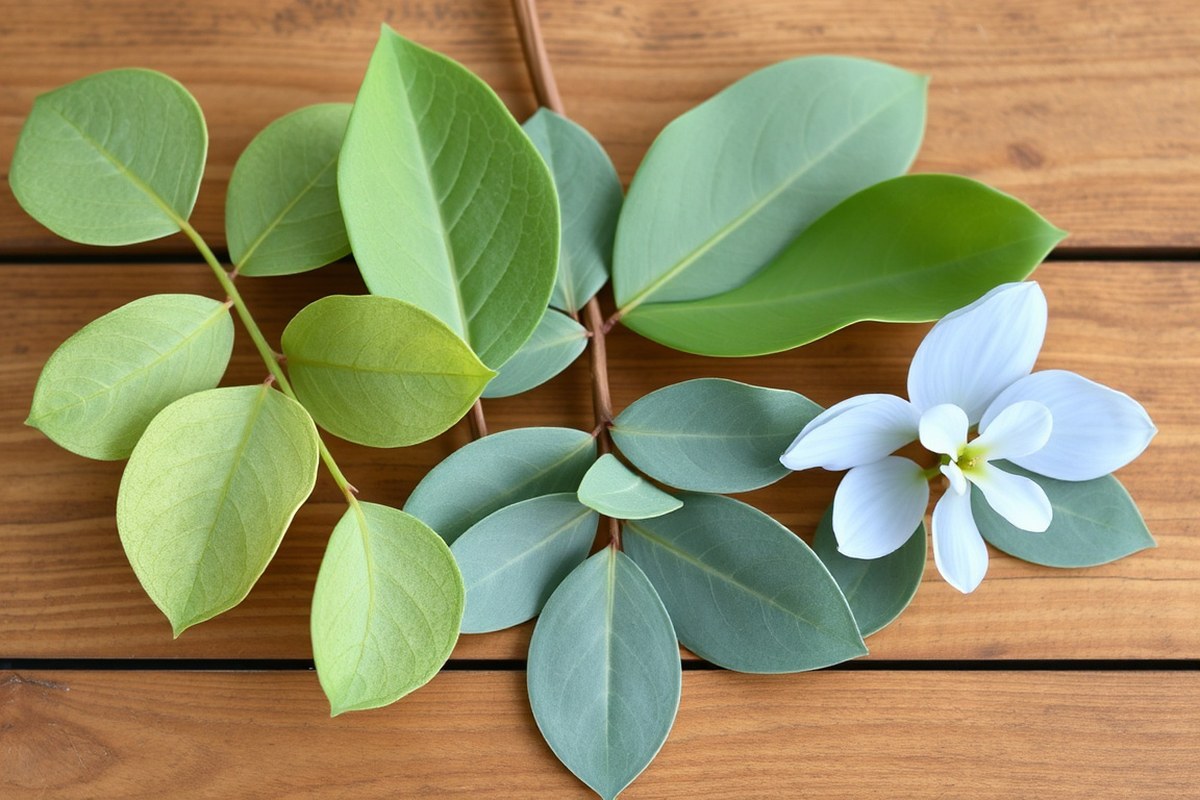
Choosing the right eucalyptus species depends on your space and climate. Some types stay small enough for container or indoor growing. Others grow fast or tolerate colder winters, which matters if you live where frost hits.
The table below shows popular eucalyptus types, their mature height, growth speed, and climate zones. You can pick based on how much space you have and your local weather. Some stay under 15 feet, perfect for pots or small yards.
| Variety | Mature Height | Growth Rate | USDA Zones | Best Use |
|---|---|---|---|---|
| Silver Dollar | 20, 40 ft | Very Fast | 8, 11 | Cutting garden, specimen |
| Baby Blue | 10, 15 ft | Moderate | 8, 11 | Small gardens, pots |
| Cider Gum | 30, 50 ft | Fast | 7, 11 | Cold climates, screening |
| Lemon Eucalyptus | 40, 60 ft | Fast | 9, 11 | Fragrance, large landscapes |
| Rainbow Euc. | 60, 100 ft | Explosive | 10, 11 | Tropical ornamental |
For indoor growing, pick smaller types like Baby Blue or treat larger ones as annuals. Silver Dollar is okay in big containers but can outgrow most indoor spaces. A south-facing window and grow lights help keep your plant healthy through winter.
Cider Gum grows well in zones 7 to 11. It is a good choice if you want cold hardiness. However, most eucalyptus won’t survive below 32°F. Snow gums can handle colder, down to -4°F. But they are less common for home gardens.
Growing eucalyptus indoors needs bright light and regular watering to keep roots happy.
Eucalyptus gunnii can work as a pruned shrub in a container or garden. You may need to replace it every few years when it outgrows your pot. Starting with plants under 5 feet helps them settle in and keeps growth manageable.
Watering and Feeding Strategies for Healthy Growth
Eucalyptus plants need balanced watering and feeding for steady growth. Water them only when the top third of soil dries out. Feed young eucalyptus plants lightly in spring and summer with a balanced fertilizer.
Watering Frequency by Season
Water your eucalyptus plant based on the season and pot size. In spring and summer, water once or twice a week if kept indoors. Outdoor plants usually need less frequent watering unless the weather is hot and dry.
During fall and winter, reduce watering to once every two to three weeks. Eucalyptus plants require a rest period in cooler months, especially when temperatures drop to 45, 50ºF.
Small pots dry out faster and may need watering more often. But always check soil moisture first.
Follow this checklist to avoid over or underwatering:
- Check if the top 1/3 of soil is dry before watering
- Use pots with drainage holes to prevent water buildup
- Water less in winter, even if leaves look slightly dry
- Avoid leaving water standing in the saucer beneath the pot
- Adjust watering frequency in hot or windy conditions
Fertilizer Types and Application Tips
Use a balanced, slow-release fertilizer with equal parts nitrogen, phosphorus, and potassium. The 10-10-10 formula works well. Apply fertilizer every six to eight weeks during active growth in spring and summer.
Do not feed eucalyptus plants in fall or winter. They need a rest with no added nutrients during colder months. Outdoor eucalyptus often thrive without fertilizer if planted in good soil.
Apply fertilizer evenly around the base without touching the stem. Water the soil lightly after feeding for better absorption.
Signs of Underwatering and Overwatering
Underwatered eucalyptus leaves turn pale, dry, and shrivel. This damage is often permanent and should be avoided by timely watering. Wilting leaves also indicate moisture stress.
Overwatering causes “wet feet” and root rot, which can kill your plant. Watch for yellowing leaves, soft stems, and a musty smell in the soil. Avoid overhead watering and ensure good drainage to prevent these problems.
Monitor soil moisture every few days. Feel the top third of soil and adjust watering to keep your eucalyptus healthy and thriving.
How to Prune and Pollard Eucalyptus Correctly
Pruning eucalyptus helps control its size and keeps the plant healthy. Late winter or early spring is the best time to prune. This timing allows new growth to come in well shaped and strong.
Pollarding is a tougher pruning method to keep eucalyptus in check. It cuts back the tree’s height regularly to encourage fresh, juvenile growth. This technique works well if your tree gets too tall for your space.
Pruning improves airflow and light penetration. It stops branches from crowding, which lowers disease risk. You’ll want to prune younger plants for structure and mature ones to manage size.
To prune or pollard your eucalyptus correctly, follow these steps:
- Choose late winter or early spring, before new growth starts.
- Use sharp, clean tools like pruning shears or loppers.
- Remove dead, damaged, or diseased branches first to keep the plant healthy.
- Cut back long shoots by about one-third to control size and shape.
- For pollarding, cut branches back to a few buds. Keep the cuts at the same height. This helps control the shape and growth of your plant.
- Step back and check shape; make sure light reaches the center of the tree.
- Clean up debris around the base to prevent disease and pests.
- Water the plant moderately after pruning to support recovery.
Keep in mind, regular pruning helps your eucalyptus grow bushier instead of taller. To get a shrub look, prune heavily every one or two years.
This encourages thick, bushy growth. Avoid pruning in late summer or fall, which can stress the plant.
Watch out for overpruning because it can leave your eucalyptus weak. Pollarding may take a few years before the tree adjusts fully. But once it does, pollarding keeps the tree manageable and encourages new leaf growth.
Effective Propagation Methods from Seeds and Cuttings
Propagating eucalyptus starts best from seeds or cuttings taken at the right time. Seeds sprout quickly in spring when planted fresh.
Cuttings root better from younger trees. Both methods need proper care at each stage to succeed.
Collecting and Preparing Seeds
Eucalyptus seeds come from seed capsules that replace flowers. Collect these capsules when they turn brown and dry but before they open and spill seeds.
Remove seeds from capsules by lightly crushing them. Sort out empty seed cases to get viable seeds. Lightly rinse the seeds in water to prepare for planting.
- Gather mature seed capsules in late winter or early spring.
- Place capsules in a paper bag to dry completely indoors.
- Crush dried capsules gently over a bowl to release seeds.
- Separate debris by blowing away light parts or using a sieve.
- Rinse seeds briefly with water to clean them.
- Store seeds in a cool, dry place if not planting immediately.
- Plant seeds soon after collecting; eucalyptus has no dormancy period.
Don’t let eucalyptus seeds dry out for too long or lose their viability.
Taking and Rooting Cuttings
The best time for cuttings is when eucalyptus is two to 11 months old. Choose healthy, semi-hardwood stems without flower buds for better rooting.
Cuttings should be 4 to 6 inches long with several leaf nodes. Remove lower leaves to reduce moisture loss and dip the base in rooting hormone.
- Find young branches in spring or early summer between two and 11 months old.
- Cut a 4-6 inch stem with a sharp, clean knife or pruner.
- Remove leaves from the bottom half of the cutting.
- Dip the cut end in rooting hormone powder or gel.
- Insert cutting into a moist, well-draining rooting medium like perlite or sand.
- Keep the cutting in a humid spot with indirect light.
- Water gently to keep the soil consistently moist but not soggy.
Rooting eucalyptus cuttings can be slow; avoid overwatering which causes rot.
Aftercare for Seedlings and Cuttings
Put seedlings and rooted cuttings in a warm place with bright, indirect light. Keep the soil moist enough to prevent drying but avoid puddling water.
Feed young plants with a half-strength balanced fertilizer after they develop true leaves. Harden off seedlings gradually before moving outdoors or to a bigger pot.
Watch out for fungal diseases by providing good airflow around plants. Transplant seedlings when they reach 3 to 6 inches tall to prevent root crowding.
Don’t rush moving seedlings or cuttings outside; sudden changes reduce survival chances.
Managing Common Pests and Diseases on Eucalyptus
Eucalyptus plants often face pests like eucalyptus longhorned borers, gall wasps, and psyllids. You’ll spot borers when you see small holes and sawdust on branches.
Gall wasps cause tough, round growths on leaves and stems. Psyllids leave sticky honeydew and yellowing leaves behind.
Fungal diseases show up as discolored spots or dying patches on leaves. Leaf spots start as brown or yellow areas that grow over time.
Powdery mildew looks like a white, dusty coating on the leaves. Root rot and crown rot cause the plant to wilt and die back suddenly.
Prevent pests by inspecting plants weekly for early signs like holes or sticky residue. You can spray neem oil or insecticidal soap every 7 to 14 days to control pests. For severe infestations, consider a systemic insecticide but follow label directions carefully.
To catch diseases early, check for yellowing leaves or unusual spots regularly. Avoid overwatering to keep roots healthy and reduce rot risk. When root rot happens, repot your eucalyptus in fresh, well-draining soil and trim damaged roots right away.
Natural controls include pruning to improve airflow and removing fallen leaves to stop fungal spread. Fungicides with chlorothalonil or copper can control leaf spots and mildew. Apply these sprays in the morning or evening, avoiding hot midday sun.
Healthy eucalyptus plants resist pests better, so keep your plant stress-free. Make sure it gets enough light and dries out between waterings. Pest problems that keep coming back need a local plant expert’s advice for your area.
Recognizing and Solving Common Health Problems
Brown leaves on your eucalyptus often mean too much or too little water. Overwatering causes leaves to curl, turn brown, and drop.
Underwatering shows as wilting tips, brittle leaves, and leaf drop. These signs help you spot water mistakes quickly.
Nutrient problems can also make leaves brown or drop suddenly. A common cause is feeding your plant too much fertilizer. Excess fertilizer burns roots, causing leaf drop.
Too little nutrition causes pale leaves. It slows your eucalyptus growth. This hurts the plant over time.
- Check soil moisture with your finger 1 to 2 inches down.
- Water when the top inch feels dry but don’t soak the soil.
- Reduce feeding to half strength if leaves turn yellow or brown.
- Add slow-release fertilizer once every 3 months during growing season.
- Improve drainage by adding sand or perlite to potting soil.
- Trim dead or brown leaves to focus energy on healthy growth.
- Move your plant to brighter light if leaves appear faded or drop.
Wilting usually signals a watering issue. Leaves droop and feel soft. You probably underwatered your plant.
Water deeply and regularly, but let soil dry slightly between waterings. Leaves droop and feel mushy.
Overwatering causes this problem. Cut back water and check drain holes.
Correct nutrient deficiencies by feeding lightly. Use a balanced fertilizer designed for houseplants. Apply it every four to six weeks during spring and summer.
Good results come with steady, moderate feeding and consistent watering. Watch your plant bounce back in a few weeks.
Winter Care and Seasonal Maintenance for Eucalyptus
Eucalyptus plants do not handle cold weather well, especially below 50ºF. Living where temperatures drop means bringing potted eucalyptus indoors is key. Outdoor plants need mulch for protection against cold.
This helps keep the roots safe during winter. Preparing your plant for seasonal changes helps it stay healthy year-round.
Cold Protection Techniques
Outdoor eucalyptus plants grow best in USDA zones 8-11. In colder zones 6 or below, eucalyptus won’t survive winter outdoors. You need to protect it or move it inside.
Without this, the plant likely won’t make it. Use mulch or bark chippings about 4 inches deep.
Spread it around the root zone. This helps keep the roots from freezing during cold weather.
Frost can damage eucalyptus leaves and stems. So cover your plants with frost cloth or bring pots inside before frost hits.
Eucalyptus platypus is a tougher species and handles cold better. But still needs some protection at very low temperatures.
- Apply 4 inches of organic mulch at the root zone
- Cover plants with frost cloth during cold nights
- Bring potted eucalyptus indoors before frost
- Choose cold-hardy species if your area freezes
- Avoid exposing eucalyptus to sustained temperatures below 50ºF
Never leave potted eucalyptus outside if temperatures fall below 50ºF. Cold can cause leaf drop. The plant risks dieback if left outside too long.
Guidelines for Moving Indoors and Outdoors
Moving a eucalyptus plant indoors for winter keeps it safe in cold areas. Make sure the pot is easy to carry through your doorways to avoid accidents. Place the plant in a spot with bright light and steady temperatures around 65-75ºF.
When moving eucalyptus outside for summer, do it slowly over about 10 days. Start with short periods outdoors in a shaded place. This step prevents sunburn and helps the plant adjust to stronger light and wind.
Keeping eucalyptus on a patio or balcony needs care. Bring it inside well before the first frost night.
This prevents cold damage to the plant. Check local frost dates and plan the move accordingly to avoid shock.
Seasonal Pruning and Watering Adjustments
Late winter to early spring is the best time to prune eucalyptus. This timing allows fresh growth when warmer weather arrives. Cut back to about 2-4 inches above ground level.
This pruning helps the tree regrow strong new shoots. Regular cutting keeps your eucalyptus healthy and vigorous.
Watering needs change with the seasons. Outdoor eucalyptus plants tolerate some drought.
But potted indoor plants need regular watering to avoid drooping leaves. Adjust watering frequency, giving less in winter and more as spring growth begins.
Seasonal maintenance also includes checking soil drainage to prevent root rot when watering indoors. Good airflow and proper pot drainage holes are important for healthy eucalyptus in winter.
Step-by-Step Action Plan for Your Eucalyptus Plant
Follow these steps to get your eucalyptus plant off to a strong start. Each step helps you check if your plant is happy.
- Day 1: Choose a spot with bright, indirect sunlight indoors, or full sun outside. Your eucalyptus should perk up in a few days.
- Day 3: Water deeply once the top inch of soil is dry. Check the leaves for firmness and a fresh look.
- Week 1: Apply a balanced, slow-release fertilizer. Watch for steady, healthy new leaf growth over the next two weeks.
- Week 2: Inspect the plant for pests like aphids or scale. Look for sticky spots or curled leaves to catch problems early.
- Week 4: Prune any dead or leggy branches. Your plant should start looking fuller and stronger after pruning.
- Monthly: Repot your eucalyptus if roots show at the pot’s edge. Confirm success when growth quickens in fresh soil.
- Seasonal: Protect your plant from frost by moving it indoors or covering it. Healthy leaves mean your plant stayed safe.
Frequently Asked Questions
How Often Should You Repot a Eucalyptus Plant?
Repot eucalyptus every 1 to 2 years to refresh soil and roots. Use a pot slightly bigger than the current one to encourage growth without causing root rot.
Can Eucalyptus Plants Grow Well Indoors with Artificial Light?
Yes, but they need strong, direct artificial light for at least 6 hours daily. Position them near bright grow lights that mimic sunlight to keep them healthy indoors.
Is It Necessary to Mist Eucalyptus Leaves for Humidity?
Misting is usually not needed; eucalyptus thrives in moderate to dry air. Too much moisture on leaves can sometimes cause fungal problems indoors.
Can Eucalyptus Oil Be Safely Extracted from Home-Grown Plants?
You can extract oil at home, but it requires careful distillation and safety precautions. The process involves steam distillation and should be done in well-ventilated areas.
Should You Remove Flower Buds from Eucalyptus to Focus on Foliage Growth?
Removing buds is optional, depending on your preference for foliage vs. Flowers. Flowering can use energy but boosts natural seed production if you want to propagate.
What’s the Best Way to Prevent Eucalyptus Roots from Becoming Invasive Outdoors?
Plant eucalyptus in a contained area or use root barriers to limit spreading. Regular root pruning also helps to keep the growth in check effectively.
Key Points to Remember
Eucalyptus plants thrive with steady care and attention. Start by placing your plant in the right spot today. Keep checking leaves and soil to guide each step.