How Far Apart Should You Plant Tomato Plants: A Complete Guide for Gardeners
How far apart should you plant tomato plants depends on their type and support. Generally, spacing tomato plants 2 to 3 feet apart helps them grow well. This distance gives them enough soil and air to thrive without crowding.
If you use cages or trellises, plant tomatoes 2½ to 3 feet apart. Raised beds need slightly closer spacing, about 18 to 24 inches between each plant. These rules keep the plants healthy and easy to care for.
Start by figuring out your tomato variety and support method. Avoid crowding plants too close, which can cause poor airflow and disease. Good spacing also helps you move around your garden easily.
Key Takeaways
- Space tomato plants 24 to 36 inches apart for most varieties.
- Use 18 to 24-inch spacing for tomatoes grown in raised beds.
- Plant tomato cages or trellises with 30 to 36-inch gaps between plants.
- Keep rows at least 36 to 48 inches apart to allow access and airflow.
- Plant indeterminate varieties not caged at least 6 feet apart for walking space.
- Dwarf bush tomatoes need only 10 to 12 inches between plants.
How Far Apart Should You Plant Tomato Plants for Best Growth
Tomato plants need enough space to grow healthy and produce well. Space plants 18 to 24 inches apart. Leave 3 to 4 feet between rows.
This works for most garden setups. This space helps roots grow without fighting for nutrients. It also lets leaves get enough sunlight.
Determinate tomato varieties do well with 18 to 24 inches between plants. They grow bushy and stop growing taller once fruit sets. Indeterminate varieties grow tall and vine-like.
So you should space them 24 to 36 inches apart. Don’t cage tomatoes? Leave 6 feet between rows for walking and pruning.
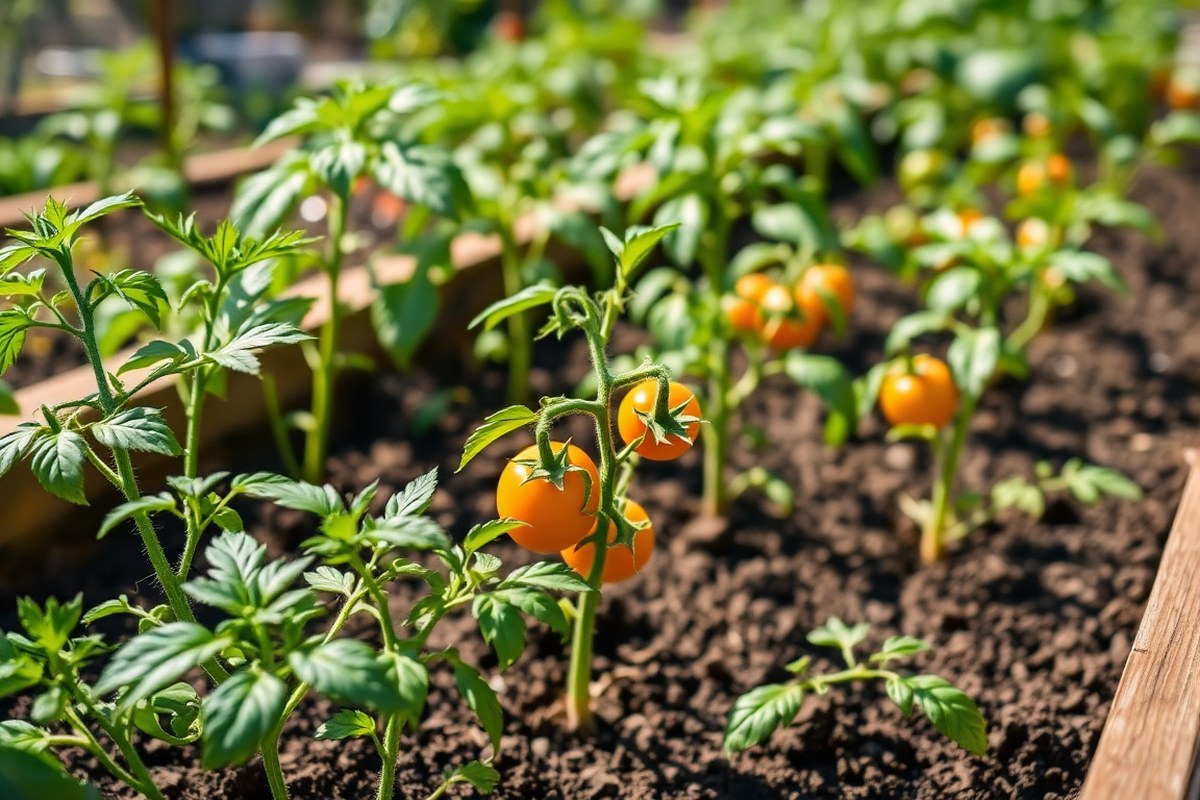
Raised beds work best with 18 to 24 inches between the plants. This space keeps air moving and reduces diseases. In containers, one plant per pot is best because roots need room to grow freely.
Pruning to one stem and using string lets you space plants closer. Keep them 12 to 18 inches apart to save space and still grow well.
| Tomato Type | Plant Spacing | Row Spacing |
|---|---|---|
| Determinate (bush) | 18, 24 inches | 3, 4 feet |
| Indeterminate (vining) | 24, 36 inches | 4, 6 feet |
| Single-stem pruned | 12, 18 inches | 3 feet |
| Raised bed planting | 18, 24 inches | N/A |
| Containers | One plant per pot | N/A |
Planting too close crowds roots and leaves, which risks poor growth and disease. Too much space wastes garden room and lowers total yield.
Testing soil pH helps roots spread well and can improve your spacing success. Ideal soil pH is between 6.5 and 7.9, allowing roots to reach nutrients without extra competition.
Adjusting Spacing Based on Tomato Variety and Growth Habit

Tomato plants come in two main groups: determinate and indeterminate. Determinate varieties grow to a set height and stop. Indeterminate tomatoes keep growing and producing fruit all season.
Determinate tomatoes often form a bushy shape. So they need less space than the taller, vining indeterminate types.
Spacing depends on this growth habit. Determinate tomatoes grow best with 18 to 24 inches between plants. Plant them in the ground without cages for these spacing rules.
This spacing helps plants grow well. Staked or caged determinate plants can be placed closer, around 12 to 18 inches apart. Indeterminate tomatoes need more room.
Without support, spacing should be 24 to 36 inches apart. Use cages or stakes with 18 to 24 inches between tomato plants.
This spacing lets in plenty of airflow and sunlight. Proper air and light reduce disease risks.
Compact varieties like dwarf or patio tomatoes need even less space. Small determinate tomato plants grow just two to four feet tall. Space these plants 12 to 18 inches apart for best results.
Close spacing works since plants stay small. Examples include ‘Patio’ or ‘Tiny Tim’. Large slicing tomatoes need more room than small types.
Give ‘Beefsteak’ or ‘Cherokee Purple’ 24 to 36 inches between plants. This space supports big plant growth. Raised beds and containers affect spacing too.
Raised beds improve soil and let you plant tomatoes closer. You can space plants a few inches tighter than usual here. Good soil helps roots grow strong.
Containers must be large for healthy tomato plants. Use 5-gallon pots for determinate types. For indeterminate types, choose 10 to 15-gallon containers.
Plant your tomatoes far enough apart to stop leaves from touching. Crowded plants invite diseases and reduce air flow.
Spacing Recommendations for Different Support Methods
The support method you pick affects how far to space tomatoes. Different supports need different space between plants. This helps the plants grow well.
Staked tomatoes need less space than those left to sprawl on the ground. Proper spacing helps plants grow better and makes it easier for you to manage them.
Here’s a simple table that shows how spacing varies by support method. This guide explains common spacing rules for various tomato setups. Follow these to save space and keep your plants healthy.
| Support Method | Spacing Between Plants | Row Spacing |
|---|---|---|
| Staked (Indeterminate) | 18 to 24 inches | 3 to 4 feet |
| Caged (Indeterminate or Determinate) | 18 to 24 inches | 3 to 4 feet |
| Single-Stem Trellised | 18 to 24 inches | 3 to 4 feet |
| Uncaged, Sprawling Indeterminate | 3 to 4 feet | 4 feet or more |
| Determinate (Usually Caged) | 18 to 24 inches | 3 to 4 feet |
Staked tomatoes often produce a single stem that grows upward. This lets you plant them about 1.5 to 2 feet apart, making the best use of space. Uncaged indeterminate tomato plants spread wide on the ground.
They need more space than others. Give them plenty of room to grow.
Cages work well for both determinate and indeterminate plants. They allow some vertical support with less training work. Plants in cages do best spaced 18 to 24 inches apart.
Single-stem trellising requires similar spacing. It keeps plants off the ground and easy to prune.
Think about the space you have and your garden setup when picking supports. Staking or trellising is ideal if you have limited area. Leaving plants to sprawl suits bigger spaces where spread out is okay.
Remember, crowding plants too close increases disease risk and lowers fruit quality. Following spacing by support lets you grow healthier tomatoes and easier maintenance.
How to Space Tomato Plants in Raised Beds and Containers
Tomato plants in raised beds need about 12 to 18 inches between each plant. In containers, spacing depends on pot size. Small pots need 6 inches.
Larger pots need up to 15 inches of space. This gives roots enough room to grow and helps keep the plants healthy.
Spacing in Raised Beds
In raised beds, maintain 12 to 18 inches between each tomato plant. This allows roots to spread evenly and avoids overcrowding.
Raised beds have good drainage. So spacing closer than 12 inches can cause competition and disease risks.
You can plant determinate varieties about 18 inches apart, as they stay smaller. Indeterminate types need the full 18 inches or more for better fruit production. Rows should be around 3 feet apart for easy access and airflow.
Raised beds let you grow healthier plants because of better soil quality. Good spacing means less crowding, which reduces leaf diseases common in damp gardens.
Spacing in Small Containers
Small pots or containers under 14 inches wide need only 6 to 8 inches between plants. These small spaces suit compact or determinate tomato varieties best. Larger tomatoes in small pots can get root-bound and produce less fruit.
For best results, grow just one tomato plant per small container, like a 5-gallon pot. Crowding multiple plants in tiny pots limits nutrients and water for each plant. Small containers dry out faster, so you’ll need frequent watering.
Planting tomatoes too close in small containers often leads to weaker plants and poor fruit sets. Use pots with good drainage holes and a well-draining soil mix to keep roots healthy.
Spacing in Large Containers and Grow Bags
Large containers 14 inches or wider, with five-gallon volume, need 12 to 15 inches between plants. This space supports healthy root growth and rich fruit development. Grow bags work well here, as they drain better than many pots.
One plant per large container is best. Trying to fit two plants in one pot causes root tangling.
This slows their growth. Giving each tomato room lets it absorb nutrients your whole growing season.
- Use containers at least 14 inches wide and 5 gallons deep
- Keep 12-15 inches spacing between plants in large pots
- One tomato per container to avoid root crowding
- Choose grow bags for better drainage and airflow
- Water more often than in-ground plants because containers dry faster
- Match tomato type to container size: compact for small pots, large for grow bags
- Place containers in full sun for at least 6 hours daily
Giving tomatoes room in large containers helps you grow more and larger fruits. Good spacing also cuts down on fungus and pest problems common in crowded pots.
How Proper Spacing Prevents Disease and Promotes Airflow
Giving tomato plants enough space lowers fungal disease chances like Early blight and Powdery mildew. Better air circulation helps leaves dry faster, preventing fungus spread. This reduces risks of Late blight and Septoria leaf spot developing.
Good airflow also means sunlight reaches lower leaves, which helps keep them dry and healthy. When plants grow too close, air movement slows and moisture builds up. This creates a perfect place for fungal spores to grow and jump from leaf to leaf.
Plant tomatoes deep in the soil. Space rows about 4 to 5 feet apart. This allows sunlight and breeze to reach all plants.
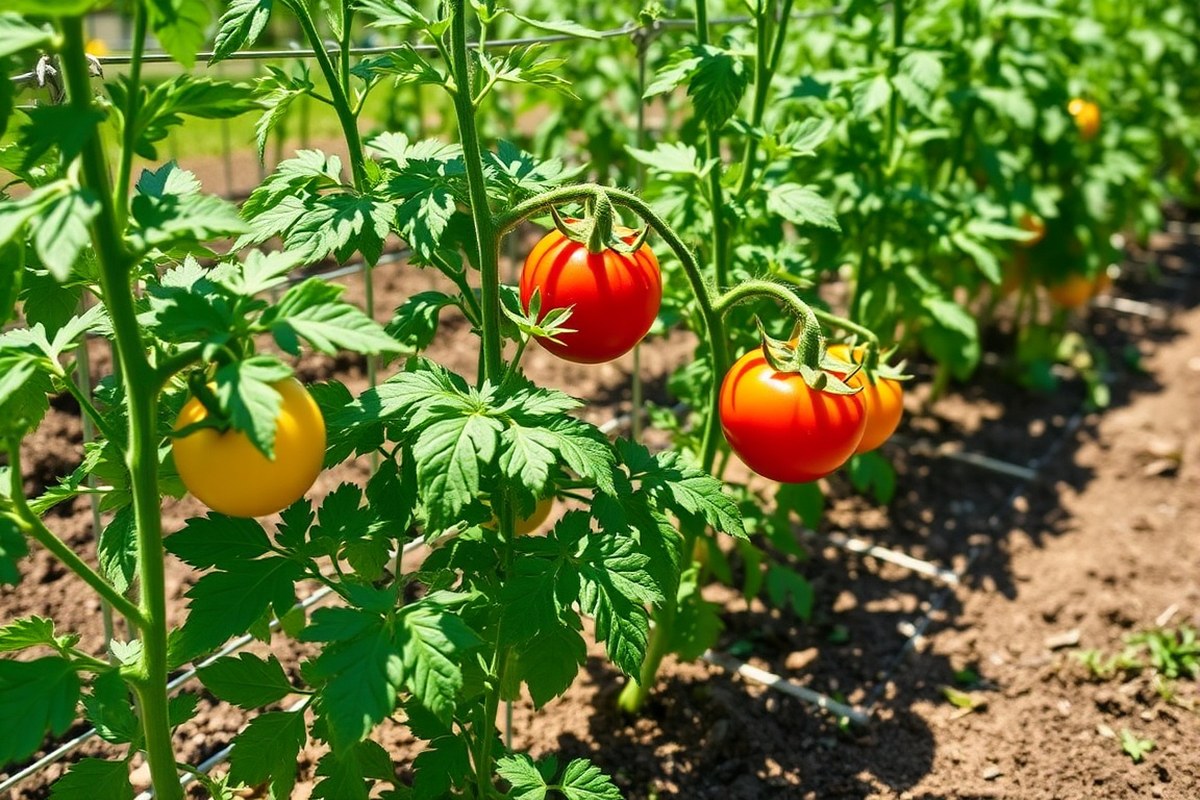
Space tomato plants 2 ½ to 3 feet apart when using cages or trellises. This spacing keeps plants healthy and gives room to grow. This spacing minimizes crowded spots where diseases tend to flare up.
Watch for yellow or brown leaves near the plant base. These spots can signal diseases caused by plant crowding. Keep plants spaced to prevent this.
Also, watch for dark spots with concentric rings or white powdery patches. Noticing these signs early helps you take action before the disease spreads.
Improving airflow in an existing crowded garden takes pruning and carefully removing some leaves. Thin out dense foliage in the middle and lower parts of tomato plants. This opens channels for air to move through and dry wet leaves faster.
Use this checklist to reduce disease risk: space plants by their size when full-grown. Keep rows 4 to 5 feet apart. Leave 2 ½ to 3 feet between plants with supports.
Prune crowded plants to improve airflow. These steps will help your tomatoes stay healthy and produce well.
Prune tomato plants to boost air circulation, especially in tight areas. Check leaves regularly for early disease signs. This helps catch problems before they spread.
Planning Tomato Rows and Garden Layouts for Accessibility and Growth
Space rows of tomato plants about 3 to 4 feet apart. This provides room for airflow and easy access for care and harvest. Organize your garden with clear paths between rows.
Add supports near plants. This helps plant health and increases productivity.
Ideal Distance Between Tomato Rows
Tomato rows should be spaced 3 to 4 feet apart. This distance lets air flow freely and helps prevent disease. It also gives you space to walk and work without stepping on plants.
Plant tomatoes 18 to 24 inches apart within each row. This spacing fits most varieties and lets each plant get enough sunlight and nutrients.
The soil type affects exact spacing. Heavier soils may need wider rows for better drainage.
Use a simple grid pattern, planting one tomato per 8 square feet. This approach evens out space and keeps plants from crowding each other. It also keeps your garden looking neat and easy to manage.
Planning Pathways and Access
Leave at least 3 feet wide paths between rows. This width lets you comfortably step through your garden and reach each plant. You can easily prune, water, and harvest without bending too much or damaging branches.
Mark paths clearly before planting. Use stakes or string to map your layout on the soil surface. This step helps keep rows straight and prevents closing off access points by accident.
- Measure and mark row lines with string and stakes
- Space rows 3 to 4 feet apart for walking room
- Make paths wide enough for tools and wheelbarrows
- Avoid crowding plants near walkways
- Keep pathways clear of weeds and debris
Planning access early saves time during the season. You won’t have to squeeze through tight spots or step on plant roots. Clear pathways also reduce the chance of spreading diseases between plants.
Spacing Between Cages and Supports
Caged tomatoes need more space than unsupported plants. Set cages 30 to 36 inches apart to give branches room to grow. Crowding cages can reduce airflow and lower fruit quality.
Use trellises or stakes spaced to fit plant size and growth habit. Taller varieties might need wider spacing to avoid tangling. Keep supports stable and secure for the best plant support.
Leave several inches of space between supports and paths. This clearance lets you check plant health and harvest easily. It also prevents knocking over cages when working in the garden.
Common Tomato Spacing Mistakes and How to Fix Them
Planting tomato plants too close together causes many problems. You may see yellowing leaves, fungal growth, and smaller harvests.
Crowded plants can block airflow, leading to disease and stressed growth. Managing leaves, trimming branches, and picking fruit becomes harder when plants are jammed in.
When your tomatoes crowd each other, try these steps to fix it. First, prune side shoots and lower leaves to boost airflow. Next, thin the plants by removing some if space allows.
Lastly, transplant seedlings that are too close, digging carefully to avoid root damage. Do this on a cool, overcast day to limit stress.
- Space seedlings at least 18 inches apart, even if planting closely
- Remove weak or excess plants early
- Prune side shoots to reduce canopy density
- Stake or cage plants to redirect growth upward
- Water at the base to keep foliage dry and healthy
Signs your tomato plants need more space include slow growth and fewer flowers. When lower leaves look yellow or wilted, airflow might be poor.
Also, if stems tangle or plants compete for light, you need more room. Fix overcrowding quickly to avoid disease spreading and to boost fruit size.
Transplanting requires digging a hole just big enough for the root ball. Gently loosen roots if they look crowded or circling. Cover roots fully with soil, pressing lightly to remove air pockets.
Water well right after and avoid fertilizing for a week. Expect some slow growth for a few days after transplanting.
Pruning overcrowded tomato plants helps maintain airflow and sunlight. Cut off suckers growing between the main stem and branches. Remove any damaged or dead leaves regularly.
This keeps plants healthier and easier to tend. It works best with indeterminate varieties, which grow larger and vine more.
Calculating Tomato Plant Numbers Using Spacing and Bed Size
You can fit 6 to 8 tomato plants in this raised bed. The bed measures 4 by 8 feet. This uses typical spacing for tomato plants.
Spacing depends on the tomato variety and staking method. Calculating plant numbers means measuring your bed, applying the right spacing, then estimating total yield.
Measuring Your Garden Bed
Start by measuring the exact length and width of your garden bed in feet. A standard raised bed often measures 4 feet wide by 8 feet long.
Multiply the length by the width to find the total square footage. For example, 4 feet by 8 feet equals 32 square feet.
The area is what you divide by plant space. Each tomato plant needs a certain amount of space. This helps plants grow properly.
Applying Spacing Guidelines
Tomato plants usually need 18 to 24 inches of space between them. This includes room for mature plant size and airflow.
Use the spacing that fits your tomato variety and staking method. For determinate or bushier plants, 18 inches apart works. Indeterminate or vining tomatoes need 24 inches.
Use 24-inch spacing as an example. That means 2 feet by 2 feet per plant. The area per plant is 4 square feet.
Estimating Plant Capacity and Yield
Divide your bed’s total square feet by the area one plant needs. The bed is 4 by 8 feet, or 32 square feet.
With 24-inch spacing, each plant needs 4 square feet. Divide 32 by 4 to get the number of plants.
This gives 8 plants for the bed. Tighter spacing like 18 inches means 2×1.5 feet or 3 sq ft per plant. That fits about 10 plants.
More plants don’t always mean higher yield. Too close spacing limits airflow and root growth, reducing production. Stick to spacing rules for better harvests.
Allow extra space if you plan to stake or cage tomatoes. Crowded plants invite disease and reduce airflow.
- Measure your bed’s length and width in feet.
- Multiply length by width to find total square feet.
- Choose tomato spacing based on plant type and support method.
- Convert spacing to square feet per plant (e.g., 24 inches = 4 sq ft).
- Divide total bed square footage by square feet per plant.
- Round down to avoid overcrowding.
- Plan rows or stagger plants to maximize bed space.
Step-by-Step Action Plan for Planting Tomatoes
Follow these steps to space your tomato plants correctly. This will help them grow healthy and produce well.
- Before planting: Choose your tomato variety and check its mature size and habit. This determines your plant spacing.
- Day 1: Mark your garden beds or containers using your chosen spacing plan. Make sure rows are at least 3 feet apart for access and airflow.
- Planting day: Put tomato plants 18-36 inches apart. Adjust spacing for cages or stakes used.
- After planting: Water your tomatoes gently to settle the soil without flooding. Look for firm plant support and no crowding signs.
- Week 2: Train your plants on stakes, trellises, or cages to keep them upright. Proper support maintains spacing and airflow.
- Week 4: Check for any plants getting too close or showing disease symptoms. Prune or thin if needed to prevent problems.
- Mid-season: Monitor plant growth and adjust ties or stakes. Keep spacing clear for airflow and ease of harvest.
Frequently Asked Questions
Can You Plant Tomato Seedlings Closer Than Mature Plants?
Yes, seedlings can be planted closer because they are small. Space them wider as they grow to avoid crowding and disease.
Does Soil Quality Affect How Far Apart to Plant Tomatoes?
Good soil lets roots spread easier, so plants can be spaced slightly closer. Poor soil needs more room for roots to find nutrients and water.
Should You Adjust Spacing for Indeterminate Versus Determinate Tomatoes?
Indeterminate tomatoes usually need more space because they grow larger and spread more. Determinate types stay bushier and can fit closer together.
How Does Climate Impact Tomato Plant Spacing?
Hot, humid climates need more space for airflow to prevent disease. Cooler, dry climates can allow slightly closer spacing.
Can You Plant Tomatoes with Other Vegetables to Save Space?
Yes, companion planting can save space but watch root competition. Keep tomato plants spaced enough to avoid crowding neighbors.
How Soon After Planting Should You Thin Crowded Tomato Plants?
Thin plants as soon as you see crowding or poor airflow. Early thinning helps strong plants grow better and stops disease from spreading.
Wrapping Up
Spacing your tomato plants at the right distance is key to healthier and more productive plants. Start by picking the right spacing for your variety and garden setup. Then get your beds ready for planting today to set your tomatoes up for success.