What Causes Yellow Leaves on Plants: 9 Clear Reasons and How to Fix Them
What causes yellow leaves on plants is usually one of a few clear problems. Most often, it relates to watering issues or a lack of key nutrients in the soil.
Overwatering can drown roots, while underwatering dries them out, both causing yellowing. Fixing these usually means adjusting how you water or feeding your plant correctly.
Yellow leaves can also come from natural aging. Plants shed older leaves to save energy for new growth.
Check if only a couple of leaves are yellow and the rest look fine. That’s normal and nothing to worry about.
Soil pH is another common cause. Alkaline soil above pH 7.0 often stops plants from absorbing nutrients properly, leading to yellow leaves. Testing soil pH and adjusting it where possible helps your plant use nutrients better and stay healthy.
Key Takeaways
- Check soil moisture by sticking your finger 2 inches deep before watering.
- Use chelated iron if your citrus shows yellow leaves with green veins.
- Only remove yellow leaves if more than a few show discoloration or damage.
- Test soil pH to make sure it’s not too alkaline for your plants.
- If yellowing affects just old leaves, it may be natural leaf drop.
- Quarantine new plants for 2, 3 weeks to prevent pest-related yellowing.
1. Why Do Plant Leaves Turn Yellow? Primary Causes Explained

Leaves turn yellow when plants face stress or issues affecting their nutrient and water balance. The most common cause is moisture problems. That means too much or too little water.
Both can harm your plant. Overwatering is especially common with houseplants where soggy soil stops roots from taking in nutrients properly.
Yellow leaves can also signal nutrient shortages like nitrogen, iron, or magnesium deficiencies. These nutrients move within the plant. So older or younger leaves will yellow depending on which nutrient is missing.
A plant low on nitrogen shows yellow leaves at the bottom first. It moves nitrogen to new growth, leaving old leaves pale. Yellowing starts uniformly on the lower leaves.
Lack of light or poor soil conditions also lead to yellowing. Too little light means the plant cannot photosynthesize well. So the leaves lose green color.
Soil that is too alkaline can block nutrient absorption. Wrong soil components can also cause yellow leaves. Both issues stop plants from getting nutrients.
Plant pests and diseases contribute to yellowing by damaging leaves or roots, reducing nutrient flow. Sometimes, even natural aging causes older leaves to yellow before falling off. This is normal and not a warning sign, unlike widespread yellowing from other causes.
Overwatering wins as the top reason you see yellow leaves in houseplants. When soil stays wet for days, roots can’t get oxygen. Without oxygen, roots can’t bring up nutrients.
This weakens the plant. This causes yellow, soft leaves to appear at the bottom.
The stems often feel mushy and weak when touched. The plant looks unhealthy.
Underwatering causes yellow leaves too, but less often. When plants don’t get enough water, leaf edges turn yellow then dry brown and crispy. Leaves may curl and wilt.
Underwatering tends to take longer to cause yellowing. But repeated drought stress makes plants more vulnerable.
Knowing these reasons helps you spot real problems quickly. Yellow leaves often indicate an issue needing action to save the plant. But some yellowing is natural.
Check soil moisture, light, and which leaves are yellow. This helps you know if yellow leaves mean a small or big problem.
2. How Watering Problems Lead to Yellow Leaves
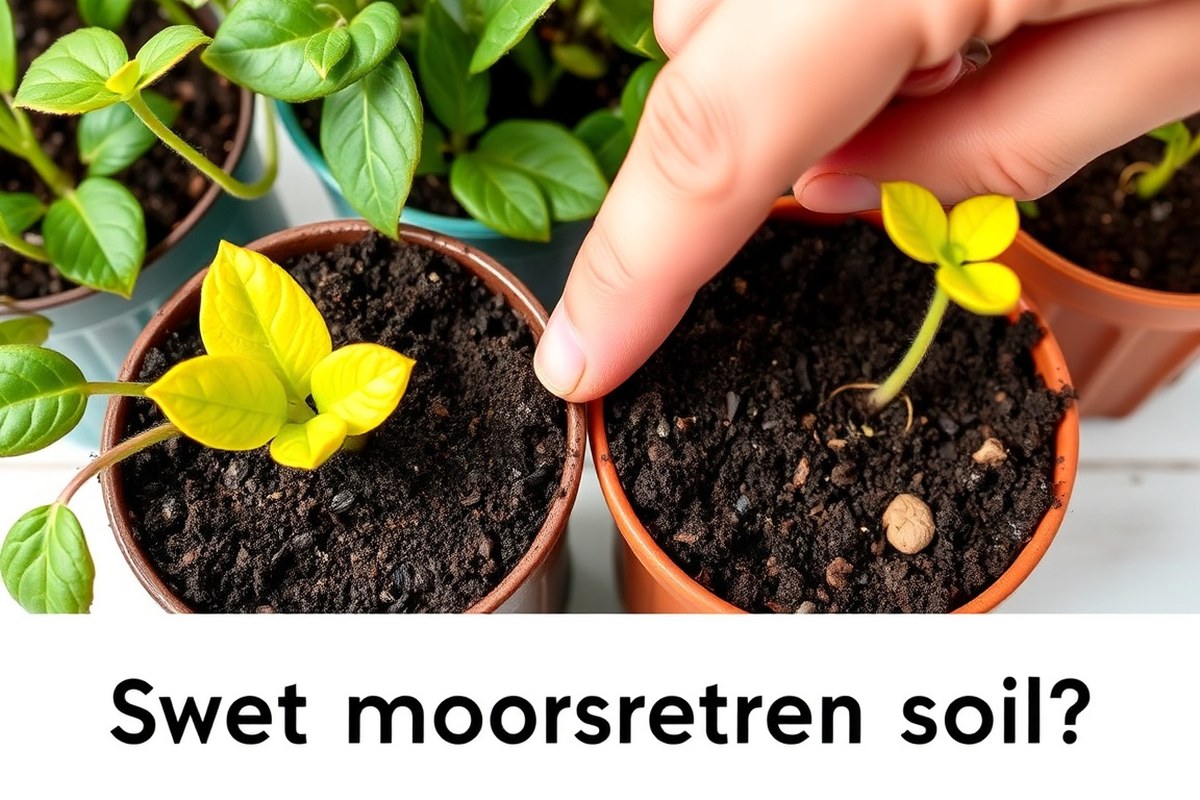
Yellow leaves often signal watering issues, either overwatering or underwatering. Overwatering causes yellow leaves by drowning roots, which then cannot absorb nutrients well. Leaves soften and stems may feel mushy, with wet soil and sometimes a moldy smell.
Underwatering shows differently. Leaves turn yellow but feel dry and crispy, especially at the edges.
The plant may wilt before yellowing, indicating lack of water. Soil will also dry out deep below the surface, not just on top.
Testing soil moisture prevents these problems. Use a moisture meter or check by hand before watering. Plants need water only when the top 1 to 2 inches of soil feel dry.
Overwatering is more common in pots without good drainage or when watering too often. Underwatering happens if soil dries out completely for days.
Follow these steps to check soil moisture carefully before watering:
- Insert your finger or a moisture meter 2 inches deep into the soil.
- Feel the soil, if it’s dry at this depth, the plant needs water.
- Look for softness or wetness; if still moist, wait a few days.
- Check drainage holes to ensure water drains freely after watering.
- Observe plant leaves regularly for signs of yellowing or drooping.
- Adjust watering based on weather, pot size, and plant type.
- Allow excess water to drain completely to avoid root rot.
Keep in mind: waterlogged soil damages roots more than dry soil. So avoid watering on a strict schedule.
3. Identifying Nutrient Deficiencies Causing Yellow Leaves
Yellow leaves often point to a lack of key nutrients. Nitrogen, iron, and magnesium deficiencies show distinct patterns. Each needs different fixes, with signs that fade at their own pace.
Nitrogen Deficiency Symptoms and Fixes
Nitrogen shortage causes older leaves to turn yellow all over. The plant uses nitrogen in new shoots first, so lower leaves lose it. This makes the entire older leaf pale or yellow.
Applying a balanced fertilizer with nitrogen, like a 10-5-5 mix, helps. You can also use blood meal or compost tea. Changes usually show within 1 to 3 weeks as new leaves grow green again.
Iron Deficiency and Interveinal Chlorosis
Iron deficiency shows as yellow leaves with green veins, often on newer leaves. This pattern is called interveinal chlorosis. It happens because iron helps produce chlorophyll in young leaves.
Treat with chelated iron sprays or soil drenches. Recovery takes around 2 to 3 weeks if iron was the real issue. This condition often occurs if soil pH is too high, locking out iron uptake.
Magnesium Deficiency Signs and Treatments
Magnesium shortage causes yellowing between veins on older leaves. Veins stay green but the tissue around turns pale. This can look like iron deficiency, but occurs lower on the plant.
You can add Epsom salts (magnesium sulfate) to the soil or as a foliar spray. Expect to see improvement in a couple of weeks. Magnesium helps chlorophyll function, so the leaves green up again slowly.
Other Nutrient Deficiencies to Consider
Potassium deficiency may cause yellow edges on leaves, which turn brown later. Manganese deficiency also causes interveinal chlorosis but affects young leaves like iron. Soil tests help pinpoint these less obvious cases.
Correct deficiencies carefully. Too much fertilizer causes salt buildup and more leaf damage. Check soil pH and moisture before adding nutrients to avoid worsening yellowing.
Here’s a quick look at typical nutrient deficiency symptoms:
| Deficiency | Typical Symptom |
|---|---|
| Nitrogen (N) | Uniform yellowing of older leaves (bottom) |
| Iron (Fe) | Yellow leaves with green veins (iron chlorosis) |
| Magnesium (Mg) | Yellowing between veins on older leaves |
| Potassium (K) | Leaf edges turn yellow then brown |
Using this guide, you can match leaf patterns to likely deficiencies. Then, apply the right nutrient and see new growth improve in weeks.
4. How Soil pH Impacts Yellow Leaves and Plant Health
Soil pH affects how plants absorb nutrients, which can cause leaf yellowing. Soils above pH 7.0 block important elements like iron, zinc, and manganese.
Without these nutrients, plants develop chlorosis and leaves turn pale or yellow. Very acidic soils can also cause problems by making toxic metals available or blocking needed nutrients.
Testing soil pH is easy with a store-bought kit or a digital meter. To test, collect soil from a few spots near your plant roots. Mix your soil with some water first.
Then dip the test strip or probe in. Follow the instructions carefully for the best result. Home soil test kits usually cost between $10 and $20.
They only take a few minutes per soil sample. You get quick results without special tools. This quick check helps identify if pH is the reason your leaves are yellowing.
Soils that are too alkaline need sulfur or peat moss added. This change takes several months to work well. It slowly lowers the soil’s pH level.
For acidic soils, adding lime gradually raises the pH to a better range. Amendments usually come with specific application rates on the package, based on your soil test. Don’t add too much at once when fixing soil pH.
Too much can stress your plants and worsen yellow leaves. Add small amounts and watch your plants closely. After changing soil pH, wait several weeks or months.
Plants need time to recover and improve leaf color. Be patient before expecting visible changes.
5. Effects of Light Levels on Leaf Yellowing
Plants need the right amount of light to stay healthy and green. Too little light causes leaves to turn pale yellow, especially on the lower parts. The plant grows tall and weak while reaching for more light.
This growth is called etiolation. You can see it in long, thin stems.
With not enough light, leaves usually become smaller, and new growth slows down or stops. The plant can’t photosynthesize well, so it sheds old leaves from the bottom up. Those yellow leaves won’t turn green again, though new growth may improve if light increases.
Too much light can harm your plant, especially strong sun. Leaves may turn yellow or white from bleaching. Watch for discolored leaves on sunny spots.
Shade-loving plants suffer most when moved into bright sunlight. Their leaf edges might look scorched before the yellowing spreads.
Finding the right light depends on the plant type. Most indoor houseplants do best in bright, indirect light.
Moving them closer to a north-facing window or behind sheer curtains helps avoid sun damage. A simple trick is to watch leaves closely for signs of stress.
Check your plant regularly: yellow leaves low down mean low light. Bleached spots suggest too much.
6. Common Pests and Diseases That Cause Yellow Leaves
Yellow leaves often mean pests or diseases are affecting your plants. Insects like aphids and spider mites suck sap, causing yellow spots. Fungal or bacterial infections harm plant tissues.
They block nutrient flow and cause yellow leaves. You’ll also see other visible signs of damage.
Aphids, Spider Mites, and Whiteflies
Aphids, spider mites, and whiteflies are common pests that cause yellowing leaves. Aphids cluster on new growth, curling and yellowing leaves as they suck sap.
Spider mites leave tiny yellow dots with fine webbing under leaves. Whiteflies cause yellow mottling and sticky residue.
Spotting these pests early helps save your plants. Look beneath leaves for moving dots or cottony masses.
Use water sprays or insecticidal soaps to treat infestations quickly. For whiteflies, sticky yellow traps work well to catch flying adults.
- Aphids: clusters on new shoots, curled yellow leaves
- Spider mites: fine webbing, tiny moving dots, stippled yellow spots
- Whiteflies: tiny white insects flying up when disturbed
- Mealybugs: white cottony clumps causing leaf drop
- Strong water spray or neem oil removes aphids
- Insecticidal soap kills spider mites and whiteflies
- Yellow sticky traps catch whiteflies
Fungal Diseases and Leaf Spot Causes
Fungal infections like cercospora leaf spot create yellow patches on leaves. These spots often have dark centers with yellow halos.
Early downy mildew looks similar, with yellow areas and fuzzy growth underneath. These diseases block nutrients and water, causing leaves to yellow and die.
Tomato plants develop yellow leaves from blights like early blight or septoria leaf spot. You’ll notice brown-centered yellow spots mainly on the lower leaves.
Wilt diseases such as fusarium and verticillium lead to one-sided yellowing and drooping leaves. These fungi spread when moisture stays on plants and airflow is poor.
Bacterial Leaf Yellowing and Wilt
Bacterial infections cause yellowing by clogging the plant’s vascular system. Leaves may show yellow patches or turn pale overall.
Infections often cause wilting along with yellow leaves. Look for soft or watery spots on leaves and stems, especially after wet weather.
Bacterial wilts impact many garden plants, blocking water movement and causing sudden yellowing. These diseases need quick removal of infected plants to stop spreading. Avoid overhead watering to reduce bacterial growth.
Disease Prevention and Treatment
Stopping pests and diseases starts with good plant care and hygiene. Isolate new plants for two weeks and check regularly for signs of pests. Remove yellow and damaged leaves before problems spread.
Use these tips to control pests and diseases:
- Spray plants with water to dislodge pests like spider mites
- Apply insecticidal soap or neem oil every 7-10 days for infestations
- Keep plant leaves dry and improve air circulation to fight fungal diseases
- Dispose of infected leaves and plants in trash, not compost
- Avoid using broad-spectrum pesticides that kill beneficial insects
- Use yellow sticky traps for monitoring whiteflies regularly
- Maintain even watering to reduce stress that invites pests
Good results show fewer yellow leaves and healthier new growth in two to three weeks. Overuse of sprays can harm plants, so follow label directions. Contact a local extension office or a licensed gardener for help if problems continue.
7. What Yellowing Patterns Reveal About Plant Problems
Different yellowing patterns on leaves give clues about what the problem might be. Look where the yellowing starts and how it looks to identify the cause. This helps you pick the right fix faster.
Yellowing on Oldest Leaves First
Yellow leaves starting on the oldest, lowest parts of the plant usually mean a nutrient shortage. Nitrogen deficiency often causes leaf yellowing. It may also be normal aging.
This happens if only one or two leaves turn yellow. Check if new leaves look healthy to tell if it’s aging or a problem.
Older leaves turn pale yellow or light green before the rest. The yellowing moves upward over days or weeks if it’s a deficiency. Check soil moisture and roots too, since root stress can look similar.
Interveinal Chlorosis Patterns
Interveinal chlorosis is when the leaf tissue between veins turns yellow, but veins stay green. Iron deficiency usually causes this pattern on young, new leaves at the tops and branch tips. Magnesium causes a similar look on older leaves first.
This pattern occurs because plants lack the nutrients needed to make chlorophyll properly. Iron and magnesium shortages affect different leaf ages.
So check carefully where the pattern shows up. This helps decide which nutrient is missing.
Uniform Yellowing of All Leaves
Leaves turning yellow evenly usually point to overwatering. It can also mean a general nutrient problem. This covers the whole leaf.
Overwatered leaves feel soft and limp, while underwatered leaves get dry and crispy. Look at soil moisture to rule out watering issues first.
Uniform yellowing on older leaves can still mean nitrogen shortage. Watch for root health since soggy roots cause pale, mushy leaves. Adjust watering and test soil nutrients to find the cause.
Yellow and Brown Edges or Tips
Yellow edges with brown, crispy tips suggest potassium deficiency or underwatering. Potassium shortage shows on older leaves first, especially on edges and veins with spots. Crispy edges and dry soil point to underwatering instead.
Sun-scorched leaves also get yellow or bleached patches on the side facing light. They may have brown, crunchy edges or spots. Check if your plant gets too much direct sun and move it if needed.
Yellow Spots or Patches
Yellow spots often come from pests, diseases, or sun damage. Brown spots with yellow halos may mean fungal or bacterial issues. Look closely for tiny bugs or sticky residue on the leaves.
Patches that look bleached or sunburned appear where light intensity is highest. Spots spreading means you should check for pests or diseases.
Use recommended methods to treat them carefully. Move the plant to lower light if sun damage is suspected.
Follow these steps to diagnose yellowing based on patterns:
- Examine which leaves yellow first: oldest or newest.
- Check if yellowing is between veins or uniform across leaves.
- Look at yellowing on edges: are they brown and crispy?
- Inspect for spots, holes, or pests on leaves.
- Feel leaves for texture: soft, limp, or dry and crispy.
- Test soil moisture by touching soil 1-2 inches deep.
- Review plant’s light exposure and adjust if too intense.
- Decide on fixing watering, feeding nutrients, or pest control.
8. How Temperature and Environmental Stress Affect Leaf Color
Cold drafts and sudden temperature swings cause yellow leaves by stressing plants. Leaves turn yellow if your plant sits near a cold window. The yellow leaves may eventually fall off.
Cold air or drafts from vents cause this damage. Keep tender plants away from cold spots especially when outdoor temperatures drop below 50°F.
Heat stress from heaters or radiators also leads to yellow leaves. Temperatures above 85°F can dry out leaves and damage roots, making leaves yellow. Avoid placing plants too close to heating vents to minimize this risk.
Moving a plant to a different environment or repotting causes shock that shows as yellow leaves. Disturbed roots or changing light and humidity levels confuse the plant’s system. Yellowing usually appears within a few days after the change.
Recovery can take one to three weeks, depending on the plant and the severity of stress. During this time, keep the plant in stable conditions with moderate light and steady moisture. Avoid fertilizing until new, healthy leaves appear to prevent further stress.
Keep your plant in a place with steady temperature. The ideal range is between 65°F and 75°F. This helps avoid heat and cold damage.
For repotting, handle roots gently and water lightly after moving. Let plants acclimate slowly by introducing changes over several days if possible.
Protect plants from drafts and heating vents to prevent yellow leaves caused by temperature stress.
9. When and How to Remove Yellow Leaves Safely
Yellow leaves that have fully lost their green color won’t turn green again. The best sign your plant is recovering is new, healthy leaves. Removing fully yellow or dead leaves helps because dying leaves attract pests and disease.
Pruning yellow leaves gives your plant better air flow and room for new growth. You can also remove bug-infested leaves by hand to control pests. Prune carefully to avoid harming the plant’s healthy parts.
Follow these steps to remove yellow leaves safely and help your plant bounce back:
- Inspect your plant for fully yellow or brown leaves that look dead.
- Use clean, sharp pruning scissors or garden shears to avoid spreading disease.
- Cut yellow leaves off close to their base without cutting into green stems.
- Dispose of the removed leaves away from your plant to prevent pest attraction.
- Check for any pests on the remaining leaves and remove them by hand.
- Water and fertilize your plant as usual, adjusting care if necessary.
- Watch for new green growth over the next few weeks as a recovery sign.
- Repeat pruning if new yellow leaves appear, but avoid over-pruning.
Pruning costs you only scissors and a little time, about 10 to 15 minutes per plant. Avoid pruning too harshly, which stresses the plant and slows recovery. Instead, aim for gentle removal of just the dead tissue.
Some plants lose leaves naturally during winter dormancy. So check your plant’s species needs before pruning. Some plants often have yellow leaves.
Removing old leaves keeps them tidy. This helps make room for fresh growth.
Step-by-Step Action Plan to Fix Yellow Leaves
Follow these steps to pinpoint the problem and help your plants recover. Watch for signs that your actions improve leaf color and health.
- Day 1: Check soil moisture by sticking your finger an inch deep. When wet, wait before watering; if dry, water well and check yellowing.
- Day 3: Inspect leaves and stems for pests or disease spots. Remove any bugs or affected leaves and try a mild insecticidal soap if needed.
- Week 1: Test soil pH with a kit or send a sample to a local extension. Adjust pH based on test results to maintain the right range for your plant species.
- Week 2: Begin a balanced liquid fertilizer if nutrient shortages seem likely. Watch for new leaves to look healthier after two weeks.
- Week 3: Move plants to a spot with moderate light. Use indirect light if leaves are scorched or too dark. Notice if new leaves retain a healthy green color.
- Weeks 4 to 5: Keep temperatures stable between 60-75°F for most houseplants. Avoid drafts or sudden heat, and check if older yellow leaves drop naturally.
- After 6 weeks: Prune off persistent yellow leaves safely, making clean cuts near the base. Monitor for fresh growth and a greener leaf canopy.
Frequently Asked Questions
Can Yellow Leaves on Plants Be Caused by Pot Size?
Yes, a pot that’s too small can stress roots. That stops water and nutrients from reaching leaves well, causing yellowing.
Do Hard Water Minerals Cause Yellow Leaves on Houseplants?
They can build up in soil and block nutrient uptake. This causes yellowing or browning leaf tips over time.
Does Transplant Shock Cause Yellow Leaves on Plants?
Yes, new roots take time to grow and absorb nutrients. Leaves may yellow until the plant adjusts to new soil and light.
Can Over-Fertilizing Cause Yellow Leaves on Plants?
Too much fertilizer can burn roots and cause leaf yellowing. Use only recommended amounts on the label to avoid this issue.
Why Do Lower Leaves Turn Yellow Before Upper Ones?
Older leaves usually yellow first as plants shift nutrients upward. This can indicate normal aging or stress from watering or nutrients.
Can Yellow Leaves Mean a Plant Is Dying?
Sometimes, but yellowing often signals stress, not death. Fix watering, light, or nutrients to help recovery before leaves drop.
The Bottom Line
Yellow leaves signal a care issue that you can fix with the right steps. Start with watering and light adjustments today. Keep a close eye on your plants’ responses over the next few weeks.