Can You Plant a Peach Seed? A Complete Guide with Proven Steps
Can you plant a peach seed? Yes, you can grow a peach tree from seed.
It takes time and proper steps, but the seed can sprout and produce fruit. Starting with a clean seed and cold treatment helps the seed break dormancy.
The first step is to extract the seed from the pit carefully and clean it well. You need to chill the seed for several weeks before planting. Keep it moist during this time.
This process is called stratification. This process mimics winter and wakes the seed up for planting.
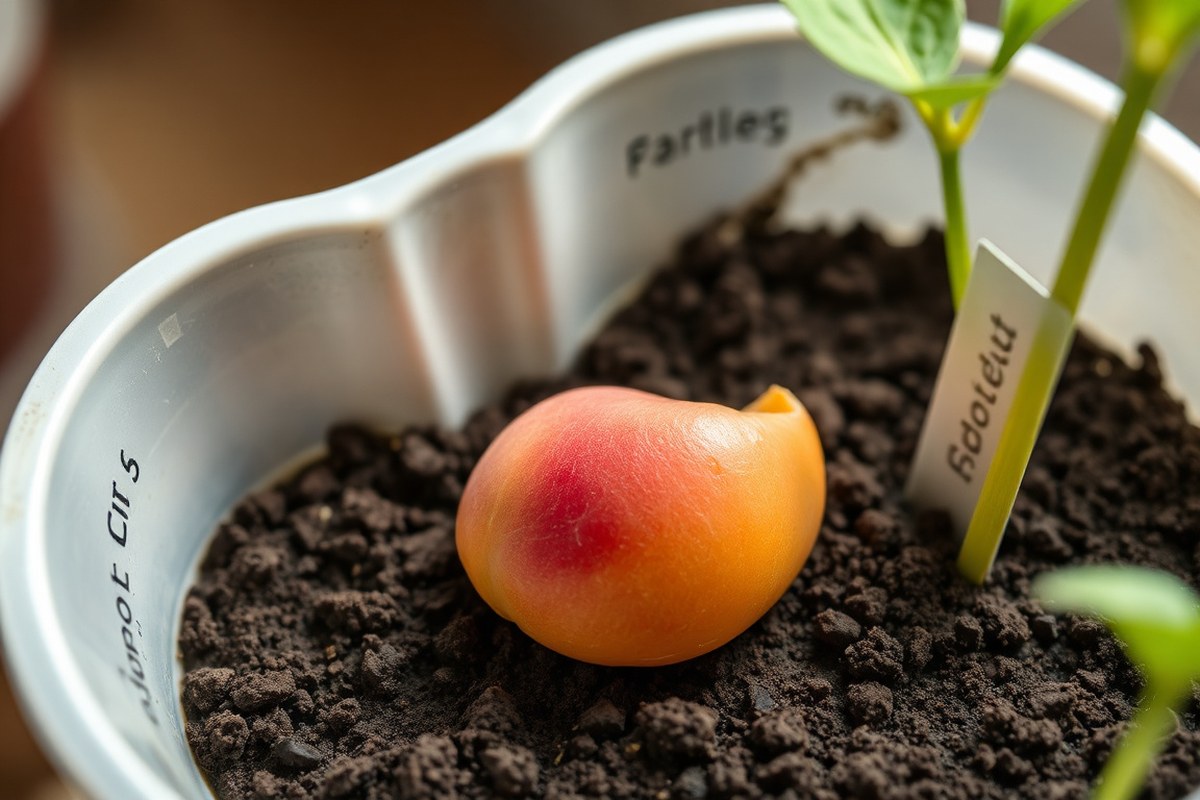
Plant the seed about 3 inches deep in a container. Use good potting soil for best results. Do this after stratification.
Keep the soil moist and warm to encourage germination, which usually takes four to eight weeks. With patience and care, your peach seedling will grow strong and healthy.
Key Takeaways
- Soak the peach seed in warm water for 2 to 3 hours before cleaning.
- Stratify peach seeds in a moist medium at 7 °C for 8 to 12 weeks.
- Plant the seed 3 inches deep in a 10 to 12-inch diameter pot of potting mix.
- Keep soil moist and warm to help the seed sprout in 4 to 8 weeks.
- Start germination about 4 months before your area’s last spring frost date.
- Choose a well-draining soil and a sunny spot for healthy peach seedlings.
Can You Grow a Peach Tree from a Seed?
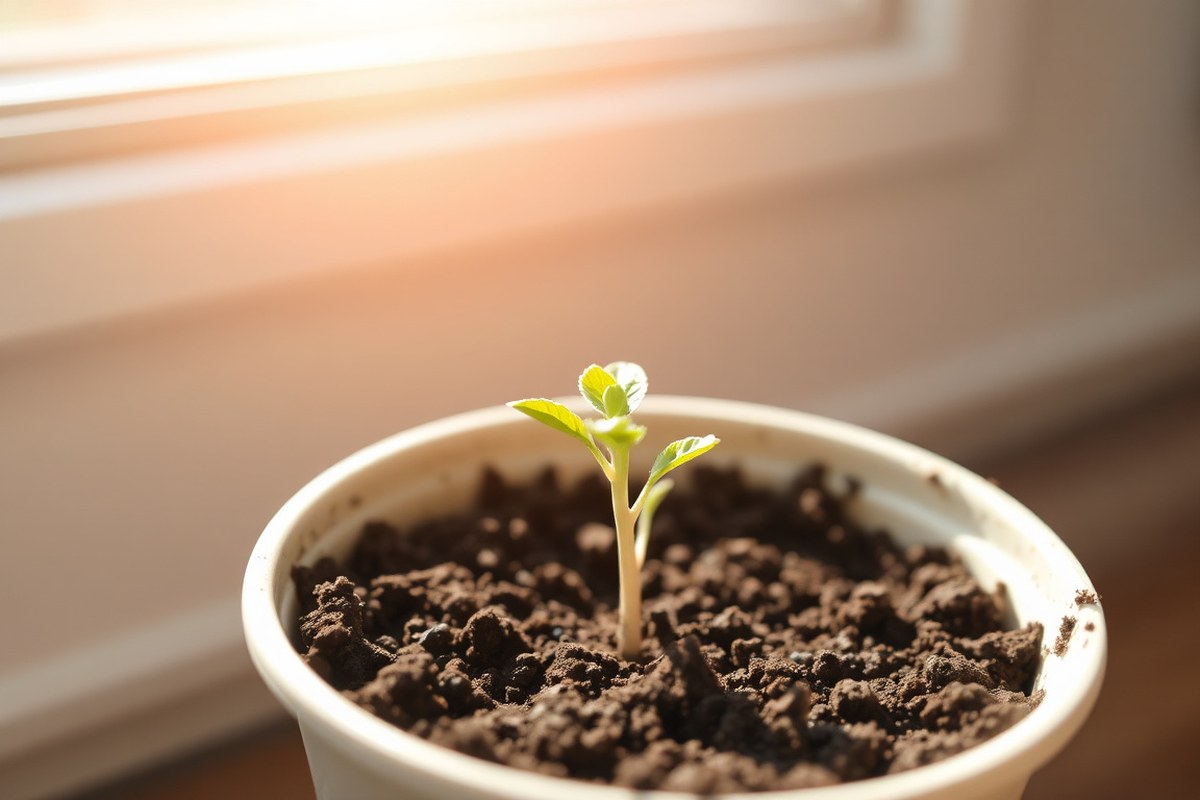
You can grow a peach tree from a seed, but it takes patience. Seed-grown peach trees usually start producing fruit after three to four years. This method is cheaper and lets you enjoy seeing the tree grow from scratch.
Fruit from seed-grown trees can be unpredictable. The seed’s fruit may taste different from the parent peach because of genetic mixing.
Some seed-grown trees might produce poor fruit or none at all. This is why grafted trees are more popular for home growers seeking reliable fruit.
Grafted trees carry the exact traits of their parent variety. They bear fruit earlier, often within two years after planting.
The trade-off is they cost more and you miss out on the seed-to-tree experience. If your goal is fresh peaches fast, grafted trees are the better option.
Growing from seed suits gardeners who want a unique, vigorous tree and don’t mind waiting. You’ll need to water regularly, prune properly, and thin fruit to help your tree succeed.
Make sure to plant the seed in well-draining soil with good light. These steps improve your chances of a healthy, fruitful tree after the wait.
Extracting and Preparing Peach Seeds for Planting
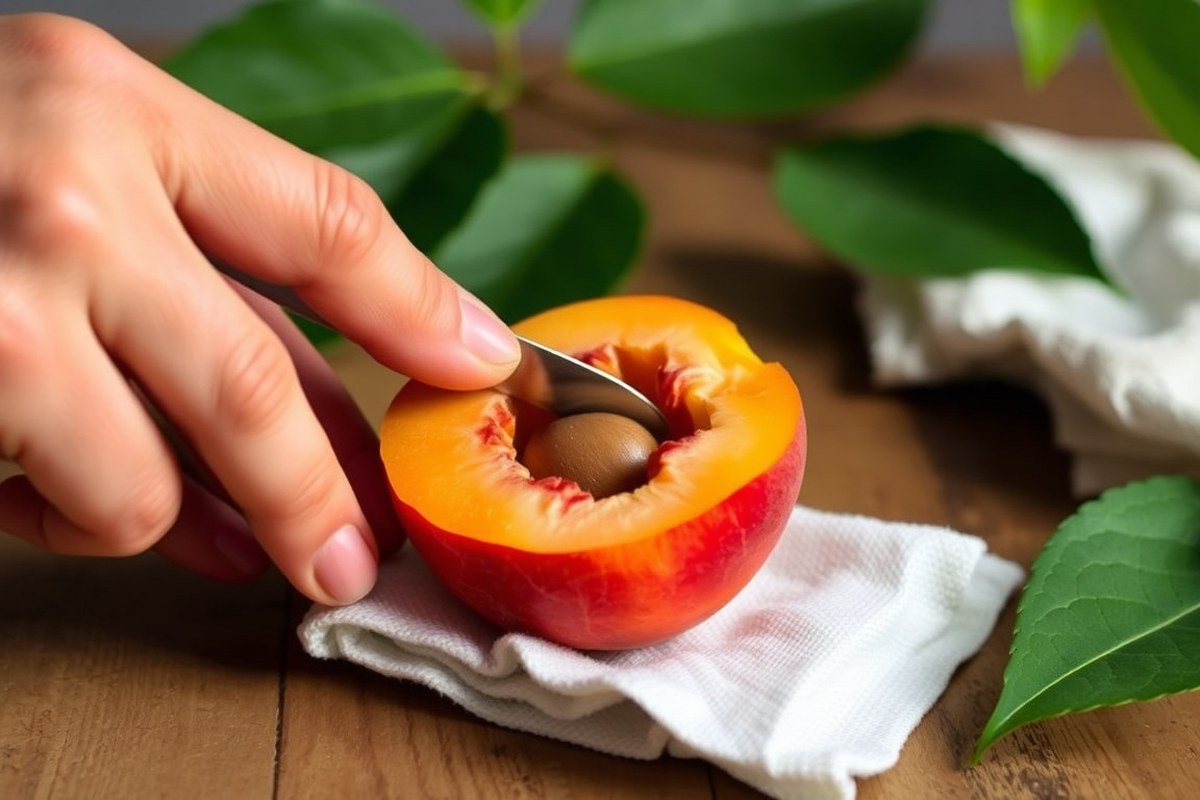
Your first step is to get the seed from the peach pit. The pit is the hard shell you find inside the fruit. The actual seed, or kernel, is inside that shell.
Removing the seed helps it sprout faster because the shell slows water absorption. After extracting the seed, cleaning it removes leftover fruit and protects it from mold. You can check if the seed looks good by its kernel.
It should be plump, smooth, and ivory in color. Avoid seeds with cracks or spots on them. This means the seed is healthy and ready to grow.
Preparing the seed includes disinfecting and stratifying it. Disinfect the seed to reduce fungus risks. Soak it in 3% hydrogen peroxide for 2 minutes.
This simple step helps protect your seed. Stratification mimics cold winter for the seed. Store it in moist peat and perlite at 34 to 41°F. Keep it there for 8 to 12 weeks.
This cold period helps break the seed’s dormancy. Checking regularly for mold and moisture is important.
You want a slightly moist but not wet medium. After stratification, you’ll see a small white root starting to sprout, meaning it’s ready to plant.
- Remove the pit by cutting the peach and taking out the hard shell.
- Let the pit dry in a cool, dry place for about one week.
- Crack the pit carefully using padded pliers to avoid crushing the seed inside.
- Extract the seed (kernel) and inspect it with a magnifying glass for smoothness and plump shape.
- Soak the seed in a 3% hydrogen peroxide solution for 2 minutes to disinfect.
- Mix peat moss and perlite until just barely moist. Put the seed inside with the mix. Seal everything in a zip-top bag for storage.
- Store the sealed bag in the fridge at 34, 41°F for 8 to 12 weeks. Check weekly for mold or dryness.
Don’t skip drying the pit before cracking it. A dry pit cracks easier and reduces seed damage.
Why and How to Stratify Peach Seeds for Germination
Peach seeds need cold stratification to break their dormancy. This process tricks the seed into thinking it experienced winter. You must keep the seed cold and moist for about 8 to 12 weeks.
Purpose of Cold Stratification
Cold stratification copies the natural winter conditions peach seeds face outdoors. Without this step, peach seeds often won’t sprout. The cold period signals the seed to start growing in spring.
The seed’s tough coat keeps it asleep until winter ends. Stratification softens this coat and activates the embryo inside. This makes germination possible when the seed is planted in warm soil.
Step-by-Step Stratification Process
Preparing your peach seed for stratification involves a few careful steps. You’ll want to keep the seed damp but not soaked to avoid rot. Follow these steps to get started:
- Clean the peach seed by removing all fruit flesh attached.
- Dampen a paper towel until it’s moist but not dripping.
- Wrap the seed in the damp paper towel carefully.
- Place the wrapped seed inside a plastic bag or airtight container.
- Put the bag or container into the refrigerator, away from fruits that emit ethylene gas.
- Check the seed every week to monitor moisture and sprouting signs.
- Keep the paper towel moist by adding a little water if it feels dry.
- After 8 to 12 weeks, remove the seed and plant it in well-draining soil.
Ideal Temperature and Moisture Guidelines
Keep your peach seed at 34 to 41°F (1 to 5°C) during stratification. These temperatures mimic real winter cold. Avoid freezing temperatures that could damage the seed.
Moisture is equally important. The paper towel around your seed should stay damp but never soaked.
Too much water can cause mold or the seed to rot. Proper moisture helps the seed coat soften gradually.
You can store the seed wrapped in a plastic bag inside your refrigerator crisper drawer. Make sure to avoid storing it near ripe fruits like apples, which release ethylene gas. The gas can interfere with your seed’s ability to sprout.
Choosing the Best Soil and Planting Location for Peach Seeds
Peach seeds grow best in well-drained, slightly acidic soil with good sunlight. You can start seeds indoors in pots or plant them directly outdoors after the last frost. Plant seeds about 1 inch deep, spacing trees 15 to 20 feet apart when planting outdoors.
Soil Characteristics for Peach Seeds
Peach seeds need soil that drains water well to avoid root rot. Soil pH should be mildly acidic, around 6.0 to 6.5. Adding sand or organic matter helps improve drainage and nutrient content.
Heavy or poorly draining soil can slow growth or kill your seedling. Your garden soil may not drain well. Use raised beds or containers with sandy, rich soil or potting mix.
Container vs. Direct Outdoor Planting Pros and Cons
Starting peach seeds indoors in containers gives you control over soil and moisture. Use pots at least 12 inches deep filled with well-draining soil. Plant stratified seeds an inch deep and keep them warm and moist until sprouting.
Direct outdoor planting is easier if you want your tree in its final spot. Seeds go about 1 inch deep in prepared soil after the last frost. This option avoids transplant shock but depends on local weather and soil conditions.
| Factor | Container Planting | Direct Outdoor Planting |
|---|---|---|
| Soil control | High, choose potting mix or sandy soil | Depends on garden soil quality |
| Root space | Limited by pot size, start with 12″ deep | No limit, tree spreads roots freely |
| Frost risk | Low, protected indoors | High, plant after last frost |
| Transplanting | Needed after seedling grows strong | Not needed if final spot chosen |
| Care needs | More hands-on (watering, light) | Minimal after planting in good soil |
After the seedling grows indoors, transplant outdoors when frost risk ends. Containers help avoid losing young plants to weather. Outdoor planting suits stable climates and well-prepared soil.
Recommended Planting Depth and Spacing
Plant peach seeds about 1 inch deep with the pointed end facing down. This depth mimics natural seed placement and helps sprouting. Some gardeners plant 3 to 4 inches deep but 1 inch works well for most.
Space young peach trees 15 to 20 feet apart in the garden. This distance allows room for root and canopy growth. Start seedlings indoors.
Plant them about 5 feet apart first. This helps pick the strongest before the final planting.
Following this spacing prevents overcrowding and reduces competition for sunlight and nutrients. Good spacing also improves airflow, lowering disease risks and helping your peach trees thrive.
Germinating Peach Seeds: Conditions and Timeline
Peach seeds usually take 4 to 8 weeks to sprout. This timeline depends on keeping the seeds warm and moist after stratification. Stratification means chilling the seeds first to break dormancy, which helps with faster germination.
Once planted, keep the soil temperature around 70°F (21°C). The seed needs warmth to wake up and start growing roots. Light is less important at first.
Cover the seed lightly with soil. Use a clear cover to keep moisture. This helps the seed germinate better.
Don’t see germination signs after 8 weeks? The seed might be dead. Try planting a new one to be sure.
Try planting several seeds to improve your chances. Some peach seeds just won’t sprout because of genetics or poor storage.
- Use a seed-starting mix or well-draining soil to avoid rot.
- Keep soil consistently moist but not soggy during germination.
- Maintain temperatures between 65°F and 75°F for best results.
- A shallow planting depth (about 1 inch) helps seedlings emerge easily.
- Place seeds in indirect sunlight or under grow lights after sprouting.
- Label your seeds if planting different varieties for tracking growth.
Watch for swollen seeds or small green shoots as signs of progress. Seeds that remain hard and show no growth after 8 weeks are probably dead. At that point, start fresh with new seeds or check your stratification and planting steps.
Keep several seeds going at once to avoid disappointment if some fail to germinate.
Caring for Peach Seedlings After Germination
Keep the soil moist but not soggy once your peach seedling appears. Check the root zone by feeling the soil about an inch deep. Water only when it feels dry, avoiding overwatering that causes root rot.
Light is key for strong growth. Place seedlings where they get at least 6 hours of sunlight daily. If indoors, use a grow light set on a timer for 12-14 hours if natural light is weak.
Peach seedlings need warmth to thrive, ideally between 65°F and 75°F. Avoid cold drafts or placing seedlings near heaters that dry the air. This temperature range helps steady growth and leaf development.
- Water when top inch of soil feels dry
- Apply a diluted balanced fertilizer only after true leaves appear
- Ensure 6 hours of direct sunlight daily or use grow lights indoors
- Keep temperature steady between 65°F and 75°F
- Prune carefully to remove damaged or crowded growth
- Avoid overfertilizing; it can burn roots or stunt growth
Fertilizing too early or too much is a common mistake. Begin only after the seedling has true leaves and is in fresh soil. Use a weak dose, like a quarter-strength 10-10-10 fertilizer, once every two weeks.
Light shortages can cause weak, leggy seedlings. Make sure light is bright but not scorching.
Pruning seedlings helps airflow and directs energy to healthy shoots. Cut off any yellow or shriveled leaves with clean scissors.
Transplanting Peach Seedlings Outdoors Safely
Transplant peach seedlings outdoors only after full dormancy. The last frost must have passed. This prevents frost damage to young trees.
Harden them off gradually to help them adjust. Space peach trees 15 to 20 feet apart for growth.
Use cloth coverings to protect young trees from frost. Frost protection helps young trees survive cold nights.
When to Transplant Seedlings Outdoors
Move your peach seedlings outdoors in early spring after the last frost. Young trees must experience full dormancy before transplanting. This means keeping seedlings cold and resting for several weeks before planting.
You live in a mild winter area, chill seeds for 4 months in the fridge before planting. Plant outdoors about a month before your area’s average last frost date. Healthy seedlings transplant best once their dormant phase is complete, not just when leaves sprout.
Hardening Off Peach Seedlings
Hardening off means gently getting your seedlings used to outdoor conditions. Start this about two weeks before you want to plant them outside. The goal is to reduce shock from sun, wind, and temperature changes.
Follow these steps to harden off peach seedlings:
- Place seedlings outside in indirect sunlight for 2 hours the first day.
- Increase sunlight exposure by 1 hour each day for 10 to 14 days.
- Bring seedlings indoors overnight while temperatures drop.
- Gradually expose seedlings to wind and cooler night temperatures.
- Check plants daily for leaf curling or wilting; reduce exposure if stressed.
- After 2 weeks, leave seedlings outside overnight if no frost risk exists.
- Prepare seedlings for planting once they accept full sun and outdoor temps.
Frost Protection and Spacing Tips
Cover young peach trees with frost cloth or burlap to protect them. Use this protection when temperatures fall below 28°F. This helps prevent frost damage. Avoid using plastic sheeting.
It traps moisture and can harm plants. Remove covers during the day to prevent overheating.
Plant peach trees 15 to 20 feet apart to allow room for growth. This space helps air circulate and lowers disease risk. Crowded trees struggle with diseases and produce less fruit.
Check regularly for signs of disease or damage. Prune damaged branches and keep weeds away. Healthy soil and proper spacing reduce pests and fungal problems common in peach trees.
Common Challenges and How to Improve Success Rates
One common mistake is planting peach seeds too late after extraction. Seeds lose viability if you wait more than a year before planting. Another slip-up is skipping stratification, which mimics winter and signals the seed to sprout.
Disease and pest damage can kill young seedlings quickly. Fungus often attacks if soil stays too wet or air circulation is poor.
Using well-draining soil and watering sparingly helps. Also, watch out for cutworms and aphids, which can harm tender shoots.
Some seeds may not sprout after several weeks. Don’t toss the seed right away when that happens. Instead, give it a gentle poke to check for firmness.
Soft, hollow seeds won’t grow. Hard seeds might need more stratification time or warmer conditions.
Climate greatly affects how well seeds germinate and grow. Colder areas may require longer chilling periods before planting.
Hot, dry climates risk drying out the seeds or killing seedlings early. You can protect seedlings by planting in partial shade and keeping soil moist but not soaked.
- Plant seeds within 12 months of removal from the fruit.
- Keep soil moist, not waterlogged, to prevent root rot.
- Stratify seeds at 33, 41°F for 6, 8 weeks before planting.
- Start seedlings indoors in early spring for colder climates.
- Use insect netting or organic pesticides to control pests.
- Transplant seedlings only after the last frost date in your area.
Overwatering young peach seedlings invites fungal diseases. Water only when the top inch of soil dries out.
Watching seedlings closely in the first few months pays off. Remove damaged leaves and inspect roots for signs of rot.
Try another seed when your seedling wilted or failed. Use these tips and note any care or timing changes.
Success depends on steady care and adjusting for your local conditions. Giving your peach seeds the right chill, moisture, and protection improves the odds of healthy growth. Even with setbacks, growing from seed teaches you a lot about peach trees and patience.
Step-by-Step Action Plan for Growing a Peach Tree from Seed
Follow these steps to start your peach tree and keep it healthy through each phase. Check each step for signs your seed or seedling is doing well.
- Before you start: Extract the peach seed carefully from the fruit. Clean off all fruit flesh so it doesn’t rot.
- Week 1: Put the seed in a damp paper towel. Then place it inside a plastic bag to start stratifying. Keep it in the fridge for 4 to 8 weeks.
- After stratification: Plant the seed 1 to 2 inches deep in well-drained potting soil. Keep the soil moist but not soaked.
- Weeks 2-6: Keep the seedling in a warm place with indirect sunlight. Look for sprouting, which means the seed is ready to grow.
- Month 2: Once the seedling has real leaves, gradually expose it to direct sunlight. This helps it get stronger.
- Month 3-6: Water regularly, letting the top inch of soil dry out between watering. Watch for pests or signs of disease.
- After 6 months: Move the seedling outside on warm days. Choose a sunny spot with good airflow, and protect from wind and frost.
- After 1 year: Plant your young tree outdoors in fertile, well-drained soil. Mulch around the base to keep moisture steady.
Frequently Asked Questions
Can You Plant a Peach Seed Directly in the Ground in Fall?
Yes, you can plant in fall. But natural germination is less reliable than controlled stratification.
Cooler winter soil may not always break dormancy evenly.| How long does it take for a peach seedling to produce fruit? | Peach seedlings usually take 3 to 4 years before they bear fruit. This time varies with tree care and climate conditions.| Can I use any peach seed for planting? | Use seeds from fully ripe, disease-free peaches for best results.
Avoid seeds from store-bought fruit treated with chemicals.| What pot size is best for starting a peach seed? | Choose containers 10 to 12 inches wide and deep with good drainage. This allows roots space to grow strong early on.| How do I harden off peach seedlings before transplanting? | Gradually expose seedlings to outdoor conditions over 1 to 2 weeks.
This reduces transplant shock and improves survival rates.| Is grafting better than growing from a peach seed? | Grafting gives predictable fruit and faster harvests. But seeds offer a unique growing experience.
Choose based on your goals.| Do peach seeds need soaking before planting? | Soaking is not required but soaking overnight can help soften the shell and speed germination.| Can I reuse peach seeds from previous years? Fresh seeds germinate better than old ones. You can store seeds dry and cold.
They stay safe for up to one year this way.| Will peaches from seed trees taste like the parent fruit? | Seed-grown peaches may differ in taste and quality from their parent. This happens because of genetic variation.| Should I plant multiple peach seeds for better fruit chances? | Planting several seeds increases your odds for a strong, healthy tree. Thin seedlings to keep the best one.| Can peach trees grown from seed survive cold winters? | Seedlings vary in cold tolerance depending on the variety.
Provide winter protection in colder zones.| How often should I water peach seedlings? | Water seedlings moderately, keeping soil moist but not soggy. Overwatering can cause root problems early on.|
Key Points to Remember
You can definitely grow a peach tree from seed if you follow the steps with care. Start by extracting and stratifying the seed properly. Your next action is to plant your stratified seed and watch for sprouting signs closely.