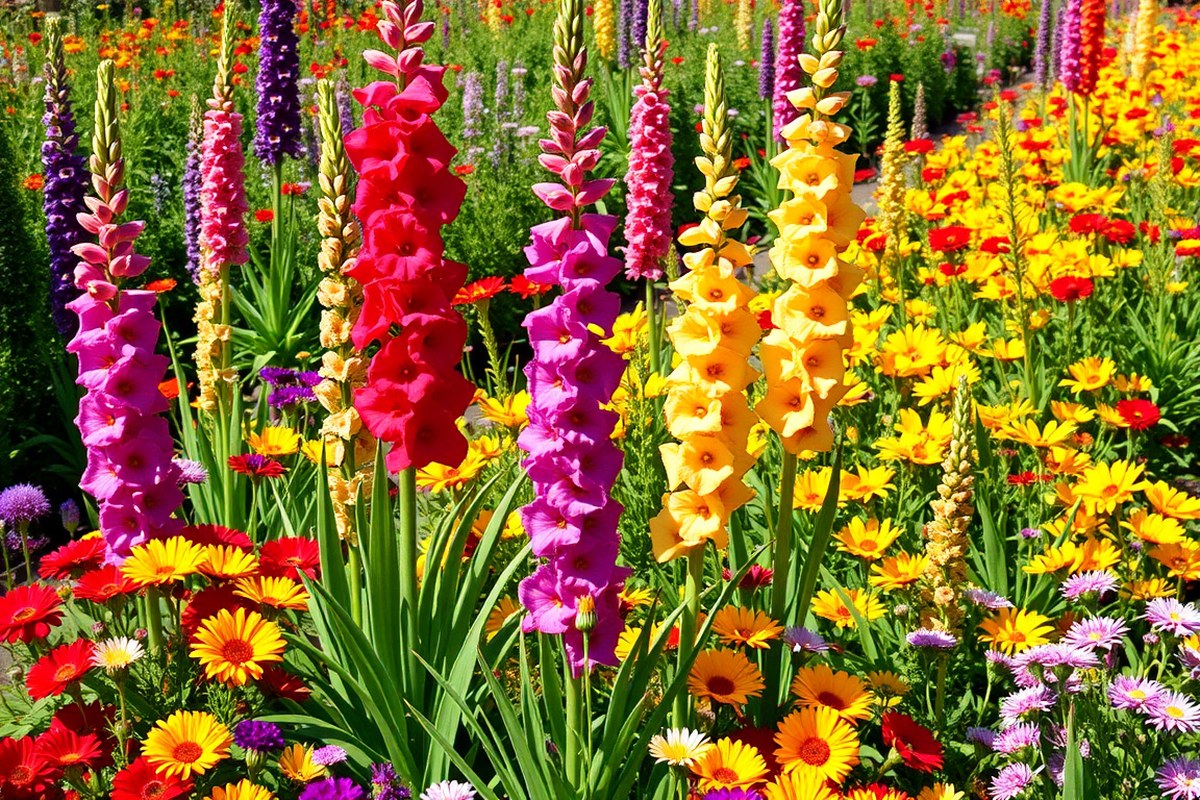
What to Plant with Gladiolus: 8 Perfect Companions for Stunning Blooms
Wondering what to plant with gladiolus for a beautiful garden? Pick plants with similar sun and water needs for the best results. Gladiolus need at least 6 to 8 hours of sun daily.
So choose neighbors that won’t cast heavy shade. Plants like zinnias and marigolds share these needs and add vibrant colors.
Good companion plants also help support gladiolus’ tall stems. You can hill up soil around gladiolus once they grow about 6 inches tall.
This helps keep their spikes upright and looking great. Taller plants like delphiniums can also shield gladiolus from strong winds without shading them too much.
When planting gladiolus, space corms about 6 inches apart. Plant them 4 to 6 inches deep with the point facing up.
Make sure your companion plants won’t crowd them out or compete too much for nutrients. Low-growing herbs like thyme or oregano make great ground cover without stealing resources.
Key Takeaways
- Plant gladiolus corms 4 to 6 inches deep, pointed side up.
- Space gladiolus about 6 inches apart for healthy growth.
- Choose companion plants that need full sun, not shade.
- Hill up soil around gladiolus stems when they reach 6 inches tall.
- Pick plants with similar water needs to avoid stress.
- Avoid tall companions that block sunlight from gladiolus.
Best Plants to Grow with Gladiolus for Color and Height
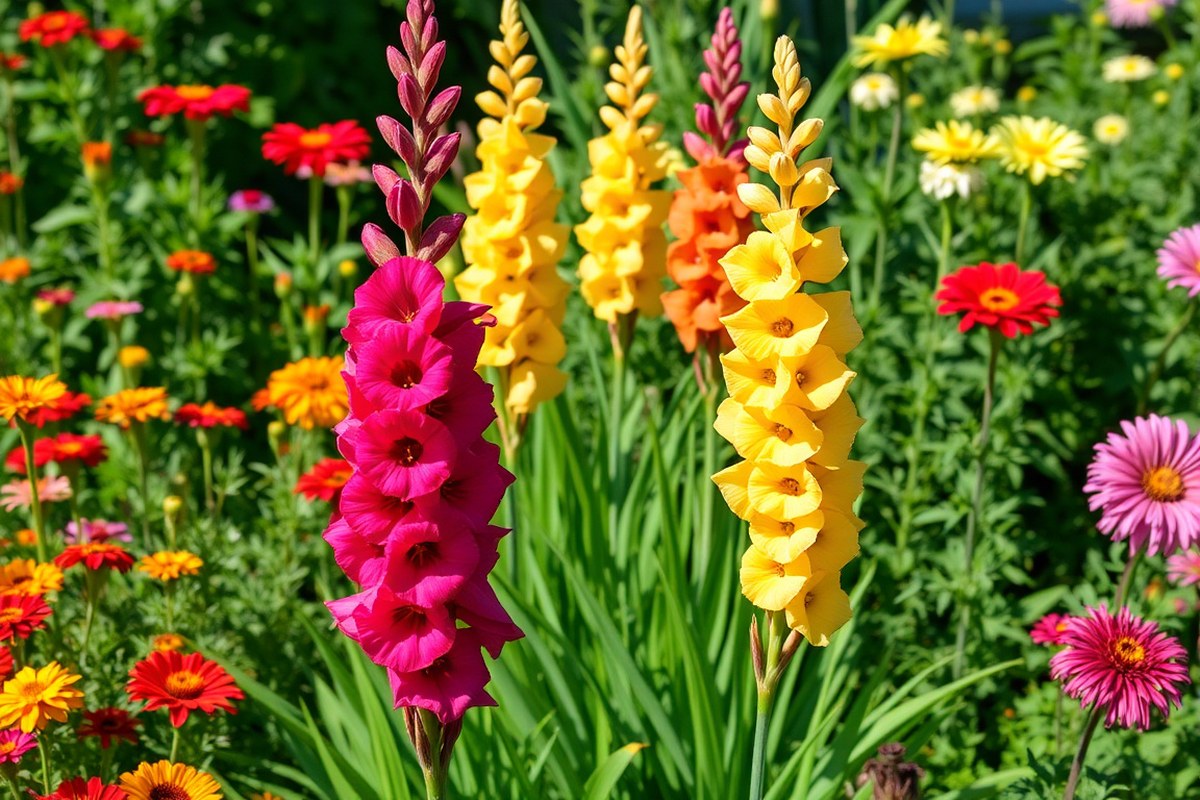
Gladiolus pairs well with plants that offer contrasting colors and varying heights. This mix creates a rich, balanced garden display filled with texture and color. Good companions include dahlias, zinnias, cosmos, marigolds, and lilies.
The goal is to combine gladiolus with plants that fill in gaps when gladiolus aren’t blooming. Pick plants that bloom at different times to keep your garden fresh. Choose companions with various growth habits.
This helps your garden look lively all summer. Taller companions support the gladiolus’ height, while shorter plants add fullness below.
| Companion Plant | Color Contrast | Height Range (inches) | Growth Habit |
|---|---|---|---|
| Dahlias | Bright reds, pinks, yellows | 24, 48 | Bushy, rounded flowers |
| Zinnias | Bold reds, oranges, yellows | 12, 36 | Compact, upright |
| Cosmos | Pink, white, purple | 30, 60 | Open, airy |
| Marigolds | Orange, yellow | 6, 36 | Dense, low to medium height |
| Phlox | Pastel shades, white | 24, 36 | Massive rounded flower heads |
| Roses | Red, pink, yellow | 24, 72 | Large, fragrant blooms |
Plant gladiolus corms 4 to 6 inches deep and space them 6 to 8 inches apart. Group gladiolus in clusters of 10 to 20 for bold color impact.
Pair them with shorter companions like marigolds or zinnias in front. Taller ones like cosmos or roses at the back.
Use pastel-colored gladiolus varieties for a soft contrast with bright dahlias or bold zinnias. That contrast helps each flower stand out. Shorter plants stop bare spots while gladiolus bulbs grow.
Gladiolus bulbs take several weeks to develop after planting. Use companions that fill gaps during this time.
This planting mix suits USDA Zone 8b gardens well. Plant when soil warms to about 55°F. Soil temperature helps ensure better growth and bloom.
Make sure companion plants have similar water and sun needs to keep your garden thriving. Avoid overcrowding by following the recommended spacing for each plant’s size.
Plants to Avoid Near Gladiolus and Why

Plants that compete heavily for nutrients or water can stunt gladiolus growth. Large, fast-spreading plants crowd gladiolus corms, limiting their space underground. Some plants attract the same pests or diseases as gladiolus.
This raises the risk of infections for your gladiolus. Watch nearby plants closely to protect your flowers.
Avoid planting gladiolus near flowers with similar vulnerabilities, such as lilies or dahlias. They can share pests like thrips and fungal diseases, creating ongoing soil problems. Crop rotation in ornamental gardens helps prevent these issues.
Heavy feeders that soak up soil nutrients reduce what gladiolus needs to thrive. Shade-loving plants near gladiolus can block sunlight and raise moisture levels, which gladiolus does not like. That affects flowering and stem strength.
- Avoid lilies and dahlias due to pest and disease overlap.
- Skip large, aggressive spreaders that crowd gladiolus roots.
- Don’t plant heavy feeders nearby to reduce nutrient competition.
- Stay away from shade-loving plants that change sunlight and moisture.
- Keep distance from plants that attract gladiolus pests like aphids or thrips.
Spacing plants at least 6 to 12 inches apart helps reduce resource competition. Gladiolus needs full sun, so neighbors should not cast shade. Watch for early signs of pests on any nearby plants and act quickly.
Keep gladiolus away from other bulbous plants to prevent pest buildup and protect your soil health.
Following these tips guides you to better gladiolus growth and fewer pest problems. Healthy corms produce stronger stems and brighter blooms, making your garden more vibrant. Crowding or sharing pests cause weak plants and faded flowers.
Pest-Repelling Companion Plants That Protect Gladiolus
Planting pest-repellent companions keeps gladiolus strong and healthy. Marigolds work well by deterring aphids and thrips. These pests cause streaks and discoloration on gladiolus blooms.
Herbs like basil, garlic, and chives naturally repel pests near gladiolus. They release scents that confuse and push insects away. You can plant them close to gladiolus beds for ongoing protection.
Flowers like asters and coreopsis attract beneficial insects. These predators eat the thrips and aphids that harm gladiolus. Including these flowers creates a natural balance without harsh chemicals.
| Gladiolus Companion Plant | Type | Pest-Repelling Benefit |
|---|---|---|
| Marigolds | Flower | Repel aphids, thrips, and common pests |
| Basil | Herb | Confuses pests, supports gladiolus growth |
| Garlic | Herb | Repels thrips and other insects |
| Chives | Herb | Discourages aphids and thrips |
| Asters | Flower | Attracts predators of gladiolus pests |
| Coreopsis | Flower | Draws beneficial insects to control pests |
Plant the companions around gladiolus clusters, not crowded. Leave some space for airflow, which also cuts pest problems. Arrange taller herbs and flowers behind gladiolus to avoid shade.
Adding plants like red mustard or lungwort helps attract insect predators. Hoverflies and lacewings eat thrips and aphids effectively. These companions also serve as living mulch to keep soil moist and control weeds.
For small gardens, plant dwarf marigolds near patio tomato beds with gladiolus. They add color and keep pests away tactfully. In all cases, companion plants reduce the need for pesticides around your gladiolus.
How Companion Plants Help Support Tall Gladiolus Stems
Companion plants can help gladiolus stay upright by acting as natural windbreaks and physical supports. Tall, bushy plants shield gladiolus stems from windy conditions, reducing the need for staking.
These companions create a stable environment. So you won’t spend extra time and money on supports.
Choosing Bushy, Sturdy Support Plants
Look for plants with thick, bushy growth that can stand up to wind. Dahlias, tall phlox, and sturdy ornamental grasses work well as natural crutches for gladiolus stems. Perennials like peonies and yarrow form dense bases that protect gladiolus spikes from bending.
Pick companions that stay lower than the gladiolus but provide solid side support. Gladiolus stems can reach 2 to 6 feet tall.
So companions around 3 to 5 feet tall create good protection. Avoid flimsy or vining plants that won’t hold the gladiolus upright.
Proper Spacing to Maximize Support
Place companion plants close enough to shield gladiolus from wind but not crowd their root zones. Plant bushy species about 6 to 12 inches away from gladiolus corms. This distance lets roots grow without competition while offering solid stem support.
Group at least seven gladiolus corms if planting tall varieties. Surround them with a ring or row of companion plants.
This setup creates a natural windbreak on several sides. It stops gladiolus stems from swaying too much.
Timing Support Planting for Best Results
Plant companions slightly before or at the same time as gladiolus corms. This timing helps companions establish roots and grow sturdy enough to support gladiolus stems.
Grow slower companions indoors earlier to match growth better. Start seeds or plants inside before planting out.
Water both gladiolus and their companions consistently to encourage strong root growth. Apply fertilizer 4 to 6 inches from gladiolus stems.
Do this when stems reach 6 to 10 inches tall. Healthy plants stand better in wind and reduce the need for staking.
Follow these steps to support gladiolus with companion plants:
- Choose tall, bushy plants like dahlias or ornamental grasses known for sturdy growth.
- Plan for the companion plants to grow 3 to 5 feet tall, creating a natural shield.
- Plant gladiolus corms in groups of seven or more to build stability within the patch.
- Space companion plants 6 to 12 inches from gladiolus corms. This gives good room for roots and support.
- Plant companions shortly before or with gladiolus to let them grow strong together.
- Water both plants regularly to maintain healthy, stable stems and roots.
- Apply water-soluble fertilizer around gladiolus when stems are 6 to 10 inches tall to promote vigor.
Matching Water and Sun Needs in Gladiolus Companion Plants
Gladiolus need full sun, at least 6 to 8 hours a day. Choose companion plants that also thrive in full sun to avoid shading problems. Plants needing shade or partial sun can stress gladiolus and stunt their growth.
Watering is another key to healthy companions. Gladiolus prefer well-drained soil that stays evenly moist but not soggy.
Overwatering can cause rot, while dry soil stresses the plants. Pick companions that like similar water amounts to keep your garden balanced.
| Plant | Sun Requirements | Water Needs | Soil Preference |
|---|---|---|---|
| Gladiolus | Full sun (6-8 hours) | Consistently moist, well-drained | Well-drained, humusy, slightly acidic to neutral |
| Marigold | Full sun | Moderate (well-drained soil, avoid soggy) | Well-drained, moderately fertile |
| Zinnia | Full sun | Moderate; drought tolerant once established | Well-drained, fertile soil |
| Salvia | Full sun | Moderate, prefers dry to average moisture | Well-drained soil |
| Lupine | Full sun to part sun | Moderate; prefers moist but well-drained soil | Well-drained, slightly acidic |
| Daylily | Full sun to part shade | Moderate, tolerates dry spells | Well-drained soil |
Grouping plants with matching sun and water needs cuts down on care. Gladiolus mixed with plants liking dry soil can share space but watch watering closely. Water too much for dry-loving plants and you risk root rot on those plants or gladiolus.
To keep water balanced, water your whole mixed bed deeply but less often. This encourages strong roots and cuts soggy soil risks. Mulching also helps keep moisture even and stops soil drying fast between waterings.
Choose your companions based on your garden’s conditions. Sunny, warm spots work best for gladiolus and companions that like steady moisture. In cooler or shadier gardens, avoid planting gladiolus where they won’t get enough sun.
Pick plants with close water needs to gladiolus, or water separately to prevent stress and rot.
Soil Preparation and Fertilizing Tips for Mixed Gladiolus Beds
Start by loosening the soil deeply and adding compost. Gladiolus and companion plants need nutrient-rich, well-drained soil for strong growth. Fertilize at key times with a balanced mix to keep nutrients steady.
Soil Loosening and Composting
Loosen soil to about 12 inches deep to help roots spread easily. This also improves drainage and lets air reach the roots. Add a 2-3 inch layer of compost on top of the soil.
Mix it well into the loosened soil. This will help add nutrients for your plants.
The compost feeds both gladiolus and companion plants while improving soil structure. It also helps soil hold moisture without getting soggy. In mixed beds, this balances the nutrient needs of different plants grown together.
Corm Planting Depth and Spacing
Plant gladiolus corms 2 to 6 inches deep, based on their size. Larger corms go deeper for support, usually about 6 inches. Cover them with at least 2 inches of soil to protect from frost and drying out.
Space corms about 6 inches apart in the ground to give room to grow. Closer spacing suits container planting; 3 to 4 inches apart works well there. Companion plants should fit comfortably without crowding gladiolus roots or stems.
Fertilizer Types and Application Timing
Use a balanced fertilizer with equal parts nitrogen, phosphorus, and potassium, like 10-10-10. These nutrients support sturdy stems, healthy leaves, and bright flowers. Apply fertilizer when planting, midseason, and again after flowering finishes.
This routine keeps the soil nutrient levels balanced throughout the growing season. Avoid over-fertilizing, especially with nitrogen, since it can harm root development. Companion plants that fix nitrogen or add organic matter can reduce fertilizer needs.
Follow these steps to prepare soil and fertilize for mixed gladiolus beds:
- Loosen the soil at least 12 inches deep using a spade or tiller.
- Spread a 2-3 inch layer of compost evenly over the loosened soil.
- Mix the compost thoroughly into the top 12 inches of soil.
- Plant gladiolus corms 2 to 6 inches deep based on corm size.
- Space corms about 6 inches apart in ground beds; closer in pots.
- Choose companion plants that won’t crowd gladiolus roots or stems.
- Apply a balanced 10-10-10 fertilizer when planting your bed.
- Fertilize again at midseason and immediately after blooms fade.
Extending Bloom Season Using Companion Planting Strategies
To keep your garden colorful for longer, plan your planting times carefully. Plant gladiolus corms every 10 to 14 days from late spring through early summer. This staggered planting lets you enjoy fresh blooms continuously, rather than all in one short burst.
Pair gladiolus with early bloomers for a smooth transition. Start with bulbs like tulips or daffodils in early spring.
These flowers finish blooming just before gladiolus rise. This way, your garden stays full of color even as different plants peak at different times.
Then add late-season bloomers like asters and chrysanthemums. They flower in late summer and fall, extending your garden’s display beyond the gladiolus. Plant asters and mums around late July or early August.
They keep your garden lively into fall. The bright hues blend well with the last gladiolus spikes.
Consider adding perennials like weigela for extra blooms. Weigela produces pink or white flowers that complement gladiolus nicely. These shrubs start blooming as gladiolus flowers fade.
They fill gaps and create a layered look. They also attract pollinators, which helps your other plants.
Adjust your plans based on your climate zone. In colder areas, start planting gladiolus indoors before the last frost.
That lets you move them outside once the soil warms. For warmer zones, direct planting in late spring usually works well.
Keep soil moist but avoid overwatering to protect the corms. Use mulch around the plants to keep soil temperatures steady. This encourages steady growth and healthy blooms throughout the season.
Check your garden regularly. Remove spent flowers to encourage new blooms.
Water plants early or late in the day to reduce evaporation. These small steps help your staggered plantings shine longer.
Container Gardening: Pairing Gladiolus with Suitable Companions
Gladiolus grows well in containers when paired with plants that share similar water and light needs. You can combine tall gladiolus with smaller companions without crowding roots. Space companions 6 to 12 inches apart based on their size.
Choosing Container Size and Soil
Use a container at least 12 inches deep and 18 inches wide for gladiolus and companions. The soil should drain well but hold enough moisture for non-dry-loving companions. Choose a lightweight potting mix with organic matter to support healthy roots.
Make sure the container has drainage holes to avoid soggy soil. Gladiolus bulbs don’t need very deep soil.
But they do need room for roots to spread. A larger pot also prevents overcrowding when adding other plants.
Best Companion Plants for Pots
Pick companions that grow 1-3 feet tall. Choose those spreading 1-2 feet wide. Match their size and light needs to gladiolus.
Good choices include dwarf annuals, perennials, and ornamental grasses. Avoid plants that like constantly wet or very dry soil conditions.
- Petunias and calibrachoas for bright color and trailing habit
- Dusty miller or lamb’s ear for silver foliage contrast
- Lamb’s ear for soft, textured leaves that keep soil cool
- Ornamental grasses like blue fescue for height and movement
- Snapdragons and sweet alyssum for layered flower shapes
- Low-growing sedums that tolerate similar soil moisture
Companion plants help shade soil to keep it moist and reduce weed growth. Allow 6 to 12 inches of space between gladiolus and companions for air circulation. This spacing avoids competition for nutrients and keeps plants healthy.
Watering and Feeding Mixed Containers
Water containers deeply when the top 1-2 inches of soil feels dry. Gladiolus and most companions like steady moisture but not soggy roots. Avoid overwatering plants that prefer dry conditions, such as succulents, in the same pot.
Feed the entire container every 3-4 weeks with a balanced liquid fertilizer. Choose one formulated for flowering plants to promote blooms in all companions. Mulching the container top can help retain moisture and keep roots cooler in summer.
Check soil moisture regularly; mixed pots dry unevenly, so adjust watering as needed.
Step-by-Step Action Plan to Grow Gladiolus with Ideal Companions
Follow these steps to boost gladiolus growth and garden beauty. Each step shows you what to do and how to check it worked.
- Before planting: Choose companion plants that match gladiolus’ light and water needs. Check if your site gets full sun and drains well.
- Planting day: Arrange tall, sturdy companions like ornamental grasses around gladiolus. Test stem support by gently shaking gladiolus after planting.
- First week: Add pest-repelling plants such as marigolds nearby. Look for fewer aphids to confirm they work.
- Two weeks in: Apply balanced fertilizer based on soil test. Healthy green leaves on all plants show you did it right.
- First month: Mulch around plants to keep soil moist and cool. Check soil moisture daily to keep it slightly damp.
- Early bloom: Pinch off fading flowers and add late-blooming companions to extend bloom time. See new flowers with staggered blooming.
- Mid-season: Watch for tall gladiolus stems bending. Tie them gently to sturdy companions as needed. Plants staying upright mean good support.
- After bloom: Remove spent plants and compost debris to prevent disease. Clean soil means fewer pests next season.
Frequently Asked Questions
What Flowers Bloom Well Before Gladiolus?
Spring-blooming bulbs like tulips and daffodils bloom before gladiolus. They fade just as gladiolus begins to sprout, creating a smooth flower transition in your garden.
Can Gladiolus Grow Well with Annual Vegetables?
Gladiolus can grow near annual vegetables if they don’t crowd each other. Make sure the gladiolus gets enough sun and water separate from thirsty veggies.
Is Planting Gladiolus in Partial Shade Ok with Other Plants?
Gladiolus prefers full sun, but partial shade is fine with shade-tolerant companions. Choose plants that handle less sun to avoid stunted growth.
Can Gladiolus Be Grown Under Fruit Trees?
Planting gladiolus under fruit trees might reduce sun exposure. Also, competition for water and nutrients can stress your gladiolus.
Should Gladiolus Be Planted Near Aromatic Herbs?
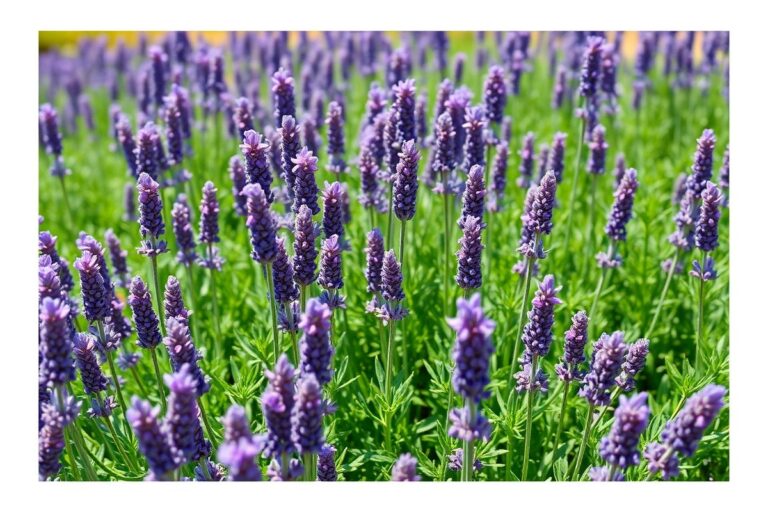
Aromatic herbs like rosemary or thyme can deter pests near gladiolus. Their scent helps protect without harming your flowering gladiolus.
Is It Better to Plant Gladiolus in Groups or Singly with Companions?
Group planting of gladiolus creates a strong color impact with companions. Single plants work too but less dramatic.
Wrapping Up
Pairing gladiolus with the right companions helps them stay healthy and beautiful. Take a close look at plant needs and plan your layout to fit your garden space. Start today by picking companion plants that match your gladiolus’ water and sun requirements.