How to Plant Habanero Peppers: Complete Step-by-Step Guide for Best Results
Knowing how to plant habanero peppers starts with timing and temperature. Start seeds indoors 8 to 10 weeks before the last frost.
Plant them ¼ inch deep. Use a heat mat set between 80 and 90°F. This warmth helps the seeds sprout faster and stronger.
Use a light, well-draining seed-starting mix good for just 3 to 4 weeks after sprouting. Keep the soil moist but not soaked to avoid rotting. Seedlings should grow 4 to 6 inches tall before moving them outside.
They need several true leaves first. Then begin hardening them off outdoors.
Transplant habaneros outside only when nighttime temperatures stay above 55°F. Plant them in fertile, slightly acidic soil in morning sun spots. Space seedlings 18 to 24 inches apart for healthy growth.
The plants will become bushy. Most habaneros grow about 3 feet tall.
Key Takeaways
- Begin planting habanero seeds indoors around 8 to 10 weeks before the final frost date.
- Sow seeds ¼ inch deep on a heat mat at 80-90°F.
- Use seed-starting soil mix only for first 3 to 4 weeks.
- Transplant seedlings outdoors when nights stay above 55°F.
- Plant in slightly acidic soil with good drainage and morning sun.
- Space habanero plants 18 to 24 inches apart to grow fully.
When and How to Start Habanero Seeds Indoors
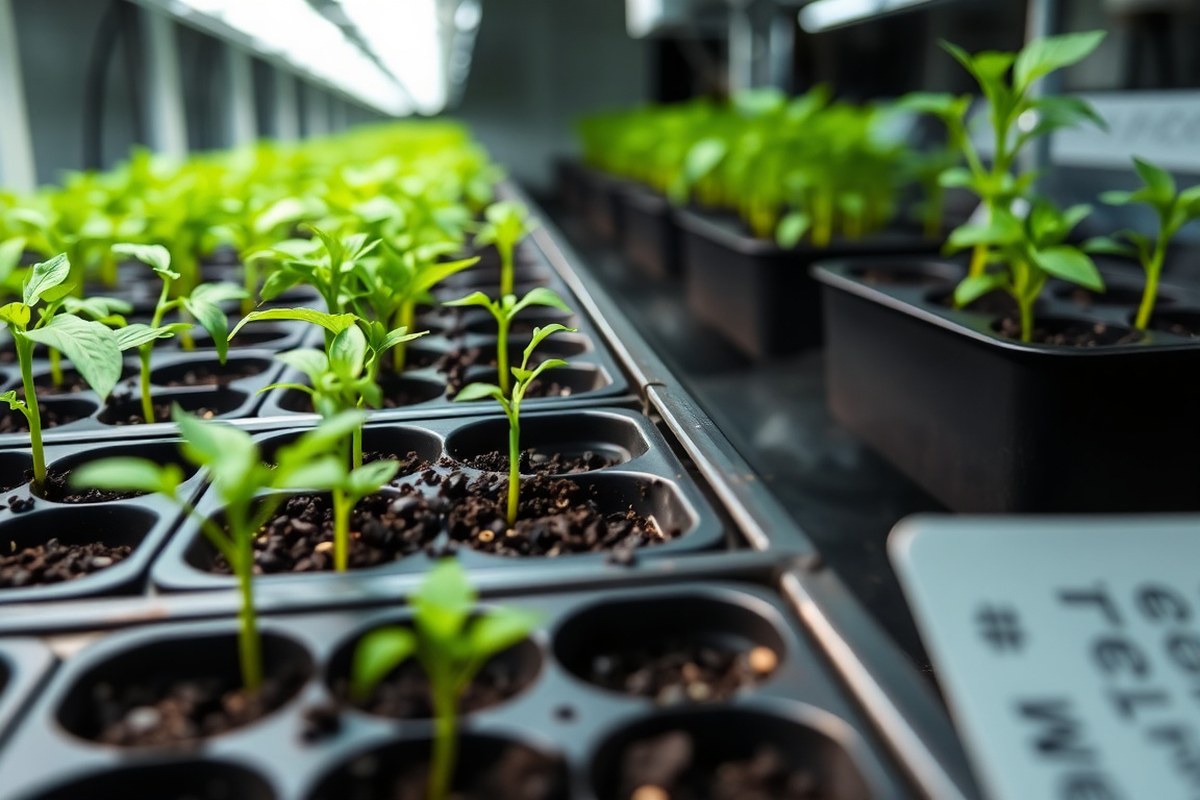
Begin growing habanero seeds indoors 8 to 10 weeks before frost ends. Starting early helps the plants grow strong before going outside. Short summers mean starting closer to 10 weeks for better growth.
Use a well-drained seed-starting mix with a slightly acidic pH of 6 to 6.8. Avoid garden soil as it can hold too much moisture and cause damping off. The seed mix should stay moist but not soggy for proper germination.
Plant each seed about ¼ inch deep and then cover it lightly with soil or vermiculite. This depth protects the seed and helps it absorb moisture. Press the soil gently to ensure good contact without compacting it.
Maintain soil temperatures between 80 and 90°F using a heat mat. Habanero seeds germinate best in this warm range. Lower temperatures can cause slow or uneven sprouting, which often leads to weak seedlings.
After seeds sprout, give them 8 hours of bright light daily. Use a sunny window or place seedlings under grow lights. Bright light keeps young plants healthy and growing well.
Insufficient light makes seedlings leggy and weak. A cool fluorescent or LED grow light a few inches above the plants works well.
- Fill your seed tray with moist, well-drained seed-starting mix, avoiding soggy spots.
- Plant habanero seeds ¼ inch deep, covering them lightly with soil or vermiculite.
- Set the trays on a heat mat set between 80 and 90°F for best germination.
- Keep the soil consistently moist but not soaked to prevent seed rot.
- Place trays in a spot with bright light or under grow lights for 8+ hours daily.
- Watch for germination, which can take 10 to 25 days, and thin seedlings if crowded.
- Once seedlings show true leaves and strong stems, prepare for transplanting outdoors.
Preparing Soil and Containers for Healthy Habanero Growth

Habaneros need well-prepared soil and right containers for healthy growth. Use light, fertile soil for seedlings and richer, well-draining soil for mature plants. Choose pots at least 5 gallons to allow room for roots.
Soil Mixes for Seedlings vs Mature Plants
Seedlings need a loose soil mix to help roots develop without watering problems. A mix of peat, perlite, and vermiculite works well for young plants. For mature habaneros, richer soil with organic matter like compost supports strong growth and fruiting.
Seedlings thrive in soil that keeps moisture but drains well. Mature plants prefer slightly acidic soil, around pH 6.0 to 6.5, to absorb nutrients properly.
| Growth Stage | Soil Type | Key Features |
|---|---|---|
| Seedlings (4-6 weeks) | Light mix (peat, perlite, vermiculite) | Good drainage, moisture retention, loose texture |
| Potting up (4-6 weeks) | Potting soil with compost | More nutrients, good aeration |
| Mature plants (8-10 weeks+) | Garden soil amended with compost/manure | Fertile, well-draining, pH 6.0-6.5 |
Switching soil as plants grow prevents crowding and poor root health. Keep soil fertile and drain well to avoid diseases and weak growth.
Pot Sizes and Types for Container Growing
Your habaneros will need at least a 5-gallon pot once seedlings leave small nursery containers. This size gives roots plenty of room to spread. Use sturdy containers that won’t tip over as the plant grows.
The plant will get bushy and reach 2 to 3 feet tall. Choose pots that can handle this size and weight.5 feet tall.
Plastic, ceramic, or fabric pots are good choices. Choose containers with drainage holes to avoid soggy soil. One plant per pot helps avoid crowding and competition for nutrients.
Preparing Garden Beds for Transplanting
Before transplanting, amend garden beds with plenty of compost or aged manure. Work about 2 inches of organic matter into the soil’s top layer. Mix it into the top 6 to 8 inches of soil.
This improves soil health and drainage for the plant. This boosts nutrients and improves drainage.
Loosen soil well to avoid compacted roots. Create raised beds if your area has heavy clay or poor drainage. Raised beds warm up quicker, helping habaneros start strong.
Ensuring Proper Drainage and pH Levels
Good drainage prevents root rot and fungal diseases. Soil should feel loose in pots or garden beds. It must dry quickly after each watering to keep roots healthy.
Avoid heavy, waterlogged soil. Test soil pH and aim for 6.0 to 6.5 for best nutrient uptake.
Adding lime adjusts acidity if the soil is too acidic. Use a soil test kit to check before planting. Drainage and pH correct together keep plants healthy through hot growing seasons.
Check pots after watering by lifting them. They feel heavy, wait before watering again. This prevents root rot and keeps peppers healthy.
How to Transplant and Space Habanero Seedlings Outdoors
Move habanero seedlings outdoors after the last frost when nights stay above 55°F. Harden off the plants for 1 to 2 weeks to avoid shock. Space seedlings 18 to 24 inches apart.
Choose a warm, sunny spot. Shelter them from wind for the best growth.
Timing Based on Frost Dates and Soil Temperature
Wait until all danger of frost is completely gone before transplanting. Nighttime temperatures should stay above 55°F (13°C) for several days in a row. Soil temperature must reach at least 65°F (18°C) to support root growth and prevent stress.
It usually takes about 8 weeks from seed planting indoors to produce hardy seedlings. Make sure daytime temps consistently hit around 70°F for the healthiest plants. Avoid planting too early because cold snaps can stunt growth and reduce peppers.
Step-by-Step Hardening Off Process
Harden off your habanero seedlings to help them adjust gradually to outdoor conditions. This reduces transplant shock and improves survival. Do it about one to two weeks before moving them permanently outside.
- Pick a sheltered outdoor area with some shade to start.
- Set the seedlings outside for 2 hours on the first day.
- Increase outdoor time by 1 to 2 hours daily.
- Raise sun exposure gradually until they handle full sun.
- Bring seedlings indoors overnight to protect from cold.
- Continue the routine for 7 to 14 days.
- Check for any wilting or sunburn during the process.
The seedlings will look tougher and less prone to drooping by the end. Avoid rushing or skipping hardening off to prevent weak plants failing later.
Recommended Plant Spacing and Layout
Provide 18 to 24 inches between habanero plants. This allows air to flow freely to reduce disease risks. Crowded plants can suffer from fungal infections and poor fruit development.
Plant seedlings in rows or blocks with roughly 3 feet between rows. This makes watering and harvesting easier. Single plants in large containers need at least 14 inches of space all around.
Choosing a Sunny, Warm, and Sheltered Location
Pick a spot that gets at least 8 hours of direct sunlight daily. Full sun supports strong growth and better pepper yields.
Aim for at least 6 hours of sunlight daily. Less than 8 hours means slower fruiting.
Choose soil that drains well and is rich in organic matter to prevent root rot. Avoid low or wind-exposed areas that stress habanero plants. A sheltered garden corner or near a south-facing wall works well.
Watering and Fertilizing Strategies for Strong Plants
Water habanero plants deeply about once a week, aiming for 1 to 2 inches of moisture. Check soil moisture by poking a finger about 2 inches deep. Water only if it feels dry.
Too much water can lead to root rot. Too little stresses the plant and reduces yield.
Using a drip irrigation system helps provide steady moisture without overwatering. Growing peppers in containers? Use large pots with at least 5 gallons.
This gives roots room and helps keep moisture in the soil. Letting soil dry between waterings encourages hotter peppers, so avoid constant wetness.
Fertilize every two weeks using a balanced vegetable fertilizer or one made for peppers. Pick fertilizers with equal or higher phosphorus and potassium than nitrogen. Ratios like 5-5-7 or 10-10-15 work well.
These support stronger peppers and healthy roots. Excess nitrogen causes lush leaves but fewer fruits and lowers heat levels.
Apply about ¼ tablespoon of nitrogen per plant once the plants reach six weeks old. Avoid fertilizer burn by measuring carefully and watering the plants soon after fertilizing. Leaves yellow or brown at edges?
Cut back on fertilizer. Also, check if your soil drains properly.
Adjust watering during hot, dry spells by increasing frequency slightly to prevent stress. Heavy rain means you can skip watering that week.
Water early in the morning to reduce water loss. This also helps plants soak up sunlight throughout the day.
Pruning and Pinching Techniques to Boost Growth and Yield
Pruning habanero plants isn’t required. But pinching their top stems once they reach 6 to 8 inches helps.
This practice encourages bushier growth and can lead to bigger harvests. Pinching focuses the plant’s energy on side shoots and fruit production.
Pinching the Main Stem for Bushier Plants
Pinching means removing the tender growing tip of the main stem. Pinch off the top using your fingernails. Do this when the plant is 6 to 8 inches tall.
This helps control growth early on. This stops upward growth and prompts the plant to develop more side branches.
Side branches create more spots for flowers and peppers. They help the plant grow fuller and not too tall. More air flows through, which can lower disease risk.
Timing Your First and Second Pinches
Begin pinching when your habanero plant reaches about 6 inches tall. This usually happens a few weeks after transplanting outdoors if you started seeds indoors. Pinch just the main growing tip, not lower branches.
You can pinch a second time 2 to 3 weeks later. Do this if side shoots grow tall and skinny.
It keeps the plant bushy. However, avoid pinching more than twice, as overdoing it stresses the plant and slows fruit development.
Avoiding Over-Pruning and Plant Stress
Only pinch growing tips, you don’t want to remove too many leaves or branches. Leaves are important for photosynthesis, which fuels fruit growth. Over-pruning can reduce overall yield and extend time to harvest.
Also, don’t prune during very hot or cold weather. Temperatures below 55°F (13°C) or above 85°F (29°C) stress habanero plants. Wait for mild weather and ensure the plant is healthy before pinching.
Signs Your Plant Needs Pruning
Look for tall, leggy growth with few side branches. This means the plant is stretching upward, not producing enough fruiting sites. Also, check for poor air flow inside the plant’s canopy, which can encourage pests and mold.
Crowded or thin habaneros benefit from a gentle pinch of growth tips. It helps shape the plant better. Avoid pruning if the plant is already compact and healthy.
Look for lots of leaves and flower buds. Leave it alone to keep thriving.
- Check your plant’s height, wait until it’s 6 to 8 inches tall.
- Use clean fingernails or scissors to cut the top ¼ inch off. This is the main stem, not side branches. It encourages better growth.
- Leave all side leaves and branches intact to keep photosynthesis strong.
- Monitor new growth over 2 to 3 weeks, look for side shoots getting tall or leggy.
- Pinch the tips of new side branches once to help them grow bushier. Don’t overdo it, just one pinch per branch.
- Avoid pinching more than twice in total to prevent stress.
- Do not pinch during extreme temperatures or if the plant shows signs of illness.
Pinching young habanero plants only once or twice helps. Too much can harm growth and reduce peppers.
Harvesting Habaneros: When and How to Pick Peppers
Habanero peppers usually take about 75 to 110 days to mature after transplanting. Their color signals when they’re ripe. Depending on the variety, mature habaneros can be red, orange, white, brown, or peach.
You can harvest habaneros when firm and still green. But waiting for full color gives the best flavor.
Check your plants regularly after the 75-day mark. Ripe peppers are typically 1 to 2 inches long and feel firm to the touch.
- Use clean scissors or pruning shears to cut peppers from the plant
- Cut the stem close to the fruit, leaving the pepper intact
- Avoid pulling peppers to prevent damaging the plant
- Harvest peppers every few days once mature peppers appear
- Handle peppers carefully to avoid bruising or tearing
Harvesting carefully helps your plant produce more fruit over time. Picking peppers too early usually means less heat and flavor. Frequent harvesting encourages the plant to keep producing new peppers.
Habaneros ripen slowly, especially in warm, sunny locations. They need 6 to 8 hours of sunlight each day. The ripening process happens over time, not all at once.
You can get peppers as early as 75 days. But some might take up to 110 days, depending on your growing conditions.
Managing Common Problems and Environmental Challenges
Pests like aphids and thrips often attack habanero plants. These bugs suck plant juices, weakening growth and spreading disease. Check your plants often, especially the undersides of leaves.
Remove pests by hand or spray with insecticidal soap. Check regularly to keep plants healthy. Doing this weekly prevents serious infestations without harsh chemicals.
Habanero flowers can drop without setting fruit when temperatures get too hot or cold. Plants usually lose blossoms if daytime heat is above 90°F (32°C). Night temperatures below 60°F (15°C) can also cause blossom loss.
Watch your temperature to protect flowers. To fix this, grow your peppers where they get some afternoon shade. Move potted plants indoors or to shade during heat spells.
This helps keep the flowers on your plants strong. Shade prevents heat stress on your peppers.
Watering mistakes often harm habaneros. Overwatering leads to root rot and fungal diseases. Underwatering causes wilting and poor fruit development.
Water only when the top inch of soil feels dry. Use a drip system or water at soil level only. Avoid wetting leaves because this can cause disease.
Watering this way protects your plants. Avoid puddles around roots to stop rot problems.
Two common diseases to watch for are blossom-end rot and bacterial wilt. Blossom-end rot shows as sunken spots on peppers due to calcium deficiency or uneven watering. Fix this by watering consistently and adding calcium-rich amendments like crushed eggshells.
Bacterial wilt causes sudden leaf droop and plant collapse. Removing affected plants quickly and using disease-resistant varieties controls spread.
Protecting habaneros from extreme temperatures, pest damage, and watering errors means healthier plants with more fruit. Regular checks catch problems before they get worse. Adjust your care as needed based on what you see growing outside or in your containers.
Growing Habaneros Indoors vs Outdoors: Pros, Cons, and Tips
Habaneros can grow indoors but usually do better outdoors with full sun and airflow. Outdoors, plants get more space and natural conditions, which helps them produce more peppers. Indoors, you control heat and pests easier, but growth slows and yield drops significantly.
Indoors, use containers at least 5 gallons to let roots spread. Bright, direct light needs to shine for 12 to 16 hours daily. Grow lights work best when windows lack full sunlight.
This helps your peppers grow strong indoors. Outdoor plants usually need about 100 to 120 days from seed to ripe fruit. Indoors it can take 150 to 200 days or more.
Controlling temperature and humidity is easier inside, reducing pest risks. Indoor plants often get less natural airflow than outdoor ones. They sometimes produce less than half the peppers of outdoor plants.
This can hurt your harvest. Outdoor growing faces challenges like bad weather and pests.
Still, yields can hit 30 to 80 peppers per plant. The results make outdoor garden risks worth it.
| Factor | Indoors | Outdoors |
|---|---|---|
| Container Size | At least 5 gallons | Garden bed or large pots |
| Light | 12-16 hours bright light (grow lights) | Full direct sun |
| Time to Fruit | Up to 200 days | 100-120 days |
| Yield | Lower, often half or less | 30-80 peppers per plant |
| Environmental Control | Easier (temp, humidity, pests) | Harder (weather, pests) |
For outdoor gardening, plant where peppers receive 6-8 hours of direct sunlight daily. Water deeply but infrequently to avoid root rot. Keep the air dry indoors to stop mold from growing.
Use a fan to move air around your pepper plants. This helps keep them healthy while inside.
Moving outdoor plants indoors during cool snaps helps if your area has short growing seasons. Indoors, feeding every two weeks supports slower growth.
Outside, you can feed less often but watch weather impacts. Avoid overwatering wherever you grow; deep watering every few days works best.
Growing habaneros indoors needs bright, consistent light or yields will be low and plants weak.
Step-by-Step Action Plan for Growing Habanero Peppers
Follow these steps to grow healthy habanero plants and get a good harvest. Check each step’s sign of success before moving on.
- Before you start: Choose a sunny spot or prepare grow lights indoors. Your seedlings need 12-16 hours of light daily to thrive.
- Day 1: Soak habanero seeds in warm water for 12 hours to speed up germination. Seeds that swell or crack show good progress.
- Week 1: Plant seeds in seed-starting mix about ¼ inch deep. Keep the soil moist and warm (75-85°F). Seeds should sprout within 7-14 days.
- Weeks 2-4: Thin seedlings to keep the strongest one per container. The seedling is ready when it grows two sets of true leaves.
- Week 5: Harden off seedlings by moving them outdoors a few hours a day. No wilting or leaf damage means they are ready for transplanting.
- Week 6: Transplant to larger containers or garden beds spaced 18-24 inches apart. Plants should stand firm with healthy roots showing.
- Weeks 7+: Water regularly but don’t overwater. Use a balanced fertilizer every two weeks. Look for glossy, dark green leaves as a success sign.
- Harvest time (8-12 weeks after transplant): Pick peppers when they turn bright orange or red. They should feel firm and be full-sized.
Frequently Asked Questions
Can Habanero Seeds Be Soaked Before Planting?
Yes, soaking seeds overnight softens their coat and speeds germination. Use warm water to improve the process.
How Deep Should Habanero Seeds Be Planted in Soil?
Plant them about ¼ inch deep, no deeper. This depth helps seedlings emerge easily.
What Kind of Container Is Best for Growing Habaneros Indoors?
Use pots at least 5 gallons to allow full root growth. Smaller containers limit plant size and yield.
How Often Should Habanero Plants Be Repotted When Starting Seeds?
Repot once or twice before final transplant. This prevents root crowding and encourages healthy growth.
Is It Necessary to Harden Off Habanero Seedlings Before Outdoor Planting?
Yes, hardening off gradually exposes seedlings to outdoor conditions. It reduces transplant shock and improves survival.
Can I Grow Habaneros Year-Round Indoors?
Yes, with enough light and temperature control you can. Consistent warmth near 75°F and bright light are key.
Wrapping Up
Growing habaneros takes patience but following the right steps helps you succeed. Start with healthy seeds and give plants plenty of light and water. Check your plants often and enjoy picking your spicy harvest.