How to Take Care of Snake Plant: Complete Steps for Thriving Growth
How to take care of snake plant is easier than you think. These plants need little water and bright, indirect light to grow well. Water only when the soil is dry about 2 inches deep.
This usually happens every couple of weeks. The best time is from spring to fall.
Snake plants like normal room temperatures between 60 and 85 degrees Fahrenheit. Avoid cold drafts or spots above 90 degrees to keep the leaves healthy.
Their soil should be well-draining to stop root rot. So pick sandy or cactus mix soil.
These plants grow slowly and can live many years. Watch for overwatering and yellowing leaves, which show stress. Starting with good soil and right light helps your snake plant thrive.
Key Takeaways
- Water your snake plant only when top 2 inches of soil feels dry.
- Use a well-draining soil mix, such as sandy or cactus soil.
- Keep the plant in indirect bright light for best growth.
- Maintain room temperatures between 60°F and 85°F for comfort.
- Avoid cold drafts or direct hot sun on the leaves.
- Watch for yellow leaves, a sign of too much water.
How to Water and Soil Snake Plants for Best Growth

Water snake plants only when the soil is dry about 2 inches deep. During spring, water the snake plant every 2 to 3 weeks. Increase watering if the plant grows faster.
In summer, water every 1 to 2 weeks. Keep the plant in bright, warm spots. Fall calls for watering every 3 to 4 weeks, as growth slows down.
Water the plant every 4 to 6 weeks in winter. The plant rests and soil stays moist longer.
Check soil dryness by plunging your finger roughly 2 inches down. Water the plant well when the soil feels dry. Keep watering until water drains out the pot’s holes.
Avoid letting your snake plant sit in water; that causes root rot. Snake plants thrive in well-draining soil mixes, such as succulent potting soil combined with perlite.
This soil mix drains well and stops soil from staying soggy. Soggy soil often causes mushy roots.
- Mix 2 parts succulent soil with 1 part perlite for best drainage
- Use a pot with drainage holes to prevent water buildup
- Water only when soil is dry 2 inches below surface
- Reduce watering to once every 4 to 6 weeks in winter
- Avoid watering on a fixed schedule; check soil first
- Check for root rot if the leaves become mushy or soft at the base.
Good soil drainage and cautious watering create healthy snake plants. They store water in thick leaves, so they handle neglect well. Overwatering is the biggest risk and can ruin your plant quickly.
Change your watering schedule with the season and soil dryness. This keeps your snake plant healthy and rot-free.
Choosing and Adjusting Light for Indoor Snake Plants

Light Levels Snake Plants Tolerate
Snake plants can handle a broad range of light, from low to bright, indirect sunlight. They do best with bright, indirect light, like near an eastern or filtered southern window. Still, they grow slowly but survive well in lower light spots.
Low light means less vibrant colors, especially if your snake plant has variegated leaves. Too much direct sunlight may cause pale yellow-green patches, damaging the leaves.
Signs Your Plant Needs More Light
Slow growth or drooping leaves are common signals your snake plant needs more light. Yellowing leaves could also mean the plant sits too far from a bright source.
Watch for fading leaf patterns if your plant usually shows strong variegation. Place the plant near a window, but watch for pale patches.
Move it back a bit or use a sheer curtain to soften the light. This helps stop leaf damage from too much sun.
Moving Your Snake Plant Safely
Transition your snake plant to a brighter spot gradually over about three weeks. This prevents shock to the plant and makes it adjust well to more light. Here’s a simple step-by-step to help you do it right:
- Place the plant an extra foot closer to the light source in week one.
- In week two, move it about two more feet closer to the window or light source.
- Use a sheer curtain if the sunlight is very strong to prevent leaf burn.
- Allow the plant to stay in the same spot for a few days before moving again.
- Check the leaves frequently for signs of stress like drooping or yellowing.
- Reduce watering slightly, as brighter light may dry the soil faster.
- Move the plant to a less bright spot when leaf damage is severe. This change helps the leaves recover and stops further harm.
Never move your snake plant suddenly into bright direct sunlight. Gradual steps avoid leaf burn and stress.
Ideal Temperature and Humidity Conditions for Snake Plants
Snake plants do best in temperatures between 60 and 75°F (16 to 24°C). Snake plants can handle temperatures from 60°F up to 85°F. This range fits most indoor temps well.
They adapt to typical home conditions easily. Avoid letting the temperature drop below 50°F because cold stress can damage the leaves.
When temps drop below 50°F, leaves may get brown spots. The leaves can also turn soft. Cold stress affects their health quickly.
These signs show cold damage, which is hard to fix and can slow growth. Keep your snake plant away from drafty windows, open doors, and air conditioners during cold months.
Snake plants tolerate low to average indoor humidity with no issues. Humidity levels usually don’t need adjusting for these plants. They do well in common home environments.
They come from dry environments. So normal household humidity around 30 to 50% works fine. Misting your snake plant once in a while is okay.
It helps if the air is dry. Don’t overdo it, though. But it’s usually not needed.
To avoid cold damage, keep your snake plant above 55°F. This is especially important at night. Cold air causes leaf damage. Use a space heater to keep the area warm during cold months.
You can also move the plant away from cold windows. Keep the environment cozy for healthy growth. Monitoring indoor temps and adjusting the placement helps keep your snake plant growing healthy all year.
Identifying and Fixing Common Snake Plant Problems
Yellow leaves on your snake plant usually mean overwatering. When roots stay too wet, they start to rot and the leaves turn yellow or mushy. Droopy leaves can mean root rot.
This happens when you water too much. Poor soil drainage also causes root rot.
To fix this, first check the soil moisture. Let it dry completely before watering again. Check the soil.
When it’s soggy, repot your plant. Use fresh soil that drains well.
Choose a pot with drainage holes. Terracotta pots work best since they help wick moisture away from the roots.
Snake plants often attract pests like mealybugs and spider mites. These bugs can cause discolored spots and sticky residue on leaves. You may notice tiny white or web-like patches where bugs hide.
- Look closely on leaf undersides for small white or brown pests
- Wipe leaves gently with a damp cloth to remove dust and bugs
- Use insecticidal soap or neem oil sprayed evenly once a week
- Isolate the plant while treating to prevent spreading pests
- Repeat treatment for 2 to 3 weeks to fully clear infestation
Water your plant only when soil is dry. Check the top 1 to 2 inches first. This prevents root rot.
Avoid letting water sit in the pot saucer. Yellow leaves and soggy roots show problems.
Cut off damaged leaves. Trim rotten roots with clean scissors.
Keep the plant in good light conditions, as low light slows drying and worsens rot. Adjust watering and check soil drainage regularly, especially in cooler months. Catching problems early helps your snake plant bounce back faster and stay healthy longer.
When and How to Repot Your Snake Plant Successfully
Repot your snake plant every 2 to 3 years to avoid root crowding. Choose a pot just one size bigger than the current one. This helps your plant grow without drowning the roots.
Avoid going too big to keep roots healthy. Follow careful steps to move the plant without damaging roots or leaves.
Signs Your Snake Plant Needs Repotting
Look for roots poking out of drainage holes or circling the pot’s edge. You may see the soil dries quickly after watering. Sometimes the plant can push the pot upward.
Both signs suggest your snake plant needs repotting. When the snake plant’s leaves stop growing or the pot cracks, it needs a new pot.
Snake plants enjoy being slightly rootbound, but too much crowding hurts their health. Repotting only when needed helps avoid stressing the plant with unnecessary moves.
Choosing the Right Pot Size
Select a container that is just one size bigger than the current one. For example, move a 6-inch pot snake plant to an 8-inch pot. A bigger jump can hold too much soil and keep roots too wet.
Make sure the new pot has drainage holes to prevent water buildup. Using fresh, well-draining soil helps the roots breathe and grow better after repotting.
Repotting Step-by-Step Process
Follow this simple plan to repot your snake plant safely. Gather a new pot, fresh cactus potting mix, and gloves before you start.
- Water the plant a day before to soften the soil and reduce root damage.
- Turn the pot gently on its side. Tap the sides to slide the plant out carefully. Handle the plant with care during this step.
- Loosen the roots slightly to untangle them but don’t break healthy roots.
- Add fresh potting mix to the bottom of the new pot for good drainage.
- Place the plant into the new pot, keeping it upright and centered.
- Fill around the roots with soil, pressing lightly to remove air pockets.
- Water sparingly after repotting to settle the soil without drowning the plant.
Don’t repot in low light or extreme temperatures, as this stresses your snake plant.
Top Snake Plant Varieties and Their Care Differences
Snake plants come in many types, differing mainly in size, shape, and colors. These differences matter when picking a plant for small spaces. They also affect your choice if you want a plant that handles low light.
Think about where your snake plant will live before you buy. Some varieties grow taller and need more room. Others stay compact and fit small areas.
Below is a table comparing common snake plant types. It shows their height, growth speed, variegation, and light preference. This can help you pick the right one for your space and care style.
| Variety | Height | Growth Rate | Variegation | Light Tolerance |
|---|---|---|---|---|
| D. Trifasciata ‘Laurentii’ | Up to 4 feet | Moderate | Green blades with yellow edges | Medium to bright light |
| Sansevieria Cylindrica Boncel | 3 to 4 feet | Slow to moderate | Light green with dark rings | Medium to bright, tolerates low |
| Bird’s Nest Snake Plant | 8 to 12 inches | Slow | Green with soft variegation | Better in low light |
| Mini Narrow Snake Plant | 8 to 15 inches | Slow | Solid green or variegated small leaves | Low to medium light |
Taller types like ‘Laurentii’ do well in bright spots but can handle some shade. The Bird’s Nest and mini varieties grow slower and stay under 15 inches.
They fit well in tight spots or darker rooms. Their slower growth means less repotting and trimming.
Care differences are mild. All snake plants appreciate well-draining soil and infrequent watering.
Still, larger, faster-growing types may need watering slightly more often. Smaller plants can suffer if overwatered because they hold less water in their roots.
Picking a snake plant starts with your light and space. For low light or tiny shelves, choose mini or Bird’s Nest varieties.
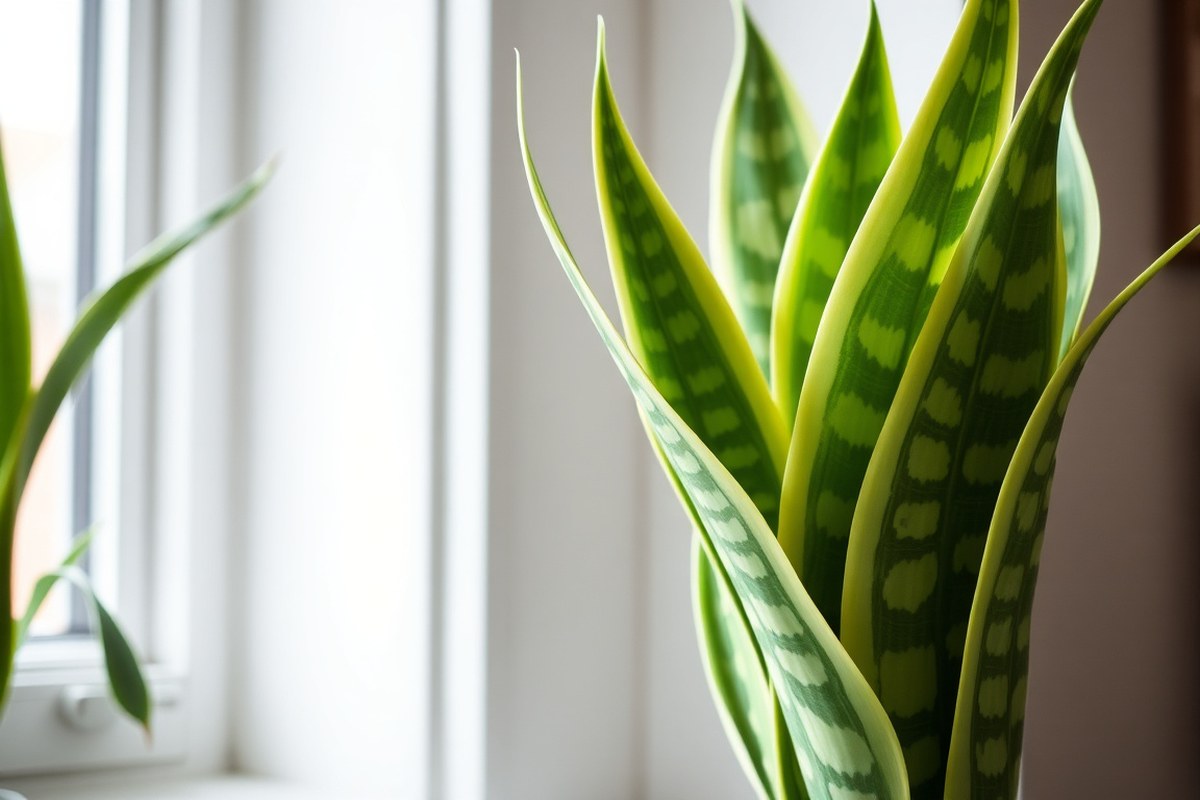
For a bold floor plant, try ‘Laurentii’ or Cylindrica. Knowing these differences will keep your snake plant happy and thriving where it sits.
How to Propagate Snake Plants: Leaf Cuttings and Division
Propagating snake plants is simple using leaf cuttings or dividing mature plants. Leaf cuttings are easy and need little gear, but they take a few weeks. Division works best for older, larger plants and gives new plants right away.
Preparing Leaf Cuttings
Start with a healthy snake plant leaf. Leaf cuttings should be around 4 to 6 inches long for best results. Let the cut ends dry for two days to prevent rot.
After drying, place cuttings in well-draining soil or water. Don’t bury them too deep, just enough to stand up vertically. Roots appear in 3 to 8 weeks, but new leaves might take months.
- Use a clean, sharp knife to cut a healthy leaf near the base.
- Cut the leaf into sections about 4 to 6 inches long.
- Allow the cut ends to dry and callous over for 2 days.
- Fill a pot with cactus or succulent soil mix for drainage.
- Insert the cuttings upright about 1 inch deep into soil.
- Water the soil lightly to keep it just moist, not wet.
- Place the pot in indirect light at temperatures of 70°F to 85°F.
Dividing Mature Snake Plants
Division works well every 3 to 5 years or when plants outgrow pots. It splits the root ball into sections, each with leaves and roots. Use division to refresh the plant and get faster new growth.
Lift the plant gently from its pot to avoid root damage. Look for natural clumps or “pups” to separate carefully. Use a clean knife to cut tough roots if needed.
- Water the snake plant a day before dividing for easier root handling.
- Remove the plant from its pot by gently squeezing sides or tapping.
- Loosen soil around roots softly to expose them.
- Identify natural divisions or offsets with roots and leaves.
- Cut or pull apart these sections carefully to form separate plants.
- Trim any dead roots before replanting each division in fresh soil.
- Water lightly after repotting and keep in indirect light.
Caring for New Plants
New leaf cuttings and divisions need under 1 inch of water weekly. They prefer bright but indirect light to avoid sunburn or drying out. Avoid fertilizing until roots are well established after about 4 months.
Overwatering can cause rot quickly in new propagations. It’s better to let soil dry slightly between watering. Watch the leaves for signs of wrinkling or yellowing, which means water or light needs adjusting.
Seasonal Care Tips: Adjusting Water, Light, and Feeding
You should water your snake plant less in winter. The soil should dry almost completely between waterings.
Water a small snake plant about every two to three weeks during colder months. Overwatering in winter leads to root rot and other problems.
In summer, warmer temperatures make your snake plant need water more often. Water every two weeks if you keep it in a 4-inch pot.
If your plant sits in bright, sunny spots, it will use water faster. In shady corners, you might stretch watering close to a month even in summer.
Fertilizing is helpful but not needed year-round. Use a balanced, diluted liquid fertilizer in spring and summer.
Feed your snake plant every four to six weeks between March and August. Avoid feeding it in fall and winter because it grows slowly and won’t use nutrients well.
Snake plants grow better with seasonal light changes in mind. They appreciate more light in fall and winter when indoor light dims.
Move your plant closer to windows in cooler months but avoid cold drafts. In bright, hot summers, a little shade can prevent leaf burn.
Watch your plant for signs of stress. Yellowing or mushy leaves often mean too much water or cold.
Drooping leaves can show a lack of light or nutrients. Adjust watering and feeding promptly to keep leaves firm and upright.
Never water your snake plant on a fixed schedule. Check the soil, it should be dry before you add more water.
Step-by-Step Action Plan for Your Snake Plant
This plan helps you keep your snake plant healthy. Follow these steps each week to see growth and avoid common mistakes.
- Day 1: Check your plant’s soil moisture. Water only if the soil feels dry up to 2 inches deep.
- Week 1: Place your plant in bright, indirect light. Watch for the leaves to perk up over the next few days.
- Week 2: Inspect the leaves for any spots or soft areas. Remove damaged leaves to prevent disease from spreading.
- Week 3: Change how often you water based on humidity. Water less when the air is dry. Add more water if humidity is over 60%.
- Month 1: Fertilize with a balanced houseplant fertilizer at half strength once this month. Look for new leaf tips after 2 weeks.
- Month 2: Check if your plant needs repotting by gently lifting it. Roots crowding the pot? Move your snake plant to a bigger one with fresh soil.
- Every 3 Months: Rotate your snake plant to keep growth even on all sides. Watch for any lean developing and correct it by turning the pot.
Frequently Asked Questions
Can I Keep My Snake Plant Outdoors?
Snake plants can live outdoors in warm climates only. They need temperatures between 65 and 90 degrees Fahrenheit and protection from frost. Your region dips below that temperature, so keep it indoors for safety.
How Often Should I Clean Snake Plant Leaves?
Clean leaves monthly to remove dust and help photosynthesis. Use a damp cloth to gently wipe each leaf. Avoid leaf shine sprays, which can clog pores and harm your plant.
Can I Use Fertilizer on My Snake Plant?
You can fertilize during growing months, but sparingly. Use a balanced, diluted houseplant fertilizer every 2-3 months from spring through autumn. Avoid fertilizing in winter when growth slows.
Is It Normal for Snake Plant Leaves to Curl?
Slight curling can signal underwatering or too little light. Check soil moisture and light levels first. Adjust watering or move your plant to brighter indirect light as needed.
Do Snake Plants Produce Flowers Indoors?
Yes, but flowering is rare indoors and might indicate perfect conditions. Flowers are usually small, greenish-white, and fragrant. When yours flowers, enjoy it but don’t expect this to happen often.
How Long Do Snake Plants Usually Live?
Snake plants can live 20 to 25 years on average indoors. With great care, some have lasted several decades longer. Their slow growth and hardiness help them last many years.
Wrapping Up
Snake plants are easy to care for when you follow routine checks and adjust conditions. Start by setting weekly reminders to check soil and light. With steady care, your snake plant will grow strong and stay healthy for years.