Do Peas Need Full Sun? A Complete Guide to Optimal Sunlight for Best Growth
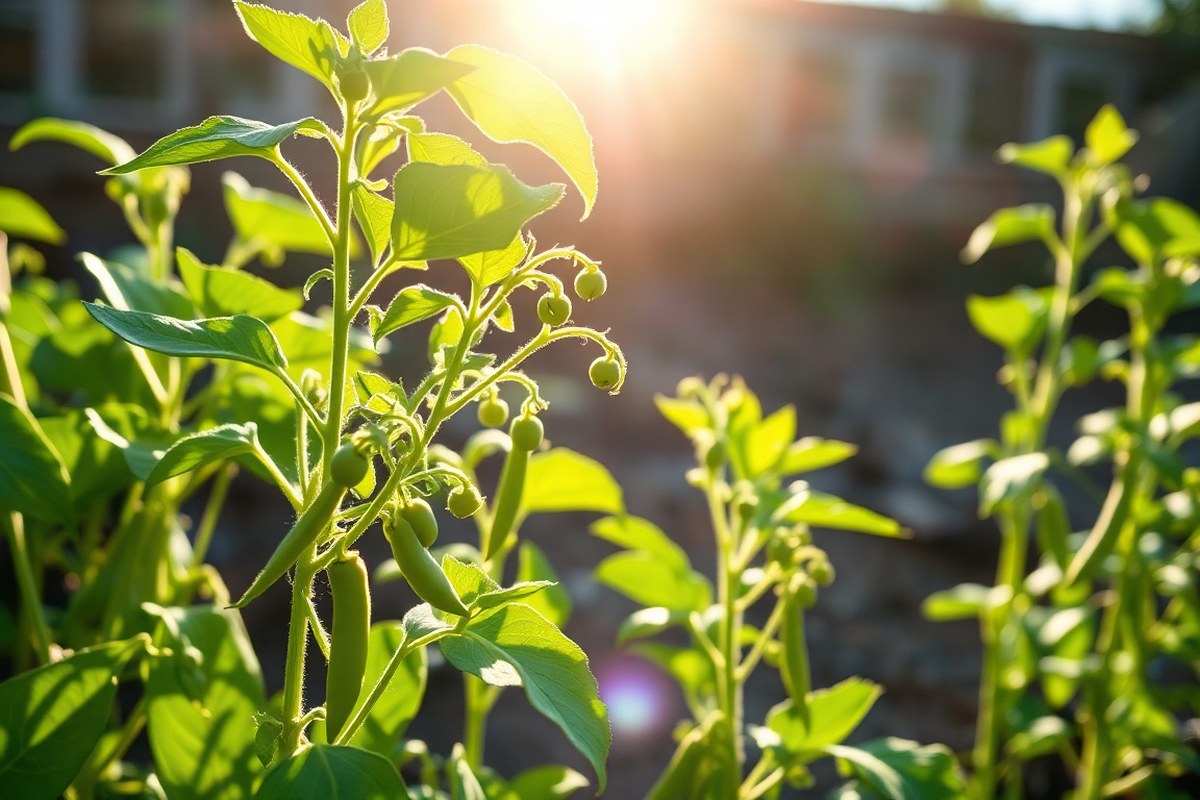
Do peas need full sun? Yes, peas perform best with full sun.
They need at least 6 hours of direct sunlight each day to grow well. This amount of sun helps them develop strong vines and produce more pods.
Peas can handle some shade, but too little sun slows their growth. In warmer areas, a bit of afternoon shade can protect plants from heat stress. The key is balancing enough sunlight with comfortable temperatures.
Start by choosing a spot that gets at least 6 hours of direct sun daily. Watch for signs like wilting or poor pod formation to adjust sunlight as needed. Good light early in the growing season sets peas up for a strong harvest.
Key Takeaways
- Peas require a minimum of 6 hours of direct sunlight daily for best growth.
- Between 6 and 10 hours of sun per day yields the biggest pea harvest.
- In hot climates, provide afternoon shade to prevent leaf scorch above 80 °F.
- Partial shade with 4-6 hours of sun works well when temperatures get too high.
- Check pea plants for wilting or slow growth as signs of inadequate sunlight.
- Choose planting sites with at least 6 hours of morning or midday sun first.
Do Peas Need Full Sun to Thrive?
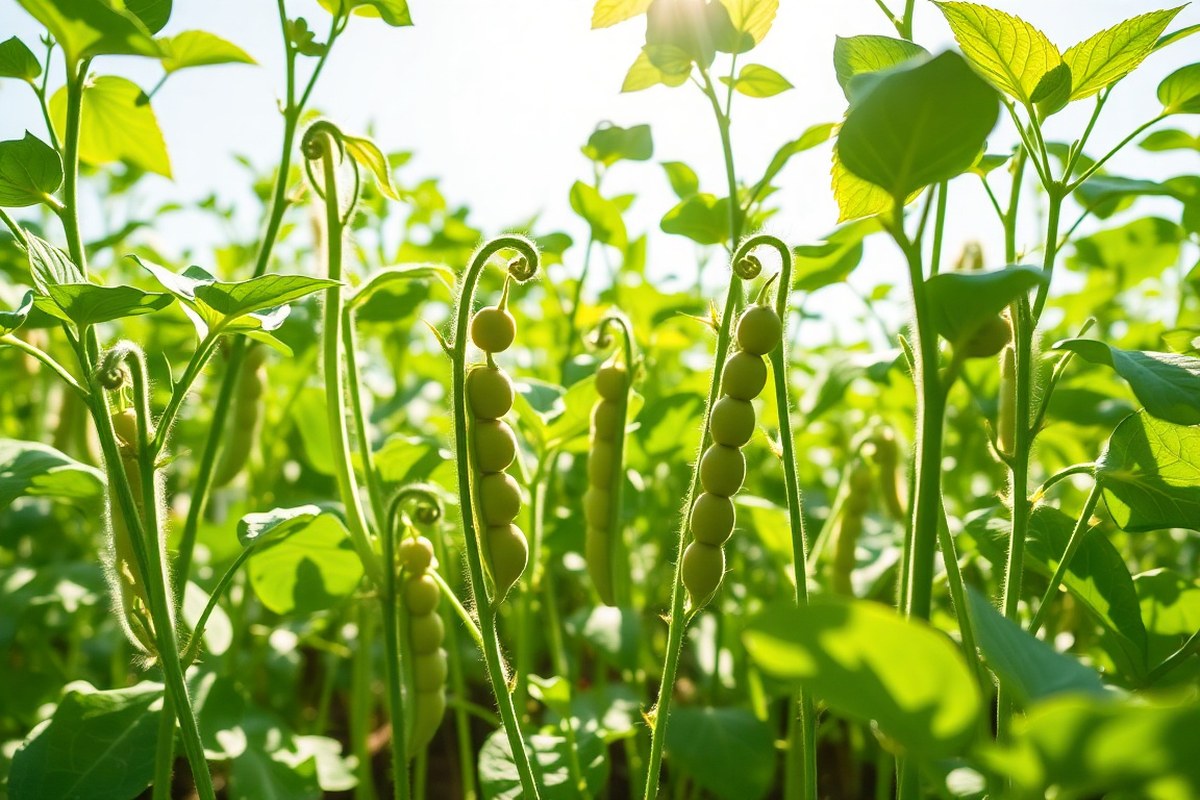
Peas need full sun to grow well. They require at least six hours of direct sunlight every day. Full sun means getting six or more hours of direct sunlight daily.
This is the standard in gardening. Six hours of sun help pea plants grow healthy leaves and flowers. This leads to better pods for harvest.
At a minimum, peas can grow with four to five hours of daily sun. But growth and pod production might slow down. Ideally, give peas six to eight hours of direct sunlight daily for the best results.
Six to eight hours of sun support strong vine growth. This helps the pods fill out in cooler seasons like spring and fall.
Pea plants with less than six hours of sun grow spindly. They also produce fewer peas. More than eight to ten hours of sun, especially when hot, stresses pea plants.
This can cause leaf burn. Most home gardens should place peas to get six or more hours of morning or midday sun. This gives the best crop without stressing the plants.
How Different Pea Varieties Handle Sunlight
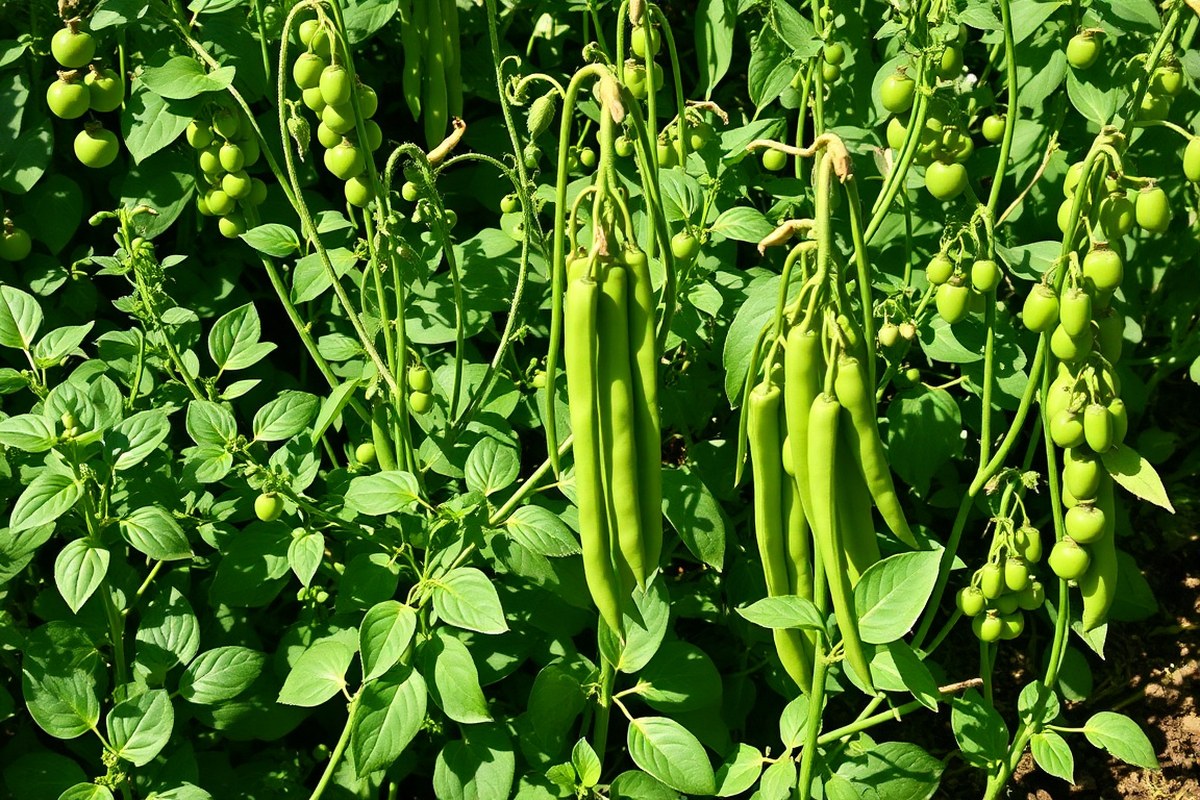
Pea varieties differ in their sunlight needs, ranging from full sun to partial shade tolerance. Most peas do well with 6 to 8 hours of sun.
But some types handle shade and heat better. Choosing the right variety depends on how much sunlight your garden receives daily.
Garden (Shelling) and Sugar Snap Peas
Garden or shelling peas and sugar snap peas like full sun but tolerate partial shade. They need at least 6 hours of direct sunlight for healthy pod development.
Both mature in about 60 to 70 days. They produce 2 to 3 pounds of peas per plant.
These peas prefer consistent sun but tolerate some afternoon shade if your climate gets hot. Bush varieties tend to handle shade better than the tall climbing types. Your garden needs at least 6 hours of sun.
Choose bush shelling or sugar snap peas. These types adapt best to less sun.
Snow Peas and Black-Eyed Peas
Snow peas grow well with 6 or more hours of sun. They mature slightly faster at 55 to 65 days.
They yield a bit less, usually 1.5 to 2.5 pounds per plant, and work well with partial shade in warmer climates. Snow peas benefit from cooler temperatures and might struggle in full sun with heat.
Black-eyed peas differ, needing more sun, 8 to 10 hours, for their warm-season growth. These peas take 70 to 80 days to mature. They need 24 to 36 inches between rows.
This spacing allows good airflow. They tolerate heat better but need more sunlight to reach full yield.
Ornamental (Sweet) Peas
Sweet peas, grown for flowers, need 6 to 8 hours of sun but tolerate some shade. They take 65 to 80 days to mature. These plants produce only flowers, not pods.
Their spacing is tighter, 12 to 18 inches between rows. So consider sun exposure across the bed carefully.
These peas are less affected by partial shade. But more sun promotes better flower growth and color. Garden shade might change during the day.
Sweet peas can still grow well in this situation. Keep their spacing and sunlight needs in mind for the best display.
| Pea Type | Category | Min Sun (hrs) | Ideal Sun (hrs) | Days to Maturity | Yield Per Plant |
|---|---|---|---|---|---|
| Garden / Shelling | Edible | 6 | 6, 8 | 60, 70 | 2, 3 lbs (0.9, 1.4 kg) |
| Sugar Snap | Edible | 6 | 6, 8 | 58, 70 | 2, 3 lbs (0.9, 1.4 kg) |
| Snow Pea | Edible | 6 | 6, 8 | 55, 65 | Expect a pea yield between 1.5 and 2.5 pounds (0.7 to 1.1 kg) per plant. |
| Black-Eyed Pea | Edible (warm) | 8 | 8, 10 | 70, 80 | 1, 2 lbs (0.5, 0.9 kg) |
| Sweet Pea | Ornamental | 6 | 6, 8 | 65, 80 | Flowers only |
Use this chart to match pea varieties with your garden’s sunlight. Getting 5 to 6 hours of sun? Choose sugar snap or shelling peas for best results.
Black-eyed peas fit warmer spots with full sun. Sweet peas work well where flowers are your goal.
Choose bush peas for partial shade spots to get better yields and easier care.
How Climate Affects Pea Sunlight Needs and Growth
Climate changes the sunlight needs peas have and how well they grow. Cooler areas give peas a chance to soak up full sun. This warmth boosts their growth and pod development well.
In hotter zones, too much full sun can cause heat stress. Heat stress hurts pea health.
It also lowers yields. Temperatures above 80 °F can make peas wilt and scorch, cutting down their pod production early.
Shade can help peas stay healthy in hot climates. Using shade cloth during the hottest part of the day reduces heat damage. Choose a cloth that lets through 30% to 50% of sunlight.
Place it over peas for 2 to 4 hours, usually in the afternoon when heat peaks. This blocks harsh rays without starving the plants of light needed for photosynthesis. You can also grow peas where they get morning sun but afternoon shade to prevent stress.
| Sunlight Hours (approx.) | Expected Outcome |
|---|---|
| 6, 8 hours | Strong pod set, strong seed fill |
| 4, 5 hours | Moderate yield, slower development |
| Less than 4 hours | Poor pod formation, weak growth |
| More than 8 hours (hot climates) | Possible heat stress, reduced quality |
| Variable timing (morning vs afternoon) | Adjust exposure to avoid peak heat |
In cooler zones, plant peas in beds that face south. This position captures the most sunlight and warmth. Hot zones benefit from west-facing beds where afternoon sun isn’t as strong midday.
You may also water peas early to keep soil cool and avoid heat-related wilting. Watch for wilting or scorched leaves as signs of sun damage.
Peas may show stunted growth when overexposed. These signs mean peas need shade or protection.
Peas grow best between 55°F and 65°F. So high heat stalls flowers and pod growth. Adjusting light exposure and providing filtered shade helps peas keep photosynthesis going. This setup lets you get pods with good size and quality, even in warm weather.
Use lighter shade cloth and limit shading to only the heat of the afternoon. This balance prevents growth slowdown while cutting heat damage.
Effects of Too Little or Too Much Sun on Peas
Pea plants require six hours of full sunlight each day to thrive. Without enough light, their stems grow thin and weak quickly. Pod production can fall drastically, even nearly stopping under just four hours of sun.
Too little sun causes slow growth, pale leaves, and fewer flowers. These plants stretch toward light sources, making stems thin and fragile. Pods may stay small and sparse, harming your harvest quality and quantity.
Excessive sun, especially over 10 hours daily, can also hurt pea plants. Leaves may turn yellow or brown, indicating sunburn or heat stress. This damage reduces leaf health and lowers pod development, cutting down overall yield.
- Slow or stunted growth from under 4 hours of sunlight
- Leggy stems and pale leaves signal weak plants
- Leaves turning yellow or brown show too much sun or heat stress
- Fewer and smaller pods with insufficient light
- Sunburn spots appear with intense, prolonged sunlight
- Plants may wilt during midday heat when sun is extreme
Symptoms usually show within 1 to 2 weeks after sunlight drops or spikes. Prolonged cloudy weather or shade from taller plants causes signs of low sunlight. On the other hand, heatwaves with clear skies bring sun damage symptoms.
In hot climates, peas handle a little afternoon shade well, preventing leaf burn. Moderating sunlight during peak heat keeps leaves healthy and pods full. Watching these symptoms helps you adjust plant placement or shade use to protect your crops.
When and How to Use Partial Shade for Peas
Peas can grow well in partial shade, especially in hot weather. Providing afternoon shade helps protect them from heat stress while morning sun supports healthy growth. Using shade cloth or natural shade at the right time improves pea yield and plant health.
Identifying Heat Stress Timing
Peas show heat stress mostly during the afternoon when temperatures rise above 85°F. Signs include wilting, leaf scorch, and pale, bleached foliage. Morning sunlight rarely causes stress because it’s cooler and gentler on plants.
Peas do well in spots with shade during the afternoon hours. Try planting them on the north side of fences or near taller plants. Check your plants in early afternoon for signs of stress and add shade if needed.
Using Shade Cloth Correctly
Shade cloth blocks some sunlight to reduce heat while still allowing enough light for peas. Use a cloth blocking 30% to 50% of sunlight to protect peas. This creates a dappled light effect.
It helps without making the area too dark. Attach it over the rows or beds by securing it to stakes or frames.
Keep shade cloth in place during the hottest hours, usually from 11 a.m. To 5 p.m. Remove it in cooler mornings to let plants get full sunlight. This balance prevents heat stress without hurting growth.
- Check temperature and sunlight patterns in your garden daily.
- Set up stakes or a frame to support the shade cloth above pea plants.
- Attach 30%-50% shade cloth securely over peas before midday.
- Make sure air can circulate under the cloth to avoid humidity build-up.
- Remove the shade cloth late in the afternoon or on cooler days.
- Inspect plants for wilting or leaf scorch to adjust shading times.
- Store the cloth properly after use to keep it clean and intact.
Too dense shade cloth can reduce pea flower production and lower yields.
Choosing Morning Sun Versus Afternoon Shade
Morning sun is better for peas because it provides gentle warmth and boosts photosynthesis. Plant peas where they get sunlight from the east side. They should have 4 to 6 hours of sunlight in the morning.
Afternoon shade will protect them from harsh sun. This setup keeps plants cool during peak heat and reduces water loss.
Afternoon shade is important in warm climates to stop wilting and flower drop. South-facing beds get more direct afternoon sun and may need extra artificial shade. Prioritizing morning sun with afternoon shade prevents pea plants from overheating and failing to produce pods.
How to Assess Sunlight Exposure in Your Garden
Watch your garden spot every few hours on a sunny day. Note when sunlight hits the area and how long it lasts. Make notes from early morning until late afternoon for a full picture.
Besides watching, you can use a sunlight meter or smartphone apps. These tools measure light intensity in real time. Many apps provide a daily sunlight summary for your location.
- Check the spot at sunrise, mid-morning, noon, and late afternoon
- Use a sunlight meter for precise light measurements
- Try smartphone apps that track sun patterns throughout the day
- Observe any shadows from trees or buildings during these times
- Note cloud cover since it affects light levels temporarily
Good pea spots get at least 4 to 6 hours of direct sunlight. Steady sunlight helps peas make good pods and grow healthier. Avoid spots with strong afternoon heat, like south-facing walls, since they can hurt pea plants.
You can select the best site by comparing how much sun each spot gets. Pick one with most hours of uninterrupted light, especially in the morning. Trim back nearby branches or try container planting if your garden is shaded.
Sunlight Needs Throughout Pea Growth Stages
Peas need different amounts of sunlight as they grow. Seedlings start with moderate light, then flowering and pod development demand full sun. About 6 hours of sunlight daily helps peas grow at first.
Later, they need 8 hours when flowers and pods form. More light means better pea yields overall.
Seedling and Early Growth Stage
In the first 15 to 20 days, peas need 6 hours of sunlight each day. This amount helps young plants grow strong leaves and roots without stressing them.
Too much direct sun can dry out fragile seedlings. So filtered or morning sun works best.
Providing some shade during peak midday hours can protect seedlings. Keep soil moist but not soggy to support steady growth. Look for deep green leaves as a sign your pea seedlings absorb the right light.
Flowering Phase
Flowering starts about 3 to 4 weeks after planting. Peas need about 7 to 8 hours of sun at this stage. This sunlight helps flowers develop and produce pods.
Extra sun fuels better growth here. Flowers convert sunlight into energy, which directly affects pea pod numbers.
Less sun here slows flowering, reduces blossoms, and shrinks your final harvest. Check plants daily for any leaf yellowing, a sign of light stress or nutrient issues. Hot afternoons can hurt your peas with too much sun.
Provide some shade during the hottest hours to protect flowers. This keeps your pea plants healthier longer.
Pod Development and Maturation
Pod growth happens roughly between days 40 and 60 after planting. Peas require full sun of about 8 hours a day now to produce plump, sweet pods. Sunlight drives photosynthesis, creating sugars the pods need to swell.
Removing shade after temperature peaks can improve pod size and taste. Use a garden app or watch to track daily sunlight. Knowing sun patterns helps you decide when to add shade.
This ensures your peas get the right amount of sun. Peas that get enough sun during this phase finish faster and yield more.
Follow these steps to manage sunlight from seedling to harvest:
- Plant seedlings where they get 6 hours of morning or filtered sun.
- Protect seedlings from harsh midday sun with temporary shade cloth.
- Increase daily sun exposure to 7, 8 hours when flowers appear.
- Monitor leaf color and health for signs of too little or too much light.
- Use light shade during extreme afternoon heat around flowering stage.
- Ensure pods receive full sun after heat passes to boost growth.
- Track sunlight hours daily to adjust shade or move portable plants.
Common Sunlight Mistakes and How to Fix Them
Pea plants often suffer from poor sunlight management. One common mistake is planting peas too close to taller crops or fences. This shades the peas too much, reducing their growth and pod production.
Another error is placing peas in spots that receive late afternoon shade, especially during warm months. This cuts down the time peas can photosynthesize each day. It makes them stop flowering early.
Sometimes, this happens three weeks before other pea rows do. Fixing this means selecting spots that get at least six hours of uninterrupted sunlight.
Gardeners also overlook the need to check sunlight paths as trees grow or seasons shift. What was sunny in early spring might be partially shaded by summer. Monitoring your garden weekly helps you spot these changes.
- Space peas at least 12 inches from taller plants or structures.
- Choose east-facing areas or spots with full morning to midday sun.
- Prune nearby bushes if they block light during peak sun hours.
- Adjust pea rows each year to avoid new shade from growing trees.
- Use reflective mulches to increase light around slower-growing plants.
- Set up temporary shade covers only if afternoon sun gets too hot.
Repositioning pea plants is easiest before planting. Use a garden fork or trowel to gently move seedlings. Do this carefully during the first two weeks.
Only move them if you really need to. That keeps roots from stressing. Normally, you want bright, open spots with good air circulation.
Clearing nearby shrubs and branches only takes minutes with hand pruners. This small job improves light quickly. Better light helps your peas grow well.
Trim leaves to let sunlight reach your pea patch. Don’t trim so much that plants get too hot. Find a good balance to protect your peas.
Do not let pea plants sit in full shade for more than a week. They will stop producing pods early and weaken.
Step-by-Step Action Plan for Managing Pea Sunlight
Follow these steps to give your peas the right sunlight. Watch their growth to see if the light is enough.
- Before planting: Choose a site with 6 to 8 hours of sun or light shade. Check if this area stays bright most days.
- Day 1: Plant your peas at the chosen spot. Notice if the soil feels warm and the sun hits it by mid-morning.
- Week 1: Monitor seedlings for strong, upright stems. They might need more light when they stretch or lean.
- Weeks 2-3: On hot, sunny days, observe if leaves start to wilt by afternoon. Provide a light shade if needed.
- Mid-growth stage: Check the vines’ health daily. Healthy, dark green leaves mean light is just right.
- Before flowering: Adjust shading or move young plants if flowers seem few or small.
- Harvest time: Check if pods fill out on the vine. They should not dry there. This shows they get the right sun and shade.
- After harvest: Record what worked for sunlight. Use this to plan for next season.
Frequently Asked Questions
Do Peas Need Full Sun to Bloom?
Yes, peas need full sun to bloom well. Full sun encourages healthy flowers, which turn into pods quickly.
Can Peas Grow in Morning Sun Only?
Peas can grow with morning sun only but yield less. Morning sun helps avoid heat stress in warm areas.
Is Full Sun Important for Pea Flavor?
Full sun improves pea flavor by boosting sugar through photosynthesis. Shadier conditions may make peas taste bland or starchy.
Do Pea Plants Need More Sun as They Mature?
Yes, peas need more sun as they mature to develop pods. Consistent sunlight supports energy for pod filling and seed growth.
Can Peat Moss Affect Sunlight Absorption for Peas?
Peat moss on soil doesn’t block sunlight, but improves moisture retention. Healthy soil with peat moss helps peas use sunlight efficiently.
Does Pea Leaf Color Show Sun Exposure?
Dark green leaves usually mean good sun exposure for peas. Pale or yellow leaves suggest too little sunlight or other stresses.
The Bottom Line
Peas grow best with plenty of sun but can handle some shade on hot days. Check your garden spot now to see the sunlight pattern. Adjust it to help your peas thrive and produce well.