Does Coconut Have Seeds? Clear Answers and Growth Guide for Beginners
Does coconut have seeds? Yes, it does, and the seed is actually the coconut itself. The whole coconut fruit plays the role of the seed for the coconut palm tree.
When you plant a coconut, you plant a seed. This seed can grow into a new tree.
The coconut seed is special. It protects the baby plant inside. It also has water and nutrients.
You can tell a coconut seed from its tough shell, white flesh, and liquid center. Use a mature coconut for planting.
It should have fallen from the tree. Avoid picking green ones.
Start by soaking the coconut seed in water for a few days to soften its shell. Then plant it with the eyes facing downward in loose, sandy soil.
Keep the seed warm and moist. You’ll see sprouts in a few months if conditions are right.
Key Takeaways
- Coconut seeds are the whole fruit, including shell, flesh, and water.
- A mature, brown coconut makes the best seed for planting.
- Soak the seed in water before planting to improve germination chances.
- Plant the seed with the three “eyes” facing down in sandy soil.
- Keep coconut seeds warm and moist for successful growth.
- The seed protects the young plant with water and nutrients inside.
Does a Coconut Have Seeds? Here’s the Truth
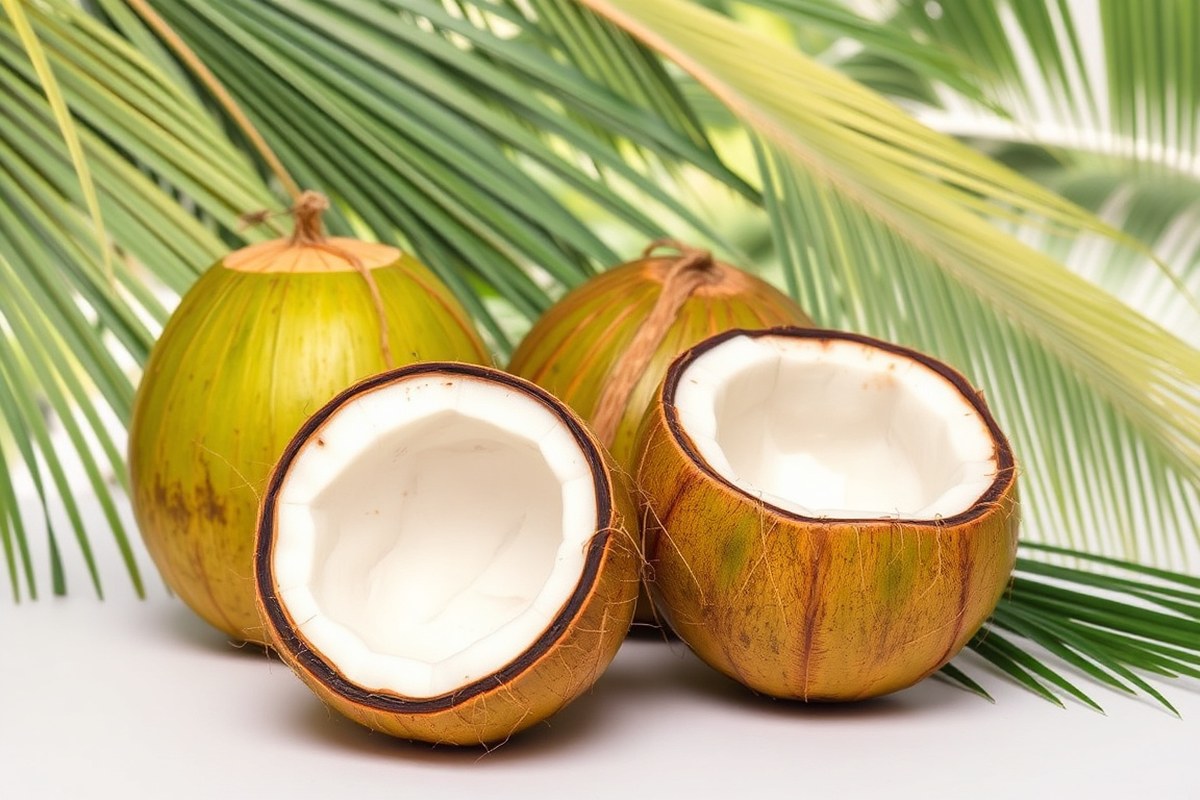
Yes, a coconut does contain a seed. The coconut you see is a drupe with one seed inside. A drupe is a fruit with a single seed inside.
It has a fibrous outer layer surrounding the seed. What you call a coconut has fruit and seed parts.
It also includes what people loosely call a nut. All these come together in one coconut.
Inside the hard shell of the coconut, you’ll find the seed part. This seed contains the embryo that can grow into a new coconut tree. To find the seed, remove the outer green or yellow husk.
The seed is inside the brown, hairy shell. Look carefully after peeling the husk.
The coconut seed is surrounded by various layers. You first handle the fibrous outer husk, then the shell. Inside the shell is the seed with water and white meat.
The seed is the edible part inside. This seed can absorb water and sprout roots and shoots if planted correctly.
What Exactly Are Coconut Seeds and Where Are They Found?

Inside a coconut fruit, the seed is encased within several distinct layers. These layers include the outer fibrous husk, a hard shell, and the edible parts inside. The seed has a hard shell to keep it safe.
Inside, it gets food from the soft flesh and liquid. This helps the seed grow strong and healthy.
Outer Fibrous Husk (Exocarp and Mesocarp)
The outermost layer is called the exocarp, which is a smooth thin skin covering the coconut. Beneath that lies the mesocarp, a thick, fibrous layer often called the husk. This husk provides protection and helps the coconut float in water to disperse seeds naturally.
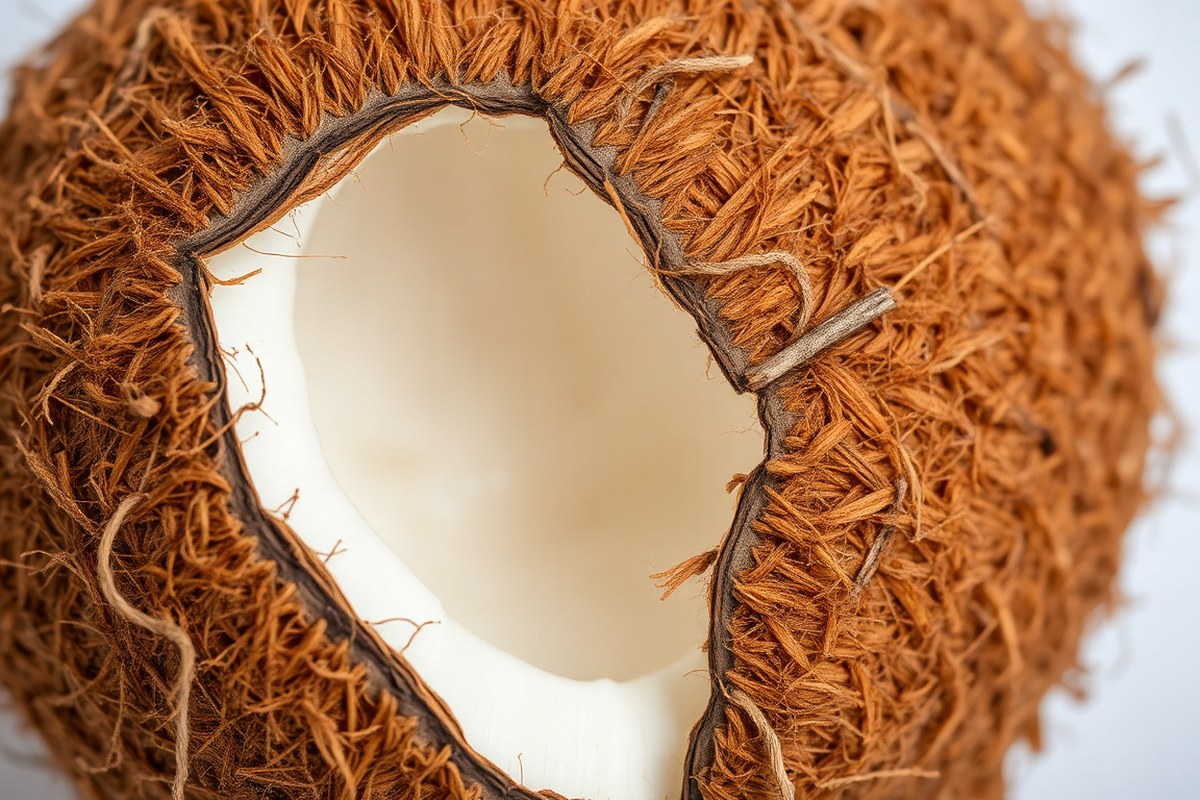
The fibrous mesocarp feels coarse and rough, unlike the hard shell. It’s where coir rope and mats come from. You usually remove this husk before cracking the coconut open.
Hard Shell (Endocarp) Surrounding the Seed
Inside the fibrous husk is the hard, woody shell called the endocarp. This shell is brown and tough, designed to protect the seed from damage. You need a sharp tool or hammer to crack it open safely.
Store-bought coconuts usually have no husk on them. You mostly see the hard shell instead.
This makes them easier to handle and store. This shell surrounds and protects the seed, keeping it intact until it’s ready to grow.
Embryo and Endosperm Inside the Seed
The seed itself lies inside the hard shell and includes the embryo and endosperm. The embryo is the tiny plant inside that will grow into a new coconut tree. The endosperm shows as the white, edible flesh and the clear coconut water surrounding the embryo.
Coconut water nourishes the developing embryo while the flesh provides energy. Both parts help the seed germinate once planted. The seed looks like the whole coconut’s inside, surrounded by the hard shell.
Always handle the coconut carefully when cracking the shell to avoid injury from flying pieces.
How Does a Coconut Seed Grow into a Coconut Tree?
The coconut seed starts growing when it soaks up water and sprouts a shoot and root. This germination can take several months to a year before the seedling appears. Afterward, the seedling grows steadily, eventually becoming a mature coconut tree.
Seed Absorption and Sprouting (Germination Phase)
The coconut seed needs moisture and warm temperatures to begin germinating. Water softens the hard shell and activates the embryo inside. The first sign of growth is a shoot sprouting from the shell.
This phase is slow and can last from 3 to 12 months depending on conditions. Good soil with plenty of organic matter helps speed up sprouting. Without enough moisture or warmth, seeds may rot or fail to germinate.
Seedling Development Phase (6-12 Months)
Once the shoot and root develop, the seedling grows leaves and strengthens its root system. The seed’s stored nutrients support this early growth. Seedlings usually take 6 to 12 months to become strong enough to transplant.
During this time, the young plant needs consistent water, well-drained soil, and partial sunlight. Avoid overwatering, which can cause root rot. Gradually exposing seedlings to full sun helps them toughen up.
Vegetative Growth Until Maturity (3-6 Years+)
After the seedling phase, the coconut tree enters a long vegetative stage. It grows tall, developing a strong trunk and expanding its fronds. This phase lasts 3 to 6 years before the tree becomes mature enough to flower.
Dwarf varieties tend to flower sooner, within 3 to 5 years. Tall varieties may take 5 to 10 years to start flowering. The tree needs regular watering and sunlight throughout this period to grow healthy and produce coconuts.
- Soak the mature coconut in water for 2 to 3 days to soften the shell.
- Place the coconut in moist, fertile soil or a large pot with drainage.
- Keep the soil consistently moist but not waterlogged.
- Provide warm temperatures between 80°F and 95°F for faster sprouting.
- Wait patiently for the sprout and root to emerge from the germination pores.
- Once the seedling grows several leaves, ensure it gets partial to full sunlight.
- Reduce watering slightly as the seedling strengthens, but maintain humidity.
- Transplant outdoors or into a larger pot after 6 to 12 months when sturdy.
Why Does a Coconut Have Three Holes? The Botanical Reason
Three small holes appear at one end of a coconut shell. These holes come from the three carpels in the coconut flower, typical in palm family plants. Each carpel forms one of the seed chambers inside the coconut.
Only one of the three holes is soft and called the germination pore. It lets the sprout break through when the seed starts to grow. The other two holes are hard and stay closed to protect the seed’s interior.
Inside, the coconut’s seed rests within a thick, fibrous shell. The hollow cavity around the seed fills with coconut water. This water is a byproduct of the coconut’s unique seed and fruit development.
When the mature seed finds a warm, wet spot, the germination pore softens. The sprout then pushes through the hole to emerge as a new coconut seedling. This design helps coconut seeds grow in tropical environments.
Seeing the coconut’s three holes shows how its flower structure shapes the seed inside. The holes aren’t just random features but critical for germination and protecting the seed. Without the soft germination pore, the seed couldn’t sprout properly.
How Do Coconuts Naturally Disperse Their Seeds?
Coconuts spread their seeds mainly through water. Mature coconuts fall from trees and often drop into the ocean.
They also land in nearby water bodies. Ocean currents then carry these coconuts to new locations, sometimes miles away from the original tree.
The coconut’s hard shell acts like a natural float. It keeps the coconut safe during long saltwater trips. This method of dispersal, known as hydrochory, allows coconuts to colonize coastal areas, especially tropical beaches.
Coconuts use water to spread, unlike plants needing animals or wind. Water helps them find new places to grow.
After traveling by water, coconuts can grow only if they reach a suitable environment. The seed inside needs moist, well-drained sandy or loamy soil near the coast.
Seeds in harsh spots or deep water usually don’t sprout. The shell protects them, but not in all conditions.
Sunlight and temperature also affect whether the seed grows. Coconut seedlings need warm weather and steady sunlight. Ideal temperatures are 75°F to 85°F (24°C to 29°C).
They often fail to survive in cold or shaded areas. Young plants need warm, sunny spots. High humidity and regular rainfall support early growth as well.
Besides ocean travel, some coconuts fall right under the tree. Gravity also makes some roll a short way.
These seeds have a higher chance of growing quickly because they land in familiar conditions. However, this method limits how far coconuts spread compared to floating on water currents.
Make sure coconut seeds get enough warmth and moisture after planting, or they won’t sprout well.
Are All Coconut Seeds the Same? Varieties and Size Differences
Seed sizes and shapes vary a lot among coconut varieties. Tall coconuts have larger seeds, which helps their seedlings survive in harsh coastal environments. In contrast, dwarf coconuts produce smaller, rounder seeds that mature faster and sprout more easily indoors.
The double coconut, or Lodoicea maldivica, stands out with the largest seed among related palms. Its seed can weigh up to 40 pounds, far heavier and bigger than a regular coconut. This giant seed takes years to mature and falls near its parent tree.
| Variety | Seed Size (Diameter) | Seed Weight | Shape |
|---|---|---|---|
| Tall Coconut | 6 to 12 inches | 1.5 to 2.5 pounds | Oval, slightly elongated |
| Dwarf Coconut | 4 to 8 inches | 0.7 to 1.2 pounds | Rounder, more compact |
| Double Coconut (Lodoicea) | 12 to 17 inches | 30 to 40 pounds | Large, spherical, woody shell |
You can spot these differences by size and shape in photos of mature seeds. Tall coconut seeds look like large footballs with a hard shell. Dwarf seeds appear smaller and smoother.
Double coconut seeds are massive, with thick woody shells and unique patterns. They are not common for home gardeners. But spotting one highlights just how diverse palm seeds can get.
Can You Eat the Coconut Seed? Nutrition and Safety Explained
The coconut seed is edible, mostly due to its inner white layer called the endosperm. This endosperm is the coconut meat many people enjoy. It also includes the coconut water, which is the liquid endosperm found inside the seed.
The endosperm serves as food for the developing coconut tree. As coconuts grow, they form more white flesh inside the shell. This flesh is called the solid endosperm.
It gets thicker as the coconut matures. This flesh is rich in nutrients and used widely in cooking and baking.
Here is a basic look at coconut endosperm per 100 grams. It has about 354 calories, 33 grams of fat, mostly medium-chain triglycerides. It also has 15 grams of carbohydrates and 3 grams of protein.3 grams of protein.
It also provides minerals like potassium, magnesium, and iron. Coconuts have more saturated fat than other nuts and seeds.
They also have special fatty acids. These help provide energy.
Safety concerns with eating coconut are low for most people. Coconut allergy is rare compared to allergies from almonds, cashews, or peanuts.
Those sensitive to tree nuts usually tolerate coconut well. However, people with known allergies should exercise caution and consult an allergist.
Eating fresh coconut meat is safe. But you should watch for signs of spoilage like sour smell or discoloration. Avoid eating coconuts with cracked shells because bacteria can grow inside.
Also, stick to consuming coconut in moderate amounts. The high fat content can add up calories quickly.
The brown outer layer of the seed, called the testa, is not edible. Removing this fibrous skin before eating or cooking is necessary.
Coconut water inside younger coconuts is also edible and popular as a refreshing drink. It contains electrolytes but fewer calories than the solid endosperm.
Common Planting Mistakes and How to Successfully Grow Coconut Seeds
Planting coconut seeds requires attention to detail and proper conditions. Avoid common mistakes like planting dried or damaged seeds. Following easy steps can boost your coconut seed’s chance of growing into a strong tree.
Checking Seed Viability Before Planting
Only fresh, healthy coconuts will sprout properly. The seed inside the coconut must be alive to germinate. A simple water test helps know if the seed is viable.
Drop the coconut into a bucket of water. When it sinks, the seed is fresh and ready to grow.
When it floats, the seed might be dry or dead inside. So it won’t sprout well.
You can also look for natural cracks or soft spots on the shell. Avoid any seeds showing these signs. Healthy seeds have firm, intact shells and no visible mold.
Choosing the Right Soil and Location
Loose, fertile soil with good drainage helps coconut seeds grow. The soil should be sandy-loam or loamy, similar to coastal beaches. Avoid heavy clay soils that hold water and cause root rot.
Pick a sunny spot that gets at least 6 hours of direct sunlight daily. Coconut palms love warmth and light, both needed for seed germination and development. The location must be protected from strong winds that can damage young seedlings.
- Use soil with a pH around 5.0 to 8.0
- Avoid planting in shaded, wet areas
- Choose a spot with good airflow but not too windy
- Plant where the soil temperature stays above 70°F
- Keep seeds away from frost-prone zones
Good soil and sunlight speed up germination and support healthy growth. Poor soil or shady spots slow it down and encourage disease.
Watering, Temperature, and Pest Management Tips
Keep the soil moist but not soaked during germination. Too much water leads to fungus and root problems. Water the seed once or twice weekly, ensuring good drainage.
Coconut seeds need daytime temperatures between 75°F and 85°F for best sprouting. Cooler temps slow growth or stop it completely. Heat the soil slightly indoors if you plant in a cooler climate.
Don’t overwater young coconut seeds; soggy soil kills them quickly.
Watch for pests like ants or rodents that damage the seed. Use organic pest repellents or barriers if you notice damage. Remove debris nearby to reduce hiding spots for pests.
Step-by-Step Action Plan for Growing Coconut Seeds
Follow these steps to start your own coconut tree from seed. Check success by seeing early sprout growth.
- Day 1: Choose a mature brown coconut with three distinct holes. Shake it to confirm water moves inside.
- Day 2-3: Soak the whole coconut in water for 2-3 days to soften the outer shell.
- Week 1: Place the coconut on a well-draining potting mix in a large pot. Keep it partially buried.
- Week 2-4: Water the soil regularly to stay moist but not soggy. Watch for the seed to sprout.
- Month 1-3: Provide bright, indirect sunlight and temperatures above 70°F. Look for green shoots appearing.
- Month 3-6: Transplant seedlings outdoors in sandy, well-drained soil once they grow 12 inches tall.
- After 6 months: Continue regular watering and protect young palms from strong wind or cold.
Frequently Asked Questions
Does a Coconut Actually Contain a Seed Inside?
Yes, a coconut has a seed inside its hard shell. This seed has all parts needed to grow a new coconut palm tree.
What Part of the Coconut Is Considered the Seed?
The seed is the inner embryo found inside the coconut’s shell. It germinates to form roots and shoots when planted.
Can I Grow a Coconut Tree by Planting a Coconut from the Store?
You can grow coconut palms by planting mature coconuts. They need warm climates and 3 to 6 months to sprout after planting.
Why Does a Coconut Have Three Holes on One End?
The three holes mark weak spots in the shell. One is the seed’s point of germination, allowing roots to grow out when sprouting.
Do All Coconuts Contain Seeds That Can Sprout?
Most mature coconuts have viable seeds, but some processed coconuts may not. Seed quality depends on maturity and storage conditions.
How Long Does It Take for a Coconut Seed to Become a Fruit-Bearing Tree?
It takes about 5 to 6 years for coconut trees to bear fruit. Full growth and maximum production can take up to 10 years.
Key Points to Remember
Coconuts definitely have seeds inside their hard shells. The seed grows into a new coconut palm when conditions are right. Start by selecting a mature coconut and giving it proper water and sunlight.