How to Deadhead Hyacinth for Stronger Blooms: Essential Tips and Care
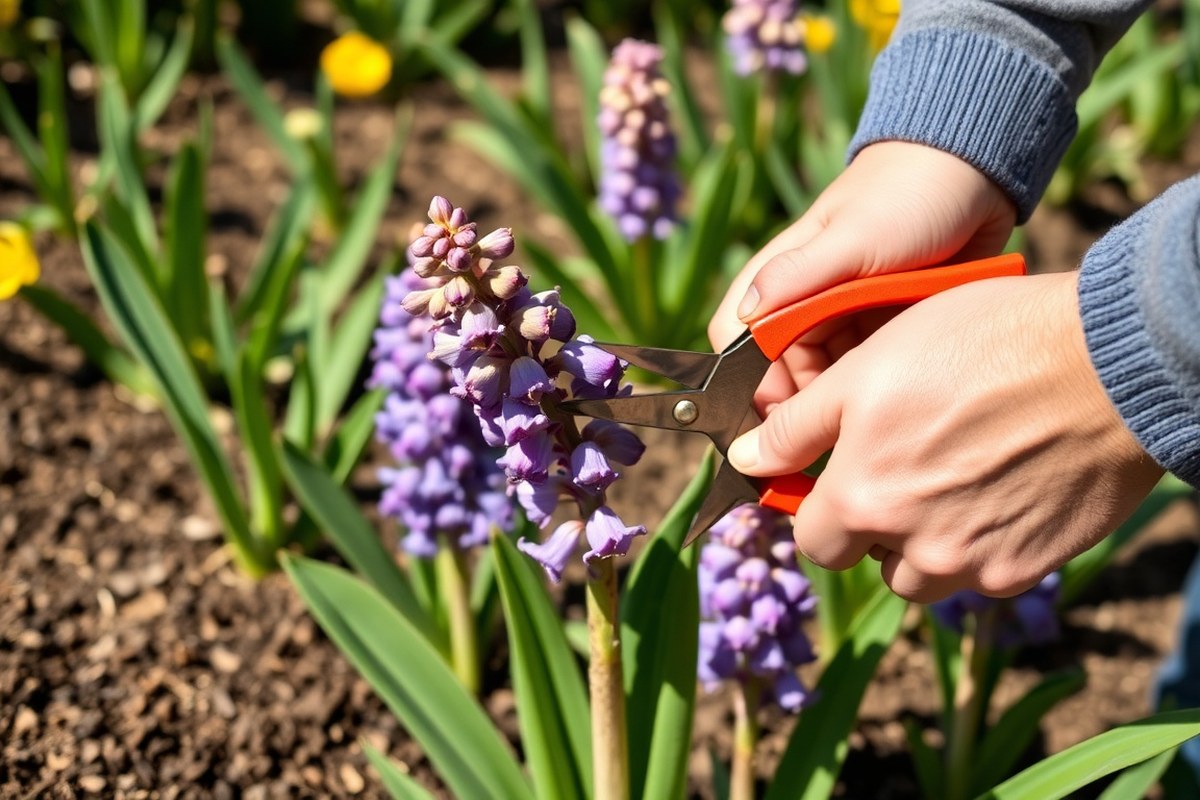
Learning how to deadhead hyacinth helps keep blooms strong and healthy. Remove faded flowers by cutting them at the base of the stem. This prevents energy waste and encourages the bulb to focus on growth.
Wait until the flower is browning and wilting. This usually happens after 2 to 3 weeks of blooming. Use clean, sharp scissors or pruners to avoid damaging the plant.
Avoid cutting the leaves. They feed the bulb until they turn yellow and die back. Let this happen naturally.
Deadheading works best when you cut only the spent flowers, leaving the stems and leaves intact. This practice helps the bulb store energy for next year’s flowering. Keep an eye on your hyacinths so no faded flowers linger too long.
Key Takeaways
- Cut spent flowers at the base to stop seed formation and save energy.
- Use clean, sharp scissors to avoid harming the plant.
- Wait until flowers are browned and withered before deadheading.
- Leave the leaves alone until they completely yellow and die back naturally.
- Deadhead promptly to keep the bulb focused on root and leaf growth.
- Leave 5 to 10% of plants uncut to grow seeds. This helps the plants naturalize.
How to Deadhead Hyacinth Correctly Step-by-Step
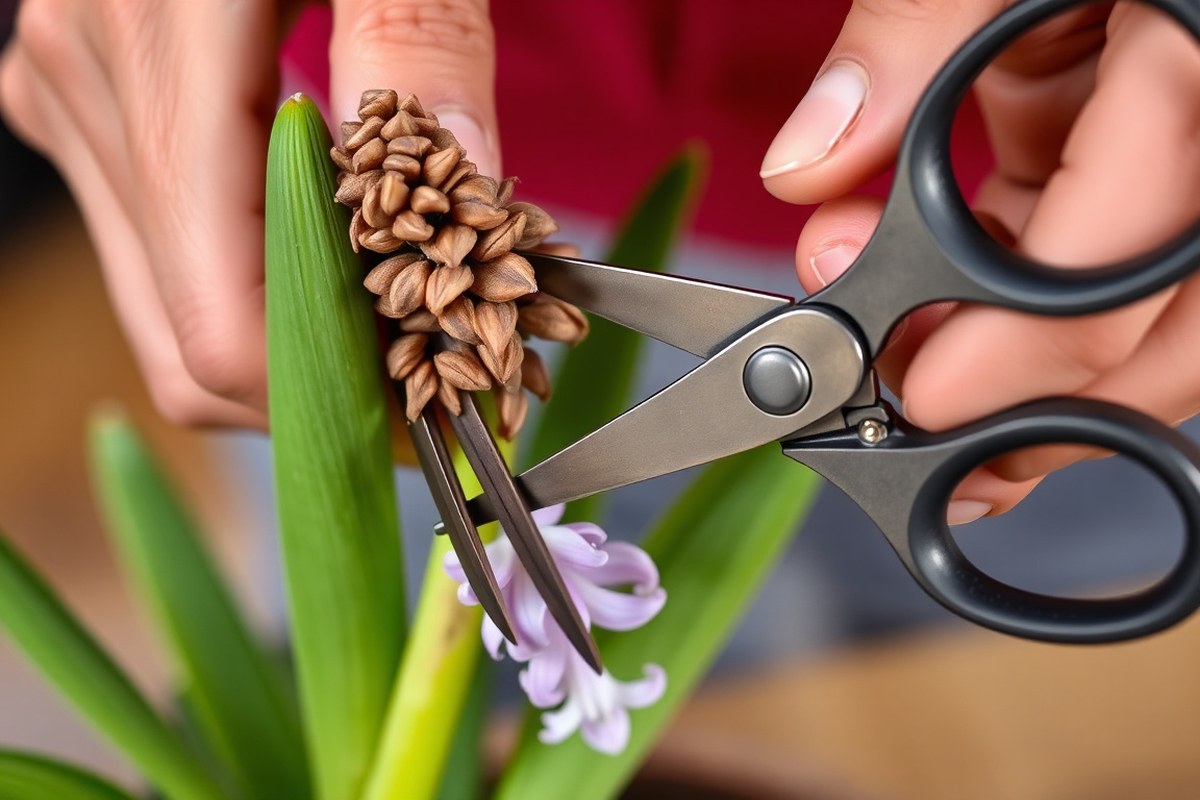
Deadheading hyacinths helps the bulbs save energy for next year’s bloom. You only cut the spent flowers, not the entire stalk or leaves. Use clean pruning shears or sharp scissors to make neat cuts without damaging the plant.
Leave the green leaves alone until they yellow and die back naturally. Removing leaves too soon can weaken the bulb’s ability to gather energy. Cut the flower stalk close to the base once the blooms wilt and turn brown.
- Inspect the flower spikes for fading or browning blooms about two weeks after peak bloom.
- Use sharp pruning shears or scissors cleaned with rubbing alcohol to prevent disease.
- Cut each spent flower cluster or floret off the stalk carefully. You can also cut the whole flower stalk at its base.
- Leave at least 2 inches of the flower stalk to avoid injuring new leaf growth.
- Do not cut any green leaves to keep photosynthesis going.
- Dispose of old flowers and cuttings away from the garden to reduce pest issues.
- Continue watering the plant gently, avoiding overwatering until leaves die back naturally.
Cut flower stalks right at soil level if flowers are fully brown and dry. Seed pods swelling?
Deadhead within a week to stop seed formation. This tight timing protects the bulb’s strength for next year.
You don’t need fancy tools; clean scissors or garden clippers work well. Keep tools sharp to make clean cuts that heal faster. Avoid pulling or snapping stalks off, which can damage surrounding growth.
When Is the Best Time to Deadhead Hyacinth Flowers?

Deadhead hyacinth flowers right after the blooms fade, usually within one to two weeks. Removing spent flowers early stops seed formation. It also saves plant energy.
This helps next year’s growth. In hot climates, cut back just before seed pods swell to reduce stress on the bulb.
Keep a slow, steady routine, picking dead flowers bit by bit during the bloom period. This daily attention prevents seeds from setting while keeping your garden tidy. Leave a few flowers until the mid-window if you want seeds.
The mid-window is two to three weeks post-bloom. This helps naturalize hyacinths.
In colder regions, wait to deadhead until late May when the foliage is still green. That timing lets the plant recover before the leaves turn yellow. In warmer areas, aim for deadheading by early June.
Do this before foliage yellows. Also before the weather gets hot.
| Situation | Timing Recommendation |
|---|---|
| Immediate after bloom (1, 2 weeks) | Prevent self-seeding and keep the garden tidy |
| Mid-window (2, 3 weeks) | Allow limited seed set for naturalizing |
| Late window (just before seed pods swell) | Reduce stress in hot climates |
| Cold-climate early season (late May) | Align with still-green foliage |
| Warm-climate early season (early June) | Avoid peak heat, cut before foliage yellows |
Use sharp pruning shears or scissors for clean cuts. Snip the flower stalk at its base, close to the bulb but don’t damage the leaves.
Remove any developing seed pods the moment you spot them. This prevents the plant from wasting resources on seeds.
Letting spent flowers stay causes hyacinths to focus on seed growth. That slows down bulb recovery and weakens next season’s blooms.
Leaving some seed pods to mature can help hyacinths spread naturally. But it means fewer flowers next year and a less tidy bed.
Remove seed pods as soon as they appear. This stops the bulb from wasting energy. It avoids seed production energy loss.
Deadheading Hyacinths in Different Growing Conditions
Deadheading hyacinths depends on where you grow them. You can do it indoors, outdoors, in pots, or water bowls. It is manageable in all setups.
Each method needs small tweaks, mainly around access to light and handling of the bulbs. You’ll see the best results by adjusting care to each living condition just after blooms fade.
Outdoor Garden Hyacinths
Garden hyacinths are easier to deadhead. They get full sunlight. They can stay planted for many years.
Cut spent blooms near the base. Leave the leaves healthy. They feed bulbs for next season.
You can leave bulbs in soil over winter in Zones 4 to 8. Lift them only every 2 to 3 years.
For naturalizing, skip deadheading about 5 to 10% of plants. Let some seed to help them spread. This keeps your garden lively.
Keep the soil moist after deadheading to aid recovery and bulb strength. Use clean, sharp scissors or garden shears for neat cuts without damaging stems.
Potted and Container Hyacinths
Potted hyacinths need deadheading like garden ones. But light is more limited when indoors or shaded. Cut flowers off at the base with clean scissors.
Move pots to bright spots like south or west-facing windows. Once nights are above 41°F (5°C), pots can go outside to soak in more light.
Proper light will help leaves continue photosynthesis, feeding the bulb for next year’s bloom. Water lightly after deadheading to give a hydration boost, but do not overwater. Potted plants can be trickier to nurture after blooming so attention to placement is key.
Forced Hyacinths Indoors and in Water
Forced hyacinths bloom faster and fade quickly indoors, often in 2 to 3 weeks. Deadhead by snipping the flower stalk at the base once blooms begin dying.
Bulbs grown in water or glass don’t need feeding. The bulb stores all the nutrients it needs.
Since these bulbs stay in the same spot, move them to the brightest window area afterward. Avoid overwatering in pots, or refilling water too often in vases to prevent rot.
Fast bloom cycle means starting new bulbs yearly. Garden plants left in soil don’t need this often.
Here’s a quick comparison of deadheading methods by growing condition:
| Growing Condition | Deadheading Method | Post-Deadheading Care | Light Needs After Deadheading | Bedding Depth for Outdoors | Feeding Requirements |
|---|---|---|---|---|---|
| Outdoor Garden | Cut flower stalk at base, leave leaves | Water lightly, leave bulbs in ground (Zones 4, 8) | Full sunlight | 10, 15 cm deep | No special feeding needed |
| Potted/Container | Cut flower stalk at base with cleaned scissors | Water lightly, move pots to bright spot or outside | Bright indoor light or outdoor when temps >41°F | 10, 15 cm deep | No additional feeding required |
| Forced indoors (soil) | Cut flower stalk at base | Move bulb to brightest window | Bright indoor light | N/A (often in pots) | No feeding, fast bloom cycle 2-3 weeks |
| Forced in water/vase | Cut flower stalk at bulb base | Keep water level steady, no feeding required | Bright indoor light | N/A | No feeding necessary |
Following these steps by setting will keep your hyacinths tidy and healthy after flowering. The right cut and location matter most. You get lasting leaves feeding the bulb.
Or ready bulbs for display. Match care to how they grow.
How to Care for Hyacinth Leaves and Bulbs After Deadheading
After deadheading, leave the green leaves intact to keep photosynthesis working. These leaves feed the bulb and store energy for next year’s blooms.
Cut only the brown, dying flower stem near the base. Leave about one inch from where it meets leaves.
Wait for the leaves to turn yellow and shrivel before trimming them back. This usually takes several weeks after flowering. Cutting green leaves too soon can hurt bulb health and stop blooming the next year.
Wait until the leaves are dry and brown. Use clean pruning shears to cut at soil level.
Pulling leaves off can damage the bulb’s top, so always cut carefully. This step prepares the bulb for dormancy or lifting.
Gently dig around after leaves dry fully to check bulb health. This is important in colder areas where bulbs are stored.
Healthy bulbs feel firm and plump. Soft or rotten bulbs should be discarded to avoid disease spreading.
Let leaves die on their own before you lift bulbs for storage. Remove soil carefully and pick out big, firm bulbs only.
Store them in a cool, dry, dark place. Avoid storing with damp soil to prevent rot over winter.
Let new plants like hellebores grow naturally around the dying leaves if bulbs stay in the ground. Their foliage hides the fading hyacinth leaves and supports the garden’s look. Follow the bulb planting timeline by replanting in September for blooms by Christmas.
Keeping a strong routine of letting leaves die back naturally helps bulbs make good energy stores. This leads to longer and more vibrant displays the following spring. Ignore this, and the bulbs may weaken and fail to bloom.
When and How to Lift or Store Hyacinth Bulbs
Lifting and storing hyacinth bulbs depends on your climate and soil. In warm zones, bulbs need curing and chilling before autumn replanting. After indoor flowering, bulbs require dormancy before blooming again next year.
Climate Zones and Lifting Timing
In warm climates (Zone 8 and above), dig up bulbs after the foliage dies back. Soil drainage also matters: poor drainage in hot, humid areas calls for lifting bulbs early. Bulbs in well-drained soil usually stay planted and benefit from natural energy cycling.
Lifting delays until leaves turn yellow, then bulbs can store energy properly. For indoor hyacinths, let the flowers fade completely.
Then move the containers outside. Place them in a shaded, sheltered spot to rest.
Proper Curing and Storage Methods
Once you lift hyacinth bulbs, dry them in a shaded, airy area for about two weeks. This curing step reduces rot risk and prepares bulbs for storage. Clean off soil but avoid washing bulbs, as moisture may cause damage.
Store cured bulbs in paper sacks or mesh bags. Keep them in a cool, dry place near 50°F (10°C).
In warm regions, refrigerate bulbs for 10 to 14 weeks before replanting in autumn. This chilling mimics winter and triggers next year’s bloom.
Don’t store bulbs in plastic bags; they trap moisture and cause rot.
Replanting Strategies for Next Year
Plant bulbs about 4 to 6 inches deep with the pointy end up. Space them at least 3 inches apart to avoid overcrowding. Well-drained soil prevents bulb rotting and helps root growth.
Applying bulb fertilizer when shoots first emerge boosts energy for a strong bloom. Stop fertilizing after flowering; bulbs use stored energy to regenerate. Leave leaves intact until fully yellow and dry before cutting back.
- Wait for foliage to die back naturally before lifting bulbs.
- Gently dig around and lift bulbs from soil.
- Brush off excess soil without washing the bulbs.
- Lay bulbs out in a cool, airy spot to dry for two weeks.
- Place bulbs in paper sacks or mesh bags for storage.
- Keep bulbs in a cool, dry place or refrigerate if needed.
- Replant bulbs in fall about 4 to 6 inches deep and spaced.
- Feed with bulb fertilizer when shoots appear in spring.
Fertilizing and Watering After Deadheading Hyacinths
Feed hyacinths after deadheading to help replenish nutrients in the bulb. Use a balanced, water-soluble fertilizer with equal parts nitrogen, phosphorus, and potassium. Apply fertilizer every two weeks during active growth.
This helps leaf growth. It also supports future blooms.
Watering should stay consistent after deadheading, keeping the soil moist but not soggy. Hyacinths like drainage. So make sure pots have holes or use bulb fiber to hold moisture without flooding roots.
Cut back on watering as leaves turn yellow. Yellow leaves show the bulb is going dormant. Water less during this time.
Change the water weekly when growing hyacinths indoors in a glass vase. Add a small charcoal piece to keep water fresh and reduce slime, though it’s optional. Keep the bulb above the water line after deadheading.
Put it in a cool, bright spot. This helps the bulb store energy.
Outdoor hyacinths need sunlight on the remaining leaves after deadheading. Leaves gather energy to store in the bulb for next year’s flowers. Don’t cut leaves until they’re fully yellow and dry.
Cutting leaves early weakens the bulb. It also reduces bloom chances.
In warm climates or inside the house, provide hyacinths cooler conditions after deadheading. Move your plant to a cooler, bright spot for three weeks.
This resting period helps your bulb regain strength. Later, return to normal conditions for best growth the following season.
Keep an eye on soil moisture and light to avoid problems like mold or bulb rot. Overwatering or poor drainage lets fungal diseases grow and harms bulbs.
Keep good airflow and water moderately to keep hyacinths healthy. This prepares them for the next bloom cycle.
Common Deadheading Mistakes and How to Fix Them
Cutting too high on the flower stem is a common mistake. It leaves the seedpod behind. This wastes the bulb’s energy.
The energy goes to seeds, not roots or leaves. Always cut the entire stalk just above the foliage base to stop seed development.
Another frequent error is removing the leaves or cutting them too early. Hyacinth bulbs rely on their leaves to gather sunlight and make food. Trim off only the dead stalks.
Wait for the leaves to yellow. Remove leaves only after they wither naturally.
Using the wrong tools can also cause damage. Avoid pulling flower heads off by hand because it may tear the stem.
Use clean, sharp pruning shears or scissors to make a neat cut. This keeps the plant healthy and ready for the next growth cycle.
- Cut the flower stem just above the leaves, not higher.
- Leave healthy leaves alone until they yellow and die back naturally.
- Use clean, sharp shears for cutting dead flowers.
- Don’t pull flowers off by hand; cut them instead.
- Avoid disturbing hyacinth bulbs by digging several inches away if you lift them.
Cutting incorrectly won’t kill your hyacinths, but it delays reblooming and weakens bulbs. They may bloom less the next year because they lose stored food. You can fix mistakes by letting leaves stay.
Let leaves fully die back. This helps bulbs regain strength.
When you deadhead, remember hyacinth bulbs grow roots and leaves weeks later. This growing phase depends on nutrient reserves stored in the bulb. Protect the foliage to keep bulbs healthy.
Avoid heavy cutting at the base. This helps bulbs stay strong.
How to Encourage Hyacinths to Bloom Again Next Year
Hyacinths bloom just once a year. But careful care helps them bloom again next spring. Deadheading spent flowers prevents seed formation and sends energy back to the bulb.
Keep leaves healthy after blooming by feeding them lightly. Avoid lifting bulbs too soon to help blooms next year. These steps boost your hyacinth growth for the next season.
Maintaining Healthy Leaves
Leave the green leaves after flowers fade, so they can feed the bulbs. All nutrients move down to the bulb, preparing it for next year’s growth. Avoid cutting leaves until they turn yellow and dry, which can take 6 to 8 weeks.
Yellowing leaves mean the bulb has stored enough energy to rest. You can gently trim yellowing leaves short but avoid cutting into healthy green parts. This prevents moisture from entering and causing bulb rot.
Feeding and Watering Tips
Feed hyacinths with a balanced fertilizer after deadheading, about 4 weeks after bloom ends. Use a low-nitrogen fertilizer to support bulb development, like 5-10-10 or 10-20-20. Follow label directions for application rates for your soil size.
Keep watering lightly whenever the soil dries, especially during the first few weeks after flowering. The bulb remains active underground and needs moisture to store nutrients. Avoid overwatering, which can cause bulb rot.
Avoiding Premature Bulb Lifting
Hyacinth bulbs can stay in the ground in well-drained soil and flower again next year. Lift bulbs only if disease appears or soil stays wet. Also, lift them if your bulbs get too crowded.
Otherwise, leave bulbs in the ground for best results. Early digging can weaken bulbs and reduce bloom quality.
A winter mulch of leaf mold or compost protects bulbs when left in the ground. Mulch keeps soil temperature stable and stops bulbs from drying out. Remove mulch in early spring when leaves start growing again.
Remove spent flower stems before seed pods form to keep energy focused on bulb growth.
Step-by-Step Action Plan for Deadheading Hyacinth
Follow these steps to deadhead your hyacinths properly. This will help them stay healthy and encourage next year’s blooms.
- Right after flowers fade: Snip off the spent flower stalk at the base. Check that no brown flower parts remain.
- While leaves are still green: Keep watering regularly but reduce fertilizer to prevent leafy growth only. The leaves should stay bright green.
- Two to four weeks after deadheading: Cut leaves at the base once they turn yellow. Make sure no green remains to allow energy to return to bulbs.
- After leaves die back: Lift bulbs from soil carefully. If the soil is dry, they will come out easily without damage.
- Before storage: Clean bulbs gently, remove extra soil, and check for soft spots. Healthy bulbs feel firm and dry.
- For storage: Store bulbs in a cool, dark, and dry place. Check bulbs occasionally for any signs of rot.
- Before replanting next season: Fertilize soil with bulb-specific fertilizer after soil thaw. This feeds the bulbs for strong growth.
Frequently Asked Questions
How Do You Properly Deadhead Hyacinth Flowers?
Cut or gently snap off faded flowers at their base, near the stem. This stops the plant from making seeds.
It helps the plant save energy. That energy goes into the bulb for next year’s blooms.
What Should You Do with Hyacinths After Flowering Ends?
Deadhead the flowers and let the leaves die back naturally, about 6, 8 weeks later. Then, reduce watering to prepare bulbs for their dormant period.
Can Hyacinths Bloom More Than Once in a Season?
No, hyacinths only bloom once per year in spring. Proper care after flowering helps ensure strong blooms the next year.
How Do You Keep Hyacinths Blooming Well Year After Year?
Deadhead faded flowers promptly and let leaves die before cutting them back. Avoid cutting foliage early, because leaves feed the bulb for the next bloom cycle.
Will Hyacinths Grow Back If You Cut the Leaves Right After Blooming?
No, cutting leaves too early can stop bulb nourishment and prevent blooms next year. Wait until leaves turn brown and dry naturally before trimming.
Why Do My Hyacinth Flowers Turn Mushy and Brown Instead of Fading Cleanly?
This means the flowers are dying naturally, signaling deadheading time. Removing them prevents pests and lets the plant direct energy to the bulb.
Key Points to Remember
Deadheading hyacinths is key to healthy growth and flowers next year. Keep caring for leaves and bulbs after flowers fade. Start by snipping flower stalks as soon as blooms finish.