How to Grow Sweet Peas from Seed: A Complete Step-by-Step Guide
One big question about gardening is how to grow sweet peas from seed well. Start by soaking the seeds on a damp paper towel for 24 hours. This helps soften their tough coating and speeds up germination.
Plant your seeds in cool soil temperatures between 55 and 65 degrees Fahrenheit. Sweet peas prefer about 6 hours of morning sun and shade in the afternoon. This avoids heat stress and encourages strong, healthy plants.
Choose containers or soil that lets sweet peas root deeply. They grow best in pots at least 3 to 4 inches deep.
Start seeds indoors 10 to 12 weeks before your last frost for a great head start. These steps set you up for a better chance at success.
Key Takeaways
- Soak sweet pea seeds on a damp towel at least 24 hours first.
- Plant seeds when soil temperatures reach 55-65°F for best germination.
- Give sweet peas about 6 hours of morning sun and afternoon shade.
- Use containers at least 3 to 4 inches deep for sweet pea roots.
- Start seeds indoors 10-12 weeks before your last expected spring frost.
- Sweet peas prefer cooler growing seasons to thrive and bloom well.
How to Grow Sweet Peas from Seed Successfully

Sweet pea seeds need a bit of prep before planting to improve germination. Soaking and nicking the seeds helps water get in faster. Using the right container and soil mix makes the seedlings strong and healthy.
Plant seeds 1 inch deep in soil that drains well. Space seeds about 2 to 3 inches apart. This gives each seed room to grow properly.
This depth protects seeds from drying out or being eaten by birds. A light, airy soil mix helps roots breathe and grow better.
Plastic seed trays or small pots with drainage holes work well for starting seeds indoors. Use a seed-starting mix or a blend of peat, compost, and sand for good moisture control.
Keep soil around 55-65°F for best results. Too cold, seeds won’t sprout well; too warm can cause rot.
- Soak seeds. Put seeds in water at room temperature for 12 hours. This breaks down the seed coat, so they sprout quicker.
- Nick seed coats. Use a nail clipper or small file to lightly scratch the seed surface. This step is optional but improves moisture absorption.
- Fill containers. Use seed trays or pots with holes for drainage. Fill with seed-starting mix that drains well but holds moisture.
- Sow seeds. Plant each seed 1 inch deep and cover with soil gently. Space seeds 2 to 3 inches apart to avoid overcrowding.
- Water lightly. Mist soil or water gently to keep soil moist but not wet. Use a spray bottle to avoid washing seeds away.
- Maintain temperature. Keep containers in a spot with soil temperature between 55 and 65°F. Cooler temps delay sprouting. Warmer ones risk rotting seeds.
- Watch for sprouts. Seeds usually germinate in 7 to 14 days under good conditions. Thin seedlings by snipping weaker ones at soil level if needed.
When and Where to Plant Sweet Pea Seeds for Best Results
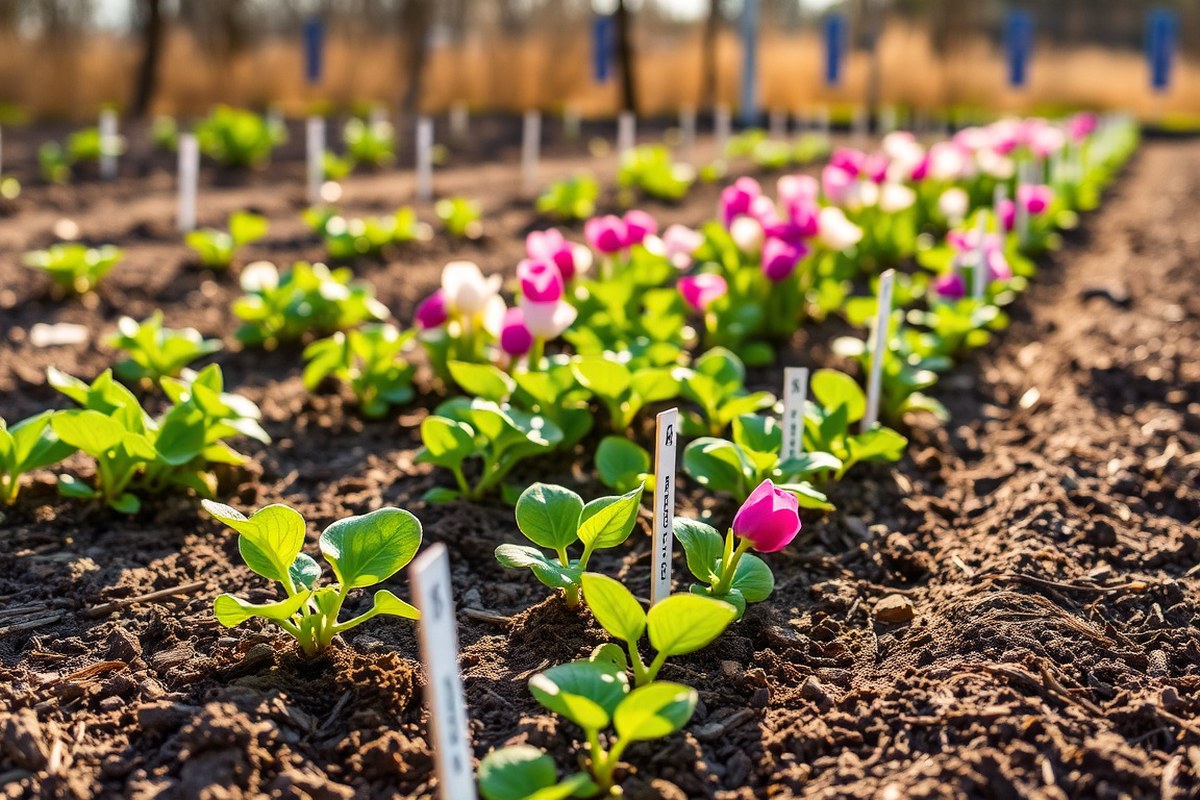
Sweet peas grow best when planted in cool weather with full sun. You can start seeds indoors or sow them outside, depending on your climate zone. Timing and soil conditions are key to good blooms and healthy plants.
Optimal Planting Times by Climate Zone
Sweet peas like cool temperatures, so timing your planting matters. In colder zones, start seeds indoors well before the last frost date. Warmer zones allow direct sowing outdoors as early as late fall or early spring.
Here’s a simple planting schedule based on USDA zones. You can use this to pick indoor or outdoor sowing times that fit your region.
| USDA Zone | Starting Seeds Indoors (weeks before last frost) | Direct Sowing Outdoors |
|---|---|---|
| 3, 6 | 10, 12 weeks | After last frost, when soil thaws |
| 7, 8 | 8, 10 weeks | Early spring or late fall |
| 9, 10 | 6, 8 weeks | Late fall or early spring |
This table helps you decide when and how to plant sweet peas. Adjusting by week or frost date ensures your seeds get the right conditions.
Indoor vs. Outdoor Sowing Pros and Cons
Starting sweet pea seeds indoors means you can control temperature and moisture. It helps seedlings develop strong roots before transplanting. But indoor growing needs space, light, and extra care.
Direct sowing outdoors is easier and less work. It works well if your soil warms up gradually. However, bad weather or pests can hurt young seedlings, and germination might be slower.
Don’t sow sweet pea seeds outdoors in wet soil. Seeds won’t sprout if the ground is frozen. Wait for dry, thawed soil before planting.
Use this rule of thumb: start indoors if your last frost is still weeks away. Sow outside once the soil feels workable and air temperatures are cool but not freezing.
Ideal Soil Temperature and Sunlight Requirements
Sweet peas do best with about 6 hours of direct sun each day. This boosts blooming and growth. They like fertile soil that drains well to avoid soggy roots.
The soil should be cool, ideally between 50°F and 65°F. Too hot soil slows germination and stunts growth. Cool soil also encourages longer roots, which help the plants fix nitrogen.
Consider planting sweet peas where they get morning sun and afternoon shade in very hot areas. This protects them from heat stress and keeps blooming strong.
How to Care for Sweet Pea Seedlings During Early Growth
Sweet pea seedlings need steady care with watering, light, and temperature. You water often but don’t soak the soil.
Light should be bright but indirect for best growth. Before planting them outside, harden them off gradually to avoid shock.
Watering and Light Needs for Seedlings
Water sweet pea seedlings when the top soil feels dry to the touch. Overwatering causes root rot, so keep the soil moist, not wet. Use a spray bottle or gentle watering can to avoid washing seeds away.
Provide seedlings with about 16 hours of light daily. A sunny windowsill or a grow light works well. When seedlings reach 4 to 6 inches tall, they can tolerate less intense light.
- Check soil moisture daily, water lightly when dry
- Use filtered water or rainwater to avoid chemicals
- Keep light 12 to 15 inches above seedlings if using grow lights
- Rotate seedlings to prevent leaning toward light
- Remove humidity domes once seedlings emerge
- Allow seedlings to dry slightly between waterings
At about 4 to 6 inches tall, seedlings are strong enough to lose covers or cloches. Remove any plastic covers gradually over a few days to adjust them to air movement. This helps prevent fungal diseases.
Steps to Harden Off Seedlings Gradually
Hardening off means slowly exposing seedlings to outdoor conditions. This process takes about 7 to 10 days and reduces transplant shock. Start with short outdoor periods in shady spots and increase sun exposure gradually.
Each day, leave seedlings outside for an hour or two at first. Then increase the time by one or two hours daily. Avoid putting them out when it’s windy, very sunny, or below 50°F.
- Use a shaded location on day one of hardening off
- Gradually increase sun exposure by 1-2 hours daily
- Bring seedlings indoors overnight during cool temperatures
- Keep soil moist but not soggy throughout hardening
- Avoid windy or rainy days for outdoor time
- Transplant seedlings about 7-10 days after starting
Handle seedlings gently to avoid disturbing roots before planting outside. Seedlings in biodegradable pots or tubes can be planted with their containers to avoid stress.
Temperature and Humidity Management
Sweet peas prefer cool temperatures between 55 and 65°F during early growth. Night temperatures below 50°F can slow growth but usually won’t harm seedlings. Avoid warming seedlings with too much heat after they sprout.
Humidity domes help keep moisture during seed germination. Remove the dome as soon as seedlings emerge to reduce humidity and improve airflow. Good ventilation prevents damping-off disease, which kills young seedlings quickly.
- Maintain daytime temps between 55-65°F
- Night temps can drop to 50°F but not lower
- Remove humidity dome promptly after seedlings pop up
- Keep air moving gently to prevent mold
- Use a fan on low if indoors and stuffy
- Keep seedlings away from direct heat sources
Adjust these settings if growing sweet peas in differing climates. In hot regions, extra shading or indoor growing helps. Cooler climates may require starting seeds indoors earlier to prevent heat stress outdoors.
Supporting Sweet Peas: Trellises, Frames, and Other Structures
Climbing sweet peas need solid support to grow tall and healthy. They can grow as high as 10 feet. Use trellises, garden netting, bamboo sticks, or wire fences for support.
Place these supports near your seedlings, about 6 inches away. This helps vines climb early and keeps them from tangling with other plants.
Dwarf or bush sweet peas grow between 9 and 25 inches tall. They usually don’t need much support. These varieties are sturdy enough to stand alone in containers or garden borders.
You can use small stakes or cages to keep sweet peas neat. These tools help shape the vines into tidy rows or forms. This option works well if you want a cleaner garden look.
Here is a table comparing support options for climbing and bush sweet peas:
| Support Type | Best for | Height Suitability | Installation Tips | Approximate Cost |
|---|---|---|---|---|
| Trellis | Climbing varieties | Up to 10 ft | Place 6 inches from seedlings; secure firmly in soil | $15-$50 |
| Garden netting | Climbing varieties | Up to 6 ft | Stretch tightly; install early for climbers to latch on | $10-$25 |
| Bamboo stakes | Both climbing and bush | Varies, usually under 6 ft | Insert stakes near plants; tie vines gently | $1-$5 each |
| Wire fence | Climbing varieties | 5-6 ft | Secure fence stable; plant sweet peas within 6 inches | $25-$60 |
| Small cages or rings | Dwarf/bush varieties | Up to 2 ft | Place around young plants for support | $5-$15 |
Install supports soon after transplanting seedlings. Early setup prevents broken stems. Climbing sweet peas climb quickly, growing over a foot a week during peak season.
So, tight attachments on trellises or netting help vines stay upright. Loose ties work best to avoid damaging stems as vines grow.
Strong, secure trellises and fences are the best for tall varieties like ‘Old Spice’. Dwarf types like ‘Cupid’ do well in containers with minimal support.
Using proper support helps sweet peas display their flowers better and keeps plants healthy. Without support, vines may sprawl on the ground, risking damage and pests.
Watering, Feeding, and Maintaining Sweet Pea Plants
Sweet peas like consistent moisture but dislike soggy soil. Water deeply once or twice a week, depending on your weather and soil type. Raised beds can help avoid waterlogging by improving drainage around the roots.
Feed sweet peas with a balanced fertilizer that has equal parts nitrogen, phosphorus, and potassium. Apply a slow-release fertilizer or water-soluble feed every four to six weeks during the growing season. Avoid too much nitrogen, which can create lots of leaves but fewer flowers.
Deadheading means removing faded flowers to encourage more blooms. Pinch off the old flower stems just above the next set of leaves or buds. This practice keeps the plant looking neat and tidy.
It also shifts energy from making seeds to growing new flowers. This helps the plant stay healthy and bloom longer.
Water early in the day to reduce fungal diseases and keep leaves dry.
Soil around sweet peas should stay loose and well-drained. Mulch lightly with organic material to retain moisture and suppress weeds. Avoid heavy digging near the roots, which can damage them and stress the plant, reducing blooms.
Pinching and Pruning Sweet Peas for Bushier Growth and More Blooms
Pinching sweet peas encourages them to grow bushier and produce more blooms. You should pinch back the top growth when plants reach between 4 and 6 inches tall. Doing this helps the plant develop side shoots for a fuller shape and better flower display.
Pinching Timing Based on Plant Height
Pinch sweet pea seedlings once they grow to 4 to 6 inches tall. At this height, the plants have enough energy to handle cutting without stress. Waiting longer reduces the chance of encouraging multiple branches.
Make sure the plants have at least three sets of leaves before you start pinching. That usually happens when they reach the right height range. Pinching earlier can stunt the plant; pinching too late limits branching.
Step-by-Step Pinching Technique
Use clean fingers or sharp scissors to pinch out the growing tips. Cut back the top 1/2 inch to 1 inch of the main stem. Focus on the newest growth at the very top to avoid damaging older leaves.
After pinching, the plant redirects energy to produce side shoots below the pinch point. This creates a bushier shape and triggers more flower buds. Pinch side shoots when they reach 3 to 4 inches tall.
Do this again as new shoots grow. This helps create denser growth in your sweet peas.
- Pinch shoots when plants reach 4-6 inches tall
- Remove the top ½ to 1 inch of the main stem
- Use clean fingers or sharp scissors
- Pinch above at least three sets of leaves
- Repeat as side shoots reach 3-4 inches to encourage more branches
Expected Results After Pruning
Pinched sweet peas grow fuller with more side stems than unpinched plants. This branching increases the potential flowering sites along the stem. You’ll see noticeably more blooms during the growing season.
Pruned plants may appear shorter but are stronger and less leggy. Removing spent flowers often along with pinching keeps the plant focused on blooming. Without pinching, sweet peas can become tall, spindly, and produce fewer flowers.
Common Problems Growing Sweet Peas from Seed and How to Fix Them
Sooner or later, some sweet pea seeds might not sprout. This often happens when seeds are old or planted too deep, more than 1 inch deep. Try soaking seeds in water overnight before planting.
This softens the tough seed coat and helps faster germination. Make sure soil stays moist but not soggy during the first two weeks.
Pests like aphids, slugs, and powdery mildew can harm your seedlings. Check plants daily for small bugs or white powder on leaves. Spray a mix of water and mild soap, or handpick slugs during early mornings.
Good air flow around plants stops fungal diseases. Avoid watering overhead; focus water on the soil near roots to keep leaves dry.
Young plants often show stress after transplanting, with drooping leaves or slow growth. Harden off seedlings by placing them outside for a few hours daily before moving them permanently.
Water gently right after transplanting to settle soil around roots. Support taller plants with a small stake to keep them upright until they regain strength.
Poor drainage or very wet soil can cause root rot in sweet peas. Use pots or garden beds with well-draining soil rich in organic matter. Adding perlite or compost in soil improves drainage.
If you see yellowing leaves or mushy stems, cut off affected parts immediately to prevent spread. Avoid crowding by spacing plants about 6 inches apart to allow air circulation.
In case of fungal issues, fungicides labeled safe for edible plants can be used cautiously. Always follow the label instructions carefully. For seedlings inside, keep humidity moderate and avoid overwatering.
Good hygiene like cleaning tools and removing dead leaves lowers disease risk. Clean seed trays after each use to prevent leftover pathogens.
Growing Sweet Peas in Containers vs. Garden Beds
Sweet peas grow well in both containers and garden beds, but their needs differ. Containers must be deep, at least 12 inches, to give roots room to spread. Garden beds naturally provide more space, which helps develop stronger vines and more blooms.
Choose compact or semi-dwarf varieties for containers because these plants grow well in limited space. Classic tall sweet peas work better in garden beds where vines have more room to climb. Container plants often need vertical supports like trellises or stakes to encourage upward growth.
Watering needs vary between containers and garden soil. Container plants dry out faster, so water daily during hot weather.
In the garden, sweet peas need deep watering once or twice a week instead. Feeding container plants every two weeks with a balanced fertilizer supports continuous blooming.
Soil in containers can warm quickly and dry unevenly. Use a high-quality potting mix that drains well but retains moisture.
Mulch garden beds to keep soil moist and reduce watering time. Overwatering containers risks root rot, while underwatering causes wilting and fewer flowers.
Keep an eye on container plants daily; their soil dries faster than garden beds.
Growing sweet peas in containers suits patios or balconies where garden space is limited. You spend more time checking water and nutrients, but you control conditions better. Garden beds reward with bigger, longer-lasting plants and require less frequent watering once established.
Step-by-Step Action Plan for Growing Sweet Peas from Seed
Follow these clear steps to start your sweet peas right and watch them bloom. Each step helps you track progress and avoid common mistakes.
- Before you plant: Soak your seeds overnight in warm water to soften the shell. Seeds that swell show they absorbed water and are ready.
- Day 1: Plant seeds 1 inch deep in loose, well-drained soil or container mix. Cover gently and water carefully to keep soil moist but not soaked.
- Week 1: Keep the soil moist and place seedlings where they get plenty of light. Tiny green shoots popping up means your seeds are sprouting.
- Week 3: Seedlings should be 3 to 4 inches tall by now. Pinch the tips of the seedlings to make them bushier. This helps them grow fuller and stronger. Notice the new side shoots appearing.
- Month 1: Provide a trellis or support for climbing varieties. Tie stems loosely with soft ties. Check that plants climb without bending or breaking.
- Month 2: Feed weekly with a balanced liquid fertilizer to boost blooming. Bright, healthy leaves and steady flower buds show success.
- Throughout growing season: Water regularly, especially during dry spells. But avoid wetting leaves too much to prevent diseases. Soil moist after 1 inch below the surface is ideal.
- When blooms fade: Deadhead spent flowers to keep plants producing more blossoms. Look for seed pods forming less often to know you are doing well.
Frequently Asked Questions
How Long Does It Take for Sweet Pea Seeds to Germinate?
Sweet pea seeds usually germinate in 7 to 14 days. Pre-soaking seeds 24 hours before planting helps speed up germination and weakens their tough seed coat.
Can You Grow Sweet Peas Indoors All Year Round?
You can grow sweet peas indoors, but they prefer cooler temperatures. Keep them near a bright window and avoid heat above 70°F for best results.
Do Sweet Peas Need Daily Watering After Germination?
Sweet peas need consistent moisture but not waterlogged soil. Water when the top inch feels dry to avoid root rot and keep growth steady.
Are Sweet Peas Annual or Perennial Plants?
Most sweet peas grown from seed are annuals. Some varieties are perennials, but these are less common and need special care.
How Much Sunlight Do Sweet Pea Plants Need Daily?
Sweet peas need at least 6 hours of direct sunlight daily. Morning sun with afternoon shade helps prevent heat stress and encourages flowering.
Can Sweet Peas Self-Seed in the Garden?
Yes, sweet peas can self-seed where conditions suit them. To control spreading, remove seed pods before they fully dry and drop seeds.
Before You Go
Growing sweet peas from seed rewards your patience with colorful blooms. Start by soaking the seeds tonight to get a fast, healthy start. Enjoy the sweet scent and cheer your plants bring all season long.