How to Increase Microbes in Soil: 8 Proven Ways for Healthier Soil
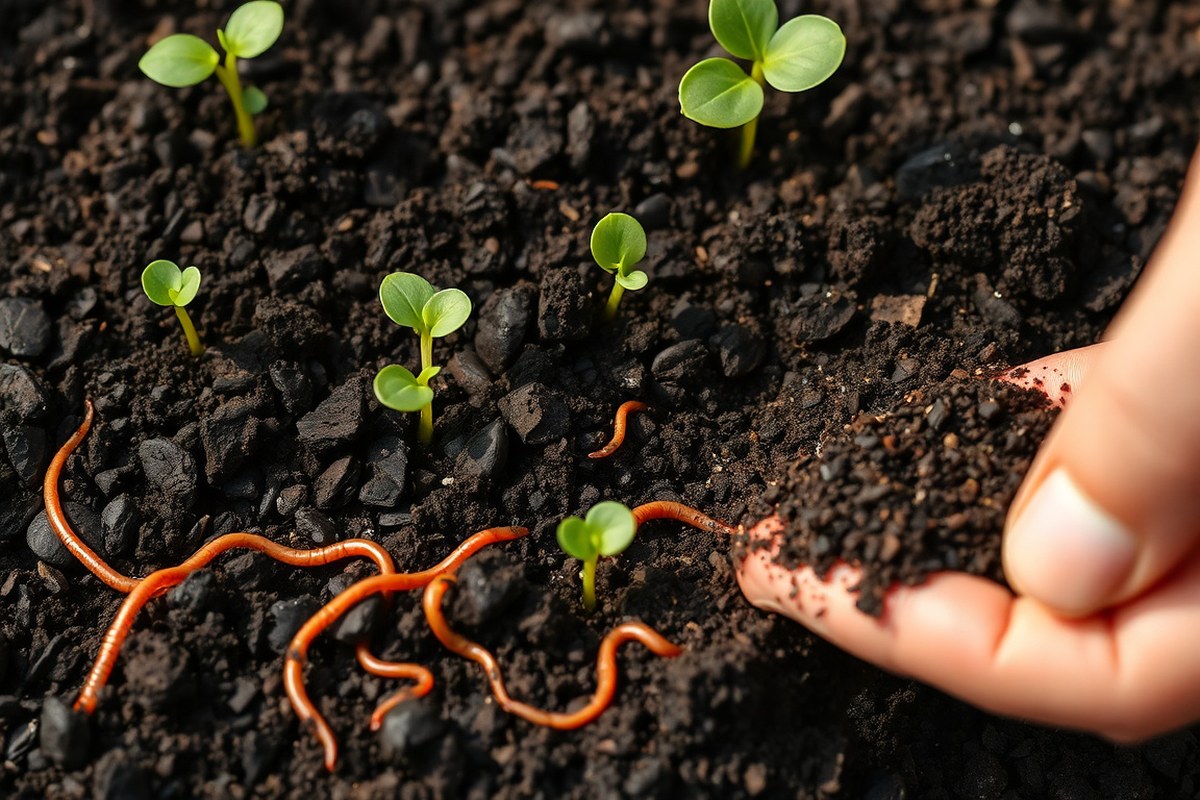
Knowing how to increase microbes in soil can boost your garden’s health quickly. The fastest way is to add organic matter like mature compost and mulch regularly. These feed the microbes and give them a good place to live.
Testing soil pH helps a lot because most microbes thrive near neutral pH 6.0 to 7.0. Keep the soil moist, not soggy. Aim for half to three-quarters water capacity.
Check soil often to keep moisture steady. Warm soil between 50°F and 95°F keeps the microbes active during the growing season.
Spread 1 to 2 inches of aged compost each year. Then add 2 to 3 inches of mulch on top. Mulch helps keep soil moist and cool.
Watch your soil’s temperature and moisture so you don’t stress the living microbes. These simple steps build a lively soil community that improves plant growth.
Key Takeaways
- Add 1 to 2 inches of mature compost annually to feed soil microbes.
- Use 2 to 3 inches of organic mulch to protect microbial habitat.
- Keep soil pH near 6.0 to 7.0 to support microbial diversity.
- Maintain soil moisture at about 50% to 75% of its capacity.
- Warm soil between 50°F and 95°F to stimulate microbial activity.
- Test soil regularly to adjust pH and moisture properly.
1. How to Increase Microbes in Soil Effectively
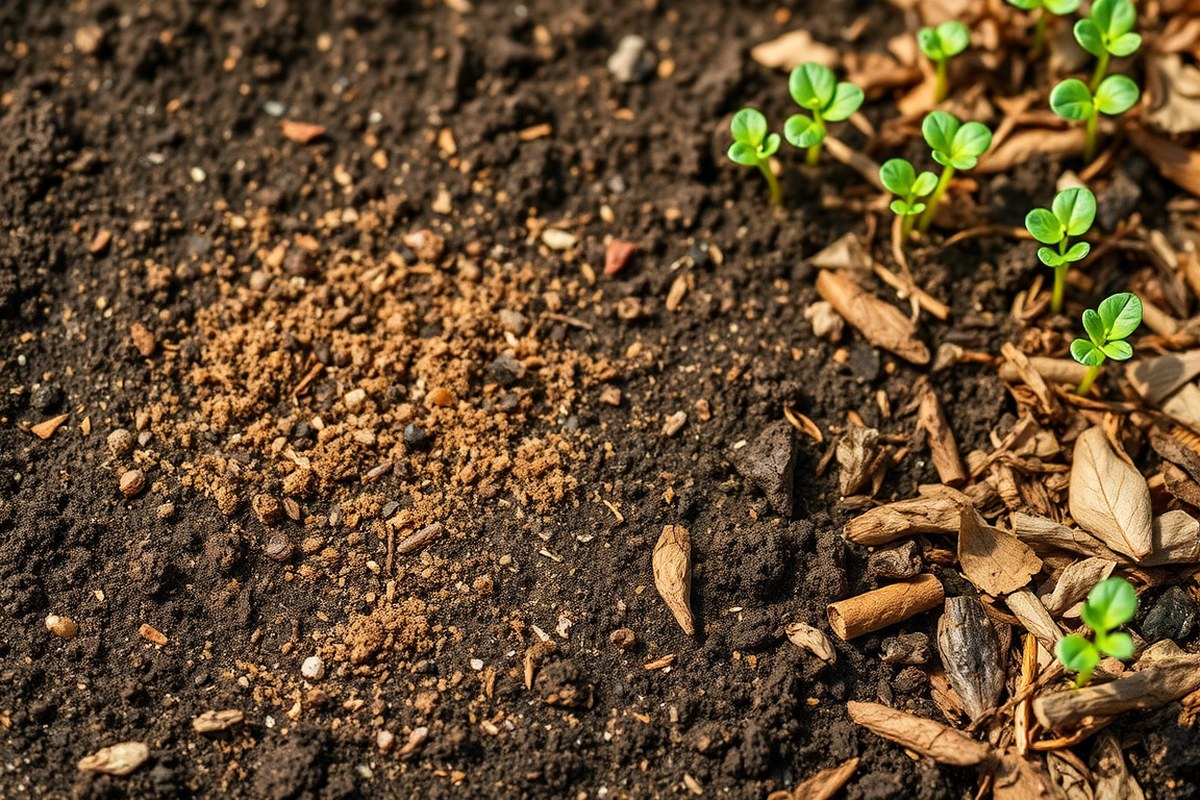
Increasing microbes in your soil starts with feeding them the right stuff. Organic matter offers microbes energy to multiply and improve soil structure.
Keeping soil loose and moist lets microbes breathe and thrive. Using microbial inoculants adds beneficial microbes straight away, especially on poor soils.
The fastest way to boost microbes is by improving organic matter content. Compost, manure, or shredded leaves provide a feast that triggers quick microbial growth. Balanced moisture is also key, too dry or waterlogged soil stops microbes cold.
Adding a bit of sugar can jump-start microbial activity. Microbes use sugar as a quick energy source. This helps them activate faster in your soil.
- Add organic matter regularly: Spread 1 to 3 inches of compost over your garden beds. You can also use aged manure for this. Work it lightly into the top 3 to 6 inches of soil without over-tilling. Organic matter feeds microbes and helps hold moisture.
- Keep soil loose and aerated: Avoid compacting soil with heavy tools or machinery. Turn soil with a fork or broadfork rather than a rototiller to preserve microbial networks. Loose soil lets microbes get oxygen.
- Maintain consistent moisture: Water deeply once or twice a week, depending on weather. Check that soil is moist to 2-4 inches deep but not soggy. Microbes need water but die if waterlogged.
- Incorporate microbial inoculants: Apply biofertilizers with beneficial bacteria or fungi when planting or on bare soil. Follow package rates, usually around 1 to 3 ounces per 100 square feet. Use on soils newly amended or low in biology.
- Use cover crops or green manures: Plant legumes like clovers or vetches in your garden. These add nitrogen and encourage microbial growth. Chop and work them into soil before flowering for best effect. This feeds microbes and improves soil organically.
- Avoid synthetic chemicals: Stay away from strong fertilizers, herbicides, or pesticides that harm soil life. Organic matter and microbes do the heavy lifting for natural fertility instead.
- Boost with natural sugars occasionally: Mix about 1 tablespoon of molasses or sugar in a gallon of water. Apply this solution to your soil sometimes. Lightly water soil areas that need a microbial jump start. Use once a month during the growing season for best results.
Good microbial activity shows in crumbly, dark soil and vigorous plant growth. Poor results happen if soil stays dry, compacted, or chemically treated. Microbes respond quickly, so you may see improvements in weeks with these steps.
2. What Organic Materials Best Feed Soil Microbes?

Organic materials like compost, manure, and biochar feed microbes in many ways. Each type supplies carbon, nutrients, or habitat that supports different microbes.
Using the right materials at the right time helps grow healthy microbes. These microbes improve the soil and help plants grow better.
Compost: Benefits and Application Tips
Compost is rich in carbon, nitrogen, and diverse microbes. It boosts microbial diversity and speeds nutrient cycling in the soil. Using finished compost avoids burning plant roots and encourages beneficial bacteria and fungi.
Spread 1 to 2 inches of compost on the soil early in spring. Do this again in the middle of summer.
Spread it evenly and gently rake it in or topdress your lawn. Doing this regularly adds organic matter and keeps microbes fed throughout the growing season.
| Practice | Microbial Benefit | Timing/Frequency | Notes for Gardeners |
|---|---|---|---|
| Apply 1-2 inches of compost | Increases microbial diversity and nutrient cycling | Early spring and mid-summer | Use finished compost to avoid root burn |
Keep compost moist and spread it thinly to avoid smothering plants or microbes.
Finished compost shows earthy smell and even texture. Avoid raw or partially decomposed compost, which can harm microbes or plants.
Manure Types and Microbial Impact
Manure adds nutrients and organic matter that feed microbes. Well-composted manure is best because it contains active microbial communities and is safer for plants. Fresh manure risks burning roots and spreading pathogens.
Apply composted manure before planting or in fall. Avoid stacking thick piles directly on soil to reduce ammonia and heat damage. Spreading a thin layer keeps soil microbes healthy and stimulated.
Biochar as a Microbial Habitat
Biochar doesn’t feed microbes directly but provides great habitat. Its porous structure offers hiding places and surfaces where microbes attach and grow. This helps form stable microbial colonies that improve soil health over time.
Mix biochar into soil with compost or manure for best results. A small amount around 5% by volume improves soil structure and water retention. Biochar works well in tough soils that need better aeration and drainage.
| Practice | Microbial Benefit | Timing/Frequency | Notes for Gardeners |
|---|---|---|---|
| Maintain 2-3 inches of organic mulch | Regulates temperature, conserves moisture, feeds fungi | Year-round | Refresh before peak summer heat |
| Reduce soil disturbance | Preserves fungal networks and aggregates | Continuous | Use shallow cultivation only when needed |
Apply biochar with organic matter to avoid nutrient tie-up and boost microbes.
Adding biochar alone is less effective. Combine it with compost or manure for a balanced microbial boost.
3. How Soil pH and Moisture Affect Microbial Life
Microbes prefer soil pH between 6.0 and 7.0 for best activity. Testing your soil’s pH is key; home kits or local extension services can help.
When pH is too low, add lime gradually over several weeks. For high pH, sulfur works but takes months to adjust.
Soil pH shapes which microbes thrive and how nutrients cycle in your garden. Check pH every one to two years for steady balance. Avoid quick fixes like excessive lime or acidifiers that harm microbes by overshooting the ideal range.
Microbial life needs moisture between half and three-quarters of field capacity. That means soil feels moist like a wrung-out sponge, not wet or dry. Overwatering suffocates microbes by removing oxygen, but too little water halts their activity.
Mulching helps keep soil moist without waterlogging by reducing evaporation and encouraging steady moisture. Water based on soil feel, not just a schedule. Feel the soil 2 inches down; it should be damp and not dripping.
To avoid soggy soil, improve drainage with organic matter or gentle soil loosening. Clay soils need extra care to prevent puddles. In sandy soils, frequent light watering keeps microbes active without washing nutrients away.
Keep temperature in mind: microbes work best above 50°F in moist soil. Water and pH changes take time to show results. So test often and adjust gradually.
Watch plants for poor moisture or pH signs like yellow leaves. Check soil texture too. Compacted soil can also show these issues.
4. Selecting Cover Crops and Crop Rotation for Microbial Growth
You can boost soil microbes by planting specific cover crops and rotating them yearly. Each cover crop supports different microbes through diverse root exudates. Crop rotation avoids pathogen buildup and keeps microbial life balanced and varied in your soil.
Legumes for Nitrogen Fixing
Legumes like clover and beans host bacteria that fix nitrogen from the air. This natural nitrogen boost feeds microbes and plants without synthetic fertilizers. Nitrogen-fixing microbes increase soil fertility, helping other microbes thrive and improve plant health.
Plant crimson clover as a cover crop to fix nitrogen and attract pollinators. It’s best used to boost soil fertility before planting heavy feeders like corn or tomatoes. Incorporating legumes in rotation adds organic nitrogen steadily over time, benefiting your soil ecosystem.
Brassicas and Root Penetration
Brassicas, such as tillage radish, break up compacted soil with deep roots. This creates oxygen-rich pockets that encourage beneficial aerobic microbes. These microbes help improve soil structure and support healthy root growth for future crops.
Use tillage radish in heavy clay soils to ease compaction and increase microbial activity. They grow quickly and die off, leaving channels for roots and water. This process supports microbes that thrive in well-aerated soil and suppresses harmful pathogens.
Grasses and Biomass Production
Cover crops like cereal rye and oats add large amounts of organic matter when cut down. Their fast growth and dense roots provide food and habitat for diverse microbes. Grasses help protect soil from erosion and keep moisture for microbial life through winter.
Cereal rye is great for winter protection and building biomass in cooler climates. Oats grow fast and work well for filling short-season gaps between main crops. These grasses release varied root exudates that support a broad microbial community.
Rotate crops yearly to mix root exudates and residues. This rotation diversifies microbes and stops disease buildup in your soil. Changing cover crops every season gives microbes fresh food and keeps your soil ecosystem active.
| Plant Type | Primary “Superpower” | Best Use Case |
|---|---|---|
| Tillage Radish | Deep penetration/compaction breaking | Heavy clay soils |
| Cereal Rye | Massive biomass and erosion control | Winter protection |
| Crimson Clover | Nitrogen fixation and pollinator attractant | Soil fertility boost |
| Oats | Rapid growth and easy incorporation | Short-season gaps |
Your rotation plan may include legumes one year, followed by a brassica or grass the next. This method provides a steady supply of different root compounds to microbes. Avoid rotating crops less than once a year to prevent pathogen buildup and maintain microbial variety.
5. Why Minimizing Soil Disturbance Protects Microbial Networks
Tilling breaks apart fungal hyphae and bacterial colonies in soil. These networks take a long time to rebuild, slowing microbial recovery. Stirring soil a lot can kill many soil microbes.
It breaks their homes and eats up their food. This cuts down microbe diversity.
To protect microbial communities, choose tools that cause less disturbance. A rototiller has the highest impact, pulverizing soil and demolishing fungal threads. A garden spade disrupts soil only locally but still affects some layers.
Broadforks are better because they lift and aerate soil without flipping it over. Hand trowels disturb the least, working only on targeted spots.
- Rototiller: high impact, breaks soil structure and microbes.
- Garden spade: medium impact, disturbs localized soil areas.
- Broadfork: low impact, aerates without flipping soil.
- Hand trowel: minimal impact, good for planting or weeding.
- No-till or low-till methods help keep microbial networks intact.
- Shallow cultivation only when addressing compaction or seedbeds.
Plan your work to reduce soil disruption. Avoid full digging or turning unless absolutely necessary. Use broadforks to loosen soil in early spring.
Hand tools to plant or spot weed during the growing season. When you must cultivate, do it shallowly, just 1 to 3 inches deep to reduce harm.
Leaving roots intact helps microbes thrive by providing continual food and shelter.
Choosing pest controls that don’t disturb soil also matters. Go for spot treatments or biological options to protect microbes while managing pests. These methods keep your soil ecosystem balanced, helping plants grow healthier in the long run.
6. Using Microbial Inoculants: When and How to Apply
Microbial inoculants are products packed with beneficial microbes to add directly to your soil. They boost nutrient cycling, disease resistance, and overall soil health. Applying them the right way helps these microbes take hold.
Doing this at the right time makes it even better. They then support your plants as they settle in.
Types of Soil Microbial Inoculants
You can find several types of microbial inoculants, each with a specific role in the soil. Nitrogen-fixing bacteria help convert atmospheric nitrogen into a form plants can use. Mycorrhizal fungi improve nutrient and water uptake by extending plant roots’ reach.
Other options include compost teas, which are liquid extracts rich in a mix of microbes. These provide a broad boost to soil biology and can protect plants from certain diseases. Choose an inoculant based on your soil needs and plant types.
Application Methods: Soil Drench vs. Seed Soak
Soil drenching with microbial inoculants puts microbes directly around the root zone. This method is great early in plant growth or to give tired soil a quick refresh. It helps microbes colonize where roots will draw nutrients and moisture.
Seed soaking coats seeds with microbes before planting, jumpstarting germination and root growth. This works well for new plantings when you want to start microbial communities from day one. Foliar spraying applies microbes to leaves, mainly to fight diseases during peak growth.
Timing and Environmental Conditions
Apply microbial inoculants when soil temperatures are between 50°F and 85°F for best survival. Early growth stages are ideal since roots are active and microbes can settle quickly. Keep soil moist but not waterlogged to help microbes establish.
Avoid applying inoculants during extreme heat or drought. These conditions kill beneficial microbes before they colonize. Also, time applications away from heavy pesticide use to prevent harming your new soil helpers.
Follow these steps to select and apply microbial inoculants effectively:
- Identify soil needs by testing or observing plant growth problems.
- Choose an inoculant with microbes suited for your soil issues.
- Check the product label for application instructions and shelf life.
- Prepare the soil by lightly moistening it before applying inoculants.
- Apply as a soil drench or seed soak depending on your crop and goals.
- Maintain soil moisture and moderate temperature to support microbial growth.
- Repeat applications annually or as the product recommends for lasting impact.
Many inoculants cost between $20 and $50 per pound, depending on type and quality. Overuse can create an unbalanced soil environment or waste product without benefit. Use inoculants as part of a care plan that includes organic matter and minimal disturbance.
7. How Mulching and Earthworms Support Soil Microbes
Mulching keeps soil temperature steady and holds moisture well. Straw or hay works best in vegetable gardens and berry patches. They help reduce weeds and keep roots cozy.
Wood chips suit trees and shrubs because they break down slowly. This adds structure and keeps soil healthy for a long time.
Shredded leaves return nutrients fast and support earthworms. Grass clippings give quick nitrogen but must be chemical-free to avoid harming microbes.
You should layer mulch 2 to 4 inches thick, not too deep to avoid mold. Refresh mulch in spring and fall to keep soil protected all year.
Earthworms break down mulch and mix it with soil. They dig tunnels that let air and water move easily.
This makes the soil a great home for microbes. As they eat, earthworms spread helpful microbes around roots and improve soil texture.
To encourage earthworms, avoid compacting soil and keep it moist but not soaked. Add shredded leaves or straw often since earthworms prefer these. Avoid wood chips on flower beds since worms move slower under thick chips.
For dry climates, mulch helps soil hold moisture longer, benefiting microbes and worms. In wetter areas, use straw or shredded leaves to avoid making soil too soggy. Mulching this way balances moisture and temperature for active microbial life.
8. Common Mistakes That Harm Soil Microbes and How to Avoid Them
Synthetic pesticides, herbicides, and fertilizers can harm beneficial soil microbes. They disrupt the soil life and reduce microbial diversity. Fungicides and bactericides kill harmful microbes but also damage helpful ones with repeated use.
Overwatering wets the soil and creates low-oxygen zones. This kills aerobic microbes that need air.
Drought dries out microbes, slowing their activity and sometimes killing them. Both extremes lower soil health and productivity.
Tilling too deep or too often breaks microbial networks and exposes them to drying. It also speeds organic matter loss.
This reduces microbial homes and food sources, weakening soil life. Avoid frequent or intensive tilling to protect microbes.
- Stop using synthetic chemicals; choose organic pest controls instead
- Water deeply but less often, allowing soil to partly dry
- Limit tilling to shallow passes or no-till where possible
- Add compost and organic mulch to rebuild microbial habitats
- Plant cover crops to provide living roots and food year-round
- Test soil respiration to track microbial recovery over time
You can restore soil microbes by adding organic matter and cutting chemical use. Mulch keeps moisture steady and feeds microbes as it breaks down. Planting cover crops adds fresh roots, which feed and shelter microbes.
Watch soil moisture closely: soggy soil kills microbes fast. But too dry slows them down.
Tracking the CO₂ your soil releases helps check if microbes are bouncing back. It means microbes are active and breaking down organic stuff. This guide shows how to spot damage and make quick, smart fixes for healthy soil.
Step-by-Step Action Plan to Boost Soil Microbes
Follow this plan to grow healthy soil microbes and improve your garden’s soil. Track your progress by noting soil texture and plant health.
- Before You Start: Test soil pH and moisture. Adjust pH with lime or sulfur and water to keep soil damp but not soggy.
- Week 1: Add a mix of organic matter like compost and aged manure. Watch for richer, crumbly soil texture after a few days.
- Week 2: Plant cover crops such as clover or rye. Check for green growth covering the soil in two weeks.
- Week 3: Apply mulch around plants and garden beds. Look for less soil drying and signs of worms near the surface.
- Week 4: Reduce tilling to none or only shallow cultivation. Notice fewer disrupted soil clumps and more earthworm activity.
- Week 6: If needed, use a microbial inoculant labeled for your soil type. Monitor plant vigor and soil smell for freshness.
- Week 8: Rotate crops to different beds to prevent soil exhaustion. Track plant growth and soil tilth for gradual improvement.
- Ongoing: Water moderately and avoid chemical pesticides or synthetic fertilizers. Healthy soil microbes thrive without harsh chemicals.
Frequently Asked Questions
What Is the Fastest Way to Boost Microbes in Soil?
Adding a soil inoculant quickly introduces beneficial microbes to your soil. This jumpstarts microbial activity in depleted or new garden beds. It gives your soil a quick health boost.
Can Certain Legume Plants Increase Soil Microbes Naturally?
Yes, legumes like soybeans and alfalfa grow with nitrogen-fixing microbes. These plants feed and multiply helpful microbes, which enrich the soil and improve nutrient availability.
How Does Keeping Living Roots Year-Round Help Soil Microbes?
Living roots feed microbes by releasing liquid carbon called root exudates. This constant food source sustains a thriving microbial community and improve soil health.
What Role Do Earthworms Play in Microbial Growth?
Earthworms mix organic matter and create tunnels that improve aeration. This helps microbes by increasing oxygen and spreading nutrients throughout the soil.
Why Should I Avoid Compacting Soil to Protect Microbes?
Compacting soil reduces air space and limits oxygen for microbes. Keeping soil loose supports microbial respiration and keeps the community active and healthy.
How Do Chemical Fertilizers Impact Soil Microbes Differently?
Most synthetic fertilizers feed plants, not microbes, often reducing microbial diversity. Focus on organic matter and microbial inoculants to encourage healthy microbe populations.
Final Thoughts
Healthy microbes form the foundation of productive soil and vigorous plants. Keep adding organic matter and protect your soil’s natural life. Start by testing your soil’s pH this week to set your plan in motion.