How to Get Lettuce Seeds: Complete Guide for Successful Harvest & Planting
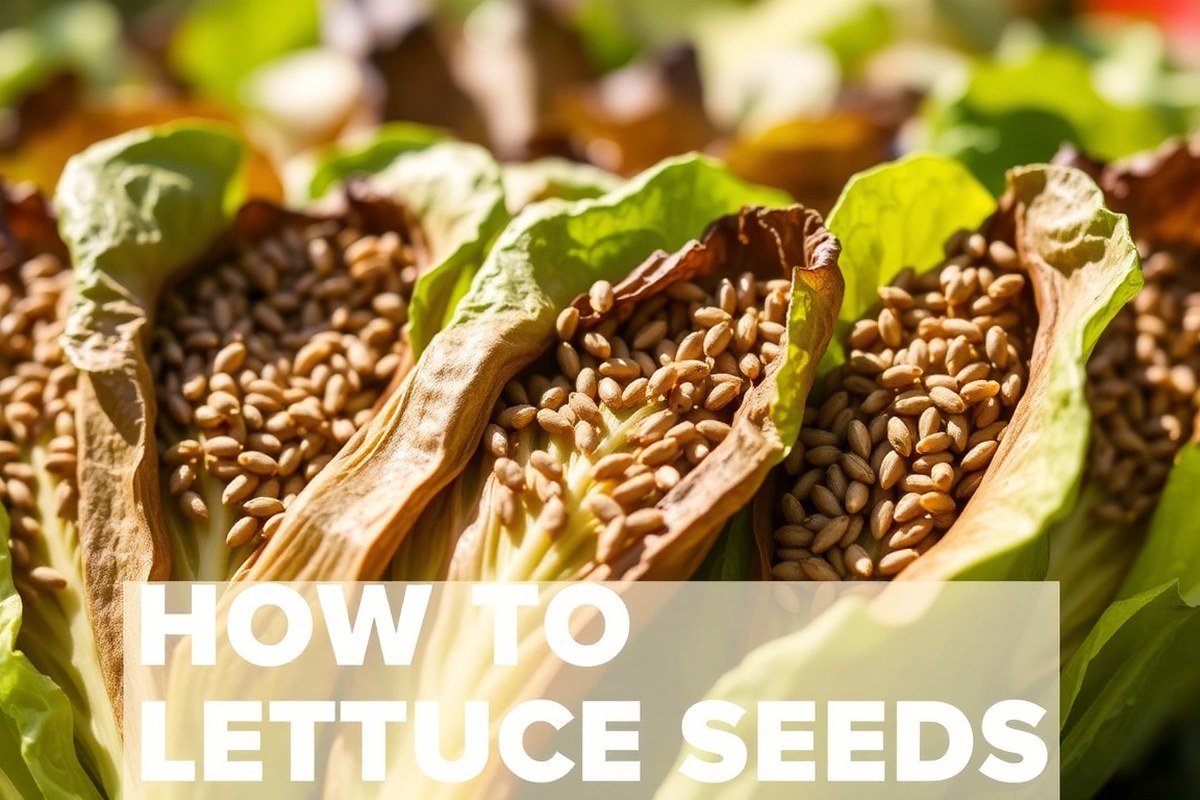
How to get lettuce seeds starts with growing your own plants to maturity. Wait until lettuce flowers fully. Then watch for dry seed heads.
Collect seeds when they turn golden brown. This hands-on method guarantees fresh seeds suited to your garden’s conditions.
Begin by letting one or two lettuce plants bolt, which means they send up flower stalks. Harvest seeds about 4 to 6 weeks after flowering starts, when the seeds have fully developed. Pay attention to timing so you don’t collect immature seeds that won’t grow well.
Use scissors to cut seed heads carefully. Hold a mesh or paper bag underneath. Catch seeds as you harvest from the plant.
Keep the seeds dry to prevent mold while you clean and store them. Proper seed drying ensures they last through the winter until you’re ready to plant again.
Key Takeaways
- Harvest lettuce seeds 4 to 6 weeks after flowers appear and seed heads dry.
- Use scissors and a mesh or paper bag to carefully collect seeds.
- Dry seeds completely before cleaning to avoid mold and rot.
- Keep seeds in airtight containers to block moisture. Place containers somewhere cool and dark. This will keep seeds fresh longer.
- Plant lettuce seeds about ¼ to ½ inch deep for best germination.
- Lettuce seeds germinate well between 50 and 70°F for 7 to 14 days.
How to Harvest Lettuce Seeds from Your Plants

Lettuce seeds are ready to harvest about 4 to 6 weeks after the plants start flowering. You can tell seeds are mature when flower heads turn brown. They also feel dry and brittle to touch.
These signs mean seeds are ready to harvest. Harvesting at the right time helps ensure seeds are fully developed and viable for planting later.
Wait for the flowering to finish, and watch the seed heads closely. The seeds inside will be firm and slightly plump, not green or soft.
When seed heads look green or feel moist, wait longer. Let them dry more on the plant before harvesting.
Use a gentle method to collect the seeds without damaging them or losing any. Have a container ready to catch seeds as they fall. You can also catch them when you brush the heads.
Keep it close to avoid losing any seeds. Handle the plants softly to avoid scattering the seeds onto the ground.
- Check your lettuce plants 4 weeks after you see the tall flower stalks appear.
- Look for seed heads that have turned brown and feel dry and brittle to the touch.
- Cut the seed stalks off near the base using sharp garden scissors or pruners.
- Hold a paper bag or shallow container under seed heads. Gently shake or rub the heads to release seeds. The seeds will fall into the container or bag.
- Collect the loose seeds that fall into your bag or container without crushing them.
- Spread the seeds on a paper towel or screen. Let them air dry for a few days before storing. This keeps seeds from molding or clumping.
- Remove any leftover plant debris by gently blowing or sifting the seeds.
- Store fully dry seeds in an airtight container, kept cool and dark for later planting.
Recognizing When Lettuce Seeds Are Ready to Collect

Lettuce seeds are ready to collect when the flower heads turn dry and brown. You need to wait until the seeds fully mature. This usually happens after the plant flowers.
Wait until the seed pods dry well. Avoid harvesting too early or too late to keep seeds viable for planting later.
Flower and Seed Head Changes
When lettuce bolts, the plant sends up a flowering stalk with many small flowers. The seed heads start out green and soft. As seeds mature, they dry out and change color.
They turn brown or tan. Flower petals will fall away then.
You’ll notice the seed pods becoming harder and more brittle. The best sign is when the flower heads look totally dry, often dusty or flaky. At this point, the seeds inside are fully formed and ready to harvest.
Timing After Flowering Begins
After lettuce begins to flower, plan to wait about three to four weeks before harvesting seeds. This gives the seeds enough time to develop fully and dry on the plant.
The length can vary with weather and lettuce type. But 21 to 28 days is typical.
In warmer climates, seeds may mature faster due to heat. Cooler weather slows down seed drying. Check the seed heads closely.
Don’t rely only on timing. This is especially true when weather changes.
Handling Seed Heads for Testing Readiness
Before harvesting, gently squeeze a seed head to check its texture. Mature seeds feel hard and dry, not soft or green.
You can also try to rub a seed off. It should separate easily without squishing.
Here’s a checklist to help identify mature lettuce seeds:
- Flower heads dry and brown, no green parts left
- Seed pods hard and brittle to touch
- Seeds easily separate from pods with light pressure
- Flower petals have fallen off completely
- Seed heads feel dusty or flaky on the surface
Be careful not to wait too long. Overripe seeds can fall off the plant. They may also lose their ability to grow.
Avoid harvesting seeds that feel soft. Soft seeds aren’t ready yet. They won’t store well either.
Harvest seeds during cool, dry mornings to avoid damaging fragile seed heads.
Tools and Materials Needed for Harvesting Lettuce Seeds
You need a few simple tools and materials to harvest lettuce seeds cleanly and easily. Sharp scissors or pruning shears help you cut seed heads without crushing them. Using the right containers and drying surfaces keeps the seeds dry and prevents mold or loss.
Cutting and Collection Tools
Sharp scissors or garden shears are best for snipping mature lettuce seed heads. They let you make clean cuts without damaging seeds or plants. Wearing gloves keeps your hands clean and protects from plant sap.
Collect seeds in breathable containers like paper bags or envelopes rather than plastic. This helps seeds avoid moisture buildup and premature sprouting. Label each bag with the lettuce variety and date to keep track of seed batches.
- Sharp scissors or garden shears for cutting seed heads
- Gloves for hand protection during harvesting
- Paper bags or envelopes for seed collection
- Permanent marker or labels for identification
Carry tools in a garden tote or apron pocket. Keep them handy.
Use them while harvesting. Avoid cutting seed heads on wet days or when dew is present to prevent seed mold.
Drying Containers and Surfaces
After cutting, seeds must dry fully to store well and stay viable. Use flat, breathable surfaces like paper towels or mesh screens to spread out seed heads.
Avoid plastic trays or containers that trap moisture, which can cause mold or rot. Place drying surfaces in a warm, dry spot.
Ensure good airflow. Keep seeds out of direct sunlight.
- Paper towels or newspaper sheets for drying seeds
- Mesh screens or window screens to allow air flow
- Shallow trays with holes or slits for ventilation
- Warm, dry indoor place away from direct sunlight
Turn seeds gently daily to expose all sides to air. Proper drying usually takes 1 to 2 weeks depending on indoor humidity and temperature.
Seed Storage Bags and Containers
After drying, store lettuce seeds in airtight containers. This keeps them good about two years. Small glass jars with screw lids or zip-top plastic bags work well.
Add small packets of silica gel or dry rice grains. They soak up moisture.
This prevents seed damage. Always label containers with the seed variety and harvest year for easy use later.
- Small glass jars or plastic containers with tight lids
- Zip-top plastic bags as a low-cost storage option
- Silica gel packets or dry rice for moisture absorption
- Permanent marker or labels for variety and date info
Store seed containers in a cool, dark place like a pantry or refrigerator. This slows seed aging and keeps your lettuce seeds ready for spring planting.
Drying, Cleaning, and Storing Lettuce Seeds for Longevity
Properly drying, cleaning, and storing lettuce seeds keeps them good for years. Make sure the seeds are completely dry before putting them away.
Remove any seed hulls and debris gently. Store seeds in airtight containers in a cool, dark area to keep them healthy.
Drying Seed Heads at Home
Harvest lettuce seed heads on a calm, dry afternoon to start drying. Place them inside a paper bag to avoid moisture and to catch falling seeds. Keep the bag in a warm, dry room for about two weeks.
During drying, check seed heads regularly. They should feel crisp and brittle once fully dry. Avoid drying in direct sunlight or damp areas to prevent mold and reduce seed quality.
Threshing and Separating Seeds
Threshing means removing seeds from their seed heads and separating them from chaff. To do this, gently crush the dried flower heads inside a paper bag with your hands. This loosens seeds without damaging them.
After threshing, sift the mixture through a fine mesh sieve or screen. It helps separate small seeds from plant debris. Use a gentle blow or a fan to remove light chaff from seeds.
Do this a few times for better cleanliness. This separates heavier seeds from fluff and debris.
- Place dry seed heads in a paper bag.
- Rub the seed heads gently inside the bag to release seeds.
- Sift the seed and debris through a fine mesh sieve.
- Use gentle blowing or a fan to separate chaff from seeds.
- Repeat sifting and blowing until seeds are clean.
Ideal Storage Containers and Temperatures
Store cleaned, fully dry lettuce seeds in airtight containers to keep moisture out. Glass jars with tight lids or sealed plastic bags work well. Label containers with seed type and harvest date.
Keep containers in a cool, dark place to maintain seed life longest. Ideal storage temperatures range between 32 and 41 degrees Fahrenheit (0 to 5 degrees Celsius). Refrigerators often work well, but avoid freezer cold or high humidity.
Check seeds occasionally for moisture or mold. Seeds that feel sticky or clump need more drying. Let them dry again before you seal the container.
This helps prevent mold and spoilage. Properly dried and stored seeds can stay viable for up to five years.
Choosing Lettuce Varieties Suitable for Seed Saving
Not all lettuce types work well for saving seeds. You want open-pollinated or heirloom varieties because they grow true to type.
Hybrid varieties, while often more vigorous, rarely produce seeds that grow into the same plant. Those seeds can vary widely and lose traits you like.
Selecting healthy parent plants is the next step. Choose plants that show good growth, disease resistance, and the traits you want to keep. Choose plants that bolt late.
They often give better seeds. These seeds suit your garden’s conditions well.
| Lettuce Type | Seed Saving Suitability | Notes |
|---|---|---|
| Heirloom (open-pollinated) | Best | Seeds grow true to type; stable traits |
| Leaf Lettuce | Good | Bolt quickly; good for quick seed harvest |
| Head Lettuce | Good | Slower bolting; seeds maintain parent traits |
| Hybrid | Poor | Seeds often differ from parent plants |
| Organic | Depends on variety | Can be heirloom or hybrid; check label |
| GMO | Not advised | Seed saving not recommended or reliable |
Hybrids combine two varieties for specific traits, but their seeds don’t breed true. To get reliable seeds each year, avoid hybrids. Heirloom types maintain traits over generations and help you develop plants suited to your garden.
For the best seed production, pick healthy plants of the same variety. Avoid any plants showing disease, deformities, or pests. Selecting slow-bolting plants helps create a seed line that withstands your local climate.
Choose the slowest-to-bolt plants to improve your seed stock over time and suit your garden better.
Preventing Cross-Pollination Between Lettuce Seed Varieties
Lettuce plants can cross-pollinate if different varieties grow too close. This can mix seed traits, making your saved seeds less pure. Keeping varieties apart reduces this risk and helps keep their unique flavors and features.
For seed saving, aim to plant different lettuce types at least 50 feet apart. Cross-pollination risk grows if plants are closer than this, especially on windy days. Space is tight.
Separate varieties by 20 to 30 feet. But note you may get some mixing.
Other factors affect cross-pollination too. Wind can carry pollen between plants. So planting near tall barriers like fences or hedges helps block it.
Bees can also spread pollen, but lettuce mainly self-pollinates. So risk is lower than with other crops.
- Space different lettuce varieties 50 feet apart if possible.
- Use physical barriers like fences or hedges to reduce wind pollen drift.
- Plant late or early to stagger flowering times and prevent simultaneous pollination.
- Label your varieties clearly to avoid confusion during harvest.
- Save seeds from only the healthiest plants to keep traits strong.
Timing your planting can cut cross-pollination. Start one lettuce variety earlier or later so they bloom at different times.
This reduces pollen overlap but requires tracking bloom stages closely. Physical barriers cost little but take space and time to establish.
Your garden is small. Save seeds from one or two varieties only. You can grow seeds in pots.
Use isolated garden corners too. This helps keep seed types pure. Protecting your lettuce seed purity takes some work but pays off with true-to-type plants next season.
Proper Soil, Temperature, and Planting Depth for Lettuce Seeds
Lettuce seeds need loose, well-draining soil with a pH between 6.0 and 6.8. Organic soils with pH as low as 5.5 also work fine. Avoid heavy clay soils for planting lettuce seeds.
Use raised beds or containers instead. These keep roots healthy and soil loose.
Plant the seeds on the soil surface because lettuce seeds require light to sprout. Don’t cover them with soil; just press them lightly above or into the soil. Plant your seeds shallow for better growth.
Germination takes 7 to 14 days typically. Keep soil temperature between 45°F and 75°F (7°C to 24°C).
- Seeds need space: thin them to at least 6 to 12 inches apart once sprouted
- Water soil to stay moist but not soaked, watering 2 to 3 times daily if needed
- Indoors, sow seeds in pots near a sunny window or under grow lights
- Outdoors, plant in early spring or late summer for cooler germination temperatures
- Use loose potting mix with good drainage for indoor starts
- Thin seedlings early to avoid crowding, which can cause poor growth
- Maintain soil temperature around 60°F (16°C) for steady growth
Spacing is key: 6 to 12 inches between seedlings gives room for leaves to grow. Crowded plants can become weak or prone to disease. Keeping soil moist speeds up germination but too much water causes damping off, a fungal problem.
Indoor starts benefit from steady warmth and good light, mimicking outdoor early spring conditions. Follow these steps to help seeds sprout well.
Your plants will grow healthy and strong. They will later produce lettuce seeds for you.
How Long Lettuce Seeds Take to Germinate and Grow
Lettuce seeds usually sprout within 2 to 10 days at around 70°F (21°C). Cooler soil can slow germination up to two weeks. Using a heat mat can speed the process, sometimes making seeds pop in under a week.
The seedlings start growing their first true leaves after sprouting. They are ready for thinning or transplanting in 3 to 4 weeks.
Plants take about 6 to 8 weeks to reach flowering. This happens if you plan to let them seed.
Several factors can affect how fast lettuce seeds germinate and grow. Keeping soil moist but not soaked helps seeds stay alive and sprout quickly.
Soil temperature near 70°F is ideal. Below 60°F slows growth, and above 75°F can stunt it.
- Keep soil evenly moist but avoid waterlogging.
- Maintain soil temperature around 70°F using mats or location choice.
- Plant seeds ¼ inch deep for better moisture contact.
- Thin seedlings once leaves appear to avoid overcrowding.
- Provide indirect sunlight to protect delicate seedlings.
- Use gentle watering methods to prevent seed displacement.
Once seeds sprout, caring for seedlings means keeping soil moist and cool. Too much sun on young plants can dry them out or cause leaf burn. You want a light, steady watering routine and some shade in hotter climates.
Handle tiny seeds gently during planting to avoid losing them in the soil or by wind.
Lettuce seedlings thrive when you start them indoors or in protected areas before moving them outside. Transplant seedlings about four weeks after sowing, giving them time to build strong roots. This early care sets you up well for healthy plants and a better seed harvest.
Step-by-Step Action Plan for Growing Lettuce from Your Seeds
Follow these clear steps to turn your harvested lettuce seeds into fresh lettuce heads at home.
- Before planting: Choose a well-draining spot with loose soil. That helps seeds take root easily.
- Day 1: Plant your lettuce seeds about ¼ inch deep. Cover lightly with soil and water gently.
- Days 3 to 7: Keep the soil moist but not soggy. Seeds should start sprouting in this time.
- After 2 weeks: Thin seedlings so they stand 6 to 12 inches apart. This avoids crowding.
- Weeks 3 to 6: Watch for pests and water regularly. Good care means better growth.
- After 6 weeks or more: Harvest your lettuce leaves as needed. The plant keeps growing if picked right.
- Months later: If saving seeds again, allow some plants to bolt and flower. Then follow your seed harvest steps.
Frequently Asked Questions
Can You Collect Lettuce Seeds from Supermarket Lettuce?
Supermarket lettuce usually is hybrid and may not produce true seeds. Growing your own plants ensures reliable seed saving and variety continuity.
How Do You Ensure Lettuce Seeds Don’t Lose Viability?
Store seeds in a cool, dark, airtight container to keep them viable. Avoid moisture and heat, as they can damage seed life.
Is It Okay to Save Seeds from Bolt-Prone Lettuce Varieties?
Bolt-prone varieties produce seeds quickly but may not last long in heat. Choose slower-bolting types if you want a longer harvest season.
Can You Use Lettuce Seeds from Old Packets for Planting?
Old seeds might have lower germination rates after a couple of years. Test germination by planting a few before sowing a whole batch.
How to Separate Seeds from Lettuce Chaff After Harvesting?
Gently rub dried seed heads between your hands over a bowl to free seeds. Blow lightly to remove lighter chaff particles for cleaner seeds.
Do You Need to Label Saved Lettuce Seeds with Harvest Dates?
Labeling with harvest dates helps track seed age and viability over time. This ensures you plant seeds before they lose germination potential.
Wrapping Up
Growing lettuce from your saved seeds is simple if you prepare well. Start by planting seeds properly to get good sprouts. Keep caring for your plants, and you’ll enjoy fresh lettuce from your own garden.