What Are Red Wiggler Worms: A Complete Guide for Successful Composting
What are red wiggler worms? They’re small composting worms that thrive in organic waste.
These worms are perfect for breaking down kitchen scraps into rich compost fast. They usually grow between 2 to 4 inches long when fully stretched out.
Red wigglers prefer temperatures between 55 and 77 degrees Fahrenheit. They live near the soil surface where organic material is abundant. Keeping them in that range helps them reproduce and compost efficiently.
Start with 2 pounds of red wigglers. Use this for every pound of food waste you compost daily. This ratio helps your worms handle the waste.
Watch for moisture around 70% to keep them happy and active. These worms are easy to care for once you get the balance right.
Key Takeaways
- Red wiggler worms measure 2 to 4 inches when fully grown.
- They thrive best in temperatures from 55°F to 77°F.
- Keep worm bin moisture near 70% for ideal conditions.
- Use 2 pounds of worms per pound of daily food scraps.
- Red wigglers live near the soil surface in organic-rich layers.
- They reproduce quickly around the ideal temperature range.
What Are Red Wiggler Worms and Their Characteristics
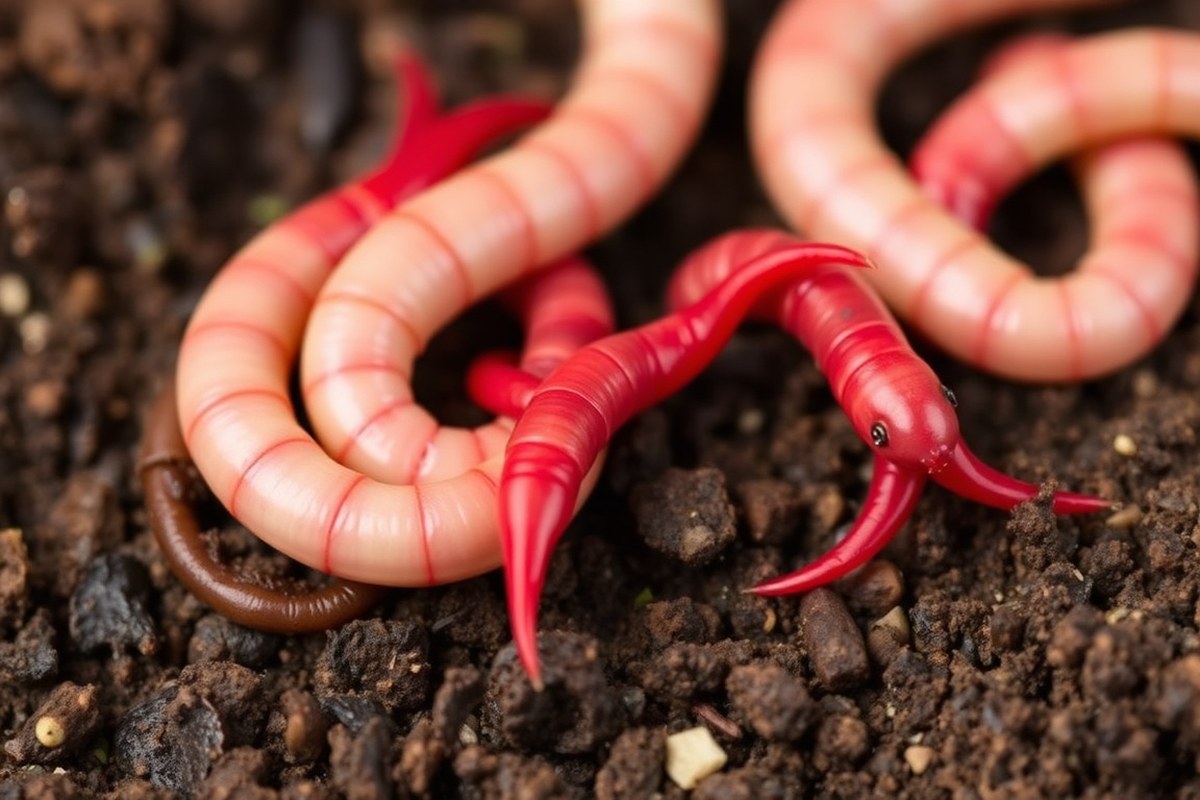
Red wiggler worms are small composting worms known scientifically as Eisenia fetida. They are famous for breaking down organic waste into nutrient-rich soil. These worms play a big role in vermiculture, helping gardeners transform kitchen scraps into valuable compost.
Physically, red wigglers are small and skinny. They usually grow 2 to 4 inches long.
This is smaller than garden worms. Their name comes from their reddish-brown color and the way they wriggle quickly when disturbed.
Red wigglers have a banded, segmented body with a slightly flattened appearance. Their color ranges from bright red to darker reddish-brown. It depends on diet and surroundings.
They are shorter, thinner than typical earthworms. They stay more on the surface.
These worms thrive best in moderate temperatures, often between 55 and 77 degrees Fahrenheit. Their surface activity and size make them especially suited for worm bins and compost piles.
You see them moving through moist organic material. They eat food waste and make worm castings.
Their small size and diverse diet make red wigglers unique. They digest many types of organic matter. They reproduce quickly and stay active near the surface, which speeds up the composting process.
They differ from big worms like nightcrawlers. Nightcrawlers live deeper and don’t digest scraps well.
The Lifecycle and Reproduction of Red Wiggler Worms

Red wiggler worms start life in tiny cocoons, which hatch into baby worms. They reach maturity in about 45 to 90 days and begin reproducing regularly. A mature worm can produce 2 to 3 cocoons each week, multiplying the worm population quickly.
Eggs and Cocoons Explained
The red wiggler worm lays eggs inside small, lemon-shaped cocoons. Each cocoon holds 1 to 3 baby worms on average.
People often confuse these eggs with the cocoons. But cocoons are the protective cases around the eggs.
These cocoons are pale yellow and about the size of sesame seeds. They are easy to spot in your worm bin. They hatch in about 3 weeks under good temperature conditions around 75°F. The newly hatched worms are tiny and pale, blending into your worm bin material.
Juvenile Growth Phases
After hatching, the baby worms start feeding immediately on decomposing material. Red wigglers take about 45 days to grow.
By then, they look like small adults. This growth phase depends a lot on temperature and food availability in the worm bin.
When red wigglers reach sexual maturity, their clitellum appears. It is a thick band near one-third of their body.
This stage usually happens between 60 and 90 days of age. Younger worms won’t reproduce or produce cocoons until this band appears.
Adult Reproduction Cycles
Once mature, a red wiggler can produce 2 to 3 cocoons each week. Each cocoon will hatch 1 to 3 baby worms.
So a pair can create 3 to 9 worms weekly. This fast reproduction rate can quickly boost your worm population in a well-managed bin.
Reproduction slows if the temperature drops below 55°F or rises above 85°F. Don’t overfeed your worms or let the bin get too wet. This stresses them and lowers their reproduction rate.
Under good conditions, one pound of worms can double in size. This usually takes a few months.
Keep your bin warm and moist but not wet; this encourages steady reproduction.
Why Red Wigglers Are Ideal for Composting Organic Waste
Red wigglers are the best choice for composting. They eat quickly and can handle many kinds of food scraps. This makes them very useful in worm bins.
They thrive in temperatures between 55°F and 90°F, which covers most home settings. These worms can eat half their body weight each day.
They break down kitchen scraps efficiently. This helps speed up composting.
Preferred Diet and What to Avoid
Red wigglers like fruit and vegetable scraps. They also eat coffee grounds and crushed eggshells for calcium. This keeps them healthy and active.
You should avoid feeding them meat, dairy, oily foods, and acidic items like citrus. Those can harm the worms or slow their work down.
Keep adding fresh bedding regularly, usually shredded paper or cardboard. Bedding keeps the bin moist and comfortable, which helps worms stay healthy. A good balance between food and bedding is key for success.
How Red Wigglers Process Waste
These worms consume organic matter quickly, shredding and digesting it into fine compost. Their digestive system breaks down waste faster than typical soil worms. Their castings are full of nutrients that improve soil health.
As they eat, red wigglers also aerate the compost, which speeds decomposition. They prefer dark, moist environments, so a well-maintained bin supports steady processing. Poor ventilation or dry conditions slow their work and can kill them.
Daily Feeding Amounts and Frequency
Feed your red wigglers about half their total weight every day or two. For example, a pound of worms can eat up to half a pound of scraps daily. Add new food only when most previous scraps are gone to prevent decay and smells.
Start with smaller amounts when you first add worms to your bin. Increase slowly as the worm population grows and the bin becomes active. This step-by-step feeding helps avoid overloading your compost and keeps worms healthy.
Optimal Environmental Conditions for Red Wiggler Worms
Red wigglers grow best in temperatures from 55 °F to 77 °F (13 to 25 °C). Their activity and feeding slow under 55 °F. Temperatures over 77 °F can cause heat stress and make them escape.
Keeping moisture near 70% replicates their natural environment. The bedding should feel like a damp sponge, not dripping wet or dry.
Too much water can drown them. Too little makes it hard for them to breathe.
The bedding also affects pH and comfort. Red wigglers prefer a slightly acidic to neutral pH, around 6 to 7.
Add shredded newspaper, cardboard, or coconut coir for a good balance. Avoid acidic materials like citrus peels in large amounts, or those sharply increase acidity.
Here’s a quick breakdown for your worm bin:
| Condition | Optimal Range | Tips |
|---|---|---|
| Temperature | 55, 77 °F (13, 25 °C) | Keep indoors or shaded outside |
| Moisture | About 70% | Bedding damp like a wrung-out sponge |
| PH | 6.0, 7.0 | Add neutral bedding; avoid citrus overload |
For colder climates, keep the worm bin inside or use insulation. In hot climates, add shade and increase airflow to avoid overheating. Check moisture weekly and add damp bedding or dry material to adjust as needed.
Replacing bedding weekly helps maintain moisture and prevents ammonia buildup. It also makes worms more comfortable and productive.
Healthy red wigglers eat up to half their body weight daily. So good bedding and conditions boost their appetite.
Setting Up and Maintaining a Red Wiggler Worm Bin
Starting a red wiggler worm bin is simple with the right setup. You need a proper bin, bedding, food, and regular care. Follow these steps to keep your worms healthy and your compost active.
Choosing the Right Bin and Bedding
A plastic or wooden stackable bin works well for red wigglers. Set it in a cool, shaded spot away from direct sunlight and extreme temperatures. Make sure it has good ventilation and drainage holes to avoid excess moisture.
Fill the bin with carbon-rich bedding like shredded newspaper, cardboard, or coconut coir. The bedding acts as slow food and helps balance moisture and air. Prepare about twice as much bedding volume as food waste you plan to add.
Feeding Schedule and Types of Food
Give your worms small portions often, not big piles at once. This stops rotting and odors in your worm bin. Keep a 2:1 ratio of bedding to food scraps by volume for balance.
Good food items include fruit and vegetable scraps, coffee grounds, and crushed eggshells. Avoid citrus, meat, dairy, or oily foods that can harm the worms or attract pests. Add new food pieces in different spots to spread their activity.
- Feed about 1 pound of red wigglers per tray initially
- Feed small portions once or twice weekly
- Chop or break down food scraps for faster digestion
- Keep feeding to about half the worms’ body weight each week
- Place food under bedding to prevent fruit flies
Routine Maintenance and Monitoring
Check moisture levels weekly to keep bedding damp like a wrung-out sponge. Too dry or too wet bedding stresses worms and slows composting. Adjust by adding water or dry bedding as needed.
Maintain temperatures between 55°F and 77°F to keep worms active. Avoid freezing cold or hot spots that cause stress or death. Stir bedding occasionally to add air and spread worms evenly.
Never let moisture pool at the bottom. It can drown your worms or cause bad odors.
Recognizing and Solving Common Red Wiggler Problems
One common mistake is letting the worm bin get too wet or too dry. Red wigglers need moisture like a wrung-out sponge. Too much water causes bad smells.
It can also drown the worms. Your bin smells sour or like ammonia?
Remove some wet bedding. Add dry shredded paper or cardboard to soak the moisture.
Worms look dry or stop moving? Your bin might be too dry. Add a little water evenly to moisten bedding.
Spray a little water on the bedding but avoid making it soggy. Check moisture by squeezing handfuls of bedding, if only a few drops come out, it’s right. More water means you need to add dry material.
Bad smells can also mean too many foods or wrong kinds. Avoid adding dairy, meat, or oily scraps as they cause odors and pests.
Feed worms small amounts weekly, no more than they can eat in a few days. Uneaten food should be buried under bedding or removed.
Worms trying to escape is a sign conditions need adjusting. Gently check temperature and moisture if worms crawl out of the bin. Red wigglers prefer 55 to 77°F. The bin is hotter than usual?
Move it to a cooler spot. Keep it out of direct sun or heat sources.
Sometimes, spotting tiny white potworms can cause confusion. These are not red wigglers but are harmless.
A real sudden boom of thousands of red wigglers is very rare. Usually, it’s potworms multiplying.
Act if worm numbers drop or the bin smells bad. Don’t wait more than a few days to fix this. Check moisture, temperature, and bedding.
Remove smelly materials, balance moisture again, and reduce feeding until worms recover. Keep airflow good by fluffing bedding to prevent compacting.
A simple way to keep things healthy is routine checks. Every week, poke bedding to check moisture and smell.
Remove any moldy or slimy scraps to avoid problems. These small actions prevent most issues without complicated fixes.
Buying and Receiving Red Wiggler Worms Safely
Buy red wiggler worms from a reputable breeder or composting supplier. Avoid pet shops where worms often sit for weeks and lose health. Check that the Latin name is Eisenia fetida to ensure you get the right species.
Expect to pay about $52 for a pound of red wigglers. This price includes shipping within the continental US. One pound typically contains 800 to 1000 worms.
Choose your purchase size by the surface area on your worm bin. This gives the best results.
Red wigglers usually ship in breathable packaging with bedding to keep them moist. Worms arrive packed with damp shredded paper or coconut coir. The packaging should protect them but allow airflow to prevent overheating.
When you receive your worms, check the package quickly for damage and moisture. Spritz lightly with water to keep bedding moist when too dry.
Store worms in their original packaging if not added right away. Keep them at about 40 to 45°F.
Use your worms within 7 days of delivery for best health. Avoid keeping them in sealed containers or warm spots.
Place worms gently on bedding instead of dumping them in the bin. This helps them settle.
Spread bedding and some food scraps before adding worms. This helps them settle after arrival.
Keep an eye on temperature and moisture levels for the first few days. Healthy worms dig down quickly and start working through the bedding and food.
Uses and Benefits Beyond Composting Worm Castings
Red wigglers are popular as pet food and fishing bait. They provide a high-protein source for reptiles, amphibians, and fish. You can harvest worms by sorting through your worm bin.
Pick out the largest ones. Use these biggest worms for feeding.
Worm castings from red wigglers are rich in nutrients like nitrogen, phosphorus, and potassium. These nutrients support strong plant growth and improve soil. Castings hold moisture well and help soil retain water during dry spells.
Adding worm castings to your garden can improve soil texture over time. The castings introduce beneficial microbes that break down organic matter. This process boosts soil fertility and encourages healthy root development.
Red wigglers mainly live in organic material, not deep soil. Still, their activity in compost improves soil structure when the compost is added outside. Using 2 pounds of worms per pound of daily food waste improve this process.
To get the best quality castings, separate the worms from the finished compost. Avoid mixing in bedding or excessive moisture. Use a fine screen or rising water method to harvest the castings effectively.
In community gardens or urban farms, red wigglers turn food scraps into valuable soil amendments. This reduces waste and supports local food production. Plus, worm farming requires little space and low investment, making it accessible for many people.
Keep worms away from filters during harvesting to avoid losing them with the castings.
Step-by-Step Action Plan for Starting Your Red Wiggler Worm Bin
Follow these steps to set up and care for your red wigglers successfully. Check their activity to make sure your bin is thriving.
- Before You Start: Gather a suitable bin, bedding (shredded newspaper), and red wigglers. Your bedding should feel like a damp sponge before adding worms.
- Day 1: Add worms and a small amount of food scraps to the bin. Watch worms start moving and burrowing within hours to show comfort.
- Week 1: Feed on schedule using fruit and vegetable scraps only. Check moisture levels, bedding stays damp but not soggy.
- Week 2: Harvest some worm castings if you see dark, soil-like material forming. Leave enough castings for continued worm comfort.
- Week 3: Adjust feeding if worms consume scraps too quickly or slowly. Proper feeding speed means scraps disappear within 3 days.
- Week 4: Inspect bin for pests or odours. Remove any moldy food and keep bin aerated by gently fluffing bedding.
- After 5 Weeks: Start adding larger amounts of food scraps gradually. Healthy worm population should increase noticeably.
- After 2 Months: Extract mature worm castings for your garden and restart the feeding cycle. Seeing white cocoons means worms are reproducing well.
Frequently Asked Questions
How Long Do Red Wiggler Worms Live?
Red wigglers live about 1 to 5 years depending on conditions. Proper care and food make their lifespan longer.
Can Red Wiggler Worms Survive Extreme Cold?
They struggle below 50 degrees Fahrenheit and may die in freezing. Keeping them indoors or insulated helps in winter.
Do Red Wiggler Worms Eat Meat Scraps?
No, they prefer fruit, vegetable scraps, and coffee grounds. Meat can cause odors and attract pests, so avoid it.
How Quickly Do Red Wiggler Worms Process Food?
They can consume half their weight daily under ideal conditions. Feeding small amounts prevents waste buildup and keeps worms happy.
Are Red Wigglers Safe for Kids and Pets?
Yes, red wigglers are harmless and non-toxic to kids and pets. Keep the worm bin clean to avoid unwanted smells or insects.
Can Red Wiggler Worms Be Used for Fishing Bait?
Yes, they are popular as live bait for freshwater fishing. Their wriggling action attracts fish, making them effective on hooks.
Before You Go
Red wiggler worms are excellent for turning kitchen scraps into rich soil. By giving them the right conditions, you help nature recycle waste efficiently. Start your worm bin today and watch your compost grow healthy and strong.