What Is Peat: A Complete Guide to Its Formation, Uses, and Importance
What is peat? Peat is a natural material made of partly decayed plant matter. It forms in wet, low-oxygen conditions where plant material breaks down slowly.
It feels fibrous. It can hold up to 98% moisture when fresh. That makes it very spongy.
Peat develops over thousands of years, usually just 1 millimeter per year. This slow buildup means peat bogs can be several meters thick, storing large amounts of carbon. This process also creates a unique environment that supports special plants and animals.
Peat is different from regular soil because it contains mostly organic matter. Its high water retention and organic content set it apart. Keep in mind, peat forms best in cool, wet climates, mostly in northern regions.
Key Takeaways
- Peat forms from dead plants in waterlogged, oxygen-poor places.
- It retains moisture exceptionally well, up to 98% when fresh.
- Peat grows slowly, about 1 millimeter per year on average.
- Most peat deposits lie between 40° and 65° latitude in the Northern Hemisphere.
- It is classified as organic soil containing over 20% organic matter.
- Peat can store massive amounts of carbon, more than many forests.
What Is Peat and Why Is It Unique?
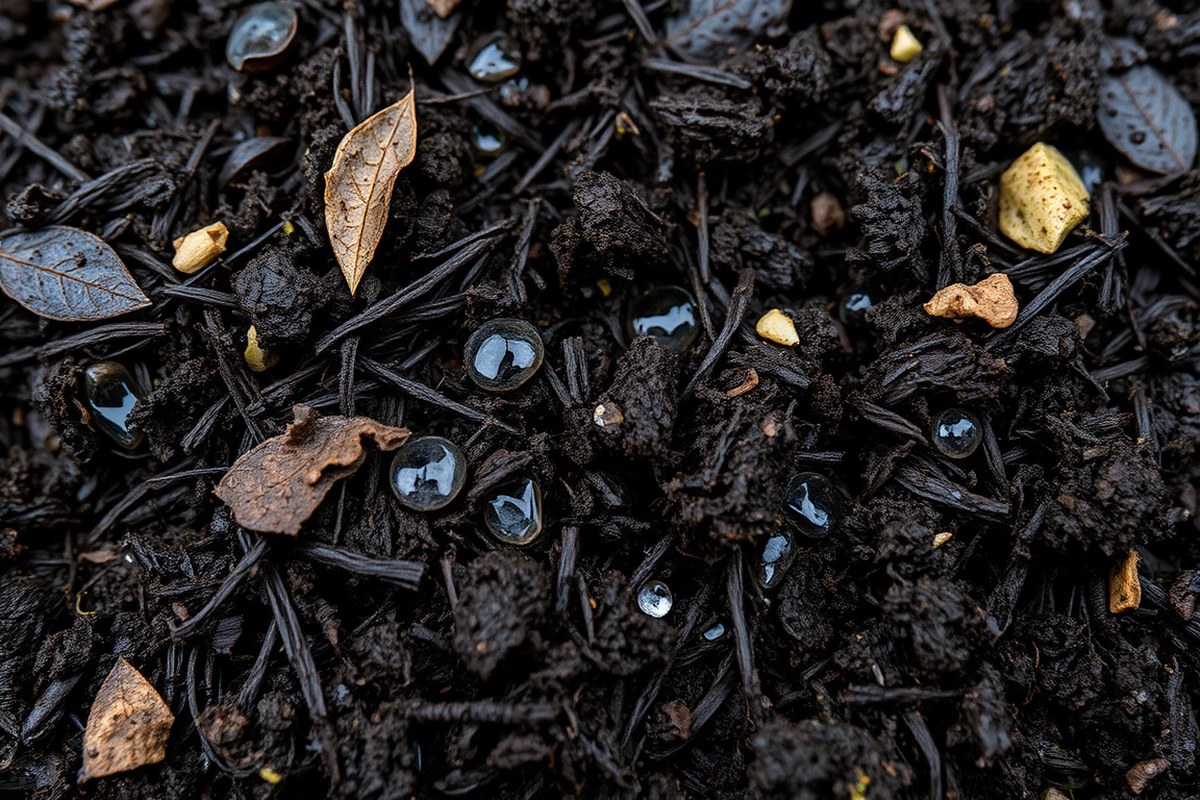
Peat is made of dead and partly broken-down plant material. It forms in wetlands where water covers the ground much of the time. This wet, low-oxygen setting stops plants from fully rotting like they would on dry land.
It’s not just plant remains. Peat contains fibers like cellulose and lignin along with some humus. This mix gives peat its dark brown color and loose, spongy feel.
According to the Department of Agriculture, peat counts as an organic soil, called a Histosol. It must have at least 20% organic matter by weight. Use 30% if the soil has heavy clay.
These amounts help soil stay healthy and loose. The ash content stays below 50%, often near 10%, showing peat’s mostly organic nature.
Peat is different from regular soils because it has much more organic material than mineral bits. It’s also richer in carbon and more acidic.
The high moisture and lack of oxygen slow microbes. So plant pieces stay visible instead of turning to dust.
This makes peat unique as a soil surface layer. Where normal soil breaks down plants quickly, peat preserves parts for thousands of years. You can spot visible plant fibres even in deep peat layers.
Peat’s unique nature comes from forming under special conditions. Waterlogging, acidity, and nutrient shortages limit decay. Those factors let dead plants build up instead of disappearing.
Because peat is not fully decomposed, it behaves differently when dried or burned. It has a fibrous, light texture that helps gardeners. Use it to lighten heavy soils or hold water better.
This makes plants grow healthier in tough soil. These features come straight from its makeup of partially rotted plants trapped in wet wetlands.
How Does Peat Form and How Long Does the Process Take?

Peat forms very slowly in waterlogged areas where plant material decays partially. It needs low oxygen, acidic conditions, and stagnant water to build up. This process can take thousands of years to produce several meters of peat.
Key Processes in Peat Formation
Peat forms from the buildup of dead plants that do not fully decompose. Waterlogged conditions limit oxygen, slowing down bacteria that break down plant matter. This incomplete decay creates the fibrous, spongy peat layer that holds a lot of moisture.
Sphagnum moss plays a major role. It absorbs water and creates acidic conditions, preserving organic material.
Other plants can contribute depending on the local environment. The constant wetness and acidity allow this organic matter to accumulate instead of rotting fully.
Typical Formation Rates and Timescales
Peat grows at roughly 1 millimeter per year at best. That means you need about 1,000 years for one meter of peat to form. Many bogs have layers several meters thick, representing thousands of years of peat building up.
Most modern peat bogs started forming after the last ice age ended around 9,000 years ago. The very slow process means peat is renewable but not quickly. Intensive harvesting can outpace natural growth and cause sustainability issues.
Environmental Factors Influencing Peat Growth
Cool, humid climates speed up peat formation, but only slightly. Peat requires stagnant water to stay oxygen-poor and prevent full decomposition. If local bacteria or erosion break down peat faster than it accumulates, peat beds won’t develop.
Soil pH usually stays low, thanks to sphagnum moss and water chemistry. Some peatlands form with different plants in warmer regions.
But water saturation is always essential. When peat dries or gets damaged, it quickly releases stored carbon back into the air.
Peatlands dry out easily if disturbed. So avoid draining or damaging them to keep peat formation ongoing.
Where Are Peatlands Found and How Extensive Are They Worldwide?
Peatlands cover around 3% of the Earth’s land surface, spanning about 3.85 to 4.1 million square kilometers. These wetlands appear across many regions, from cold northern areas to humid tropical zones. Their size and type differ widely depending on climate and geography.
Northern Peatland Distribution
Most northern peatlands are found between 40° and 65° north latitude. Large peat bogs spread across Northern Europe, including the Baltic states, Scandinavia, Ireland, and the UK. The United Kingdom has roughly 13% of the world’s blanket mire area, a peatland type common there.
Canada and northern US have huge peat deposits. Some deposits are deeper than 15 feet. These layers store a lot of organic matter.
Western Siberia also contains extensive peatlands, covering millions of square kilometers. These northern peatlands mostly form from mosses, sedges, and shrubs in wet bogs and fens.
Tropical Peatland Locations
Tropical peatlands appear in rainforest regions with high rainfall. The Amazon Basin and Congo have big tropical peat swamps. These swamps are forested and get water from rain or underground.
These areas play a key role in the global carbon cycle. These tropical peatlands often store carbon within the remains of rainforest trees.
Peat swamps in tropical areas provide homes to rare species, like the Bornean orangutan. They also hold about 10% of the world’s freshwater resources. Peatlands here differ from northern types by their dense vegetation and warmer climate.
Peatlands in Temperate Zones
Temperate peatlands can be found across the northern hemisphere, including Ireland and parts of the UK. They develop from Sphagnum mosses, as well as local shrubs and sedges. This group includes blanket bogs, raised bogs, and fens with varying sizes and water sources.
Many temperate peatlands lie on hills or mountains, but small low-lying ones remain. Many have been drained for farming or development, with about 15% of global peatlands affected. In England and Wales, most peatlands are degraded or in poor condition.
What Are the Main Types of Peat and Peatlands?
Peat types and peatlands differ based on their water source, plants, and acidity. Bogs, fens, and moors are the main categories, each with unique features. Their chemical makeup depends on how water flows through them.
Vegetation also changes based on plant types growing in the area. These factors shape their unique features and functions.
Characteristics of Bogs
Bogs get water only from rain, making them very acidic and low in nutrients. They often have thick layers of sphagnum moss that slowly build peat. This acidity limits what plants can live there, usually just moss, some shrubs, and hardy grasses.
The peat in bogs is mostly made of sphagnum moss that breaks down slowly. Because of low nutrients and acidity, decay is slow and organic matter piles up. Bog peat is more acidic than other peat types.
It also has fewer nutrients. This limits how you can use and protect it.
Features of Fens
Fens receive water from underground springs or surface drainage, not just rain. This water is richer in minerals.
So fens have higher nutrients and less acidity than bogs. Sedges, grasses, and wildflowers often grow in fens, alongside some moss.
Peat in fens contains more decomposed plant material: sedges, reeds, and brown mosses. The nutrient-rich water keeps the environment more hospitable for wildlife. Fens contribute to peat formation but the peat is less acidic and often richer in nutrients.
Unique Traits of Moors and Other Peatlands
Moors are upland peatlands often found in cooler, wetter climates. They mix features of bogs and fens. Their plants include heather, grasses, and moss.
This blend makes their ecosystems unique. Their peat traps moisture well but varies in acidity and nutrient levels depending on location.
Other peatlands include muskegs, pocosins, and peat swamp forests. These vary in water source and vegetation but all accumulate peat. Peat swamp forests grow in tropical zones.
They have different plant debris than northern bogs. This changes their makeup and environment.
| Peatland Type | Water Source | Vegetation | Water Chemistry | Peat Characteristics |
|---|---|---|---|---|
| Bogs | Rainwater only | Sphagnum moss, shrubs | Acidic, low nutrients | Acidic peat, slow decay |
| Fens | Ground or surface water | Sedges, grasses, wildflowers | Neutral to alkaline, higher nutrients | More decomposed, nutrient-rich peat |
| Moors | Mix of precipitation and drainage | Heather, grasses, mosses | Variable acidity and nutrients | Variable peat composition |
Why Are Peatlands important for Carbon Storage and the Environment?
Peatlands store an enormous amount of carbon. They hold about 550 gigatons of carbon worldwide. That’s about 30% of all soil carbon worldwide.
It also equals 75% of the carbon in the air. Soil holds a large part of Earth’s carbon. This storage doubles that of all the world’s forests.
For example, the UK’s peatlands alone store around 3.2 billion tonnes of carbon. This makes peatlands one of the Earth’s biggest natural carbon sinks.
Peat forms where the ground stays wet and acidic. Low oxygen slows down decay, so plants pile up. This buildup locks away carbon for thousands of years.
Draining peatlands can release this carbon as CO2. That adds greenhouse gases and worsens climate change. Keeping peatlands safe limits these gas emissions.
Besides carbon storage, peatlands support rich biodiversity. They provide homes for rare birds like the red-throated diver and plants such as carnivorous sundews.
Many peatlands also host unique orchids and butterflies. These habitats depend on the wet, acidic conditions peatlands maintain.
Peatlands also play a key role in water regulation. They act like natural sponges, soaking up heavy rain and slowly releasing it. This reduces flood risks in lowland areas.
Peat filters pollutants too, helping keep water clean. These water services benefit nearby communities and wildlife.
Drain peatlands for farming or fuel releases carbon and harms wildlife, so avoid disturbing them.
Maintaining healthy peatlands requires stopping drainage and damage. Restoring peatland water levels can revive their carbon storage and water functions.
This often means blocking drainage ditches and rewetting dried areas. While restoration takes time, it gradually rebuilds peat soils and protects ecosystems.
Peatlands differ globally. For example, northern bogs in Finland cover large areas and hold thick peat layers. Tropical peatlands, like those in Indonesia, hold a lot of carbon.
Burning them could release huge amounts of it. This risk threatens climate efforts globally. These fires released up to 2.57 gigatons of carbon in 1997, which surpassed emissions from fossil fuels that year.
How Is Peat Used and What Are Its Economic Applications?
Peat is harvested mainly for gardening, energy, and traditional uses. In gardening, peat is prized for its fine texture and ability to hold moisture. Nursery growers use it to start seedlings.
It helps roots grow well. It also keeps the soil light. However, countries like Finland plan to ban peat use in horticulture by 2030 to protect peatlands.
Energy production relies on peat because it burns like a low-grade coal. Finland gets about 6.It gets 2 percent of its energy from peat. That ranks it second after Ireland in peat energy use.
Peat is harvested, dried, and burned in power plants to generate heat and electricity. Over time, partially decomposed peat can turn into lignite, a cheap fuel source. Still, draining peatlands releases more carbon dioxide than burning the peat does, adding to climate concerns.
Peat also has traditional roles beyond energy and gardening. In Scotland, peat fires dry malted barley, giving whisky its unique smoky flavor. This practice adds a distinct taste that’s hard to replace.
Besides that, peat finds uses in making dyes and waxes due to its organic chemicals. Expanding these uses often means more peat extraction, which raises environmental risks.
Alternatives to peat exist, especially in gardening. Coconut coir is popular because it conserves water and air, much like peat. But most coir is imported, which adds shipping emissions.
Compost and bark mixes also replace peat but vary in quality and moisture retention. Switching requires adjusting watering and feeding practices. The tradeoff is less damage to peatlands but sometimes higher upfront costs or labor.
What Threatens Peatlands and What Are the Consequences?
Draining peatlands for agriculture, forestry, and peat extraction harms these ecosystems. When peatlands dry out, the stored carbon oxidizes and releases carbon dioxide. Globally, this damage causes about 5% of human greenhouse gas emissions.
In the UK, just 22% of peatlands stay close to their natural state. This leads to an estimated 23 million tonnes of CO2 equivalent released yearly. Losing only 5% more peatlands would equal the UK’s total annual man-made emissions.
Peat fires also contribute heavily to climate change. Burning peat emits more CO2 per energy unit than coal or natural gas. These fires speed up global warming by releasing thousands of years of stored carbon at once.
Besides climate effects, peatland degradation destroys habitats. Plants and animals adapted to these wetlands lose their homes. Water quality also drops because peatlands no longer filter and hold water properly.
Restoring peatlands is tough and takes a long time. Around 7% of peatlands worldwide have been damaged by human use. Stopping peat sales and drainage helps reduce ongoing emissions and supports ecosystem recovery.
| Source | Greenhouse Gas Emissions |
|---|---|
| Global peatland drainage | ~5% of human GHG emissions |
| UK peatlands (22% near-natural) | 23 million tonnes CO2e/year |
| Peat carbon emission per energy (IPCC) | 106 g CO2/MJ (peat) |
| Coal carbon emission per energy (IPCC) | 94.6 g CO2/MJ |
| Natural gas carbon emission per energy (IPCC) | 56.1 g CO2/MJ |
| Finland peat emissions | Over 10 million tonnes CO2/year |
Human peatland damage speeds climate change and worsens biodiversity loss. Careful peatland protection involves stopping draining and peat extraction. It also requires long-term restoration with local support to fix these wet areas.
How Can Peatlands Be Protected and Restored Effectively?
Restoring peatlands begins by blocking drainage ditches to raise the water table. This step rewets the area, stopping peat from drying and decomposing. Then, native plants like sedges and mosses are replanted to support peat formation again.
Next, controlling grazing and preventing fires helps protect the fragile peat layer. These actions reduce erosion and allow the peat to build slowly. Some projects monitor water quality and vegetation growth regularly to track success.
Policies that protect peatlands include wetlands regulations and conservation programs. Governments often restrict peat extraction and support restoration funding. For example, local laws may ban draining peatlands for farming or peat mining.
International groups like the International Mire Conservation Group push for peatland preservation. They encourage governments to keep peatlands intact and restore damaged ones. Grants and incentives also help private landowners manage peat soils sustainably.
Gardeners and the public can lower peat demand by choosing peat-free soil mixes. Using compost, coconut coir, or bark chips does the same job without harming peatlands. Avoiding products labeled “contains peat” helps reduce pressure on these ecosystems.
Buying locally produced, peat-free fertilizers and mulch supports peatland-friendly businesses. You can also raise awareness about peatland protection in community gardens and schools.
Wet peat soils can catch fire easily when dry. Never disturb or burn peatland areas.
Step-by-Step Action Plan to Support Peatland Protection
Protecting peatlands helps fight climate change and preserves nature. Here’s how you can help in simple steps.
- Day 1: Learn about local peatlands nearby. Check maps or local conservation sites to find peat areas.
- Week 1: Reduce peat use in your garden. Switch to peat-free soil or compost products and watch plant health.
- Week 2: Support peatland-friendly products. Look for labels that say “peat-free” or “sustainably sourced.”
- Month 1: Join or donate to peatland restoration projects. Visit their websites and track their restoration updates.
- Month 2: Spread the word about peatland importance. Share facts on social media or chat with friends and family.
- Month 3: Advocate for peatland protection policies. Contact local officials or sign petitions and monitor responses.
- Ongoing: Watch changes in local peatland conditions. Report damage or illegal peat extraction to authorities.
Frequently Asked Questions
Can Peat Catch Fire and Cause Wildfires?
Yes, dried peat can catch fire easily and burn underground. These fires are hard to extinguish and can last for months, causing significant air pollution.
Is Peat Considered a Renewable Energy Source?
Peat is renewable but very slow to form, about 1 mm per year. This means it takes thousands of years to replenish peat harvested for energy.
How Does Peat Impact Water Quality in Nearby Rivers?
Peatlands help filter water and keep it clean. When disturbed, they can release acids and nutrients that harm water quality downstream.
What Animals Live in Peatland Habitats?
Peatlands host specialized animals like dragonflies, amphibians, and some birds. These species depend on the wet, acidic environment peat creates.
Can Peat Be Composted or Used in Gardening Safely?
Yes, peat is often added to soil to retain moisture. Still, overuse can harm peatlands. So alternatives like coconut coir are better for the environment.
Does Peat Have Archaeological Importance?
Peat preserves ancient plants and human artifacts very well. Archaeologists study peatlands to learn about past climates and human activity.
Key Points to Remember
Peat matters for our planet and personal choices. You can make a difference by acting locally and thoughtfully. Start by choosing peat-free garden products today.