What Side Does Moss Grow on? Facts and Conditions That Really Matter
What side does moss grow on? It usually grows on the north side of trees.
That side stays cooler and shadier in summer, holding more moisture. This helps moss stay damp, which it needs to thrive.
Still, moss can grow on any side if there is enough shade and moisture. Watch for shady spots or damp crevices anywhere on the tree. These conditions invite moss growth, no matter the compass direction.
Sun exposure and wind patterns affect moss growth too. South or west sides can host moss if they stay moist long enough. Thick tree canopies might create shady areas all around the trunk.
Don’t count on moss direction alone to find north. The local environment changes where moss prefers to grow. Moisture and shade matter more than just “which side” it is.
Key Takeaways
- Moss grows best where moisture stays high, above 70% humidity.
- North side of trees is cooler and shadier in summer. So moss thrives there most often.
- Any shaded, damp side can support moss, so check all directions on a tree.
- A tree’s location and local climate influence moss growth patterns heavily.
- Don’t rely on moss to navigate or determine direction accurately.
- Moss favors shade but can grow in shady cracks or near damp ground.
Which Side Does Moss Usually Grow on and Why?
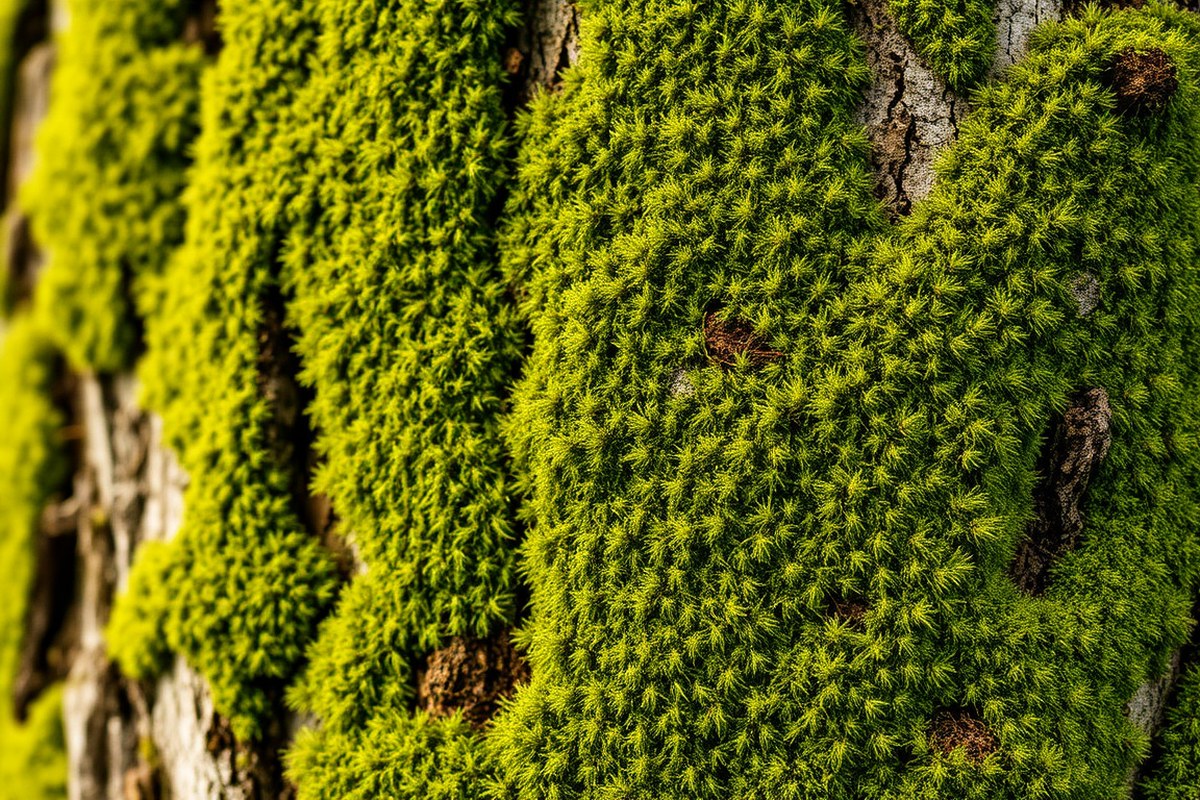
Moss usually grows on the north side of trees in the northern hemisphere. This happens because the north side is shadier and cooler. It stays that way due to Earth’s tilt.
The sunlight hits the tree mostly from one direction. Moss likes shade and moisture. So it thrives where the sun doesn’t hit directly, usually the north side.
The north side remains shaded longer, especially during summer, helping moss keep moisture. Moss needs damp environments to grow, and shaded areas lose less water to evaporation. That’s why moss often forms a green patch on that side.
Moss grows anywhere on a tree if the spot is right. Shade and moisture let moss settle on east, west, or south. In the southern hemisphere, moss often grows on the south side because sunlight is from the north.
Other factors can change moss growth patterns too. Trees in thick forests get moss all around their trunks. This happens a lot in places like the Pacific Northwest.
The damp, shady climate helps moss grow everywhere on a tree. Moss grows in shady cracks or close to the ground.
These spots hold moisture even if sunlight hits the north side. Moss finds any damp area to grow on a tree.
Relying on moss location alone to find direction can lead to mistakes. While moss prefers the north side in the northern hemisphere, it’s not a perfect compass. Look for other signs and conditions before using moss as a guide.
How Sunlight and Shade Affect Moss Growth Patterns
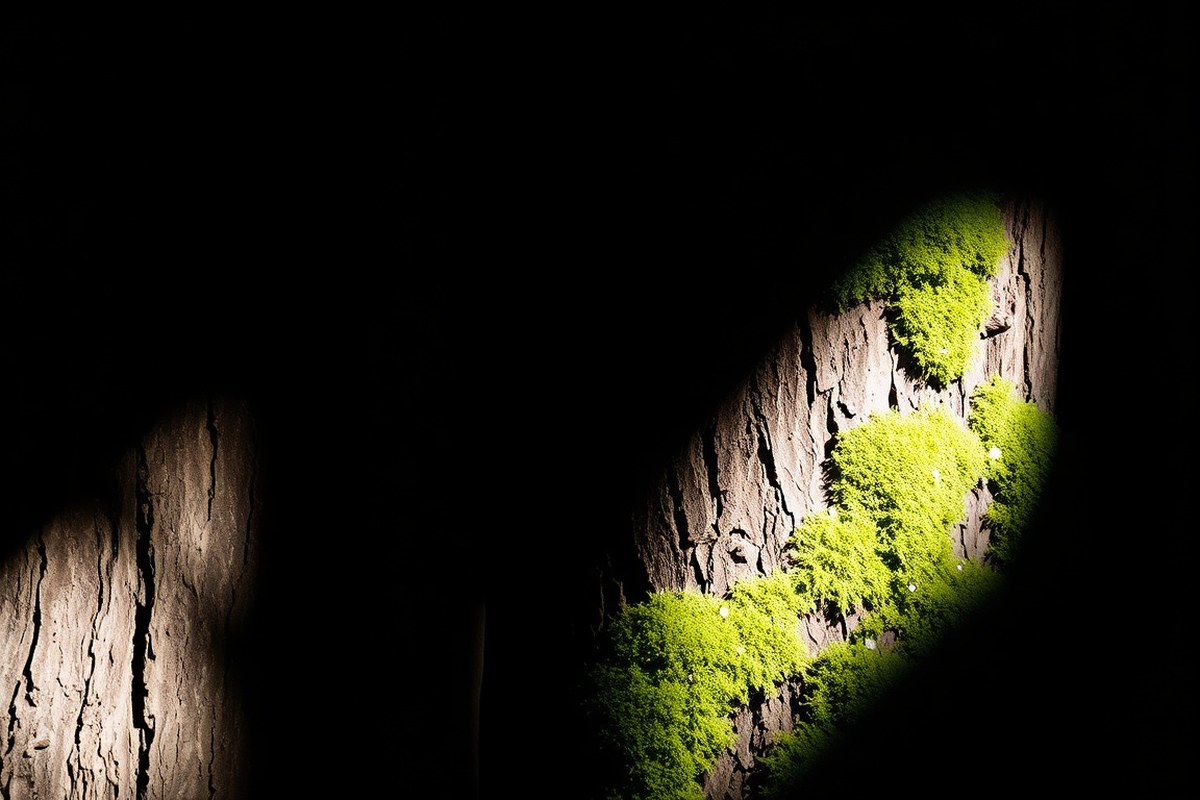
Moss thrives mostly in shaded areas because these spots stay cooler and hold moisture longer. Direct sunlight dries moss out quickly, making it harder for it to survive. That’s why moss tends to grow on tree sides or rocks that get less sun.
How Sunlight Limits Moss Growth
Sunlight warms surfaces and boosts evaporation, drying out moss quickly. Moss loses moisture faster than it can absorb water in strong sun. This stops moss from growing well on sunny, dry parts of trees or rocks.
Even a thin forest canopy can provide enough shade for moss to grow in many spots. On very exposed trees or slopes, moss may only grow in shade.
Moss grows where shade blocks direct sun most of the day. That’s why moss often prefers north or south sides depending on your hemisphere.
Shade Keeps Moss Damp and Cool
Shade helps moss by blocking harsh sunlight, which keeps the surface cooler and moist. Cooler temperatures slow evaporation, letting moss absorb and hold water longer. Moss needs relative humidity above 70 to 80 percent to survive well in most areas.
Shaded spots on trees or rocks catch less sun and stay damp after rain longer. This steady dampness supports moss growth and reproduction through spores and tiny rootlike structures called rhizoids. Without shade, moss dries out too fast to grow steady.
Why Variation Happens in Moss Location
The side of the tree where moss grows depends on surrounding conditions. Forest slope, tree height, and canopy density affect how much sunlight different tree sides get.
Small shaded spots form where moss can grow well. These spots occur even on sides usually hit by sun.
In the northern hemisphere, the north side is often shaded and moist. In the southern hemisphere, the south side tends to be the best.
Moss grows where shade and moisture fit its needs. It appears in shaded hollows or under low branches.
Practical Tip for Identifying Moss Habitat
Look for moss in places with steady shade and moisture. Forest floors or thick tree clusters often have this environment.
Differences in Moss Growth Between Northern and Southern Hemispheres
The side moss grows on depends on the sun’s path and shading. In the Northern Hemisphere, moss usually grows on the north side. That side gets the least sun since the sun moves through the southern sky.
In contrast, the Southern Hemisphere sees the opposite. There, moss tends to grow on the south side where it’s shadier.
The Earth’s curvature affects which side gets more sunlight. The sun’s angle changes how shadows fall and where shade sticks.
Moss likes shade and moisture, so it grows where the sun hits least. This is why moss grows on different sides depending on your hemisphere.
Here is a quick guide to how moss growth shifts with hemisphere and sun position:
| Hemisphere | Sun’s Path | Shadier Tree Side | Common Moss Growth Side |
|---|---|---|---|
| Northern | Sun moves east to west through south sky | North side | North side |
| Southern | Sun moves east to west through north sky | South side | South side |
This pattern isn’t a strict rule. Local features like hills, trees, or buildings block sunlight unevenly.
For example, a tree near a hill may have moss on a different side. Moss still favors the least sunny side, but nearby shade can change that.
The idea that moss only grows north in forests helped with navigation. It gave people a natural compass when maps were scarce. But moss doesn’t only grow there.
Its growth shifts with Earth’s hemisphere and local conditions. So relying solely on moss as a guide is not accurate.
Environmental and Tree Factors Influencing Moss Growth Location
Moss grows where conditions offer enough moisture and shelter. Humidity, bark texture, tree health, and terrain slope all shape moss’s exact spots on a tree. These factors decide where moss spores can settle and thrive long term.
Humidity and Moisture Levels
Moss needs steady moisture, so areas with higher local humidity favor its growth. If rain or dew collects more on one side of a tree, moss can thrive there.
Places near water like streams or shaded valleys keep humidity higher. That boosts moss growth, especially on tree sides protected from drying winds.
Tree Bark Texture and Surface Features
Rough bark with cracks and grooves gives moss a place to anchor. These uneven surfaces trap moisture and protect spores from wind and sun.
Smooth bark types, like those on young beech trees, don’t hold moss well. Older trees with rough bark often show more moss, since spores find better grip.
Tree Health and Moss Presence
Unhealthy trees, like stressed fruit or azalea trees, tend to host more moss. Sudden moss growth could warn of early tree issues.
But healthy trees can also support moss if environmental conditions fit. Moss isn’t always a sign of trouble. But check tree condition if moss appears rapidly.
Terrain Slope and Wind Exposure
Terrain affects where wind and rain hit a tree. Moss often grows on sides sheltered from drying winds.
Slopes facing prevailing winds see less moss, while leeward sides collect more moisture. Dripping water from higher branches also encourages moss on lower bark.
- Higher humidity levels boost moss survival
- Rough, cracked bark helps spores anchor
- Unhealthy trees may develop moss faster
- Sheltered sides of trees trap more moisture
- Nearby water raises local humidity
- Wind exposure dries bark and limits moss
- Terrain slope changes water runoff patterns
Shaded, moist spots on trees are best for moss growth. Local conditions matter more than orientation. Watch bark texture and tree health to predict moss locations better.
Common Myths About Moss Growth and How to Avoid Misleading Conclusions
Moss does not grow only on the north side of trees. So it’s not a reliable way to find north in the forest.
This idea comes from old survival stories but overlooks many natural factors that influence moss growth. Relying on moss alone for navigation can lead to mistakes, especially in complex forests.
Origins of the North Side Moss Myth
People saw moss was thicker on one side of trees. They linked it to the north side in the northern hemisphere. The north side gets less sunlight than the south side.
Early hikers and hunters passed this tip along as a simple way to find direction. Over time, that easy shortcut became a popular but oversimplified truth.
This myth ignores the fact that many forests have uneven shade patterns and local conditions. Some people say moss grows more on the south side. This depends on the location.
So, the moss direction idea is not always true. The story sticks because it’s easy to remember and shares a bit of natural lore.
Real-World Exceptions and Variations
Moss growth depends on moisture, shade, and tree species. It also depends on the density of the forest. These factors change where moss grows thickest.
The north side rule fails more in dense forests. Sunlight comes from many directions there.
This makes moss grow on different tree sides. Moss can appear equally or more on other sides of trees.
Seasonal weather and local climate can change where moss thrives. In some areas, moss even grows thickest on the south side, facing afternoon shade. Because moss renews itself when rubbed off, it does not favor one side permanently.
Safe Navigation Tips Beyond Moss
To find north, moss alone won’t work well for you. You must check many other factors first. Moss is not a reliable compass on its own.
The sun’s position offers a clearer guide, especially if you know the time of day. Other natural signs, like the direction of wind-blown branches, can help too.
Try using moss as a rough guide if you want. Follow these steps, but don’t count on moss only. Use moss along with other methods to find north.
- Stop and observe multiple trees, not just one.
- Check for obvious shade directions and moisture levels.
- Note the position of the sun to estimate direction.
- Compare moss patterns across several trees.
- Use your watch or a natural clock to orient using the sun.
- Combine moss clues with other features like wind or landscape.
- Keep a compass on hand for accurate navigation.
Don’t use moss alone to find north; many factors influence where it grows.
How Moss Reproduces and Thrives Without Roots on Vertical Surfaces
Moss grows without roots by absorbing water and nutrients directly through its leaves. It clings tightly to surfaces like tree bark, but it doesn’t harm the tree. Instead, moss lives independently, using moisture from rain, dew, and humidity around it.
Moss reproduces using tiny spores, not seeds like other plants. These spores spread through the air, landing on moist, shaded areas where they can grow.
Once spores settle, they can grow into new moss plants. The environment must stay damp for this to happen.
The moss lifecycle includes a small, green structure that produces spores. After spores release, they need wet conditions to sprout and anchor onto surfaces.
Moss thrives best where moisture and shade stay steady. These spots include forest floors and tree trunks.
Because moss lacks roots, it doesn’t take nutrients from its host trees. It simply absorbs whatever it needs through its surface cells. Moss doesn’t compete with trees for nutrients or space.
It also doesn’t harm the tree bark. That’s why it’s safe on living trees.
Moss requires steady moisture to survive. Dry spells can cause moss to go dormant, but it quickly revives after rain.
Moss usually grows in shady, humid places. You’ll find it along streams or on the north side of trees.
Temperature also affects moss growth, with most varieties preferring cool, damp climates. The Royal Horticultural Society says mosses do well between 50°F and 70°F. That’s about 10°C to 21°C. Too hot or dry. Moss struggles to sustain itself.
Moss spores landing on tree trunks cling tightly with thin threadlike cells. These cells help moss hold on.
This grip helps moss resist being washed away by rain or wind. It’s a slow grower, needing months to fully cover a tree’s bark.
Moss tends to grow where moisture collects. Look for it by streams and on shaded branches.
Moss growth slows or stops when the environment dries out. That’s why moss is a good indicator of a wet or humid microhabitat on trees.
Seasonal and Weather Variations in Moss Growth on Different Tree Sides
Moss growth changes with the seasons because moisture and sunlight vary throughout the year. In spring and fall, rain and cooler temperatures boost moss growth on shaded tree sides. During winter, moss may grow more on the south side.
This side is warmer and less frosty. That helps moss survive cold climates better.
Air circulation affects where moss grows on trees. It changes how wet or dry the bark stays. Wetter areas help moss live longer.
Higher moisture in fall and spring helps moss spread evenly. But dry summer air often limits growth to spots with shade and less wind. South-facing bark gets more sunlight in winter.
This melts ice faster on that side. Moss survives better there than on colder north sides.
The exact patterns depend on local weather and tree position. Trees near streams or in valleys often have moss on sides with steady humidity year-round. In dry places, moss usually grows on north or east sides.
Wet winters let moss grow anywhere with moisture. Moss needs wet spots to pop up. You’ll notice moss thickens where moisture lives longest after rain or snow melts.
To see these shifts yourself, check the same tree at different times of year. Look closely at bark moisture and sunlight after rain or snow. Moist drift from storms or heavy dew can change moss spots in weeks.
This natural variation means moss presence can’t only tell direction. It also reveals seasonal moisture patterns around your outdoor space.
When Moss Growth May Indicate Tree Health or Require Intervention
Moss growing on tree bark generally isn’t harmful. It mainly uses the tree as a surface to latch onto. It doesn’t take nutrients from the tree itself.
Thick moss holds moisture against the bark. This can lead to fungal growth. It may cause bark decay over time.
Besides a potential risk for bark damage, moss itself doesn’t cause tree health problems. Seeing a lot of moss sometimes means the tree lives in shade. The spot is usually damp and shaded.
These conditions can stress the tree. They may slow growth too. This is worse if the tree prefers sun and dry air.
Watch for brittle or discoloured leaves. Also look for dead branches or peeling bark. These show real health issues.
Moss presence alone rarely needs removal unless symptoms show. Also, heavy moss growth might hide pests or disease, so inspect the trunk carefully.
Decide to remove moss when it’s thick enough to trap wetness and harm bark. Use a soft brush and gentle water spray to avoid damaging the bark.
Avoid power washing or scraping. Moss removal products usually cost $15 to $30 and may need reapplication in wet climates.
For large trees or severe moss build-ups, consider getting a certified arborist. They can check for deeper problems and suggest treatments to protect the tree.
This service may cost $100 or more but helps prevent bigger issues later. Removing moss on shady, moist trees can improve airflow and reduce fungi risks.
Remove moss gently using a soft brush and water to avoid hurting the bark. Harsh scraping can open wounds that invite disease.
Keep in mind some mosses provide habitat for insects and retain soil moisture nearby. So removing it isn’t always necessary. Trees in dry, sunny areas rarely get harmful moss growth.
Notice moss coverage over half the trunk or branches. This is more critical in shady woods or gardens.
Step-by-Step Action Plan to Observe Moss Growth on Trees
Follow these steps to see where moss grows best and learn what affects it. Each step helps you confirm your observations through simple checks.
- Day 1: Choose a shady tree and look closely at all sides. Grab a notebook and mark where moss shows up.
- Week 1: Check the sun’s path near your tree to see which sides get more light. Note if moss prefers shaded areas.
- Week 2: Visit trees in different spots, both wet and dry places. See how moisture changes moss growth patterns.
- Week 3: Compare trees in the northern and southern parts of your area. Watch for differences in moss location.
- Month 1: Observe trees after rain or cold weather. Moss may grow more or less, so take photos to track changes.
- Month 2: Look at moss on various tree types. Notice if bark texture or tree health affects moss patches.
- Month 3: Try gently touching moss on different sides. Softer, wetter moss shows active growth. Record which side is healthiest.
Frequently Asked Questions
What Side of a House Does Moss Grow On?
Moss usually grows on the side of a house that gets the least sunlight. This side stays moist longer.
Moss can stick well here. It grows best on wood or brick surfaces.
Can Moss Grow on Any Side of a Tree?
Moss grows anywhere on a tree if it’s dark and damp. Thick leaf cover lets moss grow all around the tree.
What Does It Mean When Moss Grows on the North Side of a Tree?
Moss growing on the north side usually means that side gets less sun and more shade. This keeps the surface wetter for longer.
Moss finds it easier to live there. It’s common in northern woodlands.
Does Moss Really Only Grow on the North Side of a Tree?
Moss does not only grow on the north side of trees. Moss likes shade a lot.
It can also grow in any damp and shady place. You might find it on south or east sides.
Why Isn’t Moss a Reliable Way to Find North in the Forest?
Moss grows wherever the shade and moisture are, not just facing north. Moss may not always point north.
It can confuse hikers in thick or mixed forests. Don’t use it alone to find direction.
How Does Weather Affect Where Moss Grows on a Tree?
Damp and cool weather encourages moss to grow on many tree parts, not just one side. After rain, moss might spread around. But in drought, it shrinks to shaded, wet spots.
Final Thoughts
Moss mostly grows on the shadier, cooler, and damper sides of trees. Pay attention to light and moisture to find it quickly. Try your observations today and see how nature’s clues match what you learned.