When to Plant Sugar Snap Peas: A Complete Guide for Your Best Crop
When to plant sugar snap peas depends mainly on soil temperature. Aim for soil that’s between 45°F and 65°F. Planting in this range helps seeds sprout and grow without trouble. Cooler soil slows growth, while hotter soil can prevent seeds from sprouting.
For a fall crop, plant your peas about 10 weeks before the first frost. This timing gives the peas time to mature before cold hits. Peas thrive in cool weather between 55°F and 70°F, which helps pods stay tender and sweet.
Start by checking local frost dates and soil warmth. Avoid planting when the ground is too hot or freezes frequently. Also, soak the seeds overnight to speed up germination if you want an earlier start.
Plant peas in well-drained soil with plenty of sunlight. Water regularly but don’t let the soil stay soggy. Careful planting lets you enjoy a solid harvest of crisp, fresh peas.
Key Takeaways
- Sow sugar snap peas when soil temperature reaches 45°F to 65°F.
- For fall planting, sow peas 10 weeks before the average first frost.
- Plant peas 4 weeks before the last spring frost for an early crop.
- Cool weather between 55°F and 70°F promotes healthy sugar snap pea growth.
- Soaking seeds overnight can help peas sprout faster.
- Peas stop producing pods when temperatures go above 80°F.
Best Time to Plant Sugar Snap Peas by Climate

Sugar snap peas thrive when planted as soon as the soil temperature hits 45°F to 65°F. The soil should be moist but not soggy. This is called workable soil.
This usually happens in early spring. In colder zones, soil warms later, so planting happens later than in milder climates.
Climate and USDA hardiness zones shape when to plant sugar snap peas. In zone 7, for example, planting early spring is best to avoid heat stress.
You can also plant in early fall, about 10 weeks before the first frost. This timing lets peas mature in cool weather again before freezing stops growth.
| Factor | Details |
|---|---|
| Soil Temperature for Planting | 45°F to 65°F (7°C to 18°C) |
| Preferred Planting Seasons | Early spring and early fall |
| Planting Time Before Frost | Spring: 4 weeks before last frost Fall: 10 weeks before first frost |
| USDA Hardiness Zones | 3 to 10 |
| Time to Maturity | 50 to 75 days, varies by variety |
Plant sugar snap peas about four weeks before your area’s average last frost date. This lets seeds germinate in cool, moist soil before temperatures rise.
For fall planting, count back 10 weeks from frost. This helps peas mature properly.
Sugar snap peas don’t handle heat well. High soil or air temperatures slow growth and reduce yield.
Planting too late in spring risks summer heat, which causes poor pod development. Fall plantings should finish before frost hits, as cold can kill the plants quickly.
Soil Preparation and Ideal Conditions for Planting

Sugar snap peas grow best in well-draining soil with a pH between 6.0 and 7.5. Preparing the soil includes testing its pH, loosening it, and adding organic matter. These steps help seeds germinate quickly and develop strong roots.
Ideal Soil pH and Drainage Requirements
Sugar snap peas like soil that is slightly acidic to neutral. The best pH to aim for is between 6.0 and 7.5, which lets peas absorb nutrients properly. Your soil being too acidic or alkaline can slow pea growth.
Drainage matters because peas don’t like soggy soil. Standing water can rot their roots and stop seeds from sprouting.
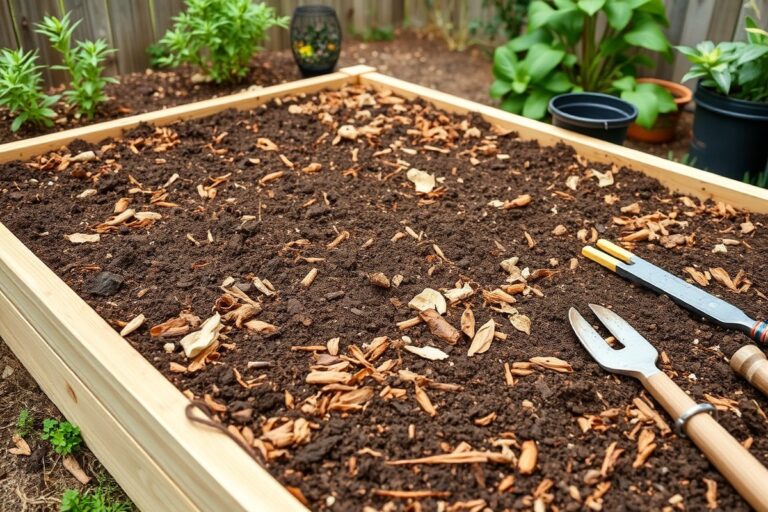
Raised beds work well when your soil holds too much water. They help your peas start better.
Steps to Prepare Soil Before Planting
Preparing your soil well helps seeds sprout evenly and quickly. You need to test your soil’s pH and loosen the surface for good root growth. Adding compost adds nutrients and improves soil texture.
Follow these steps to get your soil ready:
- Test soil pH using a home kit or local extension service.
- Add lime to raise pH if below 6.0 or sulfur to lower pH if above 7.5.
- Clear the area of weeds and debris to reduce competition.
- Loosen soil to about 8 inches deep with a garden fork or tiller.
- Mix in 2 to 3 inches of compost for nutrients and better drainage.
- Level the soil surface and check for any clumps or hard spots.
- Water lightly if soil is dry to prepare for seed planting.
Adding too much nitrogen fertilizer can harm peas since they fix their own nitrogen.
Testing Soil Temperature and Moisture
Seeds germinate best when soil temperature is around 45°F to 75°F. You can use a soil thermometer to make sure it’s warm enough before planting. Planting too early in cold soil can cause seeds to rot or sprout slowly.
Check soil moisture by squeezing a handful of soil. It should feel moist but not soggy. Avoid planting right after heavy rain because wet soil clumps can block seed growth.
Choosing Sugar Snap Pea Varieties for Your Growing Season
| Variety | Description | Best For |
|---|---|---|
| Sugar Ann | Compact and early-maturing; produces sweet, crisp pods | Small gardens or container growing |
| Super Sugar Snap | Vigorous vines with high yields and disease resistance | Long harvest periods and warm regions |
| Sugar Daddy | Stringless pods with short vines; easy to maintain | Beginners or limited garden space |
| Cascadia | Thick, juicy pods; strong disease tolerance | Consistent results in variable climates |
Sugar snap peas usually take 60 to 70 days from sowing to harvest. Choose varieties based on how much time you have and your space. For short seasons or containers, pick early-maturing types such as Sugar Ann.
It grows about 2 feet tall and does not need a trellis, which fits small spaces or pots at least 12 inches deep and 18 inches wide. Longer-season gardeners with chilly springs might prefer Super Sugar Snap. It takes closer to 70 days but produces large pods and lots of peas on vigorous vines.
You will need a tall trellis, about 5 to 6 feet, to support these plants. Sugar Daddy features short vines and stringless pods, making it good for beginners or limited garden areas. When picking your sugar snap variety, think about your frost dates and growing season length.
Plant early-maturing types two weeks before your last frost date to get a good harvest. Varieties with longer maturity might need you to start seeds indoors or choose a warmer climate area. Matching the variety to your season and space reduces the risk of poor yields or stunted pods.
In containers, compact varieties are easiest to handle and maintain their soil moisture more evenly. Larger vine types need more room and strong support to grow well.
Choose your variety by considering your specific climate, available space, and how long you want to harvest. Your decision influences not just when to plant but also how to care for your sugar snap peas.
How to Plant Sugar Snap Pea Seeds for Best Results
Direct Sowing: Timing, Depth, and Spacing
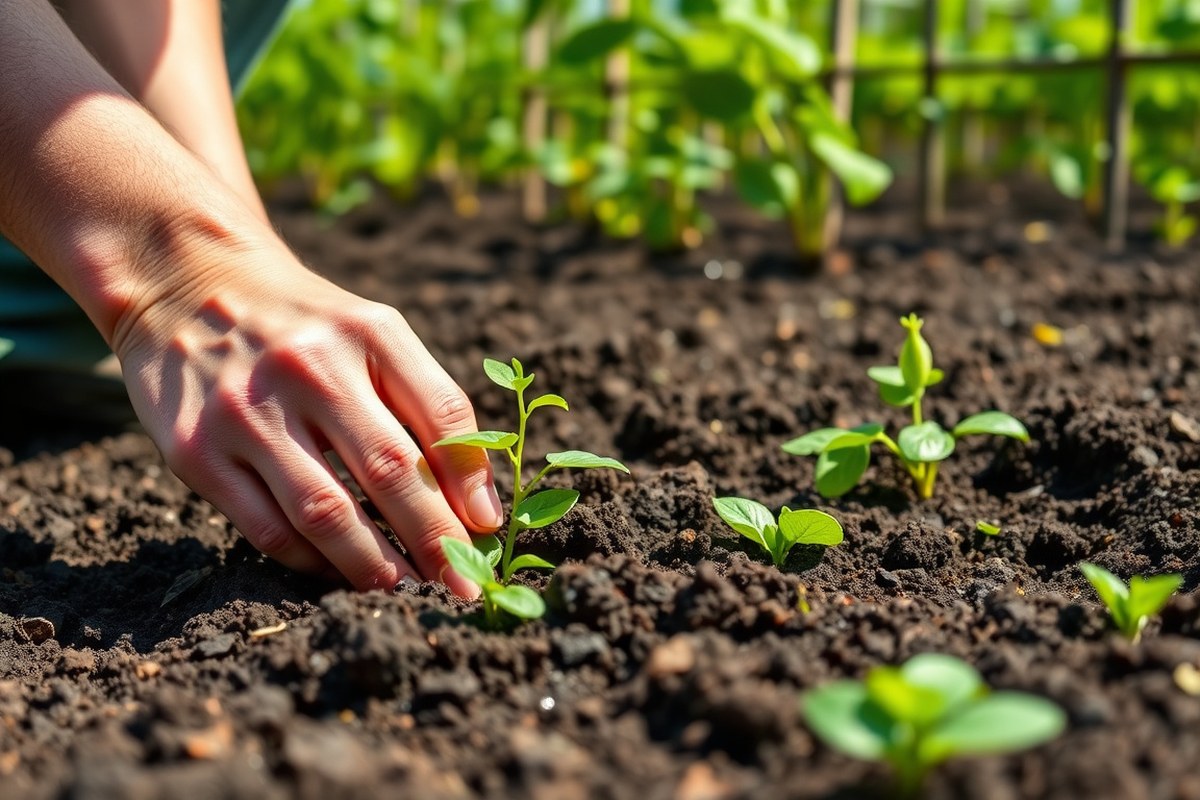
Plant sugar snap pea seeds directly in your garden after the last frost. Sow them 1 inch deep for best germination and easy growth. Space seeds 2 to 3 inches apart in each row.
Leave 18 to 24 inches between rows for growing. This spacing helps plants get enough room and light.
Choosing the right spacing depends on the variety. Use 3-inch spacing for vining sugar snap pea types.
This distance suits their climbing growth habit well. For shorter bushes, spacing seeds 5 inches apart helps them grow well without crowding.
Follow these steps for direct sowing:
- Pick a sunny garden spot with loose soil.
- Mark rows 18 to 24 inches apart for planting.
- Dig a shallow trench about 1 inch deep along each row.
- Place seeds 2 to 3 inches apart in the trench.
- Cover seeds gently with soil, then press lightly.
- Water the area well but avoid washing seeds away.
- Keep soil moist until sprouts appear in about 7 to 14 days.
Starting Seeds Indoors: When and How
Starting sugar snap peas indoors helps you get an early jump on the season. Plant seeds in pots or seed trays 4 to 6 weeks before the last frost date. This means planting indoors around March for many regions.
Choose a regular potting mix with drainage holes in trays or pots. Plant seeds 1 inch deep, spaced 2 inches apart in bigger pots. Keep soil warm, between 55 and 70 degrees Fahrenheit, and moist for best sprouting.
Transplant seedlings outdoors when they reach 3 to 4 inches tall. Make sure the outdoor soil temperature is near 45 to 55 degrees Fahrenheit to avoid shock. Harden off seedlings for a week by gradually exposing them to outdoor conditions.
Benefits and Method of Soaking Seeds Before Planting
Soaking sugar snap pea seeds overnight helps speed up germination. Soaking softens the seed coat, letting roots and sprouts break through faster. This can cut down the waiting time by 2 to 3 days.
To soak seeds, place them in a bowl of lukewarm water for 8 to 12 hours. Drain the water and plant seeds immediately after soaking. Avoid soaking longer than 12 hours to prevent seed damage or rotting.
Not soaking seeds isn’t harmful, but soaking gives sprouting a gentle boost. For colder soils or slower starts, soaking is especially helpful. It’s a low-effort step that can improve your early results.
How Temperature and Weather Influence Sugar Snap Pea Growth
Sugar snap peas grow best when temperatures stay between 55°F and 70°F. Planting too early or too late slows growth and reduces pod production. These peas prefer cool weather. So aim to plant when daytime highs stay below 75°F.
Frost can damage sugar snap peas, but young seedlings tolerate light frost if brief. Avoid planting when a hard freeze is expected since frozen plants usually die.
After planting, cover peas overnight if frost is forecast. Use cloth or plastic that lets air in.
Daytime temperatures over 80°F can stop pod production entirely. High heat stresses the plants and forces them to focus on survival rather than making pods. You’ll notice fewer flowers and swollen pods drying out quickly.
Plan to harvest before hot weather arrives. Choose fast-maturing early varieties.
Plant sugar snap peas once soil warms to between 40°F and 70°F. This helps prevent frost and heat damage while keeping pods growing.
Extending Your Sugar Snap Pea Season with Successive Plantings
You can plant sugar snap peas multiple times yearly by timing sowings in spring and fall. Choose fast-maturing varieties for quick harvests and sow more seeds 8 to 10 weeks before frost. This gives you a longer or second crop in many zones.
Planning Spring and Fall Successive Sowings
Start planting sugar snap peas early in the spring, depending on your zone. For USDA zones 5 to 6, sow seeds from mid-March to mid-April. After the first harvest, plant again from mid-July to early August for a fall crop.
Zones 7 to 8 let you sow earlier in spring, from February. You can also plant in fall between August and early September. These zones give two good planting windows.
Plant fall crops at least 8 weeks before the first frost. This gives the plants time to fully grow. Check your local frost dates to plan right.
- Sow first seeds 2 to 4 weeks before the last expected frost.
- Plant again 8 to 10 weeks before your area’s first fall frost.
- Use row covers or cold frames in zones with shorter growing seasons.
- Choose early varieties for late spring planting to avoid heat damage.
- Plant fall crops in shaded, cooler spots to avoid heat stress.
In colder zones 3 to 4, fall sowing is not usually recommended unless using covers. However, warmer climates like zones 9 and 10 allow year-round pea growing with multiple successions.
Best Varieties for Multiple Harvest Cycles
Fast-maturing varieties make it easier to get two or more harvests per year. ‘Sugar Ann’ matures in about 54 days, making it ideal for late spring plantings. This variety suits late starts well.
It still gives a good yield before summer heat arrives. You won’t lose harvest quality planting later.
Choose heat-tolerant types like ‘Super Sugar Snap’ for warmer zones or late fall plantings. ‘Sugar Sprint’ is another early variety good for zones with unpredictable fall weather. These options handle temperature changes better and mature quickly.
Adjusting Planting Depth and Location for Late Season
Plant sugar snap peas slightly shallower in fall to speed up sprouting. Aim for about 1 inch deep instead of 1.5 inches used in spring. This helps seedlings break through cooler soil faster.
Pick a location that stays cooler but gets plenty of sunlight in fall. Shade cloth or partial shade helps pea plants avoid heat stress during warm autumn days. Avoid spots that hold too much moisture to cut disease risk.
Supporting and Caring for Sugar Snap Peas After Planting
Sugar snap peas climb, so setting up a trellis early is key. Install it right after planting or when seedlings reach 2 to 3 inches tall.
Use a 4-6 foot tall support. This keeps vines off the ground and cuts down disease risks.
For short or bush-type peas, a trellis isn’t needed. Check your seed packet for plant height and climbing needs before planning your supports. Vining peas cling better if you use twine or netting on the frame for their tendrils.
Water sugar snap peas consistently to keep soil moist but not soggy. Aim for about an inch of water weekly, adjusting for rainfall.
New plants suffer if soil dries out or stays too wet. So choose a spot with good drainage.
Fertilize lightly once seedlings emerge, using a balanced, all-purpose fertilizer like 10-10-10. Too much nitrogen makes lots of leaves but fewer pods. A teaspoon of fertilizer per square foot every three weeks usually works well.
Protect young pea plants from pests such as aphids. Use a strong water spray to knock them off. If needed, apply insecticidal soap to control them.
Remove nearby weeds that attract bugs or diseases. Early care reduces stress, helping peas grow stronger.
- Install a 4-6 foot trellis at planting or when seedlings reach 2-3 inches
- Use twine or netting for vining peas to help tendrils grip
- Water about 1 inch per week, keeping soil moist with good drainage
- Fertilize lightly with 10-10-10 every three weeks after sprouting
- Spray pests like aphids with water or insecticidal soap early
- Keep the area weed-free to lower disease and pest risks
Vines that climb on supports grow straighter and produce more pods. When peas stay off wet soil, you get fewer diseases like powdery mildew. Make sure watering is consistent, so the plants don’t wilt or develop small pods.
Common Planting Mistakes and How to Avoid Them
Plant sugar snap peas after soil warms and dries a bit. Cold, wet soil can make seeds rot or sprout slowly. Waiting helps seeds grow faster and healthier.
Wait until soil temperatures reach about 40°F to avoid this. Planting too late shortens the harvest time and may lead to poor pod development.
Sowing seeds too deep or too close reduces germination and growth. Plant sugar snap pea seeds 1 to 1.5 inches deep, spaced 2 inches apart. This spacing ensures good air circulation and room for roots to grow.
Planting near walls or solid fences restricts airflow and sunlight. This can cause damp soil conditions and poor plant vigor. Choose open spots with at least six hours of sunlight daily.
Seeds that don’t germinate well often face soil or moisture issues. Hard, compacted soil or uneven watering can block sprouting. Loosen soil to a fine texture and keep it evenly moist, not soggy, during germination.
- Don’t plant in soggy or frozen soil; wait until soil is workable.
- Check seed depth, too deep delays or blocks sprouting.
- Space seeds to prevent crowding and improve airflow.
- Avoid planting near walls or fences that block sun and air.
- Keep soil moist during germination; avoid drying out or flooding.
- Use fresh, untreated seeds to improve sprouting chances.
- Prepare soil well before planting for better root development.
Fix slow germination by soaking seeds in cool water overnight before planting. This softens seed coats and speeds sprouting. Notice poor growth?
Test the soil drainage. Add compost if soil stays too wet.
Plant sugar snap peas in open, sunny areas to keep soil dry and healthy.
Each mistake affects your harvest. Timing and soil prep need time to do right. They help grow strong plants with tasty peas.
Good care now means a better harvest later. Avoid rushing to plant or crowding seeds for best results.
Step-by-Step Action Plan for Planting Sugar Snap Peas
Start by planting your sugar snap peas at the right time. Follow a few simple steps to help them grow well.
Doing this will give them a strong start. Check each step before moving on to the next.
- Two weeks before planting: Prepare soil by loosening and adding compost. Soil should feel crumbly and drain well.
- One week before planting: Pick a sugar snap pea type that fits your area’s climate. Make sure it matches your growing season, too. Read seed packet info for days to harvest.
- 1 to 2 days before planting: Soak pea seeds overnight to speed germination. Seeds should swell but not sprout yet.
- Day of planting: Plant seeds 1 inch deep in rows or containers. Soil temperature must be at least 40°F for best germination.
- First week after planting: Keep soil moist but not soggy. Seeds should sprout within 7 to 14 days.
- Two weeks after planting: Set up supports like trellises or stakes. Pea vines grow up quickly and need room.
- Throughout growing season: Water regularly, especially in dry weather. Watch for pests and remove any damaged leaves early.
- After 50 to 70 days: Begin harvesting pods when they look full and green. Pick peas often to encourage more pods.
Frequently Asked Questions
How Do I Know the Soil Temperature Before Planting Sugar Snap Peas?
Use a soil thermometer to check the temperature at seed depth. Plant when soil hits 45°F to 65°F for proper germination and growth.
Can I Plant Sugar Snap Peas Directly After the Last Frost?
Plant about two weeks before the last frost for early growth. This timing helps peas get started before warmer weather sets in.
Is It Better to Plant Sugar Snap Peas in Spring or Fall?
Both work, but fall planting should be about 10 weeks before the first frost. Fall peas often taste sweeter due to cooler growing conditions.
How Deep Should I Plant Sugar Snap Pea Seeds?
Plant seeds 1 inch deep to encourage strong root growth. Planting deeper can delay sprouting and stunt seedlings.
Should I Water Sugar Snap Peas Immediately After Planting?
Yes, water gently right after planting to settle the soil around seeds. Keep soil moist but not soaked for best germination.
How Does Consecutive Planting Affect My Sugar Snap Pea Harvest?
Planting in intervals can extend harvest time over several weeks. It spreads out pea maturity for fresh pods longer.
The Bottom Line
Plant your sugar snap peas when soil is ready and the weather is cool. Use good soil prep and pick a proper variety. Start planting today to enjoy fresh peas soon.