How to Start Strawberry Seeds Indoors: A Complete Guide for Successful Germination
Knowing how to start strawberry seeds indoors sets you up for sweet rewards. Plant the seeds 10 to 12 weeks before your area’s last spring frost date. Starting early helps seedlings grow strong before moving outside.
Begin by chilling your strawberry seeds in the refrigerator for no less than 30 days. This cold period stimulates sprouting and raises the chance of germination. Then, sow the seeds in a seed-starting medium maintained at 65 to 75°F.
Keep the soil moist but not soggy while waiting for sprouts. Provide 12 to 16 hours of light daily to keep seedlings from getting leggy. With good care, your strawberry plants will thrive and bear fruit for about four years.
Key Takeaways
- Start strawberry seeds indoors 10-12 weeks before last spring frost date.
- Chill seeds in fridge at least 30 days before sowing for best germination.
- Sow seeds in moist seed-starting mix at 65-75°F for ideal growth.
- Make sure your seedlings get 12 to 16 hours of light each day. This amount of light stops the plants from growing tall and weak.
- Keep soil moist but avoid overwatering to protect seedling roots.
- Use seeds under 2 years old for better sprouting success.
How to Start Strawberry Seeds Indoors Step by Step

To start strawberry seeds indoors, prepare to follow a simple sequence of steps. You need good seed-starting mix and clean containers with drainage. Use strawberry seeds less than two years old.
Keep a fridge ready for chilling seeds. First, chill the seeds in the fridge.
Then sow carefully in moist soil. Keep seeds warm so they can sprout well.
Chilling the seeds mimics winter conditions, which helps them germinate better. Plant seeds 10 to 12 weeks before your last frost date. This helps seedlings get a head start.
Timing matters for healthy growth. After sowing, keep soil moist and warm for two weeks.
Wait until you see sprouts appear. Patience helps seedlings grow strong.
- Place strawberry seeds in a damp paper towel or small container. Put them in the refrigerator for 30 days.
- Fill seed trays or containers with moist seed-starting mix. Make sure it drains well to avoid soggy conditions.
- Gently press 2 to 3 seeds on the surface of each soil cell. Do not cover seeds with soil; they need light to sprout.
- Keep the planted seeds in a warm spot around 65 to 75°F. Use a heat mat if needed to maintain temperature.
- Cover containers with clear plastic or a humidity dome to hold moisture. Open daily to allow air flow and prevent mold.
- Water gently with a spray bottle or bottom watering. Keep soil moist but not soaked. Overwatering can harm seedlings.
- Watch for germination, which can take from 10 days to up to 5 weeks. Be patient and steady with care.
- Thin seedlings once they have 2 to 3 true leaves. Keep the strongest seedling in each cell. This helps healthy growth.
When and How to Prepare Strawberry Seeds for Best Germination
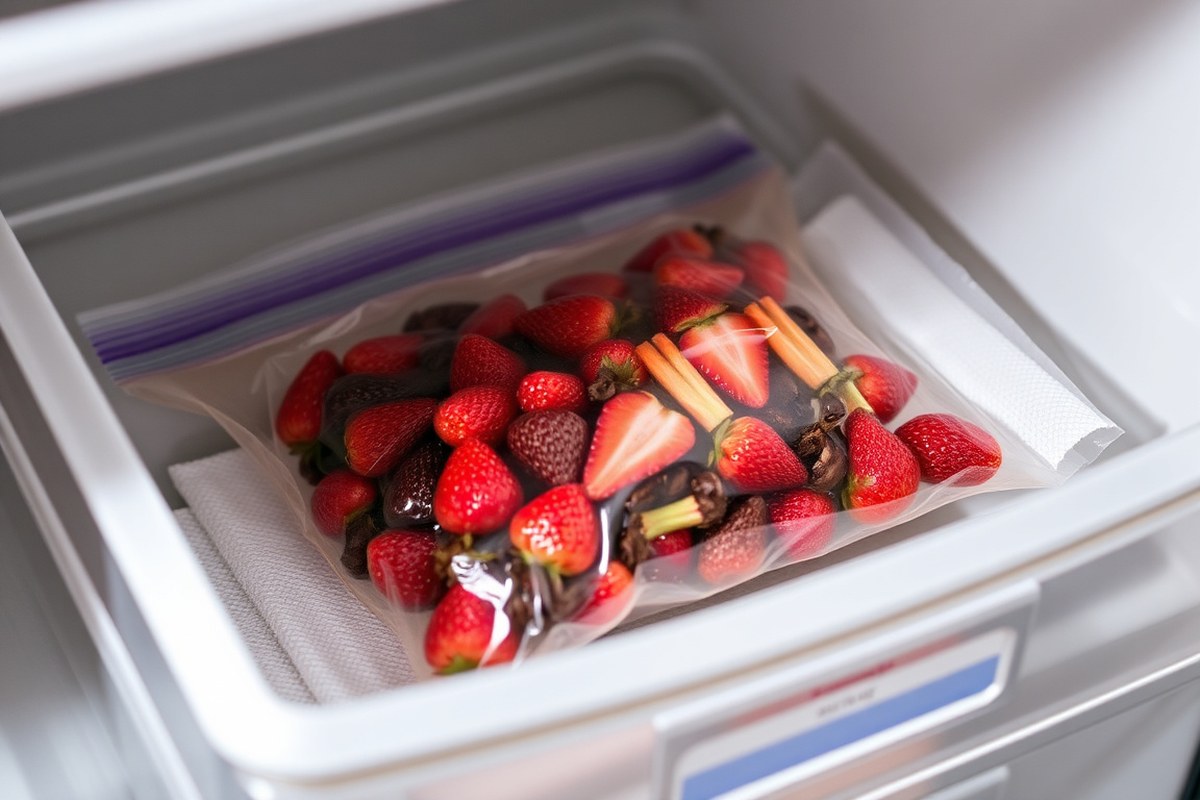
Strawberry seeds need cold stratification to break dormancy and encourage germination. Preparing seeds involves exposing them to cold, moist or dry conditions for about 30 days. This mimics winter, so seeds know it’s safe to sprout when warmed.
Standard Cold Stratification Method
Start preparing strawberry seeds about 4 to 6 weeks before you plan to sow them. The typical method takes 30 days in the refrigerator. You place seeds on damp paper towels.
You can mix them with moist sand. Put them inside a sealed plastic bag.
Keep the bag in the fridge at about 34 to 41°F (1 to 5°C). Check moisture every week to keep it damp but not soggy. After 30 days, seeds are ready to plant indoors at 65 to 75°F (18 to 24°C).
Accelerated Stratification Technique
You can speed up germination by warming seeds slightly after about two weeks. Move them to room temperature for a few days, then return to the fridge. This cycle tricks seeds into thinking spring is coming sooner.
This method shortens total stratification to around 21 days. However, it needs close monitoring to avoid drying out seeds or premature sprouting. Soil temperature should stay stable once planted for best results.
Dry vs. Moist Stratification Explained
Dry stratification means sealing seeds dry inside the fridge for 30 days. This is simpler and avoids mold risk. It works for hard-seeded species but can slow germination of strawberries.
Moist stratification places seeds in damp material like paper towels or sand. This method yields higher germination rates because moisture activates enzymes within seeds. However, watch for mold by airing out the bag if condensation builds.
| Stratification Method | Environment | Duration | Temperature | Moisture | Seed Care |
|---|---|---|---|---|---|
| Standard Moist | Plastic bag with damp paper towel or sand | 30 days | 34, 41°F (1, 5°C) | Consistently damp | Check weekly; avoid sogginess |
| Accelerated Moist | Cycle fridge and room temp | About 21 days | 34, 41°F (1, 5°C) + room temp breaks | Consistently damp | Monitor moisture and sprouting |
| Dry Stratification | Dry seeds in fridge bag | 30 days or more | 34, 41°F (1, 5°C) | Dry | Check for mold or premature sprouting |
Each stratification method takes a different approach depending on your time and space. Moist stratification usually boosts germination but needs more attention. Dry stratification takes less work but can slow start times.
Keep the seed medium moist but never soaked during moist stratification. Too much water causes mold or rot.
Choosing the Best Seed Varieties for Growing Strawberries from Seed
Picking strawberry seed varieties depends on how and where you want to grow them. Heirloom and alpine seeds offer true-to-parent plants.
Hybrid seeds may give bigger fruit but less reliable seedlings. Your local climate and harvest goals also guide your choice between June-bearing, everbearing, and day-neutral types.
Heirloom and Alpine Varieties
Heirloom and alpine strawberry seeds produce plants true to their parent fruit. This means the berries taste like the originals and grow in similar ways.
Most store-bought strawberry seeds come from hybrid fruit. So those seeds often won’t grow the same berries.
Alpine strawberries are small and sweet. They work well if you want unique, flavorful fruit in smaller spaces. Heirloom varieties have a traditional strawberry look and flavor.
They suit gardeners wanting authentic plants. These plants connect you to classic garden varieties. Starting with heirloom or alpine seeds costs less.
They need more patience because they fruit slower than hybrids. You’ll wait longer to harvest tasty strawberries.
Day-Neutral vs. June-Bearing Seeds
Day-neutral strawberries bear fruit throughout the growing season. Their seeds offer longer harvest times but sometimes smaller berries.
June-bearing types usually give one big harvest in early summer. These seeds produce plants that are simpler to manage with high yields.
Choosing between these depends on your harvest goal. Choose June-bearing seeds to get one large crop each year.
Pick day-neutral seeds if you want berries all summer. Everbearing types fall in-between, producing two or three smaller harvests.
Climate Considerations for Varieties
Your climate plays a big role in picking seeds. In warm areas like Texas, day-neutral and everbearing varieties often do better.
They fruit longer despite heat stresses. Cooler regions favor June-bearing strawberries since they need a cold period to produce big fruit.
Consider your frost dates and summer temperatures before picking seeds. You might adjust your variety if your winters are mild or summers very hot. That helps you avoid plants that struggle to fruit or die back too soon.
Use this table to compare common strawberry seed varieties by traits:
| Variety | Fruit Size | Harvest Type | Flavor | Climate Suitability |
|---|---|---|---|---|
| Alpine Strawberry | Small | Continuous | Sweet, intense | Cool to moderate |
| Heirloom June-Bearing | Medium | Single harvest (early summer) | Classic strawberry | Cool to temperate |
| Day-Neutral Hybrid | Medium to large | Multiple harvests (season-long) | Good but less intense | Warm or temperate |
| Everbearing Hybrid | Small to medium | Two to three harvests | Moderate flavor | Warm to temperate |
Most gardeners starting from seed prefer heirloom or alpine types for flavor and authenticity. However, hybrids like day-neutral or everbearing can offer longer harvest spans in warmer climates. Think about your space, weather, and taste before buying seeds.
This helps you choose the best strawberries for your garden. You’ll enjoy them more this way.
Ideal Growing Conditions and Care for Strawberry Seedlings Indoors
Keep your strawberry seedlings in a steady temperature range between 60°F and 70°F. This range helps seedlings grow without stressing from cold or heat. Temperatures outside this range can slow growth or cause damage.
Strawberry seedlings need plenty of light to avoid becoming leggy. You should provide 12 to 16 hours of light daily. Use a sunny window to grow your seedlings.
Or, place grow lights close. Keep lights about 2 to 4 inches above seedlings.
Watering should be steady but not too much. Aim for about 1 inch of water per week. Water when soil feels dry to the touch.
Don’t let it get soggy. Soggy soil can harm the roots.
- Temperature: maintain 60°F to 70°F consistently
- Light: 12 to 16 hours daily from a window or grow light
- Water: about 1 inch per week; keep soil moist but not wet
- Soil: use well-draining, light potting mix to prevent waterlogging
- Fertilizer: use a balanced, diluted fertilizer once seedlings have two sets of true leaves
- Light height: position grow lights 2 to 4 inches above seedlings
- Airflow: keep area ventilated to avoid mold and fungal issues
Choose a loose, well-draining potting mix for your seedlings. This lets water drain without pooling and keeps roots healthy. Avoid heavy garden soil that stays too wet or compacts.
Feed your seedlings after they develop two or three leaves. Use a balanced fertilizer at half the normal strength. This helps growth without burning delicate roots.
Watch seedlings for slow growth or pale leaves. These mean they need more light or a little fertilizer.
When and How to Transplant Strawberry Seedlings Outdoors
Transplant strawberry seedlings outdoors after the last frost date. Wait until plants have 2 to 3 true leaves and are sturdy. Hardening off seedlings takes 7 to 10 days.
It helps reduce transplant shock. You do this by slowly exposing seedlings to outdoor conditions.
Prepare the garden bed by loosening soil deeply, about 8 to 12 inches down. Mix in 2 to 3 inches of compost or aged manure to improve fertility and drainage. Aim for a soil pH between 5.5 and 6.5 to suit strawberries best.
Space strawberry plants 1 to 2 feet apart. Keep rows 2 to 3 feet apart. This gives plants enough room to grow.
This spacing lets each plant grow leaves and runners without crowding. Crowded plants risk poor air circulation, which can invite disease.
- Choose a sunny spot with well-drained soil.
- Loosen and amend the soil with compost to enrich it.
- Check soil pH using a kit; adjust if needed to 5.5-6.5.
- Harden off your seedlings outdoors for about a week.
- Dig holes large enough for each seedling’s roots.
- Plant seedlings so crowns sit just above soil level.
- Water seedlings gently but thoroughly after planting.
- Mulch around plants with straw to keep moisture and reduce weeds.
Wait to transplant until nights stay above 40°F (4°C) to avoid frost damage.
How to Harden Off Strawberry Seedlings for Outdoor Success
Hardening off means slowly getting your strawberry seedlings used to outdoor weather. It helps avoid shock from wind, sun, and temperature changes. This process usually takes about 7 to 10 days.
Starting with Shade and Partial Exposure
Begin by placing seedlings in a shady spot outdoors for just a few hours daily. This helps them adjust without too much sun or wind stress. Pick a calm day to avoid strong weather.
Move seedlings where they get indirect sunlight, not direct rays at first. Keep soil moist but not soggy, as drying can stress young plants. Watch for leaf wilting or drooping as signs of too much exposure.
Increasing Sunlight and Time Outdoors
After 2 or 3 days, increase how long seedlings stay outside. Add 1 to 2 hours more each day.
Move them slowly to a sunnier spot over several days. Aim for 6 to 8 hours of sunlight each day by the end of the week.
Check for leaf color and texture while increasing sun time. Pale or curled leaves mean reduce exposure.
Healthy leaves stay green and firm. Keep watering regularly to prevent drying out.
Protecting from Wind and Temperature Fluctuations
Avoid placing seedlings where strong wind hits directly. Wind dries soil and stresses plants. Use a windbreak like a fence or nearby bush to shield them.
Bring plants indoors or cover if temperatures drop below 50°F (10°C) at night. Strawberry seedlings prefer steady, cool but not cold conditions. Sudden temperature swings can stunt growth.
Follow these daily steps to harden off your seedlings safely:
- Place seedlings outdoors in shade for 2 to 3 hours on Day 1.
- Water seedlings lightly to keep soil moist.
- Add 1 to 2 hours of outdoor time daily, slowly introducing sun.
- Move seedlings to areas with more direct sunlight by Day 5.
- Check leaves for signs of stress like yellowing or drooping.
- Protect plants from strong wind using barriers.
- Bring plants inside or cover on cold nights, under 50°F (10°C).
- After 7 to 10 days, transplant seedlings into their garden spot.
Common Germination Problems and How to Fix Them
Strawberry seeds may not sprout if they aren’t kept warm or moist enough. Keep the soil temperature steady between 60°F and 75°F to encourage germination. Keep the soil damp but not soaked.
Dry or wet soil stops seed growth. Check soil moisture often to help seeds sprout.
Leggy seedlings happen when they stretch toward light that’s too weak or far away. Seedlings grow tall and thin when they want more sun. Place a bright grow light 2 to 3 inches above seedlings.
Keep it close for best growth. Turn the grow light on for 12 to 16 hours each day. Switch it off at night to mimic natural light.
Overwatering leads to soggy soil and can cause fungal problems like damping-off disease. This kills young seedlings quickly and leaves a slimy stem. Water only when the top layer of soil feels dry.
Also, take off any cover from the seed tray once seedlings pop up. This stops moisture buildup, lowering the risk of fungi.
- Keep soil moist but not saturated
- Maintain soil temperature around 65°F to 75°F
- Use a close, bright light for 12-16 hours daily
- Remove covers after seedlings emerge
- Water only when the top inch of soil is dry
- Thin out weak seedlings to improve airflow
- Watch for mushy stems or mold and adjust watering
Check seedlings daily for signs of spread or discoloration. Thin leafy plants allow better air movement and reduce mildew. Notice soft or slimy stems?
Cut back on watering. Improve airflow around the plants. Small adjustments now avoid biggest problems later and keep your strawberries on track.
Ongoing Care and Maintenance After Transplanting
Strawberry plants need deep watering once or twice a week after transplanting. Water at the base to keep leaves dry and reduce disease risk. Mulching with straw helps keep soil moist and keeps fruits clean as they grow.
Feed your plants with a balanced fertilizer every four to six weeks during the growing season. Use a 10-10-10 fertilizer, nitrogen, phosphorus, and potassium, to encourage strong roots and more berries. Avoid over-fertilizing, which leads to fewer fruits and too much leaf growth.
Runners are the horizontal stems that send out baby plants. For the first year, pinch off most runners. This controls patch size.
Only let runners grow if you want a bigger patch. Too many runners weaken the main plant and reduce its yield. In later years, you can allow some runners to root nearby for new plants.
Pests like aphids, spider mites, and slugs are common on strawberries. Use insecticidal soap or neem oil for aphids and mites. Spray early morning or late evening.
This timing avoids harming beneficial insects. Handpick slugs or try iron phosphate bait to avoid harming pets or wildlife. Watch for leaf spots or gray mold, which thrive if foliage stays wet.
Always remove dead leaves and fruit debris to prevent disease buildup in your strawberry patch.
- Check soil moisture twice weekly during hot weather
- Apply straw mulch 2 to 3 inches thick around plants
- Feed with balanced fertilizer every 4 to 6 weeks
- Pinch off runners in year one to focus energy on fruit
- Spray insecticidal soap early morning or late evening
- Remove diseased leaves and debris to reduce infection risk
- Use slug bait cautiously if pets are around
Adjust watering based on rain and temperature, less in cooler months. Mulch also protects roots during winter and reduces weeds.
Pest sprays should be repeated every 7 to 10 days if infestations persist. But avoid spraying when plants are flowering.
Healthy strawberry plants look full, green, and produce many berries. Wilting, yellow leaves, or spots show stress or disease.
Prompt care and runner control keep your garden productive for years. Most work takes 10 to 15 minutes a week once plants are established.
Step-by-Step Action Plan for Starting Strawberry Seeds
Follow this plan to get strawberry seeds growing strong indoors. Watch for each sign to make sure your seeds and seedlings are healthy.
- Day 1: Soak seeds in cool water for 12 hours to soften the seed coat. Seeds that swell are ready.
- Days 2-3: Put seeds in damp paper towels. Place towels inside a bag. Keep the bag in the fridge to stratify the seeds. Wait for tiny sprouts to start.
- Day 5: Plant seeds shallowly in seed-starting mix, keeping soil moist but not wet. Look for small green leaves in 2 weeks.
- Week 3: Provide 12-16 hours of bright light daily to keep seedlings from getting leggy. Seedlings should stand upright and strong.
- Week 4: Thin seedlings so the strongest one grows free space, reducing competition. Healthy leaves will spread wider.
- Week 6: Start hardening off seedlings by putting them outside a few hours. Use shade and protect them from wind during this time. Watch leaves for sunburn or wilting.
- Week 7: Transplant seedlings to larger pots or outdoors after hardening off fully. New roots and steady growth show success.
- Ongoing: Water well and keep soil rich in nutrients as plants grow outdoors. Check for pests and remove them promptly.
Frequently Asked Questions
How Long Does It Take for Strawberry Seeds to Sprout?
Strawberry seeds usually sprout within 1 to 2 weeks. Keep the soil moist but not soaked to help germination.
Can Strawberry Seeds Be Saved and Reused?
Yes, strawberry seeds can stay good for up to 5 years. Seeds younger than 2 years usually sprout better.
Do Strawberry Seedlings Need Light to Germinate?
Yes, strawberry seeds need light for germination. Place seeds on top of the soil, don’t cover them.
How Deep Should I Plant Strawberry Seeds?
Plant strawberry seeds on the soil surface without burying them. They need light, so covering them can stop sprouting.
Is It Better to Use Fresh or Store-Bought Seeds?
Fresh seeds under 2 years old germinate best, but store-bought work too. Check the packet date to be sure.
Can I Start Strawberry Seeds Outdoors Instead of Indoors?
Starting strawberry seeds indoors is better for a longer growing season. Outdoor planting can be tricky before frost ends.
Wrapping Up
Starting strawberry seeds indoors takes care but gives you fresh plants ready to thrive outside. Your next step is to prepare the seeds with soaking and stratifying. That start gives your strawberries the best chance at a strong beginning.