What Does a Tulip Seed Look Like? A Complete Guide with Size, Shape & Care
Wondering what does a tulip seed look like? Tulip seeds are tiny, flat, and papery brown. They measure about 1 to 2 millimeters long, barely bigger than a pinhead.
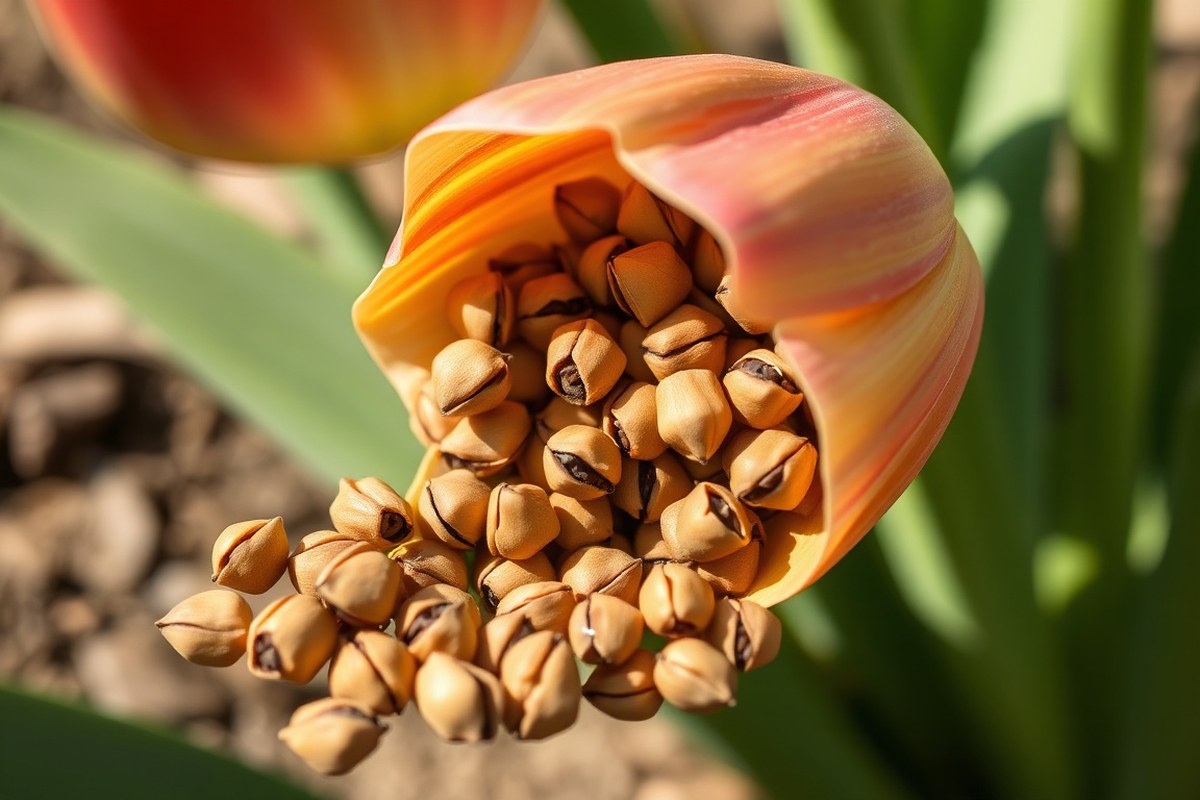
These seeds develop inside a capsule that splits open when ripe. The capsule usually turns brown and dry before splitting.
You usually need a 10× magnifier to see them clearly. They look much smaller and thinner than common seeds like rice or peas.
Start by checking the seed capsule color. A brown, splitting capsule means the seeds are ready. Avoid collecting them if the capsule is still green and soft.
This step helps you get mature seeds that will grow well. Immature seeds often fail to sprout or produce weak plants.
Key Takeaways
- Tulip seeds are about 1 to 2 millimeters long, flat, and brown.
- The seed capsule turns brown and splits when seeds mature.
- A 10× magnifier helps you see the tiny tulip seeds properly.
- Green, pliable capsules mean the seeds are still developing.
- Collect seeds promptly once the capsule splits to prevent loss.
- Tulip seeds are much smaller than common seeds like peas or rice.
What Does a Tulip Seed Look Like? Size, Shape, and Color
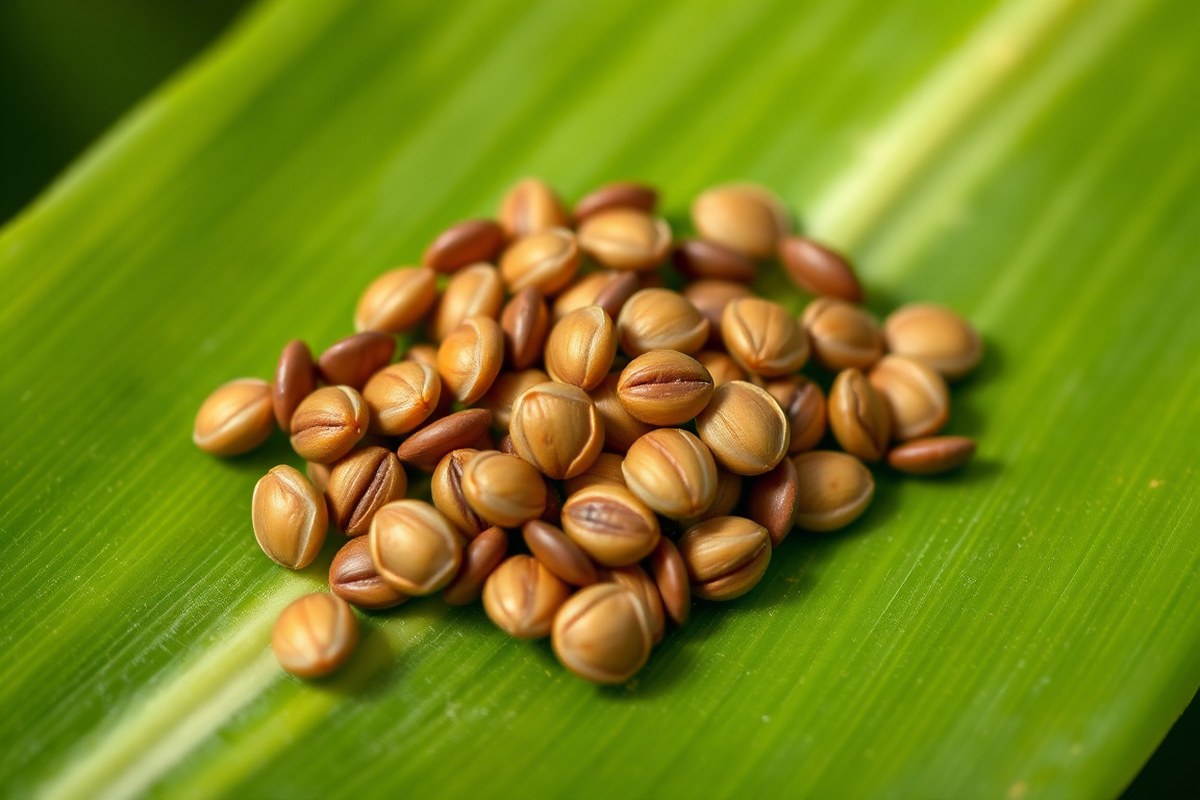
Tulip seeds are quite small and flat compared to many garden seeds. They are about the same length as a pinhead. Their width is close to that of a sesame seed.
These seeds are smaller than a grain of rice. They are longer and narrower than tiny peas.
The seeds have a round or slightly oval shape. You can spot them easily once you know what to look for.
Their surface texture can range from smooth to slightly rough, depending on the tulip variety. This texture difference helps the seeds survive in different soil types and climates.
Color-wise, most tulip seeds are black or dark brown, with some showing shades of dark gray. The seed coat protects the inner parts and usually looks firm and intact.
When saving seeds, choose ones without discoloration. Avoid seeds with soft spots because they might not grow well.
Anatomy of a Tulip Seed: Seed Coat, Embryo, and Endosperm Explained
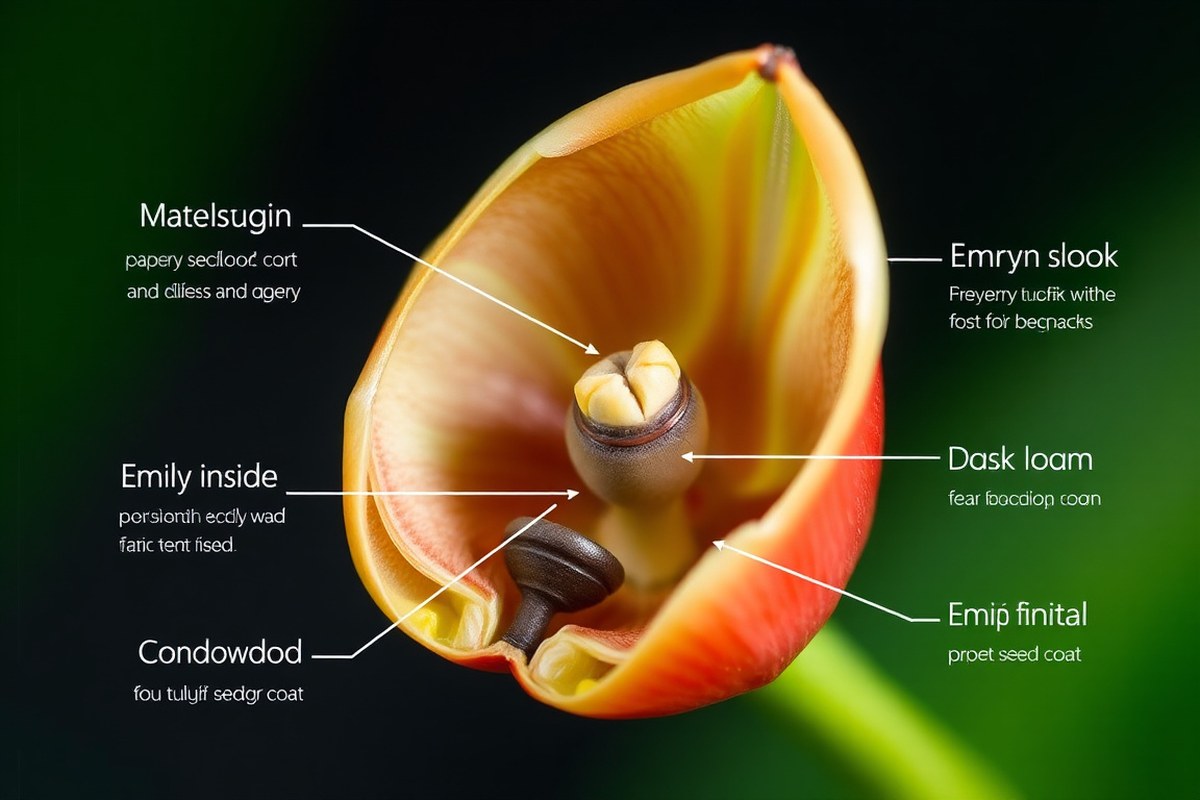
Tulip seeds consist of three main parts: the seed coat, the embryo, and the endosperm. The seed coat protects the seed.
The embryo is the tiny plant inside ready to grow. The endosperm provides nutrients that fuel the embryo’s early development.
Structure of the Seed Coat
The seed coat, or testa, forms the outer layer of the tulip seed. It is thin, papery, and brittle, wrapping the embryo and endosperm inside. This coat shields the seed from damage and dries out as the seed matures.
When the seed coat splits open, it signals the start of germination. At that point, the protective role ends, allowing the embryo to grow. The seed coat’s three-sided shape reflects the tulip’s capsule chambers where seeds develop.
Role of the Embryo
The embryo is the living part inside the seed ready to grow into a new tulip. It develops during seed maturation within the seed coat’s protective shell. This tiny plant contains the beginnings of roots, stem, and leaves.
During germination, the embryo grows rapidly, pushing out the root first. This root anchors the young tulip in the soil. After root formation, the shoot will emerge above ground to start photosynthesis.
Function of the Endosperm
The endosperm is a tissue surrounding the embryo that stores nutrients. These nutrients support the embryo during early germination when it can’t get food from the soil. The endosperm acts as a fuel tank for initial growth.
Some tulip species absorb the endosperm before seeds fully mature. This causes the seeds to look shriveled or wrinkled. When the endosperm stays, it gives energy to the embryo.
This helps the embryo sprout and grow roots. It also supports the shoot to start growing.
Handle tulip seeds gently to avoid cracking the brittle seed coat before planting.
How Tulip Seeds Develop Inside the Seed Capsule
Tulip seeds develop inside a green seed capsule after the flower is pollinated. The seeds grow as the capsule matures and changes color. Eventually, the capsule splits to release mature seeds you can harvest.
Pollination and Early Seed Formation
Pollen lands on the tulip’s stigma during flowering. Fertilization triggers tiny seeds to begin forming inside the ovary. This process happens shortly after the petals drop.
The seed capsule starts growing at the flower’s base. It remains green and fleshy as the seeds grow inside. You won’t see the seeds just yet at this early stage.
Maturation of Seeds Inside the Capsule
The seed embryo slowly develops over weeks. The plant sends nutrients from the leaves to the seed capsule. These nutrients fuel the growing seed’s embryo and seed coat formation.
Seeds enlarge and turn darker in color inside the capsule. The final stage, seed maturation, usually lasts until late summer or early autumn. Mature seeds have a tough, papery seed coat by then.
Seed Capsule Color Changes
At first, the capsule is green and pliable. This shows the seeds inside are still developing. Later, it browns and hardens as the seeds reach full maturity.
The brown capsule signals it’s time to prepare for seed collection. Environmental conditions can affect the timing. Prolonged humidity may delay browning and capsule splitting.
Signs of Capsule Splitting and Seed Readiness
The seed capsule will eventually split open naturally. This lets mature seeds escape and start new plants. You should collect seeds promptly once splitting begins.
Rapid drying outside can cause sudden capsule splitting. Watch for seeds ejecting quickly to avoid losing them. A capsule that splits early with few seeds may mean pollination was incomplete.
Here are the key steps to monitor tulip seed development and know when to harvest:
- Confirm pollination by watching petals fall off the flower.
- Observe the green seed capsule forming at the stem’s tip.
- Wait for the capsule to increase in size and harden.
- Track color changes from green to brown on the capsule.
- Check for natural splitting of the capsule seams.
- Collect seeds immediately as the capsule opens or shortly after.
- Inspect seeds for firmness and uniform brown color inside.
- Store seeds in a dry place if harvest is delayed.
| Condition | Expected Behavior / Action |
|---|---|
| Capsule remains green and soft | Seeds are still developing; wait before harvesting |
| Capsule browns and starts to split | Seeds are mature; collect promptly to avoid losses |
| High humidity after flowering | Splitting delayed; watch for mold on seeds |
| Sudden dry period | Splitting happens quickly; gather seeds before scattering |
| Premature splitting with few seeds | Likely incomplete pollination; seeds may be unusable |
When and How to Collect Tulip Seeds Safely
The best moment to collect tulip seeds is when the seed capsule turns fully brown. You can gently shake the stem and listen for a light rattling sound inside the pod. This shows the seeds have dried enough and are loose but still inside.
Tulip seed capsules feel dry and papery at this stage. Avoid waiting until the capsule splits open on its own. Seeds tend to scatter quickly once the pod cracks.
You may lose most of them. Harvesting just before splitting saves the seeds and keeps them viable for planting.
Handling the seeds carefully helps keep them healthy for germination. Tulip seeds are small with a matte brown coat.
So dropping or squeezing them can cause damage. Always use clean hands and gather seeds into a container to avoid losing them during collection.
- Check for a completely brown, dry seed capsule before picking.
- Shake the stem lightly to hear seeds rattling inside.
- Harvest before the capsule fully splits to prevent seed loss.
- Use gentle motions when removing seeds from the pod.
- Collect seeds into a small container or paper bag.
- Handle seeds with clean, dry hands to avoid moisture damage.
- Store seeds in a cool, dry place after collection.
Timing seed collection right ensures the seeds remain viable for planting next season. Waiting too long after the capsule splits means seeds scatter everywhere.
They blow away in the wind or drop onto the soil. Collect seeds while still in the pod to catch all of them before they drop.
After picking, shell the seeds gently from the dry capsule. Avoid crushing or applying pressure, as this can harm the embryos inside. These steps help you get healthy seeds.
Healthy seeds grow strong tulip plants. You’ll see better results in your garden.
Common Variations in Tulip Seed Size and Shape by Species
Seed size in tulips changes with the species and variety. Botanical or wild tulips often have smaller seeds, about 3 to 5 millimeters long.
Garden hybrids like Darwin Hybrids tend to produce slightly larger seeds. But modern hybrids may have fewer or smaller seeds.
Seed shape also varies. Many wild tulip seeds have a distinctive half-moon or crescent shape. Garden tulip seeds are usually oval or teardrop-shaped.
These shapes affect how easily the seed can settle into soil and germinate. Seed size can influence germination success. Bigger seeds often have more stored energy for growth.
| Tulip Type | Seed Length (mm) | Seed Shape | Seed Quantity |
|---|---|---|---|
| Botanical (Wild) | 3, 5 | Half-moon | Moderate to high |
| Darwin Hybrids | 5, 7 | Oval/Teardrop | Moderate |
| Modern Hybrids | 4, 6 | Oval/Teardrop | Low |
| Species Tulips | 3, 6 | Half-moon to oval | Moderate to high |
Wild tulip seeds tend to be smaller but produced in greater numbers than hybrids. Hybrid seeds can be larger but usually come in fewer numbers. This happens because breeders focus on flower traits more than seed production.
You’ll notice wild seeds look more curved, which may help them lodge into ground. Bigger seeds often have a stronger chance of sprouting since they contain more nutrients.
Handle seeds gently. Some hybrids produce smaller seeds that break easily and might fail to germinate.
Picking seeds from species or botanical tulips is a smart choice. You will likely have more success growing those seeds. Take size and shape into account when starting seeds indoors or outdoors.
Seeds about 5 to 7 mm long are easier to plant. Their oval shape helps keep them moist properly during growth. Smaller, crescent-shaped seeds may need more care to get them to sprout.
How Environmental Factors Affect Tulip Seed Development and Dispersal
Tulip seed maturation needs steady temperatures between 60°F and 75°F. Cooler or hotter temps slow development or harm the seed’s growth. Consistent warmth helps the embryo inside grow properly until the seed is ready to release.
Humidity influences how the seed capsule dries and splits open. Moderate humidity around 40-60% lets the capsule lose moisture gradually.
Too much moisture keeps the capsule soft and delays splitting. Very dry air, under 30%, causes quick drying that can crack capsules unevenly, risking seed loss.
Wind is the main driver of seed dispersal once the capsule splits. Tulip seeds are small and lightweight, letting the wind carry them short distances.
Strong winds spread seeds farther, while light breezes keep them near the parent plant. Without wind, seeds mostly fall straight down, limiting how far they travel.
During seed development, pests like aphids or fungi can damage seeds or cause mold. Moist, stagnant air raises mold risk, making it critical to keep good airflow around maturing capsules.
Regularly inspect seed pods to spot early signs of pests. Use natural pest control if needed, avoiding harsh chemicals that might also hurt seed health.
Temperature, humidity, and wind work together during seed development and release. Warm, stable temps speed seed growth. Balanced humidity lets capsules dry at the right pace to open fully.
Wind picks up seeds for spreading. Poor conditions can delay seed readiness or reduce healthy seed yields.
For best results, monitor your garden’s microclimate. Move pots or plants if air is too damp or stagnant. Use a fan outdoors on calm days to simulate wind.
Keep temperature stable with shade cloth in hot sun. These small steps help tulip seeds mature fully and disperse naturally.
Understanding Tulip Seed Germination: Dormancy and Growth Steps
Tulip seeds need a cold period to wake up and start growing. The seed coat is tough at first, blocking water until it’s ready. Once the coat splits, roots and shoots begin to grow under the soil.
Seed Dormancy Explained
Tulip seeds enter dormancy to survive harsh conditions. Their hard seed coat keeps water and air out until it’s time to sprout. This dormancy stops the seed from germinating too early during warm fall days.
The seed waits for cold temperatures that signal winter. Once cold has passed, the seed knows spring is near and starts to prepare for growth. Dormancy ensures the seed won’t waste energy inside frozen ground.
Cold Stratification Process
Cold stratification means keeping tulip seeds cold for several weeks. This step softens the seed coat and triggers internal changes for germination. Without this cold period, the seed will stay dormant and not sprout.
Store the seeds in moist, well-drained soil or in a damp paper towel inside the fridge. Keep tulip seeds at 34 to 41 °F (1 to 5 °C). Store them for about 12 to 16 weeks.
Maintain this temperature range consistently during that time. This mimics winter and tells the seed it’s time to grow.
Signs of Seed Coat Splitting
The seed coat softens and cracks as the seed absorbs water. This scarification allows water and oxygen inside the seed. You might see tiny splits or peeling on the seed’s surface during this stage.
Once the coat starts splitting, the first sign of germination is on its way. The seed becomes ready to send roots downward into the soil. This step usually happens at the end of the cold stratification period.
Root and Shoot Emergence Stages
After the seed coat breaks open, a small root appears first. This root anchors the tulip and starts drawing nutrients. Shortly after, a green shoot pushes upward, breaking through the soil surface.
Root and shoot growth take from a few days to a few weeks under ideal conditions. The first visible sprout shows the tulip seed has successfully begun its journey. Once the shoot appears, the young plant carries on growing until flowering.
Follow these steps for tulip seed germination and growth:
- Place seeds in moist soil or damp paper towels.
- Keep seeds cold at 34-41 °F (1-5 °C) for 12-16 weeks.
- Check for seed coat softening and splitting.
- Once splitting occurs, plant seeds in well-drained garden soil.
- Watch for root emergence just below the soil.
- Look for the green shoot breaking soil surface.
- Keep soil moist and maintain cool temperatures until shoots appear.
How to Identify Healthy Tulip Seeds and Store Them Properly
Healthy tulip seeds look firm and whole, with a smooth surface. They feel hard, not soft or crumbly when you press lightly. Fresh seeds can differ in size.
Some are as small as sand grains. Others grow up to 6 millimeters wide.
Check seeds closely for signs of damage. Avoid seeds that show mold, shriveling, or soft spots. Mold appears as fuzzy white or gray patches.
Shriveled seeds look wrinkled and dry. These signs mean the seed is likely dead or weakened and won’t sprout well.
Storing tulip seeds well is key to keeping them alive for planting. Keep them cool and dry, in a paper envelope or a tightly sealed container. Store them somewhere dark, like a cupboard or closet, to avoid temperature swings and light damage.
- Keep seeds completely dry to prevent mold growth
- Use breathable packaging like paper envelopes or sealed plastic containers
- Store seeds in a cool place, ideally between 40°F and 50°F
- Avoid refrigeration unless you want to stratify seeds later
- Label the container with the date of storage
- Check seeds regularly for any signs of mold or decay
Tulip seeds can stay viable for several years if stored properly. Moisture is the biggest threat, causing mold and rot fast. Don’t keep seeds in a damp spot like a basement or garage with wide temperature swings.
Always dry seeds thoroughly before storage and avoid airtight containers if moisture is present.
Testing some seeds by soaking and observing swelling can help confirm viability before planting. Older seeds tend to lose vigor.
So rotating your supply every few years is smart. Good storage conditions can stretch viability from two to four years in many cases.
Step-by-Step Action Plan to Identify and Grow Tulip Seeds
Use this plan to spot good seeds and start your tulip garden. Follow these steps in order for best results.
- Before collecting: Check the seed capsules until they turn dry and brown. This means seeds are mature and ready.
- Collection day: Gently remove seed capsules without crushing them. Healthy capsules hold plump seeds inside.
- After collection: Open capsules carefully and spread seeds on a paper towel. Choose seeds that look firm and dark brown.
- Storage start: Keep seeds in a cool, dry place for at least one month. Proper drying helps seeds last longer and stay healthy.
- Two months later: Begin cold stratification by placing seeds in a plastic bag in the fridge. Keep them there for 12 weeks; this breaks dormancy.
- After stratification: Sow seeds in pots filled with moist, well-draining soil. Cover lightly and keep soil damp but not wet.
- Germination phase: Place pots in a bright spot with indirect sunlight. Seeds should sprout in 4 to 6 weeks if conditions are right.
- Seedling care: Thin sprouts to give each plant room to grow. Continue watering regularly while avoiding soggy soil.
Frequently Asked Questions
How Can You Tell Tulip Seeds Apart from Other Plant Seeds?
Tulip seeds are small, flat, and brown or black. Their papery, brittle seed coat helps protect the embryo inside. Checking for a faint internal line on the seed coat can confirm it’s a tulip seed.
Do Tulip Seeds Vary Much in Size Between Different Types?
Yes, tulip seed size varies depending on species. They range from the size of a pinhead.
Some are slightly smaller than a rice grain. Environmental factors can also cause minor size differences.
What Does the Embryo Inside a Tulip Seed Look Like?
The embryo is tiny and enclosed by the seed coat. It includes the parts that will grow into roots and shoots. The endosperm nearby provides food during early growth.
Are Tulip Seeds Visible Inside the Seed Capsule?
Yes, inside a split tulip seed capsule you’ll see small, flat seeds. They look like brown, papery fragments. The seeds separate cleanly and show a faint internal line on the coat.
How Can You Spot a Healthy Tulip Seed?
Healthy seeds have intact, consistent brown color without dark spots. They should feel dry and firm, not soft or shriveled. Avoid storing seeds that look moldy or damaged.
What Happens to Tulip Seeds After They Are Dispersed in Nature?
Tulip seeds are spread by birds and animals that eat the flowers. After seeds fall, they ideally find suitable soil to start growing. Environmental conditions affect whether those seeds germinate.
Final Thoughts
Tulip seeds are small, firm, and usually dark brown or black. Recognizing healthy seeds helps you grow strong tulip plants. Start by collecting mature seed capsules for the best planting success.