When to Transplant Pepper Seedlings: A Complete Guide for Healthy Growth
Transplant seedlings outdoors once nights stay warmer than 60°F (15°C). Daytime temperatures should reach at least 70°F (21°C) for best results.
This prevents cold damage and encourages strong roots to grow. Seedlings will do better if you wait two weeks past the last frost before planting.
Peppers usually need 3 to 8 weeks after germination before transplanting. Seedlings should have at least two true leaves and healthy roots showing in the soil.
These signs mean they are mature enough to handle the move. Moving seedlings too early can stunt growth or shock the plants.
Start hardening off seedlings a week before transplanting by placing them outdoors for short periods. This step helps them adjust to outdoor conditions gradually. Also, ensure your garden soil is warm and nutrient-rich for the best transplant success.
Key Takeaways
- Transplant pepper seedlings when nighttime temperatures stay above 60°F (15°C).
- Wait at least two weeks after the last frost before moving seedlings outdoors.
- Ensure seedlings have a minimum of two true leaves before transplanting.
- Seedlings usually take 3 to 8 weeks to mature enough for transplanting.
- Begin hardening off seedlings for at least one week before planting outside.
- Choose nutrient-rich, warm soil to support young pepper plants after transplanting.
When Is the Best Time to Transplant Pepper Seedlings Outdoors?
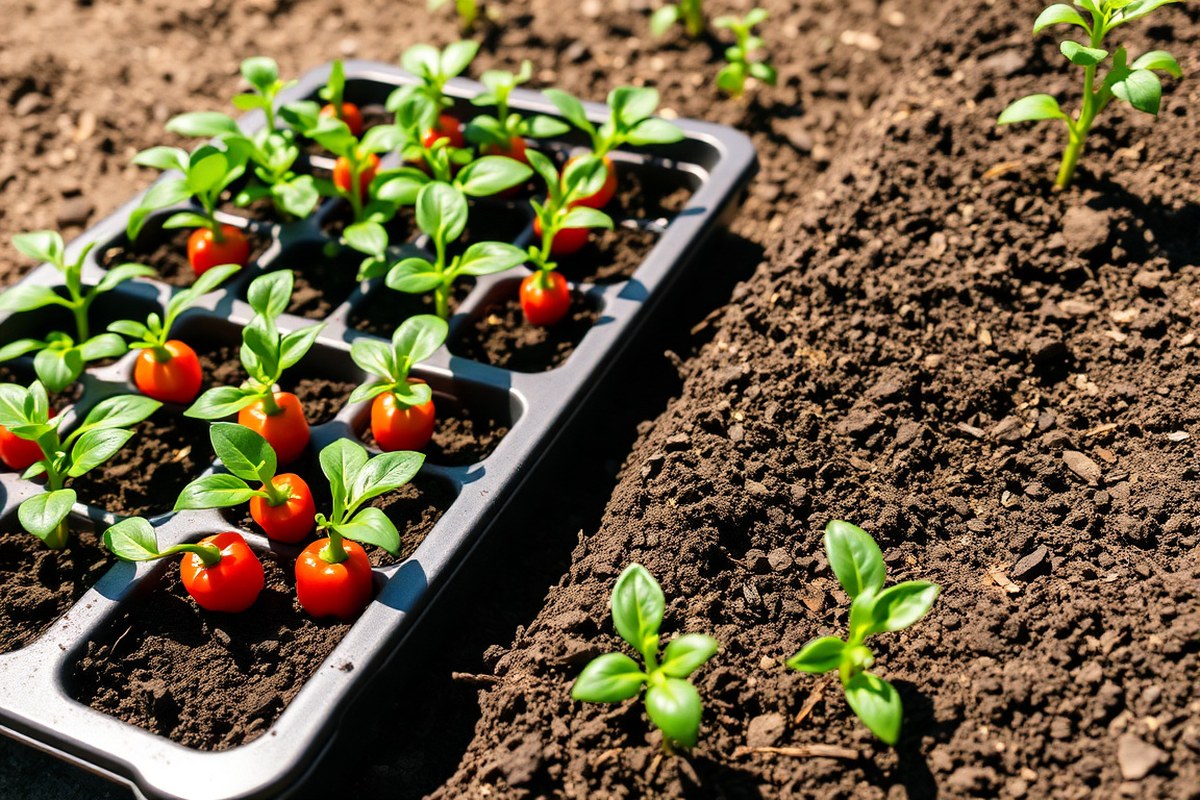
Move your pepper seedlings outdoors only after night temperatures stay above 60°F (15°C). Day temperatures should be above 70°F (21°C) to keep the plants from stress. This usually means waiting 2 to 3 weeks after last frost.
You transplant after this period. This helps protect your plants from cold weather.
Soil temperature matters too. The soil should be around 65°F (18°C) to help roots grow well. You can check soil warmth with a soil thermometer.
Another option is to use local gardening sources. These estimate when soil is warm enough. Avoid planting too early because cold soil slows growth and can kill seedlings.
Wait until night temperatures stay above 55°F (13°C) for safety. This keeps your plants from cold shock. It helps seedlings grow better.
This extra caution helps if your area still has sudden cool spells. You can start hardening off seedlings 1 week before transplanting. Put them outside for a few hours every day.
This helps them adjust to outdoor conditions. This practice prepares the seedlings for outdoor conditions like wind and sun.
How to Tell If Your Pepper Seedlings Are Ready for Transplanting
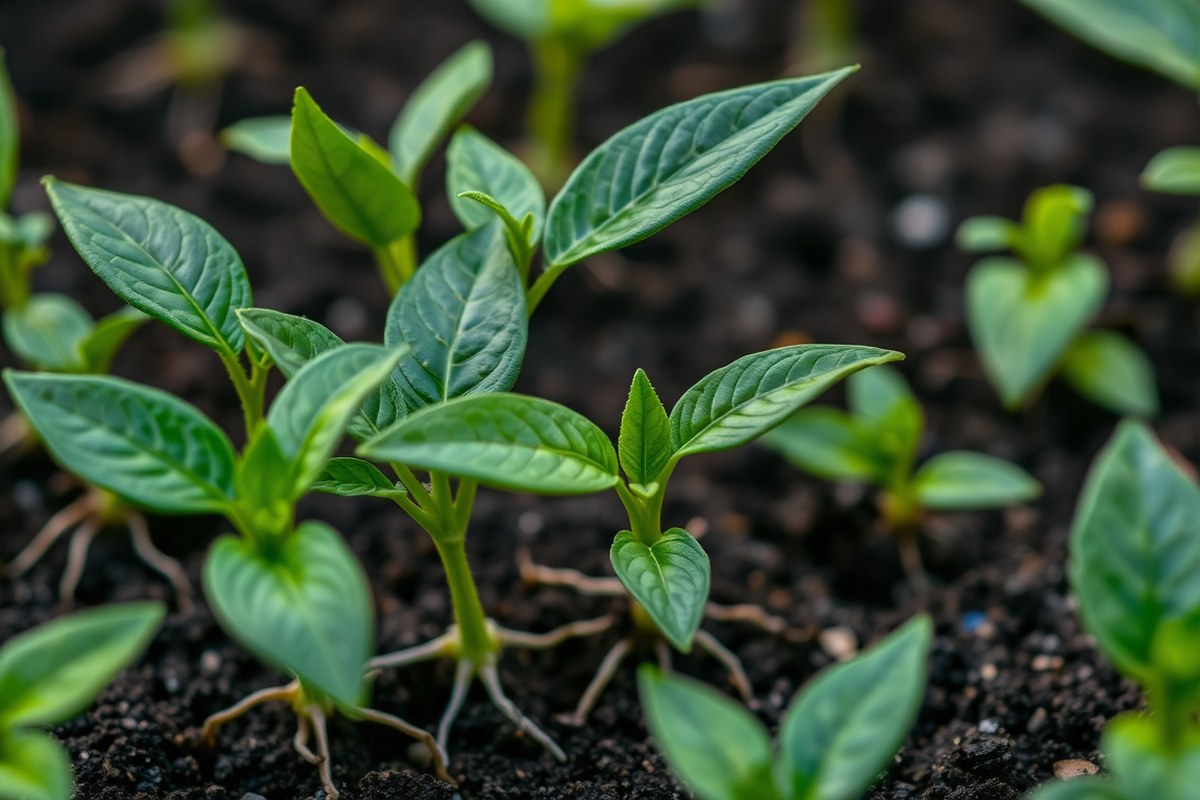
Healthy pepper seedlings usually have 2 to 4 true leaves before moving. True leaves are the second set, not the seed leaves, and look tougher and more shaped.
They grow about 3 to 4 weeks after seeds sprout. But some varieties may take up to 6 weeks.
Check roots by gently lifting a seedling out of the soil. They should fill the container lightly without being root-bound or crowded. Young roots should look white and fresh.
Brown or mushy roots show weakness. This means the seedling is strong enough to transplant.
Seedling age generally matters less than leaf stage and root health. Seedlings around 4 to 6 weeks old often match these signs. Older seedlings in small pots may struggle if left too long without transplanting.
- Seedlings have at least 2 to 4 mature true leaves.
- Roots lightly fill the pot but aren’t tightly packed.
- Seedling height is about 3 to 4 inches tall.
- Stem looks sturdy and not too thin.
- Seedlings are about 3 to 6 weeks old depending on variety.
- Leaves have a healthy green color without yellowing.
- Soil is dry enough to avoid damaging roots during transplant.
Transplanting too early can stunt growth and increase transplant shock. Seedlings not developed enough usually wilt or sag after moving. Wait for firm leaves and good roots before transplanting to new containers or beds.
Always water seedlings 1 to 2 hours before transplanting to reduce stress.
Checking leaf stage and root health is the best way to know when to transplant. Use a small spoon or your finger to test root growth without damaging seedlings. This gives the plants the best chance to grow strong once moved.
Preparing Pepper Seedlings: Hardening Off for a Smooth Transition
Hardening off is the way to prepare your pepper seedlings for life outdoors. It takes 7 to 10 days to adjust seedlings slowly.
You should do this to get them used to sun, wind, and temperature changes. This process lowers transplant shock and helps your peppers grow strong roots and tough leaves.
Day 1-2: Initial Outdoor Exposure
Start by placing your pepper seedlings outside for just 1 to 2 hours a day. Choose a spot with shade or indirect sunlight to protect them from harsh rays. Keep them away from strong wind or sudden cold that could stress the young plants.
Use these first days to help seedlings get used to the outdoor air and light. Avoid midday sun by putting them outside early morning or late afternoon. This gentle start gives their leaves a chance to adjust without drying out.
Day 3-5: Gradually Increase Sun and Wind Exposure
Add 1 to 2 hours more outdoor time each day during these middle days. Slowly move the seedlings into sites that get more direct sunlight.
But avoid the hottest hours around noon. Also, let them face mild wind so stems can get stronger.
Bring the pepper plants in at night to keep them safe from cold temperatures. Stop watering only when the soil stays evenly moist but not soggy. This helps seedlings strengthen without stress.
Day 6-7: Overnight Outdoor Placement
By the last days, leave the seedlings outside overnight if the weather stays above 55°F (13°C). Choose a sheltered spot that blocks strong winds and heavy dew. This final step rounds out the hardening off process, making your peppers ready for transplant.
After about a week, you will notice thicker stems and tougher leaves. These changes mean your pepper seedlings can handle full sun and outdoor conditions with less shock. Follow these steps to harden off your pepper seedlings:
- Place seedlings outside in shade for 1-2 hours on day 1.
- Increase outdoor time by 1-2 hours each day, adding sun exposure.
- Keep seedlings shielded from wind and harsh midday sun initially.
- Bring seedlings indoors each night until day 6.
- On days 6-7, leave seedlings outside overnight if temperatures stay mild.
- Check soil moisture daily and water as needed to keep it damp.
- Inspect seedlings for signs of stress or damage each day.
How Soil and Temperature Influence Pepper Transplant Success
Soil temperature matters for planting pepper seedlings outdoors. Aim for soil between 70°F and 85°F (21°C to 29°C). Check soil in the morning to be at least 65°F before planting.
Soil warmth matters more than air temperature because roots start working first. Cold soil slows root growth and makes peppers sick. Soil that feels cold can harm young plants, even if the air is warm.
Cold soil may stop them from growing or even kill them soon. Protect your peppers by ensuring soil warmth before transplanting.
Your soil will warm up faster if you cover it with black plastic mulch. This method helps raise soil temperature for better pepper growth. Lay this over planting beds a few weeks before you plan to transplant.
You can also wait until the soil stays above 60°F (15°C) all the time. This usually happens in full spring warmth. Patience helps peppers transplant safely.
Cool nights can also hurt peppers after transplant. Keep nighttime temperatures above 50°F (10°C) so peppers don’t stall or die.
Use a soil thermometer to track soil heat. Choose transplant days when weather has settled.
Super-hot pepper varieties need rich, well-drained soil warmed well before transplanting. Good drainage stops root rot in heavy soils that stay cold. These peppers thrive when soil and day temperatures reach about 75°F (24°C).
Watch soil temperature and night heat to decide your transplant day. Plant too early, and seedlings may struggle or slow growth. Proper transplanting helps peppers develop strong roots fast.
Then, they start growing well toward a good harvest. Peppers settle in quicker with the right soil conditions.
Step-by-Step Guide to Transplanting Pepper Seedlings Safely
Transplant pepper seedlings by planting them at the same depth as before. Water your seedlings 1 to 2 hours before moving to keep roots moist. Use gentle handling to avoid root damage as you transfer them.
Prepare the Planting Site or Pot
Choose a garden spot or pot with well-draining soil and full sun. Loosen the soil to make a soft bed for your seedlings. Add compost or aged manure to enrich the site before planting.
For pots, pick one that’s at least 3 to 4 inches deep with drainage holes. Fill your pot or planting hole with loose soil mix, leaving space for the roots. Water the soil lightly to settle it before moving seedlings in.
Remove Seedlings Gently from Trays
Start by watering seedlings thoroughly 1 to 2 hours before removal. Carefully squeeze or tap the seedling containers’ edges to loosen the soil. Lift each seedling by the base of its stem, avoiding tugging the roots or leaves.
If roots stick, gently tease them apart with clean fingers or a small tool. Try to keep the root ball intact to reduce shock. Handle seedlings with care to prevent bruising or snapping stems.
Plant at Correct Depth and Water Thoroughly
Place each seedling in its new spot, planting at the same depth as before. Don’t bury the stem deeper than it was in the original pot. Fill soil around the roots carefully to avoid air pockets.
Firmly press the soil around the seedling base to keep it stable while staying gentle. Water each seedling deeply right after planting to help roots settle. Keep the soil evenly moist for the first week to encourage strong growth.
- Water seedlings 1-2 hours before transplanting.
- Prepare soil or pot with loose, well-draining mix.
- Loosen soil in garden or pot and add compost if needed.
- Gently remove seedlings from trays by holding the stem base.
- Place each seedling at the same depth as before.
- Fill soil around roots and press gently to secure.
- Water thoroughly right after planting the seedlings.
Don’t plant seedlings deeper than their original soil line; it can cause stem rot or stress.
Potting Up: When and How to Move Seedlings into Larger Containers
Transplant your pepper seedlings indoors when they are 6 to 8 weeks old. Move them from small starter cups to pots about 16 oz or larger. This gives their roots space to grow before the final garden transplant.
Optimal Pot Sizes by Seedling Age
Use solo cups (16 oz) for seedlings up to 6 weeks old. Once the roots start to fill these, move seedlings to pots around 1 to 2 quarts. For intermediate growth before outdoor planting, a 1-gallon pot works well.
If you plan to keep peppers in containers outdoors, pot up to a 5-gallon size eventually. This size supports mature plants and prevents root crowding in the final phase.
| Seedling Age | Recommended Pot Size | Reason |
|---|---|---|
| 0 to 6 weeks | 16 oz (solo cup) | Starter size, easy root expansion |
| 6 to 8 weeks | 1 to 2 quarts | Prevents root binding, encourages growth |
| 8 weeks to garden transplant | 1 gallon | Strong root development, ready for outdoors |
| Final container grow | 5 gallons (if growing in pots) | Supports mature plants, root room |
Choosing the right pot size helps seedlings build a strong root ball. This improves transplant success and overall health.
Signs Seedlings Need Potting Up
Roots poking from drainage holes mean it’s time for a bigger pot. Seedlings look crowded or stop growing well.
Also, when plants reach around 6 weeks old, check their root space. Overcrowded roots reduce fertilizer and water uptake, stunting growth. Waiting too long can cause transplant shock and slow the plant’s progress outside.
Potting Up Best Practices
Water seedlings about an hour before potting up to ease root removal. Moist soil holds roots together and reduces stress.
Handle seedlings by the leaves, not the stems, to avoid damage. Gently tease roots if they have grown in circles.
Use fresh potting mix with good drainage in the new container. Optional root stimulators (like 1 tbsp per gallon solution) can help reduce shock.
Common Transplant Mistakes and How to Avoid Them
Transplant shock happens when seedlings face stress from changes in light, temperature, or soil. It slows growth and can make leaves wilt or drop. Handling pepper seedlings gently helps reduce shock and keeps them healthy.
Overwatering makes roots drown, causing rot and weak plants. Underwatering dries out roots and stops growth.
After transplanting, water just enough to keep the soil moist but not soggy. Check soil daily by feeling the top inch; water if it feels dry.
Some common mistakes harm seedlings right after transplant. Moving them without hardening off exposes them to harsh sun and wind.
Planting in too small or cold soil delays growth. Rough handling breaks roots and stresses plants.
- Gradually increase outdoor time for 7, 10 days before transplanting.
- Choose a 5-gallon or larger container to allow root growth.
- Water seedlings thoroughly right after transplanting, then wait to water again until soil is mildly dry.
- Handle seedlings by their leaves or root ball, not stems.
- Plant peppers at the same soil depth as before.
- Avoid transplanting on hot, windy days to reduce stress.
- Place seedlings in a partly shaded spot for a few days after moving them.
These steps help seedlings adjust without shock. Expect steady growth and firm, green leaves a week after transplant. Neglecting these can cause wilting, yellowing, or slow recovery, risking the plant’s survival.
Caring for Pepper Seedlings After Transplanting for Best Growth
Water your pepper seedlings right after transplanting to settle the soil. Give them a good soak but avoid puddles or soggy ground.
After the first watering, check soil moisture every day. Stick your finger about an inch deep to test the soil.
Seedlings usually need watering every 2 or 3 days in warm weather. The soil dries out quickly.
Water daily in the morning to stop stress. Overwatering can rot roots, so let the top soil dry a little between waterings.
Wait about 7 to 10 days after transplanting before you start light fertilizing. Use a balanced, water-soluble fertilizer diluted to half strength for young plants. Feeding too early can burn roots or cause leafy growth with few peppers.
Switch to fertilizer with more phosphorus and potassium. Do this once seedlings have three or more true leaves.
This helps encourage strong roots and more fruit. Apply fertilizer every 2 weeks, following the product directions closely.
Cover seedlings with frost cloth or a light row cover at night. This protects them from cold temperatures.
This keeps temperatures above 50°F, which peppers need to avoid stalling. Remove covers during the day for airflow and sunlight.
Watch for bugs like aphids or flea beetles that can damage pepper leaves. Handpick insects or spray gently with insecticidal soap if you spot pests early. Planting near basil or marigolds can also discourage bugs naturally.
Avoid watering late in the day to prevent leaves staying wet overnight, which invites disease.
Step-by-Step Action Plan to Transplant Pepper Seedlings Successfully
Follow this plan to move your pepper seedlings outside without stress. Each step shows when and how to act for strong plant growth.
- Two weeks before transplanting: Start hardening off by putting seedlings outdoors for 2 hours daily. Increase their outdoor time by 1 hour each day. Look for healthy leaves and no wilting.
- Three days before transplanting: Stop fertilizing to let seedlings focus on root growth. Check that stems have thickened and leaves stay green.
- One day before transplanting: Water seedlings well in their pots to avoid dry roots. Soil should feel moist but not soggy.
- Transplant day: Choose a cloudy morning or late afternoon to minimize sun stress. Dig holes twice as wide as the root ball. Gently loosen roots and place seedlings in holes, then cover with soil.
- Immediately after transplanting: Water seedlings deeply to settle the soil around roots. Watch for drooping or yellowing leaves over the next few days.
- One week after transplanting: Mulch around plants to retain moisture and keep soil temperature stable. Check daily for water needs, especially in warm weather.
- Two weeks after transplanting: Begin light feeding with a balanced liquid fertilizer every 10 days. Notice if new growth starts to appear healthy and strong.
Frequently Asked Questions
Can You Transplant Pepper Seedlings Too Early?
Yes, transplanting too early can cause shock and poor growth. Wait until seedlings have 4-6 true leaves and warm soil to avoid problems.
How Long After Transplanting Do Pepper Plants Start Fruiting?
Pepper plants typically start fruiting 60-90 days after transplanting. This timing depends on the variety and growing conditions.
Should Pepper Seedlings Be Watered Right Before Transplanting?
It’s best to water seedlings a few hours before transplanting. This keeps roots moist and reduces transplant stress during moving.
Can You Transplant Pepper Seedlings More Than Once?
Yes, you can transplant seedlings into larger pots before moving outdoors. Make sure roots are well-established but not root-bound each time.
What Type of Soil Is Best for Transplanting Peppers?
Use well-draining, nutrient-rich soil with organic matter. This supports root growth and reduces waterlogging risks after transplant.
Is It Normal for Pepper Seedlings to Droop After Transplanting?
Some drooping is normal due to shock but should recover in a few days. Keep them out of direct sun until they perk up.
Before You Go
Transplant pepper seedlings when they are hardy and the weather is right. Start by hardening off your plants to prepare them for outdoor life. Move them carefully during the cooler parts of the day.
This helps them adjust and thrive in your garden. Take your time to avoid stressing the plants.