How to Save a Dying Snake Plant: 8 Essential Steps for Full Revival
Knowing how to save a dying snake plant starts with spotting the problem fast. Most snake plants bounce back when you fix their environment within two weeks. The best way to revive them is by correcting watering habits and adjusting light exposure.
Snake plants hate soggy soil, so only water when the soil feels completely dry. Too much water causes root rot, which is the main reason they die. Next, check the temperature; cold drafts below 50°F can damage your plant badly.
Begin by carefully taking the snake plant out of its pot and looking at the roots. Any roots that look black or soft need to be trimmed using clean scissors. After that, place the plant in a new pot with drainage holes and fresh well-draining soil.
Key Takeaways
- Water your snake plant only when the soil is completely dry.
- Check roots for rot and trim any black or mushy parts.
- Keep snake plants at temperatures between 65°F and 80°F.
- Avoid cold drafts below 50°F to prevent leaf damage.
- Use well-draining soil and pots with drainage holes for repotting.
- Feed your plant a balanced liquid fertilizer every 1-2 months in growing season.
1. How to Save a Dying Snake Plant Effectively

Saving a dying snake plant starts with acting fast and making the right changes. Stop any damage from spreading. Root rot is the main cause of death.
It is especially harmful to snake plants. Then improve the environment.
Change your care routine. This gives your plant a better chance to recover.
Begin by checking roots and soil, then adjust watering, light, and temperature carefully. Avoid rushing with fertilizer or repotting until the plant shows signs of recovery. Follow these steps carefully for a safe and successful revival process.
- Inspect the roots and remove the plant from its pot. Gently take the snake plant out and look for brown, mushy roots. Trim away any rotten roots with clean scissors to prevent the rot from spreading further.
- Let the plant dry before repotting.Leave the plant out of soil for a day or two. Keep it in a warm spot above 50°F. This helps dry any excess moisture on the roots.
- Use a well-draining potting mix and a pot with drainage holes. Snake plants need soil that dries quickly. A cactus or succulent mix works well and prevents water from sitting around the roots.
- Repot the snake plant carefully in the new soil. Place the plant so the roots spread out naturally. Cover them with soil without packing it too tightly, so air can circulate.
- Water sparingly after repotting. Give just enough water to moisten the soil surface once it has dried out completely. Snake plants like infrequent watering, usually every 2-3 weeks depending on your home’s humidity.
- Place the plant in bright, indirect light. Avoid direct sunlight as it can stress your plant further. A spot near a window with filtered light or an east-facing room works best.
- Maintain temperatures above 50°F and good air circulation. Keep the plant in a warm room but away from drafts and cold windows. Consistent warmth prevents additional stress during recovery.
- Observe the plant over the next several weeks. Look for firm, green leaves as signs of improvement. Avoid overwatering even if progress seems slow to prevent repeat root rot.
2. Identifying Key Signs Your Snake Plant Is Dying
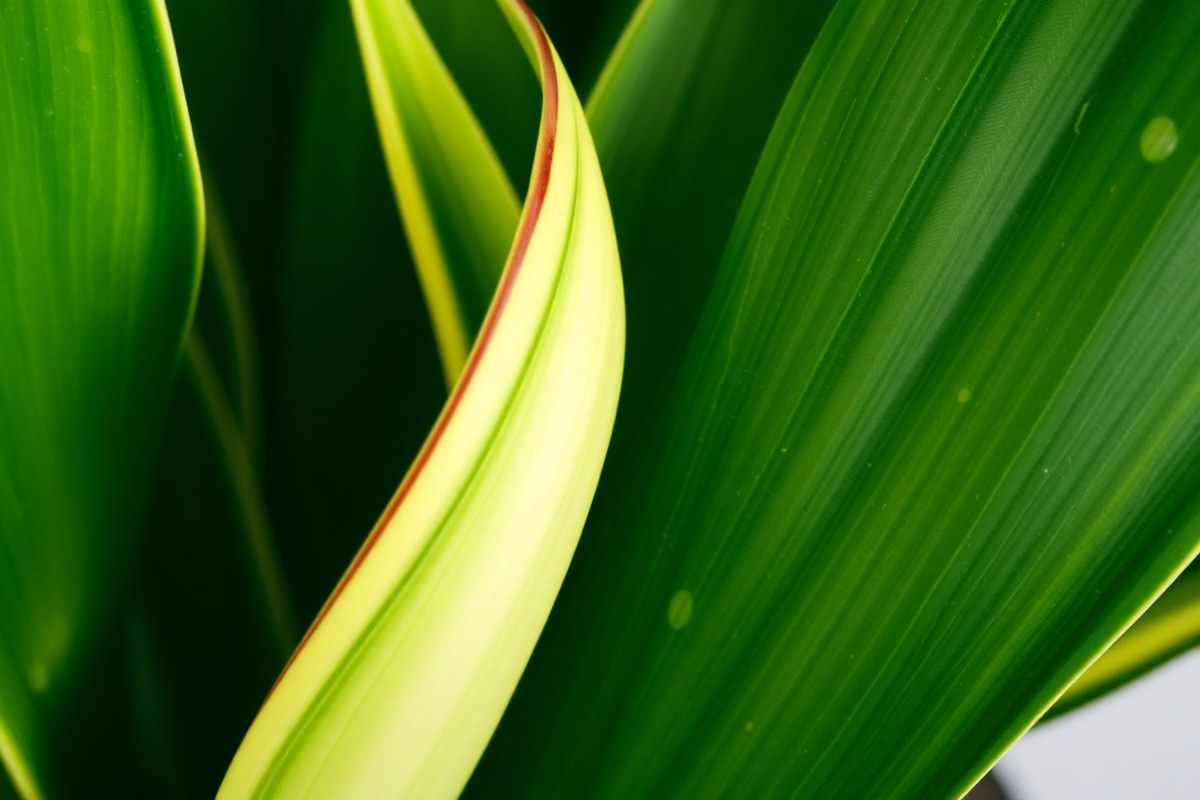
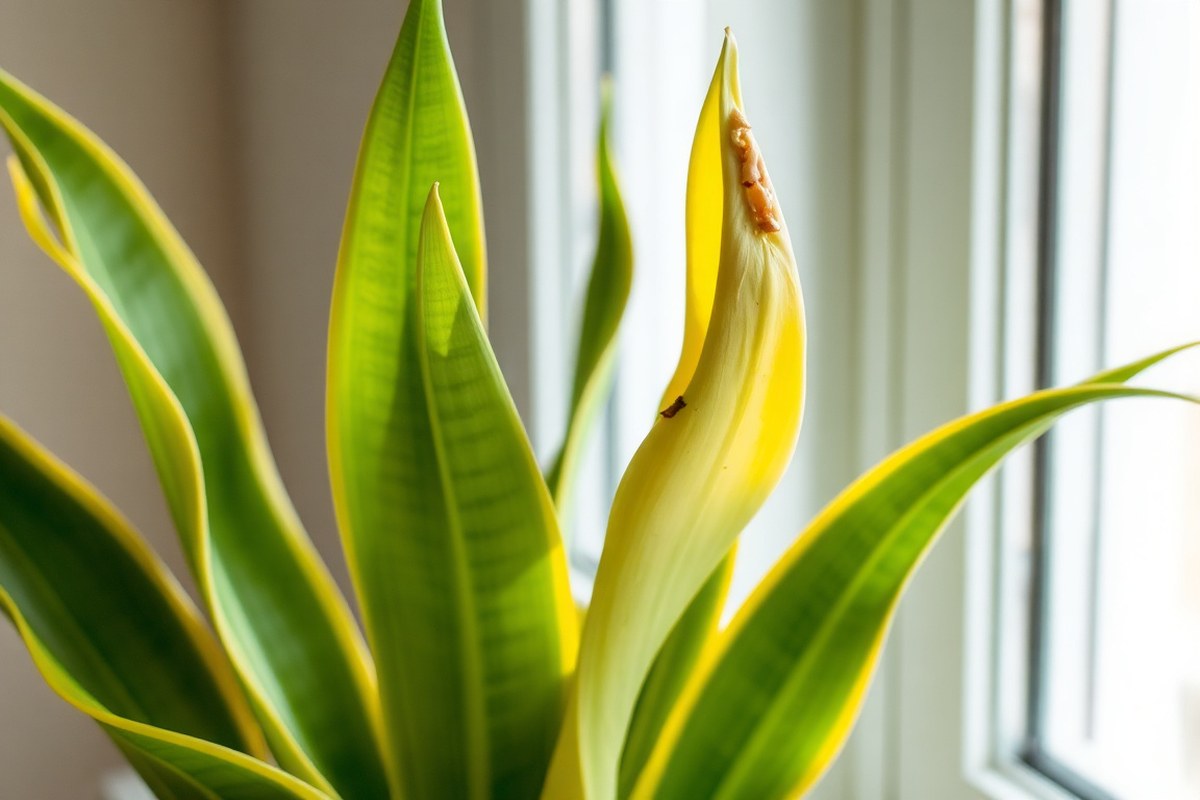
Leaves turning yellow or brown is a clear sign your snake plant is struggling. Overwatering causes drooping leaves that feel mushy at the base. Underwatering shows as dry, crispy tips or folding leaves that droop inward.
Root health reveals a lot about your plant’s condition. Pull your snake plant out and check the rhizomes. Soft black or brown spots that feel mushy mean root rot.
It happens especially if the plant sits in wet soil longer than a week. Root rot damages your snake plant’s roots badly. Healthy roots are firm and white or light tan.
- Soft, translucent lower leaves pulling away: root rot, act within 24 hours
- Brown-black rhizome on squeezing: advanced root rot, low chance to save
- Dry, crispy brown leaf edges: underwatering or low humidity
- Leaves folding inward and drooping: severe thirst, water immediately
- Yellow, mushy leaves: likely overwatering or fungal infection
- Visible mealybugs or sticky residue: pest infestation
- Slow growth with smaller leaves: possibly root bound
Pest damage looks like white cottony patches or sticky spots on leaves. Mealybugs feed on plant sap, making leaves weak and discolored. Cold damage happens when temps drop below 50°F, causing leaf tip browning or curling.
Distinguishing overwatering from underwatering starts with feeling the soil. Wet, soggy soil with yellow leaves points to overwatering and root rot risk.
Bone dry soil with shriveled, brown leaves indicates underwatering. Fix watering habits quickly to avoid further decline.
Check soil moisture with your finger about 2 inches deep before watering to avoid overwatering.
3. Diagnosing the Causes of Your Snake Plant’s Decline
Check your snake plant’s symptoms and link them to the cause. Overwatering, pests, light, and temperature stress create distinct signs. You can use clear clues and a simple table to diagnose the problem fast.
| Symptom | Cause | Key Signs | How to Check |
|---|---|---|---|
| Yellowing leaves, mushy base | Overwatering | Soil stays wet; leaves soft and drooping | Touch soil; if damp after 5 days, water less |
| Brown or spotted leaves | Pests (scale, mealybugs) | Sticky residue or tiny bugs on leaves | Inspect leaf undersides and stems with flashlight |
| Leaves curling, discoloration | Cold stress | Chilling below 60°F; leaves may feel brittle | Check room temp; below 60°F means stress |
| Stunted growth, pale leaves | Nutrient deficiency | Soil unchanged long; no fertilizer added | Assess last feeding; repot or fertilize if needed |
| Slow dry soil; root rot | Poor drainage or wrong pot size | Water pooling; no drainage holes | Lift pot; check for drainage holes and soil type |
This table helps you decide the cause by checking symptoms closely. For example, soft yellow leaves and wet soil mean overwatering. Brown spots and bugs show pests.
Cold stress happens if your indoor temperature drops below 60°F. It causes leaves to curl or become crisp. You’ll notice these signs quickly.
Pot size and soil type also affect health. A pot without drainage blocks excess water. Heavy or compacted soil holds water too long.
Both cause root rot, which slows drying. You should lift the pot to see drainage holes and press soil to test firmness.
Overwatering ruins roots fast because snake plants store water in their rhizomes. Roots die in wet soil within 5 to 7 days under 65°F. Let soil dry fully, usually 2 to 3 weeks in summer, longer in winter. To spot pests, shine a bright light on the leaves and stems.
Look for sticky residue or small insects there. These signs mean you have pests.
4. Correct Watering and Soil Care to Revive Your Snake Plant
Water your struggling snake plant only when the soil is dry to about 50% moisture. Use a moisture meter to check the soil’s moisture level. You can also stick your finger 1 to 2 inches into the soil.
This helps you know if the plant needs water. Do not water if the soil feels damp; waiting helps prevent root rot.
When you do water, soak the soil lightly but thoroughly. Avoid overwatering by stopping once water drains from the pot’s bottom. When the soil repels water, soak the root ball.
Place it in a bowl of water for 10 minutes. This helps the roots absorb moisture deeply.
Your snake plant soil should drain fast to keep roots healthy. Use potting soil mixed with coarse sand or perlite. Aim for half organic material and half mineral.
This mix drains well and keeps roots healthy. This lets excess water escape, reducing risks of soggy roots and rot.
Root rot happens if soil stays over 40% moisture for more than 7 days. It is worse if the temperature is below 65°F. Keep soil drier to avoid damage.
Drying the soil out prevents this problem and helps the roots get oxygen. Keep your plant in warm spots to aid faster drying.
Adjust watering frequency by season and your home’s humidity. During winter, you may only water once a month.
Summer might need watering every two to three weeks. Check moisture before each watering to match the plant’s needs.
Repot the snake plant in fresh soil for its best recovery. Use fast-draining soil if the old mix feels heavy or compacted. This stops root rot and helps growth.
Cut off any mushy roots before repotting to prevent spread of decay. This encourages new root growth and better water flow in the soil.
5. Repotting a Dying Snake Plant: Steps and Timing
Repotting your dying snake plant gives it a fresh start. You’ll remove rotting roots, trim damaged leaves, and put it in better soil. This helps the plant recover by improving airflow and drainage around the roots.
When to Repot Your Snake Plant
Look for signs that mean you should repot right away. Yellowing or mushy leaves show root problems. The soil may smell bad.
You might see the plant sinking lower too. Also repot if the plant is root bound, meaning roots fully fill the pot.
It’s best to repot when you confirm root rot or the soil holds too much water. Avoid repotting during extreme temperature changes or when the plant looks healthy since it adds stress.
Treating Roots and Trimming Damaged Leaves
Start by carefully removing the snake plant from its pot. Gently shake off the old soil to see the roots clearly. Look for mushy, blackened, or soft roots that show rot.
Use sterilized scissors to cut off all damaged roots carefully. Let the plant air dry for a few hours to prevent fungal growth. Trim dead or yellowing leaves to reduce stress and focus energy on healthy parts.
Choosing the Right Pot and Soil
Select a pot with drainage holes to prevent water pooling at the bottom. Plastic or ceramic pots both work fine, but avoid those without drainage. Size the pot just one size larger than the current one to avoid overwatering.
Use a well-draining soil mix made for succulents or cacti. This usually has sand or perlite mixed in for extra airflow. Aim for a mix with a pH between 5.5 and 7.0 to keep nutrients available.
- Take your snake plant out of its current pot gently.
- Clear away old soil from the roots carefully.
- Inspect roots and cut off any rotten parts with sterilized scissors.
- Trim yellow or dead leaves off at the base.
- Let the plant air dry for 2-4 hours on a clean surface.
- Fill a clean pot with fresh well-draining soil mix.
- Place the plant in the new pot and cover roots with soil.
- Water lightly, just enough to moisten the soil.
Make sure the soil dries out fully before watering again to prevent repeat rot.
6. Managing Pests and Diseases on a Weak Snake Plant
A weak snake plant can easily attract pests and diseases, which slow recovery. You can save it by identifying common pests, treating them gently, and preventing their return. This helps your plant get stronger without adding stress.
Common Snake Plant Pests
Mealybugs, spider mites, and scale insects often attack snake plants. Mealybugs look like cottony white spots on leaves and stems.
Spider mites cause tiny webs and speckled leaf damage. Scale insects appear as small, round brown or gray bumps on leaves.
These pests suck sap from the plant, leading to yellowing, browning, and drooping leaves. Cold drafts and physical leaf damage also make snake plants vulnerable. Paying attention to these signs helps catch infestations early.
Safe Treatment Methods
Use a gentle insecticidal soap spray or neem oil to treat infestations. Apply it to all leaf surfaces and stems.
Repeat every 7 to 10 days until pests vanish. Make sure to test sprays on a small leaf area first to avoid burns.
Remove pests by wiping leaves with a damp cloth. Use a cotton swab dipped in rubbing alcohol. Clean stubborn pests gently with the swab.
Avoid harsh chemicals or strong sprays that can harm an already weak plant. Keep the plant in bright but indirect light during treatment.
Preventing Future Infestations
Keep your snake plant healthy with proper watering and avoid excess moisture to deter pests. Maintain around 40% humidity, as very dry air favors spider mite outbreaks. Good airflow and no cold drafts also reduce pest problems.
Check new plants before placing them near your snake plant to stop spreading pests. Clean leaves regularly with a soft, damp cloth to remove dust and spot pests early. This simple routine helps you catch and stop infestations before they start.
7. Adjusting Light, Temperature, and Humidity for Recovery
Place your snake plant in bright, indirect light to aid recovery. Avoid direct sun, which can burn its leaves and cause stress. Natural light is limited.
Use a grow light 10 to 12 hours daily. This keeps your plant healthy and helps new growth.
Keep the temperature between 70 and 90 degrees Fahrenheit (21 to 32 degrees Celsius). Temperatures below 50 degrees can slow growth and damage the plant. Avoid cold drafts or hotspots near heaters, as sudden temperature swings hurt recovery.
Maintain humidity near 50 percent to help revive your snake plant. This middle ground suits most houseplants and prevents leaf drying. You can raise humidity by placing a bowl of water nearby.
Use a humidifier too. This is especially helpful in dry winter months.
Good air circulation helps your snake plant stay healthy during recovery. Open a window to keep air moving near the plant.
You can also run a small fan on low nearby. Stagnant air can promote pests and diseases, so fresh airflow makes a big difference.
Watch for fresh leaf growth or firmer upright leaves as signs of improvement. Leaves returning to a vibrant green mean your plant is bouncing back. Leaves can yellow or wilt from too little light, wrong temperature, or dry air.
Keep conditions right for healthy leaves. So adjust these conditions carefully.
For low natural light rooms, pick a north-facing window. Choose a spot with morning sun if possible.
Avoid south- or west-facing windows if the sun shines directly for long periods. Those places can overheat your snake plant or dry it out too quickly.
Humidity usually costs little or nothing to fix but temperature control might need some investment. A small space heater or portable humidifier runs about $20 to $50, depending on features. Even simple dry air adjustments, like grouping plants or misting occasionally, can help at zero cost.
8. Monitoring Recovery Progress and Further Care Steps
Watching your snake plant recover takes patience and close attention. You’ll spot slow but steady signs of new, healthy growth. Fertilizing and pruning follow different timelines, while propagation helps save badly damaged plants.
Signs of Plant Improvement
New leaf shoots or firm, upright leaves show your snake plant is on the mend. The leaves should feel firm to the touch and display rich green tones. Look for fewer yellow or soft spots, signaling reduced stress or rot.
Recovery usually takes several weeks to a few months with steady care and right conditions. Leaf edges stopping browning or curling means the environment fits your plant. Watch closely during the first 2 months after fixing watering and light issues.
Fertilizing and Pruning Timing
Don’t fertilize your snake plant until it grows new shoots. This usually starts after 6 to 8 weeks. Pick a balanced liquid fertilizer.
Dilute it to half strength. Use it once a month in spring or summer. Avoid fertilizing in winter when growth naturally slows.
Prune damaged, yellow, or soft leaves any time you notice them. Removing these leaves helps the plant focus energy on healthy parts and encourages fuller growth. Use clean, sharp scissors and cut close to the base for best results.
When and How to Propagate
Propagation can save a badly damaged snake plant that won’t recover fully. Leaf cuttings rooted in soil or water can grow into brand new plants.
Let leaf cuttings dry for a day or two to stop rot. Then put them in moist soil or water.
Severe damage to the mother plant means propagation may be your only recovery option. Root cuttings or division of healthy rhizomes also work well.
Roots should form in 3 to 6 weeks. Then move young plants to their own pots.
Don’t water your snake plant right after pruning or propagation to avoid rot. Wait a few days first.
Step-by-Step Action Plan to Save Your Snake Plant
Follow these steps to revive your snake plant with clear actions and signs of success.
- Day 1: Check the soil moisture using your finger. If it feels wet, skip watering. Dry soil means water it lightly and wait for it to drain.
- Week 1: Move your plant to bright, indirect light. Notice if leaves lose their dullness or stiffness begins to improve.
- Week 2: Inspect for pests like spider mites or mealybugs. Use a soft cloth to wipe leaves or apply an insecticidal soap if you spot bugs.
- Day 10: Remove dead or rotting leaves with clean scissors. Healthy leaf tissue should be firm and green when cut.
- Week 3: Repot your plant using fresh, well-draining soil if roots look crowded or rotten. Watch for new root growth in the following weeks.
- Week 4: Adjust watering to once every 2-3 weeks, depending on soil dryness. Leaves should start to feel firmer, not mushy or floppy.
- Ongoing: Keep room temperature between 65-85°F and humidity average to low. The plant should maintain steady color and show no new damage.
Frequently Asked Questions
Can I Save a Snake Plant with Root Rot?
You can save a snake plant with mild root rot by trimming affected roots. Trim away all mushy roots and repot it in fresh, well-draining soil. Rot covering most roots could stop your snake plant from living.
How Often Should I Water a Sick Snake Plant?
Only water your weak snake plant after the top inch feels dry. Overwatering causes most problems. Let soil dry longer than normal to avoid rot.
Is It Okay to Cut Dead Leaves from a Dying Snake Plant?
Yes, remove all dead or yellowing leaves. This helps the plant focus energy on new growth. Use clean, sharp scissors to avoid spreading disease.
Does Repotting Revive a Struggling Snake Plant?
Repotting helps if the soil is soggy or roots are cramped. Use a pot with drainage holes and fresh cactus soil mix. Wait to water after repotting to reduce rot risk.
Can Low Temperatures Kill a Snake Plant?
Snake plants suffer cold stress below 50°F. Keep the plant in a warm spot away from drafts or cold windows. Cold damage can show as soft, discolored leaves.
Should I Use Fertilizer on a Dying Snake Plant?
Avoid fertilizing while the plant is stressed or dying. Fertilizer can burn weak roots. Wait until healthy new growth appears to feed lightly.
Key Points to Remember
Your snake plant can recover if you act with care and patience. Start by checking soil moisture now and adjusting your watering habits. Consistent care will help it bounce back over the next month.