Can Earthworms Feel Pain? What Science Really Tells You
Can earthworms feel pain? The simple answer is, scientists are still debating this. Earthworms react to harmful stimuli.
But it’s unclear if they actually feel pain like we do. Their responses might be just reflexes, not experiences of suffering.
Earthworms have nerves and some molecules linked to pain in other animals. However, they lack a brain structure complex enough to process pain consciously. This means they likely detect harm but don’t experience emotional pain or suffering.
Because of this, handle earthworms gently to avoid damaging them. Their reactions show discomfort, so rough treatment could still harm them physically. Using care benefits both the worms and your composting or fishing efforts.
Key Takeaways
- Earthworms detect harmful stimuli but may not consciously feel pain.
- Their nervous system is simple but includes pain-related molecules.
- They likely lack emotional pain or a conscious experience of suffering.
- Earthworm reactions mostly show reflexive withdrawal from harm.
- Handle worms carefully to prevent physical damage and unnecessary stress.
- Earthworms’ simple nervous system differs greatly from complex invertebrates like octopuses.
Do Earthworms Actually Feel Pain or Just React?
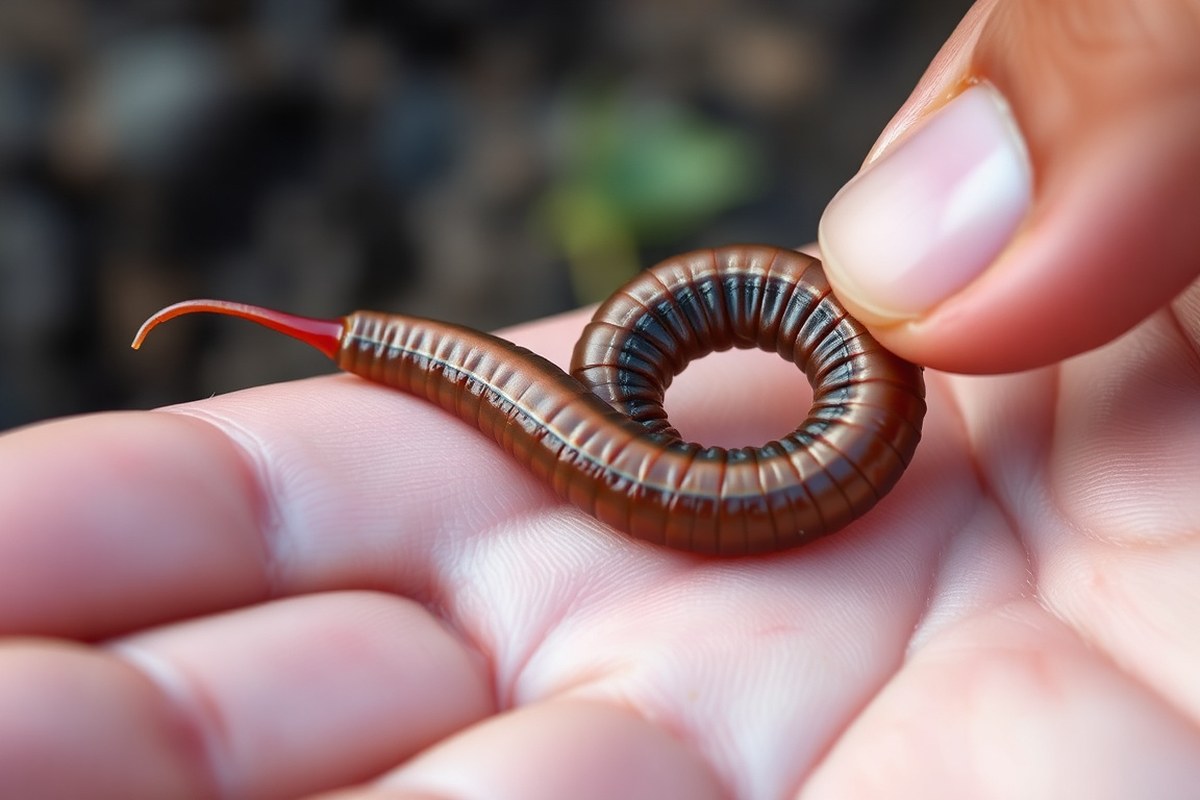
Earthworms respond to harmful stimuli through reflex actions, not through a true pain experience. Reflexes are automatic responses triggered by damage signals, without involving any conscious feeling of pain. These quick reactions help worms avoid danger.
They do not prove suffering like in humans. Worms have simple responses to threats, not feelings.
True pain is a personal experience. It needs higher brain functions to feel unpleasantness. Pain involves more than just sensing harm.
Earthworms have a simple nervous system. It contains about 302 neurons. This limits their sense to basic reflexes only.
Scientists say sensing harm is called nociception. It is not the same as feeling pain. Pain includes emotional and thinking responses.
Studies show earthworms display natural reactions when injured, like curling or thrashing. But this behavior likely reflects reflexive protection. Studies on animals like octopuses show more complex brains.
They display long-term avoidance after bad experiences. This suggests they may feel pain. Earthworms do not show such context-dependent responses, suggesting their reactions stay within simple harm detection.
Some biochemical markers linked to pain, such as B-endorphins and enkephalins, exist in earthworms. This hints at the possibility of a basic pain-like capacity. The evidence about worm pain is limited.
Scientists debate if worms feel pain as we do. The question remains unsettled. The main idea is worms sense injury and react.
They likely do not have the mind to suffer. Their responses are reflexive.
The difference matters because it influences how we treat earthworms during handling or fishing bait use. Knowing worms react but don’t feel pain helps us. This view balances ethics and practical use.
It guides how we treat worms. Reducing harm to worms means minimizing injury.
Injury triggers their quick reflex actions. We focus on avoiding damage, not pain feelings.
How Earthworm Nervous Systems Detect Harm
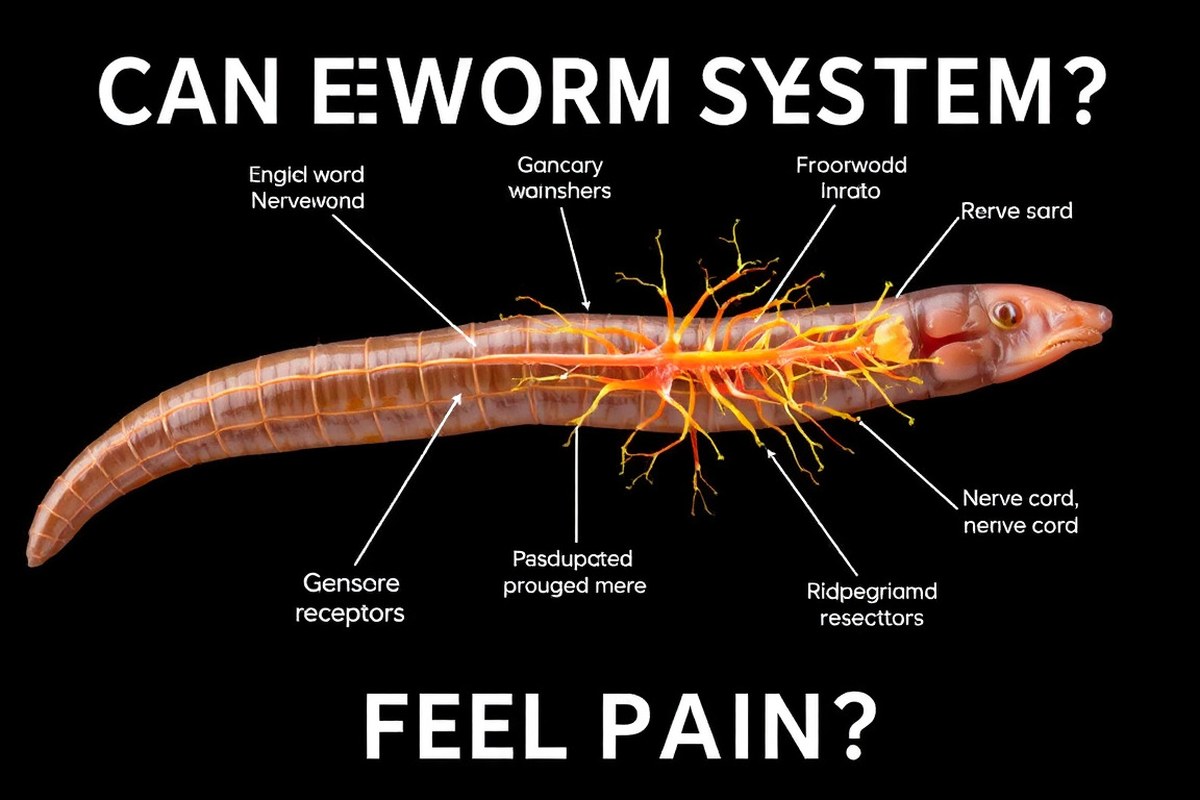
Earthworms have a simple nervous system that detects harmful stimuli through sensory receptors and nerve signals. Their main structures include ganglia, nerve cords, and specialized sensory cells.
These allow worms to sense touch, vibrations, chemicals, and light. But without a brain like vertebrates.
Ganglia and Mini-Brains Role
Earthworms have ganglia, which are clusters of nerve cell bodies. These serve as mini-brains that process information locally within the worm’s segments. The ganglia link to a nerve cord running along the worm’s body.
This cord helps control the worm’s responses to touch and other signals. It keeps the worm reacting properly to its environment.
The ventral nerve cord is the primary nerve running along the underside of earthworms. Signals go from sensory cells to nerve cells that move muscles.
This process causes the worm to pull away from danger. It’s how the worm reacts quickly to threats.
Sensory Receptors Types and Functions
Specialized sensory receptors detect different types of stimuli. Epidermal receptors in the worm’s skin sense touch and vibrations. Photoreceptors let the worm detect changes in light, helping it avoid aboveground threats.
Chemoreceptors sense chemical substances in the environment. Mechanoreceptors detect mechanical pressure and movement, alerting the worm to physical harm or obstacles. These receptors send signals to the nervous system, prompting protective reactions.
Here’s a table summarizing key nervous system components and sensory organs in earthworms:
| Nervous System Component | Description |
|---|---|
| Ganglia | Clusters of nerve cell bodies, serve as “mini-brains” |
| Nerve Cord | A long nerve structure stretches from the worm’s head to its tail. This structure acts as a communication line inside the worm’s body. It helps coordinate movement and responses. |
| Nerves | Groups of nerve fibers branch out from the main nerve structure. These fibers spread signals throughout the worm’s body parts. They help the worm sense and respond around its body. |
| Sensory Receptors | Specialized cells for detecting stimuli and transmitting signals |
| Ventral Nerve Cord | The main nerve line runs underneath the worm’s body surface. This position keeps it protected while sending signals efficiently. It controls the worm’s movement and reflexes. |
In addition to nerves, worms have sensory organs that pick up changes in their surroundings:
| Sensory Organ | Description |
|---|---|
| Epidermal Receptors | Skin cells for detecting touch and vibration |
| Photoreceptors | Light-sensitive cells for changes in illumination |
| Chemoreceptors | Cells for sensing chemicals in the environment |
| Mechanoreceptors | Cells for detecting pressure and mechanical stimuli |
Comparison with Human Nervous System
Earthworm nervous systems are far simpler than human central nervous systems. Humans have a brain and complex networks of neurons that process pain with emotional awareness. Worms lack this complexity and do not have a centralized brain.
Humans also have nociceptors, specialized pain receptors not found in earthworms. Worms respond to harmful stimuli but likely do not experience emotional pain or suffering.
Despite these differences, earthworm nerve signals still share some chemical pathways with humans. For example, human anesthetics can affect worm nerve responses, showing some basic similarities. This means worms detect damage well but don’t “feel” pain like humans.
Handle earthworms gently to avoid stressing their simple nervous systems. Rough treatment causes reflex reactions but likely not true pain.
Molecular Signals Related to Pain in Earthworms
Earthworms have molecules linked to pain detection found in other animals. These include TRPV1+ ion channels and neuropeptides like enkephalins and endorphins. Their presence suggests worms might detect harmful stimuli similarly to vertebrates.
TRPV1+ Ion Channels and Their Role
TRPV1+ ion channels detect temperature changes and harmful chemicals in many animals. Worms have similar channels that respond to irritants, which helps them sense threats. These channels trigger signals when the worm encounters something damaging.
In earthworms, TRPV1+ channels are part of nociception, the process of sensing harm. These channels let ions flow into nerve cells, creating an electrical signal. That signal travels through the worm’s nervous system, warning it of damage.
Some parasites, like S. Mansoni, release molecules that suppress TRPV1+ activity. Studying these molecules could reveal how worms regulate pain signals. This might explain how worms balance sensing harm without constant distress.
Presence of Enkephalins and B-Endorphins
Enkephalins and b-endorphins are natural chemicals that reduce pain in vertebrates. Scientists once thought worms lacked these molecules, so they probably couldn’t feel pain. Recent studies suggest earthworms might produce similar peptides that affect their sensations.
These neuropeptides bind to receptors in the nerve cells, blocking pain signals. This dampening effect helps animals avoid overreacting to minor injuries. In worms, these peptides could help manage stress and harmful stimuli effectively.
Understanding whether worms produce these chemicals takes careful biochemical tests. Extracting and measuring peptides requires special equipment and precise timing. Finding those peptides changes how we view worm sensitivity to damage.
Evolutionary Origins of Pain Molecules
Pain-related molecules like TRPA1 and acid-sensing channels exist in very ancient animals. This shows pain detection evolved long before vertebrates appeared. Earthworms share these molecular tools because they come from early animal ancestors.
These channels and peptides are part of a conserved system used to detect dangerous stimuli. Their presence in earthworms suggests a basic, evolutionary trait for responding to harm. It means worm pain detection is not a new or unique development.
Because worms evolved with these molecules, they might feel some form of pain or nociception. This goes against the old belief that only smarter animals feel pain. Evolution may have equipped worms with these tools to survive and avoid damage.
Behavioral Evidence Beyond Reflexes in Worms
Earthworms show clear changes in behavior after injury, which hints at more than just reflexes. For example, a worm cut or exposed to harmful light will move away or curl tightly. These movements are not random twitching but coordinated efforts to avoid further harm.
Worms can also learn to avoid tough or unpleasant situations. Studies show they alter their future behavior based on past painful or stressful events. This learning ability shows they do more than instant reflexes.
They connect cause and effect over time. They process harmful stimuli in a deeper way.
To test if a worm’s reaction is simple reflex or more complex, watch for these signs:
- Consistent withdrawal from repeated harmful touches
- Slower movement or hiding after injury
- Changing paths to avoid poor soil or bright light
- Adjustments in feeding habits after exposure to irritants
- Longer recovery times before returning to normal activity
Worm movement often looks like a reflex. But the avoidance and learning point to more. Reflexes cause instant, fixed responses.
But earthworms adapt their behavior, which requires some sensation or basic experience of discomfort. This behavior is simpler than mammal pain but shows some form of perception.
Though worms lack brains like ours, their nervous systems coordinate these behaviors to protect and heal. You’ll see them actively try to escape threats.
They don’t just twitch like a reflex. This suggests they might feel a simple urge to avoid harm.
How Earthworms Compare to Other Invertebrates in Pain Perception
Earthworms have simpler nervous systems than many invertebrates known for pain perception. Their neurons are fewer and not centralized. For example, octopuses have around 500 million neurons and large brains that process complex signals.
Invertebrates like crustaceans and cephalopods display clear behaviors linked to pain. They adjust actions based on harmful stimuli beyond automatic reflexes. Earthworms mainly show reflexive responses, making it unclear if they perceive pain the same way.
The relationship between nervous system complexity and pain perception tends to increase together. More neurons and brain-like structures usually mean higher chances of feeling pain. Still, this is a general trend, not a strict rule for all species.
| Invertebrate | Approximate Neuron Count | Nervous System Type | Behavioral Evidence of Pain |
|---|---|---|---|
| Earthworm | 7,000, 10,000 | Simple, segmented ganglia | Mostly reflexive withdrawal |
| Octopus | ~500 million | Centralized brain, complex | Avoidance, learning, adaptive reactions |
| Crustaceans (lobsters, crabs) | ~100,000, 1 million | Segmented ganglia, some centralization | Protective behavior, prolonged avoidance |
| Fruit fly | ~100,000 | Small brain, some ganglia | Reflexes, limited learned avoidance |
Some countries, like Norway and the UK, reconsider animal welfare laws based on such differences. Their legal changes include octopuses and crabs but not simpler creatures. This shows how nervous system complexity influences welfare decisions.
Handle earthworms gently to avoid triggering harmful stress, even if pain perception is unclear.
Scientific Studies Supporting and Questioning Worm Pain
Researchers have run various tests to see if earthworms feel pain. Some studies show behaviors that suggest pain, while others argue worms just react reflexively. The debate continues due to different methods and unclear definitions of pain in worms.
Studies Supporting Pain Sensation
Experiments show worms avoid harmful stimuli in ways more complex than simple reflexes. They move quickly to escape threats and change behavior based on past negative experiences. This suggests worms might sense discomfort and react to avoid it.
Some research noted earthworms produce substances similar to opioid peptides. These chemicals help control pain in vertebrates. Worms might use a basic form of this system.
This hints they can sense pain in some way. Researchers testing opiate effects on worms observed biological responses that mimic pain relief.
A European study funded in Norway found that earthworms display more than just curling when injured. Researchers saw behaviors that indicate ongoing discomfort instead of pure reflex moves. This supports the idea worms could experience some kind of pain.
Studies Suggesting Reflex Only
Other scientists argue worm responses are simple reflexes without conscious pain feeling. Worm nervous systems lack the brain structures vertebrates use to process pain consciously. They say quick squirming and curling may only protect the worm, not show pain perception.
Some believe pain in vertebrates involves complex brain pathways that worms don’t have. While worms can respond to stimuli, no proof confirms they have the emotional experience of pain. These studies highlight differences in how various species react to harm.
Researchers note that responses to opiates in worms might work differently than in vertebrates. This means reactions to painkillers do not guarantee true pain sensation. Worm responses could be more about regulating activity than feeling pain itself.
Limitations and Challenges in Research
Testing pain in worms is tricky because pain includes both sensation and emotion. Earthworms have simple brains, so we can’t use human or animal pain tests directly. Observations focus mostly on behavior and chemical signals, which can be hard to interpret.
Using anesthesia, like prilocaine, during worm research is a “better safe than sorry” approach. It minimizes possible suffering, though no one knows if worms feel pain like vertebrates. This precaution reflects uncertainty in scientific understanding.
Studies vary in methods, such as what stimuli they use and how they measure worm reactions. Differences in species, environment, and handling also affect results. More research is needed before scientists reach a consensus on worm pain.
Emotional Pain and Conscious Experience in Worms
Emotional pain involves a conscious feeling of unpleasantness, like sadness or fear. Science says earthworms lack the brain structures needed for conscious experience. Their nervous system is too simple to create emotional responses like we have.
Conscious experience requires complex brain areas to process sensations and feelings. Humans and many animals have these brain regions active during pain and emotion. Earthworms only have a nerve cord and clusters of nerve cells, not a brain like mammals.
This means earthworms react automatically to harmful stimuli without awareness. Their recoil from harm is a reflex, not a sign they feel emotional or psychological pain. They do not anticipate pain or suffer mentally from it.
Understanding this helps us decide how to treat earthworms ethically. They likely experience nociception, a basic alarm system for damage, not true suffering. Handling them gently avoids causing unnecessary harm.
It doesn’t stop emotional pain. They don’t feel emotional pain anyway.
Practical Implications for Handling and Using Worms Safely
Handling earthworms gently helps reduce the pain they feel when hooked or cut. Worms might not show pain like animals with brains. But injuring them still causes harm.
When fishing or handling worms in vermiculture, care matters. It stops extra suffering. Taking care also helps worms live longer.
Cuts or hooks hurt worms and might stop them from moving or feeding properly. Luckily, earthworms sometimes survive if cut in half, but it slows their recovery. Treating worms with respect means avoiding sharp tools and rough handling whenever possible.
- Use moist hands to handle worms without drying their skin.
- Pick worms gently, avoiding squeezing or pulling too hard.
- Keep worms cool and shaded to reduce stress.
- When you hook a worm for fishing, act fast. Remove the hook gently to avoid harm.
- When cutting worms, use clean, sharp tools to minimize tearing.
- Place injured worms back into moist soil to help healing.
- Store worms in damp, cool containers if you need to keep them temporarily.
Injured worms usually take longer to recover in dry or hot places. Soil moisture and temperature matter a lot. Cooler temperatures around 50°F help worms stay healthy during handling.
Treat worms gently. Rough handling can cut segments or cause lasting damage. This harms worm numbers in your garden or bait supply.
Always wet your hands before handling worms. Dry hands can peel off their protective skin.
Ethical care improves worm survival and encourages responsible use in fishing and composting. Expect slower movement and less feeding right after injury.
But healthy conditions support faster recovery. Avoiding injury helps worms stay active and reproduce, which keeps your vermiculture productive.
Safe worm handling takes a little time and gentle touch but prevents pain and loss. Treat worms kindly and watch how they respond. You’ll notice less breakage and better worm health when you handle them the right way.
How to Handle Earthworms with Care Today
Follow this quick plan to treat earthworms safely and respect their sensitivity. You’ll see results by watching their behavior closely.
- Before you start: Use moist hands or soft tools to pick up earthworms gently. They stay calm and move normally if you handle them right.
- Day 1: Avoid squeezing or pinching earthworms. If they twitch quickly or curl up, they may feel strong discomfort.
- Week 1: Watch how earthworms react when placed on dry or rough surfaces. Move them to moist soil if they try to escape fast.
- Week 2: Use worms only in conditions that mimic their natural environment. They stay active and healthy this way.
- After 3 weeks: Check for signs of stress like slow movement or loss of body color. Reduce handling if you spot these signs.
- Ongoing: Keep soil moist and clean to support earthworm health. Healthy worms are less likely to show harmful responses to touch.
- Every time: Record any changes in worm behavior after handling. Adjust your care based on how they respond.
Frequently Asked Questions
Can Earthworms Feel Pain?
Yes, earthworms have nervous systems that detect injury and pain. They react to harmful stimuli, showing signs of pain responses like thrashing.
Do Earthworms Show Emotional Pain?
We can’t confirm emotional pain in earthworms yet. Their nervous systems detect harm but likely lack emotions linked to pain.
How Do Earthworms React to Injury?
They thrash or wiggle to escape threats. This reaction signals they feel discomfort or pain.
Are Earthworms’ Pain Responses Like Humans?
No, their pain likely isn’t emotional or conscious like humans. But it’s a biological alarm.
Can Cutting Earthworms Cause Pain?
Yes, cutting causes pain reactions like thrashing, showing they sense injury and distress.
Do Earthworms Use Chemical Signals for Pain?
Yes, they have pain-related chemicals like B-endorphins, suggesting a capacity for pain sensation.
Wrapping Up
Earthworms likely feel a simple form of pain or discomfort through their nervous systems. Handle them gently to avoid causing harm. Try using soft tools or wet hands next time you work with worms.