What Vegetables Should Be Planted Together: A Complete Guide with Expert Tips
The right vegetable pairs improve growth, reduce pests, and boost garden productivity. Planting corn, beans, and squash together supports each other naturally. Corn acts as a pole for beans to climb.
Beans add nitrogen to the soil, helping other plants thrive. Squash spreads wide and blocks sunlight to prevent weeds.
Choose plants that complement each other’s needs and growth habits. Space them well to avoid shading or crowding, which stresses plants. Avoid incompatible pairs like fennel, which can stunt most vegetables’ growth.
Good companion planting balances root depth and plant height. This allows crops to share nutrients without competing. The planting order and timing matter too, like planting beans after corn is established.
Key Takeaways
- Plant corn, beans, and squash together on mounds about 3 feet apart.
- Sow corn first, then beans 2, 3 weeks later when corn is 6 inches tall.
- Keeps fennel in a separate bed at least 3-4 feet away from other veggies.
- Space lettuces 12 inches apart but increase to 15 inches when interplanting okra.
- Plant basil around tomato patches about 10-12 inches apart for pest control.
- Radishes grow quickly; use them as a filler crop between longer-season plants.
Which Vegetables Should Be Planted Together for Best Results?

Some vegetables grow better when planted next to certain companions. Tomatoes, for example, do well near basil and carrots. Basil improves tomato flavor, while carrots use different soil levels, helping both thrive.
Carrots and radishes also grow well together in alternating rows. Radishes mature quickly and loosen soil, helping carrots grow straight. Cucumbers benefit from being near dill because dill attracts pollinators to cucumber flowers.
Broccoli pairs nicely with aromatic herbs, spinach, and radishes. These companions help reduce pests and improve growth. Don’t plant tomatoes next to potatoes.
They share pests and diseases. This can spread problems quickly.
Good companion plants usually have different nutrient needs or root depths. They may also attract helpful insects or shade nearby plants. Keep companion plants 2 to 3 feet apart.
Follow seed packet spacing. Avoid overcrowding your plants.
Here are some common vegetable companions that often grow well together:
| Vegetable | Good Companions |
|---|---|
| Tomatoes | Basil, carrots, onions |
| Carrots | Radishes, lettuce, onions |
| Cucumbers | Dill, beans, peas |
| Broccoli | Spinach, radishes, aromatic herbs |
| Beans | Corn, cucumbers, radishes |
Make sure plants have similar sunlight and water needs. For example, tomatoes and basil both like full sun and moderate water. Keeping these conditions consistent helps companion plants do their best.
Good companions boost yield and keep pests down. When they shade one another or attract beneficial bugs, plants stay healthier. Pairing plants wisely in your garden saves space and helps your vegetables grow stronger.
How Companion Planting Helps Pest Control and Soil Health
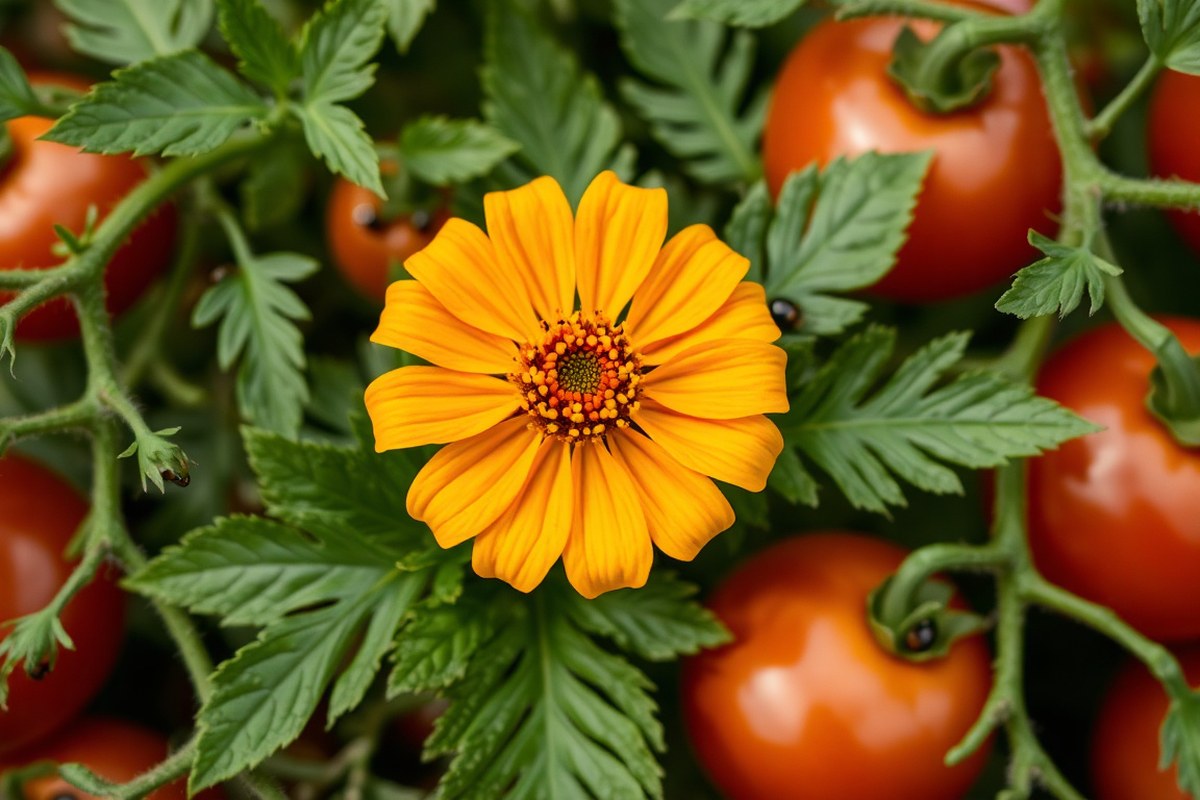
Companion planting helps control pests without chemicals. It mixes plants that repel bugs. It also improves soil health through nutrient cycling.
This method reduces chemical use and creates healthier garden ecosystems. You can use simple plant choices to create these benefits in your vegetable garden.
How Plants Repel or Confuse Pests
Some vegetables and herbs release chemicals that pests dislike, keeping them away. For example, planting basil near peppers helps repel aphids and spider mites. Chives planted by tomatoes are known to deter aphids, protecting the crop from damage.
Marigolds release root compounds that control soil pests like nematodes, which harm tomato roots. Beans repel pests that bother eggplants. They also add nitrogen to the soil.
This makes beans and eggplants a good pair. Avoid planting garlic near peas because its sulfur compounds stunt pea growth.
Attracting Beneficial Insects with Flowers and Herbs
Certain companion plants draw ladybugs, lacewings, parasitic wasps, and pollinators that help control pest insects. Basil flowers attract ladybugs and parasitic wasps, both of which prey on aphids. Parsley and oregano also bring in beneficial insects that feast on garden pests.
Marigolds attract hoverflies and ladybugs that consume aphids on peppers and cabbage worms. Including these flowers in your garden supports a natural pest management team. This reduces pesticide needs and protects your plants naturally without extra work.
Improving Soil Nutrients and Structure
Companion planting also blends different root systems that cycle nutrients better. Beans fix nitrogen in the soil, feeding nearby crops like eggplant that need it. Intercropping helps prevent nutrient depletion and supports soil organisms, which boosts plant health.
Using plants with deep roots next to shallow-rooted ones prevents competition and loosens soil. This mix creates better drainage and air flow, avoiding disease and nutrient shortages. It also supports beneficial microbes that improve soil quality over time.
How to Create a Pest-Deterring, Soil-Boosting Garden
Start by pairing plants that fight each other’s pests. Try beans with eggplants. Another option is basil with peppers.
Add flowers such as marigolds and parsley around vegetables to attract helpful insects. Use nitrogen-fixers like bush beans to naturally enrich the soil near heavy feeders.
Keep spacing sufficient to avoid crowding but close enough to benefit from companion effects. Rotate plant families yearly to prevent disease buildup and improve nutrient balance. Avoid planting plants with conflicting chemicals, like garlic and peas, to maintain healthy growth.
What to Watch for in Companion Planting
Too many plants crammed together can cause disease and nutrient problems despite the benefits. Watch for signs of poor growth or pest damage to adjust your pairings and spacing. Some companion plants can attract local pests or diseases.
Watch for this in your garden. Swap these plants if they cause trouble.
Make sure your garden layout fits the sunlight and watering needs of companions; mismatches reduce effectiveness. Be patient, these benefits build over the season as soil and insect populations balance out. Proper care and observation help you get the most pest control and soil improvement.
Tip: Plant flowers that attract beneficial insects near your vegetables to reduce pests naturally without chemicals.
Which Vegetables Should Never Be Planted Together?
Some vegetable pairings harm each other by competing for nutrients or releasing growth inhibitors. For example, fennel is best kept out of vegetable gardens. It releases chemicals that stunt growth in beans, tomatoes, and peppers.
Keep fennel in a separate container or 3 to 4 feet away. This helps protect your other vegetables from its effects. It reduces competition and keeps plants healthier.
Space also matters. Broccoli and bush beans both take up much room. Planting them too close can stunt their growth because they compete for sunlight and soil nutrients.
Radishes like daikon and watermelon types take 50 to 60 days to mature. So avoid planting them near faster crops to prevent competition.
- Keep fennel away from beans, tomatoes, and peppers by 3 to 4 feet.
- Don’t plant broccoli and bush beans next to each other because of space needs.
- Avoid mixing long-maturing radishes with quick-growing vegetables.
- Separate nitrogen-hungry plants from nitrogen-fixing beans to reduce competition.
- Plant large, sprawling vegetables apart to prevent overshadowing smaller ones.
Root competition and allelopathy explain why some vegetables clash. Root competition occurs when plants fight for the same nutrients underground.
Allelopathy happens when one plant leaks natural chemicals that slow a neighbor’s growth. Recognizing these effects can guide how you space your garden beds and arrange vegetables.
Ask if plants need a lot of space or have chemical effects. If yes, keep them apart to avoid problems. Space and chemicals affect plant health and growth.
Put plants like fennel, which inhibits growth, in separate beds or containers. Give large plants extra room to prevent overcrowding. This takes more garden space but leads to stronger plants and better harvests.
Traditional Vegetable Groupings: The ‘Three Sisters’ and Other Historic Plantings
The “Three Sisters” is an old Native American method for planting corn, beans, and squash together. It helps these plants grow better by using their natural strengths. Plant corn first.
Wait a few weeks to plant beans next. Plant squash last for better results.
Planting Corn First
Corn is the first plant in the Three Sisters method. You start by planting corn seeds in small mounds. These mounds should be about 3 feet apart to give the plants room to grow strong.
Space each corn seed about 10 inches apart within those mounds. This lets the corn grow tall and straight. You want to plant when the soil temperature reaches about 60°F for good germination.
Adding Beans at the Right Time
Beans come next, planted 2 to 3 weeks after corn. Wait until the corn seedlings are about 6 inches tall before sowing the beans. This timing prevents the beans from weighing down young corn plants.
Plant pole beans near the corn so they can climb the stalks. Beans add nitrogen to the soil, which benefits all three plants. Avoid planting beans too early, or they may compete with corn for resources.
Sowing Squash for Ground Cover
Squash goes in last, about one week after beans. Plant squash seeds around the base of the mounds. Their wide leaves shade the soil, keeping it moist and stopping weeds.
The squash plants spread low and wide, protecting the roots of corn and beans. Use varieties like winter or summer squash that suit your growing season. Make sure the soil around the mounds stays warm and moist for squash to thrive.
To use the Three Sisters method, follow these steps:
- Make mounds about 3 feet apart in your garden area.
- Plant corn seeds about 10 inches apart in each mound.
- Wait until corn reaches 6 inches tall, usually 2 to 3 weeks.
- Sow pole beans around each corn mound, letting them climb stalks.
- After one week, plant squash seeds around the beans and corn.
- Keep soil moist but not waterlogged throughout the growing season.
- Thin seedlings if they’re too crowded to keep plants strong.
- Watch squash vines spread to shade soil and block weeds.
How to Plan Vegetable Spacing and Timing for Companion Gardens
Companion plants need proper spacing to grow well side-by-side. Small herbs like basil require 10 to 12 inches apart. Bigger vegetables like cabbage need more room, up to 18 to 24 inches.
Take note of each plant’s size when laying out your garden to avoid crowding. Leaving space helps air circulate and sunlight reach all plants. This reduces disease risk and keeps plants healthy.
Timing matters too. Fast growers like radishes or lettuce can go in early. You can harvest them before slower plants, like tomatoes, get big.
This way, you use your garden space well. You can plant quick growers between slow growers to use space efficiently. For example, sow radishes around tomatoes in spring, then remove radishes when tomatoes start spreading wide.
| Plant Pair | Spacing | Planting Timing |
|---|---|---|
| Basil & Tomato | One basil every 2-3 tomato plants, 10-12 inches apart | Plant together in late spring |
| Beet & Cabbage | Beets planted around cabbage, cabbage needs 18-24 inches | Plant beets earlier; cabbage follows |
| Marigolds & Tomatoes | Marigold border around tomato bed, 8-12 inches apart | Plant marigolds with or before tomatoes |
| Basil & Pepper | One basil per 2-3 pepper plants, spaced 10-12 inches | Plant together in late spring |
When planning companion gardens, decide which plants grow quickly and which grow slowly. Put fast growers between slow ones and space plants by their mature size. Keep about a foot of room between smaller herbs and larger vegetables.
This approach uses your garden space better. You get more harvests without crowding. Planting too close causes plants to fight for light.
Poor air circulation can happen too. This can hurt plant health and growth. That can invite pests and diseases.
Plant fast growers first, then add slow growers to avoid shading and overcrowding problems.
How Roots and Growth Habits Affect Companion Planting Choices
Root depth plays a big role in picking companion plants. Plants with deep roots can pull nutrients up from far below.
This helps nearby shallow-rooted plants get more food without extra fertilizer. For example, deep-rooted comfrey can improve soil for lettuce or radishes growing near the surface.
Planting deeply rooted vegetables too close to shallow-rooted ones causes trouble. Their roots compete for water and nutrients. Plant seeds at least 12 to 18 inches away from sprawling plants like zucchini.
This spacing gives roots room and light, reducing stress. Crowding some plants leads to weaker growth or less yield.
Tall or sprawling plants also shade or crowd shorter neighbors. A tall plant like corn can block sun from low-growing carrots or radishes. Giving tall plants enough space helps all get light.
Sprawling vines take up surface area, competing for soil nutrients and space. Carrots and dill both spread wide.
They grow slow when crowded. Keep them apart in your garden.
Plants growing at different speeds can still work well together. Radishes grow faster and take less space. So they manage near slower crops like carrots.
Matching growth rates lets you pack veggies closer. Two plants with sprawling roots or stems should not grow together. This reduces battles over water, light, and nutrients.
Think about root behavior and plant size before planting. In small gardens or containers, choose companions with different root zones and upright habits.
This avoids overcrowding and nutrient shortages. Proper spacing by root depth and plant height makes plants healthier and boosts harvest size.
Which Herbs and Flowers Boost Vegetable Growth and Pest Resistance?
Basil is a top herb companion for many vegetables, especially tomatoes. It repels thrips, aphids, and whiteflies, pests that often bother tomato plants. Plant basil 12 to 18 inches away from your tomatoes.
This spacing keeps good airflow around the plants. It also helps basil get enough sunlight. This spacing lets both plants thrive without competing for space or nutrients.
Marigolds act as a pest shield for many vegetable beds. They release substances that repel beetles and nematodes, which can damage roots and leaves.
You can tuck marigolds throughout your garden or in containers with peppers, cucumbers, or beans. Their bright orange and yellow flowers also attract beneficial insects like ladybugs, which eat pests.
Chives are excellent near carrots, protecting them from carrot flies. You can space chives about 8 to 12 inches from carrots so they support each other. Garlic helps with pest control near Brussels sprouts.
It keeps squash bugs and Japanese beetles away. Growing garlic nearby protects these vegetables. Planting nasturtiums nearby works too to deter these bugs and keep mosquitoes away.
Dill and parsley pair well with asparagus by boosting its growth and smell to confuse pests. Plant these herbs close, around 12 inches, ensuring they don’t crowd the asparagus roots. Sage is a strong companion for many vegetables.
It helps keep pests away from your garden. Harvesting sage adds unique flavors to your dishes. It’s best to plant sage where it can spread without crowding smaller plants.
Sunflowers, petunias, and geraniums join marigolds in supporting vegetable health. These flowers repel certain flying insects and fungal diseases, protecting the whole garden. Mix them among your vegetables or at garden edges.
This planting mix saves space in your garden. It also brightens the garden’s appearance. Your garden will look as good as it grows.
Adapting Companion Planting for Small and Container Gardens
Choosing vegetable companions that share similar water and sunlight needs matters most in containers. Onions and other alliums grow well in pots. They don’t crowd nearby plants.
They also stay away from thirsty plants. Herbs like rosemary, thyme, and oregano thrive together if their water needs match. So keep them away from moisture-loving herbs.
Manage water carefully since containers dry out faster than garden beds. Use a saucer or self-watering pot to keep soil evenly moist without flooding roots.
Place containers where sun reaches at least six hours daily for most vegetables. But move shade-tolerant herbs to less sunny spots.
Space plants so leaves and roots don’t crowd. Keep 4 to 6 inches between small plants like herbs. Give larger veggies like peppers up to 12 inches spacing.
This helps each plant have enough room. Crowding leads to poor air flow, inviting disease and stunting growth.
A quick drip check helps: if water pools on the surface, cut back watering. Too dry, water daily in hot weather.
Peppers and tomatoes can share a container. Both need warmth and water to grow well. Planting them together saves space.
Plant frost-tolerant crops like spinach or radishes around broccoli or cabbage edges. They grow well in cooler weather.
This setup protects the main crops. This saves room and lets you harvest early crops before the larger plants fill out.
Good soil is key. Use a quality potting mix to avoid nutrient deficiencies. Container companion planting won’t fix poor conditions.
Add balanced fertilizer every few weeks during the growing season. Slow growth or yellow leaves mean you may need more water or nutrients.
Check your plants often. Adjust care to keep them healthy.
Use trellises for beans or peas to grow vertically. This keeps plants off the ground. It also frees up space in small containers.
Just be careful to place sun-loving climbing plants on the sunniest side. Check companion planting tips for each vegetable’s root depth.
Know their growth habit to avoid root competition. This helps plants grow better together.
How to Avoid Common Companion Planting Mistakes
Ignoring space needs is a common error in companion planting. Plants too close together compete for light, water, and nutrients. Check seed packets or garden guides for recommended plant spacing.
Leave enough room between each plant to help them grow. This prevents crowding and keeps plants healthy.
Another mistake is mixing plants with incompatible nutrient needs. Heavy feeders like broccoli and tomatoes need different spaces. They compete for nitrogen and other nutrients if grown together.
Avoid planting them right next to each other. Match plants with similar or complementary nutrient demands to keep them healthy and growing strong.
Conflicting root systems also cause big problems. Some plants have deep roots, while others spread out shallowly. Putting deep-rooted crops next to shallow-rooted ones might starve one or both.
Avoid planting garlic near beets to stop root maggots. Keep enough space so their roots don’t crowd each other. This helps both plants stay healthy.
- Plant tomatoes away from walnuts due to juglone toxin in walnut roots.
- Keep tomatoes separate from potatoes and corn to avoid pest buildup.
- Space heavy feeders like broccoli well apart from lighter feeders.
- Match root depths to prevent underground crowding.
- Use garlic near beets to reduce root maggots, but allow root space.
- Avoid planting closely related species to reduce disease spread.
Check soil regularly to catch nutrient shortages early. Use organic mulch to keep soil moist and reduce competition from weeds. Plants showing stress need thinning or transplanting.
This reduces crowding and helps them get enough air and light. Act quickly to save their growth.
Keeping these fixes in mind makes companion planting work better. It takes a little extra planning but pays off with healthier vegetables and higher yields.
How Nitrogen-Fixing Plants improve the Vegetable Garden
Nitrogen-fixing plants capture nitrogen from the air and add it to soil. Beans and peas are the most common types of nitrogen fixers you can plant. They form tiny nodules on their roots that hold nitrogen bacteria, enriching the soil naturally.
Vegetables that need lots of nutrients, called heavy feeders, benefit most from nearby nitrogen fixers. Eggplants and cucumbers fall into this group.
Eggplants, for example, crave nitrogen to grow well and produce many fruits. Planting beans next to eggplants gives the soil the nitrogen it needs without extra fertilizers.
Beans and peas both need plenty of water and nutrients to fix nitrogen well. Plant them in a spot where they get steady moisture but avoid overcrowding. Space beans 6 to 8 inches apart.
This helps roots grow well. It also allows air to circulate and boosts nitrogen fixing bacteria.
In heavy-feeding vegetable patches, mix rows of nitrogen fixers like beans every two or three rows. This method spreads nitrogen evenly, cutting the risk of one plant robbing another. For small gardens, companion plant beans directly beside eggplants or cucumbers to boost their nitrogen supply.
Sometimes, nitrogen fixers and heavy feeders both compete for water and other nutrients. For example, beets are light feeders and do not need nitrogen fixers nearby. Don’t plant beans near heavy feeders with deep roots.
Cauliflower is one example. They compete for space and water too much.
Adding nitrogen-fixing beans to your vegetable garden reduces the need to buy chemical fertilizers. Beans cost about $2 to $5 per packet.
You can plant them every season. Their nitrogen-fixing benefit builds soil fertility over time, helping your garden stay productive year after year.
Healthy, dark green leaves on heavy feeders show good results. Steady fruit growth also means success. Your soil will feel softer and look darker after several seasons with nitrogen fixers.
Watch for poor growth when plants are crowded or bugs attack roots. Bugs on bean root nodules hurt nitrogen fixing.
Planning for Seasonal Changes in Companion Vegetable Gardens
Staggering plantings helps you get the most from your garden space. You can plant quick growers early and follow with slower ones nearby. Adjust your timing for your climate’s seasons to avoid frost or heat damage.
Early Season Fast Growers
Plant fast-maturing vegetables like radishes, leaf lettuces, and baby spinach early. These crops grow in about 20 to 40 days.
So you can harvest them before slower vegetables need more space. They thrive in cool weather, making early spring or late summer good times to plant.
These early crops quickly clear a spot for mid-season plants. For example, you can grow radishes and lettuces together because they don’t take up much room. Both prefer temperatures between 50°F and 70°F, which matches early spring conditions well.
Mid-Season Main Crops
Plant vegetables like carrots, peas, and early potatoes after harvesting your fast growers. Peas grow well with carrots and chives, which protect carrots from pests. This combo uses space and nutrients better.
It can boost your harvest by 20 to 50% per acre. Grower reports support these gains.
Look at maturity dates. Carrots take about 70 days. Peas need around 60 days.
Potatoes range from 70 to 90 days. Start peas and carrots together, then transplant potatoes when soil temperatures reach 45°F to 50°F. They blend well in raised beds, sharing nutrients and shade.
Late Season Companion Strategies
Use late season planting to fit slow growers like kale, cabbage, and Brussels sprouts. These vegetables like cooler weather.
So plant them in late summer for a fall harvest. Kale pairs well with other cool-season crops for matched growth cycles and pest control benefits.
Mixing fast and slow maturing plants lets you maintain garden productivity into fall. Kale and Swiss chard take longer to mature. You can plant quick-harvest lettuces early in fall.
They share the same space. This keeps your garden producing longer as the weather cools down.
- Check your local last frost and first frost dates to plan your garden calendar.
- Start fast-growing seeds indoors or directly in early spring to use early cool weather.
- Transplant or sow mid-season crops after harvesting early vegetables.
- Use soil thermometers to ensure temperatures suit slower growing plants before transplanting.
- Monitor plant growth and remove early harvests to free space for new transplants.
- Continue planting cool-weather, late-season crops in late summer for fall and winter harvesting.
- Adjust planting times for your climate, especially if you have a short growing season.
Be careful not to crowd slow growers with faster ones still maturing. Crowding can reduce yield and increase disease risk.
Step-by-Step Action Plan for Companion Planting Success
Start with these clear steps to plant vegetables that grow well together. Follow each to help your garden thrive.
- Before planting: Choose compatible veggies like tomatoes with basil or beans with corn. This boosts growth and cuts pests.
- Before planting: Don’t plant cabbage close to tomatoes. Keep onions away from beans to avoid pests and growth problems.
- Planting day: Space plants according to root depth and size to reduce competition and improve airflow.
- Weeks 1-2: Add herbs and flowers like marigolds or nasturtiums to attract beneficial insects.
- Weeks 3-4: Monitor soil moisture and add mulch to conserve water and reduce weeds.
- Monthly: Rotate nitrogen-fixing crops like peas or beans to enrich soil naturally.
- Seasonally: Adjust plant groupings based on temperature changes and plant maturity times.
- Throughout season: Watch plants for signs of stress or pests and adjust companion choices as needed.
Frequently Asked Questions
What Vegetables Grow Best Together in a Small Garden?
Leafy greens like lettuce and spinach grow well with herbs. They need similar light and water, making care easier.
Can Planting Certain Vegetables Together Improve Soil Nutrients?
Yes, nitrogen-fixing plants like beans boost soil for others. They add nutrients that crops like corn and leafy greens use.
Do Some Vegetables Attract Pests That Harm Others Nearby?
Yes. For example, planting tomatoes next to potatoes can spread diseases. Keeping them apart reduces shared pest risks.
Is There a Benefit to Planting Tall and Short Vegetables Near Each Other?
Yes, tall plants like corn can provide shade for shade-loving crops. This layering maximizes sunlight use and space.
Which Vegetables Can Help Each Other Repel Pests Naturally?
Garlic and onions repel aphids, helping nearby carrots and lettuce. This reduces the need for chemical sprays.
How Should I Water Companion Plants That Have Different Moisture Needs?
Water plants separately if possible, adjusting to each type’s needs. Overwatering one plant can harm neighboring ones.
Key Points to Remember
Planting compatible vegetables together helps your garden grow better and stay healthier. Start by picking pairs that help each other against pests and soil problems. Try companion planting in a small bed this season to see the benefits yourself.