Do Lavender Plants Like Full Sun? A Complete Guide for Healthy Growth
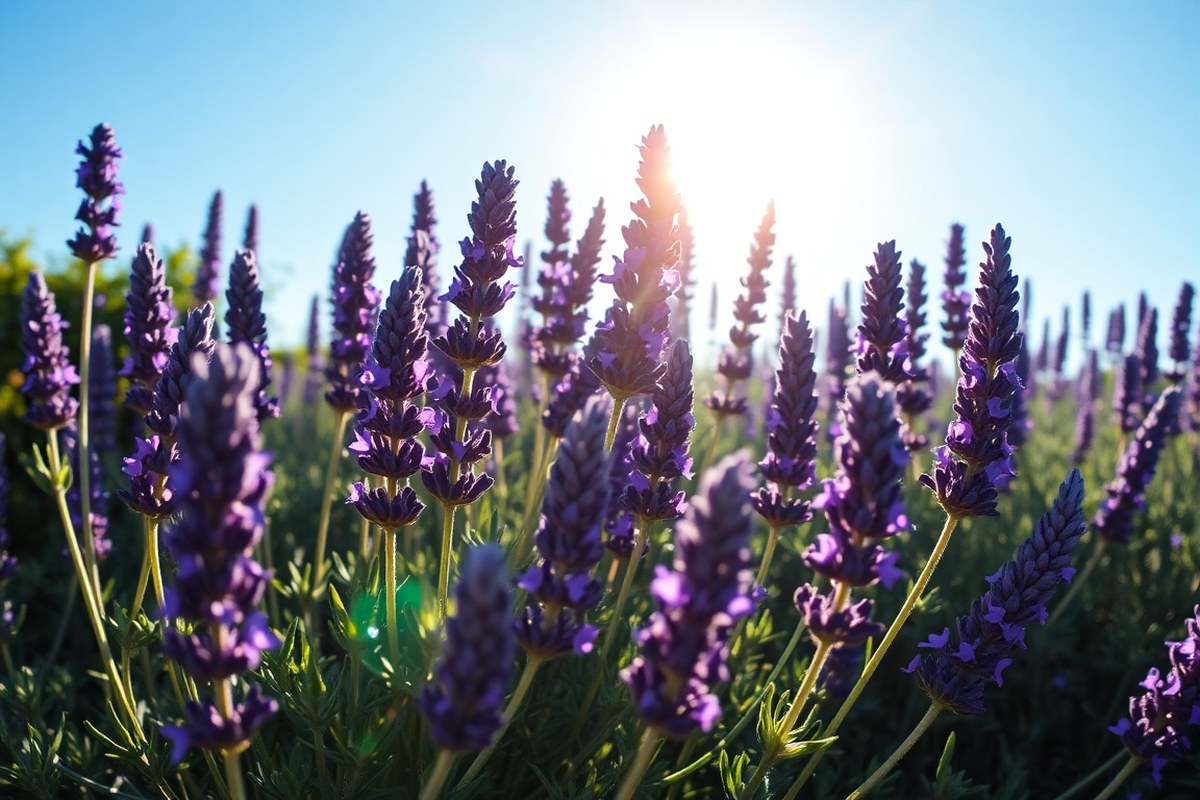
Lavender thrives with plenty of sunlight. It requires 6 to 8 hours of direct sun every day to grow strong. Without enough light, your plant might look weak and produce fewer flowers.
Full sun helps lavender develop its strong scent and beautiful flowers. You want to plant it where sunlight isn’t blocked by trees or buildings. A sunny spot means healthier plants with better fragrance and color.
Lavender does best in well-draining soil under full sun. Too much shade can make it leggy and less fragrant. Plant it where it can soak up morning and afternoon sun for best results.
Good airflow is also key to keeping lavender healthy. Space the plants about 18 to 24 inches apart so air circulates well. This keeps leaves dry and prevents the fungal issues lavender dislikes.
Key Takeaways
- Lavender needs 6 to 8 hours of direct sun for healthy growth and blooms.
- Pick a location with no shade from trees or structures during the day.
- Space lavender plants 18 to 24 inches apart for good airflow and sun exposure.
- Full sun boosts lavender’s fragrance and flower production.
- Even potted lavender should get 6 to 8 hours of direct sunlight daily.
- Lavender can handle split sun, like 3 hours morning and 3 hours afternoon.
Do Lavender Plants Need Full Sun to Thrive?
Lavender requires a minimum of 6 to 8 hours of full sunlight each day. This amount of sun supports healthy growth and abundant blooming. For the most vibrant blooms and deep color, provide 8 to 10 hours of sun.
Full sun means the plant receives sunlight without shade for most of the day. A spot in your garden with good southern or western exposure works well. Avoid shady spots under trees or big shrubs.
Less than 6 hours of sun means fewer flowers. It also causes weaker lavender scent.
Lavender can survive in partial shade, getting about 4 to 6 hours of sun daily. But expect leggier growth and fewer blooms in those conditions. English lavender can handle some shade better than others.
French and Spanish types want full sun to do well. In any case, consistent direct sunlight is key for healthy lavender.
How Sunlight Influences Lavender Growth and Bloom Quality
Sunlight Fuels Photosynthesis and Growth
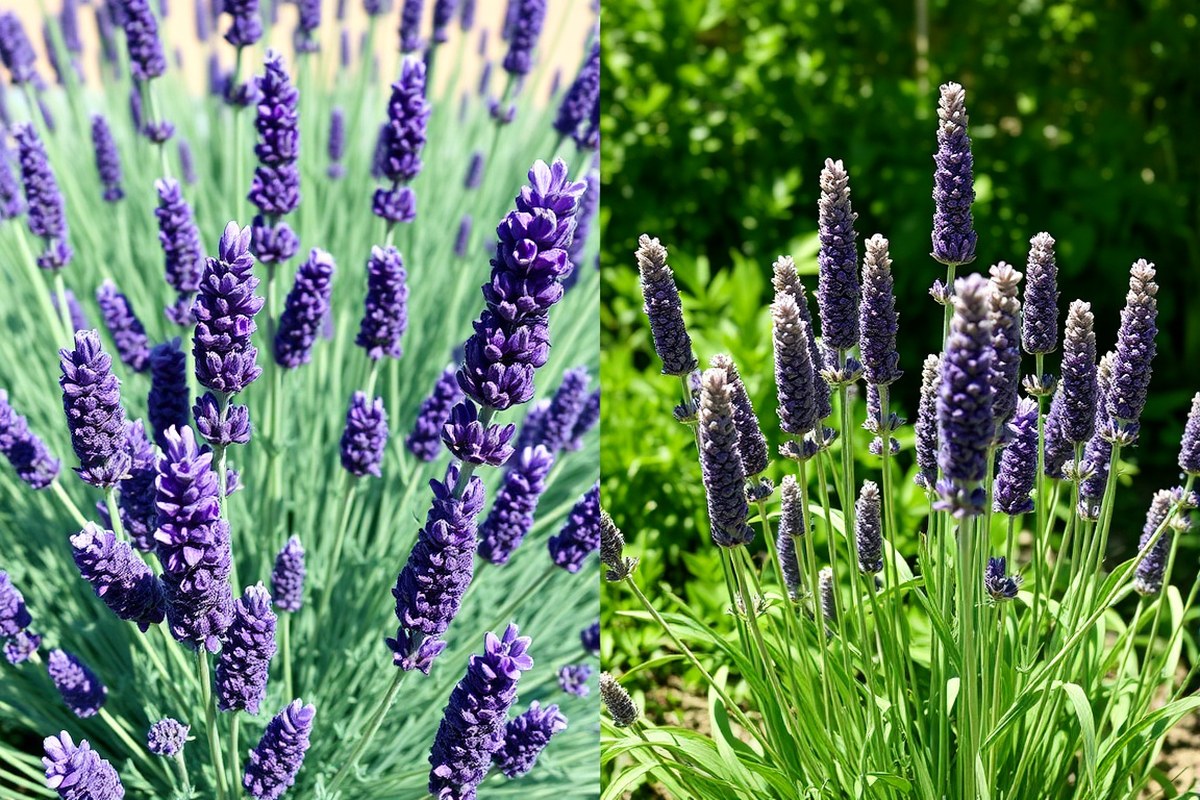
Lavender needs sunlight to carry out photosynthesis, which fuels its growth. It uses light energy to produce food and build strong stems and leaves. More sunlight, ideally 8 or more hours daily, generally means a sturdier plant and faster growth.
Lavender needs at least 6 hours of sun to grow well. Without enough sun, it gets weak.
It stretches toward the light and becomes “leggy.” Insufficient light slows growth and reduces the plant’s ability to produce healthy blooms and oils.
Sunlight Boosts Bloom Quantity and Quality
Bright sunlight encourages lavender to produce abundant flowers by triggering metabolic processes linked to blooming. With enough sun, lavender blooms look fuller and last longer throughout the season. The extra energy lets the plant invest in more flower stems and buds.
Less sun results in fewer blossoms and shorter flowering periods. Lavender flowers may also appear pale or underdeveloped if sunlight is limited.
How Sun Affects Lavender’s Fragrance
Lavender’s iconic scent comes from essential oils made in its leaves and flowers. Sunlight helps the plant synthesize these oils, so more sun produces a stronger fragrance. Plants that get full sun develop richer, more potent aromas for drying or fresh use.
Too little sun reduces oil production, making lavender smell weaker or dull. The fragrance is part of how the plant protects itself. So less sun harms its natural defenses as well.
Risks of Too Much Sun on Lavender
Too much strong sun can harm lavender leaves. Hot weather adds stress to the plant.
This can cause wilting or leaf scorch. High temperatures combined with strong afternoon sun can dry the plant out and cause brown spots.
To help, provide some afternoon shade or mulch around the base. This protects roots and keeps the lavender from overheating while still offering plenty of morning sun.
Maintaining Optimal Sun Exposure
Plant lavender where it gets full sun every day. Choose a spot with 6 to 8 hours of direct sunlight. Make sure nothing blocks the sunlight.
Place plants 18 to 24 inches apart to let sunlight reach all sides and support airflow. This spacing reduces dampness that can harm flowers and leaves.
In colder regions, full sun shortens bloom times but strengthens the plant against frost. In hot areas, a bit of afternoon shade will maintain fragrance and bloom without heat damage.
Too little sun makes lavender weak and scentless; too much heat can burn leaves. So watch your plant’s leaf color for signs of stress.
Sunlight Needs by Popular Lavender Varieties
Most lavender types need full sun for their best growth and blooms. English lavender tolerates some shade better than French lavender.
Some lavender types like Spanish and French do well with shade. A bit of afternoon shade helps in hot spots.
English Lavender Sunlight Preferences
English lavender needs full sun but can tolerate some shade. It requires 6 hours of direct sunlight daily. This kind is hardy and survives in USDA Zones 5 to 9.
Partial shade might reduce blooms but usually won’t harm the plant. English lavender grows best with morning sun and some afternoon shade.
The shade helps protect it from heat stress. It needs well-drained soil to avoid root problems.
French and Spanish Lavender Light Needs
French lavender likes 6 to 8 hours of direct sun each day. It tolerates some afternoon shade in hot areas. It prefers full sun but is less strict than English lavender.
Spanish lavender can handle partial shade well. It grows fine with just 4 hours of sun daily.
It’s a solid choice for spots that don’t get full sun all day. Both types appreciate morning sun and cooler afternoon conditions when possible.
Lavandin and Shade Tolerance
Lavandin and spike lavender like full sun and tolerate more heat than other types. These varieties need slightly more sunlight than English lavender, thriving in southern regions. They do not perform well with much shade.
Some hybrids like ‘Grosso’ and ‘Phenomenal’ can handle up to 6 hours of direct sunlight. They show more shade tolerance than English lavender. Still, too little sun means fewer flowers, so choose bright spots.
Here is a summary table of sun requirements and tolerances for popular lavender varieties:
| Lavender Variety | Sunlight Needed | Shade Tolerance | Cold Hardiness (USDA Zones) | Heat Tolerance |
|---|---|---|---|---|
| English Lavender | Full sun (6+ hours) | Can tolerate some shade | 5 to 9 (most cold-hardy) | Moderate |
| French Lavender | 6-8 hours direct sun | Partial shade okay, especially afternoon | Less cold-hardy | Moderate |
| Spanish Lavender | 4+ hours direct sun | More shade tolerant | Less cold-hardy | Good heat tolerance |
| Lavandin (e.g., ‘Grosso’) | Full sun (6+ hours) | Some shade tolerance (hybrids) | Less cold-hardy | High heat tolerance |
Choosing the right lavender depends on your sun exposure and climate. Gardens with strong sun and heat suit Lavandin or Spanish lavender better. For cooler areas, English lavender’s shade tolerance and cold hardiness make it a reliable pick.
Best Garden Placement and Soil Conditions for Maximum Sun Exposure
Choose the sunniest spot available for your lavender plants. Aim for 6 to 8 hours of direct sunlight daily. A south-facing garden area usually works best for this.
Soil should feel like what lavender gets in the wild: rocky and well-drained. This keeps the roots healthy and prevents them from sitting in water, which lavender dislikes. Test soil pH to keep it near neutral or slightly alkaline, between 6.5 and 7.5, for the best results.
- Choose a location free from shade from trees or buildings
- Check that the soil drains water quickly after rain
- Amend heavy clay soils with sand or gravel for better drainage
- Consider raised beds if your garden soil holds too much moisture
- Make sure the planting spot stays dry on the surface despite full sun
- Rotate soil every few years to avoid nutrient buildup or depletion
- Keep nearby plants spaced to improve airflow and sunlight exposure
Good drainage is important when lavender basks in full sun all day. Clay or compacted soil traps water and invites fungus and root rot. Adding gravel or coarse sand helps improve soil texture.
The cost ranges from $10 to $30 for a small garden bed. This amount is enough to mix into the soil. Raised beds might be a better choice if you have heavy clay and want less hassle.
Healthy lavender shows firm stems reaching toward the sun and produces strong, fragrant blooms. Weak stems or yellowing leaves often mean soil and sun aren’t quite right.
Avoid planting in low spots where water pools after storms. A dry, sunny spot on a slight slope can work great and keep roots happy year-round.
Spacing and Airflow Strategies to improve Lavender Sunlight Benefits
Lavender plants need about 2 to 3 feet of space between them. This spacing gives them enough sun and airflow. Both are important for healthy growth.
This distance stops them from shading each other as they grow larger. Proper spacing lets sunlight reach all parts of the plant.
This keeps leaves healthy. It also helps the plant produce more flowers.
Airflow works with spacing to keep lavender dry and fresh, especially under full sun. Good air circulation moves heat away and lowers humidity around the plants. Good airflow stops mold and mildew from growing.
These problems happen in damp, crowded spots. Mold weakens lavender and cuts its scent.
Choose a spot with soil that drains well for lavender. Plant each lavender at least 2 feet apart. This helps them grow strong.
Larger varieties need closer to 3 feet between them. This spacing gives each plant room to grow without competition for light and air. So you can enjoy stronger blooms and less disease.
Plant lavender where air flows freely and space them wide enough to avoid crowded patches.
Managing Lavender Sun Exposure in Hot Climates and Intense Sunlight
Lavender can handle full sun, but intense afternoon heat may cause stress. In hot regions, scorching midday sun often leads to leaf scorch. It shows as brown, dry edges on the leaves and dull, weaker growth.
Protect your lavender by offering some afternoon shade, especially during summer heatwaves. Shade helps reduce heat stress and prevents the plant from wilting or fading.
Using shade doesn’t mean your lavender will stop growing or blooming. It still needs good morning sun or split sun exposure.
Here are simple steps to protect your lavender in hot climates:
- Place plants where they get morning sun but some shade after noon
- Use shade cloth with 30% to 50% light blockage during peak afternoon hours (1 p.m. To 4 p.m.)
- Add mulch to keep roots cool and retain soil moisture
- Water deeply but infrequently in the early morning to avoid humidity issues
- Ensure good air circulation to lower humidity around plants
- Trim lavender lightly after flowering to improve airflow and reduce heat stress
Shading during the hottest hours stops sunburn but still allows enough light. Using a shade cloth costing around $10 to $20 works well and lasts multiple seasons. Mulching with bark or gravel cools soil, which further helps.
Water early avoids wet leaves at night, which can cause fungal problems in humid areas. Good airflow lets heat escape and prevents mildew.
Without protection, lavender leaves turn brown and curl, and blooms become sparse. The plants grow spindly and can die during long heatwaves.
Morning sun with afternoon shade gives a balance suitable for hot climates. You can expect healthy green leaves, strong stems, and bright blooms with these tips.
Sunlight Requirements for Potted Lavender Plants and How to Rotate Them
Lavender in pots demands roughly six to eight hours of strong sunlight daily. It won’t grow well or smell as good without enough sun. Too little light makes it stretch and bloom less.
Rotating lavender pots helps each side get equal sun. Turn the pot a quarter turn every few days. This rotation prevents the plant from leaning toward the light and encourages even growth.
Indoor or partly shaded lavender pots might survive with less sun but won’t flourish. They usually need bright conditions to grow healthy and smell lovely.
Adding a grow light can make up for sunlight shortages. Aim to supplement with a light that provides six hours of bright, direct illumination daily.
- Place pots where they get morning sun and some afternoon shade in hot climates.
- Rotate pots every three days to keep growth balanced.
- Use a lightweight, easy potstand or table to turn pots easily.
- Check for dry soil more often since pots dry out faster than ground soil.
- Position pots away from walls or fences that block direct sunlight at noon.
- In cloudy or low-sun areas, add a full-spectrum grow light for six hours daily.
Proper pot placement and rotation improve lavender’s strength and flower quality. Uneven sunlight can cause weak stems or uneven drying times when harvesting blooms. You might spot yellowing leaves on shaded sides without enough light.
Adjust pot location when seasons change to keep sunlight consistent. Moving pots outdoors in spring and back indoors before frost helps maintain year-round sun exposure. This prevents legginess and loss of aroma in your lavender plants.
Seasonal and Regional Adjustments for Lavender Sunlight Needs
Lavender plants still benefit from full sun in winter but will get less light. You might need to clear shadows and snow to give them more weak sunlight. In rainy or cloudy seasons, your lavender may get too little sun.
Adjust watering to avoid overwatering. Move plants to sunnier spots if you can.
Winter Sunlight Considerations
Lavender needs as much sun as possible during winter, even though days are shorter. Prune back any nearby plants that cast shadows onto your lavender. Also, clear snow from around the base to prevent blocking sunlight and dampness buildup.
Indoor or potted lavender may need a sunnier window in winter. Aim for at least 4 to 6 hours of direct sun daily.
Use a grow light for a few hours to add light. This helps when natural sun is very limited.
Adjusting for Cloudy or Rainy Seasons
Lavender thrives best with prolonged sun, but cloudy and rainy periods reduce sunlight availability. Watch soil moisture closely because excess water without sun can cause root problems. Cut back watering slightly during these seasons to avoid soggy roots.
Move potted lavender to a sunnier place when possible. Bring plants outside during short sunny breaks. In ground, trim surrounding plants to avoid extra shade.
Prolonged cloudy weather means slower growth. So be patient and reduce fertilizing during rainy months.
Too much shade during rainy seasons can lead to root rot. So keep soil well drained.
Regional Sunlight and Climate Effects
Regions with shorter daylight require lavender to soak up every bit of sun available. Clear surrounding obstructions to maximize light in fall and winter. In sunnier regions, lavender can handle intense sun but needs watering management.
Dry climates let you grow lavender in full sun without much risk of overwatering. Cooler, wetter areas mean you should check sun exposure carefully and prune shade-causing plants often. Adjust your watering depending on sun and rainfall to keep lavender healthy throughout seasons.
Step-by-Step Action Plan to Meet Your Lavender’s Sunlight Needs
Use this plan to give your lavender the right amount of sun. Follow these steps to check if your plants are happy and healthy.
- Before planting: Choose a spot that gets at least 6 hours of direct sun daily. Lavender thrives with plenty of light.
- Day 1: Plant your lavender in well-draining soil with full sun exposure. Look for bright sunlight without shade.
- Week 1: Water lightly to keep soil moist but not soggy. Check that soil drains well to avoid root problems.
- Week 2: Observe your plants for signs of good growth and no leaf browning. Adjust shade if leaves look scorched.
- Month 1: Thin crowded plants to improve airflow and sun exposure between stems. Healthy spacing helps prevent mildew.
- Every month: Rotate potted lavender so all sides get sun. Watch for wilting or drooping as a sun stress sign.
- During hot spells: Provide afternoon shade or mulch around roots to keep soil cool. This protects plants from intense heat.
- Seasonal change: Adjust sunlight exposure by trimming back overshading branches nearby. Keep sun access open year-round.
Frequently Asked Questions
Can Lavender Grow in Partial Shade?
Lavender prefers full sun and may grow poorly in partial shade. Lack of sunlight reduces blooming and fragrance.
Does Morning Sun or Afternoon Sun Matter for Lavender?
Lavender benefits most from morning sun as it’s less intense than afternoon sun. Morning sun helps dry dew, preventing disease.
Can Too Much Sunlight Harm Lavender?
Yes, extreme heat or intense afternoon sun can stress lavender plants. Provide some afternoon shade in very hot areas.
Is Artificial Grow Light Effective for Indoor Lavender?
Artificial grow lights help if they give 6 to 8 hours of bright light every day. Use full-spectrum bulbs designed for plants to mimic sunlight.
Keep the lights on a regular schedule for the best effect. Position lights close but avoid burning plants.
Does Lavender Need More Sun During Flowering?
Lavender needs consistent full sun throughout the growing season, including flowering time. Extra sun boosts oil production and flower size.
Can Cloudy Weather Affect Lavender Growth?
Cloudy weather reduces sunlight, slowing growth and bloom. Lavender still survives but grows less vigorously without full sun.
The Bottom Line
Lavender grows best in full sun for at least six hours daily. Watch your plants closely after planting to fine-tune their sun exposure. Start by picking the sunniest spot in your garden this weekend.