Do Ferns Like Acidic Soil? A Complete Guide to Ideal pH and Care
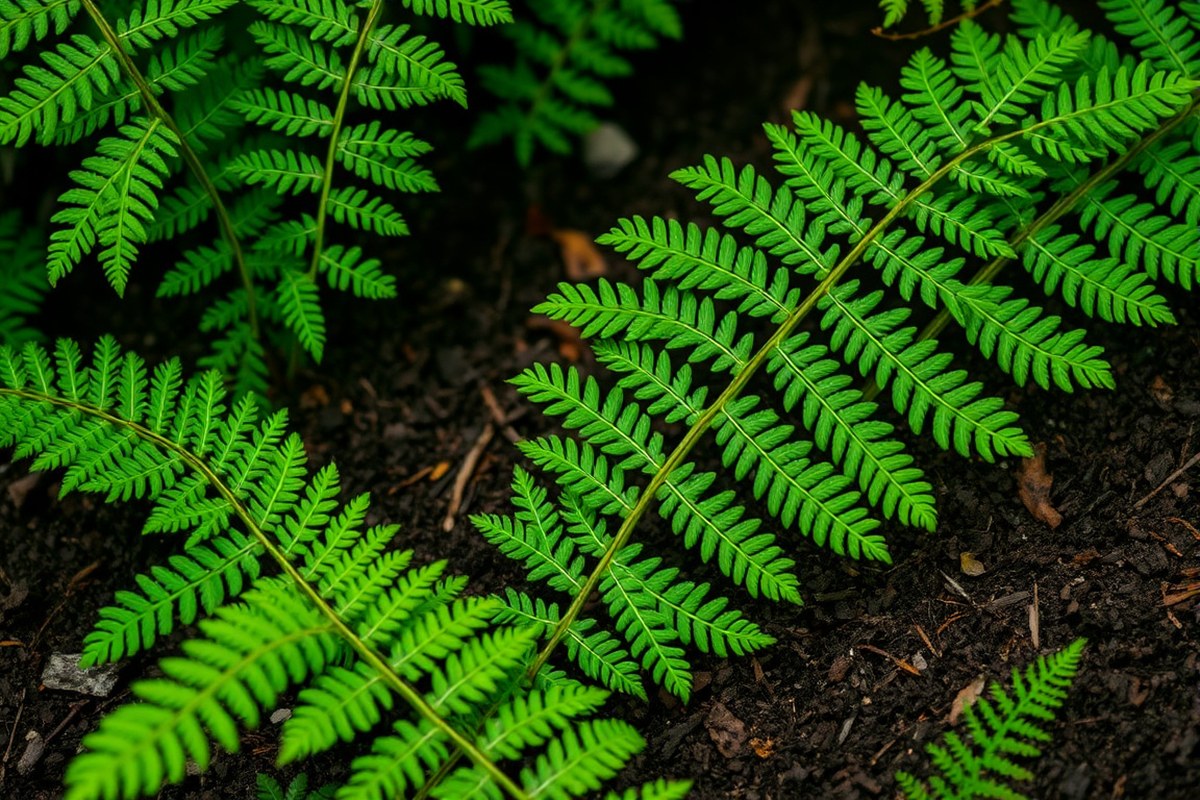
Do ferns like acidic soil? Yes, most ferns grow best in soil that is slightly acidic. Aim for a pH between 5.0 and 6.5 to keep them healthy and thriving.
This range helps ferns take in nutrients the right way. It avoids problems from too much acid or alkaline soil. This keeps ferns healthy and growing well.
Some ferns, like maidenhair and tree ferns, prefer soil that is more acidic, below pH 5.5. They can handle it without needing changes to the soil. Other ferns do okay around neutral soil but may struggle if the pH is too high.
Check your soil’s pH before planting or repotting your ferns. Testing pH helps you adjust soil right away and avoids problems later.
You might see yellow leaves or slow growth from wrong soil pH. Adjusting pH can help your ferns get back on track.
Key Takeaways
- Most ferns grow best in soil with a pH from 5.0 to 6.5.
- Maidenhair and tree ferns do well in soil below pH 5.5.
- Test your soil’s pH before planting or repotting ferns.
- Avoid letting ferns sit in water by adding perlite or sand.
- Yellowing new fronds often mean the soil pH is too acidic.
- Neutral soil (around pH 7.0) might cause some ferns to decline.
Do Ferns Prefer Acidic Soil or Neutral Conditions?
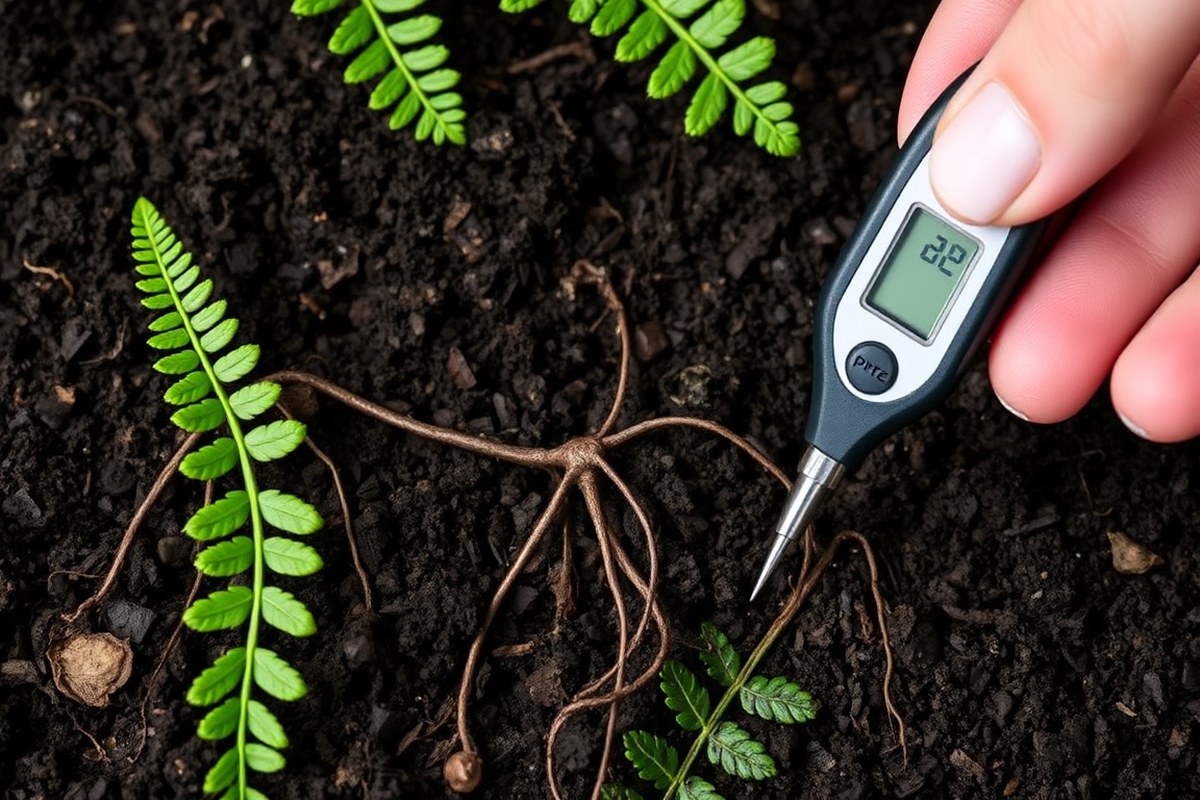
Most ferns like slightly acidic soil. Their ideal pH range is between 5.0 and 6.5. This range helps them absorb nutrients easily and grow well.
Some ferns do fine with neutral soil too, around pH 7.0. But many species, like Maidenhair and Boston ferns, prefer more acidic soil closer to pH 5.0 or 6.0.
A few ferns, such as Hart’s Tongue, can tolerate neutral or mildly alkaline soil. Those are exceptions, though.
Keep your fern’s soil slightly acidic, aiming for a pH of 5.0 to 6.5. Add organic materials such as peat moss or pine needles to change soil acidity. Test your soil’s pH yearly to detect any shifts early on.
Soils over pH 7.0 may cause poor growth or yellow leaves in ferns that prefer acid. Acidic soil supports healthy roots and delivers essential nutrients to your plants.
Why Soil pH Is Critical for Fern Nutrient Uptake

Soil pH controls how easily your fern can absorb nutrients. Most ferns prefer a slightly acidic soil with a pH between 5.5 and 6.5. In this range, roots get more iron, manganese, phosphorus, and zinc.
These nutrients help ferns grow healthy and green. The result is strong, green fronds.
High pH soil, meaning alkaline conditions over 7.0, reduces nutrient uptake by causing “nutrient lockout.” Essential minerals like iron and manganese bind tightly to soil particles. Nutrients become harder for fern roots to absorb outside this range.
This causes leaves to turn yellow or growth to slow. Ferns may also become stunted.
| Nutrient | Availability in Acidic Soil | Effect of Alkaline Soil |
|---|---|---|
| Iron | High / Easily Absorbed | Low / Causes Leaf Yellowing |
| Manganese | High / Optimized | Low / Stunted Growth |
| Phosphorus | Balanced | Can become “locked” or unavailable |
| Zinc | Readily Available | Difficult for roots to extract |
Acidic soil keeps the nutrients dissolved and accessible. This supports root health and encourages strong fern vigor. You’ll see greener, fuller fronds and better growth when your soil stays near pH 6.0.
Alkaline conditions create problems even if you fertilize well. The nutrients settle into forms your fern cannot absorb.
Over time, this causes poor plant health and slow growth. You might also notice yellow or pale leaves from iron deficiency.
Checking and adjusting soil pH lets you control nutrient availability. Adding organic matter like peat moss or pine needles can lower pH slightly. Avoid too much acidity below 5.0 because it risks toxic buildup and root damage.
Check soil pH regularly, especially if your fern shows yellowing fronds, to catch nutrient lockout early.
Common Fern Species and Their Specific Soil pH Preferences
Many fern species grow best in acidic soil between pH 5.0 and 6.5. Ferns like maidenhair and tree ferns often need strongly acidic soil below pH 5.5. Bracken and some shield ferns tolerate soil closer to neutral and sometimes slightly alkaline.
Knowing each fern’s preferred pH helps you avoid nutrient problems and root stress. Some species do well in mildly acidic soil near pH 6.5, which suits most garden soils.
Others demand more specific soil conditions. So matching your fern to its ideal soil pH makes a big difference.
| Fern Species | Preferred pH Range | Soil Type | Care Tip |
|---|---|---|---|
| Maidenhair (Adiantum) | 4.5, 5.5 | Strongly acidic, moist, well-drained | Keep soil consistently moist and avoid alkaline fertilizers |
| Tree Fern (Cyathea) | 4.5, 6.0 | Acidic, rich organic matter | Use acidic peat-based mix and ensure good drainage |
| Bracken (Pteridium) | 6.0, 7.0 | Neutral to slightly alkaline, well-drained | Plant in garden soil with added compost to keep moisture |
| Shield Fern (Polystichum) | 5.5, 7.0 | Mildly acidic to neutral soil | Avoid high lime content; organic mulch helps retain moisture |
| Boston Fern (Nephrolepis exaltata) | 5.0, 6.5 | Moderately acidic, moist soil | Keep soil evenly moist and avoid direct sun |
Some ferns that prefer very acidic soil need careful monitoring of soil pH. Use a soil test kit to check your soil pH first. Add acidic amendments if the soil is too alkaline.
This helps plants grow well. For ferns that tolerate near-neutral soil, regular garden soil usually works fine with added organic matter.
Choosing the right soil lets your fern access nutrients without stress. Soil too alkaline may cause yellowing or weak growth in acid-loving ferns. Some species tolerate wider pH ranges and are easier to grow.
They still do best in slightly acidic, moist soil. This improves their growth and health.
How to Test Soil pH for Ferns at Home and in the Garden
Testing soil pH regularly helps you keep your ferns healthy. Use a pH meter or home soil test kit to check acidity. Test your soil about once a year.
Do it in early spring. This timing is before new growth begins.
Using Electronic Soil pH Meters
Electronic pH meters provide quick and accurate soil pH readings. They show results on a digital display, usually within seconds. These devices often cost between $20 and $50 from garden centers or online.
For best results, test soil moisture first, since dry soil can give false readings. Meters work well in both garden beds and pots.
- Clear away surface debris or mulch from the soil.
- Moisten the soil slightly with distilled water, if dry.
- Insert the pH meter probe 2 to 3 inches deep into the soil.
- Wait 30 to 60 seconds for the reading to stabilize.
- Record the pH number displayed.
- Clean the probe with distilled water before the next test.
- Repeat measurements in several spots around your fern’s bed for accuracy.
Testing with Home Soil Test Kits
Home soil test kits use color-changing chemicals to show pH levels. They cost $10 to $20 and come with test tubes, powder, or strips. These kits work well if you prefer a simple visual method to check soil acidity.
Test kits reveal if your soil is acidic, neutral, or alkaline. But usually don’t give exact pH decimals. They are great for spot-checking soil around outdoor ferns or potted plants.
- Collect soil from 3 to 4 inches deep near your fern’s roots.
- Mix about a tablespoon of soil with distilled water in the test tube or container.
- Add the kit’s testing solution or dip the test strip into the soil slurry.
- Shake or stir gently, then wait for the recommended time (usually 1 to 5 minutes).
- Compare the color change against the kit’s chart to find the pH range.
- Clean and dry test materials before storing for next use.
- Repeat tests in several areas if your garden soil varies a lot.
Lab Testing and When to Use It
Lab soil testing provides the most detailed pH readings and nutrient analysis. University extensions or private labs analyze samples starting around $15. Labs may be best if you want precise soil data for improving your ferns’ growing conditions.
Send a soil sample in spring or fall for the best seasonal insight. Lab tests take several days to weeks to return reports. Use their instructions to collect, dry, and package soil samples properly.
Effective Ways to Lower Soil pH Safely for Acid-Loving Ferns
To safely lower soil pH for acid-loving ferns, use slow-acting acids. Organic materials and mild acidifiers work best. They help protect your plants from damage.
Avoid quick fixes that can shock your plants or create uneven soil conditions. Use amendments like peat moss or elemental sulfur to control pH.
These materials lower pH steadily. They won’t harm your fern when used right.
Adding Organic Matter and Peat Moss
Peat moss is a go-to natural material that gently lowers soil pH. It holds moisture well and adds acidity while improving soil texture. Blend peat moss into your soil mix for better acidity.
You can also topdress container ferns with it. This helps keep soil conditions steady.
Compost and pine needles also lower pH over time. They add organic matter, which improves nutrient retention and soil structure. Add about 10% to 25% peat moss or compost to your soil.
This range is safe and won’t upset fern roots. It improves the soil’s texture and acidity.
Using Coffee Grounds and Other Household Items
Used coffee grounds are slightly acidic and good in small amounts. Mix them lightly into potting soil or compost to add mild acidity and nutrients. Avoid large quantities because they can compact the soil and block air flow.
Vinegar and acidic rainwater can temporarily lower soil pH for container ferns. Dilute vinegar with water at a ratio of 1 tablespoon per gallon to avoid over-acidifying. Use this quick fix sparingly and only between formal soil tests.
Applying Acidifying Fertilizers and Soil Amendments
Elemental sulfur is a powerful amendment to lower soil pH when it’s above 5.5. Apply amendments in early fall to start the process. Soil microbes convert materials to sulfuric acid over months.
This happens as the weather cools down. Follow label instructions carefully; too much sulfur can harm your fern’s roots.
You can also add acidic compost or pine needles any time to maintain slightly acidic soil. Avoid adding lime or alkaline materials unless your fern soil drops below pH 5.0, as these raise pH levels. Use the steps below to safely acidify your fern soil at home:
- Test your soil pH so you know how much to adjust.
- Mix 10% to 25% peat moss or acidic compost into the top 6 inches of soil.
- Add small amounts of used coffee grounds, no more than 1 cup per gallon of soil.
- Apply elemental sulfur in early fall at rates suggested on the packaging.
- Water container ferns occasionally with diluted vinegar (1 tablespoon per gallon) for minor adjustments.
- Re-test the soil pH after 2 to 3 months to track changes.
- Adjust amendments gradually to avoid shocking your ferns.
Tip: Avoid using too much elemental sulfur or coffee grounds at once. Both can harm fern roots if overapplied.
Signs Your Fern Is Growing in Improper Soil pH
Ferns often show clear signs when soil pH is off. Too acidic soil might cause slow growth and dark green leaves that look almost unhealthy. Leaves may turn brown or get dry edges.
This happens when soil holds too many metals. It can also happen if soil lacks key nutrients.
On the other hand, alkaline soil can stress ferns by limiting nutrient availability. You might see yellowing leaves, especially between veins, or stunted new shoot growth. Roots might look weak or rotten at times.
This happens if soil pH causes drainage issues. Poor drainage or nutrient lockout can hurt roots.
Check for other factors like watering and light to be sure pH is the problem. Look closely at any recent changes in your fern’s environment.
Your fern drops old leaves or stops growing. Look at soil pH as a possible cause.
- Yellowing or pale leaves indicate alkaline soil stress
- Brown, crisp leaf edges signal too acidic soil
- Slow or stunted growth often means poor nutrient uptake
- Roots smelling sour or appearing mushy show root zone problems
- New fronds failing to develop properly point to nutrient issues
- Leaf curling or spots can also suggest pH imbalance
Start fixing problems by testing soil pH with a home kit for $10 to $20. Kits include test strips or electronic meters that give quick results. Aim for soil pH around 5.0 to 6.5, common for many ferns.
Lower the pH with sulfur or peat moss for acid-loving ferns. To raise pH, mix in ground limestone carefully.
Adjust pH gradually over several weeks to avoid shock. Monitor your fern’s response and roots after about two weeks. When symptoms get better, keep soil conditions steady.
Avoid watering too much after that. If problems keep going, check the drainage system. Try repotting with fresh soil made for ferns.
Choosing the Best Soil Mix for Acid-Loving Ferns
Use a mix that keeps the soil acidic and drains well. Sphagnum peat moss and finely shredded pine bark are great for lowering pH while holding moisture. Vermiculite or perlite adds air pockets, improving drainage without letting the soil dry out too quickly.
For potting ferns like Boston or maidenhair, use this soil mix. Mix 50% peat moss, 30% compost, and 20% perlite or vermiculite. This ratio helps the soil hold moisture and drain well.
This blend balances moisture retention and drainage. You can mix these by volume in a wheelbarrow or large container before potting.
| Soil Component | Function | Recommended Ratio |
|---|---|---|
| Sphagnum Peat Moss | Lowers pH, retains moisture | 40, 50% |
| Compost or Aged Pine Bark | Provides nutrients, buffers pH swings | 25, 35% |
| Perlite or Vermiculite | Improves drainage and aeration | 15, 25% |
Improve native soils by digging an area twice the root ball size. Mix in peat moss or aged pine bark to the soil. This change helps your ferns get better nutrients and moisture.
Do this before planting. Monitor soil moisture: the mix should feel damp but not soggy. Too wet soil can cause root rot, while too dry soil stresses ferns.
Commercial potting mixes often lack enough acidity or drainage for acid-loving ferns. Amend these mixes by adding extra peat moss or compost.
This helps keep pH low and soil structure loose. Avoid using mixes with heavy clay or only bark, as these may not hold moisture evenly.
Adding a thin layer of mulch like pine needles also helps keep soil acidic and moist. Adding vermiculite helps soil hold moisture longer when it dries fast. This keeps your ferns from drying out too quickly.
Use vermiculite to improve water retention in the soil. Avoid limestone-based amendments, which raise pH and harm acid-loving ferns.
When and How to Repot Ferns to Maintain Ideal Soil Conditions
Repot your ferns every 1 to 3 years to keep soil healthy and balanced. Watch for crowded roots or slow growth to know when to repot. Use acidic soil similar to the original mix to protect soil pH during repotting.
Identifying When to Repot Your Fern
Look for roots growing out of the pot’s drainage holes or circling the surface. Slowed growth or yellowing fronds also hint it’s time to repot.
For young ferns, repotting every year works. Mature plants do fine every 2 to 3 years.
Check the soil condition too. Soil that dries out too fast or stays soggy may need replacing.
You can fix drainage and pH by changing the soil. This helps your fern grow better and prevents problems.
Preparing Acidic Soil for Repotting
Use a fresh acidic soil mix with a pH around 5.0 to 6.0 for most ferns. You can mix peat moss, leaf mold, and perlite to get this acidity and good drainability. Avoid neutral or alkaline soils to keep your fern happy.
Moisten the soil slightly before repotting. Soil that’s too dry or too wet can stress roots and shift pH balance unexpectedly.
Repotting Steps to Protect Roots and pH
Follow these steps to repot your fern carefully. Avoid disturbing the soil pH during the process. Take care not to damage the fern’s roots.
- Choose a new pot one or two sizes larger with drainage holes.
- Gently remove the fern by tipping and easing the root ball out.
- Brush off old soil lightly to shake loose excess without breaking roots.
- Place a layer of prepared acidic soil at the pot’s bottom.
- Set the fern in the new pot, making sure roots spread naturally.
- Fill around roots with fresh acidic soil, firming gently to remove air pockets.
- Water lightly to settle soil without overwatering.
- Keep the fern out of direct sun and drafts for a week to help recovery.
Use pots with drainage holes to avoid water logging and soil acidity changes.
Step-by-Step Action Plan for Healthy Fern Soil
Follow these steps to get your fern’s soil pH just right. Keep an eye on your fern’s health as you go.
- Before you plant: Test your soil pH with a kit or probe. Aim for 5.5 to 6.5 for most ferns. Adjust before potting if needed.
- Day 1: Mix peat moss or pine needles into your soil. This helps lower pH for acid-loving ferns. Check the mix’s pH after a day.
- Week 1: Water your fern with rainwater or distilled water. This avoids raising soil pH with hard tap water. Look for firm, healthy fronds.
- Week 4: Add a slow-release fertilizer made for acid-loving plants if growth seems slow. Avoid overfeeding which can stress your fern.
- Month 2: Test soil pH again. Let your soil pH stay below 6 for best fern growth.5, add a little sulfur or aluminum sulfate carefully. Watch for any leaf yellowing.
- Month 3: Check roots and repot if soil is compacted or old. Refresh the soil mix using your peat moss blend. The fern should bounce back quickly.
- Ongoing: Keep soil evenly moist but not soggy. Check pH every couple of months to keep conditions steady.
Frequently Asked Questions
Can Ferns Tolerate Alkaline Soil If It’s Slightly Above 7.0 pH?
Most ferns don’t do well in alkaline soil above 7.0 pH. They show poor growth or yellowing because nutrient uptake suffers with higher pH. It’s best to keep soil within the acidic to neutral range for healthy ferns.
Does Moss Growth Near Ferns Indicate Acidic Soil?
Yes, moss growth often points to acidic, moist soil conditions. Moss thrives in low pH and damp environments, which can match the needs of acid-loving ferns. But excessive moss might also mean poor drainage or too much moisture around your ferns.
Can Fern Soil pH Change over Time Without Adding Amendments?
Soil pH can shift naturally due to rainfall, organic matter, or watering sources. For example, rain tends to lower pH by adding acidity. It’s good to test soil periodically to catch changes before your ferns show stress.
Are There Any Common Fertilizers That Lower Soil pH for Ferns?
Fertilizers with ammonium sulfate or sulfur compounds can reduce soil pH. These help maintain slightly acidic soil preferred by ferns. Use them carefully to avoid over-acidifying the soil, which harms your plants.
How Often Should You Test Fern Soil pH for Best Growth?
Test soil pH at least once a year, especially in spring or fall. These seasons best reveal changes before growing periods. Regular checks help keep soil pH in the ideal acidic range for your ferns.
Is Rainwater Better Than Tap Water for Maintaining Acidic Soil for Ferns?
Rainwater is often more acidic and free of minerals than tap water. This helps keep soil pH lower, which benefits acid-loving ferns. Using rainwater can prevent soil pH from drifting upward over time.
Final Thoughts
Ferns generally prefer slightly acidic soil well below neutral. You can keep your fern happy by testing and adjusting soil pH regularly.
Begin with a simple soil test for your plant. Change your soil mix based on the test results.