When Should Strawberries Be Planted? A Complete Guide for Best Results
When should strawberries be planted? The best time is usually early spring. Plant them after the last frost to avoid frozen roots or shoots.
You can plant strawberries up to six weeks before summer heat. This means before temperatures reach 85°F. Planting early helps strawberries grow strong roots and leaves.
Different strawberry types can change your planting window. Day-neutral varieties can be set later because they don’t care about day length. June-bearing strawberries should go in earlier for a strong harvest next season.
Start by picking a sunny spot with well-draining soil. Preparing the planting area before putting in your strawberries means healthier plants later. Avoid soggy spots as wet soil can rot strawberry roots fast.
Key Takeaways
- Plant strawberries after your area’s last expected frost date.
- Day-neutral strawberries tolerate planting later, up to 6 weeks before summer heat.
- Choose a sunny, well-drained spot to avoid root rot.
- Space day-neutral plants 8 to 12 inches apart in rows.
- Keep 30 to 36 inches between rows for good airflow.
- Start seeds indoors 10 weeks before your last frost date.
When Is the Best Time to Plant Strawberries?
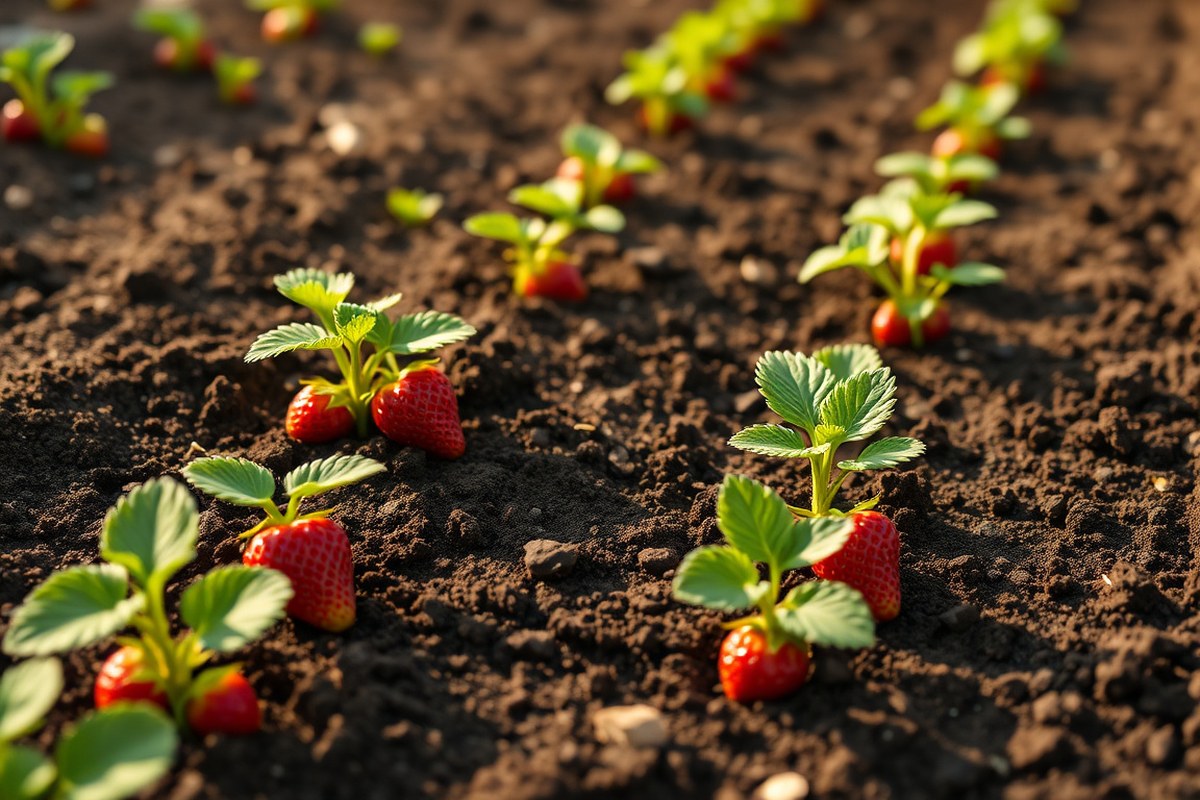
Strawberries do best when planted in late summer to early fall in most climates. Planting then lets roots develop before winter, leading to a bigger harvest next year. Cold winter areas need mulch in late fall to protect from freezing.
In warmer areas, you can safely plant strawberries as early as late winter or early spring. For example, in USDA zone 8, aim for March to April or September to October.
Plant as soon as soil dries. Night temperatures should be above 35°F. This prevents root rot and frost damage.
Planting too early or too late hurts yields. Planting before the last frost date risks killing young plants from cold.
Wait to plant until six weeks before the summer heat hits 85°F. This avoids stressing the plants. Planting after early June means you’ll get fewer berries that year.
Your local climate zone helps you know exact dates. Use your last frost date to plan seed starting indoors. Begin about 10 weeks before frost.
For transplanting outdoors, wait until soil and night temperatures are steady and safe. This timeline boosts your chances for a healthy patch.
Spring planting is common for many gardeners because soil moisture rises with warming weather. Just avoid overly wet soil, as soggy roots can rot.
Early fall is good in dry or hot areas. Soil stays warm but air cools down.
Different strawberry types also influence planting windows. But generally, early spring to early summer works for day-neutral varieties.
June-bearers need early planting for strong roots. They produce big fruit late spring or early summer.
How Strawberry Types Influence Ideal Planting Time
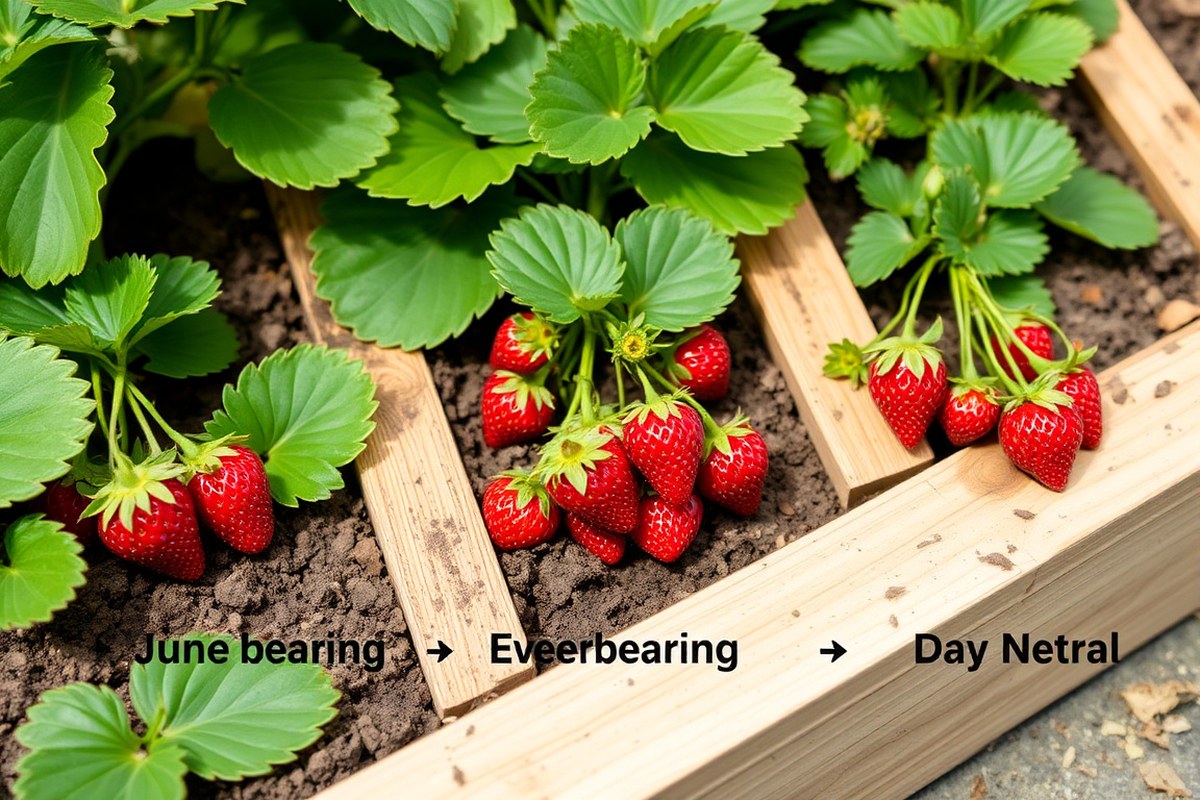
Strawberry types influence the best time to plant due to their growth habits and fruiting cycles. June-bearing, everbearing, and day-neutral strawberries each have unique needs and planting schedules. Choosing the right type helps time planting for better yield and easier care.
June-Bearing Strawberries
June-bearing strawberries fruit once each year, usually in early summer. They grow vigorously and produce many runners, which are small offspring plants. Plant strawberries early in the season, in fall or early spring.
This timing helps roots grow strong before winter sets in. Early planting gives your plants a better start.
Pinching off blooms during the first season improves root growth in June-bearers. That helps high yields in following years. Space each strawberry plant about 18 inches apart for room to grow.
Runners need this space to spread without crowding. Clip runners down to one or two per plant.
Ever-Bearing and Day-Neutral Strawberries
Ever-bearing strawberries produce three fruit crops per year: spring, summer, and fall. Day-neutral types make fruit steadily through summer and fall without depending on day length. They are less sensitive to temperature swings.
Plant everbearing and day-neutral strawberries slightly later than June-bearers. Early spring is best for everbearing types.
Day-neutrals can go in from spring through early summer. Space day-neutral plants closer, 8 to 12 inches apart, with 30 to 36 inches between rows.
Both types produce fewer runners than June-bearers. Removing runners helps focus energy on fruit production instead of too many new plants.
Alpine and Other Specialty Varieties
Alpine strawberries differ by not producing runners at all. You grow them from seed or small plants instead of runners. Plant seeds in soil when temperature is above 50°F for best results.
Germination usually takes two to four weeks to complete. Keep soil moist and warm during this time.
Alpines give more delicate fruit and a different harvest experience. Mix these strawberries with other types to extend your harvest period. They need more care early in growth compared to others.
This approach gives you fresh berries for longer. Keep seedlings protected when planting outside during cool spring weather.
| Strawberry Type | Fruiting Season | Runner Production | Plant Spacing | Planting Time |
|---|---|---|---|---|
| June-Bearing | Summer (June only) | Vigorous | 18 inches apart | Fall or Early Spring |
| Ever-bearing | Spring, Summer, Fall | Few | Similar to June-bearers | Early Spring |
| Day-Neutral | Summer to Autumn | Moderate | 8 to 12 inches apart | Spring to Early Summer |
| Alpine | Through growing season | None | Variable, from seed | When soil > 50°F (from seed) |
Choosing the right type from the start guides your planting schedule and care routine. June-bearers need early planting and bloom pinching.
Day-neutrals tolerate more flexible planting times and closer spacing. Alpine strawberries start differently from seed.
Always remove most runners from June-bearing plants for better fruit yields.
Preparing Soil and Site Conditions Before Planting
Strawberries need well-drained, fertile soil with a slightly acidic pH. Test your soil to make sure the pH is between 5.7 and 6.5. Soil that is too alkaline or too acidic will stop strawberries from growing well.
Choose a place where strawberries get 6 to 8 hours of sunlight every day. Roots settle faster when soil temperature stays above 50°F (10°C). Strawberries like cooler weather but do not handle frost well.
Heavy clay soil needs at least 4 inches of compost mixed in. This helps water drain better and keeps roots healthy.
Raised beds or containers filled with compost-rich potting soil work well where soil conditions are poor. Make sure the site is free from old strawberry plants, especially if disease was present.
Here’s a step-by-step way to get your soil ready and choose the ideal spot:
- Test soil pH with a home kit or local extension service. Aim for 5.7 to 6.5.
- Remove any weeds, rocks, or debris from the planned planting area.
- Mix in 3 to 4 inches of compost or aged manure to boost fertility and drainage.
- Adjust soil pH with lime if your test shows acidity below 5.7 or sulfur if alkalinity is above 6.5.
- Rake the soil smooth and create raised rows or mounds if drainage is a problem.
- Find a spot that gets full sun, about 6 to 8 hours. Make sure the area has good airflow. This keeps plants healthy and dry.
- Check that soil temperature is at least 50°F at 4-inch depth before planting.
- Water the site lightly to moisten the soil before setting your strawberry plants.
Planting Methods and Spacing for Optimal Growth
Space strawberry plants 12 to 18 inches apart to allow good air flow. Plant rows about 3 to 4 feet apart if planting in beds. This spacing helps avoid crowding, which can cause diseases and reduce fruit size.
Plant strawberries at the right depth by setting the crown level just above the soil surface. When planting bare-root strawberries, spread roots out evenly.
Cover the roots completely but don’t bury the crown. Planting too deep or shallow can stunt growth or cause rot.
Bare-root plants should be planted as soon as you get them. Their roots dry out quickly, so planting right away keeps them viable. Potted plants are already growing.
Plant them at the same depth. Keep the soil level like in the pot.
Containers and raised beds work well for strawberries. They help if your soil is poor. They also improve drainage.
In containers, use a tiered planter with holes for each plant. That setup saves space and lets roots grow well. Use pots with at least 12 inches of soil.
This gives strawberry roots room to spread out. Aim for deep containers.
- Set bare-root crowns just above soil level, spread roots evenly
- Plant potted strawberries at the original soil depth
- Plant strawberries about 12 to 18 inches apart. Space each row 3 to 4 feet wide. This helps plants grow without crowding.
- Use raised beds or containers in poor or wet soils
- Pick containers with at least 12 inches of soil depth
- Apply 1 inch of straw mulch after planting
- Ensure plants get 6 to 8 hours of direct sunlight daily
After planting, add 1 inch of straw mulch. This keeps soil moisture steady. It also stops fruit from touching dirt.
Sunlight is critical in containers and beds alike. Plants need at least six hours of direct sun daily. Good spacing and depth help strawberry plants root well.
Strong roots lead to healthy growth. This means a better harvest.
Starting Strawberries Indoors and Acclimatizing Seedlings
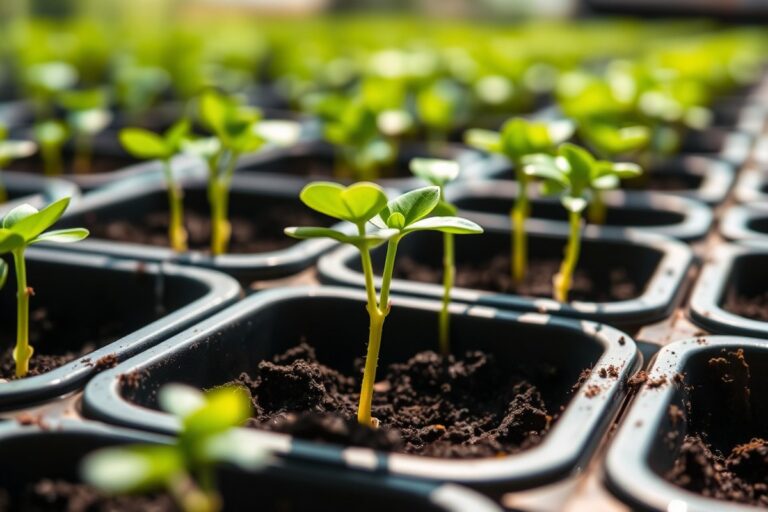
You can start strawberries from seed indoors or use young plants and runners. Starting seeds indoors means planning ahead and hardening off seedlings before planting outside. This process helps seedlings get used to outdoor conditions safely.
Timing to Start Seeds Indoors
Begin strawberry seeds indoors in December to have healthy seedlings ready for spring planting. Seeds take about six weeks to grow into strong plants before moving outside. Starting early gives plants enough time to mature without rushing.
Most gardeners prefer young plants or runners over seeds. Seeds often take a year before they produce fruit. Young plants grow faster and fruit sooner.
Seeds from hybrid strawberries may not grow true to the parent plant. Consider your patience and planting goals when choosing seed or plants.
Light and Temperature Requirements
Strawberry seedlings need 6 to 10 hours of bright light daily for strong growth. Use a grow light or place seedlings on a sunny windowsill to meet light needs indoors. Maintaining indoor temperatures between 60°F and 70°F supports healthy seedling development.
Keeping steady warmth prevents seedlings from becoming leggy or weak. Avoid hot spots or cold drafts near your seed trays. Consistent conditions help seedlings grow thick leaves and sturdy stems.
Hardening Off and Transplanting Outdoors
After six weeks, put seedlings outside in a safe spot. Leave them out for a few hours each day. This helps them get used to outdoor conditions.
Increase outdoor exposure time by about one hour each day for seven days. This gradual change helps seedlings adjust without shock.
Move seedlings outside permanently after frost risks pass and daytime temperatures stay above 50°F. Watch for signs of sunburn or wilting during hardening off. Bring seedlings indoors if needed. After transplanting, water well and protect plants from wind.
- Set up seed trays with seed-starting mix and sow seeds thinly.
- Keep soil moist and cover trays with plastic to keep humidity.
- Place trays under grow lights or near bright windows at 65°F to 70°F.
- Thin seedlings to one per cell when leaves appear.
- Start hardening off by moving trays outdoors to shade for 2 hours.
- Increase outdoor time by one hour each day for 7 days.
- Plant seedlings in prepared soil after last frost and full hardening.
- Water seedlings deeply and mulch to retain moisture after planting.
Hardening off too quickly can kill young strawberry seedlings, so be patient and gradual.
Watering and Fertilizing Timing After Planting
Strawberries have shallow roots, so they need regular watering to thrive. Right after planting, water the plants deeply to settle the soil around the roots. Keep the soil moist but not soggy by watering at least once a week.
During dry spells, increase watering to two or three times per week. Check your container strawberries daily. Pots dry out faster than ground.
Avoid letting the soil completely dry out. This can stress the plants and reduce fruit.
You can test soil moisture by sticking your finger about an inch deep. Water again if it feels dry at that depth. Early morning is the best time to water, which helps prevent disease problems on leaves.
Wait about four weeks after planting before applying fertilizer. Use a balanced 10-10-10 fertilizer to support growth evenly. Spread fertilizer around the base of each plant.
Avoid touching leaves. Keep it off the crown.
Feed strawberries again after you see new green growth. This timing helps encourage strong runners and healthy fruit later. Applying fertilizer too early can burn roots.
Too much causes many leaves. But you get few berries.
Keep an eye on your plants for signs of underwatering or nutrient problems. Dry or pale leaves and no flowers often mean the plants need more water or fertilizer. Proper watering and feeding ensure better yields in the first few years.
Common Mistakes to Avoid When Planting Strawberries
Planting strawberries too early or too late causes poor growth or no fruit. Soil needs to be workable and thawed before planting bare-root crowns.
Planting in frost pockets, like at the bottom of hills, risks freezing damage. Waiting until soil warms to 60°F helps roots establish and avoid winter losses.
Spacing errors cause crowded plants or wasted space. Crowded plants compete for light and nutrients, raising disease risks. Crowds also reduce airflow, which encourages mold and wilt.
Space strawberry plants about 12 to 18 inches apart in rows 3 to 4 feet apart. This gives runners room to spread and roots plenty of soil.
Poor soil preparation limits growth and raises disease risk. Strawberries need soil with good drainage and slightly acidic pH, around 5.5 to 6.5. Avoid planting where tomatoes, peppers, or potatoes grew recently.
They share soil diseases like verticillium wilt. Rotate beds every 3 years to lower soil disease buildup.
- Plant crowns just deep enough to cover roots by ¼ inch
- Avoid low spots where frost can settle and damage plants
- Space plants 12, 18 inches apart for airflow and runner growth
- Chill seeds before sowing to improve germination success
- Every 3 years, change the spot where you grow strawberries to avoid soil diseases
- Don’t plant strawberries in soil recently used for nightshades or raspberries
- Wait until soil temperature hits about 60°F before planting bare-root crowns
Good timing looks like green, healthy shoots within weeks and a steady runner spread. Plants that stay small or leave brown patches suggest planting too late or in poor soil.
You’ll spot early frost damage if crowns freeze during late planting in cold spots. Fix problems by adjusting soil, picking better sites, or waiting for warmer weather next season.
Protecting and Maintaining Newly Planted Strawberries
Newly planted strawberries need frost protection, regular mulching, and careful pruning. Control pests early and manage runners to keep plants healthy. These steps help strawberries establish well and produce more fruit.
Frost and Pest Protection
Protect strawberries from frost by covering them when temperatures drop below 32°F. Use garden fabric, frost blankets, or straw to shield plants overnight. Remove coverings by day to avoid mold and overheating.
Pests like slugs, aphids, and birds can damage young plants. Use barriers like copper tape or mesh to keep them out. Apply organic insecticidal soap for soft-bodied pests, following product directions.
Check plants daily during the first few weeks. Early pest control prevents damage that slows growth and reduces yield.
Cover strawberries on cold nights before frost hits. But uncover them during sunny days to prevent disease.
Mulching to Retain Moisture
Wait until strawberry leaves lie flat before mulching, usually after the first hard autumn frost. Mulch helps keep soil moist and keeps weeds away. Use straw, pine needles, or shredded leaves about 2 to 3 inches thick.
Avoid mulching too early, which can trap moisture and cause rot. Mulch also insulates soil, protecting roots from winter cold. Refresh mulch each fall for best results.
Mulching saves water and keeps plants comfortable through dry spells. Keep mulch a few inches away from crowns to prevent rot.
Pruning and Runner Management
Prune strawberries by removing dead or damaged leaves soon after planting. This helps plants focus on root growth and fruit production. Trim runners selectively to avoid overcrowding.
Runners are baby strawberry plants that grow from the mother plant. Let only strong runners root if you want more plants. Remove the rest to save energy for fruit.
Thin out old or weak plants each autumn to boost air flow and sunlight. This improves plant health and fruit size. Use clean tools to avoid spreading diseases.
Step-by-Step Action Plan for Planting Strawberries
Follow these steps to plant strawberries at the best time and give them a strong start. Check each step to see if your plants are thriving as expected.
- Two weeks before planting: Prepare your soil by clearing weeds and adding compost. Soil should be loose, well-drained, and rich in organic matter.
- One week before planting: Find the best strawberry variety for your area. Pick the planting time that works best for that type. Confirm that seedlings are healthy and disease-free.
- Day of planting: Place plants 12 to 18 inches apart in rows. Make sure roots go down and crowns stay just above soil.
- Immediately after planting: Water deeply to settle soil around roots. Soil should be moist but not soggy.
- Week 1 after planting: Protect plants from frost or pests with row covers or mulch. Watch for wilting or pest damage daily.
- Week 2 to 4: Begin a weekly watering schedule of about 1 inch per week. Fertilize lightly if leaves look pale or grow slowly.
- After 4 weeks: Remove any weeds competing with your strawberries. Check plants for healthy green leaves and steady growth.
Frequently Asked Questions
What Is the Best Month to Plant Strawberries in Most US Regions?
Plant strawberries in early spring, once nighttime temps stay above 35°F. This ensures soil is workable and plants can establish before summer heat arrives.
Should Strawberries Be Planted Before or After the Last Frost Date?
Start planting strawberries after your area’s last frost date, so seedlings aren’t damaged. This timing helps seedlings grow strong without cold stress.
How Far Apart Should Strawberry Plants Be Spaced in a Home Garden?
Space strawberry plants 8 to 12 inches apart within rows. Leave 3 to 4 feet between each row.
This spacing helps strawberries grow well. Proper spacing improves air flow and fruit quality.
Can I Plant Strawberries in Summer If I Missed Spring Planting?
Yes, plant strawberries up to six weeks before summer temps reach 85°F. Cooler soil helps plants establish roots before hot weather.
How Do Ever-Bearing and Day-Neutral Strawberries Affect Planting Time?
Ever-bearing and day-neutral varieties can be planted later than June-bearing ones. They produce fruit multiple times, starting the first year, so timing is more flexible.
When Is the Best Time to Start Strawberry Seedlings Indoors for Transplant?
Start seeds indoors about 10 weeks before your last frost date. This jumpstarts growth and gives seedlings time to become strong before planting outside.
Key Points to Remember
Plant strawberries in early spring or fall for your area’s best time. Get your soil ready and pick suitable types before you start. Take one step today: prepare your soil for planting.