Where Can I Find Landscaping Rocks: 8 Best Places and How to Choose
Where can I find landscaping rocks depends on your project size and style. You can buy them locally at garden centers, quarry yards, and landscaping supply stores. These spots carry many types and sizes of rocks.
You can find what suits your yard best. It’s simple to compare and choose.
You can also order landscaping rocks online if you want a wider selection or delivery. Many sellers ship free samples.
But expect about a $39 shipping fee for larger orders. Start by measuring your space and deciding on the rock size you want before shopping.
Watch out for thin rock layers, which often cause weeds to grow through. Aim for a 3-inch depth to keep weeds down and make your project look full. Choosing the right size and type at the start saves time and frustration later on.
Key Takeaways
- Buy bagged rocks locally for small projects or to test colors.
- Quarries sell bulk landscaping rocks cheaper than home centers.
- Plan for 3 inches of rock depth to block weed growth effectively.
- Order samples online to check rock color and size before buying in bulk.
- Size categories include small (0.75″, 1.5″), medium (1.5″, 2.5″). Large runs from 2.5″ to 6″, and extra-large is over 6 inches.
- Calculate rock needs by multiplying area square footage by 3-inch depth.
Where to Buy Landscaping Rocks Locally and Online
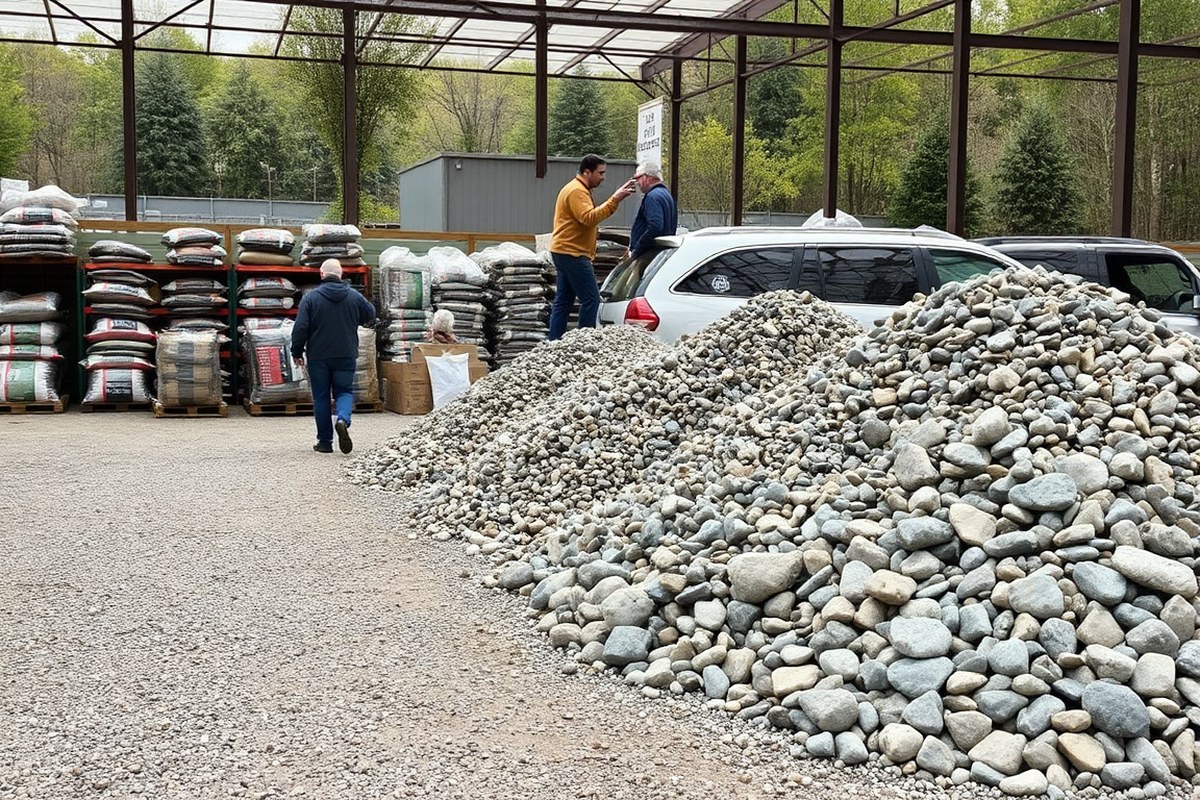
Local garden centers often stock common landscaping rocks like river rock and gravel. You can usually buy these smaller rocks in bags priced between $7 and $25. They usually carry sizes about 1 to 2 inches.
These sizes work well for garden beds. They are also good for shrub beds.
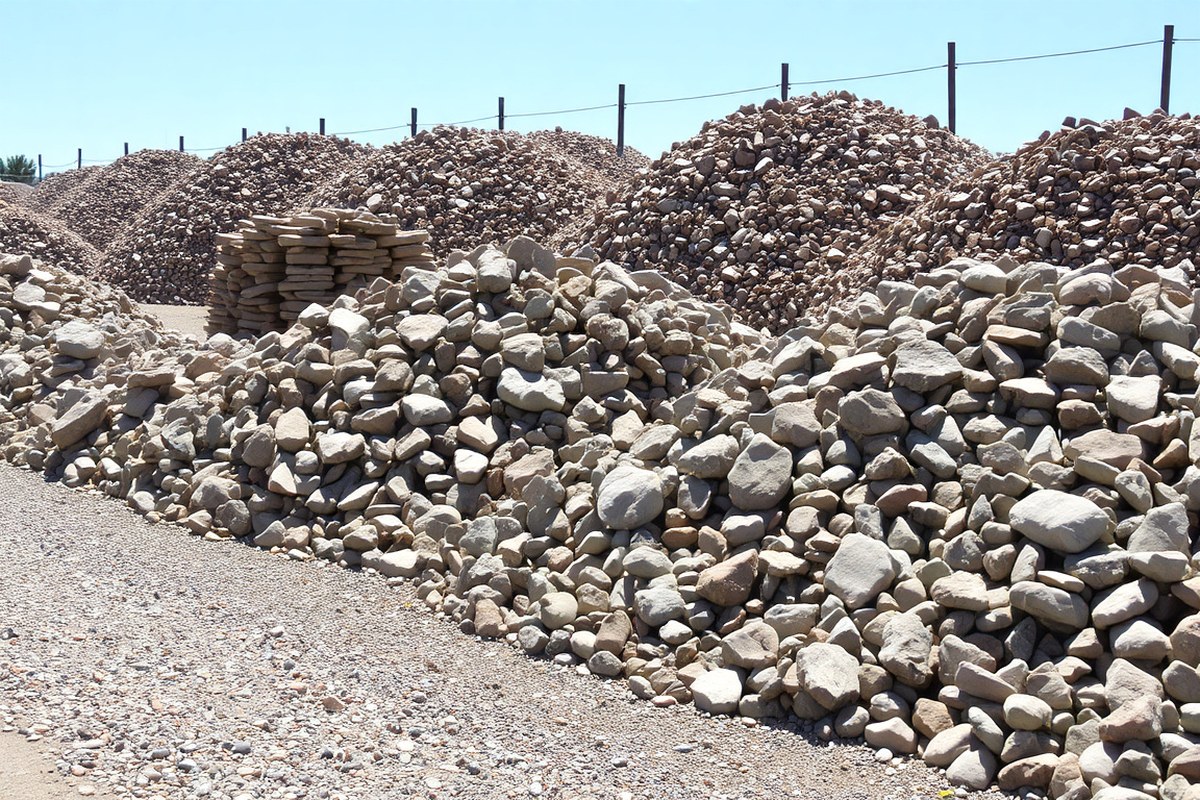
Quarries offer a wider selection of rock types and sizes. These places sell in bulk by the cubic yard. They also sell by the ton.
This is great for large projects. Bulk costs range from $40 to $180 per cubic yard.
This depends on the type of rock. Prices apply near Evansville and Newburgh.
Online rock suppliers serve homeowners and contractors with bigger orders. Many provide premium large stones, flagstone, and cobbles.
They often ship by pallet or truckload. But watch for added delivery fees and minimum order sizes.
Comparing prices means checking the rock type, size, and delivery costs. Bulk orders usually save money compared to bagged rock. Look for clean, well-graded rock without too much dust or dirt for the best results.
Shopping local lets you see rock quality in person and avoid shipping fees. Quarries may allow you to pick up directly to cut costs. Online shopping works well if you want specialty stones or large amounts delivered.
Garden centers focus on smaller landscaping rocks that fit beds and paths. Quarries and online suppliers give you access to bigger stones used for walls, edging, or steps. Match your supplier to your project size and budget for the best fit.
How to Find Free and Low-Cost Landscaping Rocks Safely
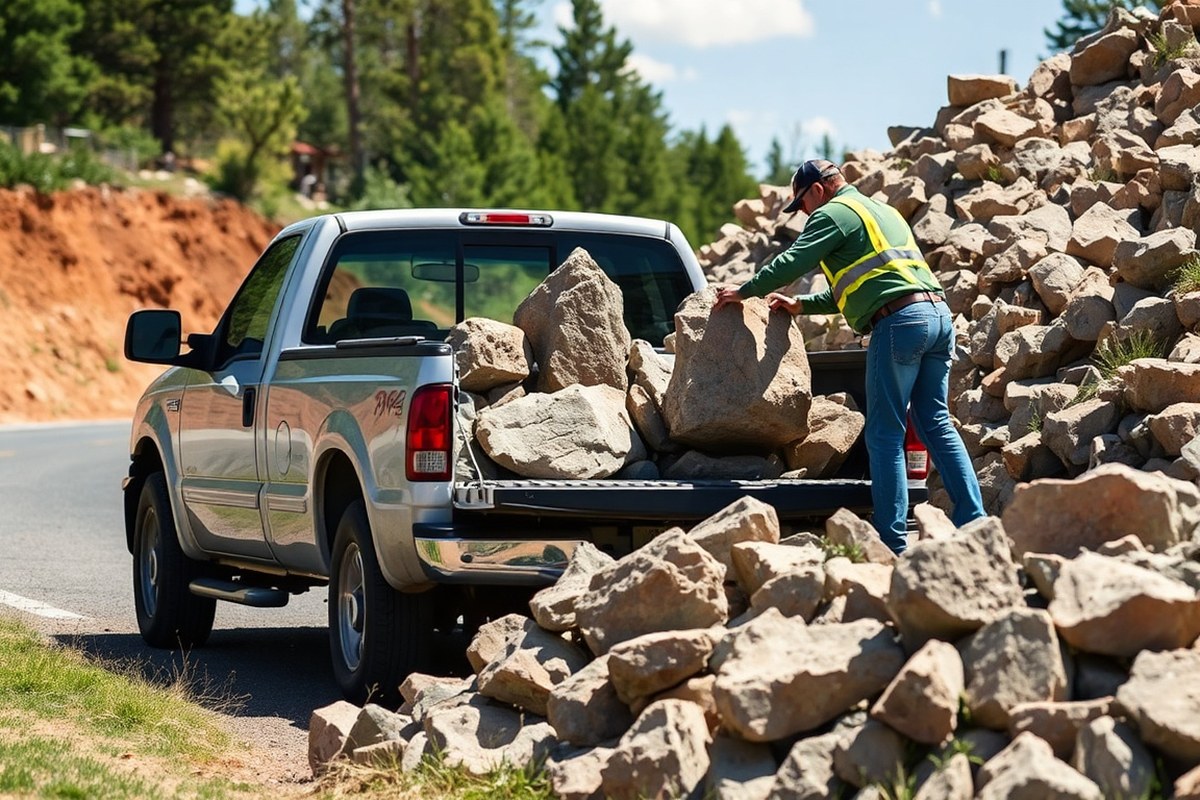
Check nearby construction sites and neighbors’ yards for free landscaping rocks. Some public lands might also offer free rocks. Always ask for permission before taking them.
Always check local rules before collecting rocks to avoid legal trouble. Use safety gear and inspect rocks for quality before hauling them home.
Check Local Regulations Carefully
Rules about collecting rocks vary by location. Call your city or county office to ask about rock collecting on public land.
Some parks forbid removing any natural materials. Others might allow small amounts with permission.
Private property owners must give you permission before taking any rocks. Construction sites usually require approval from the site manager. Taking rocks without consent could lead to fines or trespassing charges.
Look Around Construction Sites and Yard Projects
Construction workers often dig up rocks while digging foundations or grading sites. They may have stones in different sizes and textures available. Ask the site manager if you can take some rocks instead of them hauling it away.
This option is usually free and offers a variety of rock types. Construction sites generally don’t mind giving away extra stones. Just avoid safety hazards like heavy equipment or unstable piles.
Inspect Rocks Before Collecting
Choose rocks that suit your landscaping project’s look and durability. Check for cracks, sharp edges, or signs of crumbling. Rounded and fractured rocks make great decorative features and last longer outdoors.
Lift a few stones to test their weight. Make sure you can move them safely. Don’t try lifting rocks that feel too heavy for you.
Avoid rocks with mud or loose debris stuck on them. These can cause installation problems. They also make your landscaping look messy.
Wear Safety Gear and Use Good Tools
Gloves protect your hands from sharp edges and rough surfaces. Wear sturdy closed shoes to guard your feet when moving rocks. Use a wheelbarrow or dolly to transport heavier stones safely.
A helmet and visible clothing might be needed around active construction sites. Watch for uneven ground or loose rocks to prevent falls. Take water and sunscreen if you’ll be outside for a while.
Quick Checklist Before You Collect
- Confirm local laws with city or county offices
- Get permission from landowners or site managers
- Inspect rocks for size, shape, and quality
- Wear gloves, closed shoes, and use lifting tools
- Avoid collecting near heavy equipment or unsafe spots
Following these steps will keep you safe and stress-free. You’ll also get the best rocks for your garden’s design and function.
Always ask before taking rocks from any site; respecting rules saves headaches later.
Types and Sizes of Landscaping Rocks Explained
Landscaping rocks come in many types and sizes. Each type looks different and fits certain garden uses. Knowing which rock to pick helps make your project last and look right.
Common Types of Landscaping Rocks
River rock features smooth, rounded stones in tan and gray shades. It usually ranges from 1 to 3 inches across. This type works well for beds, borders, and dry creek beds.
Pea gravel includes tiny, rounded pebbles that feel nice underfoot. It’s often chosen for pathways, patios, and seating areas. Its small size creates a comfortable walking surface.
Crushed limestone is angular and packs tightly. It costs less per ton and suits driveways, bases, and utility areas. Its shape helps it lock together for firm footing.
Typical Sizes and Their Applications
Small stones like pea gravel around 1/4 inch smooth paths without shifting. Larger river rocks between 1 and 3 inches add texture in beds and creek lines. Bigger stones or boulders work well as ground focal points or drainage solutions.
Spread rocks 3 to 4 inches deep. This helps cover the soil. It also keeps weeds from growing.
One cubic yard covers about 100 square feet at this depth. Smaller bagged rock is pricey for big jobs but fine for touch-ups.
| Type | Typical Cost | Size and Look | Best For |
|---|---|---|---|
| River Rock | $60 to $150 per cubic yard | Choose smooth stones that are 1 to 3 inches wide. Pick colors like tan and gray for a natural look. | Beds, borders, dry creek beds |
| Pea Gravel | $40 to $70 per cubic yard | Small rounded pebbles, comfortable underfoot | Pathways, patios, seating areas |
| Crushed Limestone | $25 to $45 per ton | Angular, compacts and locks together | Driveways, bases, utility areas |
| Lava Rock | $100 to $180 per cubic yard | Lightweight porous red or black | Beds where weight is a concern |
Benefits and Drawbacks of Popular Rocks
Pea gravel and crushed limestone stand out for their low cost. Pea gravel feels nice to walk on.
But it can shift easily in steep spots. Crushed limestone locks in place, making it great for driveways and bases.
River rock offers natural colors and smooth shapes but costs more. Lava rock looks striking and is very light, but it runs higher on price. Rocks last for decades, unlike mulch that needs yearly replacement.
Specialty Rocks Like Flagstone and Lava Rock
Flagstone is flat and often used for patios, walkways, and retaining walls. Its size and shape make stepping stones or seating areas attractive. Lava rock’s porous texture is great in beds needing good drainage and less weight.
Both specialty rocks tend to cost more, often $90 to $180 per cubic yard. Use them to add visual interest or solve special landscape problems like airflow or frost protection. Their unique appearances make gardens stand out.
Calculating How Much Landscaping Rock You Need
Start by measuring the length and width of the area you want to cover. Multiply these two numbers to get the square footage. Cover the area with rock about 3 inches deep.
This depth keeps weeds from sprouting well. You get good weed control with this thickness.
Next, calculate the volume of rock needed. Since 3 inches equals 0.25 feet, multiply the area’s square footage by 0.25. This gives you the cubic feet of rock needed.
Divide the volume in cubic feet by 27. This changes cubic feet to cubic yards. Rock is usually sold by the yard.
Buying rock by weight means one ton covers 70 to 90 square feet at 3 inches. One cubic yard needs about 40 bags if you buy bagged rock. Big projects cost less per unit when bought in bulk and delivered.
- Measure the length in feet of the area where you want landscaping rocks.
- Measure the width in feet of the same area.
- Multiply length by width to get total square feet.
- Multiply that square footage by 0.25 (your 3-inch depth in feet) to get cubic feet.
- Divide cubic feet by 27 to convert to cubic yards.
- Use 1 cubic yard to cover about 100 square feet at 3 inches depth.
- Decide if you want bags or bulk: 1 cubic yard equals about 40 bags.
- Order a little extra rock to account for leveling and settling.
For example, a 10-foot by 10-foot garden bed equals 100 square feet. Multiply 100 by 0.25 to get 25 cubic feet.
Divide 25 by 27 for about 0.93 cubic yards. You’d need roughly 1 cubic yard of rock to cover this bed at 3 inches deep.
Always rake the rock to a smooth finish, keeping it just below any edging. Avoid spreading it too thinly, or weeds can grow through. When ground slopes or drains poorly, use a thicker layer of rock.
A thicker layer improves drainage and stops weeds better. Sometimes 4 or more inches works best.
Buying by weight varies since tons cover 70 to 90 square feet. Roughly, one ton can cover about 80 square feet at 3 inches deep.
This range depends on rock density and size. For best pricing, consider local delivery and your project size.
Comparing Costs of Landscaping Rocks by Type and Quantity
Landscaping rock prices vary greatly by type and quantity. Bulk orders are usually cheaper per ton or cubic yard than bagged rocks. Buying in bulk cuts packaging and handling costs.
This helps if you need large amounts. It is good for patios or pathways.
Most landscape materials sellers price rocks by weight (tons) or volume (cubic yards). A cubic yard covers about 100 square feet at a 3-inch depth.
Pea gravel, crushed granite, and limestone typically run between $20 and $200 per ton. Larger boulders can cost $800 or more per ton due to their size and rarity.
| Rock Type | Typical Cost (Per Ton) | Common Uses |
|---|---|---|
| Pea Gravel | $20 – $60 | Paths, patios, drainage |
| Crushed Granite | $30 – $75 | Walkways, driveways |
| Limestone | $40 – $80 | Garden beds, borders |
| River Rock | $50 – $150 | Water features, ground cover |
| Large Boulders | $300 – $800+ | Accent stones, retaining walls |
Bagged rocks cost more per pound or cubic foot than bulk. Shipping bags is pricier due to packaging and labor.
Bulk delivery usually comes via dump truck and includes a small delivery fee based on distance. Site prep, like grading or weed barrier fabric, adds to total costs but improves results.
The rock size affects price too. Fine pea gravel is cheaper than large, decorative river rocks or boulders.
Using smaller rock suits pathways better since it compacts well and drains fast. Large rocks work best for focal points but cost significantly more for the same coverage area.
Ordering slightly more rock can prevent costly reorders and project delays.
How to Choose the Right Landscaping Rocks for Your Project
Choose rock colors that match your home and garden design. Neutral colors like gray or brown suit natural styles. Bold colors highlight modern themes.
Pick sizes that fit your project scale. Smaller stones for garden beds and larger rocks for paths or borders.
Angular stones lock together better than round ones. They work well for walkways. They also help in drainage areas.
Rounded rocks look smoother and work well in decorative spots but might shift underfoot. Match rock size to function: fine gravel improves drainage. Large boulders serve as focal points or retaining walls.
For xeriscaping, use rocks that reduce water needs by up to 75%. Choose stones with good drainage and heat tolerance, like decomposed granite or lava rock. These types help keep soil dry, cut maintenance, and support drought-resistant plants well.
Durability matters for low-maintenance landscapes. Hard stones like granite resist weather and fading. Softer rocks like limestone may wear down quicker, especially in wet climates.
Expect to spend more on durable stones. But they save money and effort over time.
Use landscape fabric under rocks to separate soil and improve stability. It also slows weed growth but won’t prevent it entirely. Add a top layer of big stones on fabric.
This slows dirt buildup. It also keeps weeds down longer.
Visual balance helps your landscape feel intentional. Match lighter rocks with dark accents for light-colored homes. This creates a balanced look.
Use this style carefully. Dark homes pair nicely with warm brown or red stones. Pay attention to texture differences to avoid a flat look.
Always consider local climate and soil before selecting rocks. Hot, dry areas benefit from reflective, lighter-colored stones.
Cooler, wetter regions can handle darker rocks that absorb heat to protect plants. The right choice helps plants thrive and your landscape stay attractive longer.
Moving, Handling, and Installing Landscaping Rocks
Moving and installing landscaping rocks needs the right tools and steps. Start by clearing the area and preparing the ground well. Spread rocks evenly for best coverage.
Call pros if the job is too big or tough. Safety and good planning keep your project smooth and lasting.
Tools Needed for Moving Rocks
Large landscaping rocks are heavy and tricky to move by hand. Using the right equipment makes the job safer and easier. You’ll want tools that help grip, lift, and shift rocks without risking injury.
Common tools include hand trucks with straps, crowbars, and wheelbarrows. For very large boulders, rent a skid steer loader or small crane. Always wear work gloves and sturdy boots to protect your hands and feet.
Preparing the Area Before Installation
Clear the space of grass, roots, and loose debris before laying rocks. Proper soil preparation stops rocks from sinking or shifting over time. Dig down 3 to 5 inches to remove topsoil and level the ground.
Add a 2- to 4-inch layer of crushed stone or gravel for drainage. This base helps water flow beneath the rocks and prevents weed growth. Compact the gravel with a tamper to create a firm surface for the rocks.
Spreading Rocks to Block Weeds
To keep weeds from growing through landscaping rocks, use a weed barrier under them. Lay landscape fabric over the prepared area before spreading rocks. This lets water through but blocks sunlight and weed roots.
Spread rocks evenly 2 to 4 inches deep for smaller stones. Large boulders need to be partially buried at least one-third underground. This keeps them stable and avoids sinking or rolling.
When to Hire Professional Help
Big orders or landscaping with hills and drainage require extra skill. Professionals have the equipment and knowledge to grade properly and protect existing plants. They reduce your risk of injury from moving heavy stones incorrectly.
Delivery services often include unloading with heavy machinery as part of your order. This saves time and strain, especially on large projects. Hire pros if the land is tricky or slopes a lot.
They handle stone steps safely and make sure they last. Choose experts for complex stone work and tricky jobs.
Follow these steps to install landscaping rocks safely and well:
- Clear the area of grass, weeds, and debris, digging 3 to 5 inches deep.
- Spread and compact a 2- to 4-inch layer of crushed stone or gravel.
- Lay landscape fabric tightly to cover the entire prepared ground.
- Move rocks using proper tools or machinery, keeping safety gear on.
- Position large boulders, burying one-third of their height underground.
- Spread smaller stones evenly, keeping a depth of 2 to 4 inches.
- Walk the area to adjust rock placement and ensure stability.
- Water the area lightly to settle the rocks if desired.
Legal and Environmental Considerations When Sourcing Rocks
You usually can’t collect rocks from public lands without permission. Most states and federal agencies restrict or forbid removing natural materials. This protects landscapes and wildlife habitats from damage by over-collecting or disruption.
Before grabbing rocks, check local rules on state parks or national forests. Some places need a permit for landscaping rocks. The permit cost can be $10 to $50.
The price depends on where you live. Private landowners must give written permission before you take anything from their property.
Taking rocks without following rules risks fines and possible legal action. It also harms nearby plants and animals. Digging or breaking the ground can disturb soil and cause erosion, impacting waterways and vegetation.
Look for signs that list harvesting rules and limit amounts you can collect. Most areas allow only very small amounts for personal use, not commercial sale. Never remove rocks marked as culturally or historically significant.
Respect nature by collecting only loose rocks already on the surface. Avoid digging into hillsides or riverbanks that hold soil or fragile ecosystems. Stay on established trails to prevent plant damage and soil compaction.
When you buy from suppliers, you get quality-assured rocks without environmental risk. But finding natural boulders for free needs research and care. Using permit-based public sites or reclaimed construction rocks helps keep your project legal and green.
Try calling local government offices or park services to confirm current policies. They often share maps showing where rock collecting is allowed or banned. Document any required permits or permissions before you start gathering.
Never remove rocks from protected or private lands without clear permission. Fines and ecosystem harm often follow. Treat natural areas carefully by sticking to loose stones and avoiding digging or bluff removal.
Step-by-Step Action Plan for Finding Landscaping Rocks
Follow these steps to find the right landscaping rocks and get them safely.
- Day 1: Check local garden centers and landscapers. Call or visit to compare rock types and prices.
- Day 3: Explore online sellers for landscaping rocks. Compare shipping costs and delivery times.
- Week 1: Search classified ads and community groups for free or low-cost rocks. Confirm that collecting is legal and safe.
- Week 2: Measure your project area to calculate how much rock you need. Use online calculators or simple math.
- Week 3: Choose the best rock type and size for your design and budget. Ask about durability and maintenance.
- Week 4: Arrange delivery or pick-up. Plan how you will move and install the rocks safely yourself or get help.
- Ongoing: Follow local rules on collecting and disposing rocks. Respect the environment to avoid fines or damage.
Frequently Asked Questions
Where Can I Find Landscaping Rocks Near Me?
Check local garden centers, landscaping suppliers, and hardware stores. They usually stock popular types of landscaping rocks suitable for your area.
Where Is the Best Place to Get Free Rocks for Landscaping?
Look along riverbeds, construction sites with permission, or your property for natural stones. These are good for borders and paths without extra cost.
Where Can I Find the Cheapest Landscaping Rocks?
Crushed limestone often costs less than other types, averaging $25 to $45 per ton. It works well for driveways and utility bases.
How Much Does 1 Yard of Landscaping Rock Cost?
Prices range from $40 to $180 per cubic yard depending on rock type. For example, pea gravel is cheaper than lava rock.
Where Is the Best Place to Buy Landscaping Rocks?
Local landscape suppliers and garden centers offer good quality rocks. Buying in bulk locally can save you shipping fees and delivery delays.
Can Landscaping Rocks Help Reduce Garden Maintenance?
Yes, rocks suppress weeds and hold soil moisture. Using them can lower watering needs and time spent on garden upkeep.
The Bottom Line
You can get landscaping rocks from local stores or online. Start by measuring your space and calling nearby suppliers. Then pick the best rocks for your project and arrange safe delivery or pick-up.