What Is Used to Measure Humidity: 8 Tools Explained with Practical Tips
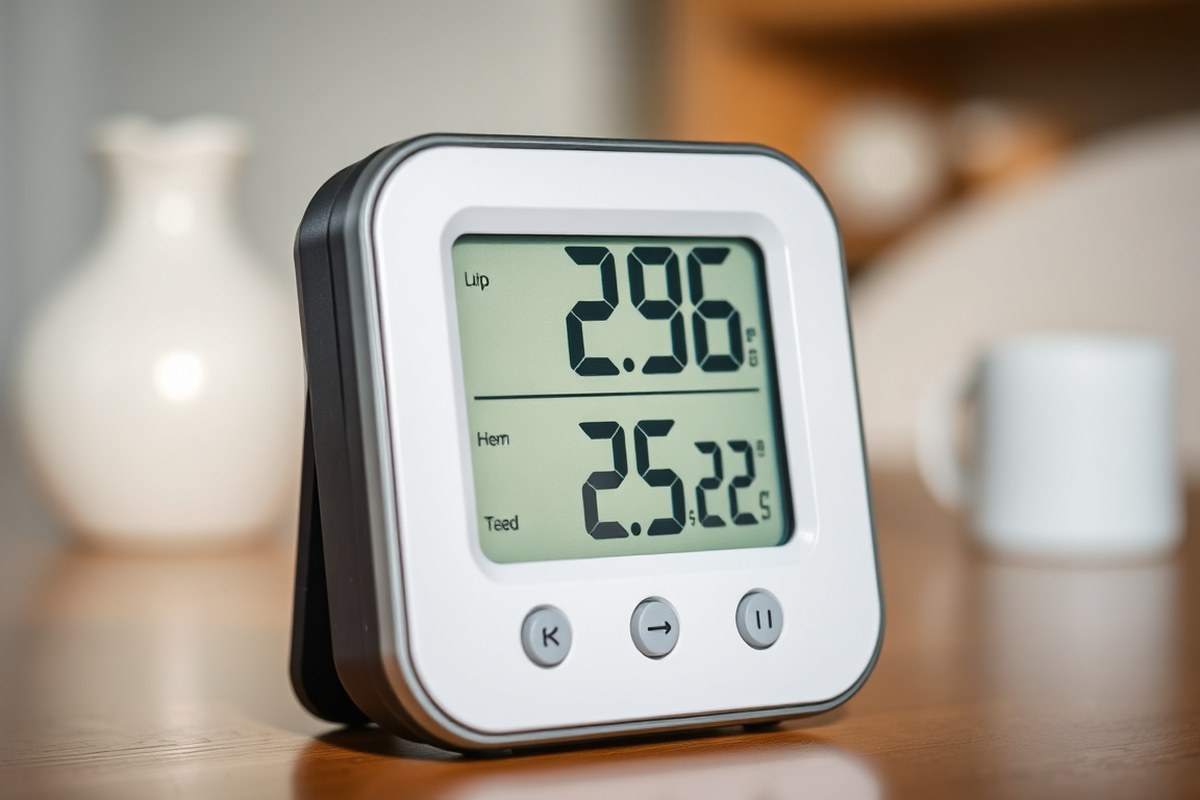
A hygrometer is used to measure humidity. It checks moisture levels in the air. This helps you know if the air feels humid or dry inside your home.
Some hygrometers are digital and show exact numbers on a screen. Others are analog with needles or dials that move as humidity changes. There are also specialized types like psychrometers and dew point meters, which measure humidity differently.
These tools sense moisture by using materials that expand or contract with humidity. Some detect humidity through differences in wet and dry temperatures. Always place the device away from direct sunlight and heating vents to get accurate readings.
Humidity can change throughout the day, so take several readings for the best idea. Look for devices that measure between 0 to 100% relative humidity. Consider accuracy and budget when choosing the right hygrometer for your needs.
Key Takeaways
- A hygrometer is the main instrument used to measure air humidity levels.
- Choose a device that suits your range needs, preferably 0-100% relative humidity.
- Place the humidity tool in a stable environment, away from sunlight or air vents.
- Take multiple readings at different times and locations for accurate monitoring.
- Digital hygrometers give precise results, but analog versions are still useful.
- Knowing indoor humidity helps you control comfort and prevent mold or dryness issues.
1. Which Instruments Are Used to Measure Humidity?
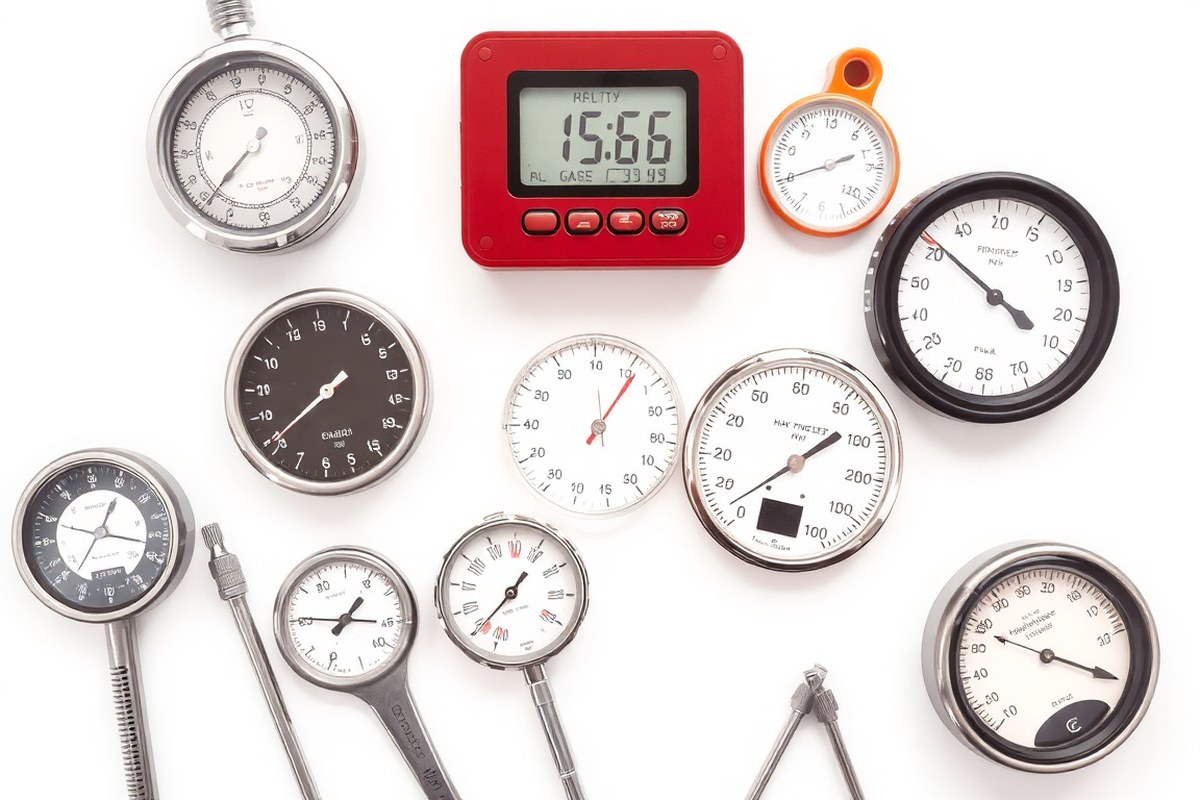
A hygrometer is the main instrument used to measure humidity. It tells you how much water vapor is in the air, usually as relative humidity. This measurement helps you understand weather, indoor comfort, or scientific conditions.
There are several types of hygrometers. A basic one uses human hair or synthetic materials that expand and contract with moisture.
These changes move a pointer on a dial, showing humidity. This type costs around $10 to $30 and works well indoors.
Another common instrument is the psychrometer. It uses two thermometers: one dry and one wet. The wet thermometer cools as water evaporates.
You compare their readings to find humidity. This tool needs some skill but can be very accurate.
Condensation hygrometers measure humidity by detecting dew forming on a cooled surface. As the temperature drops, water vapor condenses, indicating the dew point. This method works well for the upper atmosphere where vapor pressure is very low.
Digital hygrometers use sensors to detect water vapor’s effect on electrical resistance or capacitance. These give quick, easy-to-read results.
Prices vary from $15 for simple home models to hundreds for professional devices. They’re common for indoor humidity control.
Thermometer hygrometers combine temperature and humidity readings. They show how much moisture air can hold at a given temperature.
Measuring both helps interpret humidity changes over time. These are useful for weather stations and home use.
Humidity measurement involves checking how water vapor affects physical properties. Instruments rely on changes in temperature, material length, or electrical signals to estimate moisture. Good results mean stable, repeatable readings within a couple of percentage points of relative humidity.
Some tools work better in specific settings. For example, condensation hygrometers suit high-altitude measurements.
Digital sensors perform well in homes and labs. Analog devices like hair hygrometers work fine but may need frequent calibration.
2. What Are Relative and Absolute Humidity?
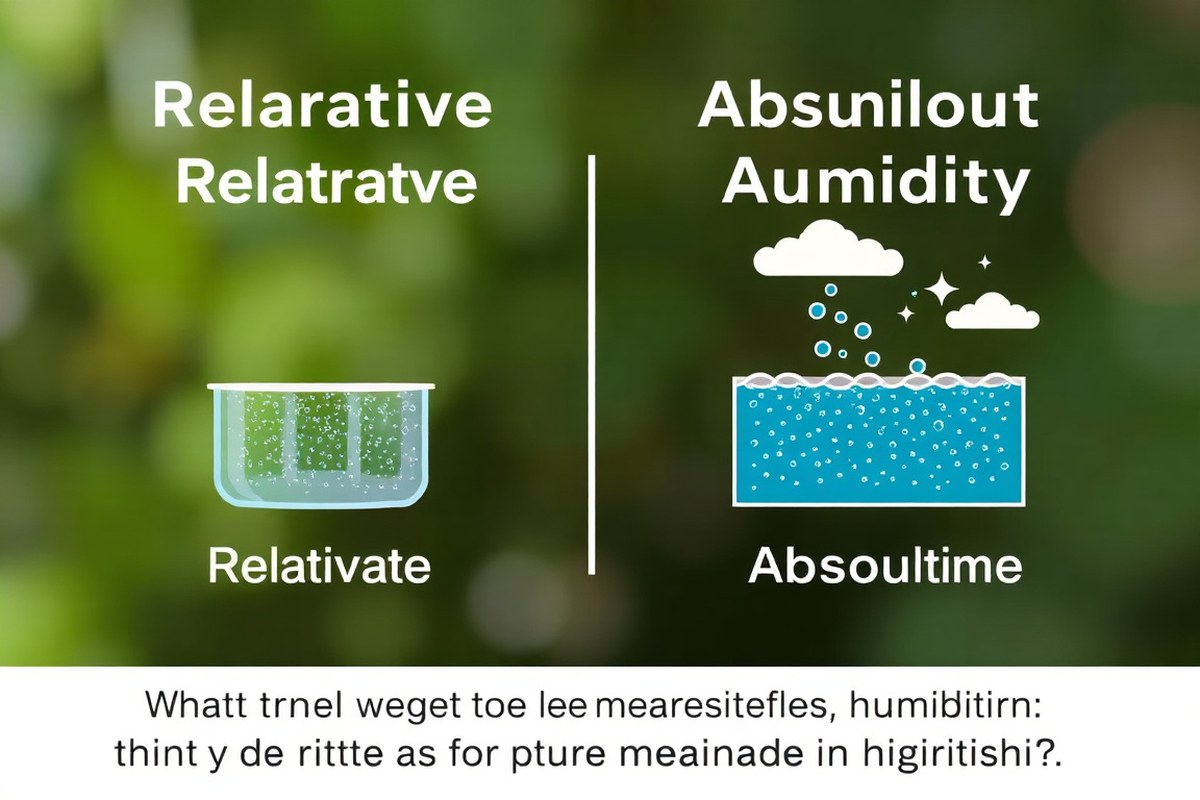
Relative humidity shows how full the air is with moisture. It compares current moisture to the maximum at a certain temperature. This tells you how humid the air feels.
It’s shown as a percentage. When relative humidity hits 100%, the air is saturated.
Water starts to form as dew or fog. This happens because the air can’t hold more moisture.
Absolute humidity measures the actual amount of water vapor in the air. It is usually given in grams of water per cubic meter of air (g/m³). Unlike relative humidity, it does not depend on the air temperature.
Relative humidity changes as the temperature changes. It shows how close the air is to being full of moisture. Think of it as how near the air is to saturation.
Absolute humidity stays constant no matter the temperature and just counts the water vapor. Relative humidity matters for comfort and health.
It shows how the air feels to people. It also indicates the chance of moisture problems like mold.
Relative humidity is measured in percent (%) and absolute humidity in grams per cubic meter (g/m³). People measure relative humidity at home or outside. This relates directly to comfort and health.
You want to know how the air feels around you. Absolute humidity matters in science or exact moisture tests. It shows how much moisture is actually in the air.
This stays the same even if the temperature changes. You can measure relative humidity with a hygrometer.
Digital or analog types detect moisture by sensing changes in resistance. This lets you track the humidity level easily.
Remember, a high relative humidity indoors, above 55%, can feel uncomfortable and encourage mold growth.
3. How Do Analog and Digital Hygrometers Work?
Analog and digital hygrometers measure humidity differently. Analog types use materials that expand and contract with moisture changes. Digital ones use electronic sensors to detect humidity through electrical signals.
Analog Hygrometer Components and Operation
Analog hygrometers use materials like human hair or goldbeater’s skin. These materials change length based on how much moisture is in the air. This movement turns a dial that shows relative humidity.
Hair stretches as humidity rises and shrinks when it falls. A spring and lever system inside the device converts this stretch to needle movement. You read humidity by looking at the dial, usually marked in percentage points.
Digital Hygrometer Sensors and Displays
Digital hygrometers detect humidity using electronic sensors like capacitance or resistance sensors. These sensors measure changes in electrical properties as moisture affects the sensor surface. The device converts this information into a numerical reading shown on an LCD screen.
Many digital models also include temperature sensors. They use this data to calculate relative humidity accurately. Some can store data over time, which helps in monitoring changing environments like HVAC or greenhouses.
Accuracy and Calibration Differences
Analog hygrometers are generally accurate within ±2% RH across a 5, 95% humidity range. However, they often require manual calibration and can drift over time. Environmental factors like temperature changes and dirt can affect their readings.
Digital hygrometers usually offer about ±5% accuracy, sometimes better depending on model quality. They need less routine calibration and are more stable over long periods. Digital models can also show historical humidity data for better tracking and control.
Here is a comparison table of analog and digital hygrometers based on typical features and performance:
| Feature | Analog Hygrometer | Digital Hygrometer |
|---|---|---|
| Humidity Sensing Material | Human hair, goldbeater’s skin | Capacitive or resistive electronic sensors |
| Measurement Display | Mechanical dial | LCD screen numerical readout |
| Typical Accuracy | ±2% RH (5, 95% range) | ±5% RH or better |
| Calibration | Manual, regular adjustment needed | Rare calibration, sometimes automatic |
| Data Storage | No | Yes, logs multiple readings |
| Additional Sensors | Usually none | Temperature sensors often included |
Choosing the right hygrometer depends on your needs. Analog ones can work well for simple, home use. Digital ones suit precise or data-driven monitoring environments better.
4. What Is a Psychrometer and How Is It Used?
A psychrometer uses two thermometers to measure humidity. One thermometer is dry. The other has a wet bulb wrapped in cloth.
The wet bulb has a water-soaked wick around its bulb, cooling it as water evaporates. This cooling depends on air moisture. So the difference between the bulbs shows humidity levels.
Setting Up the Psychrometer Correctly
A sling psychrometer has two thermometers attached to a handle. The dry bulb measures air temperature normally.
The wet bulb has a wet wick wrapped around its bulb. The wick needs to be soaked with clean water before use.
Use the psychrometer outdoors or in well-ventilated space for accurate airflow over the bulbs. Avoid places with stagnant air.
Reading the Wet and Dry Bulb Temperatures
Swing the psychrometer in the air for 2 to 3 minutes. This allows evaporation to cool the wet bulb thermometer.
Keep spinning until the wet bulb temperature stops dropping. This means the reading stabilized.
Read the temperatures displayed on both thermometers exactly after stabilizing. Write down both values carefully.
Calculating Relative Humidity from Measurements
Use the dry and wet bulb temperatures with a chart. A psychrometric chart shows relative humidity based on these temps.
You can also use a calculator. These tools show humidity based on the difference in readings.
For example, the dry bulb is 70°F and wet bulb 60°F. Find where these temperatures meet on the psychrometric chart. This point shows relative humidity. You might find relative humidity near 55%.
Some calculators need dry bulb, wet bulb, and air pressure. They use all three for a more accurate humidity reading.
How to Use a Sling Psychrometer Step-by-Step
Follow these steps for accurate humidity measurement with a sling psychrometer:
- Wet the wick on the wet bulb thermometer with clean water.
- Hold the psychrometer by its handle.
- Swing it steadily in open air, allowing airflow over both bulbs.
- Continue swinging until the wet bulb temperature stops falling, about 2-3 minutes.
- Stop swinging and record both wet and dry bulb temperatures.
- Use a psychrometric chart or online tool to convert readings to relative humidity.
Psychrometers work well when electricity or batteries aren’t available. They remain reliable in outdoor weather studies, fieldwork, and learning settings.
Still air or poor setup causes errors. So allow enough time for evaporation and airflow.
5. How Do Dew Point and Optical Hygrometers Measure Humidity?
Dew point measures the temperature at which air becomes saturated and water vapor condenses. A dew point hygrometer uses a cooled, polished metal mirror to find this point. The mirror cools until tiny water droplets form, showing the dew point has been reached.
This method reveals the actual moisture in the air, not just relative humidity. Dew point changes with barometric pressure, temperature, and vapor pressure.
Once you know dew point and air temperature, you can calculate relative humidity. This uses known equations or graphs.
Optical hygrometers use light to measure humidity by detecting changes in moisture on a surface. A beam of light shines through or reflects off a sensing element. The change in light intensity corresponds to the humidity level.
These devices are common in labs and industrial settings where precise, fast readings are needed. Optical hygrometers handle quick humidity changes well. They work in low or high humidity.
They usually cost more and need careful calibration. These devices measure humidity without touching the air.
For home or hobby use, dew point hygrometers offer reliable, direct moisture measurement. You need to cool the mirror slowly.
Then watch for condensation, which takes a minute or two. Optical types provide near-instant results but come at a higher price and technical complexity.
Always calibrate optical hygrometers regularly to avoid drift and incorrect readings.
6. Which Electrical Hygrometers Are Common and How Do They Work?
Capacitive hygrometers measure humidity by detecting changes in a material’s dielectric constant. Moisture in the air alters this constant and changes the sensor’s capacitance. This change translates to a humidity reading.
Resistive hygrometers work differently. They sense changes in electrical resistance caused by water vapor affecting certain materials.
Electrical hygrometers suit indoor environments and devices needing fast, reliable readings. They work well in homes, offices, and labs. Sensors must stay clear of blocking objects like furniture.
This helps them measure humidity accurately. These sensors react quickly to shifts in humidity and often link to digital displays or controls.
| Sensor Type | How It Works | Typical Accuracy | Best Use | Cost Range |
|---|---|---|---|---|
| Capacitive Hygrometer | Measures changes in capacitance due to moisture | ±2% to ±5% relative humidity | Home and lab environments | $10 to $50 |
| Resistive Hygrometer | Measures change in resistance from humidity | ±3% to ±6% relative humidity | Consumer products and HVAC systems | $5 to $40 |
| Thermal Hygrometer | Detects changes in thermal conductivity of air | ±4% to ±8% relative humidity | Industrial or harsh environments | $15 to $60 |
Capacitive sensors often use thin films that store electrical charge, changing with humidity. Resistive sensors typically use salts or polymers that change resistance as they absorb moisture.
Thermal types sense heat transfer differences when moisture levels change. Each sensor outputs an electrical signal that electronics convert into humidity data.
Accuracy varies based on sensor quality and environment. Resistive types cost less but have slightly lower accuracy and can degrade in very humid areas. Capacitive sensors tend to last longer and handle a wider humidity range.
Thermal sensors are tougher but less common for home use. Keeping sensors free from dust or obstructions helps maintain good readings.
7. How to Measure Indoor Humidity Accurately Step-by-Step
Use a digital or analog hygrometer designed for indoor use to measure humidity accurately. Place it in a spot away from direct heat, sunlight, or moisture sources. Wait several minutes to get a stable reading, and check it regularly for changes.
Choosing the Right Hygrometer for Indoors
Pick a device that fits your budget and accuracy needs. Digital hygrometers with LCD screens show numbers clearly and often include temperature, helping you manage comfort.
Analog models cost less and work well for basic use. Some multifunction devices measure both indoor and outdoor conditions and send readings wirelessly.
Positioning and Preparing the Device
Put your hygrometer at least 5 feet above the floor. Choose a room you want to monitor continuously.
Keep it in that spot for steady readings. Avoid places near windows, heating vents, or bathrooms to prevent false spikes.
Before taking a reading, let the device sit undisturbed for 5 to 15 minutes. This gives the sensor time to adjust to the room’s true humidity.
Recording Data over Time
Take readings at consistent times, like morning and evening, to track indoor humidity changes. Wait up to an hour for the readings to stabilize. This applies when conditions change suddenly.
Keep a simple log to see patterns and decide if you need a humidifier or dehumidifier. Checking weekly is enough for most homes. But daily checks help during storms or heating season.
Maintaining and Calibrating Your Device
Clean your hygrometer every few months with a dry cloth to keep dust off the sensor. Avoid getting moisture inside the device, as it can damage electronics.
Calibrate analog models every six months for accuracy. Use a known digital hygrometer or a salt test. Digital sensors usually need less frequent calibration but still check annually.
- Choose a digital or analog hygrometer rated for indoor use.
- Place the device in a central room. Keep it 5 or more feet off the floor. Avoid heat and moisture sources nearby.
- Let the device settle for 5 to 15 minutes before reading humidity levels.
- Record readings at consistent times and note any big changes in conditions.
- Clean the device gently to remove dust every few months.
- Calibrate analog devices using a salt test or comparison every six months.
- Check digital hygrometers annually and replace batteries as needed.
- Repeat measurements weekly or daily during dry or humid seasons to maintain comfort.
8. What Factors and Errors Affect Humidity Measurement?
Humidity readings change because the air’s moisture capacity shifts with temperature. Sensors react differently depending on heat, humidity levels, and air circulation. Rapid temperature swings or direct sunlight will cause incorrect readings in many hygrometers.
Common mistakes involve placing the sensor near windows, vents, or heat sources. These spots give an unbalanced moisture picture, leading to either too high or low values. You might get wrong readings if you touch the sensor.
Dusty places also cause errors. Clean the sensor often to avoid this.
- Avoid direct sunlight and hot or cold drafts near the sensor
- Keep the device away from kitchen stoves, radiators, and air conditioners
- Clean sensors regularly to remove dust and dirt buildup
- Let the sensor adjust for at least 15 minutes in a new environment
- Use shaded, well-ventilated spots away from doors and windows
Temperature impacts relative humidity because warmer air holds more moisture. A small temperature error can distort results by 5 to 10 percent or more.
Some sensors adjust for temperature changes. This works only within 32 to 104°F. Outside this range, compensation may fail.
You may spot unreliable humidity by comparing readings at different times of day or places. Numbers that jump 20 percent or more need a setup check.
Make sure nothing else changed around the sensor. High humidity combined with low temperatures can cause condensation on sensors, which temporarily ruins accuracy.
Calibrate your hygrometer often to find errors early. Use a salt test or trusted model. This helps keep readings accurate.
Step-by-Step Action Plan for Measuring Humidity Accurately
Follow these steps to measure indoor humidity with the right tool and avoid common errors. This plan helps you get reliable readings fast.
- Before you start: Pick a hygrometer that fits your needs. A digital one is easy to read. A psychrometer works well for learning. Make sure it fits your space.
- Day 1: Calibrate your hygrometer using a salt test or compare it to a trusted device. You’ll know it worked when it shows about 75% in the test container.
- Day 2: Place the hygrometer away from direct sunlight, vents, and moisture sources. It should rest at eye level in the main living area.
- Day 3: Take a reading at room temperature without rapid movements or opening windows. Stable air means you get accurate humidity.
- Weekly: Check your hygrometer often to keep it accurate. Recalibrate it every 1 to 3 months. This stops readings from drifting.
- Monthly: Compare results with outdoor weather reports to spot big differences and adjust placement or settings.
- Seasonally: Clean sensors gently if the device allows, avoiding water or chemicals. Dust can affect accuracy.
- When done: Use the data to control your indoor climate with humidifiers or dehumidifiers. Aim for 30% to 50% relative humidity for comfort and health.
Frequently Asked Questions
What Kind of Tool Measures Water Vapor in the Air?
The hygrometer is the main tool that measures water vapor in the air. It shows the humidity level by detecting moisture. This helps you understand how dry or damp a space feels.
Are There Simple Devices to Measure Home Humidity?
Yes, digital hygrometers are simple for home use. They show humidity clearly on a screen using sensors. You can easily track indoor air moisture with them.
Do All Hygrometers Measure the Same Humidity Type?
No, some measure relative humidity, others absolute humidity. Relative humidity shows how full the air feels with water vapor. Absolute humidity measures the exact mass of vapor in volume.
Which Instrument Uses Wet and Dry Bulbs for Humidity?
The psychrometer uses wet and dry bulb thermometers to check humidity. It calculates moisture using the temperature difference between the bulbs. This method suits weather stations and school science.
How Do Optical Hygrometers Find Humidity in the Air?
Optical hygrometers use light properties to measure humidity. They analyse how water vapor absorbs or scatters light. This lets them measure moisture without touching the air directly.
What Electrical Devices Can Show Indoor Humidity Levels?
Capacitive and resistive hygrometers measure indoor humidity electrically. They detect changes in electrical current caused by moisture in sensors. These devices give fast and accurate humidity readings.
Before You Go
Humidity measurement tools give you a clear picture of your indoor air quality. Pick the right instrument and use it carefully to trust the numbers. Start with a simple digital hygrometer and see how your home’s humidity changes day to day.