How Far Apart Should Strawberry Plants Be Planted: A Complete Guide for Best Results
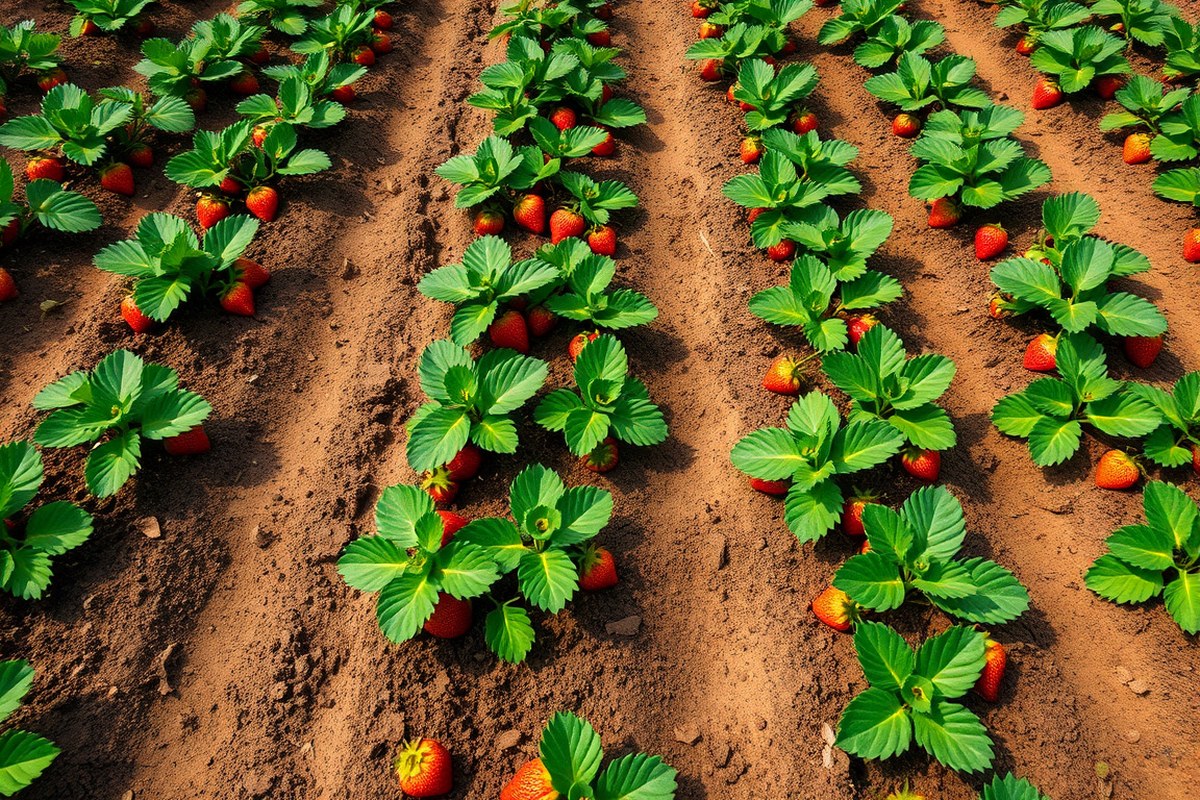
How far apart should strawberry plants be planted to grow best? Most experts agree spacing them 12 to 18 inches apart works well. This gives each plant room to spread and soak up nutrients without crowding.
Rows should usually be 3 to 4 feet apart. This space lets you walk comfortably and care for plants. It also helps air flow around the strawberries.
Closer spacing fills beds faster. But can raise disease risks when air circulation is tight. You can plant as close as 8 inches apart for quicker coverage.
Start by marking your rows at least 3 feet apart in your garden bed. Plant each strawberry 12 to 18 inches apart in the row. This gives them enough room to grow roots and runners.
Proper spacing keeps the plants healthy and strong. This setup balances plant health with good fruit production.
Key Takeaways
- Space strawberry plants 12 to 18 inches apart for strong growth and fruit.
- Rows should be 3 to 4 feet apart to allow easy garden access.
- Planting 8 inches apart can fill beds quicker but watch for crowding.
- Mark rows clearly before planting to keep even spacing.
- Proper spacing helps roots expand and reduces disease risks.
- Closer plants may need more thinning and runner control.
How Far Apart Should Strawberry Plants Be Spaced for Best Growth?
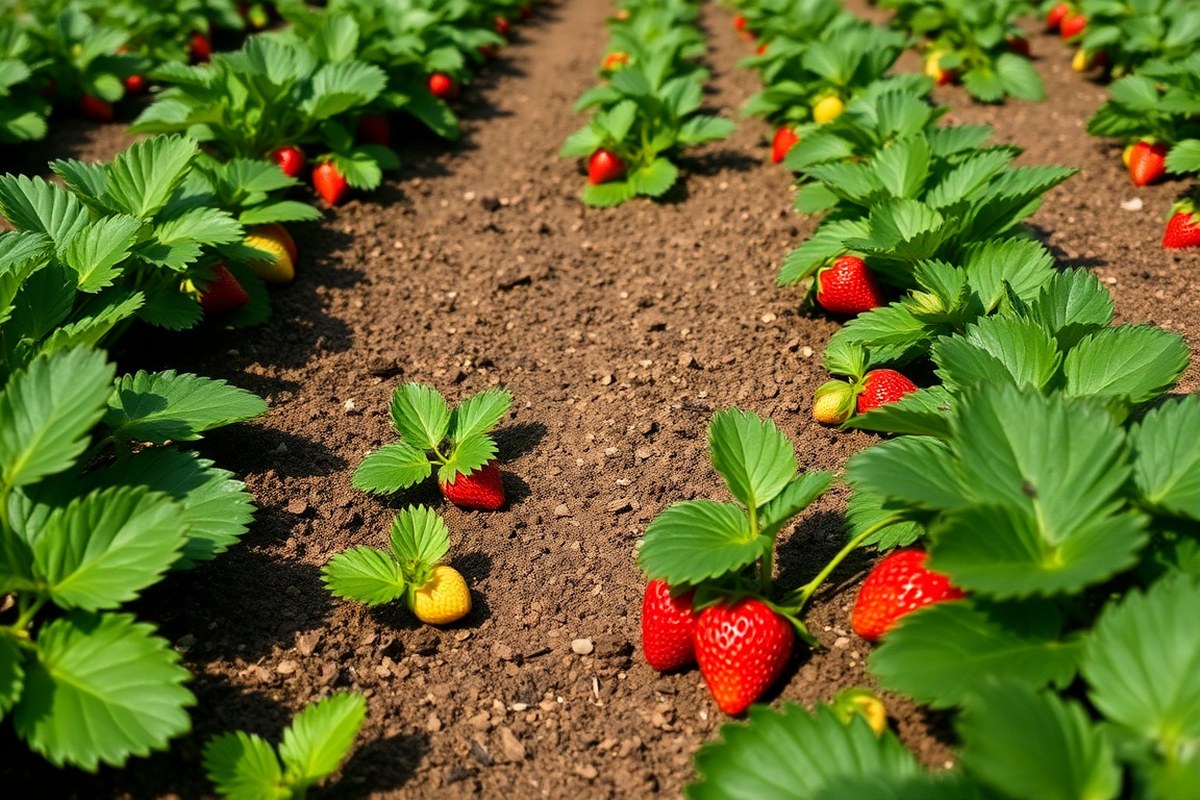
The distance between strawberry plants depends on their variety and how you plan to grow them. Most home gardens do well with plants spaced 12 to 18 inches apart in rows. Rows should be 2 to 4 feet apart.
This spacing helps air flow. It also gives you room to work comfortably.
June-bearing strawberries prefer a bit more room to spread out. Ever-bearing and day-neutral types grow well closer together. You manage runners differently or take them off.
This lets you space plants nearer each other. This affects how dense your patch becomes and how quickly it fills in.
| Strawberry Variety | Plant Spacing | Row Spacing |
|---|---|---|
| June-bearing | 18, 24 inches | 3, 4 feet |
| Ever-bearing | 12 inches | 2, 3 feet |
| Day-neutral | 12 inches | 2, 3 feet |
Space plants 12 to 18 inches apart in hills. Rows should be 6 to 12 inches apart.
This suits everbearing kinds since you remove runners and grow single crowns. Planting between 8 to 12 inches speeds up filling in.
A 4-by-8-foot raised bed fits 12 to 18 strawberry plants. Space them 12 to 18 inches apart. This is the usual setup for these beds.
Keep rows wide enough to step in and harvest without crushing plants. Staggering plants in multiple rows helps maximize space and sun exposure.
Closely spaced plants may deliver early large harvests. But crowding risks disease and poor fruit size.
Spacing farther apart can lower yield per square foot but improves airflow and berry quality. Adjust spacing based on your garden size, strawberry type, and care plans.
How Strawberry Varieties Affect Plant Spacing Choices
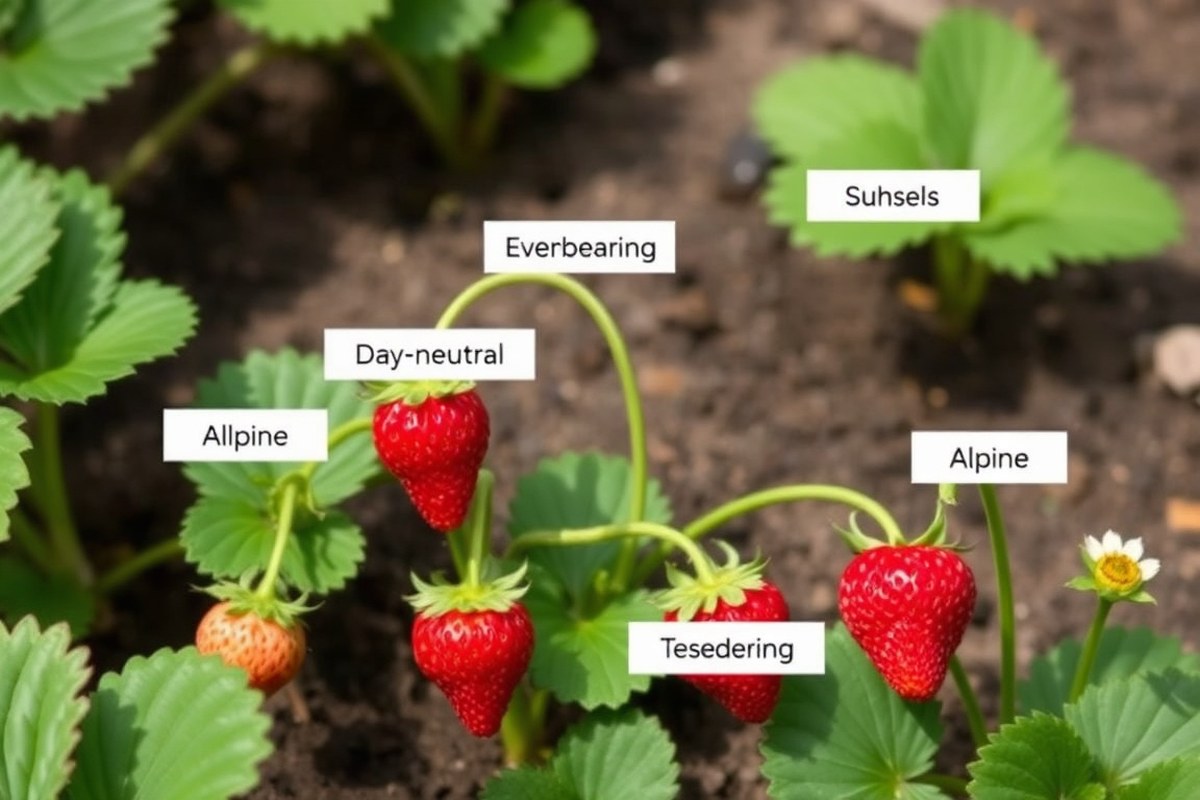
Different strawberry varieties grow and spread in unique ways. This means they need different amounts of space to thrive. Adjusting spacing for each type helps keep plants healthy and productive.
June-Bearing Plants and Their Runner Behavior
June-bearing strawberries produce many runners and spread widely. Because of this, they need more space between plants and rows. Plant them 18 inches apart within each row.
Space rows 3 to 4 feet apart. This layout usually works well for strawberries.
This spacing lets runners root and fill in the bed over time. It suits the matted row system where plants form a natural, dense patch. Crowding these can reduce air flow and increase disease risk.
Everbearing and Day-Neutral Growth Patterns
Everbearing and day-neutral strawberries create fewer runners and spread less. They focus more on producing fruit through the season. Plant them 10 to 12 inches apart inside rows.
Rows should be 12 to 18 inches apart. This spacing helps plants grow well.
They grow well in hill systems or spaced rows. Each plant grows as one unit. This setup keeps plants healthy.
Closer spacing helps maximize fruit from each plant. Mixed planting can use 12-inch spacing to accommodate both types.
Alpine Strawberries and Their Compact Spread
Alpine strawberries are smaller and spread less than other types. They grow in tight clumps with 6 to 8 inches between plants. Space rows 8 to 12 inches apart.
This arrangement fits well for clumped growth. This compact spacing works well in containers or small raised beds.
Plants stay neat and don’t crowd each other. Alpine varieties suit gardeners with limited space who want fresh berries year-round. Wider spacing isn’t needed since runners are minimal.
Here’s a table comparing the main strawberry types and their ideal spacing:
| Strawberry Variety | Plant Spacing (inches) | Row Spacing (inches) | Planting System |
|---|---|---|---|
| June-Bearing | 18 | 36 to 48 | Matted Row |
| Everbearing | 12 | 12 to 18 | Hill |
| Day-Neutral | 10 to 12 | 12 to 18 | Hill |
| Alpine | 6 to 8 | 8 to 12 | Clump |
Adjust spacing when planting mixed varieties by using the widest recommended spacing needed. This prevents crowding and allows each plant type to grow well. For example, use 18 inches for June-bearing mixed with shorter-runner types.
Overcrowding strawberry plants reduces airflow. This increases disease and lowers berry quality.
Choosing Between Hill, Matted Row, and Spaced Row Systems
Strawberry plants can be grown using the hill, matted row, or spaced row systems. Each system has different spacing needs and suits certain garden sizes and goals better. Choosing the right one affects plant health, capacity to spread, and fruit yield.
Spacing Guidelines for Hill System
The hill system plants strawberries in small clusters or hills. Space plants 12 to 15 inches apart in each bed.
Rows should also be 12 to 15 inches apart. This setup helps plants grow without crowding each other.
This system works well for everbearing and day-neutral varieties. It controls runners, so the plants focus on growing fruit rather than spreading.
Spacing in Matted Row Systems
Matted rows let runners root freely to form a wider plant mat about 2 feet wide. Within the row, space initial plants 18 to 24 inches apart.
Rows should be spaced 3 to 4 feet apart to allow air circulation and access. This method suits June-bearing varieties and larger garden plots.
Let plants spread to form a dense row naturally. The row fills out fast and covers the soil well. This helps keep weeds away and soil moist.
Using Spaced Row System in Home Gardens
In the spaced row system, plants are set 18 inches apart in a row. Rows must have at least 3 feet of space between them.
This system works well for small gardens or raised beds. It makes the strawberry patch much easier to manage.
You can check and care for plants easily. It helps with air flow, reducing disease risk by keeping plants separate.
For fresh eating, plant strawberries 8 to 12 inches apart. For preserves, use wider spacing of 12 to 18 inches to allow runners to root.
| Planting System | Within-Row Plant Spacing | Row Spacing | Runner Management | Best For |
|---|---|---|---|---|
| Hill System | 12 – 15 inches | 12 – 15 inches | Runners removed to focus on fruit | Everbearing, day-neutral types |
| Matted Row | 18 – 24 inches | 3 – 4 feet | Runners allowed; row grows 2 feet wide | June-bearing varieties, larger gardens |
| Spaced Row | 8 – 18 inches (by use) | 3 feet or more | Runners allowed for preserves; controlled for fresh | Small gardens, raised beds |
Picking a system depends on space and goals. Hill is good if you want less runner spread.
Matted rows suit larger areas and let plants fill space. Spaced rows work in raised beds and smaller plots where you want control.
Managing Runners to Maintain Optimal Plant Spacing
Strawberry runners are thin stems that grow from the main plant and produce new daughter plants. Managing them is important to keep the right spacing and avoid overcrowding. You can prune runners or allow some to root depending on your garden space and goals.
Identifying Runners and Daughter Plants
Runners are long, thin stems extending from the base of a healthy strawberry plant. Daughter plants grow at the end of these runners and will root into the soil. Recognizing runners early helps you control how many new plants fill your bed.
The daughter plants look like mini mature plants with small leaves and roots forming. They appear about 2 to 4 weeks after runners start growing. Spotting them quickly makes thinning easier to preserve your spacing plan.
Pruning and Training Runners
Prune runners to keep plants spaced well and reduce competition for nutrients and water. Use clean scissors or garden pruners to cut runners before daughter plants root firmly. Mulch will also slow weed growth and protect soil health around plants.
You can encourage runners to grow new plants. Space them wider, about 18 inches or more. This helps your strawberry patch spread well.
Pin the runner tips into the soil. This grows rooted daughter plants where you want them.
You can fill empty spots in the patch. Otherwise, cut runners close to the mother plant to stop spread.
Follow these steps to manage runners effectively:
- Check plants weekly during the growing season for new runners.
- Decide which runners to keep based on spacing and plant health.
- Pin down runner tips to the soil if you want to propagate new plants.
- Cut unwanted runners close to the main plant with clean pruners.
- Remove any dead or diseased runners immediately to maintain health.
- Apply mulch around plants to keep weeds down and soil moist.
- Repeat runner checks and pruning every 1 to 2 weeks.
Timing Thinning and Spacing Adjustments
Thin daughter plants when they are about three inches tall and roots are visible. This timing stops overcrowding before new plants compete too much. Remove weaker or poorly spaced plants, leaving the healthiest at proper distances.
Plan spacing according to your strawberry variety. June-bearing plants like 18 to 24 inches between rows and 12 to 18 inches within rows. Day-neutral or everbearing types need 6 to 12 inches.
They produce runners differently than other types. Closer spacing works well for them.
Leave at least 12 inches of aisle space to walk and tend plants without damage. Crowd plants will reduce air flow, inviting diseases and reducing fruit quality. Careful thinning saves time in the long run and improves your harvest.
Planting Strawberries in Raised Beds and Containers
Raised beds let you plant strawberries closer than in open rows. Space them about 12 to 18 inches apart in every direction. Raised beds hold better soil and drain well, so plants don’t crowd as much.
Containers need more careful spacing because roots have less room to spread. Each strawberry plant requires at least 12 inches of space in a pot. In larger containers or grow bags, space plants 10 to 12 inches.
This gives roots plenty of room to grow. It helps the plants stay healthy.
Use only one strawberry plant in a small container. This keeps the plant from crowding. You avoid stunting growth this way.
For a 12-inch pot, plant a single strawberry. Bigger containers can hold two or three, spaced evenly. Crowding plants in tight spaces can reduce fruit size and yield.
Don’t overcrowd everbearing strawberries in pots; runners can drain the main plant’s energy.
How Proper Spacing Affects Strawberry Yield and Fruit Quality
Planting strawberry plants too close, less than 12 inches apart, causes overcrowding. Overcrowded plants compete for water and nutrients, leading to smaller harvests, not bigger ones. Give each plant 12 to 15 inches of space.
This helps roots grow strong. It also allows the fruit to grow larger.
Spacing affects berry size and juiciness a lot. Plants that have room produce bigger, juicier strawberries.
Crowded plants stress out, which can make berries smaller and less flavorful. When you space plants well, each strawberry gets enough sunlight and nutrients to fully ripen.
Proper spacing also improves airflow. Good air circulation reduces moisture buildup around leaves and fruit.
This lowers the chance of fungal diseases like powdery mildew or gray mold. Poor airflow from tight spacing traps humidity and lets diseases spread faster.
Your garden has limited space. Space plants 12 inches apart in raised beds or containers. Mulch between plants to keep weeds down and maintain soil moisture while helping maintain space.
Space plants about 15 inches apart in large rows. This keeps air moving well. Good airflow helps stop problems.
In short, closer planting doesn’t always mean a bigger harvest. Too close means more disease and smaller berries. Proper spacing keeps strawberry plants healthy.
They produce juicy, large fruit longer. This helps them grow over the season.
Common Spacing Mistakes and How to Fix Them
Plants set too close often look lush at first, but crowding cuts air flow. This invites diseases like powdery mildew or gray mold.
The berry yield drops because overcrowded roots compete for water and nutrients. You might see smaller, fewer strawberries by season’s end.
Spacing too wide leaves bare soil that weeds eagerly fill. It also slows the ground coverage that strawberries naturally do.
This means more weeding work and slower fruit production. The patch stays patchy and weak for several seasons.
If you spot these issues after planting, thinning is a good fix. Pull out some plants to reach about 8 to 12 inches apart.
This spacing is a sweet spot for most home gardeners. Transplant any removed healthy plants to a new spot or share them with friends.
- Pull crowded seedlings carefully, making sure roots stay intact.
- Water transplants immediately to reduce shock.
- Use a hand trowel to dig and move plants gently.
- Mark spots before thinning to keep even spacing.
- Monitor plants on hot days to avoid sunburn during transplant.
- Remove runners early to keep the spacing steady in year one.
- Apply mulch around plants to discourage weeds in open spaces.
In the long term, spacing affects how easily you manage runners and maintain healthy plants. Overcrowding forces you to prune runners harshly, which costs time and energy.
Widely spaced plants create a stronger, more durable patch. Your berry harvest improves and you spend less time on disease control and weeding.
Calculating Strawberry Plant Numbers for Your Garden Size
You need to know your garden’s size and how far apart the plants go. For June-bearing strawberries in matted rows, space plants 18 to 24 inches apart. Rows should be 3 to 4 feet apart so runners can fill in over time.
Plant spacing directly affects how many plants fit and your budget. Tighter spacing means more plants and higher costs. But wider spacing uses more garden space.
Planning for runner expansion helps avoid overcrowding later. You can estimate plant counts using your bed’s length and width along with plant spacing.
Here’s how to figure out how many strawberry plants fit. Measure your garden beds or rows first. Then use that to find the number of plants.
- Measure the length and width of your garden bed in feet.
- Decide your plant spacing, such as 18 inches (1.5 feet) between plants.
- Calculate the number of plants per row: divide the bed length by the plant spacing.
- To find the number of rows, divide the bed width by row spacing. Usually, row spacing is about 3 feet apart. This helps space plants evenly.
- Multiply plants per row by the number of rows to get total plants.
- Reduce the initial plant count by 10% to 20%. This makes room for runner growth later. It keeps plants from getting too crowded.
For example, a 12-foot bed is 6 feet wide. Space plants 18 inches apart in rows 3 feet apart. Then divide 12 by 1.5 = 8 plants per row.
Next, 6 ÷ 3 = 2 rows. Total plants would be 8 × 2 = 16. Drop 15% for runners, so initially plant about 14 strawberry plants.
Check your total space carefully before buying plants to avoid buying too many or too few.
Step-by-Step Action Plan for Planting Strawberry Plants Correctly
This plan helps you plant strawberry plants correctly. You plant them at the right distance for better growth. This way, you get stronger plants and bigger harvests.
- Before planting: Choose the right strawberry variety that fits your spacing plan. Check if you want hill, matted row, or spaced row systems.
- Day 1: Mark your garden or raised bed with measured rows. Space the rows 18 to 24 inches apart for matted rows. For spaced rows, keep them 36 inches apart. This gives your plants enough room to grow. This layout keeps plants from crowding.
- Day 2: Plant each strawberry seedling 12 to 18 inches apart in the row. Use a tape measure or garden marker to keep distance even. Healthy spacing avoids competition for nutrients.
- Week 3: Check for runners starting to grow from mother plants. Trim or guide runners to control spacing. This stops plants from getting too close.
- Month 2: Water and mulch around plants to keep soil moist and reduce weeds. Mulch also helps runners root where desired.
- Month 3: Evaluate plant spacing. Thin out weak or crowded plants by pulling a few runners apart and cutting roots. This improves air flow and fruit quality.
- After harvest: Remove old leaves and keep spacing clear for new growth next season. Keep mulch loose to help runners spread where you want them.
Frequently Asked Questions
How Far Apart Should Strawberry Plants Be Planted?
Plant strawberry plants 12 to 18 inches apart for most types. This spacing helps plants grow well and makes it easier to pick the fruit.
Does Sunlight Affect How Far Apart You Plant Strawberries?
Yes, plants need enough space to get full sun and air circulation. Crowding can cause shade and raise disease risks.
Can I Plant Strawberries Closer in Containers?
In containers, space plants about 8 to 10 inches apart to keep roots healthy. Containers need good airflow too.
How Does Soil Quality Impact Strawberry Plant Spacing?
Poor soil might need wider spacing for better root spread and nutrients. Rich soil supports closer planting without competition.
Should I Space Day-Neutral Strawberries Differently from June-Bearers?
Day-neutral strawberries can be spaced a bit closer since they produce fruit longer. June-bearers benefit from wider spacing to support big harvests.
How Important Is Row Spacing in Strawberry Planting?
Row spacing of 3 to 4 feet gives you room to manage plants and runners easily. Tight rows can cause crowding and disease problems.
Wrapping Up
Spacing strawberry plants properly gives you healthier plants and tastier fruit. Start by measuring your site and choosing a planting system that fits your garden. Keep an eye on runners to maintain good spacing as plants grow.