How to Protect Plants from Cold: 8 Effective Strategies Gardeners Need
Figuring out how to protect plants from cold means acting before frost hits. Use covers, mulch, and cold frames to shield plants from freezing temperatures. The right steps can save your garden when night temperatures drop near freezing.
Start by knowing when frost is likely to happen. Cover plants once temperatures fall to 32°F or lower. Do this to prevent frost damage to your plants.
Covering plants works best between 28°F and 32°F. It helps protect plants in light frosts. But it won’t stop damage in hard freezes below 28°F. Use frost cloth to keep warmth in. Letting sunlight reach your plants.
Mulch can protect roots, especially when the soil gets cold or frozen. Spread 2 to 4 inches around plants.
But keep mulch a few inches from stems to avoid moisture problems. These simple actions give your plants a much better chance at surviving cold spells.
Key Takeaways
- Cover plants when temperatures drop to 32°F (0°C) or below, especially at night.
- Use frost cloth to raise temperatures 4 to 10 degrees Fahrenheit under covers.
- Apply 2, 4 inches of mulch around plants, keeping space near stems clear.
- Cold frames and polytunnels keep internal temps 5, 10 degrees warmer than outside air.
- Cover frost-sensitive plants at or below 36°F (2°C), especially on still, clear nights.
- Hard freezes below 28°F (-2°C) require physical structures for effective plant protection.
1. How to Protect Plants from Cold: Essential Practices
Start protecting your plants before the first frost is due. In colder zones like 3 to 5, frost season can last from September to May. Watch your local forecast closely in zones 6 to 7 and 8 to 9.
Frost mostly happens from October to April or November to March. Stay alert during these months to protect your plants.
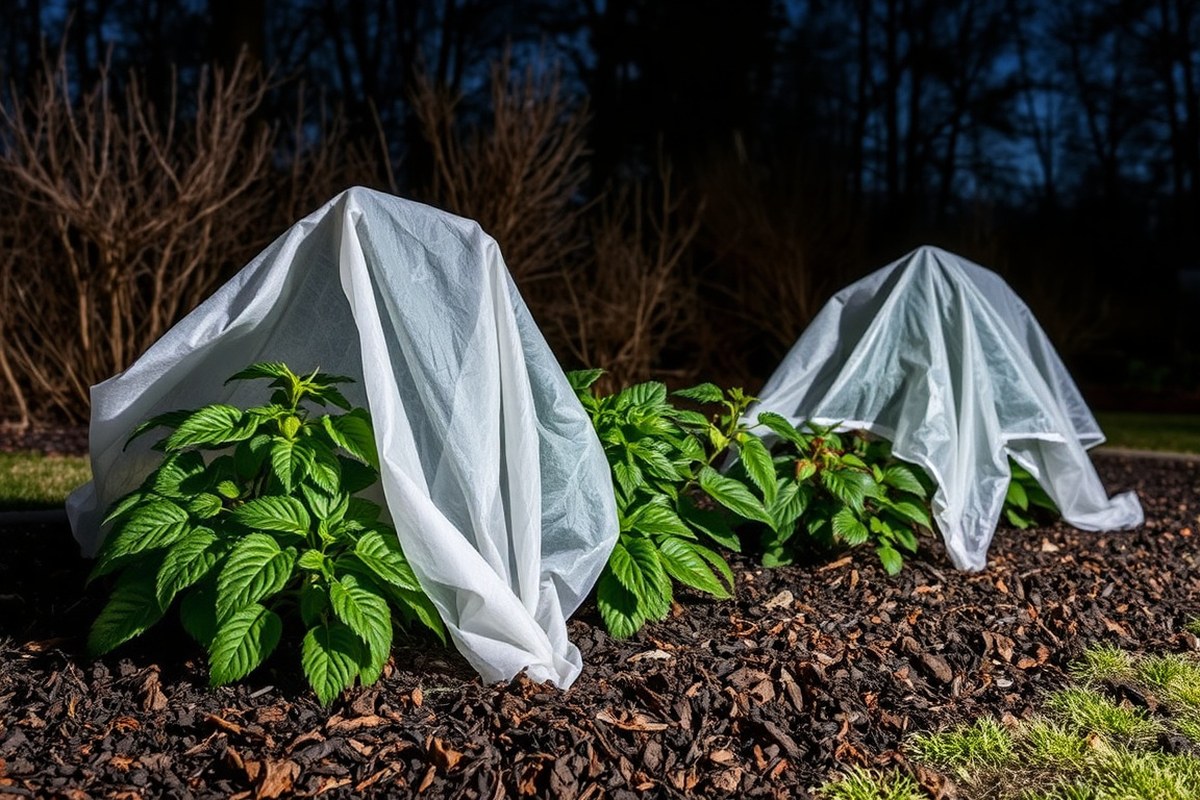
Begin frost protection using simple and affordable methods. Drape frost cloths or blankets over plants to trap heat.
Relocate potted plants indoors or to a wind-protected place during cold spells. These techniques work best when temperatures fall from 28°F to 32°F (-2°C to 0°C).
Keep protection in place overnight and remove it during the day once temperatures rise above freezing. Leaving covers on too long can cause heat buildup or mold. Keep a close eye on the weather and your plants.
Frost might come back in a few days. Be ready to protect your plants again if needed.
Follow these key steps to defend plants from cold weather:
- Check the forecast daily. Note frost warnings and expected low temperatures.
- Bring potted plants inside when frost is predicted. Use sunny windows or garages.
- Cover outdoor plants with frost cloths or old bedsheets before dusk. Secure edges to prevent wind from blowing covers away.
- Place insulating layers like mulch or straw around plant bases to protect roots.
- Move containers to sheltered spots near walls or under eaves to reduce wind chill.
- Remove covers at sunrise to let plants get sunlight and air. This prevents overheating.
- Repeat protection nights if frost warnings continue for several days in a row.
This routine takes about 10 to 20 minutes depending on your garden size. Frost cloths often cost $15 to $30 and last several seasons. Keeping plants safe this way avoids costly losses and prevents slow plant growth after cold damage.
2. Understanding Frost and Freeze: What Threaten Your Plants
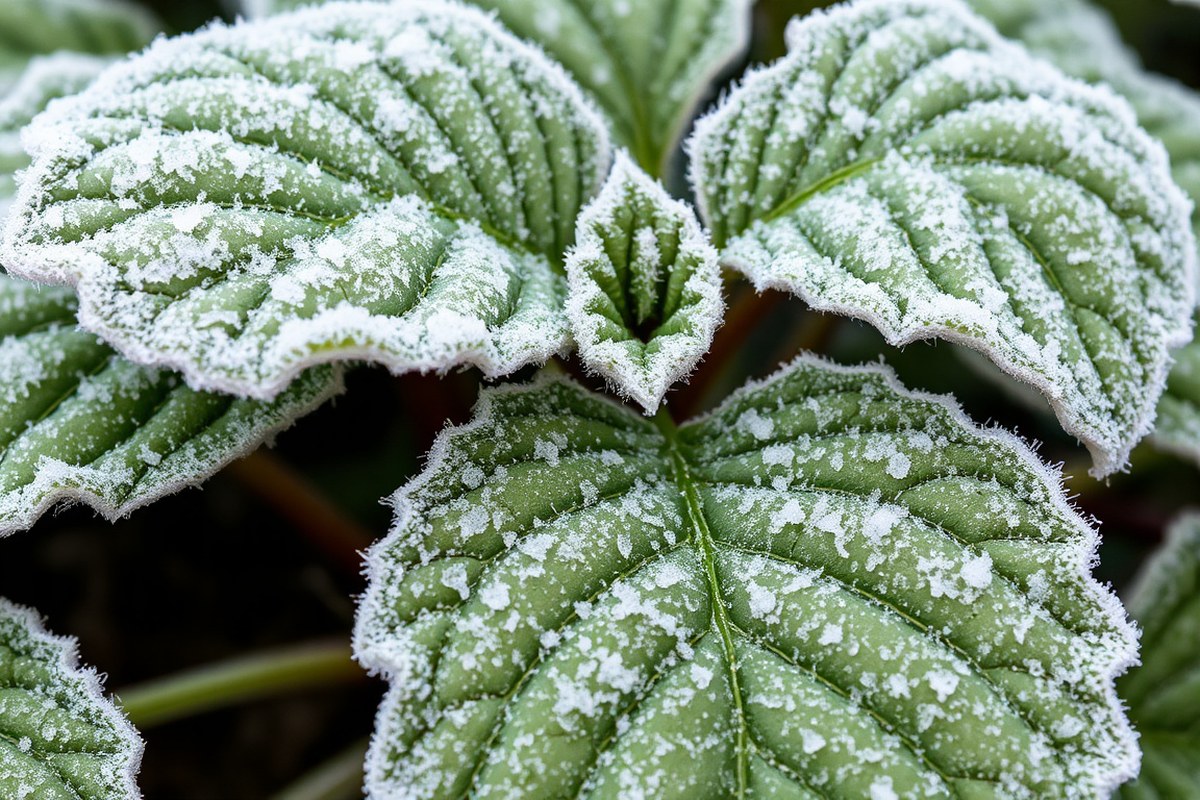
Frost forms when surfaces like leaves drop below 32°F. The air may be warmer. This can still cause frost on plants. It happens on clear, calm nights as the ground loses heat.
Plants can suffer surface damage as ice crystals form on leaves and stems. But roots stay mostly safe if the soil is warmer.
A freeze occurs when the actual air temperature drops below 32°F, sometimes well below. Freezing air can penetrate deeper into plants, damaging stems, buds, and roots. Potted plants are especially vulnerable since cold air surrounds their exposed roots completely.
Frost usually forms between 32°F and 38°F near the ground. Tender plants like tomatoes can get damaged. This happens even if the air feels warmer.
Freeze is more severe, happening anytime the air temperature drops below freezing for several hours. Frost allows some soil heat to protect plants. But freeze kills cells by ice forming inside them.
Hard freezes cause irreversible harm, often killing vulnerable plants outright. Frost damage can look like wilted or blackened leaves but sometimes recovers. Leafy greens and cold-hardy plants can survive light frost, while tropical herbs wilt quickly.
Watch weather reports closely to catch frost alerts. Know the temperature differences near the ground. Then decide when to cover or move your plants.
Covering plants with frost cloth can raise the temperature by 4 to 10°F, easing frost risks. If the air goes below 32°F, that causes a hard freeze. Covers may not stop damage to roots or stems.
Be extra careful with vulnerable plants. You should harvest tender vegetables or bring container plants inside before a freeze hits. Wrap citrus trees in burlap to protect them from cold.
Put water-filled barrels nearby to buffer temperature swings. These steps reduce freeze damage risks.
Keep frost cloth edges anchored to trap soil warmth and protect plant leaves effectively.
3. Which Plants Need Protection and How to Identify Them
Some plants handle cold better than others. You should protect frost-tender plants from frost or freeze. Frost or freeze can easily damage or kill these plants.
Protect them to keep them healthy and safe. Knowing each plant’s tolerance helps you avoid wasting time covering hardy plants that don’t need it.
Assess your garden in early fall and check plants’ cold tolerance. Young leaves, flowers, and tender tips often need more protection than mature woody parts.
Potted plants are usually more vulnerable. Their soil freezes faster because it has less natural insulation than garden beds.
| Plant | Protect Below | Notes |
|---|---|---|
| Basil | 40°F / 4°C | Shows stress before freezing |
| Tomatoes | 32°F / 0°C | Killed by light frost |
| Peppers | 32°F / 0°C | Killed by light frost |
| Cucumbers | 32°F / 0°C | Wilts quickly at freezing |
| Eggplant / Brinjal | 32°F / 0°C | Damaged by any frost |
| Citrus Trees | 28°F / -2°C | Especially vulnerable during blossom |
| Squash / Zucchini | 32°F / 0°C | Top growth collapses fast |
| Roses | 25°F / -4°C | Canes survive light frost |
Protect plants that drop leaves or wilt after cold snaps. For plants like tomatoes and peppers, even a brief freeze kills them.
Those plants need a cover when temperatures near 32°F (0°C). Citrus trees need protection below 28°F (-2°C), especially when they flower.
Group potted plants by cold tolerance. Move very tender ones indoors if you expect frost.
Use row covers or light fabric over vulnerable outdoor plants. Float the fabric over plants to avoid crushing and anchor it to the soil edges.
Seedlings generally tolerate cold better than mature plants. But protect them if frost is expected.
Hardy plants planted last fall usually face cold without damage. Check growth stage too because young shoots often freeze faster.
4. Hardening Off Plants: Preparing Them for Cold Weather
Hardening off means slowly letting plants get used to cold weather. You do this before the first frost hits. This helps plants survive outside and grow strong through chilly days.
Step 1: Start with Short, Protected Outdoor Exposure
Begin by putting plants outside for just a few hours a day. Keep them in a sheltered spot with shade to avoid too much sun or wind.
Start by exposing plants for two to three hours at first. Only do this when the temperature is above 50°F (10°C). Bring plants back indoors or cover them at night.
Step 2: Gradually Increase Time and Exposure
Add an hour of outdoor time each day. Let plants face more direct sunlight and wind as they toughen up.
Within about 7 to 10 days, plants should handle full days outdoors. Keep checking for wilting or leaf burn and adjust accordingly.
Step 3: Monitor Plant Stress and Adjust Accordingly
Leaves look scorched or plants wilt? Cut time outside or add shade. Water plants well before moving them outside.
Cover plants with frost blankets or light covers on cool nights near 40°F (4°C). Take off the covers in the morning so the sun can warm them.
Step 4: Final Prep Before First Expected Frost
About two days before the forecasted frost, bring plants inside or cover them overnight. Use frost cloths or old sheets for extra warmth.
Remove plant covers each day when temperatures rise above freezing. Hardening off ends when nights stay above 50°F (10°C) consistently. Follow these simple steps to help your plants get ready for colder weather:
- Place plants outside for 2, 3 hours in a protected spot with shade.
- Bring plants indoors or cover them at night until they adjust.
- Increase time outside by 1 hour daily, adding sun and wind exposure.
- Watch for stress signs and reduce exposure if plants wilt or burn.
- Water plants well before moving outside to prevent drying out.
- Use frost blankets during cool nights near 40°F (4°C), remove in mornings.
- Two days before frost, keep plants indoors or under cover overnight.
- End hardening off once nights stay above 50°F (10°C) without covers.
5. Selecting and Using Covers: Materials, Setup, and Timing
Use blankets, row covers, or burlap to protect fragile plants outdoors. These materials trap heat from the ground and block frost. Avoid wrapping plants too tightly in plastic.
It blocks air and traps moisture. This can cause damage.
Household items like upside-down cardboard boxes, plastic tubs, or flowerpots work well for small plants. These create a tiny shelter that traps warm air close to your plant. Just remove them in the morning to avoid overheating and moisture buildup.
| Cover Type | Best Use | Benefits | Limitations |
|---|---|---|---|
| Blanket or Frost Cloth | Covering beds and shrubs | Retains heat; breathable; reusable | Needs securing; bulky |
| Row Covers / Floating Covers | Vegetable rows, delicate plants | Lightweight; can stay on for days | Can blow away if not tied down |
| Upside-Down Boxes or Pots | Small potted plants or seedlings | Easy, cheap, reusable | Limited coverage; remove daily |
| Plastic Sheeting | Temporary, emergency use only | Good heat barrier | Blocks air; traps moisture; not breathable |
| Cold Frames / Cloches | Vegetables and small shrubs | Solid heat retention; reusable | Costly; fixed location |
Put covers on just before dusk when winds calm and temperatures drop below freezing. This traps heat near the soil and prevents frost settling. Take covers off by mid-morning when the sun warms air to avoid overheating or damp buildup.
Secure covers with hoops, pins, or stones. Place them gently around the plant base.
This avoids bending or breaking stems. Check covers regularly during windy nights to adjust and ensure they stay in place.
Never seal plants in plastic. Lack of airflow causes moisture buildup that damages leaves and roots.
Thermal blankets offer extra warmth on cold nights below 28°F (-2°C). Combine them with frost cloth for best results. Remove all coverings the next morning to let plants breathe and soak in sunlight.
6. Using Cold Frames, Hoop Tunnels, and Other Structures
Cold frames, hoop tunnels, and polytunnels keep plants warmer by trapping heat near them. They create a mini-greenhouse effect, raising temperatures 4 to 8°F above outside air. This helps protect tender seedlings and less hardy plants from frost and cold winds.
How Cold Frames Work to Trap Soil Warmth
Cold frames are like small boxes with clear tops that let sunlight in and trap warmth. The sun and soil heat stay inside the frame. This raises air temperatures.
It also keeps the soil warmer. This protects plants by stopping sudden cold drops, especially at night.
Their main advantage is holding warmth from the soil, which naturally releases heat after sunset. Cold frames shield plants from wind, reducing chill and moisture loss. You can open or close the lid to control airflow and temperature during the day.
These frames work best for seedlings, young plants, and cold-sensitive vegetables. They help plants get stronger before planting outside.
They also extend the growing season. This works in fall and early spring.
Types of Hoop Tunnels and Polytunnels
Hoop tunnels use flexible rods bent over rows of plants to support plastic or fabric covers. They are taller and longer than cold frames and cover more area. This makes them good for rows of vegetables and larger plants.
Polytunnels are bigger, permanent or semi-permanent structures with curved frames and plastic covers. They protect whole garden beds or several plants at once. Polytunnels keep temperatures more stable and shield against heavy wind and rain.
Both hoop and polytunnels trap heat like a greenhouse and block wind chill. Plastic covers work best when held above plants. They should not touch leaves.
Leaves touching plastic can freeze. Ventilation options are important on sunny days to avoid overheating.
When to Use Structures vs. Covers
Structures like cold frames and tunnels provide lasting warmth and wind protection. Use them when cold snaps last several nights or when you want a longer growing season. Portable covers work for short cold spells, but they don’t warm soil as much.
Young or delicate plants benefit most from structures that keep air and soil temperatures steady. Hardy plants need less protection and may only need covers during frost warnings. Plan structures before cold weather arrives since they take time to build or set up.
For winter crops or early spring seedlings, cold frames and tunnels offer reliable shelter. Use covers on mature plants or for quick frost protection when a structure isn’t available.
Cost and DIY Options
Cold frames range from $50 for simple kits to several hundred dollars for larger models. You can build one using scrap wood and clear plastic or glass panels. DIY versions are cheaper but may need regular repairs and weatherproofing.
Hoop tunnels and polytunnels vary widely in price based on size and materials. A small hoop tunnel might cost $100 to $300. Polytunnels start around $500 and go higher.
DIY hoops use PVC pipes and plastic sheeting. They cost less than store-bought ones. But they may not last long.
Buying premade structures offers better durability and fit. But DIY lets you customize size and shape.
For small spaces and light frost protection, a DIY cold frame is a good start. Bigger gardens needing all-season protection usually benefit from professionally made tunnels.
7. Protecting Roots and Soil: Mulch and Other Ground Insulation
Protecting the soil and roots is key to helping plants survive cold weather. Mulch acts like a blanket for roots, keeping soil temperatures steady and preventing freezing. When soil freezes, roots can suffer damage, which makes plants weaker or kills them.
Mulch works by trapping warmth from the earth, creating a small layer of insulation. A 2-inch thick layer of organic mulch like straw, shredded leaves, or wood chips works well. This thickness stops the freeze and thaw cycle.
That cycle can loosen roots. It can also push plants out of the soil.
Applying mulch is simple but needs care so it won’t harm plants. Water deeply before applying mulch to keep roots hydrated. Spread mulch evenly.
But avoid piling it right against plant stems or trunks to stop rot. For potted plants, add mulch on top of the soil, about 2 inches thick.
- Use straw or shredded leaves for good insulation and drainage.
- Avoid thick mulch layers more than 3 inches to prevent moisture problems.
- Keep mulch 1 to 2 inches away from plant stems to avoid rot.
- Water plants before mulching so roots stay moist during cold.
- For container plants, wrap pots in bubble wrap or burlap for extra root protection.
Besides mulch, soil heating mats can help, especially for small containers or raised beds. These mats gently warm the soil, stopping freezing in vulnerable roots. Use these mats only if temperatures drop below freezing often.
They cost electricity. Make sure that cost works for you.
Potted plants lose heat quickly due to less soil. Wrapping the pot and mulching the soil helps reduce root freeze risk. Add frost cloth over plants after mulching.
It holds soil heat in. It keeps frost off the leaves. These combined steps extend your plants’ survival during frost and cold spells.
8. Common Mistakes and Safe Use of Heat Sources for Frost Protection
Many gardeners make mistakes that let cold damage sneak in despite protections. Using heat can help.
But you must do it safely to avoid fires or plant damage. Managing moisture and what to do after frost also matters for healthy plants.
Mistakes with Covering and Timing
Plastic bags or plastic drop cloths trap moisture on plants. This moisture freezes and makes damage worse. Avoid placing plastic directly on plants.
Covers should stay off the plant’s leaves and be loose enough to allow air circulation. Leaving covers on during the day can overheat plants or encourage disease.
Removing protective covers too early in the morning exposes plants to frost damage. Wait until the air temperature rises above 40°F, or the frost has fully lifted before uncovering. Cover plants only on the coldest nights.
This prevents stress and rot. Don’t cover them every single night.
Safe Practices for Using Heat Sources
Heat lamps or string lights can protect plants when used carefully and monitored closely. Safe heat sources include incandescent bulbs or specially designed plant heat mats rated for outdoor use. Avoid open flames, electric heaters with exposed elements, and propane heaters near plants or dry foliage.
Place heat sources at least 12 inches away from plants to stop burns or hotspots. Connect lights or heaters to timers to turn off by midmorning, preventing overheating. Use a thermometer to check soil temperature often.
Keep soil just above freezing. Aim for 32°F to 36°F.
Avoiding Rot and Moisture Problems
Mulch protects roots and soil from cold. Keep mulch 2 to 3 inches away from stems. This helps prevent rot.
Overwatering during cold snaps causes soggy soil, increasing root rot risk. Remove heavy watering before cold periods and water only when plants show real need.
Provide good ventilation under covers to reduce moisture buildup and mildew. Lift one corner of plant covers slightly on cold mornings. This lets moisture escape.
Don’t lose too much heat. Use waterproof, breathable covers when heavy rain is expected. This keeps plants dry but prevents soggy soil.
Never leave plastic directly touching plants; it freezes wet leaves and makes damage worse.
Steps to Take After Frost Damage
Wait a few days after frost to prune damaged parts. Some leaves or stems might recover slowly. Prune only after you see no improvement.
Cut off only clearly dead or blackened tissues to avoid stressing the plant. Protect it from further cold and keep watering lightly but steadily during recovery.
Move tender potted plants indoors if frost damages roots or buds. Place them in a warmer spot if you can. Protecting plants from cold helps them survive.
Apply a thin layer of mulch to help soil warm faster. Monitor affected plants closely over weeks to catch new growth or signs of disease early.
Step-by-Step Action Plan for Shielding Your Plants from Cold
Follow these steps to protect your plants during cold spells. Act early to see the best results.
- One week before frost: Start hardening off young plants. Bring them outside for a few hours each day. Check for less wilting or drooping.
- Two days before expected freeze: Cover vulnerable plants with frost cloth or a breathable cover. Confirm the cover stays dry and doesn’t touch leaves.
- On freeze night: Add a layer of mulch around plant bases to keep roots warm. Soil should feel cooler but not frozen the next day.
- During frost warnings: Use battery-operated or outdoor-safe string lights under covers for gentle heat. Ensure lights are not in direct contact with the plant.
- After frost passes: Remove covers during daylight to allow sunlight and airflow. Check plants for firmness and no discoloration.
- Weekly, before cold snaps: Inspect mulch thickness and replace if thin or damp. Soil should stay loosely covered and warm.
- Monthly during cold season: Assess permanent structures like cold frames for damage or gaps. Repair or reinforce to maintain insulation.
- As weather warms: Gradually expose plants to more sunlight and lower protection. Watch for signs of stress like wilting or yellowing leaves.
Frequently Asked Questions
Will a 5 Gallon Bucket Protect Plants from Frost?
A 5 gallon bucket can raise air temperature by 2 to 4 degrees around plants. It helps but does not fully protect against frost on its own. Use it with other covers for better frost protection.
At What Temperature Should You Cover Your Plants at Night in Winter?
Cover plants when the temperature drops to 32°F (0°C) or below. Tender plants like tomatoes and basil need protection starting at this point. Keep an eye on the weather forecast and be ready to cover accordingly.
Can I Put Plastic Bags over My Plants to Protect from Frost?
Plastic bags can trap moisture and damage plants if they touch leaves. Avoid plastic; use frost cloths or garden fabric instead. These materials allow air flow and protect without causing condensation harm.
Should I Cover My Plants at 35 Degrees?
At 35°F (2°C), monitor the weather but you usually don’t need to cover plants yet. Prepare covers and water soil that afternoon to help plants before a colder night. Cover only if temperatures fall closer to freezing.
How Long Should I Leave Frost Covers on Plants in the Morning?
Remove covers after sunrise when temperatures rise above freezing. Leaving them on too long can cause overheating and moisture buildup. Take them off carefully to avoid damaging the plants.
Can I Protect Plants from Cold by Grouping Pots Together?
Grouping pots helps retain some warmth but won’t fully protect plants from freezing. Combine grouping with wrapping pots or using covers for better cold protection. Cold winds still reach plants in groups, so extra measures are needed.
Key Points to Remember
Protecting your plants from cold keeps them healthy through tough weather. Start with easy covers and add layers as needed. Check your plants daily during cold spells to catch problems early.