
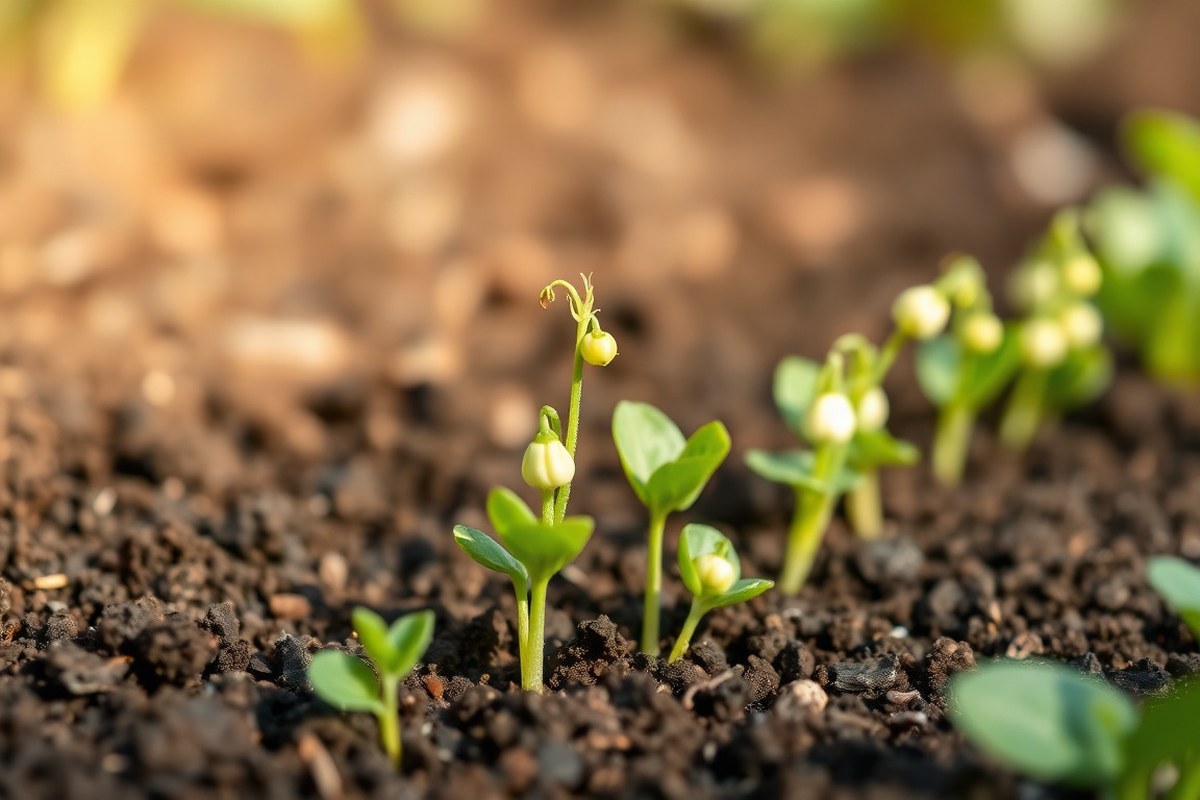
How Long Does It Take Sweet Peas to Germinate? A Complete Guide for Beginners
How long does it take sweet peas to germinate? Usually, sweet pea seeds start to sprout in about 10 to 14 days.
They need a steady temperature between 50°F and 60°F (10, 15°C) to germinate well. Cooler soil slows them down, while warmer soil can make them reluctant to sprout.
Seeds can take up to 28 days in colder temperatures, so patience matters. Starting with well-prepared seeds speeds up germination. Soaking seeds or nicking their shells helps water reach inside and jump-start growth.
Keep soil moist but not soggy, and avoid letting it dry out. Place your seeds where they will get plenty of sunlight. Provide 6 to 8 hours of sun each day after sprouting.
This helps your sweet peas grow strong and healthy. That sunlight helps the young plants grow strong right after germination.
Key Takeaways
- Sweet pea seeds generally germinate within 10 to 14 days at 50, 60°F soil temperature.
- Colder soil temperatures can extend germination time up to 28 days.
- Soaking or nicking seeds before planting speeds up germination noticeably.
- Keep soil evenly moist but avoid waterlogging to support sprouting seeds.
- Provide 6, 8 hours of daily sunlight once seedlings emerge for best growth.
- Warmer soil above 60°F may delay sweet pea seed sprouting.
How Long Do Sweet Pea Seeds Take to Germinate?

Sweet pea seeds usually take 7 to 14 days to sprout. This time depends on temperature, soil moisture, and how you prepare the seeds before planting. Most gardeners see tiny shoots emerge within two weeks after sowing.
Under ideal conditions, like steady moisture, germination takes 7 to 10 days. Temperatures should stay between 55 and 65°F (13 to 18°C). This helps seeds sprout faster.
Cooler or inconsistent conditions can stretch the process to about two or even three weeks. When the soil is too dry or cold, seeds may not sprout at all. They might stay dormant much longer before germinating.
Seed preparation can speed things up. For example, soaking seeds overnight softens the tough seed coat and encourages roots to start faster. Without this step, you may wait up to 21 days for sprouts.
Keeping soil evenly moist, not soggy, is key while waiting for shoots to appear. Check soil regularly to avoid drying out or oversaturation.
How to Prepare Sweet Pea Seeds for Faster Germination

Preparing sweet pea seeds before planting can speed up germination by 2 to 3 days. Soaking seeds overnight and gently nicking their hard coats both help water get through faster. These simple steps boost your success rate and can cut the wait time for sprouts.
Pre-Soaking Seeds Overnight
Soaking sweet pea seeds in room-temperature water softens their hard outer coat. This makes it easier for the seed to absorb moisture and start growing. A 12 to 24 hour soak is best to avoid over-saturation or seed damage.
Pour water into a small bowl or cup and place your seeds inside. Keep the container at room temperature, between 65°F and 75°F (18°C to 24°C). After soaking, drain the water and plant the seeds right away.
- Use clean, fresh water at room temperature
- Keep soaking time between 12 and 24 hours
- Do not soak longer to avoid seed rot
- Plant seeds immediately after draining water
- Handle seeds carefully to avoid damage
Never soak seeds in hot water, it can kill the embryo inside.
This overnight soak reduces germination time and improves sprouting consistency. Seeds that are not soaked take longer and often sprout unevenly.
Nicking the Seed Coat Safely
Scratching or nicking the seed coat, known as scarification, lets water reach inside more quickly. Take a small knife or nail file and gently rub the seed surface. Don’t cut too deep or damage the seed inside.
This helps prepare the seed for planting. Avoid the “eye,” a small dent where the seed embryo is located.
This method is useful especially if your seeds are older or very hard. Rubbing the seed shell speeds up germination by softening it.
Take care not to hurt the seed’s important parts during this process. This step makes sprouting quicker but needs caution.
- Use a clean blade or sandpaper
- Rub only a small area of the seed coat
- Avoid cutting or puncturing the seed embryo
- Scarify seeds just before sowing
- Combine with pre-soaking for best results
Proper nicking reduces germination time and helps with uniform sprouting. Over-scarifying can damage seeds and stop them from growing.
Additional Pre-Treatment Tips
Fresh seeds generally germinate faster than old ones. So buy new stock if you can.
Also, keep seeds in a cool, dry place until you plant them to preserve viability. Avoid storing them in damp or hot areas.
Place seeds about 1 inch deep into soil that drains properly. Keep the soil damp but avoid making it soggy or waterlogged. Keep the temperature around 55°F to 65°F (13°C to 18°C) for quicker seed germination.
- Choose fresh seeds from reliable sources
- Store seeds in a cool, dry location before planting
- Plant at correct depth, about 1 inch deep
- Use soil that drains well but holds moisture
- Maintain consistent temperature between 55°F and 65°F
Don’t overwater seeds; soggy soil can cause mold and rot.
Following these steps improves your chances of quick and even germination. Poor conditions or old seeds will slow the process or reduce seedling survival.
What Soil and Temperature Conditions Optimize Sweet Pea Germination?
Sweet peas grow best in loose, well-draining soil. The pH should be neutral to slightly alkaline at 7. This helps the plants absorb nutrients properly.0 to 7.5.
This soil texture allows roots to breathe and prevents water from pooling. Avoid heavy clay soil, which stays soggy and can cause seed rot.
Soil temperature is critical for sprouting sweet peas. Sweet peas grow well between 55°F and 65°F. The best range for steady growth is 60°F to 68°F. Keeping temperature steady helps plants thrive.
Cooler soil slows germination. Warmer soil above 75°F can stress seeds or cause uneven sprouting.
Moisture must stay consistent for healthy germination. Soil should feel damp but never soggy. Water enough to avoid drying out.
Avoid watering so much that water pools in soil. Dry soil delays sprouting, while soggy soil risks rot. So check moisture daily in dry spells and water gently.
Different climates affect these conditions. For early spring planting, start seeds indoors. Indoor control helps with temperature and moisture.
This makes seeds sprout better. In mild zones, sow seeds outdoors in good soil.
Make sure soil temperature stays in the right range. Steady temperature helps seeds grow well.
Keeping soil aerated helps, too. Mixing in organic matter like compost improves texture and drainage while adding nutrients. Avoid compacting the soil around the seeds, which cuts off oxygen and slows germination.
Should You Start Sweet Pea Seeds Indoors or Sow Them Outside?
Starting sweet pea seeds indoors gets them growing faster than direct sowing. Seeds sprout quicker inside with controlled warmth around 60°F. Sowing outside works well in mild climates but takes longer to germinate.
Advantages of Indoor Starting
Starting seeds indoors offers steady warmth needed for quicker germination. You can control the environment better using a heat mat set to about 60°F.
Seedlings develop strong roots in cooler indoor conditions from 35°F to 50°F before moving outside. This head start brings earlier blooms, especially in colder regions.
Indoors, sweet pea seeds are safe from pests like mice that eat seeds outdoors. You get more seeds to sprout without loss.
Benefits of Direct Outdoor Sowing
In warm, mild climates, you can sow sweet peas outside anytime. The best months are October to April.
This method is easy and natural for these regions. It fits well with the local climate.
Outdoor sowing requires no transplanting, saving time and effort. You avoid stressing seedlings by leaving them in the soil they’ll grow in.
Seeds may take longer due to temperature changes and pest risks. Mice can eat seeds before sprouting, reducing germination success.
Timing and Transplanting Guidelines
Start indoors about 6 to 8 weeks before the last frost date to get seedlings ready. Keep seedlings cool at 35°F to 50°F for good root growth before planting outside.
Move seedlings outdoors after they grow 3 to 4 true leaves. Make sure soil stays above 50°F before transplanting.
This helps the plants adjust safely. This usually means planting after the last frost.
Check the local frost date to plan sowing and transplanting carefully. In mild climates, sowing in autumn often skips the need to start indoors.
| Method | Germination Speed | Temperature Control Needed | Pest Risk | Transplanting Required | Best Use |
|---|---|---|---|---|---|
| Start Indoors | 6-14 days | Heat mat at 60°F recommended | Low | Yes, after 3-4 true leaves | Colder regions or earlier blooms |
| Direct Outdoor Sowing | 10-21+ days | None | High (mice can eat seeds) | No | Mild climates, autumn to early spring |
Use this table to match your region and goals to the method. Starting indoors helps in cold areas. Direct sowing works best where winters are gentle and pest pressure is low.
How to Identify Sweet Pea Germination Success Signs Early
Sweet pea seedlings usually start sprouting visible shoots between 7 and 14 days after planting. The first sign is a tiny green shoot breaking through the soil surface.
This shoot soon uncurls into the seed leaves, which are smooth and oval-shaped. These leaves are not the final leaves and serve mainly to fuel early growth.
The first true leaves appear about 3 to 4 weeks after germination. This means around 21 to 28 days. These leaves look more like familiar sweet pea leaves.
They have a slight point and several small leaflets. Their look shows the plant is healthy enough to transplant.
This is if the weather conditions are right. You can expect these true leaves after the seedling has grown strongly from the cotyledons.
Watch for clear, bright green leaves and an upright stem. Yellowing leaves usually mean overwatering, which can stunt growth or cause disease.
Keep the soil moist but avoid soggy conditions to keep seedlings healthy. Proper lighting is also important; seedlings stretching thin or turning pale indicate weak light.
- Seedlings break soil within 7-14 days after planting
- First leaves (seed leaves) are smooth and oval-shaped
- True leaves appear after 21-28 days with pointed leaflets
- Leaves should be bright green, not yellow or pale
- Check that soil stays moist but not waterlogged
- Provide moderate to bright indirect light to avoid legginess
Avoid watering the seedlings too much before they sprout to prevent rot and yellowing leaves.
After sprouting, gently check seedlings daily for signs of mold or drooping. Seedlings that are hard and upright mean good root and stem strength. Weak seedlings often result from poor soil drainage or lack of light.
Paying close attention during these early weeks helps you catch problems before they become serious. Healthy sweet pea seedlings are ready to move outdoors after true leaves grow. Make sure the frost risk is gone.
Common Reasons Why Sweet Peas Fail to Germinate and How to Fix Them
Seeds can fail to germinate for several reasons. Seeds often rot with too much moisture.
They dry out without enough water. Both problems stop them from sprouting.
Soil temperature plays a big role too. Sweet peas struggle if the soil is hotter than 70°F (21°C). This heat slows or stops the seeds from sprouting.
Pests are less common but can still cause damage. Insects or rodents might eat the seeds before they grow.
- Plant seeds in well-drained soil to avoid rotting.
- Keep soil moist but not soggy, water daily if dry.
- Check soil temperature; keep it between 50°F and 70°F.
- Protect seeds using mesh or netting to stop pests.
- Remove dead seedlings quickly to prevent disease spread.
- No sprouts after three weeks? Prepare new soil. Sow fresh seeds then.
Using well-drained soil helps stop excess water from sitting at the roots. Water the soil gently and regularly to stop drying. Test soil temperature with a thermometer to keep it in the right range.
Pests causing trouble? Cover the area with a light netting. Watch for any signs of small animals digging around the seeds.
When waiting three weeks without sprouting, remove the old seeds. Then, plant new ones in fresh soil following the same care steps.
How Does Care After Germination Affect Sweet Pea Growth?
Good care right after germination shapes how healthy your sweet peas grow. Water, light, spacing, and temperature all affect growth speed and bloom timing. Setting these right helps your plants grow well.
They start vining in 4 to 6 weeks. Blooming follows soon after that.
Watering Best Practices
Keep the soil evenly moist but not soggy once seedlings appear. Water gently every day or every other day, depending on how fast the soil dries out. Too much water can cause root rot, while too little slows growth.
Use a watering can with a fine rose. Or try a spray bottle instead. This avoids washing off young seedlings.
Water early in the day to let leaves dry and reduce disease risks. Watch for sturdy, green growth as a sign they get enough water.
Providing Adequate Sunlight
Sweet peas need 6 to 8 hours of sunlight daily for strong growth. Place them where they get morning and afternoon sun but some shelter from harsh mid-day heat. Avoid shady spots that can make stems thin and weak.
While light is not needed for germination, bright sun after that boosts leaf and stem development. Grow seedlings indoors by a south-facing window.
You can use a grow light instead. Run the light on a 12-hour timer.
Timing for Thinning and Transplanting
Thin seedlings after they grow leaves. This happens around 2 to 3 weeks after germination. Remove weaker ones then.
Leave space of 4 to 6 inches between plants to reduce crowding and improve air flow. Crowded plants struggle to bloom well.
Move seedlings outside when they are 3 to 4 inches tall. This takes 3 to 4 weeks from germination. Transplant carefully then.
Handle seedlings by their leaves gently and plant at soil level to avoid stem damage. Harden them off by bringing outside a few hours daily for a week.
Temperature and Ventilation Tips
Keep daytime temperatures around 70 to 75°F to help sweet peas grow fast and healthy. Cooler nights around 50 to 60°F are fine but avoid frost, which harms young plants. Keep air moving with a fan or open windows to prevent fungal problems.
Good ventilation stops dampness that can cause mildew or mold. Avoid placing seedlings near heaters or cold drafts to reduce stress. Stable temperature and fresh air improve flower development and speed blooming.
Timeline from Sowing Sweet Peas to First Blooms
Sweet peas take about 7 to 14 days to sprout after sowing. Once germinated, they grow steadily and usually bloom between 10 to 14 weeks from sowing. The exact timing depends on the variety and the conditions you provide.
After germination, sweet peas develop leaves and stems for several weeks. Flower buds appear around week 8 to 10.
But full blooming may take up to 14 weeks. Cooler spring temperatures can delay flowering, while warmer weather speeds it up.
| Stage | Timeframe | Details |
|---|---|---|
| Seed Sowing | Day 0 | Sow seeds in soil, preferably with 6-8 hours sunlight daily |
| Germination | 7-14 days | Seeds sprout, first shoots appear, faster with warmer soil |
| Early Growth | Weeks 2-8 | Leaves develop, vines begin to climb supports |
| Bud Formation | Weeks 8-10 | Flower buds form, weather and variety affect timing |
| First Blooms | Weeks 10-14 | Sweet pea flowers open, scent and colors vary by variety |
Season plays a big role, too. Spring sowing might stretch bloom time toward 14 weeks.
Planting in autumn can bring earlier blooms if the winter is mild. Varieties bred for scent or color complexity sometimes take a bit longer to flower.
Provide sturdy supports early so sweet pea vines can climb as they grow.
Ensuring your sweet peas get enough sunlight every day helps them reach the blooming stage faster. Watch for delays if temperatures drop or the plant isn’t climbing well. That often signals lack of support or too little light.
Step-by-Step Action Plan for Growing Sweet Peas
Follow these steps to get your sweet peas from seeds to blooms without hassle. Each phase helps you check if your plants are healthy and growing well.
- Before you plant: Soak seeds overnight in warm water. Seeds that swell signal good readiness for planting.
- Day 1: Sow seeds 1 inch deep in loose, well-drained soil at 55, 65°F. Moist soil means conditions are right.
- Week 1: Keep soil moist but not soaking. Watch for tiny sprouts to appear around day 7 to 14.
- Week 2: Thin seedlings to one every 4 inches once they get a couple of leaves. Check if roots stay healthy and firm.
- Weeks 3 to 4: Support plants with trellis or stakes as vines grow. Healthy climbing shows good care.
- Week 6 to 8: Start seeing buds and blooms. Note the first flowers as a sign of success.
- Ongoing: Water regularly and deadhead spent blooms to encourage more flowers. Keep an eye on pests and treat promptly.
Frequently Asked Questions
Can You Speed Up Sweet Pea Germination with Any Tricks?
Yes, soaking seeds overnight softens their coats and speeds sprouting. This simple step often cuts germination time significantly.
How Do Old Sweet Pea Seeds Affect Germination Time?
Old seeds usually take longer to sprout or may fail. Always use seeds stored properly for best results.
Does Light Exposure Affect Sweet Pea Seed Germination?
Sweet pea seeds germinate best when they stay under soil or compost until sprouts appear.
What Is the Ideal Soil pH for Sweet Pea Germination?
A pH between 6.0 and 7.5 is best for sweet pea seeds. This range helps nutrients absorb properly for seedlings.
How Much Water Is Right for Sweet Pea Seed Germination?
Soil should be kept moist but not soggy during germination. Overwatering can rot seeds or lead to mold growth.
Does Seed Planting Depth Influence Sweet Pea Germination?
Yes, plant seeds about 1 inch deep into the soil. Too deep can slow sprouting, and too shallow might dry them out.
Before You Go
Sweet peas usually take about 7 to 14 days to sprout under good conditions. You can speed this up by soaking seeds and choosing the right soil and temperature. Start by soaking your seeds tonight, then plant them the next day to see quick results.


