How Often Should I Water Strawberries: A Complete Guide for Healthy Plants
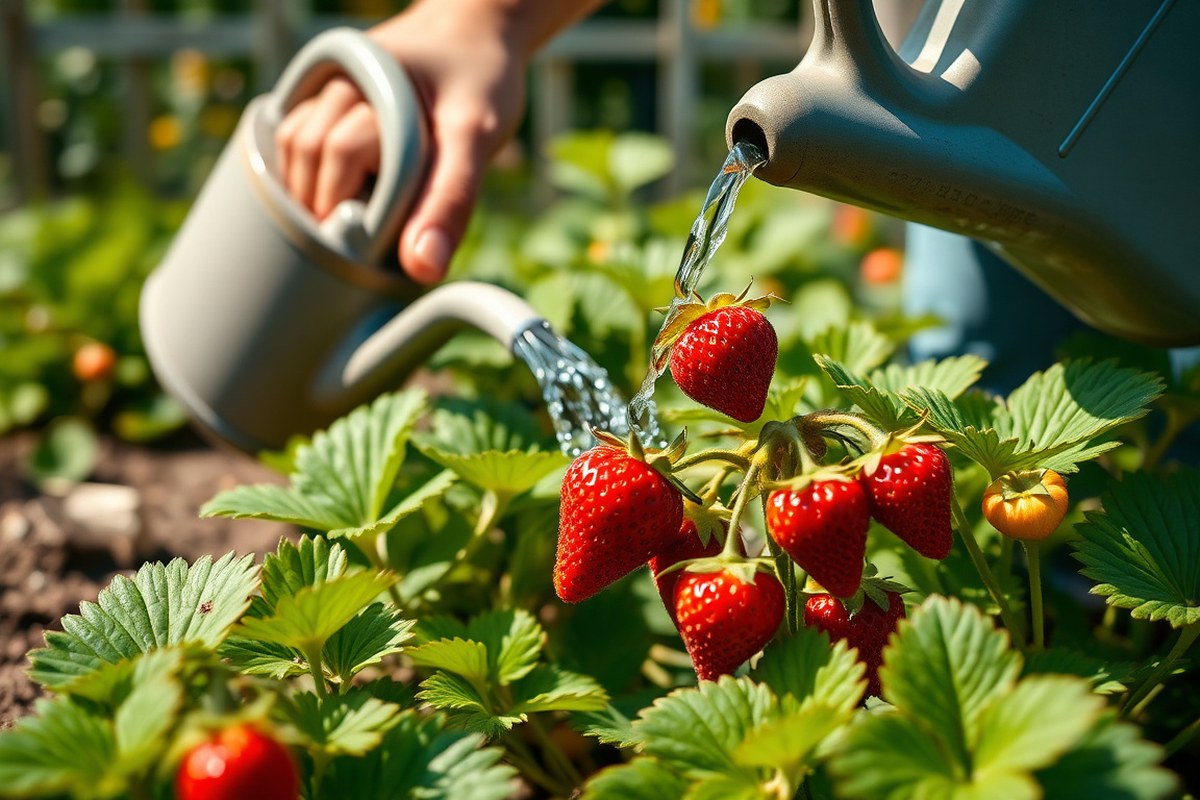
Many gardeners ask how often to water their strawberry plants. Strawberries usually need between 1 and 1.5 inches of water each week. That means watering every 2 or 3 days during warm weather in garden beds.
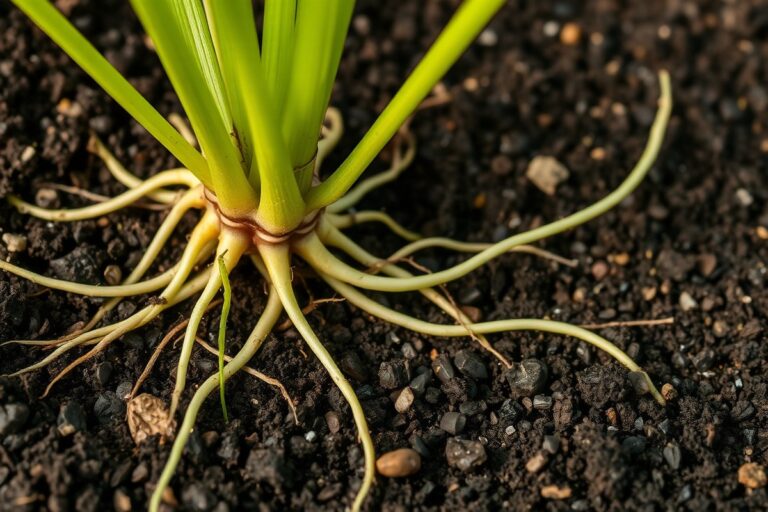
Strawberries have shallow roots that sit near the soil surface. So you want to keep the soil evenly moist, but not soggy. Check the soil’s top 1 or 2 inches before watering.
Water when the soil feels dry to the touch. This helps avoid watering too often or too little. Avoid letting the soil dry out completely between waterings.
Hot summer days often call for extra watering. Strawberries in pots or hanging baskets need water more frequently. Keep an eye on soil moisture to decide when.
These types dry out faster and might need watering daily in the heat. Keeping consistent moisture helps grow plump, flavorful berries.
Key Takeaways
- Strawberries require roughly 1 to 1.5 inches of water every week. This amount helps keep plants strong and fruitful. Too much water can harm their roots.
- Check soil moisture 1 to 2 inches deep before watering.
- Water every 2 to 3 days in garden beds during warm weather.
- In hot weather, water containers and baskets daily for best results.
- Keep soil evenly moist but avoid waterlogging the roots.
- Newly planted strawberries need more frequent watering during the first week.
How Often Should I Water Strawberries for Best Results
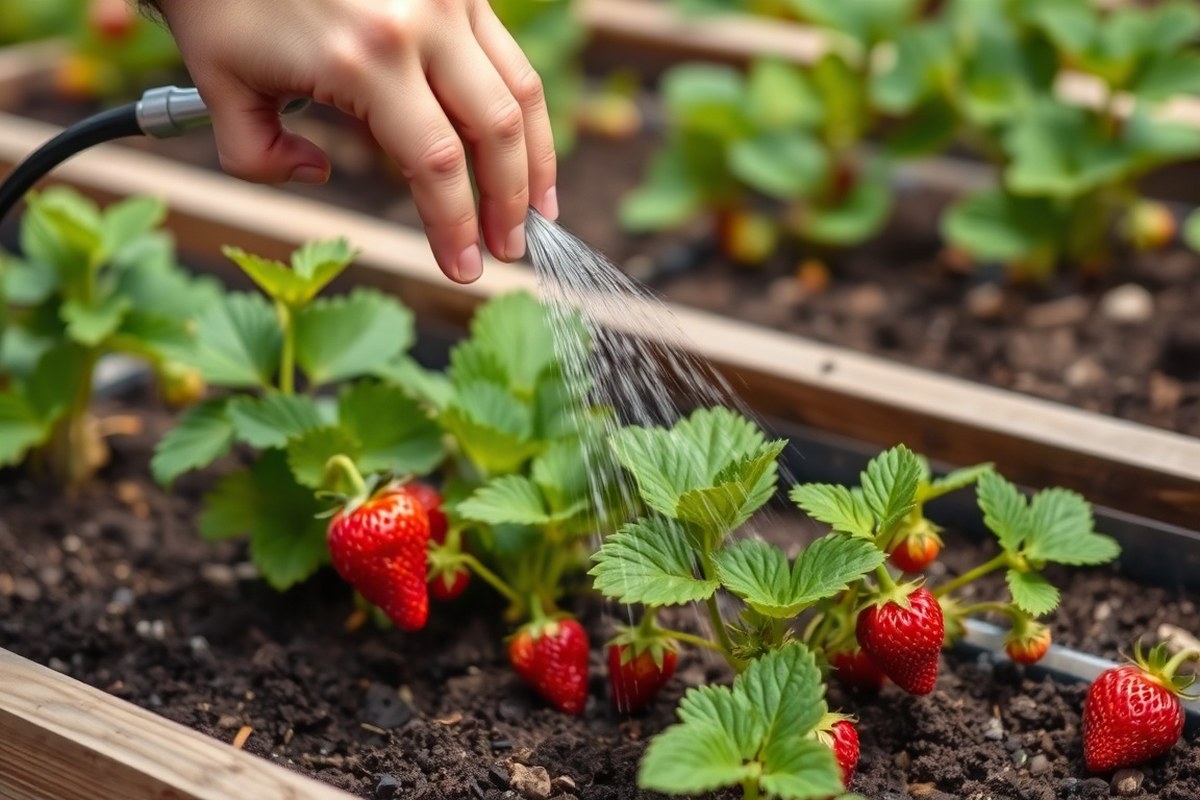
Strawberries usually need between 1 and 1.5 inches of water each week. This supports their growth and fruit without stressing roots. Water deeply but less often to encourage strong root growth.
For established strawberries in the ground, watering once a week is usually enough. During fruiting, water twice weekly to keep soil moist. This helps berries grow juicy and healthy.
Consistent moisture improves fruit quality. Adjustments are needed if weather turns hot, dry, or rainy.
- Water in-ground strawberries 1 inch weekly, or twice if fruiting.
- Water container plants daily or every other day in warm weather.
- Water deeply to soak soil about 6-8 inches down.
- Count rainfall as part of weekly moisture.
- Reduce watering in cool or rainy periods.
- Check soil moisture before watering to avoid overwatering.
- Apply water at plant base to keep leaves dry.
Strawberries in pots or hanging baskets dry out faster than those in the soil. Strawberries have small soil areas, so watering every day works best. In warm weather, every other day can also work well.
These schedules keep roots from drying out. Use less water at a time to avoid waterlogging the roots.
Check soil moisture by digging down 1 to 2 inches. Dry soil means it’s time to water your strawberry plants.
Too much water can cause root rot, too little causes wilting. Balancing water helps plants grow strong and produce better berries.
How Soil Type and Climate Affect Strawberry Watering Needs

Strawberries need different watering amounts depending on their soil type. Sandy soil drains water fast, so you must water strawberries there more often. During hot weather, water your strawberry plants daily or every other day.
This keeps the shallow roots moist and healthy. Regular watering supports strong plant growth.
Clay soil holds water longer because it drains slowly. Because of this, strawberries in clay soil only need watering about twice a week. Water your strawberry plants deeply but less frequently.
Aim to wet the soil 8 to 10 inches deep. This reaches most roots and helps the plants. This saves water and prevents soggy soil, which can harm plants.
Climate changes how often you water too. In hot weather over 75°F, strawberries need about 1.5 inches of water weekly, split into 3 to 4 watering sessions.
Cooler spring and fall seasons require only about 1 inch weekly, with 2 to 3 waterings. Watching the weather helps you adjust watering to prevent dry or oversaturated roots.
Don’t let the top inch of soil dry out, especially in sandy soils with shallow roots.
Adjusting Watering Frequency for Strawberry Growth Stages
Strawberry plants need different watering amounts at each growth stage. Young plants require more frequent watering to help roots grow.
As plants flower and fruit, water demands rise to support healthy berries. After harvest, watering should ease to prepare plants for dormancy.
Watering Newly Planted Strawberries
Seedlings need more water than mature plants because their roots are small. Fresh transplants rely on consistent moisture to establish quickly and avoid drying out. Watering every other day in the first week keeps the soil moist but not soggy.
Use a drip irrigation system or soaker hose to deliver water directly to soil. Avoid wetting leaves to limit fungus risk. Once plants settle, reduce watering to once a week while still checking soil moisture often.
Irrigation During Flowering and Fruiting
Strawberry plants demand more water while flowering and bearing fruit. Keeping soil moist encourages bigger, juicier berries. About 1 to 1.5 inches weekly generally suffices.
Hot or dry weather pushes water requirements higher. Avoid spraying water on fruit to prevent rot and disease. Watch for wilting as a signal to check soil moisture before watering more.
Managing Water Post-Harvest
After harvest, reduce watering to let plants prepare for winter. Overwatering now can cause root rot and weaken the plant. Maintain just enough moisture to keep soil from drying out completely.
Mulch helps retain moisture and cuts down watering frequency. Gradually cut back irrigation over a few weeks. Stop watering once temperatures drop and plants go dormant.
- Check soil moisture daily during seedling stage; water if dry.
- Use drip irrigation to focus water on root zones near plants.
- Water newly planted strawberries every other day for one week.
- After establishment, water once weekly about 1 inch per week.
- Increase watering during flowering and fruit development to 1.5 inches weekly, more on hot days.
- Avoid wetting leaves and fruit to prevent disease.
- After harvest, reduce water gradually and monitor soil moisture.
- Use mulch around plants to retain soil moisture and protect roots.
Watering Strawberries in Containers, Pots, and Hanging Baskets
Strawberries in containers, pots, or hanging baskets dry out fast. They lose water quicker than those planted in the ground.
You often need to water container strawberries every day during hot summer spells. Their soil volume is limited, which means they can’t hold much moisture and dry out fast.
Containers also lose water faster due to sun exposure, wind, and heat. You need to water small amounts more often for container strawberries.
Garden beds keep soil moist longer than containers. In pots, strawberries need 1 to 2 inches of water weekly, split across multiple watering sessions.
Avoid watering containers too little or too often. Waterlogging can happen if you keep adding a small splash of water without checking the soil.
Containers don’t drain as well as garden beds. So you must ensure you water enough to moisten root zones but avoid soggy soil.
- Check soil moisture daily by touching the soil surface and a few inches down.
- Water only when the top inch of soil feels dry to the touch.
- Apply water to the root zone to avoid wetting leaves, which risks disease.
- Water deeply until excess drains from the bottom of the container.
- During heat waves, check soil twice a day for quick drying.
- Use a watering can or hose with a gentle flow to avoid soil disturbance.
- Mulch the top of the soil with straw or bark to hold moisture longer.
Container-grown strawberry plants respond best to these careful watering techniques. Strawberries do best with steady moisture in the soil. Too much or too little water harms the plants.
Watch for wilted leaves or dry, crumbly soil as a sign to increase watering. Yellow leaves or soft, mushy roots mean overwatering. You should reduce or stop watering in this case.
Ideal Time of Day and Watering Techniques for Strawberries
Water strawberries early in the morning, right after sunrise. Cooler temperatures reduce water loss through evaporation. Morning watering also lets the leaves dry during the day, which lowers fungal disease risks.
Avoid watering late in the evening or at night. Wet leaves overnight stay damp longer. This creates conditions for gray mold and other fungi that harm strawberries.
Drip irrigation and soaker hoses are the best watering methods for strawberries. They deliver water directly to the roots, keeping leaves dry. This targeted watering uses about half the water compared to overhead sprinklers.
Place drip lines or soaker hoses close to the base of each plant. This reduces water contact with fruit, keeping them cleaner. It also prevents water-logging and fungal growth in the soil.
Using drip irrigation or soaker hoses helps strawberries absorb moisture better. Water reaches the root zone efficiently, so roots stay healthy. These systems may cost $20 to $50 to set up, depending on garden size.
Water strawberries at sunrise using a drip system or soaker hose. This helps cut down on disease risks. It also lowers water waste.
How to Check Soil Moisture and Know When to Water Strawberries
Stick your finger into the soil 1 to 2 inches deep. Feel the moisture there. This helps check soil moisture for your strawberries.
When the soil feels dry at this depth, water your plants. Using a moisture meter can offer more precise readings but isn’t always necessary for home gardeners.
Performing the Finger Test Correctly
Feel the soil near your strawberry plants with your finger. Go 1 to 2 inches deep. This helps check moisture where roots drink water.
Most strawberry roots absorb water at this depth. It helps you water at the right time.
Avoid watering too soon or too late. The finger test is easy and costs nothing but needs a little practice to get right.
Here’s how to perform the finger test step-by-step:
- Find soil close to the strawberry crown, avoiding mulch or leaves.
- Push your finger straight down about 1 to 2 inches deep.
- Withdraw your finger and feel the soil on your fingertip.
- Notice if the soil feels dry, moist, or soggy.
- Decide to water if it feels dry or nearly dry at that depth.
- Wait and recheck in a couple of days if it feels moist.
- Repeat regularly to track moisture changes as weather shifts.
Using a Soil Moisture Meter
Soil moisture meters provide more exact readings than the finger test. They often cost between $10 and $30 at garden centers. Moisture meters have a probe you push into the soil.
They show how much water is there. This lets you water your plants precisely.
For strawberries, insert the meter probe 2 to 3 inches into the soil between the plants. Look for a reading that signals the soil is moist but not wet.
This can vary by model. But many meters show a “moist” range around 40 to 60 percent.
These meters stop you from guessing about watering. They help in tricky spots like new beds or containers.
Containers dry out very fast. But watch out for false readings if the probe touches mulch or roots.
Signs from the Soil That Indicate Watering
When soil feels dry at 1 to 2 inches down, water your strawberries. When soil feels soggy or sticky, don’t water your plants.
It prevents root rot. Good moisture balance keeps strawberries healthy and supports good fruit production.
Look for crumbly soil that holds shape but doesn’t stick to your fingers. Sandy or dry soil at this depth will need water.
Soil staying soggy after watering means poor drainage. Let it dry longer before watering again.
Recognizing Signs of Overwatered and Underwatered Strawberry Plants
Leaves turning yellow and stems becoming limp often signal overwatering. The soil will feel wet long after watering and might have a faint bad smell. This smell can mean root rot, a fungal disease linked to excess water.
Underwatered strawberries look different. Leaves dry out, curl, or turn brown at the edges. The plant wilts because it lacks enough water for healthy growth and fruit.
Wilting happens with both too much or too little water. But there’s a way to tell them apart.
When the soil is moist but the plant wilts, root rot might be the cause. With underwatering, the soil feels dry, and the plant droops because it’s thirsty.
Here’s a table to help you spot key symptoms. It helps you act early. Protect your strawberries before they get too stressed.
| Condition | Soil Feel | Leaf and Stem Signs | Other Clues | Action |
|---|---|---|---|---|
| Overwatering | Wet, soggy, waterlogged | Yellowing leaves, limp stems | Faint foul odor, possible root rot | Reduce water, improve drainage |
| Underwatering | Dry, cracked, crumbly | Brown leaf edges, curled leaves | Wilting but dry soil | Water deeply and regularly |
| Wilting (Both) | Check moisture level precisely | Droopy leaves and stems | Soil wet or dry determines cause | Adjust watering accordingly |
Checking soil moisture helps you spot troubles early. Use your fingers to feel soil 1 to 2 inches deep. Dry soil means it’s time to water, while soggy soil means cut back watering.
Clay soil holds water and causes root rot quicker. So draining standing water helps avoid damage.
Empty saucers under pots within 30 minutes to prevent crowns from rotting. Avoiding water buildup keeps roots healthy and fruits growing well.
Common Watering Mistakes and How to Fix Them
One common mistake is watering strawberries too late in the day. Water left on leaves overnight creates a perfect spot for fungal diseases. To avoid this, water early in the morning so leaves can dry quickly in the sun.
Another error is overwatering. Too much water reduces oxygen around roots and can cause root or crown rot.
Check the soil’s top inch for dryness before watering. Only water if the soil feels dry to the touch to avoid soggy roots.
Inconsistent watering also harms strawberry plants. Repeatedly switching the plant from dry to soaking wet stresses its roots. Keep a steady schedule by checking soil moisture every few days, especially in hot weather.
- Use drip irrigation or soaker hoses to water the roots without wetting leaves.
- Pull mulch away from the crown to prevent rot and hidden pests.
- Water just enough to keep the soil evenly moist, not soggy.
- Check soil moisture by sticking a finger 1 inch deep near plants.
- Water early to reduce evaporation and leaf moisture after watering.
- Adjust watering frequency based on weather: more in heat, less in cool weather.
- Avoid splash watering with sprinklers; it can spread diseases.
Overwatering signs include yellowed leaves, mushy roots, or a bad smell from soil. When noticed early, cut watering and add organic matter for better drainage. For grown plants in containers, lift pots to see if they feel heavy with water.
Water early each morning and avoid wetting leaves to keep fungal diseases away.
The Impact of Mulching on Strawberry Water Retention and Watering Frequency
Applying mulch around strawberry plants helps keep soil moisture steady. It reduces how often you need to water by stopping water from evaporating quickly. You should put down about 2 to 3 inches (5 to 7.5 cm) of mulch around your plants.
Good mulch choices include straw, pine needles, or shredded leaves. These materials hold moisture well and also keep weeds from growing.
Mulch keeps the soil cooler, which is helpful during hot weather. So your plants don’t dry out fast.
Put mulch down carefully without covering the plant crown. Too much mulch on the crown can cause rot or disease. Spread mulch evenly around each strawberry plant.
Extend it slightly past the drip line. This helps keep moisture around the roots.
Mulching can cut your watering needs roughly in half compared to bare soil. For example, watering strawberries twice weekly without mulch is common. Mulching can reduce watering to once a week.
This saves time and water. Check your soil moisture regularly to avoid overwatering, especially after rain.
In sandy soil, mulch works well with added compost to hold water better. Clay soils benefit too but keep mulch thinner to prevent waterlogging. Apply mulch before dry spells or cold weather arrives.
This keeps plants hydrated and shields them from stress. It improves their chances to thrive.
Watering Strawberries During Winter and Cool Seasons
Your strawberry plants usually need little water during winter dormancy. Use natural rainfall, but water lightly during dry spells lasting over three weeks. This reduces crown drying and protects roots in colder months.
Assessing Winter Soil Moisture
Cooler weather helps soil keep moisture longer; check soil regularly. Push your finger down about one inch into the soil. Dry soil means it’s time to water gently.
Watch the weather too. Rain and humidity keep soil moist.
Dry, sunny days can dry it out even in winter. The goal is to keep the root zone from drying out completely.
Timing Winter Watering
Water only when the soil has been dry for three to four weeks. Use a light watering method once in that period during dry winters. This avoids overwatering, which can harm dormant plants.
Choose a warm part of the day, typically mid-morning. This lets water soak in well and reduces the chance of ice forming on crowns overnight.
Protecting Strawberry Crowns When Watering
Strawberry crowns are vulnerable during winter, especially in dry, cold weather. Watering helps keep them hydrated and prevents crown desiccation, which kills the growing point.
Soak the soil deeply but avoid wetting the crown directly. Use drip irrigation or direct water at the base of the plants. This approach avoids fungal problems and crown rot.
Follow these steps for winter watering:
- Check soil moisture by feeling the top 1 inch around your plants.
- Look at local weather for recent rainfall and dry periods lasting over three weeks.
- Water only if soil is dry and no rain occurred during that time.
- Use a light watering method to provide just enough moisture to wet the soil around roots.
- Water during mid-morning when temperatures are higher to avoid freeze damage.
- Direct water carefully at the plant base, keeping the crown dry.
- Monitor soil moisture weekly and repeat if dry conditions continue.
Step-by-Step Action Plan for Watering Strawberries
Follow this plan to keep your strawberry plants well watered and healthy. Checking soil moisture helps you adjust watering for the best results.
- Before planting: Prepare well-drained soil and add mulch to keep moisture steady.
- Week 1 after planting: Water daily. Use about 1 inch of water each time. Keep the soil moist but not soggy.
- After 2 weeks: Check soil moisture every day. Water when the top inch feels dry to touch.
- During flowering: Increase watering to 1.5 inches per week split in two sessions for good fruit growth.
- When fruit sets: Keep soil evenly moist. Avoid letting it get dry between watering.
- Late summer: Gradually reduce watering to once a week if the weather cools or it rains.
- Before winter: Water deeply one last time to help roots through dormancy if soil is dry.
- In winter: Water only if soil is dry for weeks and temperatures stay above freezing.
Frequently Asked Questions
Can I Water Strawberry Plants with Tap Water?
Yes, tap water usually works fine for strawberries. Avoid water with high chlorine or salts to prevent plant stress.
How Deep Should I Water Strawberry Plants?
Water deeply enough to moisten the top 6 inches of soil. This reaches their shallow roots and encourages healthy growth.
Does Watering Frequency Change If Strawberries Are Mulched?
Mulching retains moisture, so you can water less often. Check soil moisture to avoid overwatering with mulch in place.
Can I Use a Drip Irrigation System for Strawberries?
Yes, drip irrigation delivers water directly to roots. It saves water and reduces leaf wetness, lowering disease risks.
Should I Reduce Watering Right Before Harvest?
Slightly reduce watering a few days before picking. This improves berry sweetness and reduces the risk of mold.
Is It Better to Water Strawberries in the Morning or Evening?
Morning watering is best to reduce fungal problems. Leaves dry faster, and plants absorb water before heat builds.
Key Points to Remember
Strawberries need steady, even watering for the best fruit and plant health. Check soil moisture regularly to avoid over- or underwatering. Start with the daily checks today to see how your soil feels before watering again.