How to Grow Sweet Peas: Complete Steps and Expert Tips for Best Blooms
Learning how to grow sweet peas means getting lush vines and lots of flowers. Start with seeds, planting them where they’ll get full sun and well-drained soil. Keep the soil moist but not soggy to help them sprout strong.
Sweet peas like cool temperatures, around 50°F for seedlings, so avoid hot spots. Pinch shoots when plants reach 6 inches to encourage bushy growth and more blooms. Watch out for hot weather since sweet peas stop flowering once it hits 80°F.
Plant outdoors after the last frost or protect young plants if a hard freeze is coming. Choose a spot with support like a trellis because sweet peas climb up to 6 feet. These steps help you get the best flowers for your garden or bouquets.
Key Takeaways
- Soak seeds overnight before sowing to boost germination rates.
- Start seeds indoors 8 to 10 weeks before your last frost date.
- Provide at least 6 hours of sunlight daily for healthy growth.
- Pinch plants at 6 inches tall to promote branching and flowers.
- Use trellises or supports since sweet peas can grow up to 6 feet tall.
- Protect from hard freezes below -4°C with garden fleece.
How to Start Sweet Peas from Seed Successfully
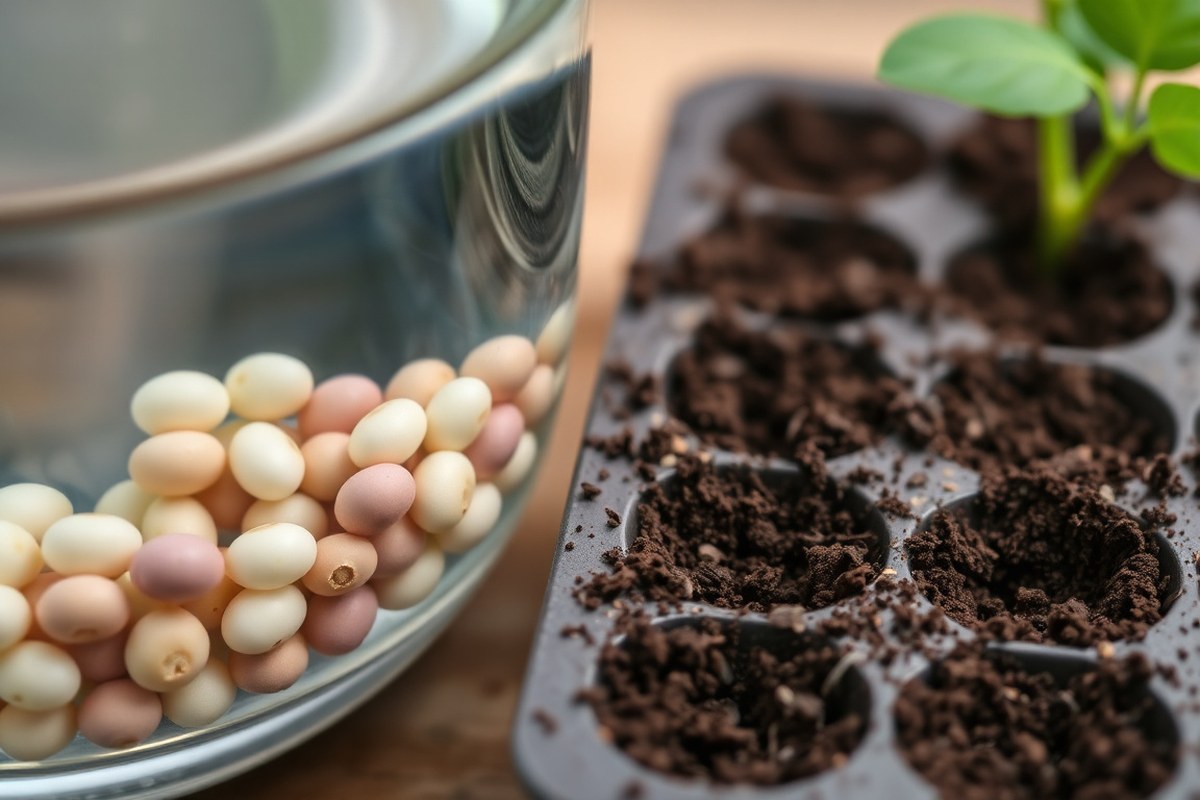
To start sweet peas from seed successfully, soak the seeds for 12 to 24 hours first. Use a rich, well-draining soil mix and sow seeds about half an inch deep. Keep the soil moist and maintain temperatures around 59 to 65°F until seedlings show.
Preparing Sweet Pea Seeds
Soaking sweet pea seeds softens their hard coat. This helps water reach the inside and speeds up germination. Soak them in room temperature water for 12 to 24 hours before planting.
Don’t soak seeds longer than 24 hours or they might rot. After soaking, gently drain and plant right away. This small step can cut germination time by several days.
Choosing the Right Soil Mix
Sweet peas like soil that drains well but holds some moisture. A good mix has 50% multipurpose compost, 40% topsoil, and 10% well-rotted manure. This blend provides nutrients and a loose texture.
You can prepare this mix ahead by thoroughly combining the ingredients. Using ordinary potting soil is possible, but flowers may be fewer. Plan on 3 to 4 liters of this rich mix per plant.
Ideal Sowing Depth and Spacing
Plant sweet pea seeds about ½ inch deep to help them push through soil. Sow seeds roughly 2 inches apart if using seed trays or pots. Plant seeds directly about 8 inches apart in the rows.
The trench method works well: make a shallow furrow and drop seeds evenly. After sowing, cover gently with soil and press lightly. Too deep or crowded planting slows down emergence and growth.
Temperature for Germination
Sweet pea seeds germinate best between 59 and 65°F (15 to 18°C). Keep the soil moist during sprouting. Don’t make it soggy.
Sprouts take 7 to 14 days to appear. Above 80°F, seeds may stop growing.
| Stage | Ideal Temperature |
|---|---|
| Germination | 59, 65°F (15, 18°C) |
| Post-germination growth | Cooler temperatures, around 50°F (10°C) |
Move seedlings to a cooler spot once they appear. Keep it near 50°F. This stops early flowering and supports steady growth. Follow these steps to start sweet pea seeds:
- Soak seeds in water for 12 to 24 hours to soften seed coats.
- Mix 50% multipurpose compost, 40% topsoil, and 10% well-rotted manure.
- Fill seed trays or pots with the soil mix, leaving space for drainage.
- Sow seeds ½ inch deep, spaced 2 inches apart in trays or pots.
- Water gently to moisten soil without washing seeds away.
- Put trays in a warm place. Keep temperature between 59 and 65°F (15 to 18°C). Maintain this for 7 to 14 days.
- Check soil daily and water as needed to keep it damp but not soggy.
- After seedlings appear, move them to a cooler place around 50°F.
Best Timing and Conditions to Plant Sweet Peas Outdoors
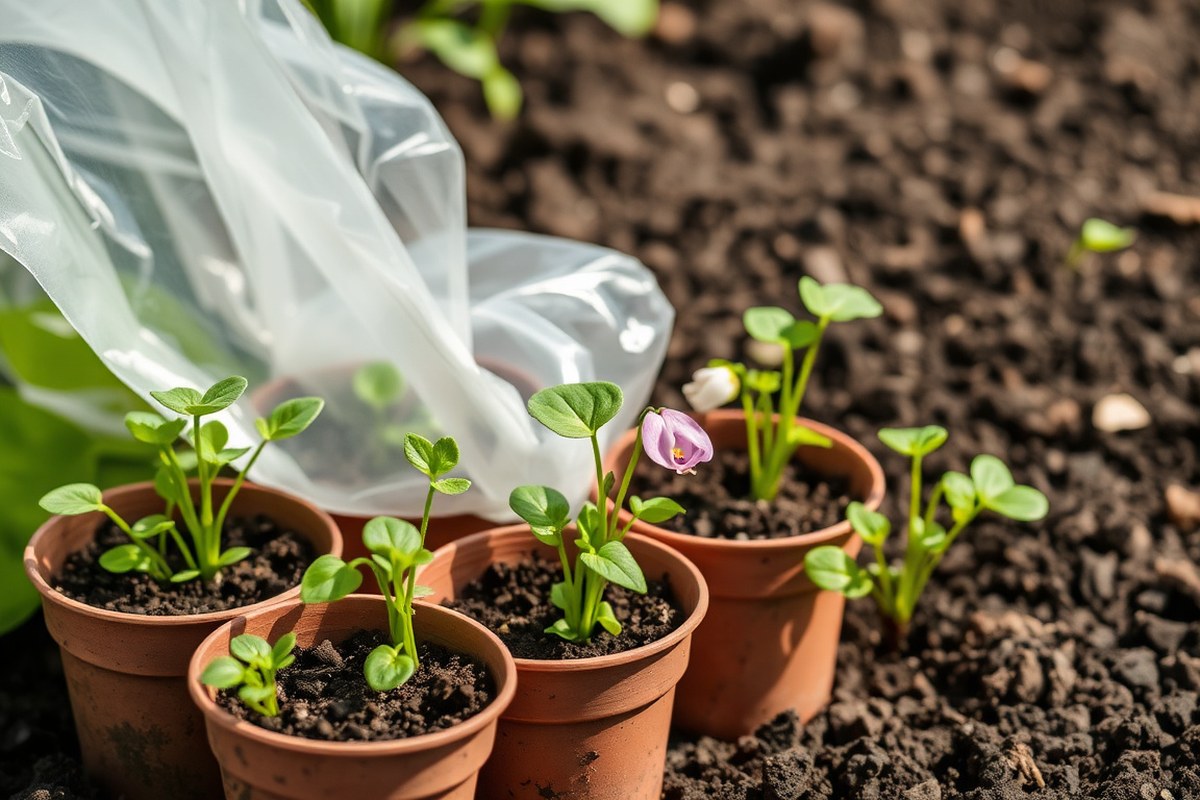
Plant sweet pea seeds outdoors about 4 to 6 weeks before your last frost date. In cooler zones, wait until early spring when the soil warms to around 50°F. If you live in Zones 8 through 10, plant in late autumn so roots can grow through mild winter months.
Choose a spot with full sun and well-draining soil. Sweet peas prefer a location that gets at least six hours of direct sun. Avoid planting where water pools or stays soggy after rain.
Protect young sweet peas from hard freezes below 24°F (-4°C) with horticultural fleece or frost cloth. These fabrics let air, light, and moisture through while blocking cold winds and frost damage. Remove covers on warmer days to prevent overheating.
In areas with very cold springs, start seedlings indoors or in deep pots. Move transplants outdoors once daytime temperatures consistently reach 50°F or higher. This protects their roots from freezing and helps plants establish faster.
Sweet peas can be sown in autumn in mild climates or early spring in colder areas. Autumn planting gives an earlier bloom the following spring.
In colder zones, sowing too early risks frost damage to flowers. So wait until the soil warms.
Give your sweet peas plenty of room at planting. They grow lots of roots early on, so avoid crowding.
Space plants about 6 inches apart. Provide vertical supports nearby so vines can climb as they grow.
Protect new sweet pea plants with frost cloth if a hard freeze below 24°F is forecast. Remove protection during sunny days to avoid overheating.
Choosing the Right Location and Supports for Climbing Sweet Peas
Choose a spot with full sun and good drainage for your sweet peas. Provide strong supports so their vines climb easily and stay healthy. This location and support will help your plants grow tall and flower well.
Sunlight and Soil Requirements
Sweet peas need 6 to 8 hours of direct sunlight daily to bloom best. In northern areas, they grow bigger vines before flowering due to shorter days.
They like soil that drains well and holds moisture. Loamy or sandy soil with organic matter works best.
Heavy clay soil can work if amended with compost to improve drainage. Avoid poorly draining spots where water pools, as this can cause root rot. Plant them where air circulates freely to reduce powdery or downy mildew risks.
Types of Supports
Wooden stakes, lath trellises, and horizontal twine rows make great supports for sweet peas. You want supports around 6 feet tall or more, since vines can reach 1.5 to 2 meters. Twine stretched horizontally about every 3 inches lets vines grab and climb naturally.
| Support Type | Height | Cost/Material | Best Use |
|---|---|---|---|
| Wooden Stakes | 5 to 6 feet | Low, inexpensive | Small gardens or containers |
| Lath Trellis | 6 to 8 feet | Moderate, reusable | Larger beds, more vines |
| Baling Twine Grid | 6 feet tall, spaced every 3 inches | Low cost | Supports many vines evenly |
Choose supports that withstand wind and rain to prevent damage. Secure stakes firmly so they don’t lean as vines thicken. You can also use netting made for climbing plants for more delicate support.
Training Techniques
Tie sweet pea vines loosely to their supports every week using soft string or plant ties. Pinching off top shoots when seedlings reach 4 inches encourages thicker growth. This controls the vine’s shape and helps keep blooms coming.
Check vines frequently and gently tie any new growth to prevent tangles and breakage. Avoid tight ties that can cut into stems. Directing vines upward improves airflow and reduces disease risk.
Here’s how to train your sweet peas for best results:
- Start tying vines to supports when plants reach about 6 inches tall.
- Use soft garden ties or twine to gently secure vines at intervals.
- Pinch top leaves off once seedlings hit 4 inches to promote bushiness.
- Check vines every 7 days to adjust ties and guide new growth.
- Remove any dead or weak growth to focus energy on healthy shoots.
- Keep ties loose enough to allow stem growth without damage.
Watering, Feeding, and Caring for Sweet Pea Plants
Sweet peas need steady watering to thrive without drowning. Water deeply once or twice weekly, aiming for moist but not soggy soil.
Pots dry out faster. So check daily and water when the top inch feels dry.
Feed sweet peas before planting by mixing organic fertilizer into the soil. After plants reach about 6 inches tall, give a balanced liquid fertilizer every two weeks. This supports their steady growth and abundant blooms.
Pinch sweet pea tips once the plants hit about 4 inches tall. Snip off the top 1 inch of each stem to encourage bushier growth and more flowers. Pinching once more after the first flowers appear can also help branch development.
The best ongoing care includes tying stems gently to supports as they grow. Use soft twine or flexible clips to avoid damaging the vines. Keep the area free of weeds that steal nutrients and moisture from your sweet peas.
Watering too much or too little will stress your plants, reducing flowers and causing wilt. Feeding with too much nitrogen may boost leaves but reduce blooms.
So stick to recommended doses. Pinching slows growth briefly but brings fuller, healthier plants with a better flower display.
Recognizing and Managing Common Pests and Diseases
Sweet peas often face pests like aphids, slugs, and caterpillars. Aphids are tiny green or black bugs clustered on new growth. You’ll see sticky residue or curled leaves when they feed.
Slugs leave slimy trails and chew holes in leaves, often at night. Caterpillars make irregular holes in leaves and flowers.
Fungal diseases can also harm your sweet peas. Powdery mildew shows up as a white powder coating on leaves.
Downy mildew causes yellow patches on upper leaf surfaces with gray fuzz underneath. Root rot makes plants wilt suddenly despite watering.
Early intervention protects your plants best. Check plants twice a week for pests and disease signs. Use a soft spray of water or insecticidal soap to control aphids.
Avoid chemical pesticides if you want to keep it natural. For slugs, handpick them in the evening or apply iron phosphate pellets. Caterpillars respond well to Bacillus thuringiensis (Bt), a natural bacterial spray safe for garden use.
To treat powdery mildew, mix one tablespoon baking soda with water. Add one teaspoon mild soap to one gallon of water. Spray the mix on affected plants for best results.
Apply weekly until symptoms fade. Good air circulation and watering at soil level help prevent fungal diseases.
Root rot needs early detection since infected plants may not recover. Avoid overwatering and improve drainage by amending soil with compost or sand.
Keep soil moist but not soggy. Remove any infected leaves promptly to stop disease spread.
For container growers, remove old plant debris each season to cut down disease spores. Treatments like insecticidal soap or Bt usually cost $10 to $15. A small bottle lasts through the whole growing season.
You can find them in most garden stores. Organic options protect your garden’s beneficial insects. Monitor and treat pests as soon as you spot them for the healthiest sweet peas.
Growing Sweet Peas in Pots and Containers Successfully
Sweet peas grow well in containers if you pick the right size and soil mix. Choose pots at least 12 inches wide and deep to give roots space. Use peat-free potting mix combined with slow-release fertiliser to keep nutrients steady for weeks.
Compact types like Yates Sweet Pea Bijou Semi Dwarf work well in pots. They don’t need any support. This makes them easy to grow in small spaces.
Plant three seeds in each pot. This gives you fuller plants and mixed flower colors.
The colors make your blooms more attractive. Spencer sweet peas are ideal if you want large, ruffled flowers for cutting and floral designs.
Use light but strong supports for climbing sweet peas in pots. Slim trellises or bamboo stakes work well. Stakes about 1 foot tall are best.5 meters tall.
Attach twine in a grid so the vines can twist up naturally. Fill the pot with fresh soil because nutrients deplete fast when plants climb upward.
Water your sweet peas moderately but regularly. The soil should stay moist but not soggy to avoid root rot. Feed your sweet peas every two weeks with liquid fertiliser.
Or use slow-release pellets once after six weeks. This keeps your plants healthy. This keeps flowers blooming longer through spring and summer.
Starting your seeds indoors is better, then transplant seedlings into containers when they reach about 2.5 cm tall. Use pots with drainage holes and saucers to prevent water pooling. Place containers in full sun spots on patios or balconies where air circulates well.
Growing sweet peas in containers costs little more than buying good potting mix and seeds. A $20 trellis fits most pots and lasts multiple seasons. Skipping support or using bad soil can hurt your plants.
Expect weaker growth when this happens. You’ll also see fewer flowers. Proper care brings sweet peas with vibrant, fragrant flowers right to your doorstep.
How to Harvest and Cut Sweet Peas for Longer Vase Life
Cut sweet peas early in the morning when their buds just begin to open. Taking stems with some vine attached helps flowers last longer in your vase. Regular harvesting also encourages more blooms.
Optimal Harvest Timing
Choose a cool morning to pick sweet pea flowers before the sun dries their petals. The best stems have 2 to 3 buds along with 2 unopened flowers at the tips. This timing gives you blooms that last about five days once cut.
Check your plants every week. Sweet peas grow quickly in warm, moist weather. They make new buds if you pick them often.
This keeps them blooming longer. Picking stems carefully promotes ongoing flowering.
Proper Cutting Technique
Use sharp scissors or garden shears to avoid crushing stems. Cut the flowering stem at an angle about 4 to 6 inches below the flower cluster. Leaving part of the vine attached helps the flower drink water and stay fresh longer.
Pinch growing tips once plants reach 6 inches tall to encourage branching and more flower stems. Avoid damaging other buds or stems when cutting to keep the plant productive. Trim only mature stems, not small new growth.
- Choose stems with 2 to 3 buds and unopened flowers at the tip.
- Cut 4 to 6 inches of stem below the blooms at a 45-degree angle.
- Remove leaves from the lower stem end that will sit underwater.
- Place cut stems immediately into fresh, cool water.
- Repeat harvesting every few days to keep blooms coming.
Extending Vase Life
Keep your sweet pea stems in cool water right after cutting and change the water daily. Recut the stem ends by about half an inch every two days to improve water absorption. This simple step can add a day or more to the vase life.
Put the vase in a cool spot to keep the flowers fresh. For even longer freshness, move it to the fridge overnight.
Avoid placing flowers in direct sunlight or near heat sources. These flowers remain beautiful for around five days with proper care.
Common Sweet Pea Growing Mistakes and How to Fix Them
Overwatering is a common mistake that stops sweet peas from blooming well. Their roots need moist but well-drained soil, not waterlogged roots. Leaves turning yellow and drooping with soggy soil means water less.
Wait until the top inch of soil starts to dry before watering again. Underwatering shows as dry, crispy leaves and weak growth. So don’t let soil completely dry out.
Choosing a poor location also hurts flower production. Sweet peas thrive in full sun with at least six hours of direct light daily.
Spots with too much shade cause sparse flowers and leggy vines. Moving plants isn’t easy, so pick the sunniest place you have at planting time.
Sweet peas climb by twining, so they need support to grow upright. Without support like trellises or netting, vines flop on the ground. This tangling hurts how many flowers can show well.
Install supports early or plant beside existing structures. For pots, use bamboo stakes or miniature cages. Tie floppy vines gently using soft garden twine or cloth strips.
Late sowing usually stops flowers from growing well. Sweet peas take about 12 weeks before blooming. Planting after the last frost date usually leads to poor results.
Check local extension offices or farming calendars to learn your frost dates. Spring sowing is best in northern zones; southern growers get a smaller planting window.
- Check soil moisture weekly; water deeply but not often
- Choose full sun spots with good air circulation
- Use a trellis, obelisk, or netting for climbing support
- Pinch growing tips after two leaf pairs to boost side shoots
- Sow seeds on time for your region’s frost schedule
Don’t wait until vines flop, add support as soon as seedlings reach 6 inches tall.
Sticky powdery mildew can also weaken sweet peas, especially in humid areas. Keeping plants spaced and supported reduces this risk.
Watch for white powder on leaves and prune affected parts early. Good airflow helps keep plants healthy and flowering.
Fixing these mistakes pays off with strong vines and plenty of fragrant flowers. Take time to check soil moisture, site, and timing before planting next year. Once plants climb well and receive enough sun, you’ll have weeks of cut flowers and color.
Step-by-Step Action Plan for Growing Sweet Peas
Follow these steps to grow sweet peas from seed to flourishing plants. Each phase shows what to do and signs you’re on the right track.
- Before you start: Soak seeds overnight to soften the seed coat. Seeds should swell and show tiny cracks.
- Week 1: Sow seeds 1 inch deep in moist, well-draining soil. You should see sprouts in about 7 to 14 days.
- Week 3: Thin seedlings so they are 3 to 6 inches apart. Healthy plants will have sturdy stems and vibrant green leaves.
- Week 4: Install supports near plants for climbing growth. Plants begin to twine and grow upward within days.
- Weeks 5-8: Water deeply once or twice a week, depending on rainfall. Leaves stay fresh without wilting between waterings.
- Week 8 and beyond: Start harvesting flowers early in the morning. Fresh picks should last about a week in a vase.
- Throughout growth: Watch for pests like aphids and powdery mildew. Treat problem spots quickly if you spot sticky residue or white powder.
Frequently Asked Questions
What Is the Secret to Growing Sweet Peas?
The secret is plenty of sun, good soil, and support. Sweet peas climb best on bailing twine.
Run the twine about 3 inches off the ground. Scoop the vines up as they grow.
Do Sweet Peas Grow Better in Pots or Ground?
Sweet peas usually do better in the ground due to root space. Each pot needs 3 to 4 liters of compost.
Use pots tall enough for deep roots. Sweet peas grow better with deep containers.
Does Sweet Pea Come Back Every Year?
Most sweet peas are annuals and do not come back yearly. You can start sweet peas from seeds.
Another option is cuttings. Both methods give new plants next year.
What Month Do I Plant Sweet Peas?
Plant sweet peas in early spring or late fall, depending on climate. They prefer cooler weather but need to avoid heavy frost to start growing well.
How Do I Encourage Sweet Peas to Climb Properly?
Use a trellis or lattice framework for support. Run bailing twine low near the ground.
This helps scoop vines upward. It prevents vines from sprawling out.
Can Sweet Peas Grow Well in Hanging Baskets?
Sweet peas usually do not thrive in hanging baskets. Sweet peas often stop growing or grow at the base.
They don’t trail well in baskets. This limits their trailing tips.
Wrapping Up
Growing sweet peas takes some care. They give bright, fragrant flowers. You can grow them in your garden or home.
Start by soaking your seeds tonight. Watch your plants climb, bloom, and brighten your space soon.