How to Propagate Spider Plant Babies for Fast, Healthy Growth: A Complete Guide
Propagating spider plant babies is easier than it sounds. Root baby plants in water or soil when their leaves reach 2 to 3 inches.
This encourages strong root growth. Wait for roots about 1 to 2 inches long before moving the plantlets to soil.
Carefully cut the baby plant from the main stolon using clean scissors or pruners. Place it in clean water or well-draining soil right away.
White roots usually appear in about a week during water propagation. These roots show the plant is ready to plant.
Keep the plantlets in indirect light with temperatures between 60 and 80°F. Avoid direct sunlight and cold drafts. Both can slow down root growth and weaken the baby plants.
Water the soil lightly after planting to keep it moist, not soggy. Too much water can cause root rot. Once established, spider plants adapt well to regular indoor conditions.
Key Takeaways
- Cut spider plant babies off the runner when leaves reach 2-3 inches.
- Root babies in water for 7-10 days until roots are 1-2 inches long.
- Transfer water-rooted babies to well-draining soil for healthy growth.
- Maintain temperatures between 60-80°F to encourage fast rooting.
- Use indirect light with less than 12 hours daily for baby production.
- Keep humidity around 40-60%; add a tray of damp pebbles if dry.
Best Method to Propagate Spider Plant Babies for Success

Spider plant babies can be propagated using two main methods: rooting in soil or water. Rooting in soil is the easiest way. It takes 3 to 4 weeks.
Roots will develop during this time. It produces stronger, long-lasting roots, which helps the baby plant grow well after transplanting.
Water propagation lets you see roots grow. It takes 2 to 4 weeks. This is fun if the baby has no roots.
Water roots are softer than soil roots. They may struggle when moved to soil later.
Place the baby in water or moist soil. Both ways work when it has no roots.
The choice depends on your spider plant baby’s root development and your patience. Plant the baby in moist soil if it has roots. This usually gives the best results.
For babies without roots, starting in water helps to see when roots begin. You can plant babies with no roots in moist soil. Keep the soil damp until roots grow.
Temperature and light matter. Keep the plantlet in a warm room, around 65 to 75 degrees Fahrenheit, with indirect sunlight. That speeds rooting and lowers stress.
Keep soil or water moist but not soggy. This works for both soil and water propagation. Too much water leads to rot; not enough stops root growth.
If the spider baby has roots, plant it in soil. This helps it grow faster and stronger. Start in water if the baby has no roots.
It also works if you want to watch roots form. Beginners can root babies while still attached to the mother plant. This is slower but reduces shock.
When and How to Tell If Spider Plant Babies Are Ready
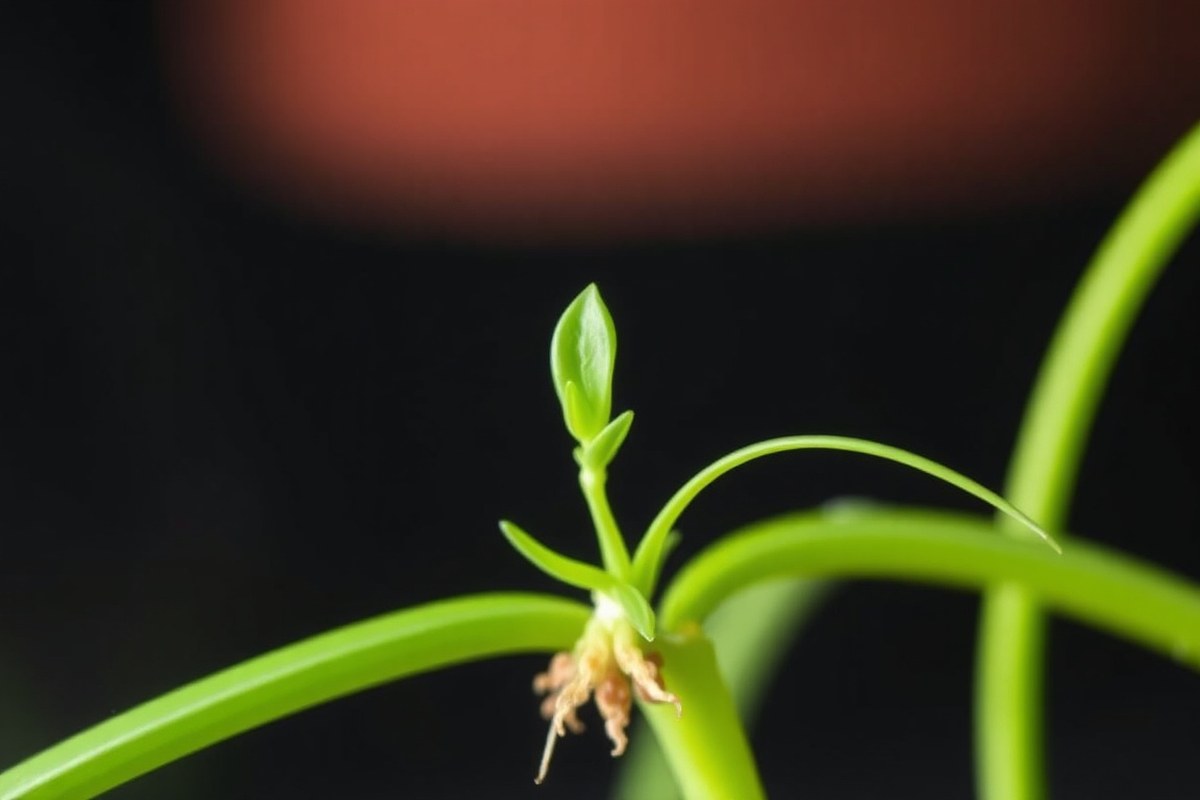
Look for plantlets with several fully grown leaves and a firm base. These babies are mature enough to root well and handle cutting. You want to see a firm crown where leaves meet the stem.
Avoid floppy or soft growth. The crown should feel strong and healthy.
The roots tell you a lot about readiness too. Check for visible root nubs or small roots growing at the base.
Ideally, roots should be about 1 to 2 inches long. Those roots show the baby spider plant can establish itself quickly after separation.
Very young plantlets with tiny leaves and no roots may need more time to mature. Keep these attached to the mother plant until leaves grow larger and roots appear. Wait longer if the baby looks yellowish or weak.
It might be stressed or underdeveloped. Don’t rush the process.
Cut the baby spider plant at the small stem joining it to the main mother plant. Cutting too early, before roots form, risks the baby not surviving or getting soggy and rotting. Watch for firm leaves and root nubs as a green light to go ahead.
Check these signs before you cut. Look for at least three fully formed leaves. The crown must be firm with visible roots at the base.
Hold the plantlet gently; it should feel steady, not floppy or mushy. This way, the baby has enough energy to root well in water or soil.
Never cut a baby spider plant that still looks tiny with no roots. Let it grow attached until it shows stronger leaves and root nubs.
Waiting until early spring helps because warmer temperatures boost growth and rooting success. Babies grown in low light or from a young mother plant may take longer to mature. Strong light encourages baby plants to develop fully with healthy leaves and roots.
Sometimes babies can root while still attached to the plant. But cutting mature babies leads to cleaner cuttings.
Trim at the runner base carefully to avoid damage. After cutting, place the baby in fresh water or moist soil promptly to avoid drying out.
How to Propagate Spider Plant Babies in Water Step-By-Step
Start by using clean water and a clear container to hold the spider plant baby. Place the spiderette’s base in water, making sure only the roots or base touch it. With good light, roots usually appear in one to two weeks.
Move the baby plant into soil once roots grow 1 to 2 inches. The roots need to be healthy for permanent growth.
Preparing the Water and Container
Use room temperature tap water or filtered water for best results. Avoid water that is too cold or hot as it can shock the plant. Choose a small glass or jar that is clear so you can watch root development easily.
Make sure the container is clean to prevent mold or bacteria from growing. Pour enough water to cover the base of the baby plant. Do not let the water touch the leaves.
Water should stay fresh. Change it once every 3 to 5 days to keep it oxygenated and clean.
Positioning the Baby Plant Correctly
Trim any dead or damaged leaves on the spiderette before placing it in water. Hold the baby plant so its base just touches the water surface.
Avoid submerging the leaves in water. Avoid submerging leaves, as this can cause rot or mold.
Use a narrow-neck container to keep the spider plant baby stable. Or support it gently with a stick or toothpick.
Place the setup in bright, indirect light. Avoid direct sun, which can overheat the water and damage the plant.
Monitoring Root Growth and Timing Transplant
Check the roots every few days for new growth and water clarity. Roots often start growing in 1 to 2 weeks. Keep the plant in medium to bright indirect light.
Change water right away when it gets cloudy. This helps keep roots healthy.
When roots reach between 1 and 2 inches, the baby is strong enough for soil. Choose a small pot with drainage holes and use well-draining soil when transplanting. Gradually adjust the plant to soil by watering lightly and keeping in similar light conditions.
- Clean a glass jar or small container with warm water and mild soap.
- Fill the container with room temperature water, enough to cover the baby’s base.
- Trim any dry or brown leaves from the spiderette to encourage healthier root growth.
- Place the baby plant’s base carefully into the water, leaving leaves dry.
- Set the container in a spot with bright, indirect sunlight, avoiding direct rays.
- Change the water every 3 to 5 days to keep it fresh and oxygenated.
- Watch for roots to grow 1, 2 inches. This usually takes about 1 to 2 weeks.
- Transfer the spiderette to a small pot with well-draining soil once roots are ready.
How to Propagate Spider Plant Babies in Soil Step-By-Step
Propagating spider plant babies in soil works well if you pick the right soil and pot. You can plant babies detached from the mother or still attached for better support. Water gently, watch for roots, and keep humidity up to help them settle in.
Choosing the Right Soil Mix
Spider plants like soil that drains well but still holds a bit of moisture. Use equal parts potting soil and perlite or coarse sand. This mix lets air flow well.
It also stops roots from getting soggy. Avoid heavy or clay soils because they trap too much water and cause rot.
You can buy ready-made cactus or succulent soil and mix in extra perlite. A loose, crumbly texture helps roots breathe and grow faster. You can use rooting hormone powder on the baby’s base.
This helps roots grow faster. Using it is not required.
Pot Preparation and Planting Method
Use a small pot with drainage holes to keep excess water from sitting at the bottom. Fill the pot with your soil mix and water the soil until damp but not soaked. Wet soil helps new roots start growing without drying out.
Using clean scissors, cut the baby from the parent if it has visible roots already. For best support, keep babies attached if roots are very small or missing. Plant the whole baby with some parent stem.
This helps the baby grow better. Plant the baby shallowly, covering just the roots and base with soil.
Covering pots with a clear plastic dome or a cut plastic bottle traps humidity. This reduces leaf dryness and encourages rooting. But remove the cover once you see new leaf growth to avoid mold.
Aftercare During Root Establishment
Water the soil lightly after planting. Keep it moist but never soggy, so water again when top inch feels dry. Water may run through the soil too quickly.
Try bottom watering by setting the pot in a tray. Add 1 to 2 inches of water for a few hours.
Keep the pot in bright, indirect light with temperatures between 65°F and 75°F for best rooting. Check the baby after 2 to 3 weeks by very gently tugging the base.
Resistance means roots have started. Adjust watering if the soil feels dry or soggy during this time.
- Choose small pots with drainage holes, about 3 to 4 inches wide.
- Mix potting soil and perlite 50/50 for good drainage and moisture.
- Water soil until damp before planting the spider plant baby.
- Cut babies with clean scissors if roots are visible. Plant attached in early root state.
- Plant babies shallowly, covering roots with moist soil only.
- Cover with a clear plastic dome or bottle to keep humidity.
- Water lightly after planting and keep soil moist but not wet.
- Place pots in bright, indirect light and check roots after 2, 3 weeks.
Optimal Light, Temperature, and Humidity for Rooting Plantlets
Spider plant babies need bright, indirect light for about 12 to 14 hours daily. Too much direct sun can burn their tiny leaves. In late fall and winter, reduce light under 12 hours daily.
Plants react to shorter days by growing more pups. This helps encourage baby spider plants to develop.
Keep the temperature between 65°F and 75°F for the best rooting. Cooler temperatures slow down root growth. Warmer temps speed it up.
Keep it below 85°F to avoid stressing the plant. Nighttime temps can be slightly lower. But avoid drafts or sudden changes that stress the plantlets.
Humidity helps root growth by keeping the plantlets from drying out. Aim for 40% to 60% humidity, especially in drier home environments.
You can raise humidity by misting or placing a humidity tray nearby. In winter, running a humidifier near your spider plant can make a noticeable difference.
Seasonal light triggers baby production. As days lengthen after winter, spider plants naturally grow more pups. Shorter light hours in fall or early winter slow growth.
The plant then focuses energy on sprouting new babies. This delay helps pups form better. Adjust your indoor lighting accordingly to mimic these natural changes.
Keep spider plant babies in indirect light and steady warmth. Sudden cold or too much sun stops roots from forming well.
Common Mistakes When Propagating Spider Plant Babies and How to Fix Them
Failing to spot signs early can ruin your spider plant babies. Overwatering often causes root rot, which makes the leaves yellow and mushy.
Cut back on watering if the soil stays soggy for days. Let the top inch of soil dry before watering again.
Light is another key factor. Too little light slows growth and stops babies from developing roots.
A spot with medium to bright indirect sunlight works best. Avoid direct sun to prevent brown, scorched leaf tips.
Cutting or separating babies too soon can weaken them. They need small roots about an inch long to survive on their own.
Wait until roots show before you cut the baby from its spider mother. If a baby looks weak, try placing it in a shallow dish of water to build root strength.
- Don’t keep spider plant babies in water too long. Move to soil within 2-3 weeks.
- Choose pots with drainage holes to prevent soggy soil and root rot.
- Avoid dark, cramped spots; this stunts root growth and baby health.
- Check babies daily for soft spots or discoloration indicating rot.
- Use well-draining, aerated soil mix made for houseplants.
- Keep room temperature about 65 to 75°F (18 to 24°C) during propagation.
- Remove yellow or dead leaves to reduce disease risk.
Using the wrong pot affects health. Plastic pots without holes trap moisture, raising rot risks. Pick a pot with several drainage holes.
The soil needs to dry partially between waterings. Extra water should escape freely to avoid drowning roots.
You can save underdeveloped babies if roots start forming. Place them in water with a few leaves above the surface. Change the water every few days to prevent bacteria.
Once you see an inch or more of roots, move them to soil carefully. Remember, patience is part of success with spider plant babies.
When and How to Repot Spider Plant Babies for Continued Growth
Repot spider plant babies once their roots grow 2-3 inches long. Choose a pot slightly bigger than their root ball to avoid waterlogging. Use well-draining soil and handle roots gently to keep the baby healthy.
Signs It’s Time to Repot
You’ll notice roots poking out from drainage holes or circling the pot’s inside. Roots reaching 2 to 3 inches long also show they’re ready for a bigger home. The baby might stop growing or look cramped, signaling it needs more space.
Selecting a Pot and Soil
Pick a pot about 1 to 2 inches wider than the current root ball. Avoid pots that are too large; they hold water too long, risking root rot. Use a well-draining potting mix with loam soil and pH near 6 to 6.5 for best nutrient uptake.
Safe Repotting Procedure
Keep roots hydrated by watering the baby plant a few days before moving it. Transfer carefully to avoid tearing or damaging fragile new roots. Follow these steps to repot your spider plant baby safely:
- Water the baby plant well 1-3 days before repotting to firm roots.
- Prepare the new pot with a layer of well-draining soil.
- Gently remove the baby from its current setting, loosening soil around roots.
- Inspect roots; trim any dead or mushy parts with clean scissors.
- Place the baby in the new pot and fill with soil around roots.
- Press soil lightly but avoid compacting it too much.
- Water the plant right after repotting to settle the soil.
- Keep it in indirect light and maintain consistent moisture for recovery.
Aftercare Tips to Ensure Healthy Spider Plant Growth Post-Propagation
Water your spider plant baby when the top inch of soil feels dry. For newly rooted plants, use a spray bottle the first two weeks to keep moisture consistent.
After you see new leaf growth, start watering once a week. Use a spout or watering can to water the plant.
Start fertilizing about four weeks after the baby plant has rooted well. Use a balanced liquid fertilizer diluted to half strength every two to four weeks.
Over-fertilizing can cause brown tips or slow growth. So less is more at this stage.
Keep your plantlet in bright, indirect light to avoid leaf scorch or stunted growth. Avoid direct afternoon sun since spider plants dislike intense heat.
Notice leaves turning pale or yellow? Move your plant to a shadier spot.
Keep humidity up by placing a tray of water nearby. Mist the plant sometimes. This helps during dry indoor air.
Spider plants do well in humidity levels around 40 to 50 percent. Too dry air can cause leaf edges to brown and curl.
Check your baby plant frequently for signs of pests like spider mites and aphids. Wipe leaves gently with a damp cloth or use insecticidal soap if you spot bugs. Good airflow and avoiding overwatering help prevent fungal diseases and root rot.
Keep the baby plant stable in its environment during the first two months. Avoid sudden temperature drops below 50°F or hot drafts from vents. Spider plants bounce back from occasional care slip-ups but respond best to steady routines.
Do not let your spider plant baby’s soil stay soggy for days. That invites root rot.
Step-by-Step Action Plan to Propagate Spider Plant Babies
Follow these steps to grow healthy new spider plants from babies. Each step helps you track progress and success.
- Before You Start: Choose spider plant babies with small roots visible. This means they are ready to propagate.
- Day 1: Cut the baby from the mother plant using clean scissors. Roots should not be damaged for better growth.
- Day 2: Place the baby in a glass of water so roots are submerged. Change water every 3 days to keep it fresh.
- Week 2: Check for new root growth. Healthy roots are white and firm; brown or mushy roots need a fresh start.
- Week 3: Prepare a small pot with well-draining soil. Use a mix designed for houseplants for best results.
- Week 3-4: Move the baby plant from water to soil. Do this when roots reach 1 to 2 inches long. Plant gently and water lightly.
- After Transplant: Place the pot in bright, indirect light with stable temperature around 65-75°F. Avoid drafts or direct sun.
- Weeks 5-6: Keep soil moist but not soggy. Watch for new leaf growth as a sign the baby plant is thriving.
Frequently Asked Questions
Can You Propagate Spider Plant Babies Without Roots?
Yes, you can propagate spider plant babies without roots using water. Place the baby in a glass with water and wait for roots to grow. This method gives the baby time to develop roots safely before planting in soil.
How Long Does It Take for Spider Plant Babies to Root in Soil?
Spider plant babies usually root in soil within 2 to 4 weeks. Keep the soil moist but not soggy during this time. Avoid direct sunlight to prevent stress on the delicate new roots.
Is It Better to Cut Spider Plant Babies with Roots or Without?
It’s better to cut spider plant babies when they have visible roots. Roots help the baby establish quickly after planting. Still, babies without roots can survive if propagated carefully in water first.
Can Spider Plant Babies Be Propagated While Still Attached to the Mother Plant?
Yes, spider plant babies can start rooting while attached to the mom plant. You can gently cut when roots are about an inch long. This gives the baby a better chance to thrive once separated.
Do Spider Plant Babies Need Fertilizer During Propagation?
Fertilizer is not necessary during early propagation stages. Rooting baby plants focus on root and leaf growth first. Once they start growing well after repotting, you can give light fertilizer every few weeks.
Can You Use Regular Tap Water to Propagate Spider Plant Babies?
Yes, regular tap water works for rooting spider plant babies. Let the water sit for 24 hours to reduce chlorine. Clean water helps root growth and keeps bacteria away.
The Bottom Line
Spider plant babies root easily when you follow the right steps carefully. Start today by picking healthy babies with visible roots. With simple care, you’ll soon enjoy new green plants growing strong and healthy.