Can ZZ Plant Grow in Water? A Complete Guide for Healthy Growth
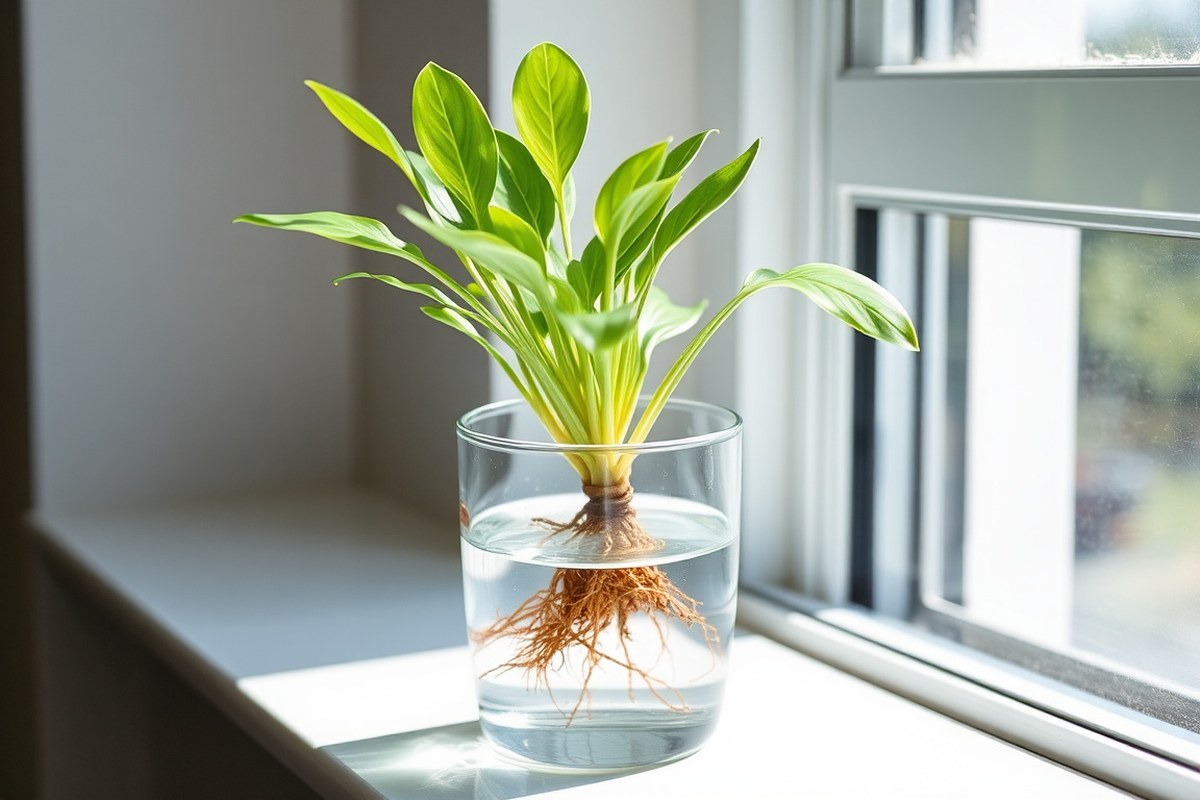
Can ZZ plant grow in water? Yes, it can survive and grow well in water.
This plant is hardy and adapts to water growth if you keep its roots healthy. The key is to keep the water clean and oxygenated to avoid rot.
Start by cutting a 4-5 inch stem with some leaves for propagation. Use tap water but let it sit for 12-24 hours to let chlorine evaporate. Change the water every week to prevent bacteria buildup and keep your plant happy.
Keep the plant’s room temperature between 60 and 75°F (15-24°C) for steady growth. Keep an eye on the roots as they start to grow.
Wait until the roots reach 2-3 inches long. Then you can move the plant to soil.
Key Takeaways
- Take stem cuttings 4-5 inches long with some leaves for water propagation.
- Let tap water sit uncovered 12-24 hours to reduce chlorine before use.
- Change your ZZ plant’s water every 5-7 days to prevent bacteria buildup.
- Keep room temperature steady between 60 and 75°F for better growth.
- Wait until roots are 2-3 inches long before transplanting to soil.
- Use a clear container to monitor root growth and water quality easily.
Can a ZZ Plant Grow Successfully in Water?
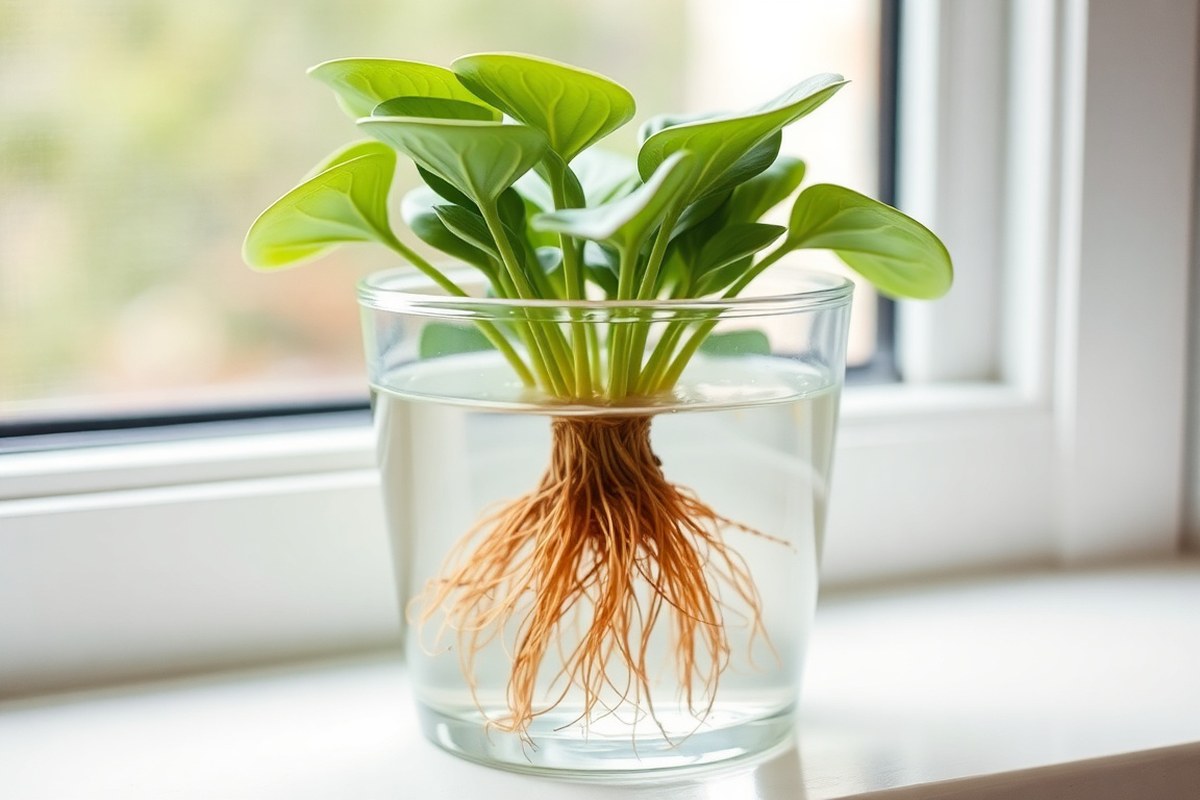
Yes, you can grow a ZZ plant in water without soil. Young cuttings do well in water for several months while they develop roots. This stage fits water growth well.
The plant uses stored energy in stalks. It depends less on soil nutrients now.
Once roots are 2 to 3 inches long, leaves start growing. Then the plant needs more nutrients. At this point, water alone can’t support its growth well.
You should consider moving the ZZ plant to soil for better nutrient access and stability. Long-term growth in water limits the plant’s size and health compared to soil-grown ZZ plants.
Some ZZ plants can survive in water for a long time. But they won’t thrive like those in soil. Algae and bacteria can grow in the water, competing with the plant and reducing oxygen.
Changing the water every 1 or 2 weeks helps. But root health may still decline eventually.
To keep the plant healthy, move mature ZZ plants to soil. Do this when roots are strong and leaves grow more.
How to Propagate ZZ Plant Cuttings in Water
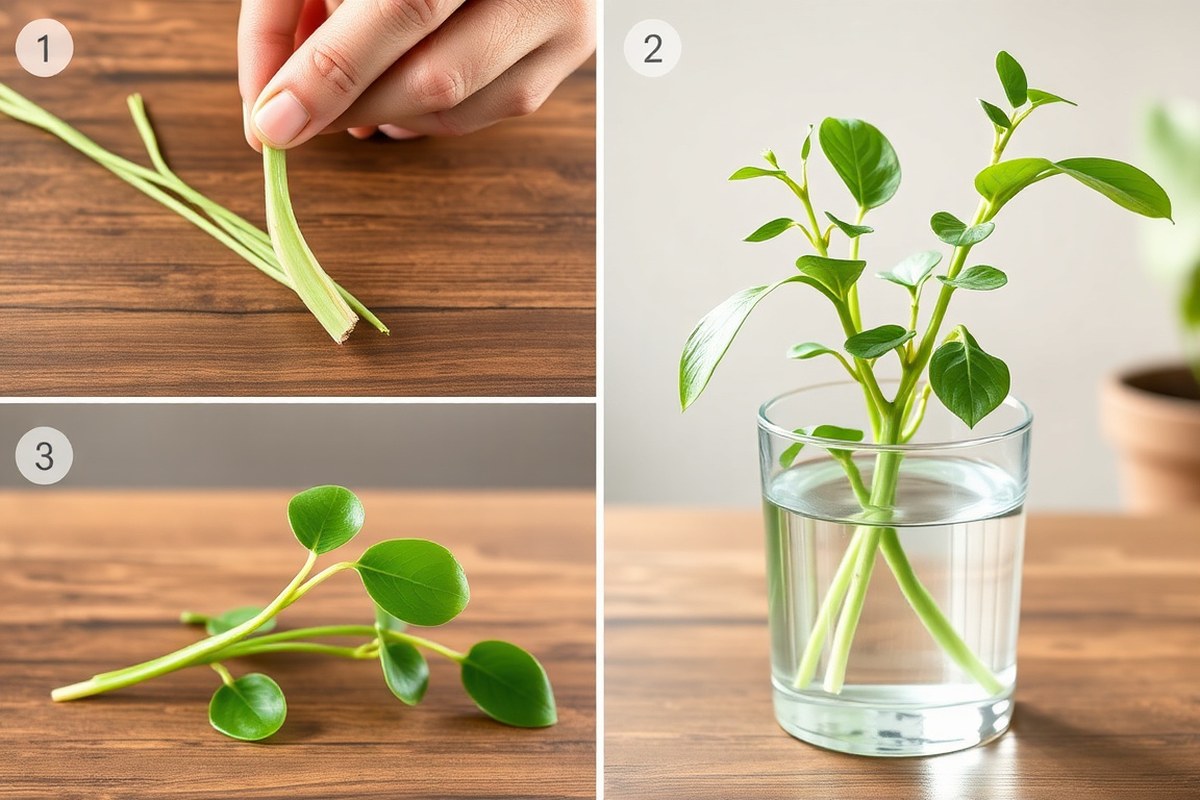
To propagate your ZZ plant in water, start with healthy stem cuttings. These cuttings will grow roots submerged in water, letting you watch the progress.
The whole process can take several weeks. But it’s rewarding to see new growth firsthand.
Selecting Healthy Stem Cuttings
Look for strong, green stems with several pairs of healthy leaves. Choose cuttings about 4 to 5 inches long for the best chance of rooting. Avoid any stems that look damaged or have yellowing leaves.
Taking multiple cuttings at once helps your odds. Some may not root, so having extras is smart. Make sure the parent plant is healthy and pest-free before cutting.
Preparing Cuttings for Rooting
Trim your selected stem just below a leaf node. Leaf nodes are the small bumps where roots grow from. Remove any leaves on the lower part of the cutting that will sit underwater.
Using clean scissors or pruning shears reduces infection risk. Optional rooting hormone can be dipped on the cut end to speed up root growth. Fill your container with clean, room temperature water.
- Choose a healthy, 4-5 inch stem with several leaves.
- Cut the stem just below a leaf node with clean tools.
- Remove leaves near the cut end that will sit in water.
- Optional: Dip the cut end in rooting hormone to boost rooting.
- Place the cutting in a clean container filled with room temperature water.
- Keep the cutting in indirect sunlight, avoiding direct rays.
Change the water every week to prevent rot and bacteria buildup.
Rooting Timeline and Progress Monitoring
Roots usually start to appear after 3 to 5 weeks in water. You’ll see thin white roots growing from the nodes under the water line. Watch for dark or mushy stems; this means the cutting is rotting.
Keep the water clear and fresh, and place cuttings in bright, indirect light. Once roots grow 1 to 2 inches long, you can move the cutting. You can plant it in soil.
Or you can keep growing it in water. Healthy leaves should stay firm and glossy during rooting.
Choosing the Right Container and Water for Your ZZ Plant
Clear glass or plastic containers work best for ZZ plants growing in water. They let you watch root growth and check water clarity easily. A container must be at least 6 inches deep.
This gives roots plenty of space. Roots can grow well this way.
The container’s width matters too. Leave about 2 to 3 inches of space around the stem. This helps roots grow without crowding.
Roots need room. Too tight a fit can choke the roots and slow growth. Wider containers can hold more water but may also need more frequent water changes.
Using the right kind of water impacts your ZZ plant’s health. Use filtered or distilled water for your ZZ plant. Tap water may contain chlorine or minerals.
These can hurt new roots. Letting water sit out for 24 hours can reduce chlorine. But it won’t remove fluoride.
| Condition | Effect on Root Development |
|---|---|
| Room-temperature water (20, 25°C) | Use water that is room temperature to encourage root growth. Cold water can slow or stop roots from developing. Steady warmth helps roots grow better. |
| Neutral pH (6.0, 7.5) | Supports root health; extreme pH causes browning or weak roots |
| Water changes every 5, 7 days | Prevents bacterial buildup; longer intervals raise rot risk |
| Partial submersion of nodes only | Provides oxygen to roots; full submersion can suffocate roots |
Shallow water containers or those too narrow limit root space and may cause rot quickly. A glass jar about 6 to 8 inches wide and deep gives a good balance. Plus, it fits nicely on most shelves or windowsills where you’ll keep the plant.
Opaque containers can reduce algae growth in the water but hide root health. Clean your container often to avoid algae buildup. Change the water frequently for a healthier plant.
This keeps roots safe. For new growers, clear containers are easier to manage and watch.
Caring for ZZ Plants Growing in Water
Keep your ZZ plant’s water fresh by changing it every two weeks. Fresh water prevents buildup of salts and bacteria that can harm roots. Use room-temperature, non-chlorinated water for the best results.
Place your plant where it gets bright, indirect light. Too much direct sunlight can scorch the leaves.
Too little light makes the plant droop. A spot near a north or east-facing window works well.
ZZ plants like temperatures between 65 and 75°F (18 to 24°C). Avoid sudden drafts or placing the plant near heating vents. Humidity is not critical since ZZ plants tolerate average indoor air quite well.
Because the plant isn’t in soil, it lacks natural nutrients. Add a diluted liquid fertilizer every 4 to 6 weeks during spring and summer. This helps keep your plant growing steady and healthy in the water.
- Change water every two weeks using room-temperature, filtered water
- Keep in bright, indirect light; avoid direct sun
- Maintain indoor temperature around 65-75°F (18-24°C)
- Use diluted liquid fertilizer monthly in growing seasons
- Check roots regularly to remove dead bits
- Don’t let water level drop below roots
Stay alert for signs of stress like yellowing leaves or mushy stems. This often means water is old or light is weak. Adjust the care steps quickly to revive your plant.
With good care, your ZZ plant can stay healthy in water for years. The thick stems and shiny leaves will keep their shine with fresh water and nutrients. Just watch the basics, and your water-grown ZZ will do fine.
Preventing and Managing Problems in Water-Grown ZZ Plants
Root rot can show up as soft, brown, or mushy roots. It happens when the water stays dirty or the roots get damaged. Trim off any rotten roots with clean scissors and give your ZZ plant fresh water.
Algae growth can cloud the water and cover roots. It usually happens when the container gets too much direct sunlight. Keep your plant near an east or west window with bright, indirect light to limit algae.
You might spot pests like spider mites or mealybugs on leaves, even in water-grown ZZ plants. Look for webbing, white fluff, or sticky spots. Wipe leaves gently with a damp cloth to remove pests early.
- Change water every 5 to 7 days using room-temperature water.
- Keep the water clean by rinsing the container each time.
- Place your plant away from direct sunlight to prevent algae.
- Trim any brown or mushy roots immediately to avoid spread.
- Wipe leaves regularly to catch and remove pests early.
- Maintain room temperature between 65 and 75°F (18, 24°C).
- Avoid letting water sit on leaves to prevent mold or pests.
Signs your ZZ plant struggles include yellowing leaves or stunted root growth. If leaves droop or roots look slimy, it needs attention. Refresh the water and trim damaged parts to help recovery.
Don’t wait to change water or prune root rot; delay worsens damage fast.
Keeping your plant clean and water refreshed helps prevent most problems. Avoid cold drafts and sudden temperature shifts to keep roots healthy. Regular checks let you fix small issues before they become serious.
When and How to Transition a Water-Grown ZZ Plant to Soil
Transfer your ZZ plant to soil when it has strong roots and new leaves. Healthy roots between 2 and 3 inches long signal it’s time. Moving it carefully helps avoid shock and keeps your plant thriving.
Signs Your ZZ Plant Is Ready for Soil
Watch for new foliage growth; this shows the plant is active. Roots should be thick and at least 2 inches long to handle soil well. Thin or very short roots mean wait a little longer before transplanting.
The plant should look healthy overall, with firm stems and vibrant leaves. Yellowing leaves or limp stems suggest the plant isn’t ready yet. Proper root development helps the plant absorb nutrients once moved to soil.
Preparing Soil and Pot for Transplant
Use a pot with drainage holes to avoid standing water. Choose a light, well-draining potting soil made for succulents or houseplants. This type of soil prevents root rot by letting excess water drain quickly.
Fill the pot halfway with soil before adding the plant. Gently rinse the roots with lukewarm water to remove slimy residue. Avoid compacting soil around roots; keep it loose for better air flow.
Post-Transplant Watering and Care
Water the ZZ plant right after transplanting to settle the soil. Keep soil moist but not soaked during the first two weeks. Water only when the top 1 to 2 inches of soil feel dry.
Check the soil by touching it before adding water. This helps avoid overwatering your ZZ plant.
Place the pot in bright, indirect light and away from drafts. Avoid fertilizing for one month to let the roots adjust. Watch for any signs of stress, like drooping leaves, and reduce watering if needed.
Follow these steps for a smooth move from water to soil:
- Check that roots measure 2 to 3 inches and are healthy.
- Select a pot with drainage holes and prepare well-draining soil.
- Partially fill the pot with soil before placing the plant.
- Remove the plant from water and gently rinse roots with lukewarm water.
- Set the plant in the pot and carefully fill in with soil around the roots.
- Lightly press the soil but keep it loose to help air reach roots.
- Water the plant thoroughly to start soil settling and root contact.
- Place the pot in bright, indirect light and monitor moisture levels.
Differences Between Water-Grown and Soil-Grown ZZ Plants
ZZ plants grow differently in water and soil, which changes their care needs. Plants in soil usually grow faster and stay healthier for a long time. Water-grown ZZ plants need less fuss daily but face some risks and slower growth.
The main differences show up in growth speed, leaf health, and maintenance. Water-grown ZZs often have slower root and stem development. Soil roots get more oxygen.
They absorb more nutrients. This helps plants grow fast and stay green. Leaves of water-grown ZZ plants might yellow or drop more.
This happens a lot in the first six months. It happens as rhizomes form.
| Aspect | Water-Grown ZZ Plant | Soil-Grown ZZ Plant |
|---|---|---|
| Growth Rate | Slower; rhizome formation can take 6 months | Faster; better nutrient and oxygen supply |
| Leaf Health | Leaves may wither early during roots formation | Generally healthy green leaves |
| Maintenance | Water changes needed every 2-3 weeks | Soil watering once the top inch is dry |
| Risks | Root rot if water is not changed often | Risk of overwatering but less frequent issues |
| Long-Term Viability | Possible but varies; often needs transition to soil | Stable and sustained growth |
Water-grown ZZs need fresh water every 2 to 3 weeks to avoid root rot. Watch closely for yellowing leaves after about six months. Cutting and dividing roots can boost growth speed if you want faster results.
Soil ZZ plants need less frequent watering, usually when the top inch feels dry. Soil often supports better long-term health.
Water cultivation suits you if you want a low-maintenance, modern look. It takes less space and no soil mess, but clearly, it’s a slower process.
Watch for leaf drop and change water often to keep risks low. Soil-grown plants demand more watering attention but reward you with faster and steady growth.
Common Mistakes in Growing ZZ Plants in Water and How to Fix Them
Growing ZZ plants in water has some common pitfalls that can slow growth or cause damage. These include not changing the water often, using the wrong cuttings, and poor light or temperature. Fixing these helps the plant thrive longer and look healthier.
Mistake: Using Unclean Water or Container
Dirty water or a grimy container encourages bacteria growth and root rot. Use a clean glass or clear plastic container that doesn’t hold mineral deposits or algae. Wash the container carefully with mild soap and rinse it well before adding water.
Always fill the container with fresh, clean water. Tap water often contains chlorine or fluoride. So let it sit out for 24 hours or use filtered water to avoid plant stress.
A clean container and dechlorinated water reduce disease risk and keep roots healthy.
Mistake: Infrequent Water Changes
Water left too long turns cloudy and full of bacteria. Change the water every 7 to 10 days for clear, fresh water. This keeps oxygen levels higher and reduces harmful substances around the roots.
Each time you change water, rinse roots gently to remove slime or debris. Check roots for soft spots or black areas and trim any damaged parts using clean scissors.
- Change water in the same time frame every week or so
- Use room temperature, dechlorinated water when refilling
- Rinse roots before placing them back in fresh water
- Clean the container if you notice any slimy buildup
- Discard or trim roots that look mushy or blackened
Mistake: Wrong Cutting Selection
Picking the wrong type of cutting delays root development or causes failure. Avoid using single leaf cuttings because ZZ plants don’t root well from those. Instead, choose cuttings with at least one healthy stem node or a thick rhizome piece.
The chosen cutting should have 2 or 3 leaves to support photosynthesis. This keeps the plant strong while roots form in water over several weeks.
Mistake: Insufficient Light or Temperature Control
ZZ plants in water need moderate, indirect light to root well. Too little light slows growth; too much direct sun causes leaf burn. A north or east-facing window often works best.
Keep water temperature steady between 65°F and 80°F. Avoid cold drafts or placing the plant near heaters, which can stress roots.
Your First 30 Days: A Quick-Start Plan for Growing ZZ Plant in Water
Follow these steps to start your ZZ plant in water. See if it suits your space and style.
- Day 1: Cut a healthy ZZ stem with 2-3 leaf nodes. Place it in clean water, covering only the bottom node. Look for no leaves submerged to prevent rot.
- Week 2: Change the water completely every 7 days. Notice if roots start forming as white, thin strands near the cut end.
- Week 4: Move your cutting to bright, indirect light but avoid direct sun. Check if leaves stay green and firm.
- Week 6: Add a tiny pinch of liquid fertilizer made for houseplants to the water. Watch for healthy root growth and no leaf discoloration.
- Week 8: Decide if your ZZ looks ready for soil. Roots should reach 2-3 inches long before planting. Do this next: transition your ZZ plant slowly.
- Week 10: Gradually introduce your plant to soil. Start with half water and half soil moisture for a week, then full soil watering. The plant should adjust without drooping or wilting.
- End of Month 1: Assess overall plant health. When leaves look lively and roots are strong, keep growing. Choose soil or water based on your care style.
Frequently Asked Questions
Can a ZZ Plant Survive in Just Water Long Term?
ZZ plants can live in water for a while. But growing them long-term in water is hard.
It’s not the best choice for them. Root rot and nutrient deficiencies become bigger risks without soil support.
How Often Should I Change the Water for My ZZ Plant?
Change your ZZ plant’s water every 1 to 2 weeks. This keeps oxygen levels good and stops bacteria buildup around the roots.
What Type of Water Is Best for Growing a ZZ Plant?
Use room-temperature, clean tap water that’s been left out to dechlorinate. Avoid softened or mineral-heavy water to prevent root damage.
Can ZZ Plants Grow Roots Directly in Water from Leaf Cuttings?
ZZ plants usually need stem cuttings, not just leaves, to grow roots in water. Leaves alone rarely root successfully.
Does a ZZ Plant Need Fertilizer When Grown in Water?
Yes, a diluted liquid fertilizer can help every 4 to 6 weeks. It replaces nutrients lost without soil.
Will ZZ Plants Grow Faster in Water or Soil?
ZZ plants generally grow slower in water due to fewer nutrients. Soil offers a richer environment for growth.
Key Points to Remember
ZZ plants can grow in water but need patience and proper care. Start with a cutting and watch roots develop before thinking about soil. Try these steps today and see how your plant responds to water growth.