How High Can a Whitetail Deer Jump? A Complete Guide with Expert Insights
Wondering how high can a whitetail deer jump? They can easily leap up to 8 feet straight up.
Most whitetail deer clear fences between 3 and 6 feet without trouble. Since they jump high, simple low fences don’t keep them out.
Their strong hind legs give them amazing vertical lift. Deer use their powerful muscles to push off the ground quickly.
A fence taller than 8 feet often stops them from jumping over. You want to set your fence high enough to match their jumping skills.
Be aware that some whitetails can jump even higher, close to 10 feet. Taller fences reduce the chance of deer getting caught or hurt.
That extra height works well for protecting gardens or property. Keep in mind, wider gaps in fences can let deer slip through without jumping.
Key Takeaways
- Whitetail deer can jump as high as 8 feet vertically.
- Typical fences under 6 feet won’t stop most whitetail deer.
- Fences taller than 8 feet provide a better chance to deter jumps.
- Strong hind legs make whitetail deer powerful, agile jumpers.
- Some exceptional jumps can reach 10 feet in height.
- Higher fences reduce deer injuries when they try to jump.
How High Can Whitetail Deer Jump Vertically?
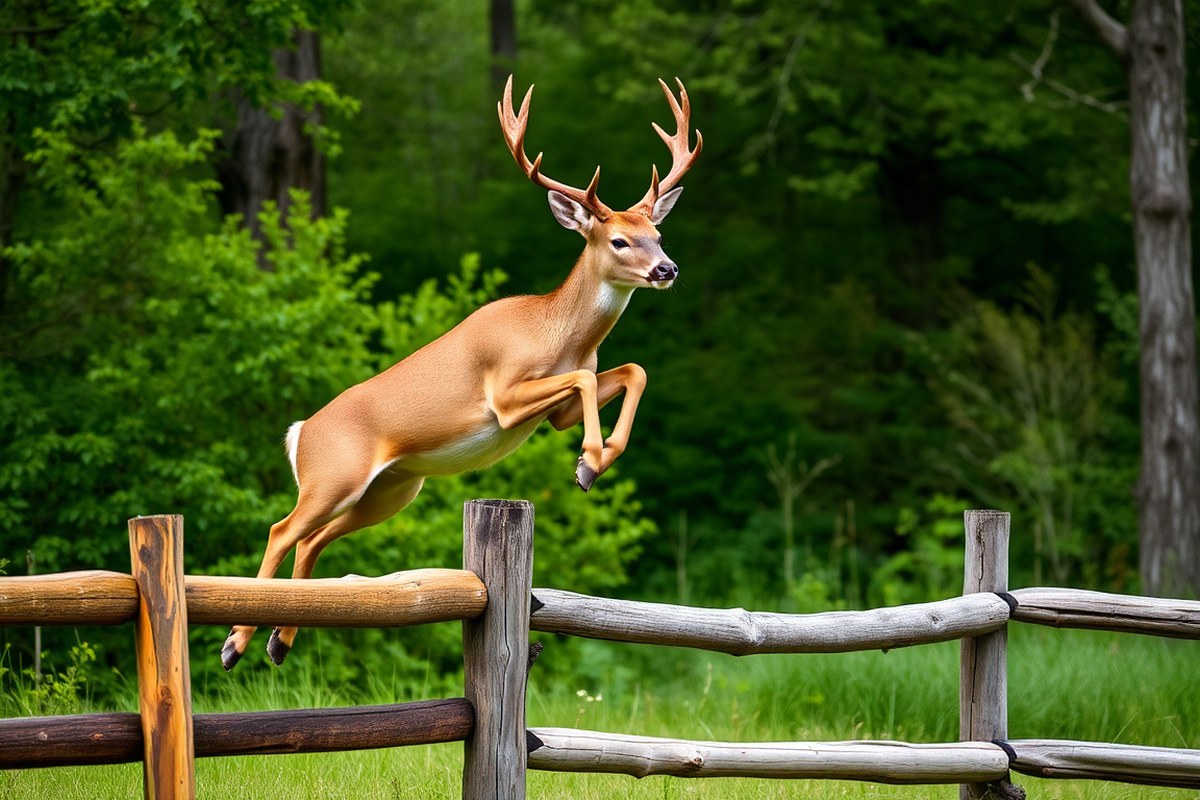
Whitetail deer can jump vertically about 6 to 8 feet from a standing position. This range suits most fence heights you might use to keep them out. They push off fast using strong hind legs.
They can jump high without running first. This helps them clear obstacles quickly.
With a running start, deer can clear much higher obstacles. Their vertical leap can reach between 10 and 12 feet when they have momentum. Running speeds up their jump power and range.
It lets them clear downed trees easily. They can also jump over tall fences.
Records show the maximum vertical height a whitetail deer has reached is roughly 12 feet. However, most deer won’t try such risky jumps unless they feel safe landing. They usually stick to clearing 6 to 8 feet high obstacles when stationary.
| Jump Type | Average Height (feet) | Maximum Height (feet) |
|---|---|---|
| Standing Jump | 6 – 8 | 8 |
| Running Jump | 10 – 12 | 12 |
Knowing these heights helps you plan fences or barriers better. A 7-foot fence is tough for whitetails to clear. It’s near the highest they can jump standing.
So it usually keeps them out. But with running momentum, deer can clear fences up to 12 feet tall.
Whitetails jump 6 to 8 feet on their own. With a run, they can reach 12 feet. Expect these limits when planning barriers.
Their ability changes with age, health, and terrain. But these numbers fit most outdoor settings. This understanding guides how you manage your land or hunting property.
What Anatomical Features Enable Whitetail Deer to Jump so High?
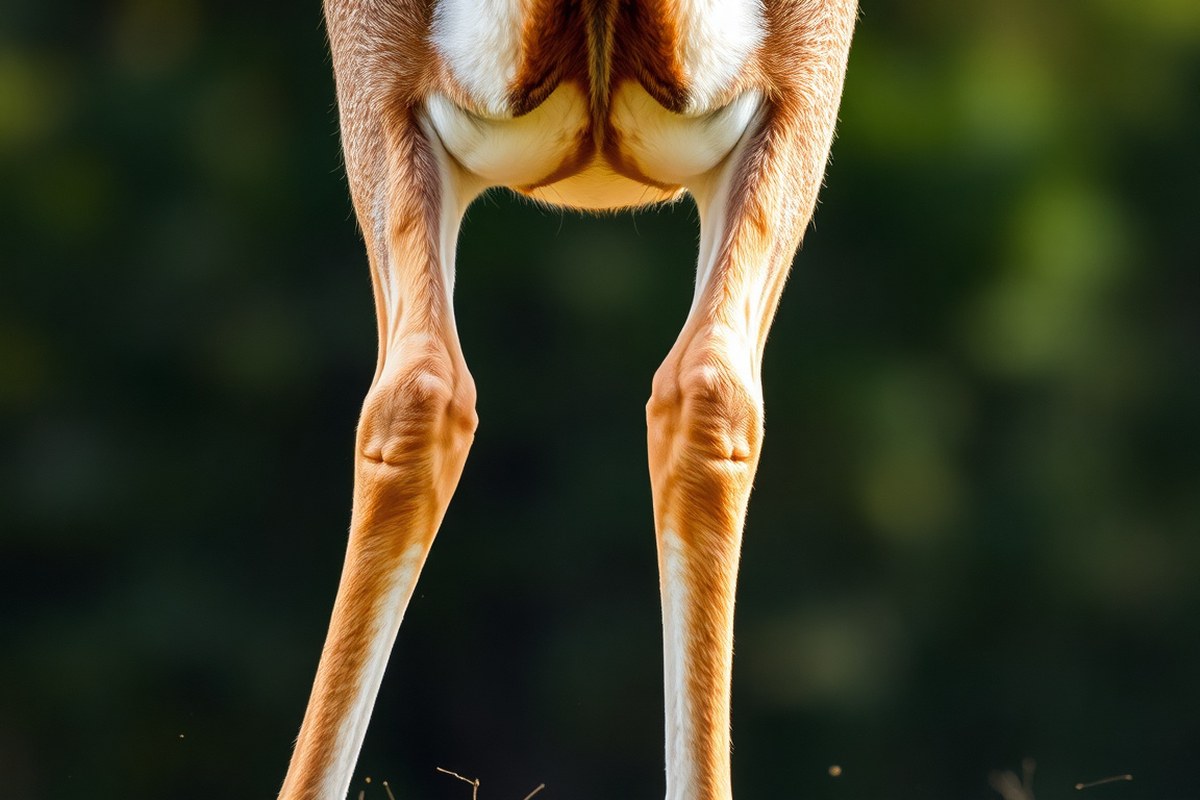
Whitetail deer jump high mainly because of their powerful hind legs, flexible spine, and elastic tendons. These features work together to generate explosive thrust and control during takeoff and landing. The muscles, bones, and tendons work together in a smart system.
They store and release energy to help with high jumps. This system makes the jumping motion efficient and powerful.
Major Muscle Groups Used in Jumping
The hind leg muscles provide the main power for jumping. Large muscles like the quadriceps and hamstrings contract explosively to push the deer upward. The muscles pull the bones to quickly extend the leg.
This action propels the deer high into the air. It helps the deer jump off the ground fast.
Strong gluteal muscles in the hips add force by extending the leg backward. They contribute to the rapid buildup of speed before the jump. The front leg muscles help stabilize the landing but are less involved in the upward leap.
Skeletal Adaptations for Power and Flexibility
Long, slender leg bones lengthen the stride and maximize jump height. Their length gives deer extra reach in the air, helping them clear high obstacles. The flexible spine acts like a spring, bending and straightening to add thrust during takeoff.
This spine flexibility also helps deer land softly after a jump, distributing the impact force. Strong pelvic bones support the leg muscles’ attachment points, allowing efficient force transfer. Together, these skeletal features enable quick, powerful movements for high jumps.
Tendons and Ligaments in Energy Storage
The tendons and ligaments connecting muscles to bones act like elastic bands. When deer bend their legs to prepare for a jump, these tissues stretch and store energy. This stored energy releases suddenly as the legs straighten, boosting the jump’s power.
Strong ligaments stabilize joints during this explosive movement, preventing injury. This elasticity also helps absorb landing shocks. Without these stretchy tissues, deer couldn’t produce the fast, forceful push needed for high jumps.
Keep fences taller than 8 feet to protect deer from injury. This height reduces harm from attempts to jump too high. It helps deer land safely without trouble.
Factors That Influence How High a Whitetail Deer Can Jump
How high a whitetail deer can jump depends on several factors. Genetics, health, and the environment all play a role. Even behavior and the terrain affect the height a deer clears.
Genetic and Physical Condition
The genetic makeup strongly impacts a deer’s jumping ability. Some whitetail breeds can leap over 8 feet, thanks to strong muscles and good limb structure. Size and age also matter.
Younger, fully grown deer jump higher. Older or smaller deer don’t jump as high.
Health directly affects how high a deer can jump. Injuries or illnesses reduce strength and agility.
A healthy adult deer can easily clear obstacles taller than 5 feet. But a sick or injured one might struggle much lower.
Environmental and Terrain Effects
Terrain impacts how deer prepare for jumps and how high they actually clear. Flat, open ground gives them room to gather speed and jump higher. Rocky or uneven terrain limits momentum and forces shorter jumps.
Weather also plays a role. Deep snow makes it hard to get a running start, lowering jump height.
Dry, firm ground helps with traction and boosts leap capability. Wet or slippery surfaces can cause slips and reduce jump height.
- Soft, even ground improves takeoff speed and jump height
- Snow depth above a few inches lowers jump performance
- Uneven or rocky terrain shortens jump distances
- Temperature extremes can impact muscle flexibility
- Wind can affect body balance mid-jump
Jumping height is often lower in densely wooded areas where deer have less room to sprint. They adapt their jumping strategy to terrain, which changes how and when they jump.
Behavioral and Seasonal Influences
Behavioral factors push deer to jump higher sometimes. Deer escaping predators or chasing mates will max out their jump ability. Calm, relaxed deer jump less aggressively and clear lower obstacles.
The season also influences jumps. During mating season, bucks leap fences almost easy to reach does. In winter, energy conservation leads to fewer and less forceful jumps since deer avoid unnecessary exertion.
Aging also changes how deer jump. Older deer lose muscle strength and joint flexibility. They will jump lower and less often than younger adults.
How Whitetail Deer Use Jumping for Survival
Whitetail deer jump mainly to avoid predators and reach food or water. They can easily leap fences from 6 to 8 feet tall to escape threats. For example, a deer will quickly bound over a fence.
It jumps over dense brush to get safe cover. This helps it escape a coyote fast.
Jumping also helps them access food that’s out of reach. Deer often clear fences to get to orchards or garden patches. They weigh the effort of a big jump carefully.
The reward could be fresh leaves or fruit. The deer decides if it’s worth it.
Mating season can push bucks to jump even higher. During the rut, bucks chase does and fight rivals, often making longer, stronger jumps. This extra burst uses more energy than normal movement.
They also risk injury if they misjudge the landing. The deer considers these risks before jumping.
Deer also jump while moving between wooded areas and open fields. This behavior helps them find safer feeding spots or water sources. A deer that feels cornered starts jumping fast.
It jumps over streams or fences that block escape. Jumping helps it avoid predators or danger zones.
Sometimes deer miscalculate a jump height or landing surface. They might knock down parts of a fence or land awkwardly, causing injury. Their ability to leap high and far helps survival.
It lets them navigate obstacles and evade predators. This skill is important in complex habitats.
How High Should a Deer Fence Be to Keep Whitetail Deer Out?
To keep whitetail deer out, your fence should be at least 7.5 feet tall. Deer typically clear fences between 3 and 6 feet.
So anything shorter invites them to jump. An 8-foot fence gives you a good margin, reducing chances they’ll leap over it.
Six-foot fences might stop some deer, but they’re not reliable. Deer can clear 6-foot barriers if motivated, especially females or bucks during the rut. For serious containment, 8 feet is the standard recommendation.
The fence material also matters. Solid, tall fences made from woven wire or mesh work well.
They’re more effective than simple wooden or electric fences alone. The right height combined with sturdy materials keeps deer discouraged.
| Fence Height | Effectiveness Against Deer | Common Fence Type |
|---|---|---|
| 6 feet | Somewhat effective, but deer often jump over | Wood panel or basic wire |
| 7.5 feet | Highly effective in blocking most deer | Woven wire or mesh |
| 8 feet | Standard height for reliable exclusion | Heavy-duty wire mesh or high-tensile wire |
| Over 8 feet | Better for very persistent deer but costlier | Tall mesh fences or multiple wire strands |
Deer fences often cost more as height increases. But taller fences save money by preventing damage to crops or gardens. Hungry deer need stronger barriers.
Plan for an 8-foot tall woven wire fence. This type holds up well and requires minimal repairs.
Keep vegetation from growing near the fence. Deer can use it to boost their jump height.
How Do Whitetail Deer Jump Differently Compared to Other Deer Species?
Whitetail deer jump very well, but some deer species jump higher or farther. Mule deer usually jump farther horizontally. Red deer and elk can jump higher vertically.
Their size gives red deer and elk the power for long bounds and high jumps. But whitetails are quicker and more agile.
Mule deer often clear wider gaps when fleeing, covering more ground with their leaps. They don’t jump quite as high as red deer or elk.
But their horizontal jumps can reach impressive lengths outdoors. Whitetail deer tend to combine good vertical jumps with decent horizontal distance, giving them versatility.
| Deer Species | Vertical Jump Height | Horizontal Jump Distance |
|---|---|---|
| Whitetail Deer | 6 to 7 feet (1.8 to 2.1 meters) | About 29 feet (8.8 meters) |
| Mule Deer | Around 6 feet (1.8 meters) | Often farther than whitetails, variable |
| Red Deer | Up to 8 feet (2.4 meters) | About 28 feet (8.5 meters) |
| Elk | Up to 10 feet (3 meters) | Variable, generally less horizontal focus |
| Fallow Deer | Less documented, generally lower than whitetails | Shorter jumps than mule and red deer |
Elk top the vertical jump scale, clearing fences about 10 feet high. Red deer also excel vertically and horizontally, which helps them in mountainous or forested ranges.
Whitetails jump well vertically and can clear 6-7 foot fences easily. But their horizontal leaps usually don’t match mule deer’s distances.
Fallow deer jump lower and shorter than whitetails. This shows how size affects jumping. Habitat also plays a role in these skills.
Think about species when planning fences or wildlife control. Elk and red deer can jump higher. This affects the kind of barriers you’ll need.
Whitetails are great jumpers. They balance height and distance well. This makes them stand out in jumping ability.
Why Do Whitetail Deer Jump Fences and Other Obstacles?
Deer jump fences mainly to find food, avoid danger, or during mating season. When food sources are scarce, they risk jumping higher fences to reach fresh plants or crops. You might see more fence jumps near farm fields or gardens where food attracts deer.
Predators also push deer to jump fences quickly. But usually only if they can clearly see what’s on the other side. A scared deer that cannot see beyond a fence won’t jump far.
It rarely jumps more than 6 or 7 feet high. Deer need to see the other side to decide to jump. They hesitate and avoid uncertain jumps to reduce injury risk.
Mating season is another key reason for fence jumping. Bucks chase does and compete with other bucks, which increases their jumping frequency. They take bigger risks during this time and might jump unfamiliar fences.
- Searching for fresh food or crops
- Escaping predators or perceived threats
- Chasing mates during the rut season
- Moving between feeding and bedding areas
- Exploring new territory or migration
Managing deer jumping starts with reducing motivations. Keep food sources away from your fences by removing attractants like fallen fruit or feeding stations.
Thick brush near fences can hide predators. So clear these spots to let deer see clearly.
During the fall rut, deer jump more often. So reinforcing fences before September can help. Adding a clear view beyond the fence helps stop jumps.
Use solid colored mesh to show what’s outside the fence. This visual cue can discourage deer from jumping over. Solid fences cost more but lower risks of surprise jumps.
Practical Tips to Prevent Whitetail Deer from Jumping into Your Property
To keep whitetail deer out, use 8-foot woven wire fencing. Choose mesh about 3 to 4 inches in size. This height and mesh size help deter deer from jumping in.
Electric fences can boost this barrier if installed correctly. Landscaping adds a subtle layer of protection by discouraging deer from getting too close.
Choosing and Installing Effective Fencing
Deer can clear fences up to 8 feet tall. So build your barrier at least that high. Woven wire fencing with 3 to 4 inch mesh works well.
It stops deer from squeezing through small spaces. This keeps your property safe from intrusion. Use strong fence posts spaced 8 to 10 feet apart.
This keeps your fence firm and straight. Proper spacing prevents sagging or weakening.
Here’s a checklist to follow during installation:
- Set fence height at a minimum of 8 feet
- Use woven wire mesh with 3 to 4 inch openings
- Securely anchor fence posts in the ground for stability
- Check mesh for holes or damage periodically
- Keep the bottom of the fence flush with the ground
- Maintain tension on the fence to avoid sagging
Tight mesh stops deer from slipping under while height discourages jumping. Regular maintenance prevents gaps and damage that deer might exploit.
Using Electric and Woven Wire Fences
Add electric wires near the top and bottom of the fence. This deters curious deer that test the barrier. It adds an extra layer of protection.
A single electrified strand around 7 feet off the ground is usually enough to discourage jumping. Electric wires at the ground level stop deer from pushing under the fence.
Install the wires securely using insulated posts. Keep the energizer charged and check electric lines regularly to ensure they work.
Be aware that hungry deer may risk the shock to access food. So combine electric fencing with other methods.
Do not rely on electric fencing alone. Whip teeth or a hungry deer can break through.
Landscaping as a Deterrent Strategy
Use thick shrubs or thorny bushes along the fence line to make jumping less attractive. Plant tall, dense shrubs 3 to 5 feet from your fence. They create a natural barrier that blocks deer pathways.
This makes the fence less inviting. Avoid tasty plants like hostas or clover close to your fence, which draw deer near.
Try to avoid open spaces near fences that give deer an easy run-up for jumping. Spread rough ground cover like pine cones or sharp gravel.
These surfaces make deer avoid the area near your fence. It discourages them from approaching closely.
Common Mistakes and How to Avoid Them
Don’t build fences shorter than 8 feet; deer can easily jump those. Avoid loose or sagging fences that deer can push through or slip under. Check your fence lines often for holes or gaps.
Weather and animals can damage your fence. Early repairs stop deer from finding easy entry.
Remove attractants such as garden crops or fallen fruit. These tempt deer to come near and test fences more. Keeping your property clear helps control deer visits.
Electric fences without proper maintenance lose effectiveness fast. Lastly, avoid planting deer-favorites near your barrier or you risk encouraging their jumping attempts.
Step-by-Step Action Plan to Stop Deer from Jumping Your Fence
Take these steps over the next few weeks to keep whitetail deer off your property. Watch for deer to test your fence and adjust as needed.
- Day 1: Measure your current fence height. Make sure it’s at least 8 feet tall to deter jumping. Mark spots where the fence is lower.
- Week 1: Add extra height with mesh netting or wire panels on low sections. See if deer try to jump these spots again.
- Week 2: Plant thorny shrubs near your fence line. Look for fewer deer tracks close to your fence after a week.
- Week 3: Put motion-activated lights near the fence to scare deer. Add noise devices there, too. This helps keep deer away at night. Notice if deer stop approaching.
- Week 4: Clear brush and vines that help deer climb or hide near the fence. A clear view reduces deer hangouts.
- Week 5: Consider a double fence with space in between if deer persist. Watch if deer avoid jumping after installation.
- Ongoing: Regularly inspect your fence for damage and repair it promptly. Deer exploit weak spots to jump in.
Frequently Asked Questions
How Fast Can a Whitetail Deer Jump over a Fence?
Whitetail deer can leap fences rapidly as they approach at a running pace. Their speed helps them clear obstacles up to 8 feet tall without much trouble.
What Angle Do Whitetail Deer Use to Jump Obstacles?
Whitetail deer usually jump at a shallow angle for momentum. It helps them clear higher obstacles while maintaining their speed and balance.
Do Whitetail Deer Jump Better During Day or Night?
Whitetail deer tend to jump more easily at night when they feel safer. Lower light reduces their risk of predators noticing them during a jump.
Can Old or Injured Deer Jump as High as Young Deer?
Older or injured deer usually jump lower because of weaker muscles. Injuries and age affect their jumping ability and caution them in risky leaps.
How Do Whitetail Deer Land After a High Jump?
Whitetail deer land with their front legs first to absorb impact. Their strong joints and muscles protect them from injury upon landing.
Do Whitetail Deer Prefer Jumping or Going Around Fences?
Whitetail deer choose jumping when going around is too long or blocked. They weigh the risk and effort, jumping only if the obstacle is worth it.
The Bottom Line
Whitetail deer can jump fences up to 8 feet high. So your fence needs to meet or exceed this height.
Taking steps to raise the fence and deter deer will protect your property. Start by measuring your fence and adding height where needed today.