How Often to Water Money Plant Indoors: A Complete Guide with Tips
How often to water money plant indoors depends on the soil dryness and season. Water your money plant when half to three-quarters of soil dries. Check soil dryness often to avoid overwatering.
This helps keep your plant healthy and happy. This usually means watering every 5 to 10 days in spring and summer.
In fall and winter, the plant grows slower and needs less water. Let the top 2 to 3 cm of soil dry out. This means watering about every 2 to 3 weeks.
It helps your money plant avoid too much water. Always check soil moisture before watering to avoid overwatering.
Light and pot type also affect watering needs. A plant closer to a bright window dries faster than one in lower light. Terracotta pots need more frequent watering than plastic pots since they absorb moisture.
Key Takeaways
- Water when the top 1, 2 inches (2.5, 5 cm) of soil feels dry in warm months.
- In fall and winter, wait until the top 2, 3 inches (5, 7.5 cm) dries before watering.
- Check soil moisture before watering to prevent root rot and underwatering.
- Water money plants in terracotta pots more often than those in plastic pots.
- Place plants farther from bright windows to reduce watering frequency.
- Water the plant 3, 4 days before repotting to ease the process.
How Often Should You Water Your Indoor Money Plant?

Water your indoor money plant every 7 to 10 days during spring and summer. Check if the top 1 to 2 inches of soil are dry before watering. This timing changes with light, pot type, and season, so adjust as needed.
In bright indirect light, soil dries faster. It needs watering every 5 to 7 days. Your money plant in terracotta pots needs more water.
Plastic pots hold water longer. Terracotta breathes and lets water evaporate quicker.
In fall and winter, water less often. Every 10 to 21 days works well. Temperature and light affect this schedule.
Cooler temps around 60 to 68°F slow soil drying. Less light also means slower water use by the plant.
Use enough water to moisten the soil well but not soak it completely. Aim to water until about 10 to 20% of the soil volume is visibly moist. Avoid letting the soil stay more than 75% dry or constantly soggy.
To decide exactly when to water, press your finger 1 to 2 inches into the soil. When soil feels dry, give your plant water.
If soil still feels damp, wait a few days. Then check again before watering.
A 5-inch terracotta pot in bright light might need watering every 8 days. The same size plastic pot in lower light can stretch to 14 days. Small adjustments like these keep your money plant healthy and avoid watering mistakes.
How to Check If Your Money Plant Needs Watering
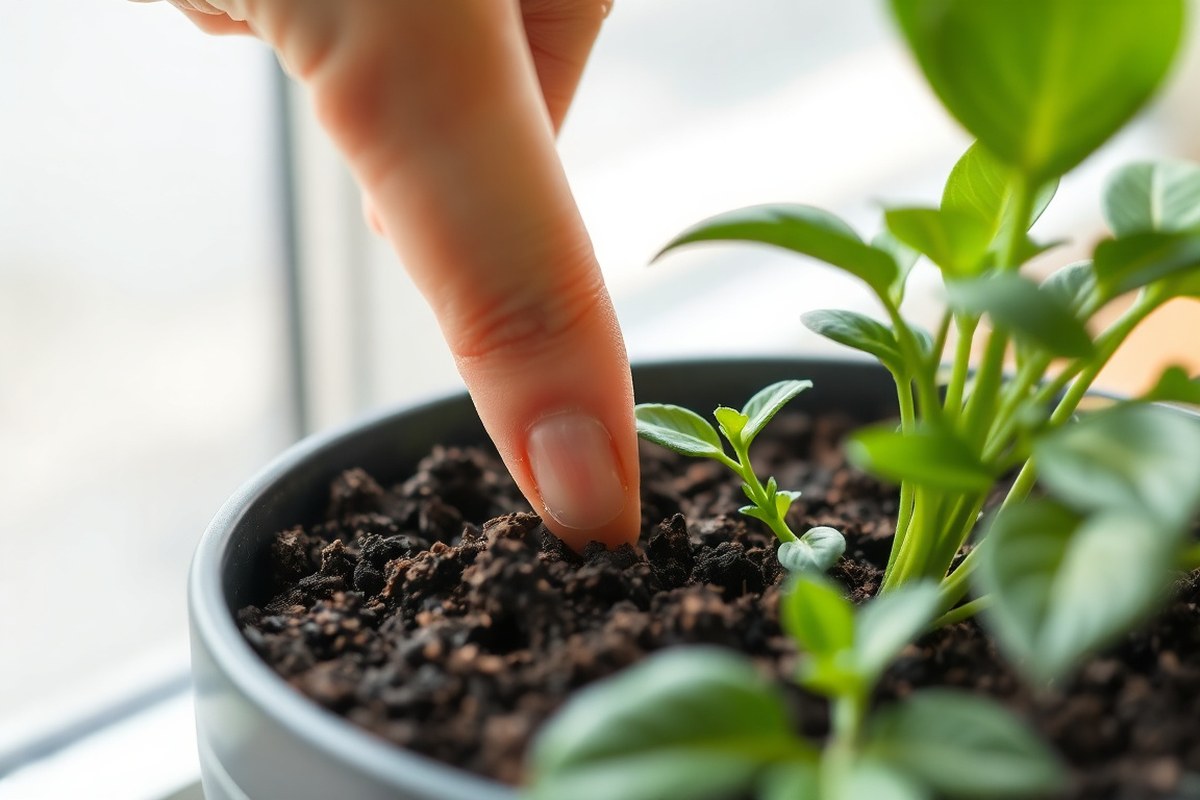
To know when to water your indoor money plant, test the soil moisture regularly. You can use your finger, watch leaf changes, or try tools like moisture meters. These tactics help you avoid underwatering or overwatering your plant.
Finger Test Depth and Technique
Push your finger about 1 to 2 inches into the soil. The top inch dries fastest, so check deeper for real moisture. When the soil feels dry at that depth, water your plant.
The root zone is where moisture matters most. Testing only the surface might cause you to water too soon and drown roots. This technique costs nothing and takes just a few seconds.
Set a weekly check habit; it’s especially important during spring and summer. Soil usually dries out in 7 to 14 days under bright light.
In fall and winter, check your plant’s spacing every 2 weeks. The plant grows slower then, so less often checks work better.
Visual Leaf and Stem Signs
Leaves tell you a lot about hydration. Letting leaves become limp or curl means your plant needs water. Yellowing leaves might signal overwatering, so check soil moisture first.
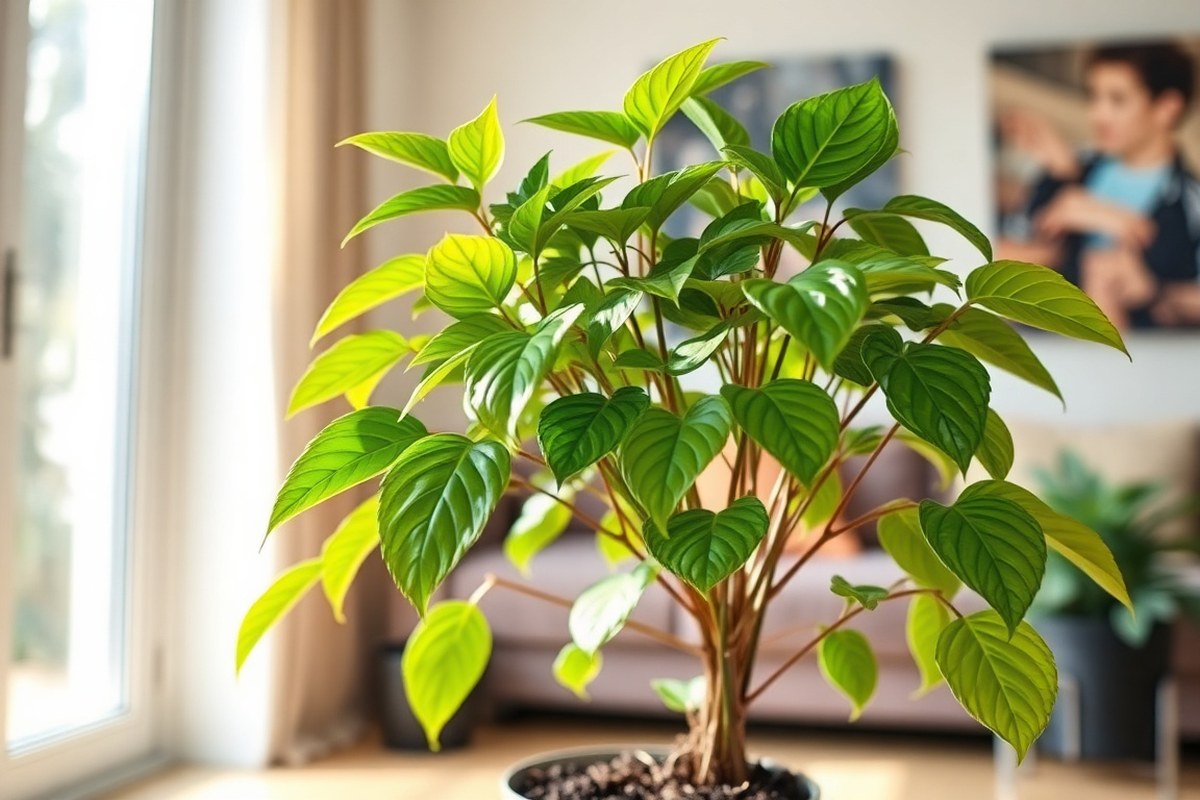
Healthy money plant leaves stay firm and spread out like tiny discs. Watch for drooping or soft stems, too, those can mean the soil is too dry. Bright, indirect light also helps these signs show clearly.
Here’s a quick checklist for leaf and stem signals:
- Leaves curling inward or wilting indicate thirst.
- Soft or mushy leaves hint at too much water.
- Leaf tips turning brown can suggest inconsistent watering.
- Firm, vibrant leaves usually mean good hydration.
- Stems drooping might mean dry soil below the surface.
Try to catch these signs early before the plant shows stress. Sometimes early dryness shows right on the leaf edges.
Using Moisture Meters and Weight Checks
Moisture meters give you an exact soil dryness reading. You push the probe about 2 inches into the soil for a clear measurement. These meters cost between $10 to $20 and help remove guesswork.
Another way is to lift the pot and feel its weight. Dry soil is lighter than moist soil.
Do this when you know the pot is well watered to learn the difference. Over time, you get a good sense of when your money plant needs water.
Don’t rely only on surface dryness; deeper soil moisture prevents root stress.
Top Watering vs. Bottom Watering vs. Soaking: Which Method Works Best?
Each watering method has benefits and drawbacks for money plants. Top watering is simple but may leave soil unevenly moist.
Bottom watering helps avoid wet leaves and overwatering. Soaking is good for deep hydration but requires attention to avoid root rot.
How to Top Water Your Money Plant
Top watering means pouring water directly onto the soil surface. It mimics natural rain but risks overwatering the upper soil while lower parts stay dry. Always water slowly and evenly to avoid runoff.
Use about 6 to 8 ounces (177 to 237 ml) of water per session. Check the top 2 inches of soil first; only water when dry. This method suits most indoor money plants as long as you watch the soil moisture.
- Check that the top 2 inches of soil feel dry by touching them.
- Use room-temperature water to avoid shocking roots.
- Pour water slowly onto the soil surface until it begins to drain.
- Let excess water drain from the pot to prevent soggy soil.
- Empty excess water from the saucer if it collects after 30 minutes.
- Return the plant to its usual spot without sitting in standing water.
Bottom Watering: Step-By-Step
This technique involves watering from below by letting plants absorb water through drainage holes. It prevents leaf wetness and reduces root rot risk by moistening soil from the bottom up. This method works well when you want even soil hydration.
Use a shallow tray or sink filled with about 1 inch of water. Put the pot in water. Wait 10 to 15 minutes.
Let the water soak in the soil. Remove the pot and let excess water drain fully.
- Fill a tray or sink with about 1 inch (2.5 cm) of room-temperature water.
- Place the money plant pot into the water, ensuring the drainage holes are submerged.
- Leave the pot soaking for 10 to 15 minutes to absorb water into the soil.
- Lift the pot out and let it drain fully to avoid oversaturation.
- Discard any leftover water in the tray to prevent fungal growth.
- Put the plant back in its usual spot, making sure it’s not sitting in water.
Soaking Method Instructions and Safety
Soaking means putting the pot or roots in water. It helps the plant get deeply hydrated.
It is useful after repotting or if the soil is very dry and compact. Use this method sparingly to avoid drowning roots.
Fill a container large enough for your pot with room-temperature water. Submerge the pot up to the soil line and soak for 10-15 minutes. After soaking, remove the pot and let it drain completely before returning it to its spot.
- Choose a container large enough to hold the pot and water up to the soil line.
- Fill the container with room-temperature water.
- Submerge the pot so water reaches the soil but not the stem.
- Let the pot soak for 10 to 15 minutes to fully hydrate the soil.
- Take the pot out and allow excess water to drain for several minutes.
- Place the plant back in its usual location, avoiding standing water under the pot.
How Seasonal Changes Affect Watering Frequency Indoors
Water needs for your money plant change with seasons, temperature, and humidity indoors. In warmer months like summer, water it every 5 to 7 days. Check the soil every 3 to 4 days by sticking your finger about an inch in.
When the top soil feels dry, your plant needs a drink. Summer heat and active growth use more water.
Winter is different. Watering drops to every 14 to 21 days with checks every 7 to 10 days. The plant grows less and gets less light, so it uses much less water.
Overwatering in winter can cause root rot because the soil stays wet longer. Keep your indoor temperature steady between 65 and 75ºF to avoid stressing the plant.
Humidity also affects how often you water. High indoor humidity can keep the soil moist for a long time. During wet or very humid days, water less often.
Water it every 10 to 16 days. Check the soil every 5 to 7 days. Avoid watering on a strict schedule here to cut the risk of soggy soil and roots.
Spring and autumn offer balanced conditions with moderate temperature and humidity. Water your money plant every 7 to 10 days, checking soil moisture about every 5 days. This range balances growth and water evaporation well.
Feed the plant a houseplant tonic once a month in spring. This helps new leaves grow healthy.
In summer, check the soil every 3 to 4 days to water correctly. Keep track regularly. Autumn, every 5 days; winter, every 7 to 10 days.
And monsoon or high humidity, every 5 to 7 days. Water if soil is dry an inch deep.
Avoid letting it get soggy. Small pots dry faster than large ones, so they may need more frequent checks.
Recognizing and Fixing Overwatering and Underwatering
Yellowing leaves with soft, mushy spots usually mean overwatering. Soil that smells foul or feels soggy confirms water logged roots, often leading to root rot. When you see drooping and wet soil, hold off on watering.
Underwatering causes dry, crispy leaf edges. The soil will shrink from the pot sides. The plant may wilt.
But the soil will feel dry at least 1 to 2 inches down. Your money plant needs moisture before leaves become brown or brittle.
Quick fixes depend on spotting the issue early. For overwatering, let the soil dry out completely between waterings.
Repot into fresh, dry soil if the old soil stays swampy. For underwatering, soak the soil thoroughly and check it more often to catch dryness sooner.
- Check soil moisture 1 to 2 inches down before watering.
- Water only when soil feels 50 to 75% dry.
- Ensure pots have good drainage holes.
- Empty catch trays after watering to prevent standing water.
- Repot plants showing root rot using fresh, well-draining soil.
- Trim yellow or mushy leaves to redirect energy to healthy growth.
- Adjust watering based on indoor temperature and season.
Waiting for soil to dry 50, 75% helps avoid root rot caused by soggy dirt. Overwatering damages roots, stopping water uptake, which looks like wilting even when soil is wet. Underwatering leads to dry, brittle leaves and shriveled roots.
Do not add water if leaves droop and soil is still moist. It worsens root rot.
Rescue your plant by cutting off unhealthy parts and improving drainage. Place it in indirect sunlight and hold off watering until soil dries properly. Recovery needs patience, but drugs like fungicides are rarely needed unless rot spreads fast.
How Pot Type, Size, and Soil Composition Influence Watering Needs
Your money plant’s pot type changes how fast the soil dries out. Clay pots absorb water, pulling moisture from the soil quicker than plastic or glazed pots.
Plastic pots hold moisture longer. So you can wait a bit more between watering sessions.
Pot size also matters. Larger pots hold more soil and water. So the plant may need less frequent watering.
Smaller pots dry out faster because they contain less soil. Your money plant in a small pot needs soil moisture checked often.
| Pot Type | Water Retention | Watering Frequency Impact |
|---|---|---|
| Clay (Terracotta) | Low (porous soil dries fast) | Water more often, check every 5-7 days |
| Plastic | High (less evaporation) | Water less often, check every 7-10 days |
| Glazed Ceramic | Medium (less porous than clay) | Water in 6-8 day intervals |
| Small Pot (under 6 inches) | Less soil, dries fast | Check every 4-6 days for dryness |
| Large Pot (over 8 inches) | More soil, holds moisture | Water every 10 days or more |
Your soil’s composition controls water flow and retention. A lightweight, well-draining mix with peat, perlite, and coco coir works best. It holds some moisture but drains excess water.
Heavy soils keep water too long and cause root rot. Avoid regular garden soil or dense potting soil.
To get the best watering results, check soil moisture before watering. Use a finger test: poke about 1 to 2 inches into the soil. When the soil feels dry, it’s time to give water.
If the soil still feels damp, wait a couple more days. Adjust frequency based on the pot and soil type you have.
A money plant in a plastic pot usually needs water every 7 to 10 days. The soil must drain well for this schedule. Water more often if the pot or mix holds less moisture.
One in a small clay pot may need watering every 4 to 5 days. Remember that indoor temperature and light affect drying times too.
How and When to Water Your Money Plant After Repotting
Water your money plant right after repotting to settle the soil. Use enough to moisten new soil but not leave it soggy. Wait 3 to 5 days before watering again since fresh soil holds more moisture.
Pre-Watering Before Repotting
Water your money plant a day before repotting. This softens the roots and helps reduce transplant shock. It also keeps soil intact during the move.
Make sure the water drains well to avoid waterlogging the roots. Well-hydrated roots recover faster after repotting stress.
Initial Watering After Potting
Right after repotting, give a thorough but gentle watering. Enough water should reach all soil areas around the roots.
Don’t overdo it or soak the plant; too much water can cause root rot. Stop watering as soon as water starts draining from the bottom.
- Place your repotted money plant on a tray or waterproof surface.
- Pour water slowly into the soil until it feels moist but not soggy.
- Check that water trickles out through drainage holes.
- Remove excess water from the tray after 15 minutes to prevent standing water.
- Keep the plant in bright, indirect light to support recovery.
- Only water the money plant once the top 1 to 2 inches dry out, usually after 3 to 5 days.
Monitoring Soil Moisture During Acclimation
Check the soil every couple of days for moisture levels. The new soil will retain water longer, so be patient before watering again.
Watch for symptoms of stress like yellowing leaves or soft stems. These signs may mean the roots are too wet or drying out.
Adjust the watering schedule based on soil dryness, light, and room temperature. Maintaining balance helps your money plant thrive after repotting.
Common Watering Mistakes and How to Avoid Them
Most money plants die from overwatering, not underwatering. Their roots need air to breathe. So wet soil or standing water stifles root health.
Yellow leaves or soft stems mean cut back on watering. Check drainage too.
Watering too often during winter is a common mistake. Money plants grow slower then and use less water.
Let the soil dry to about an inch deep before you add more. Stick your finger into the soil to check moisture before watering again.
Many people think misting leaves helps, but it often doesn’t. Money plants prefer humidity around the soil, not just on leaves.
Misting may cause leaf spots or fungal problems. Instead, place a humidifier nearby or set the pot on a tray of wet pebbles.
- Use a moisture meter or your finger to check soil dryness.
- Water only when the top inch of soil feels dry.
- Ensure the pot has drainage holes to prevent standing water.
- Cut back watering frequency in colder months by half.
- Avoid misting, use humidity trays or a humidifier instead.
- Repot with well-draining soil to reduce waterlogging.
- Overwatered? Wait for soil to dry fully before watering again.
Never pour water on a dry, compacted soil. Loosen it first to ensure even moisture.
When the soil stays wet for days, roots start to rot and leaves yellow. Fix this by watering less and moving the plant to a spot with more air circulation. Trim any soft roots or stems and repot if needed.
In winter, keep your money plant in a cooler room near natural light. They need less water and less heat to stay healthy.
Check soil moisture every 7 to 10 days. In summer, check every 3 to 4 days.
Step-by-Step Action Plan for Watering Your Indoor Money Plant
Follow this plan to water your money plant the right way and keep it healthy.
- Before you water: Check the top 1 to 2 inches of soil. It should feel dry. Let the soil dry for a few days before checking again.
- Day 1: Water from the top until water drains out the bottom. This ensures even soil moisture and good root health.
- Week 1: Observe your plant’s leaves and soil moisture daily. Look for signs of wilting or soggy soil as a guide.
- After 2 weeks: Change watering based on the season. Water less in winter. Give more water during warm months.
- Month 1: Check if the pot and soil dry out faster or slower than before. Change watering volume or timing if needed.
- After repotting: Hold off watering for 3 to 5 days to avoid root rot. Then water lightly and watch your plant’s response.
- Every month: Review your pot type, size, and soil mix. Update your watering plan accordingly to match changes.
Frequently Asked Questions
How Long Can a Money Tree Go Without Watering?
A money tree can usually go up to two weeks without water. This depends on your home’s humidity, light, and soil moisture. You should check the top 1-2 inches of soil for dryness before watering.
Should You Water a Money Plant from the Top or Bottom?
Watering from the top is best for money plants. It wets the soil evenly and helps flush out salts. Bottom watering can be used occasionally but might leave salts in the soil.
Do Money Plants Need Direct Sunlight?
Money plants prefer bright, indirect sunlight. Direct sunlight can burn their leaves. A spot near a north or east-facing window works well indoors.
What Makes a Money Tree Happy?
Money trees thrive with proper watering, indirect light, and good air flow. They also like consistent temperatures and occasional feeding during growth. Avoid drafts and overwatering to keep them healthy.
How Often Do You Water a Money Tree?
Water a money tree when the top 1-2 inches of soil is dry. This usually means every 7-10 days in spring and summer. In winter, it may stretch to about 2-3 weeks as growth slows.
When Should You Water Your Money Tree After Repotting?
Water your money tree about 3-4 days before repotting to help the roots. After repotting, water only when the soil surface feels dry to avoid root rot. This helps the plant adjust well.
Before You Go
Water your money plant only when its soil is dry on top. Use the right amount of water to avoid root problems. Check your plant every few days to keep it healthy and happy.