How to Grow Large Tomatoes: 8 Proven Strategies for Bigger, Juicier Fruit
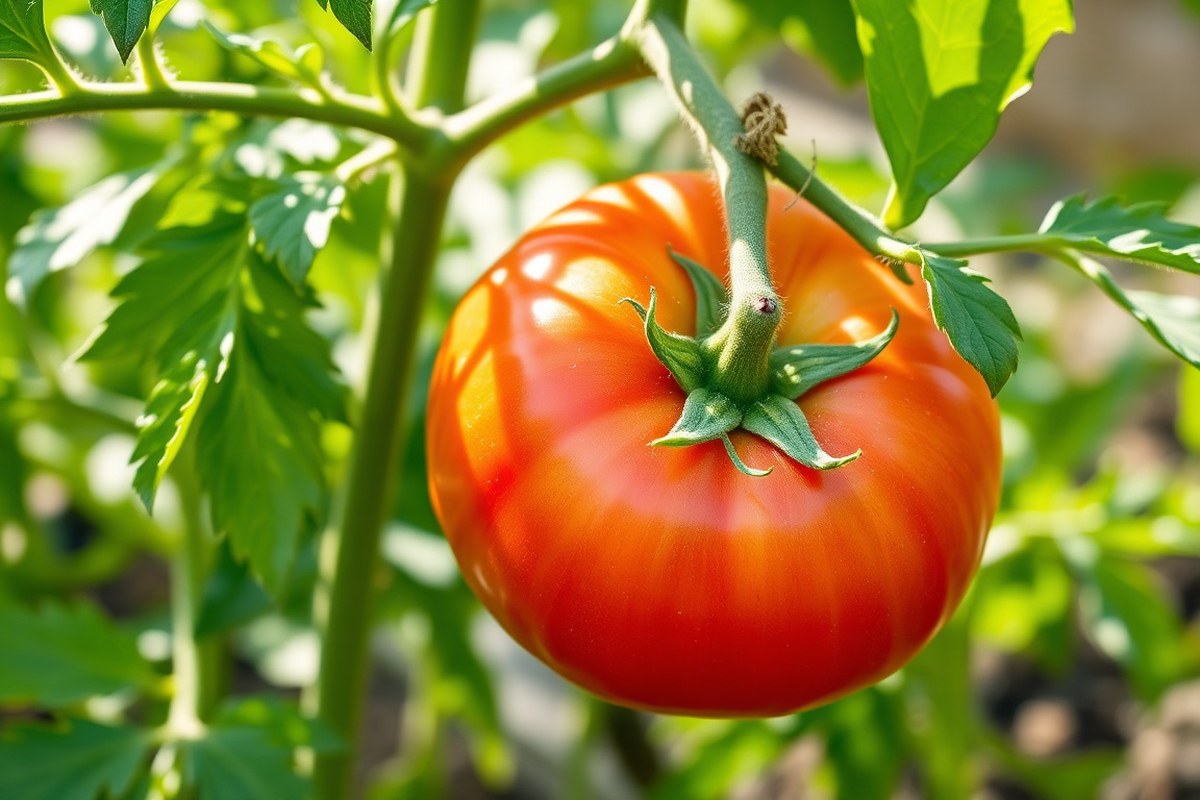
Figuring out how to grow large tomatoes starts with picking the right varieties. Some tomatoes naturally grow bigger, like Big Zac and Big Boy. These varieties produce fruits weighing between 1 and 6 pounds.
They are good choices if you want large tomatoes. Choosing these varieties gives you a head start on size right from the seed.
You also need to focus on soil quality and sun exposure. Tomatoes need full sun. They like 6 to 8 hours of sunlight daily.
They also need rich, well-drained soil to grow well. These conditions help your plants develop strong roots and healthy growth, boosting fruit size.
Starting your tomatoes indoors and protecting them as they grow makes a real difference. Proper transplanting and steady watering keep your plants stress-free.
So they concentrate on growing bigger fruits. Small steps like staking early can prevent damage and keep vines productive.
Key Takeaways
- Choose large-fruited varieties like Big Zac, Big Boy, or Brandywine for bigger tomatoes.
- Plant tomatoes in a spot with at least 6-8 hours of direct sunlight daily.
- Improve soil with compost and ensure good drainage before planting.
- Start seeds indoors 6-8 weeks before the last frost date for best growth.
- Water deeply and consistently to encourage large, juicy tomato fruits.
- Use sturdy stakes or cages early to support tall, heavy plants.
1. Choose the Best Large Tomato Varieties

Picking the right tomato variety is key to growing large fruits. Beefsteak tomatoes are famous for their big size and rich flavor. You want varieties matching your climate for best results and to avoid disease problems.
Indeterminate tomatoes like ‘Cherokee Purple’ grow tall. They produce big tomatoes. They do this over a long season.
Have a short growing season or cooler climate? Try ‘Early Girl.’’ It matures fast, about 50 days from planting, helping in cooler areas.
This table compares top large tomato types. It looks at climate and disease resistance. It also shows fruit size.
| Variety | Best For Climate | Disease Resistance | Fruit Size & Maturity |
|---|---|---|---|
| Beefsteak | Warm climates | Moderate | Large fruits, rich flavor, 70-80 days |
| Brandywine | Warm to moderate | Low | Very large, flavorful, 80-90 days |
| Early Girl | Cooler regions | High | Medium-large, fast maturity (50 days) |
| Cherokee Purple | Warm to moderate | Moderate | Large, rich color, ~80 days |
| Big Boy | Warm | Moderate | Large, 1-2 pounds each, 70-75 days |
Choose seeds or transplants from reliable sources to ensure healthy plants. Seed packets usually state the variety, maturity days, and type (indeterminate or determinate). Look for sturdy seedlings with no signs of disease or pests.
Matching your variety with your garden zone matters. For example, ‘Early Girl’ suits cooler areas with shorter summers. ‘Beefsteak’ and ‘Brandywine’ thrive in warm climates with longer growing seasons. Expect bigger tomatoes when growth isn’t rushed by cold temps or early frost.
2. Prepare and Improve Soil for Maximum Tomato Size

Tomatoes thrive in well-draining soil with lots of organic matter. Loamy soil that holds moisture but drains excess water works best. The ideal pH range sits between 6.0 and 6.8, which lets roots absorb nutrients well.
First, test your soil pH using a simple kit from a garden center. When the pH is below 6, you need to act quickly.0, add lime to raise it.
For pH above 6.8, sulfur or peat moss can help lower it. Apply these amendments 2 to 3 weeks before planting for best effect.
Add 2 inches of compost or aged manure to the soil. Mix it into the top 6 to 8 inches well. This boosts fertility and improves texture.
Compost helps sandy or heavy clay soil hold water better. It also improves drainage in tough soil types.
Adding organic matter supports beneficial soil microbes that keep plants healthy. Organically rich soil provides needed nutrients for bigger tomato fruits. Keep compost fresh by adding it annually before the growing season.
Besides compost, adding a slow-release fertilizer at planting time feeds tomatoes through their growth. Products made specifically for tomatoes usually include calcium, which prevents fruit cracking. Follow package directions to avoid overfeeding, which can promote leafy growth instead of fruit.
Clay soils tend to hold too much water, leading to root problems. Mix in coarse sand and organic matter to loosen the soil and boost drainage. For sandy soils that dry quickly, extra compost helps retain moisture without suffocating roots.
Do not plant tomatoes too shallow. Bury stems deeply to encourage strong root systems that fuel big fruits.
3. Start Seeds Indoors and Harden Off Transplants Correctly
Start tomato seeds indoors 6 to 8 weeks before the last frost. This timing helps your plants grow strong. It gives seedlings a good head start.
You need strong light and the right temperature for seedlings to thrive. Gradually hardening off transplants prepares them for outdoor planting and reduces shock.
Optimal Timing for Seed Starting
Start seeds indoors 6 to 8 weeks before your area’s last frost date. This gives seedlings enough time to grow sturdy before moving outside. Plant seeds in small pots or seed trays with seed-starting mix.
Starting seeds too late makes seedlings thin and weak. They stretch and lose strength.
Early sowing helps them develop healthy roots and thicker stems. Avoid sowing after the last frost date; instead, buy transplants at that point.
Using Grow Lights for Strong Seedlings
Seedlings need strong light to avoid spindly growth. Place them under grow lights 14 to 18 hours each day. Ideal light sources include fluorescent or LED grow lights placed a few inches above the leaves.
Keep the room temperature between 65 and 75 degrees Fahrenheit for best seedling growth. A consistent temperature speeds germination and encourages thick, vigorous plants. Warmth and light combined help seedlings develop well before transplanting.
Hardening Off Transplants Before Planting Out
Hardening off means slowly adjusting seedlings to outdoor conditions. Do this 7 to 10 days before planting. It reduces transplant shock and helps plants handle wind, sun, and temperature changes.
Start by putting seedlings outside for just an hour or two in a shaded spot. Increase their outdoor time by one to two hours daily. Move them to full sun gradually and watch for stress signs like drooping.
- Set your seed-starting date 6 to 8 weeks before the last frost.
- Fill seed trays with moist seed-starting mix and plant seeds about ¼ inch deep.
- Place trays under grow lights set to run 14 to 18 hours each day.
- Keep the room temperature steady between 65 and 75 degrees Fahrenheit.
- Begin hardening off seedlings two weeks before planting. Put them outside for 1-2 hours in shade. Increase the time outside gradually.
- Each day, increase outdoor exposure by 1-2 hours, moving seedlings slowly into sun.
- After 7 to 10 days, transplant seedlings outside into prepared soil when nights stay above 50°F.
4. Water Deeply and Consistently for Bigger Fruits
Tomatoes need deep, steady watering to grow large fruits. Water once a week with 1 to 2 inches of water. The amount depends on your soil type.
Adjust as needed to keep soil moist. Sandy soils dry faster, so they may need more frequent watering than clay soils.
Check the soil moisture by sticking your finger 2 inches deep into the soil. Check the soil this deep.
When it feels dry, water again. Keeping the soil evenly moist prevents the fruit from cracking or becoming small due to stress.
Use drip irrigation or soaker hoses instead of overhead watering. This method sends water straight to the roots. It keeps leaves dry.
This reduces the chance of disease. Avoid watering in the heat of the day to reduce evaporation and leaf damage.
Deep watering helps roots grow downward, making plants stronger and better at accessing water. Shallow, frequent watering keeps roots near the surface, which can cause stress during dry spells. Let water soak slowly to avoid runoff and wasted water.
Uneven watering leads to growth cracks and smaller tomatoes. Fruits split if soil dries out too much. Then it suddenly gets very wet.
This makes fruits swell fast and crack. Maintain consistent moisture, especially during fruit development, to avoid this problem.
Blossom end rot often results from irregular watering or calcium deficiency. Watering deeply and regularly helps plants take up calcium properly, reducing this common issue. Mulching around plants also keeps soil moisture even and saves time on watering.
Hand watering can work if you’re home daily. But an automated drip system is best for consistent moisture.
These systems cost around $30 to $50 for a basic setup but save time and water. Regularly check for clogged emitters or leaks to keep the system efficient.
Just before harvest, reduce watering for a day or two. This step concentrates flavors and helps the tomatoes finish ripening perfectly. Avoid drastic water cuts that cause stress and smaller fruits, sticking to light reductions only.
5. Prune and Train Tomato Plants for Maximum Size
Pruning tomato plants helps direct their energy to fewer, larger fruits. Removing suckers and some leaves lets the plant focus on growing big tomatoes. Training the plants with stakes or cages supports heavy fruit as it grows.
Timing and Method of Pruning Suckers
Start pruning suckers once they show up in leaf axils. These grow between the main stem and the branches. Remove them early to keep the plant healthy.
Pinch or cut these small side shoots when they are less than 2 inches long. Doing this weekly trains the plant to focus on flowers and fruits instead of extra foliage.
Indeterminate tomato varieties especially benefit from pruning suckers. Giant tomato plants need more aggressive, regular pruning to get energy into big fruit development.
Avoid removing all suckers though. Leaving one or two strong leaders can help balance growth.
- Check tomato plants every 5 to 7 days during the growing season.
- Locate suckers in the stem and leaf axils.
- Pinch or snip suckers under 2 inches using fingers or clean snips.
- Leave one or two suckers if you want multiple fruiting stems.
- Repeat pruning weekly to maintain focus on fruit growth.
Removing suckers early is easier and reduces plant stress, so prune often.
Removing Unnecessary Foliage for Energy Focus
As fruits start to develop, remove lower leaves to improve air flow and reduce disease risk. Lower leaves often shade fruits and waste the plant’s energy. Clearing this foliage directs more nutrients to fruit growth higher up.
Trim leaves cautiously so you don’t expose fruits to too much sun, which can cause sunscald. Removing too many leaves at once can stress the plant, so do this gradually. Use sharp, clean pruners to make neat cuts close to branches.
Installing Supports Early for Large Heavy Fruits
Put stakes or cages in place soon after transplanting. Waiting to install supports risks damaging roots and soil by pushing them around later. Tall stakes of at least 5 feet work well for giant tomato plants.
Training the plant to grow upright supports heavy fruit and keeps tomatoes off the ground. Tie the stems loosely using garden twine or cloth strips. Check the ties every week as the plant grows.
Looser ties stop stem damage and let them expand. This approach lowers the chance of broken branches from weight or wind.
6. Use Fertilizers and Nutrients to Boost Fruit Size
Tomatoes need a steady supply of nutrients to grow large, juicy fruits. A balanced fertilizer has equal parts nitrogen, phosphorus, and potassium. It works best early in the tomato’s growth.
Use this type to support healthy roots and leaves. Shift to a formula higher in potassium as plants start to flower and set fruit. This helps promote fruit development rather than just leaf growth.
Too much nitrogen causes lush leaves but small fruits. Use fertilizer with a moderate NPK ratio before fruiting starts. Then switch to low nitrogen and higher potassium.
This helps fruit develop well without excess leaf growth. Timing your fertilization is key. Feeding every two to three weeks during the season supports steady growth without overwhelming the plants.
Here’s a simple fertilization schedule with examples of fertilizer types to use at each stage. Follow the package instructions for how much to use.
Usually, it’s 1 to 2 tablespoons per plant. The amount depends on how strong the product is.
| Growth Stage | NPK Ratio | Fertilizer Type | Purpose |
|---|---|---|---|
| Early Growth (Seedling/Transplant) | 10-10-10 | Balanced granular fertilizer | Supports root and leaf development |
| Pre-Flowering | 5-10-10 | Lower nitrogen, higher phosphorus and potassium | Encourages flower formation |
| Fruit Set to Harvest | 3-5-10 | High potassium organic fertilizer (e.g., tomato food) | Boosts fruit size and quality |
Mix fertilizer into soil about 2 inches away from the stem. This helps avoid burning the roots with fertilizer chemicals. Always spread fertilizer evenly around the base.
Water well after applying fertilizer to help nutrients reach the roots. Using slow-release or organic fertilizers can reduce the chance of nutrient burn.
The costs vary by type. Granular balanced fertilizers cost about $10 to $15 for a 5-pound bag. This amount can feed many tomato plants.
It’s a budget-friendly option for home gardeners. Organic options like tomato-specific food tend to cost more but often improve soil health.
Check your plants for signs of too much nitrogen. Dark green, lush leaves without enough flowers or fruit can signal overfeeding. Adjust fertilizer to balance growth and fruiting.
Adjust fertilizer type and timing if you notice this. Proper nutrient balance pays off with larger, better-flavored tomatoes.
7. Thin Fruits and Manage Plant Load for Giant Tomatoes
- Check the plant when the first fruits form, usually about two weeks after flowering.
- Identify the largest, healthiest fruits to keep on each truss or branch.
- Remove the smaller or damaged fruits by gently pinching them off between your fingers.
- Limit each healthy branch to one or two tomatoes, depending on the plant’s strength.
- Repeat thinning every week as new fruits start to develop, especially in early summer.
- Support the remaining fruits with ties or cages to reduce stress and prevent cracking.
- Harvest some fruits at the breaker stage to reduce load and help the rest grow larger.
Thinning fruits lets the plant focus energy and nutrients on fewer tomatoes. This leads to bigger, juicier fruits instead of many small ones crowded on the vine.
Keep just 3 to 5 fruits per average tomato plant for the largest sizes. Vigorous varieties may handle a few more, but too many fruits reduce size.
Start thinning soon after the fruit sets, before they grow bigger than a marble. Removing fruit later wastes effort and risks damaging the plant.
Watch how the remaining tomatoes develop size and color over the next few weeks. If fruits start cracking or getting pale, you may need to adjust watering or remove another small one.
8. Prevent Diseases and Pests That Limit Tomato Growth
Tomato growth can slow or stop if diseases and pests attack the plants. Watch for signs like spots, wilting, or holes on leaves and fruit. Early action stops damage, helping your tomatoes grow large and healthy.
Common Tomato Diseases That Stunt Growth
Early blight causes dark spots on lower leaves and yellowing around the spots. It spreads quickly in warm, wet weather and weakens plants, limiting fruit size.
Powdery mildew shows up as white, powdery patches on leaves. It reduces photosynthesis, making plants weaker and smaller.
Tomato spotted wilt virus causes stunted growth, distorted leaves, and fruits with brown spots. This virus spreads through thrips and often kills plants or ruins fruit. Removing infected plants stops the virus from spreading to healthy ones.
Check plants regularly for spots, yellowing, or leaf distortion. Removing affected leaves and applying fungicides approved for tomatoes can reduce early blight and powdery mildew. Do not apply fungicides during hot midday sun to avoid leaf burn.
Pests That Damage Fruit and Leaves
Tomato hornworms are large green caterpillars that eat leaves and fruit, harming growth. Aphids cluster on new shoots and suck plant juices, weakening the plant and causing curled leaves. Whiteflies gather on leaf undersides and spread diseases while reducing plant vigor.
Look for chewed leaves, sticky residues, or tiny flying insects early in the morning. Planting basil, dill, or cilantro near tomatoes attracts wasps that hunt hornworms naturally. This cuts down hornworm numbers without chemicals.
Handpicking hornworms and spraying insecticidal soap on aphids and whiteflies can control them. Repeat sprays every 5 to 7 days until pests disappear. Avoid broad-spectrum pesticides that kill beneficial insects helping control pests.
Integrated Pest Management Strategies
Start with healthy soil and good air circulation to reduce disease risk. Water tomatoes at the base, not on leaves, to keep foliage dry and avoid fungal growth. Use mulch to prevent soil spores from splashing onto leaves after rain or watering.
Change your tomato spot each year in the garden. This helps stop diseases and pests in the soil. Rotating plants keeps your tomatoes healthier.
Use disease-resistant tomato varieties for fewer problems and bigger harvests. Combine natural predators, proper pruning, and careful monitoring for lasting control.
Spot troubled leaves early and remove them quickly to protect your whole crop.
Step-by-Step Action Plan for Growing Large Tomatoes
Follow these steps to get big, healthy tomatoes. Each step includes signs that you’re on the right track.
- Before planting: Select a large-fruited variety like Brandywine or Big Boy. Healthy seeds or seedlings should look vibrant with no spots.
- Two weeks before planting: Improve soil by mixing in compost and testing pH. Soil should be loose, dark, and drain well.
- Day 1 (indoors): Start seeds in trays with seed-starting mix. Seedlings should sprout in 5 to 10 days.
- Week 3: Harden off seedlings by moving them outside for 2 hours daily. Leaves feel tough and plants stand up straight.
- Planting day: Set tomatoes deep in soil and water thoroughly. Plants should look firm and perk up quickly.
- Weekly: Water deeply and consistently, aiming for 1 to 2 inches per week. Leaves stay green, and fruit grows steadily.
- After plant reaches 12 inches: Prune side shoots and tie plants to supports. You’ll see better airflow and sturdier stems.
- Every 2 weeks: Feed plants with a balanced fertilizer high in phosphorus. Leaves stay vibrant, and fruit size increases.
- When fruits form: Thin fruit clusters to two or three per cluster. Remaining tomatoes grow larger and ripen evenly.
- All season: Watch for pests and diseases, remove any unhealthy leaves promptly. Plants stay strong and productive.
Frequently Asked Questions
What Is the Best Time of Day to Water Tomato Plants?
Early morning is best to water tomato plants. This helps leaves dry and prevents diseases. Avoid evening watering to reduce fungal risks and fruit cracking.
Can I Grow Large Tomatoes in Containers?
Yes, large tomatoes can grow well in big containers. Use at least a 5-gallon pot with good drainage and rich soil. Container-grown plants need more frequent watering and feeding.
How Do I Know When Large Tomatoes Are Ripe?
Large tomatoes are ripe when they feel slightly soft and smell sweet. Color depends on the variety, so learn your type’s ripe look. Avoid picking early to get full flavor and size.
Does Staking Help Tomatoes Grow Bigger?
Staking supports vines and improves air circulation. This reduces disease and lets plants focus energy on fruit. Tie vines loosely to prevent damage while keeping them upright.
Why Do Some Large Tomatoes Crack?
Cracking happens from inconsistent watering or heavy rain after drought. Water evenly to keep soil moist during the growing season. Protect fruits from sudden water changes for smooth skin.
Can Mulch Help Grow Larger Tomatoes?
Mulch keeps soil moisture steady and reduces weeds around tomato plants. This stable environment supports steady growth and bigger fruits. Use organic mulch like straw or shredded leaves for best results.
Final Thoughts
Big tomatoes need steady care from seed to harvest. Start by picking a top large variety and preparing your soil well. Next, plant, prune, and feed your tomatoes carefully for the best results.