How to Plant a Coconut: Complete Steps and Tips for Successful Growth
Immerse the coconut seed in warm water for 2 to 3 days before planting. This helps hydrate the seed and loosen the shell for easier sprouting. Plant it only after roots reach 6 inches and the sprout is about the size of a finger.
Plant the seed in a warm spot with temperatures between 22 and 30°C. Make sure it gets 6 to 8 hours of sunlight daily for healthy growth. Avoid areas where temperatures drop below 16 to 18°C.
Make a hole 1 to 2 feet deep and wide enough for the seedling. For indoor growth, pick a pot at least 10 inches deep and wide enough for the coconut. Place it somewhere warm, sunny, and well-drained to thrive.
Key Takeaways
- Soak the coconut seed for 2 to 3 days to prepare it for planting.
- Plant the seed only when the roots reach about 6 inches long.
- Use a warm location with temperatures above 16°C for best growth.
- Ensure the coconut seed gets 6 to 8 hours of direct sunlight daily.
- Dig a hole 1 to 2 feet deep and wide for the seed.
- Use a container at least 10 inches deep when planting indoors.
How to Prepare and Plant a Coconut Seed
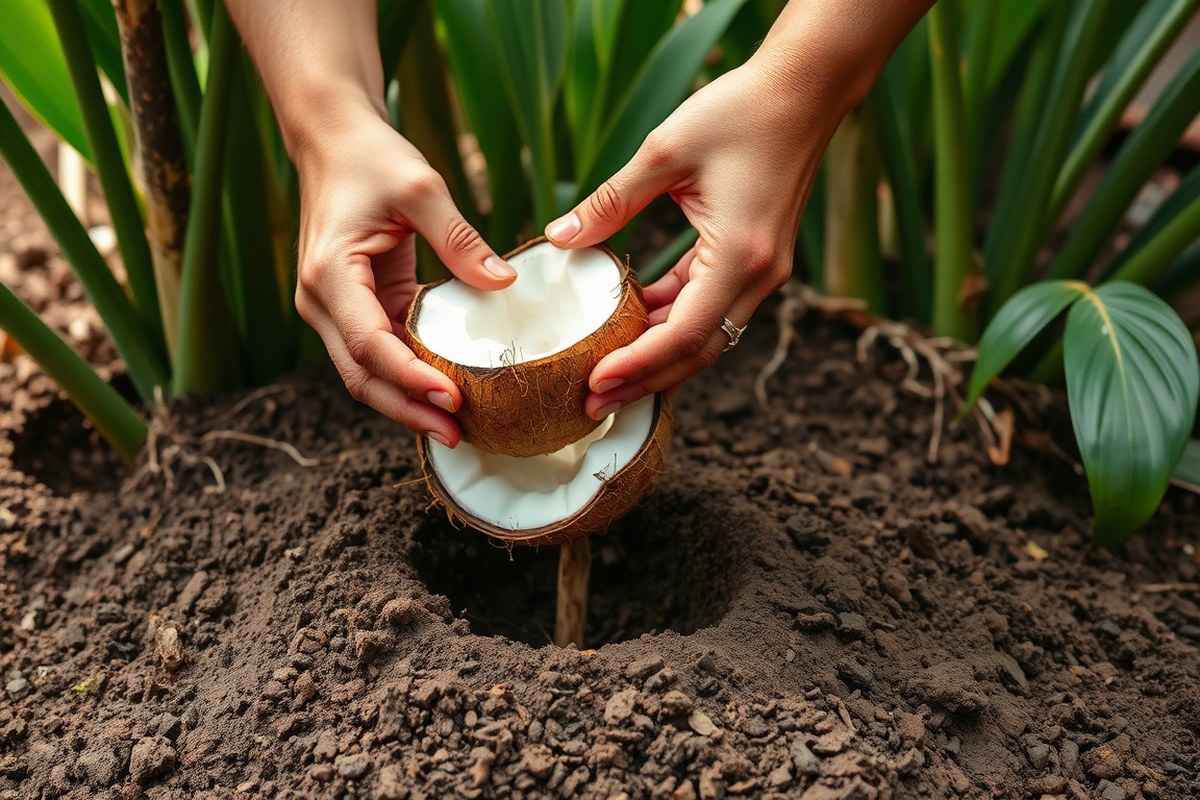
You want a fresh coconut with the husk still on. This gives it the best chance to grow. Avoid coconuts that are dry or cracked.
The husk holds moisture and protects the seed inside. Avoid coconuts that are dried out, cracked, or very light. These might be too old or damaged to sprout well.
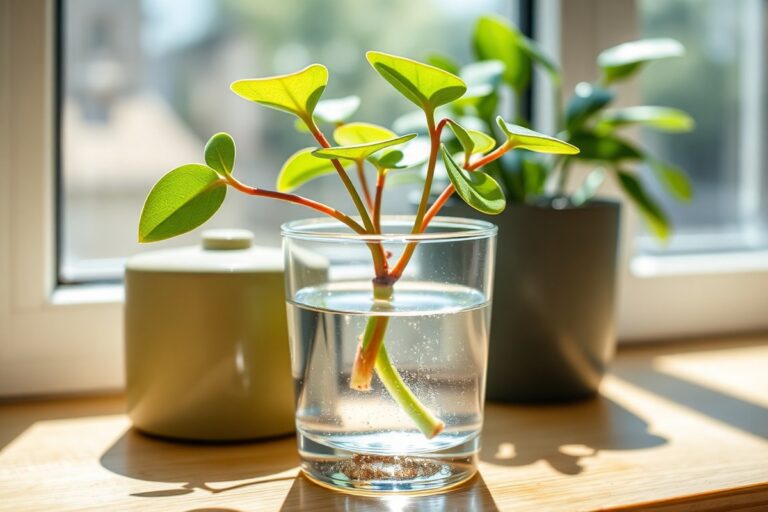
Before planting, you should soak the coconut to soften the husk and help it start sprouting. Use warm water and keep the coconut submerged for 2 to 3 days. A weight can help keep it underwater during soaking.
Check the coconut after soaking. The coconut is ready to plant when the sprout is 3 inches long. Or if the root reaches about 6 inches.
Check both for healthy growth signs. Planting too early or too late might slow germination or stunt growth.
Prepare a hole 1 to 2 feet deep and wide enough for the coconut seed. This size gives room for roots and is easy to cover. Plant the coconut with the sprout pointing up.
Cover most of the seed with soil. Leave the top part of the seed exposed. You should not remove the husk; it provides essential protection and nutrients.
- Select a fresh coconut with the husk still on and no visible cracks.
- Fill a bucket with warm water and fully submerge the coconut for 2 to 3 days.
- Check the sprout or root length. Wait until the sprout is about 3 inches long.
- Dig a hole 1 to 2 feet deep and wide enough to fit the coconut comfortably.
- Place the coconut in the hole with the sprout facing upward.
- Cover the coconut lightly with soil, leaving the top exposed.
- Give the planted coconut 1 to 2 gallons of water immediately after planting.
Choosing the Best Location and Soil Conditions
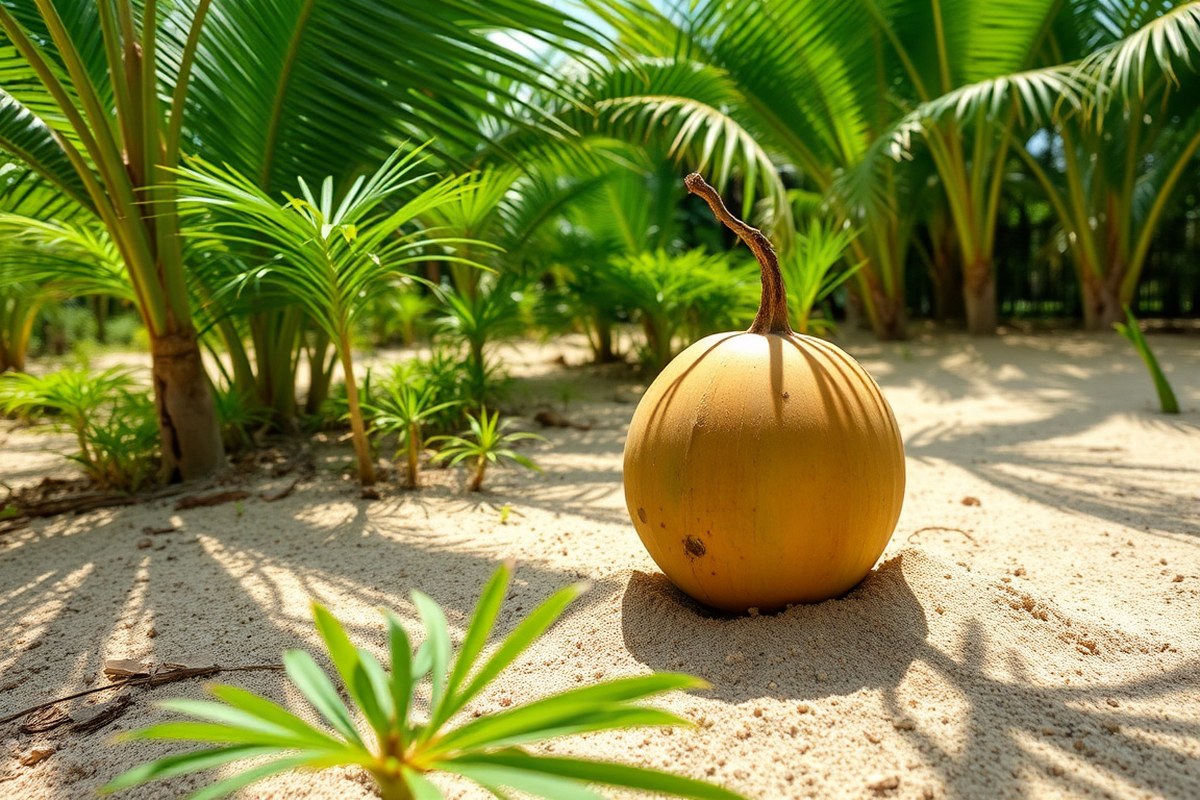
Choose a warm area with no frost for planting your coconut tree. Zones 10 to 12 or tropical regions work best, with temperatures above 70°F. Plant in spring or early summer when soil is moist to help roots grow strong.
Coconuts need full sun with at least six to eight hours of direct light. Choose a place where the tree won’t be shaded by buildings or taller plants. This sunlight supports healthy growth and boosts the chance of fruit production.
Look for sandy, well-draining soil to avoid waterlogging. Add agricultural lime to your soil to raise pH above 5 if it is acidic.5.
For alkaline soil above pH 8, mix in elemental sulfur to lower it. Heavy clay soils need sand and compost to improve drainage.
Clear the ground of any rocks or compacted dirt and level the surface. Dig a hole big enough for the seedling’s root ball or coconut base. Make sure the top sits at the soil surface.
This helps the plant establish properly. Backfill with your original soil and water generously right after planting.
Coconut palms can grow up to 80 feet tall and spread wide crowns. Leave a space of at least 30 feet between each tree.
This distance helps them grow without crowding or competition. This spacing also helps air circulation to reduce disease risks.
Growing a coconut in a large container can work in cooler areas. It gives you control over warmth and soil conditions for the palm. Use well-draining soil and keep it in a sunny spot outdoors during warm months.
Bring the container indoors to avoid frost damage in winter. But keep in mind fruiting is unlikely indoors.
Pick a planting spot with full sunlight and sandy soil that drains well. Good drainage helps prevent root rot and keeps palms healthy.
How to Germinate a Coconut Seed Successfully
To germinate a coconut seed successfully, pick a mature coconut with full internal moisture. Plant it in warm, humid conditions with at least 70% humidity.
Germination typically starts between three to six months. Patience is key during this slow process.
Typical Germination Timeline
Under ideal conditions, expect your coconut to start sprouting in about three months. It can take up to six months if humidity or temperature isn’t perfect.
Warmth and moisture speed up germination. So keep the seed in a spot that stays moist and warm.
Once the seed sprouts, it will slowly break through the husk and send up a shoot. By the end of the first year, your palm can grow tall. It can reach 2 to 3 feet.
That means good growth for a young tree. The early growing pace depends largely on the surrounding environment and care.
Indicators of Successful Sprouting
A healthy coconut will stay heavy and sink in water, showing good moisture inside. When the seed floats, it usually means it’s dry or rotten. It won’t sprout or grow well.
Look for cracks in the shell or a green shoot. These signs show the seed is sprouting. Check carefully to know it’s alive.
Keep an eye on the “eyes” of the coconut. These should face upwards when planted.
The appearance of a shoot and roots from the eyes signals the seed is alive. Avoid planting coconuts that feel hollow or show mushy spots as these usually fail to sprout.
Troubleshooting Germination Issues
Sometimes coconuts take longer to sprout, especially if humidity drops below 70%. Wrap the seed in moist burlap to keep it damp. Or put it inside a plastic bag to hold moisture.
Either way helps germination. Avoid letting it dry out because low moisture often causes germination failure.
Rot is another problem if the seed stays too wet or sits in standing water. Plant your seed in well-drained soil or raise it slightly to prevent waterlogging.
When you see mold or smell decay, throw away the seed. Get a fresh seed to try growing.
Germinating Store-Bought vs. Fresh Coconuts
Store-bought coconuts often lack the moisture and maturity needed for successful germination. They may have been picked too early or dried out during shipping. It’s better to use fresh coconuts collected directly from the tree for planting.
Try this to check if a store-bought coconut works. Drop it in water and see if it sinks.
Regardless, expect a longer wait and lower success rate. Fresh, mature coconuts from a trusted source improve your chances of strong, healthy seedlings.
Planting Coconuts in Containers Versus Ground
Growing a coconut tree in a container versus planting it in the ground has clear differences. Containers limit root space but allow moving the plant indoors. Ground planting supports natural root growth and stability but can be harder to control environment.
Container Size and Soil Recommendations
Choose a container at least 30 to 40 cm wide and deep. The pot should have a drainage system to avoid waterlogged soil. Use cactus or palm potting soil for good drainage and aeration.
Soil in containers dries out faster. So a well-draining mix helps coconut roots stay healthy.
Ground planting lets roots spread without limits. Good ground soil includes well-drained sandy loams or coastal sandy soils.
Watering and Drainage Differences
Water container-grown coconuts more often since pots dry quickly. Drainage holes prevent root rot by letting excess water escape. In the ground, water deeply but less often, depending on rainfall.
Coconuts like moist soil but not soggy conditions. Containers need you to check moisture daily, especially in hot or dry weather. Ground plants rely more on natural rain and soil’s water-holding capacity.
Growth Expectations in Pots vs. Ground
Coconuts have limited root growth in pots, which slows overall size and fruit-bearing potential. They can live in containers for several years if space and light are sufficient. In the ground, trees can grow up to 50 to 100 feet tall.
Mature coconuts fruit best when planted in soil. Container palms often remain smaller and may not produce coconuts or flower well. Still, potted palms make great tropical houseplants or patio features.
| Feature | Ground Planting | Container Planting |
|---|---|---|
| Root Growth | Unlimited expansion | Restricted to pot size |
| Stability | Naturally wind-resistant | May require staking or heavy pots |
| Climate Control | Subject to local weather | Can be moved indoors |
| Maintenance | Low frequency repotting | Requires annual nutrient refresh |
This table summarizes key differences. Ground planting suits large, fruiting palms. Containers offer control but need more care.
Transplanting from Containers to Soil
Transplant coconuts from pots to the ground when roots fill the pot. Make sure the plant is strong enough. This will help it grow better outdoors.
Aim to move trees early in growth to limit transplant shock. Dig a hole as wide and deep as the root ball.
Plant the tree in the hole. Water the tree well after planting it.
Choose a planting time with moderate weather to help the tree settle. Transplanting in cooler months reduces watering needs during establishment. After moving to soil, the coconut has room to grow tall and fruit.
Watering, Fertilizing, and Maintenance for Young Palms
Your young coconut tree needs regular watering to stay healthy. Pour about two buckets (16 liters) of fresh water around the base each time. Do this every few days during dry spells to keep the soil moist but not soaked.
Fertilize the palm every 3 to 4 months. Use a balanced fertilizer. Make sure it is rich in potassium and magnesium.
These nutrients support strong root growth and healthy fronds. Spread the fertilizer evenly under the canopy, then water it in to help absorption.
Applying mulch around the young tree helps retain moisture and stop weed growth. Use organic mulch like coconut husks or dry leaves. Spread a 2-3 inch layer.
Cover the area around the trunk’s base. Keep mulch a few inches away from the trunk to avoid rot.
Pruning isn’t usually needed for young plants. But remove any dead or yellow fronds to keep the tree tidy.
Avoid cutting green fronds because they fuel growth and food production. Young palms can be staked to protect them from strong winds until firmly rooted.
Water freshly planted coconuts deeply and regularly during the first year. This helps roots settle well. It also prevents drying out.
Common Pests, Diseases, and How to Protect Your Coconut
Young coconut palms often face pests like the coconut rhinoceros beetle, scale insects, and rats. These pests can damage the trunk, leaves, or nuts, slowing growth or killing the tree. Mature palms can get leaf blight, root rot, and bud rot.
These fungal diseases hurt the palm’s health. They also reduce fruit production.
Prevention matters a lot. Plant your coconut tree where it gets 6 to 8 hours of sunlight. Direct sunlight every day helps palms grow strong.
This keeps them healthy. Use sandy, well-drained soil with a pH between 5.5 and 8 to avoid root rot. Avoid spots with poor drainage or cold snaps below 32°F, which can stress the tree.
To prevent rot and mold during germination, keep your coconuts spaced apart. This stops fungal spread if one seed spoils. Water regularly but make sure excess water drains away quickly.
Young palms grow slowly and need steady warmth to do well. Plant them in spring or early summer for best results. This time keeps temperatures warm enough.
Protect young trees by checking often for pests. Use insecticidal soap or neem oil for small infestations of aphids or spiders.
For larger threats like rhinoceros beetles, consider physical barriers or traps to reduce damage. Rats can be deterred by removing nearby debris and fallen nuts where they hide.
Mature palms benefit from regular fertilizing, which keeps them resilient. Watch for signs like brown, dry leaves or wilting, which suggest disease or pest issues. Removing affected fronds and applying copper-based fungicides can control fungal infections like bud rot.
Keeping palms spaced at least 20 feet apart helps air circulate and lowers disease risk. Moderate coastal breezes under 20 mph support leaf health without causing breakage.
These protective habits will save you time and money on treatments. Regular monitoring and quick action stop small problems from getting out of hand.
When to Transplant and How to Handle Different Climates
Transplant your coconut seedling once it shows steady leaf growth and roots fill the container. Cooler or drier climates require special care like protection from cold and adjusted watering. Space young palms wider in windy areas to prevent damage.
Signs a Coconut Seedling Is Ready to Move
A coconut seedling usually needs transplanting after 6 to 12 months. Look for root growth coming out of the nursery pot’s drainage holes.
The seedling needs 3 to 5 leaves before moving it. Move it to a bigger pot or the ground then.
Handle the roots carefully to avoid damage during transplanting. Water the seedling a day before you move it to reduce stress. Once planted, give it 1 to 2 gallons of water immediately to help settle the soil.
Protecting Young Trees in Non-Tropical Climates
Coconut palms struggle below 50°F. So keep seedlings indoors or in a greenhouse if you live in cooler zones. Use grow lights if sunlight is weak and maintain temperatures above 60°F to prevent shock. Cover outdoor plants with frost cloths or bring them inside during cold spells.
Indoor coconut palms need sufficient humidity, so mist leaves regularly or use a humidifier. Avoid placing them near drafts from windows or air conditioning vents. These steps help mimic the warm, humid conditions coconuts prefer.
Adjusting Water and Spacing in Challenging Environments
In dry climates, water coconut seedlings every four days with about 45 liters during summer. Use rainwater if possible because it is softer and closer to their natural tropical water. Reduce watering in cooler months as the seedling’s metabolism slows to avoid root rot.
Plant coconut trees 25 to 30 feet apart in windy spots. This space helps prevent trunks from breaking.
In small yards, pick a dwarf variety and prune regularly to keep the palm compact. Proper spacing improves air flow and reduces wind damage risk.
Timeline to Growth and Coconut Harvesting Expectations
Your coconut tree should start producing its first fruits about five to seven years after planting. Early on, expect slow growth while the seedling establishes roots.
By the third year, the tree grows taller and stronger. It develops more fronds and reaches 6 to 9 feet high.
After about five years, you’ll notice flowers forming, leading to the first coconuts. In tropical conditions, a mature coconut palm can exceed 65 feet tall.
But trees planted in containers will stay around 6 to 10 feet. The fruiting period lasts decades if you provide steady care and good sunlight.
Harvest coconuts when their husks turn brown or golden, signaling ripeness. Use a pole or climb carefully to pick the nuts. Do not cut green coconuts unless you want fresh water.
Tender meat comes from green coconuts. Mature nuts store more oil and dry copra.
Be safe when harvesting from tall coconut trees. Use proper tools or get help. Avoid falls at all costs.
Repeat harvesting every few months, as coconuts grow year-round in warm climates. Watch for signs of disease or pests during fruiting to keep yield steady. Well-maintained trees will produce nuts steadily for many years, making the initial wait worthwhile.
Step-by-Step Action Plan for Growing Your Coconut Tree
Start your coconut planting journey with these clear steps. Follow the timing to see progress and adjust as needed.
- Before you start: Soak your coconut seed in water for 2 days. It should feel heavier and soften slightly.
- Week 1: Plant the soaked seed in loose, sandy soil about half-buried. Check that the sprout faces upward.
- Weeks 2-4: Water the seed every day to keep soil moist but not soggy. The sprout begins showing in this time.
- Month 2: Fertilize with a balanced palm fertilizer every 4 weeks. Watch for healthy green leaf growth.
- Month 3: Move your young palm to a larger container or outdoors if climate suits. Avoid root damage.
- Month 4-6: Keep watering regularly and watch for pests like mites or scale. Use mild insecticidal soap if needed.
- Year 1: Check soil drainage and adjust watering to avoid root rot. Your tree should reach 3-5 feet tall.
- After Year 2: Start training your tallest, strongest palms. Do this only if your climate stays warm and sunny all year. This will help them produce fruit.
Frequently Asked Questions
Can You Grow a Coconut from a Coconut?
Yes, you can grow a coconut palm from a fresh coconut seed. Make sure the coconut still has its husk.
Wait for roots and shoots to grow. Plant it only after you see new growth.
How Long Does It Take to Grow a Coconut Plant?
It usually takes about six months to see a sprout after planting. The palm grows 2 to 3 feet in its first year. It needs several more years to start bearing fruit.
Can I Plant a Store-Bought Coconut?
You can plant coconuts from the store if they have husks. Also, make sure they show sprouts before planting. Avoid dry or fully opened coconuts without the husk for better chances.
What Is the Best Month to Plant Coconut?
Plant coconuts during the warmest months with high humidity, typically spring or early summer. Warm weather helps the seed germinate and grow faster.
How to Plant a Coconut?
First, soak a whole coconut with the husk in water for 2-3 days. Then place it on moist soil, leaving the top exposed. Water often and watch for sprouting in a few months.
Can Coconut Palms Grow Indoors as Houseplants?
Yes, but they need a large pot at least 10 inches deep and good sunlight. Indoor palms won’t fruit but make nice decorative plants.
Final Thoughts
Planting a coconut starts with good seed care and steady attention. Keep the soil moist and watch your palm grow. Now, check the age and condition of your coconut seed and get started today.