Is Horse Manure Good for Vegetable Gardens? What Actually Works
Horse manure benefits vegetable gardens by supplying key nutrients. It contains nitrogen, phosphorus, and potassium essential for plant growth.
These nutrients help build healthy soil and support strong vegetables. Also, horse manure adds organic matter, which improves soil texture and water retention.
But you need to compost it first. Fresh horse manure can burn your plants and may contain harmful pathogens.
Proper composting breaks down the manure, making it safe and more effective for your garden soil. This process usually takes two to six months depending on temperature and pile management.
Compost the manure thoroughly before use. Then spread a thin layer evenly across your garden beds.
Mix it well into the soil after spreading. This helps improve soil structure and boosts nutrient levels without overwhelming your plants.
Key Takeaways
- Always compost horse manure for at least 3 to 4 months before use.
- Aim for compost temperatures of 130°F to kill pathogens and weed seeds.
- Apply no more than 20 pounds of composted manure per 100 square feet.
- Use 1 to 2 inches of aged manure for best results. Mix it into the top 6 to 12 inches of soil. This helps improve nutrition and soil texture.
- Use horse manure compost in fall or early spring for best results.
- Side dress vegetables during growing season with a light composted manure layer.
Is Horse Manure Beneficial for Vegetable Garden Soil?
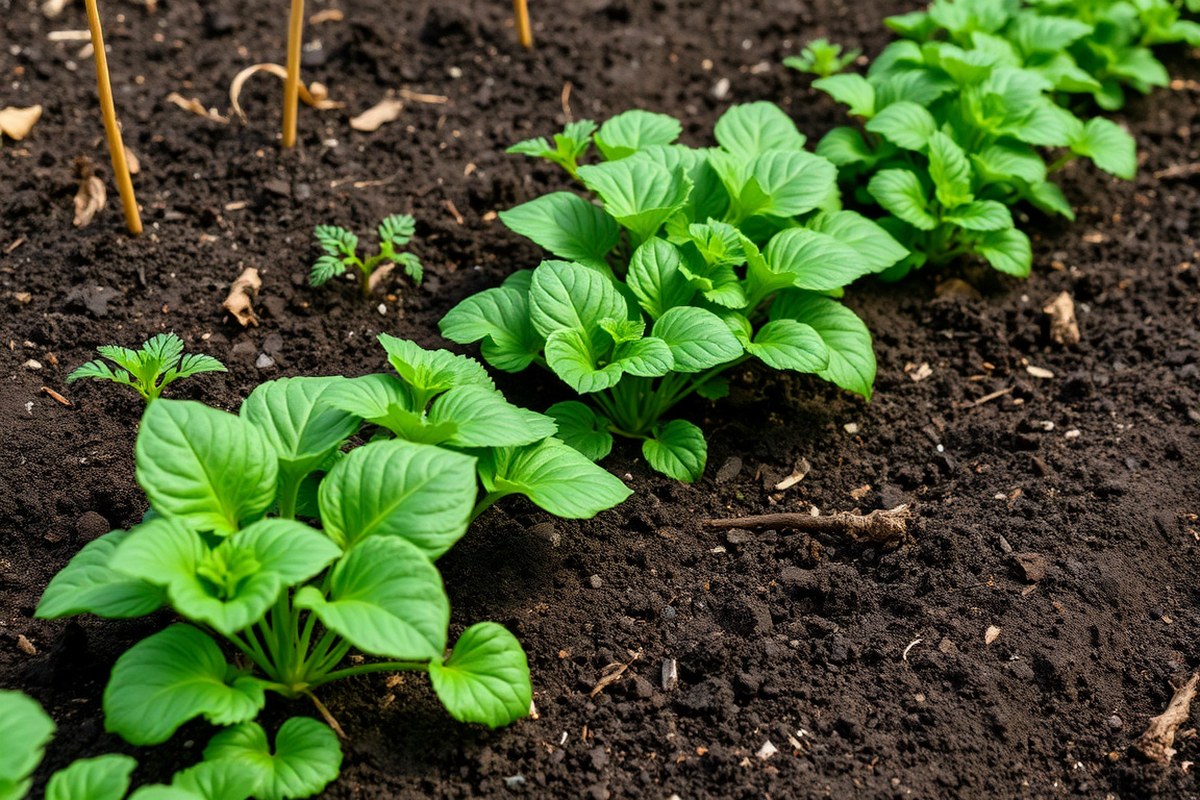
Horse manure is good for vegetable gardens when composted properly. It supplies key nutrients like nitrogen, phosphorus, and potassium. These help plants grow strong.
They also boost crop production. This manure’s nutrient balance makes it a natural fertilizer and soil conditioner without being too harsh.
Adding composted horse manure improves soil texture and fertility. Organic matter from the manure makes clay soil looser and sandy soil hold water better. It also feeds beneficial microbes that break down organic material and unlock nutrients for your vegetables.
Use only composted horse manure to avoid harming plants. Fresh manure may contain harmful bacteria and can burn roots because of its high nitrogen levels. Apply aged manure about 1 to 2 inches thick.
Mix it well into the soil. Do this in fall or early spring.
To activate nutrients, water the soil thoroughly after spreading horse manure. You can also side dress your vegetable beds with a light layer during the growing season. Add horse manure compost with other things like leaf mold.
This makes a richer planting mix. It helps crops grow healthier.
Why Composting Horse Manure Is Essential Before Use
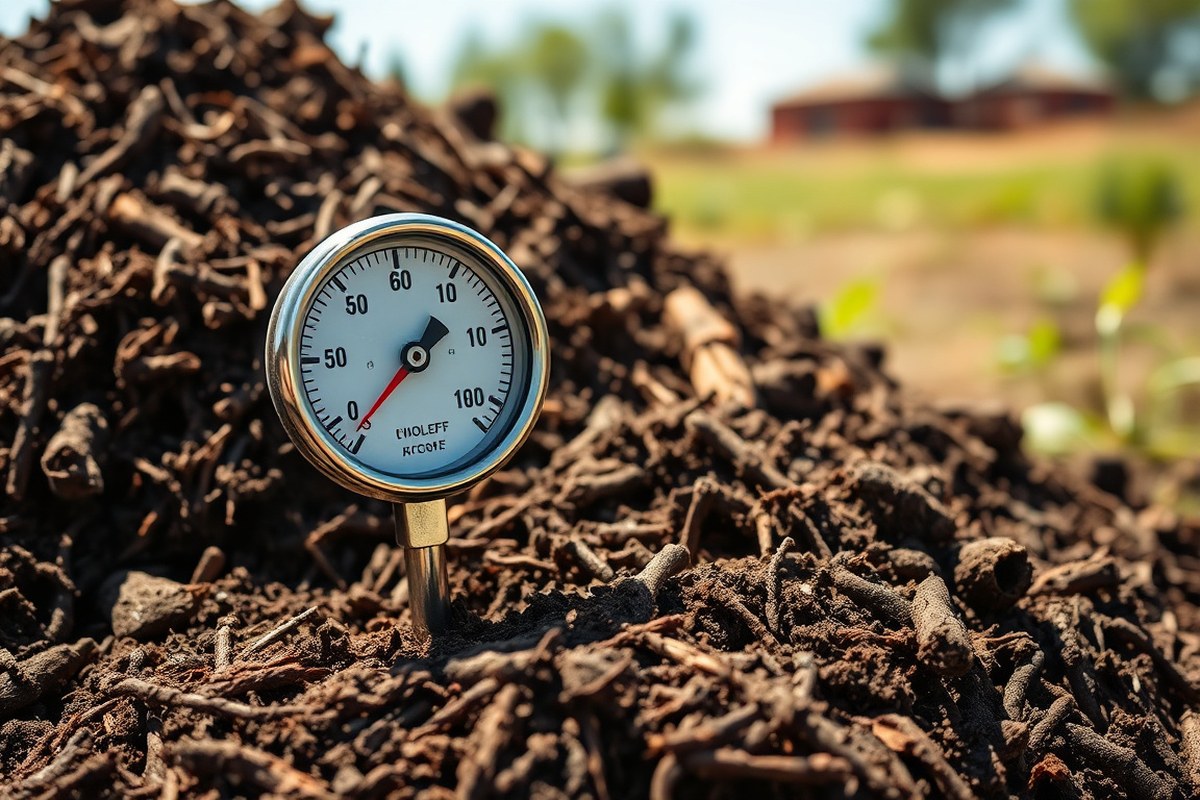
Composting horse manure is essential before adding it to your vegetable garden. Composting heats the manure to a point that kills harmful pathogens and weed seeds. Using fresh manure risks plant damage and introduces harmful organisms to your soil.
Pathogen and Parasite Elimination
Fresh horse manure contains bacteria like E. Coli and Salmonella that can harm plants and pose health risks. Composting the manure heats it to at least 130°F, a temperature that kills these pathogens. This process also reduces ammonia levels, making the manure safer for your garden.
Hot composting requires keeping the pile moist and turning it regularly to maintain heat. This method destroys parasites and stabilizes nutrients, ensuring the manure won’t harm vegetables. Without proper composting, these harmful organisms survive and can contaminate your garden.
Weed Seed Destruction
Horse manure often has many weed seeds in it. Horses don’t fully digest these seeds during feeding. That means the seeds stay alive in the manure.
Proper composting raises temperature sufficiently to kill these seeds. This prevents unwanted weeds from invading your vegetable beds and competing for nutrients.
Cold aging or letting manure sit without heat does not reliably kill weed seeds. Hot composting is worth the extra effort since only sustained heat will destroy seeds effectively.
Seeds can survive and cause constant weeding in your garden. This also reduces how well your plants grow.
Risks of Using Fresh Manure
Directly applying fresh horse manure can burn your plants due to high ammonia content. It may carry pathogens and parasites, making it unsafe for food crops. Fresh manure’s strong smell and visible bedding also indicate it is still decomposing and unstable.
Fresh manure brings in weed seeds and harmful pathogens. It also uses a lot of nitrogen from the soil. This can lock up nutrients plants need to grow.
It can cause stunted growth or even kill sensitive young vegetable plants. Safe composting takes about 3 to 6 months, depending on conditions, ensuring a stable, nutrient-rich amendment.
- Keep manure piles at 130°F+ for several days
- Turn piles every 1 to 2 weeks to maintain heat
- Monitor moisture, keeping it like a wrung-out sponge
- Avoid using manure less than 3 months old
- Store composted manure in a dry place until use
- Separate manure from bedding and horse waste before composting
- Test garden soil pH after application for balance
Never add fresh horse manure directly to vegetable beds; wait until it’s fully composted.
How to Properly Compost Horse Manure Step by Step
Composting horse manure properly takes about 3 to 4 months to get safe, nutrient-rich compost. You build a pile mixing manure with carbon materials, then turn it and monitor temperature regularly. Keeping moisture right speeds decomposition and kills weed seeds or pathogens.
Building a Compost Pile
Start by choosing a dry, well-drained spot with good airflow. A compost bin or an open pile works.
But the pile should be at least 3 feet wide and tall. Mix fresh horse manure with carbon-rich materials like straw, sawdust, or dry leaves to balance nutrients.
Layer the materials in a pile, alternating manure and carbon sources. This helps create the right environment for microbes to break down the waste efficiently. Aim for a carbon to nitrogen ratio around 25:1 for rapid composting.
Managing Temperature and Moisture
Temperature is the best sign your compost is working right. The pile should heat to between 130°F and 150°F within a few days after building it. Heat this high helps kill weed seeds and pathogens, making compost safe.
Check temperature twice a week with a compost thermometer. When the temperature drops below 110°F, turn the pile.
This adds oxygen and restarts the heating process. Keep the pile moist like a wrung-out sponge, neither soggy nor dry.
Curing and Testing Finished Compost
Turn and keep your pile moist for 3 to 4 months. Then stop turning it for 1 to 2 weeks. This lets the pile cure properly.
This rest phase finishes decomposition and stabilizes nutrients. Finished compost is dark brown, crumbly, and smells earthy, not sour or ammonia-like.
To test readiness, spread a small amount in the sun for a few days. When the pile doesn’t smell bad and doesn’t heat again, it’s ready to use.
Avoid using compost with visible manure pieces or a strong ammonia smell. Properly cured compost boosts plant health without burning roots.
- Choose a dry, shady spot with good airflow.
- Mix fresh horse manure with straw or sawdust (about 1:1 volume).
- Layer manure and carbon materials in a pile at least 3 feet wide and high.
- Check temperature twice a week; aim for 130-150°F in the pile.
- Turn the pile every 1 to 2 weeks to add oxygen and mix.
- Keep moisture levels like a wrung-out sponge, adjusting as needed.
- After 3 to 4 months, let the pile cure without turning for 1 to 2 weeks.
- Test with a small sample for smell and temperature to ensure readiness.
Comparing Fresh, Aged, and Composted Horse Manure Nutrients
Fresh horse manure has a lot of nitrogen and nutrients. It can burn plants if applied right to them. Be careful when using fresh horse manure in your garden.
Its moisture content is high and it often contains weed seeds and pathogens. Don’t put fresh horse manure near your vegetables for 6 to 12 months.
The exact time depends on the bedding mixed with it. This waiting helps keep your vegetables safe.
Aged horse manure is left to dry or partially decompose but isn’t fully composted. It has lower nitrogen levels than fresh manure and might still harbor pathogens. Follow food-safety intervals when using horse manure.
Apply it 120 days before harvesting root crops. For above-ground crops, apply it 90 days before harvest.
Composted horse manure offers the best balance of nutrients and safety. It releases nutrients slowly, improving soil fertility without risking burn or disease. Horse manure adds organic matter to soil.
This helps soil hold nutrients and water better. It helps roots grow healthy and soil stay strong.
Horse manure typically has moderate nutrient levels compared to other manures. It provides about 0.6% nitrogen, 0.3% phosphate, and 0.5% potash (N-P-K) in fresh form.
This is lower than chicken manure but good for building soil over time in vegetable gardens. Its bulky texture also boosts soil structure, something synthetic fertilisers don’t do.
| Manure Type | Nutrient Levels (N-P-K) | Usability | Risks | Effect on Soil |
|---|---|---|---|---|
| Fresh | 0.6-0.3-0.5 | Use only in non-growing areas; wait 6-12 months for use near vegetables | High burn risk; contains pathogens and weed seeds | High nutrient but poor safety; can harm seedlings |
| Aged | Lower than fresh | Apply 90-120 days before harvest, depending on crop | Some pathogen risk remains | Moderate nutrients; better than fresh but less than composted |
| Composted | Moderate but slow-release | Safe for pre-plant soil amendment; improve fertility and structure | Minimal risk when fully composted | Improves soil water retention and nutrient-holding capacity |
Work a good layer of composted manure into garden soil before planting. This places nutrients where roots can access them as they grow. Avoid fresh manure because it can stunt or burn young plants and bring weeds.
Use composted manure before planting vegetables touching soil, like carrots or lettuce. Wait 120 days after applying before you harvest. This helps keep your vegetables safe.
Composted manure improves soil moisture and nutrients well. This helps vegetables grow better and produce more. Healthier plants come from nutrient-rich, moisture-friendly soil.
How Much and When to Apply Horse Manure to Vegetable Gardens
Spread about 20 pounds of composted horse manure on every 100 square feet. Apply it mostly in spring or fall for better nutrient use. You can add it one or two times each growing season, based on soil health.
Recommended Application Rates
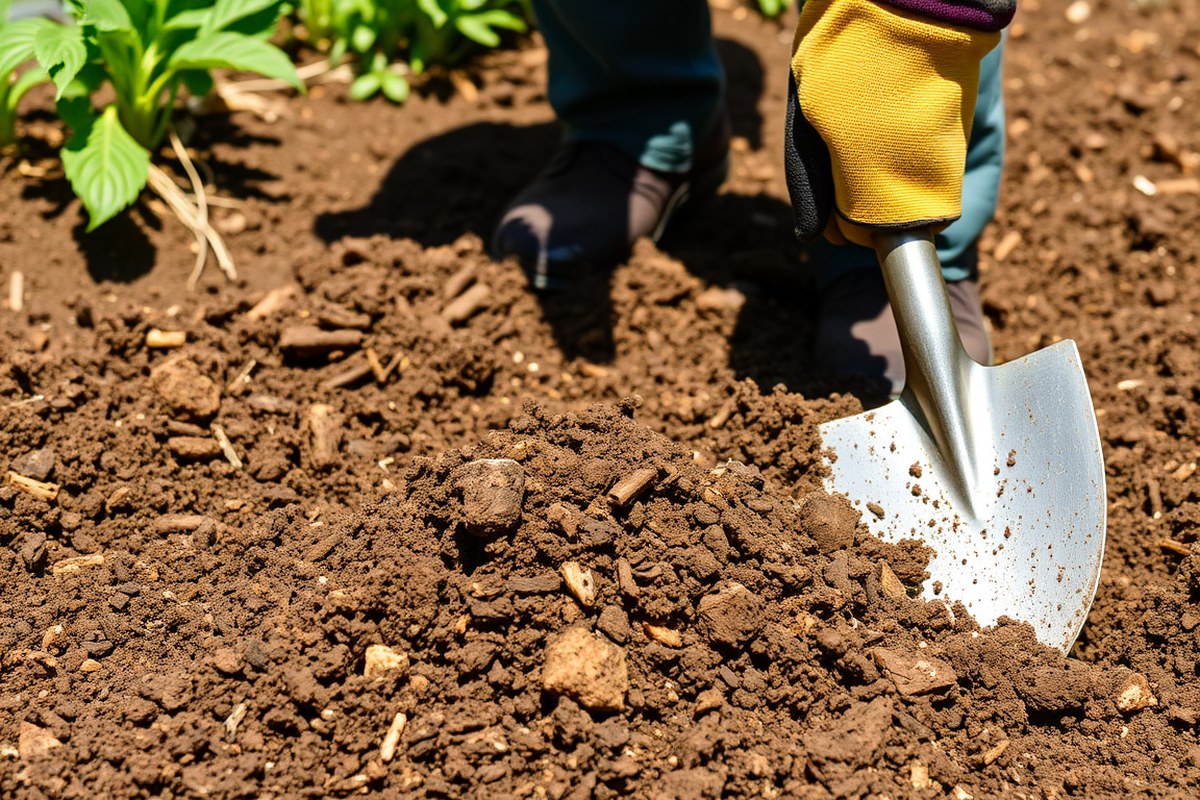
Spread 1 to 2 inches of composted horse manure over your vegetable garden soil. This gives nutrients a good place to start feeding your plants. This usually translates to about 20 pounds per 100 square feet of bed area.
Mix the manure into the top 6 to 12 inches of soil carefully. This helps nutrients reach your plants’ roots quicker.
Using fresh manure requires more care. It’s better to apply fresh manure in the fall to give it time to break down. Avoid applying fresh manure directly before planting, as it can burn plants or introduce weeds.
Optimal Seasonal Timing
Apply well-rotted horse manure in early spring, before planting. The soil is still cool and ready to absorb nutrients. Alternatively, apply in fall to help improve soil structure over winter.
Avoid applying manure when the ground is frozen or waterlogged. This can reduce nutrient uptake and cause runoff. Store manure properly during harsh winter and wait for warmer, drier soil before spreading.
Frequency of Application
Aim to apply horse manure compost once or twice each growing season. A spring application supports early growth.
A fall application rebuilds soil nutrients for next year. Overusing manure can cause nutrient imbalances or salt build-up.
Adjust frequency by checking soil health. Do soil tests every few years to track nutrient levels. Your soil may need less manure if it looks crumbly and plants grow strong.
- Use only composted or well-aged manure to reduce pathogens and weeds
- Apply 20 pounds (about 1 inch thick) per 100 square feet per application
- Mix manure into top 6, 12 inches of soil for best results
- Apply in early spring for nutrient uptake or fall for soil improvement
- Avoid spreading manure on frozen or wet ground to prevent runoff
- Repeat applications once or twice per growing season as needed
- Perform soil tests every 2, 3 years to guide manure use
Only use composted horse manure, as fresh manure can contain weed seeds and harm seedlings.
Best Practices for Applying Horse Manure in Vegetable Gardens
Working horse manure into your vegetable garden soil helps spread nutrients evenly and protects plants. The manure should be well composted before use to prevent burning your vegetables. Mixing it about 6 to 8 inches deep balances nutrient access with root safety.
Applying manure on the surface works well as mulch. But for best soil improvement, mix manure into the top soil layer. This method lets water and nutrients reach roots faster.
It lowers nutrient loss from runoff or evaporation. The soil stays healthier and plants grow better.
Follow these steps to apply horse manure properly in your vegetable garden beds:
- Clear the bed of plant debris and loosen the soil using a garden fork or tiller.
- Spread a 1 to 2 inch layer of well-composted horse manure across the soil surface.
- Mix the manure thoroughly into the top 6 to 8 inches of soil. A hoe or rototiller can help spread it evenly. This ensures nutrients distribute well throughout the garden bed.
- Make sure the manure is evenly distributed with no thick piles left on top.
- Water the bed thoroughly after mixing to help manure settle and nutrients start releasing.
- Wait at least 2 weeks before planting to let nutrients stabilize and avoid plant injury.
Use fresh manure in the fall on empty beds. Then wait until spring to plant your crops. This prevents harming young plants with too strong manure.
Fresh manure can burn plants and spread weed seeds. Always avoid putting manure directly on seeds or young plants to prevent damage.
For raised beds and shallow-rooted plants, mix manure only about 6 inches deep. This protects plant roots from being buried too deep. Shallow mixing keeps plants safe.
Deep incorporation suits vegetable beds with crops needing strong root growth. Mixing manure deeper requires more effort but improves soil texture and nutrient access.
Vegetables That Benefit Most from Horse Manure Amendment
Tomatoes, carrots, lettuce, squash, and peppers gain the most from horse manure. Their growth improves with the moderate nutrients and rich organic matter horse manure adds. Heavy feeders like tomatoes and corn also thrive when manure mixes into the soil.
Use horse manure carefully with root crops like carrots, beets, radishes, and potatoes. Too much nutrients or rough texture might stunt their growth. Adding 2 to 4 inches of well-rotted manure into the upper 6 to 8 inches of soil provides safe nutrition.
- Use well-composted horse manure for all vegetables, especially roots
- Mix manure into soil, not just on top
- Avoid applying manure within three months before harvest
- Adjust the soil pH if growing sensitive crops
- Crop types like leafy greens and peppers benefit most from moderate nutrient boosts
- Heavy feeders will profit from annual manure applications
Horse manure has a neutral pH, suitable for most garden crops. Adjustments help if your soil is already alkaline or acidic. Always make sure the manure is fully composted before use.
This prevents any issues with pathogens or plants getting too strong a nutrient hit. For root crops, limit manure to well-aged forms to protect delicate root development.
Common Mistakes Using Horse Manure and How to Avoid Them
Fresh horse manure is one of the biggest mistakes gardeners make. It can burn plants because of high ammonia and salt levels. Using it too close to seedlings or young plants often causes stunted growth or even death.
The second common error is applying too much manure. Heavy applications can overload the soil with nutrients and salts.
This can lower soil pH and harm beneficial microbes. Excess nutrients also risk runoff, which affects nearby plants and water quality.
Another mistake is poor composting. Not composting manure properly leaves pathogens and weed seeds alive. This can spread diseases or weeds in your vegetable garden.
Compost needs to get between 130°F and 160°F. It must stay that hot for several days. This kills harmful organisms.
- Avoid fresh manure; compost it first at least 3 months
- Apply no more than 20 pounds of composted manure per 100 square feet
- Use manure compost in autumn or early spring for best results
- Keep fresh manure away from seedlings and acid-loving plants like blueberries
- Turn your compost pile regularly to keep it aerated and hot
- Watch out for signs like leaf burn, yellowing, or slow growth
- Check manure source for medications or chemicals to avoid contamination
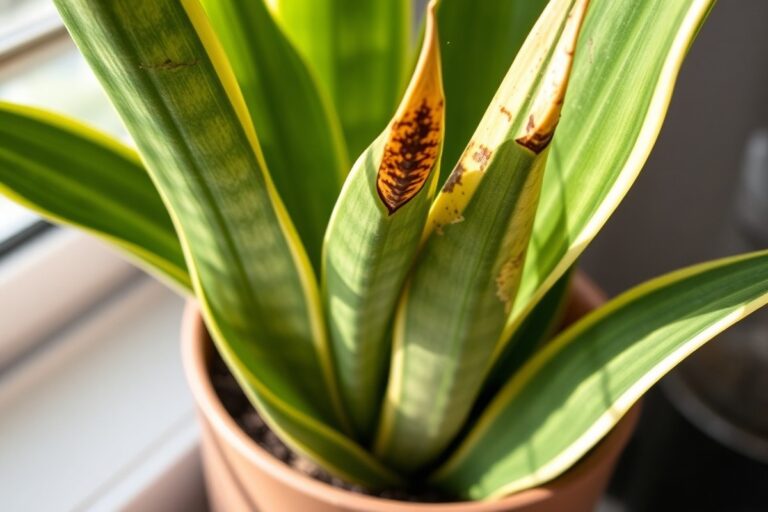
Always watch your plants after applying manure. Leaf edges turning brown or yellowing can mean overapplication or fresh manure use.
Cut back manure doses and switch to composted manure if you see this. Quality manure is free of bedding chemicals and has a dark, crumbly texture with minimal odour.
Keep manure compost hot and turning well for at least three months. It helps kill pathogens and weed seeds.
To ensure safety, source manure from healthy horses not recently treated with antibiotics. Store manure away from your garden until fully composted. This prevents vegetable contamination and keeps soil biology healthy.
Step-by-Step Action Plan for Using Horse Manure in Your Vegetable Garden
Follow these steps to safely and effectively add horse manure to your garden soil.
- Before you start: Gather fresh horse manure and bedding materials. Avoid manure with too much straw or sawdust for easier composting.
- Week 1: Begin composting manure in a pile or bin. Turn it every 3 to 4 days to keep it aerobic and speed up breakdown.
- Week 4: Check the temperature of your pile. The ideal compost heats to 130 to 140°F for a week. This temperature kills weed seeds and pathogens effectively. Keep the compost at this heat for at least seven days.
- Week 6 to 8: Continue turning the pile weekly. Manure should start smelling earthy and look dark and crumbly without recognizable bedding.
- After 2 months: Test the compost by planting a few fast-growing seeds in it. Seeds sprouting well means your compost is ready. You can now add it to your garden soil.
- Finished composted manure should be mixed into the soil before planting. Use 1 to 2 inches on the top 6 to 8 inches of soil. Avoid using fresh manure straight on your garden.
- During the growing season, spread a thin compost layer around plants. Use it as mulch to keep moisture in the soil. This also adds nutrients to your vegetables.
- After harvest, clear away any fresh manure on the soil or plants. This reduces the chance of bacteria before planting again. Keep the area clean before your next crop.
Frequently Asked Questions
Can Horse Manure Increase Microbial Activity in Garden Soil?
Yes, horse manure boosts beneficial microbes that help break down nutrients. This supports plant health and soil fertility in your vegetable garden.
Does Horse Manure Affect Soil pH and How?
Properly composted horse manure usually has a neutral pH, which helps balance soil acidity. This can make nutrients more available to your vegetables.
Can Using Horse Manure Reduce the Need for Synthetic Fertilizers?
Properly composted horse manure can lower synthetic fertilizer use by supplying essential nutrients. It offers a natural, steady nutrient release for vegetable growth.
Is There a Risk of Weed Seeds from Horse Manure?
Horse manure may contain weed seeds unless well-composted at high temperatures. Composting ensures most seeds are destroyed before application.
What Is the Best Way to Store Horse Manure Before Composting?
Store horse manure in a dry, ventilated pile to prevent runoff and odor. This keeps nutrients intact while waiting to compost.
How Often Should I Reapply Composted Horse Manure to My Vegetable Beds?
Reapplying composted horse manure once or twice a year is usually enough. Over-application can cause nutrient imbalance and clog soil pores.
Wrapping Up
Horse manure is a good soil amendment after proper composting. Take time to compost it well to avoid risks. Start your compost pile this week for healthier garden soil soon.