What to Grow in Vegetable Garden: Best Choices and Growing Tips for Success
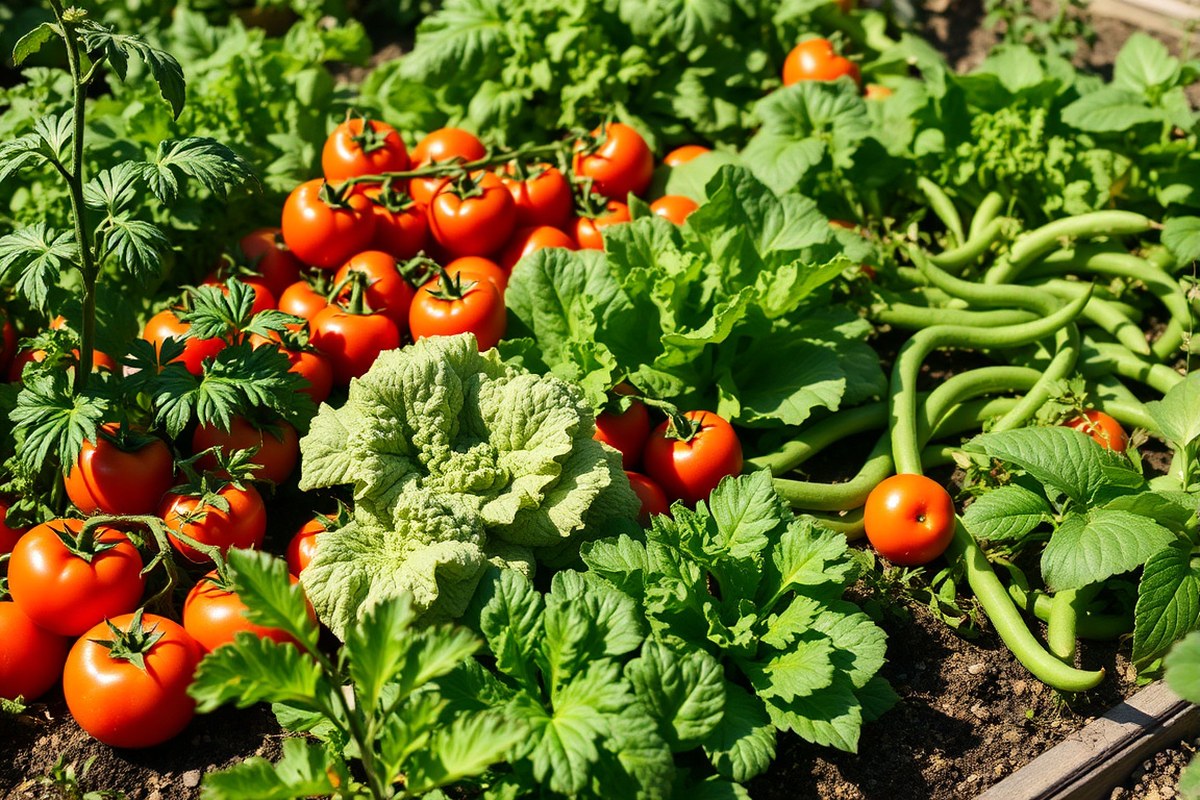
Wondering what to grow in vegetable garden spaces to get the best results? Choose vegetables that match your garden’s sunlight and soil conditions for healthy plants. Spinach and cabbage grow well in 6 to 8 hours of sun.
They need direct sunlight for best growth. These veggies make great starters for your garden.
Cool-season veggies like spinach prefer cooler weather. Warm-season plants such as tomatoes and peppers wait for warmer nights.
Starting warm-season plants indoors protects them from cold and helps them thrive once transplanted outside. Always pick your garden spot to get those important 6 to 8 hours of sunlight daily.
Planting small amounts of quick-growing veggies like beets every two weeks keeps the harvest steady. This approach helps avoid overwhelming gluts like with head lettuce. Focus on soil, light, and spacing to ensure your veggies grow strong and tasty.
Key Takeaways
- Most vegetables need 6 to 8 hours of direct sunlight daily for healthy growth.
- Pick cool-season crops like spinach for early spring planting in cooler soil.
- Start cold-sensitive plants indoors, then transplant after frost risk passes.
- Space plants based on mature size to avoid crowding and poor airflow.
- Plant quick growers like beets in small batches for a continuous harvest.
- Prune taller plants like tomatoes to manage growth and increase fruit production.
Best Vegetables to Grow in a Home Vegetable Garden
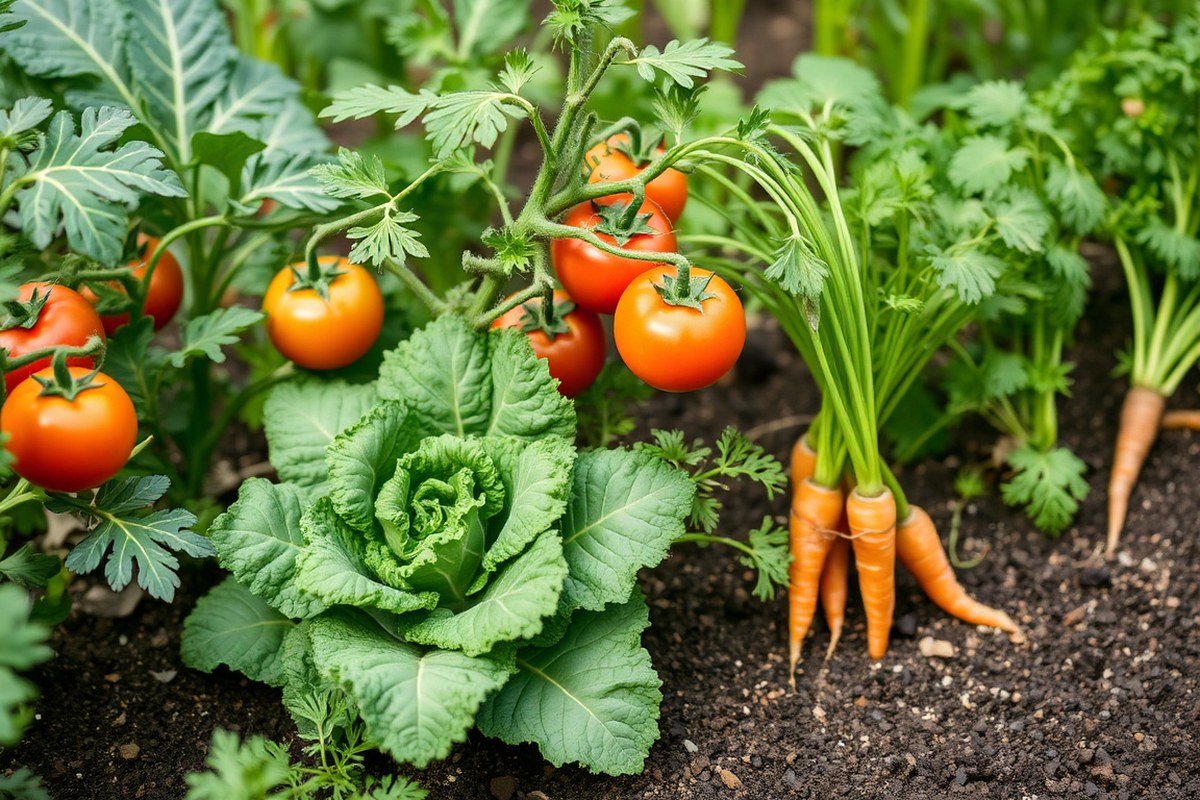
Many vegetables grow well in home gardens with 6 to 8 hours of sun. Greens, root crops, and onions usually do well in small spaces. They need only moderate room and are easy to grow.
This makes them good for beginner gardens. For beginners, vegetables like green onions and beets offer quick results. Experienced gardeners might try harder crops like Brussels sprouts.
Small gardens benefit most from vegetables that produce high yields without crowding plants. Carrots and radishes fit well in tight spots. Think about whether you want many radishes.
Radishes grow quickly but take up space. Cabagge needs a sunny spot and a bit more space but grows reliably in most climates. Choosing vegetables that fit your space and skill helps avoid wasted effort.
| Vegetable | Space Needs | Ease of Growth | Harvest Time | Best For |
|---|---|---|---|---|
| Green Onions | Small | Very Easy | 30-50 days | Beginners, Small Gardens |
| Beets | Medium | Easy | 50-60 days | Beginners, Quick Harvest |
| Carrots | Small to Medium | Moderate | 60-75 days | Cool Season, Small Gardens |
| Cabbage | Medium to Large | Moderate | 70-90 days | Experienced Gardeners, Sunny Spots |
| Brussels Sprouts | Large | Difficult | 90-100 days | Experienced, Cool Weather |
Raised beds or containers are great for these vegetables. They let you control soil quality easily. This helps plants grow better and stronger.
Containers are best for small spaces and patios. But they need more watering and care. Raised beds cost more but offer better results.
You control soil, drainage, and depth easily. This leads to healthier plants and higher yields.
Planning your vegetable choices based on space and skill keeps your garden productive and rewarding. Choosing crops like beets or green onions means quicker harvests with less fuss. Larger or slower crops like Brussels sprouts suit gardeners ready for a longer commitment.
Choosing Vegetables Based on Garden Conditions
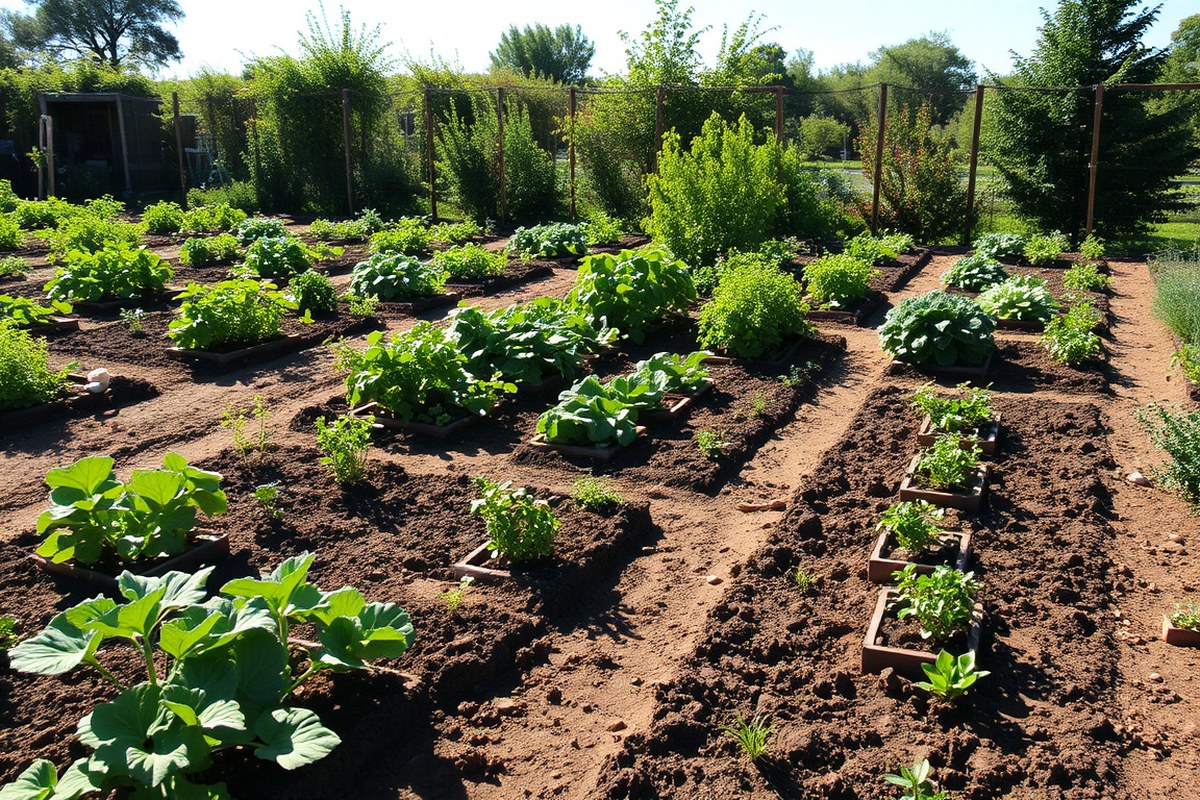
First, figure out how much sun your garden spot gets each day. Most vegetables need 6 to 8 hours of direct sunlight to grow well. Spots with less than 4 hours usually won’t support sun-loving plants like tomatoes or peppers.
Some vegetables do better in less sun. Leafy greens like lettuce, spinach, and kale can grow in 4 to 6 hours of sunlight.
Root crops such as radishes and carrots also manage in partial shade. Choose these if your space is shaded by trees or buildings.
Check your soil next. Loamy soil with good drainage is ideal for most vegetables.
You can test soil by feeling it: it should be crumbly, not sticky or sandy. Poor soil may need compost or organic matter added before planting.
- Map your garden’s sunlight exposure at different times of day
- Test soil texture by squeezing a small handful, crumbly is best
- Note areas with poor drainage or heavy clay
- Pick sun-loving crops like tomatoes for full sun zones
- Choose shade-tolerant vegetables for spots with 4, 6 hours of sun
- Use raised beds or containers if soil is poor or drainage is bad
- Plan spacing carefully to avoid overcrowding and allow airflow
Space is another key factor. Even a small 3×6-foot area can yield plenty if you plan well.
Avoid crowding plants; follow seed packet spacing instructions to let veggies grow fully. Tight spaces might need vertical supports or container gardening.
Make notes of sun and soil conditions before buying seeds. It saves wasted effort and plants that struggle.
Some vegetables like acidic soil. Tomatoes prefer a pH around 6 to 7. This helps them grow better.5.
Testing kits can check pH levels cheaply at garden centers. Adjust your planting choices or soil amendments based on this to boost success.
Finally, remember that even the best soil and watering can’t replace sunlight. A shady spot won’t grow sun-loving crops no matter what you try. Tailor your plant choices to your garden’s natural conditions for the best results.
When to Plant Cool-Season vs Warm-Season Vegetables
You plant cool-season vegetables early in spring, often before the last frost. Warm-season vegetables wait until after the last frost, when the soil warms up. This timing helps each type grow best and gives you fresh veggies over many months.
Identifying Cool-Season Vegetables
Cool-season vegetables thrive in cooler temperatures between about 45°F and 75°F. Common examples are lettuce, kale, peas, spinach, and broccoli. You can sow these plants directly in soil 4 to 6 weeks early.
This time is based on your last frost date. Planting early helps them grow before summer.
They grow quickly and mature in about 40 to 65 days. You can plant them early to enjoy fresh greens before the warm-season crops go in. Spinach starts to sprout in 2 to 12 days.
It grows best in soil that is slightly acidic or neutral. This soil type helps spinach thrive.
Warm-Season Planting Requirements
Warm-season vegetables like tomatoes, peppers, beans, cucumbers, and squash need soil temperatures above 60°F. That usually happens 1 to 2 weeks after the final frost. They dislike frost and cold soil. So you should wait until the danger of frost passes.
For example, tomatoes and peppers are transplanted into the garden once soil reaches about 65°F. Squash and pumpkins require soil at least 70°F. Planting too early risks slow growth or damage from cold. You can start seeds indoors 6 to 8 weeks before transplanting outdoors after frost.
Staggered Planting for Continual Harvest
To harvest vegetables steadily, plant in small batches every 1 to 2 weeks. Cool-season crops especially benefit from multiple sowings since they mature fast. That stops you from getting a glut of one veggie all at once.
After harvesting early cool-season crops, replace them with warm-season plants in the same spot. This method uses your garden space all season long. You can plant beans 1 to 2 weeks after the last frost.
This timing works well for a summer harvest. Beans need warmer soil to grow.
Follow these steps to time your garden:
- Check your area’s average last frost date online or through local extension services.
- Sow cool-season seeds indoors first or outside 4 to 6 weeks early. Use your last frost date as a guide. Starting early gives seedlings a head start.
- Sow cool-season crops in small batches every 1 to 2 weeks for continuous harvesting.
- Monitor soil temperature; wait to plant warm-season crops until it reaches at least 60°F.
- Transplant warm-season vegetable seedlings outdoors 1 to 2 weeks after the last frost.
- After harvesting cool-season plants, clear the space and sow warm-season crops like tomatoes and beans.
- Continue planting warm-season vegetables in intervals, if desired, to extend harvest.
Easy Vegetables for Beginner Gardeners
Picking vegetables that grow quickly and don’t need much fuss makes gardening more fun. These plants tolerate some mistakes and still produce good food you can enjoy. They are great if this is your first time digging in the dirt.
Some veggies mature fast, so you see your garden work pay off sooner. Carrots, for example, grow well from seed and need little care beyond regular watering.
Cucumbers also fit well here. They climb or spread and start producing fresh fruit within about 50 to 60 days.
- Cherry tomatoes, prolific producers and forgiving of mistakes
- Looseleaf lettuce, offers fast harvests and can be cut repeatedly
- Zucchini, nearly fail-proof and teaches the reward of frequent picking
- Bush green beans, fast growers that you can sow directly into soil
- Kale, tough leaves with long harvest periods, grows well in varied conditions
- Green onions, quick to sprout and good for spring planting
- Carrots, easy root veggies that require minimal tools or space
Many of these crops thrive in average garden soil and don’t need special fertilizers. You want a spot that gets lots of sun. Choose a place easy to water.
This helps your plants grow better. A small patch or even containers work if space is tight.
Plant seeds like lettuce or beans in loose soil. Put them about 1 inch deep. This keeps things simple for watering and growth.
Water gently and regularly, and check every few days for growth changes. You’ll feel confident when sprouts start to show.
Watching growth proves you can care for plants. Just give them weekly attention.
Maximizing Small Garden and Container Spaces
Small gardens and containers need special planning to get the most from limited space. Pick compact or fast-growing vegetables and use supports to grow upward. This approach frees soil area and helps you harvest more without crowding.
Top Vegetables for Container Gardens
Choose veggies that fit well in containers like lettuce, spinach, radishes, and herbs. These plants have shallow roots or grow quickly, making them perfect for pots. Tomatoes and peppers also work if you pick dwarf or patio varieties.
Use pots at least 12 inches deep and wide for most vegetables. Compact bush beans or baby carrots fit well in smaller containers around 8 inches. Keep soil moist but not soggy and add fertilizer every 2, 3 weeks for steady growth.
- Leafy greens like lettuce and spinach
- Radishes and baby carrots
- Herbs such as basil and cilantro
- Dwarf tomatoes and peppers
- Compact bush beans
- Green onions and scallions
Mix herbs with vegetables for pest control and fresh snips nearby. Herbs grow well alongside many veggies and fill empty container space effectively.
Using Vertical Supports for Vining Plants
Vining plants can take over your garden if not guided up a trellis or fence. Pole beans, cucumbers, and peas climb well and save ground by growing skyward. Provide supports 5 to 6 feet tall for best results.
Set plants 2, 3 feet apart when growing vining types to avoid overcrowding. Use netting, sticks, or bamboo poles to help their tendrils latch on. Training vines early avoids tangling and makes harvest easier.
Check trellis stability regularly. Heavy ripe fruits can topple weak supports.
Vertical growth also improves airflow and sunlight exposure, which cuts disease risk and boosts yield. Regular pruning of side shoots can improve airflow and direct energy to fruit production.
Space-Saving Planting Techniques
Plant seeds 1 to 2 inches apart for peas and radishes. Thin the seedlings as they grow to give room. This helps plants develop better roots and leaves.
This controlled spacing uses every inch while preventing overcrowding. Succession planting adds new crops every few weeks to fill gaps.
Intercropping mixes fast and slow growers in one bed to maximize output. Try pairing carrots with onions or lettuce with radishes.
So one fills space before the other needs it. Companion planting can improve growth and reduce pests naturally.
- Thin seedlings for optimal spacing
- Use succession planting for continuous harvest
- Mix fast and slow growers in one bed
- Pair plants that support each other’s growth
- Keep soil healthy with regular fertilizing
Compact garden layouts help you grow many kinds of vegetables on a small patch. You’ll get more produce while learning plant behavior and timing better.
Companion Planting for Vegetables
Companion planting means growing different vegetables close to each other to help them grow better. Some plants improve flavor or keep pests away when planted together. It’s a simple way to boost your garden’s health without extra chemicals.
Benefits of Companion Planting
Companion planting improves garden growth by creating natural support between plants. For example, some plants release chemicals that deter pests, reducing the need for pesticides. Others help balance soil nutrients, making food more available for their neighbors.
It also makes pest control easier and improves yields. For instance, aromatic herbs near vegetables can confuse or repel insects that attack common crops. This method helps you grow healthy vegetables with less work and fewer chemicals.
Top Companion Pairings for Common Vegetables
Tomatoes grow well near basil and onions. Basil improves tomato flavor, and onions repel pests like aphids. Peppers also benefit from this mix, sharing similar pest protection and growth needs.
Carrots do well next to onions because onions keep carrot rust flies away. Planting carrots away from dill is better since dill attracts pests that harm carrots. You can plant beans next to corn because beans fix nitrogen, which corn loves.
Cabbage and broccoli pair well with strong-smelling herbs like rosemary and sage. These herbs help keep cabbage worms and other pests away. Avoid crowding these vegetables; they need room for air flow and growth.
Plants to Avoid Pairing
Planting onions too close to beans or peas can stunt their growth. These crops don’t grow well together because onions can keep beans from fixing nitrogen properly. Avoid planting carrots next to dill since it harms carrot health.
Tomatoes shouldn’t grow near potatoes because they share common diseases that spread easily. Beans and garlic also don’t mix well; garlic can reduce bean growth. Keeping these plants apart lowers disease risk and protects your garden’s health.
Common Growing Mistakes and How to Fix Them
Poor vegetable growth often comes from overcrowding and lack of sunlight. Most veggies need 6 to 8 hours of direct sun every day. When plants get too close, they compete for light and nutrients, which weakens them.
Spacing is key. Thin seedlings so they are 6 to 8 inches apart. This spacing lets leaves spread out.
It also helps roots grow deep. Roots usually hit hard soil at 12 inches, forcing sideways growth that limits nutrient uptake.
Overplanting creates stress and invites disease. For example, carrots need their own space to develop well.
Crowded carrots grow small and misshapen. So sow them carefully about 4 weeks before the last frost.
- Follow garden layout and spacing charts closely.
- Set stakes early for tall plants like tomatoes or beans.
- Thin seedlings when you see crowded leaves or stems.
- Check for droopy, yellow, or pale leaves as stress signs.
- Water evenly and avoid wetting leaves to reduce disease risk.
- Test sunlight exposure and improve shadows if less than 6 hours.
Not staking plants early can break roots later, slowing growth. Look out for signs like yellowing leaves or stunted height.
These show stress or poor health. Uneven watering also harms plants, causing wilting or leaf spots.
Keeping a watch on these errors and fixing them fast will boost your harvest. Proper preparation takes time, but healthy, well-spaced plants perform much better. Adjust your garden plan often as plants grow and conditions change.
Planning Your Vegetable Garden Planting Schedule
Starting seeds indoors gives your garden a head start, especially for warm-season crops. Begin sowing seeds 6 to 8 weeks before your last spring frost date.
Transplant seedlings outside only after nighttime temperatures stay above 50°F for several days. This protects cold-sensitive plants like cherry tomatoes from damage.
Successive sowing makes sure you harvest fresh vegetables steadily. Instead of planting all seeds at once, plant a new batch every 1 to 2 weeks.
This works well for crops like baby kale, which you can start directly in the garden. Scattering seeds every couple of weeks keeps young plants coming and harvests ongoing.
Plan your cool- and warm-season crops carefully to balance space and timing. Start cool-season plants like cilantro or chamomile seedings 6 weeks before the frost is gone.
Begin warm-season seedlings indoors early so you can transplant when it’s warmer. Coordinating both within your garden lets you maximize growth throughout spring and summer.
Use your local frost dates as your main timeline. Print out your zone-specific planting calendar to track when to start seeds and sow outdoors. This helps avoid planting too early or too late, which can stunt growth or spoil crops.
- Check your region’s last frost date and first frost date using reliable sources.
- Begin growing seeds inside about 6 to 8 weeks before your last spring frost for warm-season veggies.
- Prepare garden soil and sow cool-season seeds directly 3 weeks before the last frost.
- Transplant indoor seedlings outdoors after night temperatures stay above 50°F consistently.
- Plant a new batch of fast-growing vegetables every 1 to 2 weeks for steady harvests.
- Stagger plantings of cool-season crops like cilantro starting 6 weeks before frost leaves.
- Use vertical space and companion planting to fit cool- and warm-season crops efficiently.
Don’t rush transplanting sensitive seedlings outside; cold snaps can kill them.
Step-by-Step Action Plan for Starting Your Vegetable Garden
Follow these clear steps to get your vegetable garden going successfully. Each one shows what to do and how to check if it worked.
- Before planting: Test your soil with a kit from a garden center. Your soil should be healthy and balanced; if it’s off, add compost or fertilizer.
- Week 1: Choose vegetables suited to your climate and garden space. Pick easy ones if you’re new, like lettuce or radishes.
- Week 2: Plant cool-season vegetables early and warm-season ones after the last frost. Watch for sprouting within 1-2 weeks.
- Week 3: Set up companion plants to boost growth and reduce pests. Check that plants grow strong and pests remain low.
- Week 4: Mulch around plants to keep moisture and block weeds. Soil should stay moist but not soggy.
- Ongoing: Water deeply once or twice a week depending on weather. Plants should look healthy with bright leaves.
- Week 6: Start thinning seedlings so they have room to grow. You’ll see stronger plants with enough space.
- Harvest time: Pick vegetables when they reach the right size and color. They’ll taste best and help new crops grow.
Frequently Asked Questions
What Herbs Grow Well Alongside Vegetables?
Herbs like basil and parsley grow well by vegetables. They can improve flavor and deter pests when planted nearby.
Can You Grow Vegetables Indoors Year-Round?
Yes, with grow lights and containers, indoor veggies are possible. Hydroponic setups use nutrient-rich water to grow plants effectively inside.
How Do I Improve Soil Quality for a Vegetable Garden?
Adding compost improves soil by boosting nutrients and drainage. Working in organic matter helps roots grow better and plants stay healthy.
Are There Vegetables That Don’t Need Full Sun?
Some greens like lettuce tolerate partial shade well. They do better with less direct sun, making them good for shaded garden spots.
How Soon Can I Harvest Vegetables After Planting?
Harvest times vary from 30 to 90 days depending on the vegetable. Fast growers like radishes mature quickly; others, like Brussels sprouts, take longer.
Can Raised Beds Increase My Vegetable Harvest?
Raised beds improve drainage and soil warmth, helping plants grow strong. They also make weeds easier to control in small garden spaces.
Before You Go
Your choice of vegetables depends on where and when you plant. Start small, pay attention, and adjust as you learn. Grab some seeds today and try planting your first row.