Where Are Peonies Grown: A Complete Guide to Climate, Zones & Tips
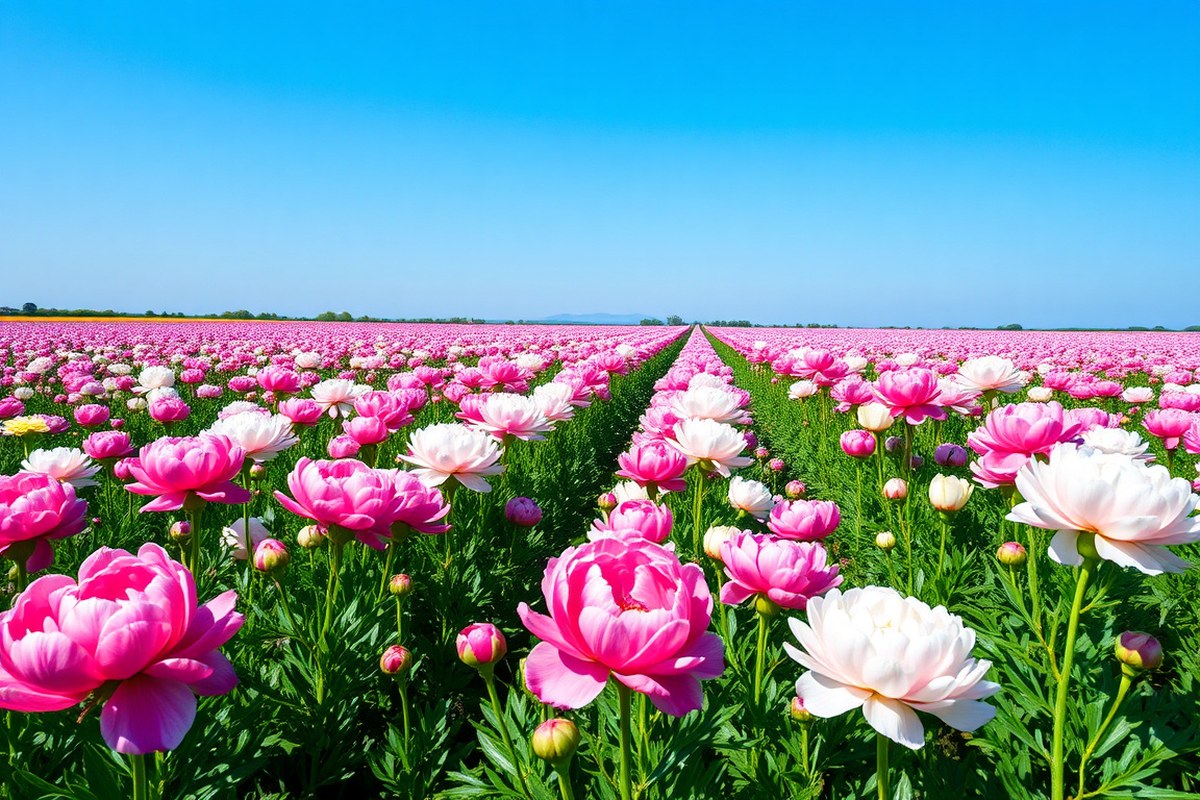
Peonies grow best in cooler climates with a cold winter chill. They need about six weeks of temperatures near 40°F to set buds well. That’s why you mostly find them where winters are cold and summers are mild.
These flowers thrive across North America, Europe, and Asia in the Northern Hemisphere. They need full sun for 6 to 8 hours a day and good air circulation. Space peonies 3 to 4 feet apart to keep them healthy and strong.
In USDA zone 8 or warmer, peonies benefit from afternoon shade to avoid heat damage. Tree peonies tolerate more sun and grow larger.
But both types need cool dormant periods. Choose the type that fits your local climate for best results.
Key Takeaways
- Peonies need about six weeks of cold around 40°F for good flowering.
- They thrive best in USDA zones 3 through 7 with cold winters.
- Plant peonies in fall or early spring before last frost for best results.
- Give peonies full sun but provide afternoon shade in warmer zones.
- Space plants 3 to 4 feet apart to improve air flow and prevent disease.
- Tree peonies grow larger and don’t usually need staking.
Where Are Peonies Grown Around the World?
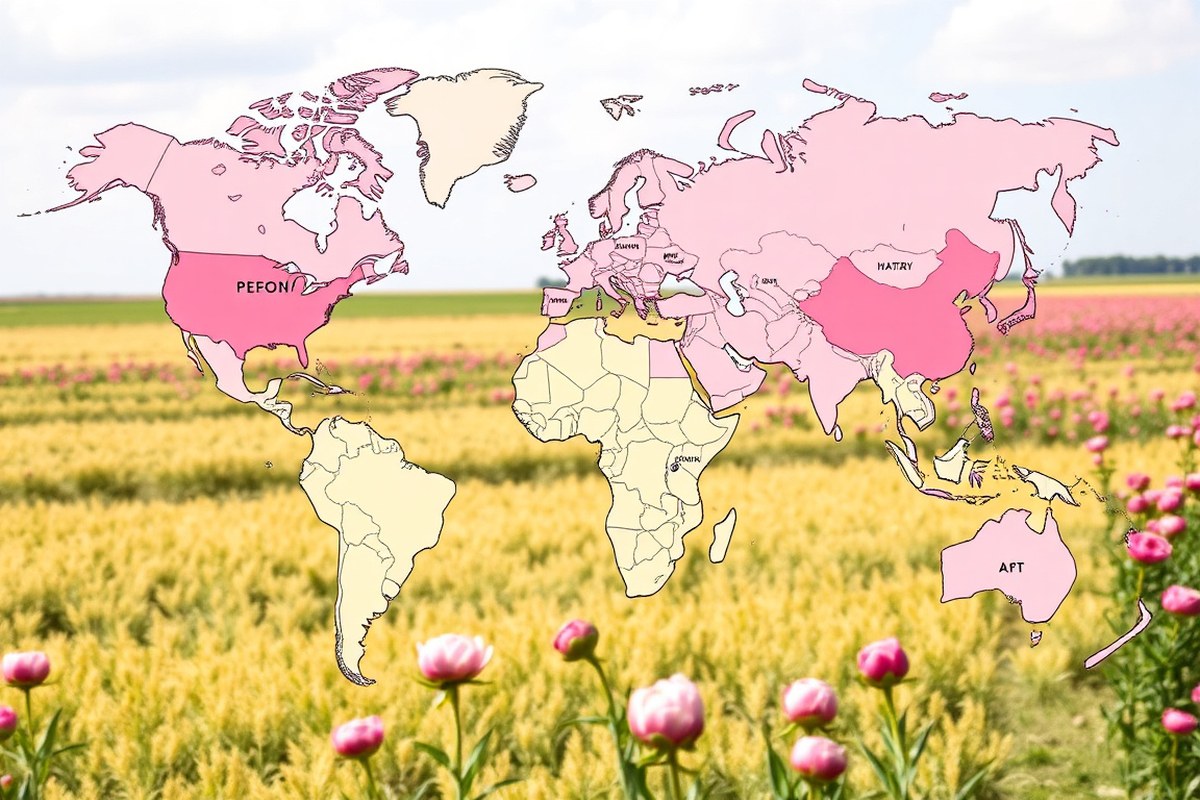
Peonies naturally grow in temperate regions across the Northern Hemisphere. They are found in North America, Asia, and Europe. Many countries cultivate peonies commercially, especially for cut flowers and garden sales.
Native Peony Regions
The Paeonia genus includes about 30 species native to varied climates. You can find wild peonies in North America, Europe, and Asia’s temperate zones. Tree peonies mainly come from northwestern China’s mountainous areas, where all wild tree species are found.
These wild species often grow in forests or open clearings with good sunlight. They thrive in areas that have cold winters for dormancy. This natural distribution supports a range of garden varieties worldwide.
Commercial Production Centers
Commercial peony farms thrive in areas with temperate summers and cold enough winters. The best regions supply global markets with cut flowers and nursery plants. Key production hubs include the Netherlands, the United States, and parts of China.
Peonies require about six weeks of consistent 40°F temperatures in winter. So warm climates limit farming. Successful growers give full sun to peonies in cooler zones.
They provide afternoon shade in warmer zones like USDA zone 8. This helps protect peonies from too much heat. Tree peonies are less common commercially but grow mainly in China.
| Region | Primary Peony Types | Climate Traits | Commercial Focus |
|---|---|---|---|
| Netherlands | Herbaceous | Cool summers, cold winters | Cut flowers for export |
| United States (Midwest & Northeast) | Herbaceous & Intersectional | Cold winters, full sun | Garden plants and cut flowers |
| Northwestern China | Tree Peonies | Mountainous, cold winters | Nursery stock and local sales |
| Europe (Germany, France) | Herbaceous | Temperate, cold winters | Garden nursery and cut flowers |
These areas harmonize peony needs with market demands. Peony farming suits regions where winters reliably chill plants. Farmers in warmer zones might avoid peonies or grow them with afternoon shading.
Cultural and Historical Growing Locations
China has cultivated peonies for more than 1,000 years. Its traditional gardens display many ornamental tree and herbaceous peonies. The species native to this region remain significant in local culture and gardening.
Europe embraced peonies centuries ago and made them popular ornamental plants. Many historic gardens still feature peonies bred from native species. North America naturally hosts wild peonies and developed strong garden interest over the last 100 years.
What Climate Conditions Do Peonies Need to Thrive?

Peonies need cold dormancy to bloom well. They require about 3 to 6 weeks of temperatures between 32 and 40 degrees Fahrenheit.
This chilling period triggers flower bud formation. Without enough cold, peonies may grow leaves but produce few flowers.
Sunlight is just as important as cold. Peonies thrive with at least 6 to 8 hours of direct sun each day.
Full sun fuels strong, colorful blooms. Too much shade can cause them to flourish with leaves but no blooms.
Heat and mild winters can challenge peonies. Warm climates can shorten chilling hours, reducing flower success.
Choose shorter varieties or those needing fewer chill hours if you live somewhere warm. Itoh peonies tolerate heat better and do well up to USDA Zone 9.
Peonies also like well-drained soil to avoid root rot. In cold areas, put on a light mulch the first year. This helps protect roots during harsh winters.
You can remove the mulch after two years. Space your plants 3 to 4 feet apart for good air flow and healthy growth. Tall varieties can reach 6 feet, so check how big they get before planting.
Don’t plant peonies in shady spots. They’ll fill with leaves but fail to bloom properly.
Which USDA Hardiness Zones Are Best for Growing Peonies?
Peonies do best in cooler climates, thriving mainly in USDA Zones 2 through 8. Herbaceous peonies need cold weather to bloom well.
They require 500 to 1,000 hours below 40 to 45°F. Cold helps trigger their blooming cycle. This chilling period limits their success in southern warm zones where winters are milder.
Tree peonies grow as woody shrubs and tolerate a slightly wider range. Tree peonies grow better in Zones 3 to 9 than herbaceous types. They still need some cold weather to grow well.
Cold helps them develop properly. Intersectional, or Itoh peonies, are hybrids combining tree and herbaceous features. So they grow well in Zones 3 to 8, blending toughness with flowering ease.
| Peony Type | Ideal USDA Zones | Cold Hours Needed | Remarks |
|---|---|---|---|
| Herbaceous Peonies | 2-7 (possible up to 8) | 500-1,000 hours below 40-45°F | Die back each winter, need cold to set buds |
| Tree Peonies | 3-9 | Moderate cold needed, less than herbaceous | Woody shrubs, prune lightly to shape |
| Intersectional (Itoh) Peonies | 3-8 | Similar to herbaceous, moderate chilling | Hybrids, combine woody leaves and herbaceous roots |
Growing peonies beyond Zone 8, especially Zone 9, is challenging without extra care. Some specially bred warm-climate peonies exist but need more attention to cold and watering. In hot places like southern Florida and Texas, tree peonies may live.
They usually do not bloom well there. Heat limits their flowering success.
Planning your peony garden with your zone in mind helps avoid disappointment. Herbaceous peonies often take about five years to fully flower in tougher zones.
Tree and intersectional types mature in roughly two to three years. Proper spacing of 3 to 4 feet also improves air circulation and growth.
How to Choose the Right Peony Type for Your Region
Choosing the right peony type depends on your climate and garden space. Herbaceous, tree, and Itoh peonies have different needs and growth habits. Match the type to your area’s temperature and sun exposure for best blooms.
Herbaceous Peonies
Herbaceous peonies grow well in cooler zones like USDA 3 to 7. They need a solid winter chill to bloom reliably each spring. These types die back to the ground in winter, regrowing in spring with fresh shoots.
They perform best in full sun and well-drained soil. In warmer zones above 7, early-season herbaceous varieties bloom before heat affects them. These types typically grow 1 to 3 feet tall with lush green foliage and large flowers.
Tree Peonies
Tree peonies suit warmer temperate zones better, tolerating USDA zones 4 to 8. They have woody stems and keep their structure year-round without dying back. These peonies bloom with large flowers but need some spring shade in hot climates.
Their growth is slower and they can reach 3 feet wide. Tree peonies handle less chill and warmer spring days well. These types often flower later than herbaceous peonies in mild winters.
Itoh (Intersectional) Peonies
Hybrid Itoh peonies combine features of herbaceous and tree types. They tolerate warmer zones, USDA 4 through 9, better than herbaceous peonies alone. These have herbaceous growth but stronger, thicker stems like tree peonies.
Flowers are large and colorful with strong foliage that resists heat and disease. Itoh peonies bloom a bit later and last longer than herbaceous types. They give you a wider range of color and better performance in warm, sunny gardens.
Where and When Should You Plant Peonies for Success?
Plant peonies in early to mid-fall, around September to October. This timing gives them a better chance to grow strong. You’ll see healthier plants next spring.
Plant 4 to 6 weeks before the coldest winter days. This lets roots settle well.
It helps peonies survive deep freezes. The key is to match your local climate’s falling temperatures to give roots time to grow.
Choose a site that gets full sun with good air flow. Space peonies about 3 to 4 feet apart to prevent crowding and poor circulation. This distance helps leaves dry quickly and reduces disease risks, which improves blooming.
Set bare root peonies with their eyes no deeper than 2 inches. Watch the soil level carefully. This keeps the plant healthy.
Planting too deep can stop flowers from blooming. Also, spot check the soil to make sure it drains well after rain. Peonies don’t like soggy roots, so pick raised or lightly sloping spots if needed.
- Pick a sunny spot that gets at least six hours of direct sunlight each day.
- Space peonies 3 to 4 feet apart to allow air flow and room to grow.
- Dig a hole 12 to 18 inches wide and 12 inches deep. Loosen the soil well for the roots. This helps peonies grow better.
- Mix compost or aged manure with native soil for nutrients and good texture.
- Place bare root peony eyes no deeper than 2 inches below soil and cover gently.
- Water deeply after planting to settle roots and encourage growth.
- Add mulch to keep soil moist but avoid piling mulch directly on stems.
- Plant 4 to 6 weeks before your region’s first deep freeze to help roots establish.
Plant peonies too deep or too close. You might lose blooms or get weak plants.
What Soil and Sunlight Conditions Do Peonies Prefer?
Peonies do best in rich, well-draining soil with a slightly acidic pH just under 7. Soil that holds water or stays soggy can cause root rot and poor growth. To make your soil ideal, mix in compost or aged manure for nutrients and better drainage.
Plant peony roots so the eyes sit just 1 to 2 inches below soil. They should be shallow enough but still fully covered. This depth helps peonies grow well.
Planting deeper than 3 inches will usually stop blooms from developing. Dig a hole wide enough so roots can spread out flat.
Don’t bend the roots as you place them in the hole. Cover the roots gently with soil.
Peonies need at least six hours of full sun daily to bloom well. They can handle some afternoon shade.
But too much shade makes them grow tall and spindly with fewer flowers. Avoid spots too close to trees or bushes where shade and roots compete.
Heavy soils or spots that hold water need extra organic matter like peat moss or bark chips. Choose a heavy pot about 18 to 24 inches wide and deep for container peonies. Use rich, well-draining potting soil to fill the pot.
Good airflow helps prevent diseases and keeps soil from staying wet too long. Space peonies at least 3 feet apart to allow air movement. Regular checks for water pooling after rain will help you spot drainage problems early.
Can Peonies Be Grown in Containers or Indoors?
Peonies can be grown in containers if you choose the right pot. Use a large container that is at least 18 inches wide. The container should also be 18 inches deep.
This gives roots enough room to grow well. Pick a pot with good drainage holes to avoid water sitting at the bottom.
Lighting indoors needs to mimic natural sunlight. Peonies require about 6 to 8 hours of light daily. Your space may lack bright windows.
Use a grow light 12 to 18 inches above the plant. Keep the light on for 8 hours each day.
Water potted peonies when the top inch of soil feels dry. Avoid overwatering since peonies don’t like soggy roots. Feed them with slow-release organic fertilizer once in early spring.
This supports steady growth. It also reduces the risk of burning roots.
Temperature indoors should stay between 60 and 70 degrees Fahrenheit for healthy growth. Cooler winter temperatures help peonies rest. A spot near a cool window works well at that time.
An unheated room can also be a good option. These places keep the plant cool enough.
When container peonies bloom, they might need extra support. Use small stakes or rings inside the pot to keep flowers upright. This prevents drooping and damage, especially with large, heavy blooms.
Spring and fall are good times to repot peonies every 2 or 3 years. Use fresh potting mix rich in organic matter to replace old soil. Repotting helps prevent soil compaction and renews nutrients to keep plants vigorous.
Check for pests more often indoors because confined spaces can encourage infestations. Treat problems early with insecticidal soap or neem oil, following product instructions carefully. Good air circulation around the plant also reduces pest risks.
What Common Issues Affect Peony Growth and Blooming?
You often struggle with peonies not blooming because of common mistakes like planting too deep. Pests and diseases can also stunt growth or ruin buds. Environmental stresses such as heat or shade reduce peony health and blooming success.
Planting Depth Mistakes
Peony tubers planted too deep don’t form flower buds well. The eyes must be planted 1 to 2 inches under the soil. Going deeper lets leaves grow but stops good blooming.
Proper depth helps roots establish quickly and supports blooms. Many bare-root peonies have 3 to 5 eyes on their tubers. These must be just under the soil.
Crowns planted over 2 inches deep focus on leaf growth. This uses up energy and reduces flowers in the first years. To get more blooms, plant shallower.
Check that tubers sit shallow, too deep is the top reason for no blooms.
Pests and Diseases
Ants on peonies don’t usually harm the plant but can signal aphids feeding on buds. Aphids cause distorted foliage and stunted growth. Take off flower buds for three years to help roots grow strong.
This also makes the plant better at fighting pests. You get healthier plants with bigger blooms later.
Foliage diseases pop up if dead leaves aren’t cut back in fall. Clearing old foliage lowers disease risks for next year’s growth. Water plants at ground level to keep leaves dry and reduce fungal problems.
Cut back fall foliage to limit diseases and improve plant health.
Environmental Stressors
Peonies wilt when exposed to extreme heat or drought. Providing consistent watering at the base keeps roots moist without wetting leaves. Shade from trees or crowded planting leads to fewer flowers.
Peonies compete poorly with tree roots for water and nutrients. Plant them where they get full sun and don’t have to fight for resources. In warmer areas, choose low-chill varieties and plant crowns about 1 inch below the soil.
Avoid tree roots and dry spots to keep peonies blooming strong.
Step-by-Step Action Plan for Growing Peonies Successfully
Follow these steps to plant and care for your peonies in the right spot and soil. This ensures healthy growth and blooming over time.
- Before planting: Pick a spot with strong sunlight and soil that drains well. Make sure your USDA climate zone suits the peony variety you have.
- Planting Time: Plant peony roots in early fall. They should have 2 inches of soil covering the eyes.
- First Month: Water regularly but avoid soggy soil. Watch for new shoots emerging above ground.
- First Winter: Mulch around the plant base to protect roots from extreme cold.
- Early Spring: Remove mulch as growth begins. Apply a balanced fertilizer to support new blooms.
- Growing Season: Support long flower stems with stakes. Remove spent blooms to encourage more flowering.
- End of Season: Cut back dead foliage. Leave healthy leaves to gather strength for next year.
Frequently Asked Questions
Where Do Peonies Grow Best Outside of USDA Hardiness Zones?
Peonies grow best in USDA zones 3 to 8 where they get cold winters. These zones provide the chill peonies need to bloom well in spring.
Can Peonies Thrive in Coastal or Salty Air Environments?
Peonies can struggle in salty air and coastal wind. Living near the ocean? Plant peonies in a spot protected from wind and salt.
Are Peonies Grown Commercially for Cut Flowers in Specific Regions?
Yes, peonies for cut flowers are often grown in cooler regions like Michigan and Washington. These areas have the right chill hours and soil for strong stems and long blooms.
Can Peonies Be Grown on Rooftops or Urban Balconies Successfully?
Peonies can grow on rooftops if given enough soil and sun. Use large containers with good drainage. Make sure they get 6 to 8 hours of sunlight every day.
Do Peonies Need Different Care in Clay Versus Sandy Soils?
Peonies prefer well-draining soils. Clay can hold too much water and cause root problems. Sandy soil drains well but may need extra organic matter to keep moisture.
Is It Possible to Grow Peonies in Tropical Regions?
Peonies generally don’t do well in tropical heat. Peonies must have a winter chilling period. Tropical places don’t have this, so growing them is hard.
Wrapping Up
Peonies grow best in cooler climates with well-prepared soil and full sun. Starting with the right location and timing improves your chances for success. Begin by selecting a healthy peony variety suited to your zone and plant it this fall.