What Do Tulips Look Like Before They Bloom? A Complete Visual Guide
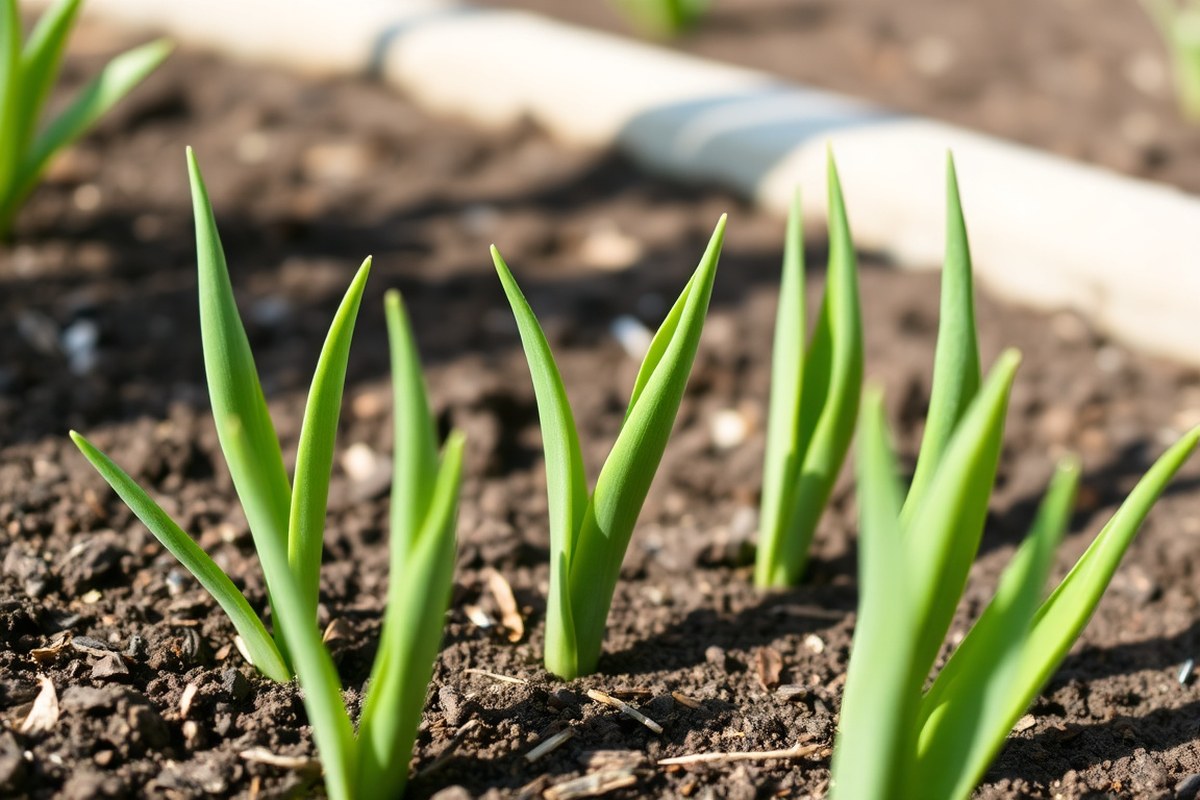
What do tulips look like before they bloom? You’ll see a small, pointed green shoot first. It often appears as a tiny spike poking through the soil surface.
This shoot is only 1 to 2 inches tall initially. It marks the start of tulip growth.
As these shoots grow, their leaves begin to unfurl. The leaves are long, narrow, and have a smooth, slightly waxy texture. The tulip grows to about 4 to 6 inches tall.
At this height, a bud often forms in the center. This is the start of the flower.
Keep an eye on soil temperature to spot when tulips emerge. Tulips push shoots when soil warms to about 50°F, usually from March to May. Make sure your bulbs had enough chill time in winter to bloom well in spring.
Key Takeaways
- The first sign of tulip growth is a small green spike 1 to 2 inches tall.
- Tulip leaves look narrow, smooth, and waxy before the flower bud appears.
- Buds form in the leaf cluster when leaves reach 4 to 6 inches tall.
- Shoot emergence depends on soil warming to roughly 50°F in early spring.
- Tulips need 12 to 16 weeks of cold below 45°F for strong blooming.
- Watch soil temperature and chill requirement to predict shoot appearance.
What Tulip Shoots and Leaves Look Like Before Blooming

Tulip shoots first appear in early spring as small, pointed green stems. They typically grow between 1 and 3 inches tall before the leaves fully form.
These shoots often have a smooth, waxy surface. Sometimes, you may see a faint reddish tint near the tip.
The leaves develop soon after shoots emerge, reaching lengths of 4 to 8 inches. They have a narrow, strap-like shape and a glossy texture, feeling smooth like a petal. The color is usually a deep blue-green, which sets tulips apart from other spring bulbs.
Before the flower bud forms, the leaves stay upright and tightly grouped around the stem. You might notice a papery sheath protecting the developing bud at the top of the shoot. This early look helps you spot healthy tulips in your garden well before any color appears.
How to Identify Tulip Shoots and Distinguish from Weeds
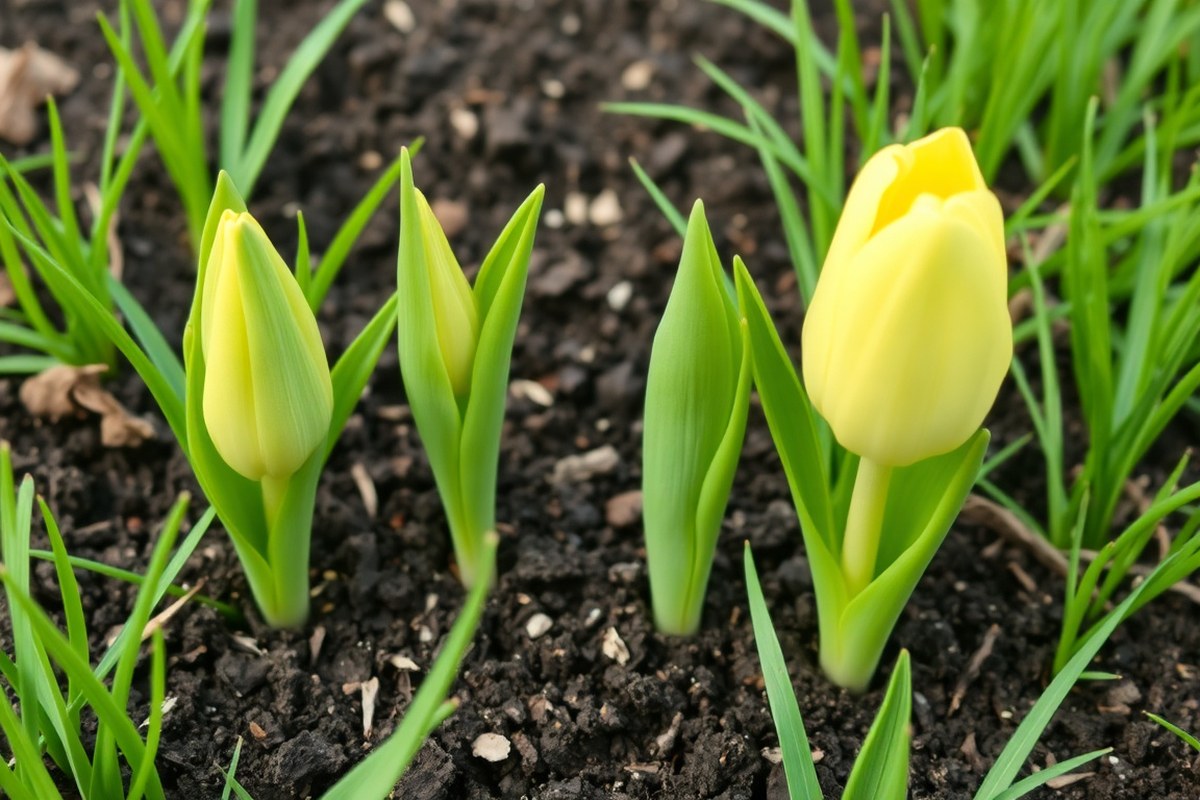
Young tulip shoots look quite different from most common garden weeds. Tulip shoots start as pointed green sprouts that are about 1 to 2 inches tall. These tips emerge when the soil warms to around 50 °F in early spring.
Tulip leaves grow upright and have a smooth, waxy surface with a bluish-green color. Weeds usually have broader, flatter leaves with rougher edges and more irregular shapes.
Tulip shoots often come in pairs or small clusters. Weeds can appear more scattered and random.
To tell tulips apart from weeds, look closely at leaf shape, color, and growth pattern. Tulip leaves are long and narrow. They have a gentle curve.
Many weeds have jagged or compound leaves. The shoot texture is another clue: tulip leaves feel smooth and firm.
- Look for pointed, narrow leaves that stand straight up
- Check for a bluish-green color with a waxy surface
- Note if the shoots appear in clusters or pairs
- Avoid plants with broad, jagged, or fuzzy leaves
- Ignore random, sprawling shoots typical of many weeds
- Use soil temperature (around 50 °F) as a timing guide
Some weeds may look similar at first, especially in early growth. You can wait a few days to see more leaf development before deciding.
Tulip shoots grow steadily upward, while weeds may spread sideways quickly. Removing suspicious shoots too early can accidentally waste healthy tulip bulbs.
Don’t pull shoots unless you’re sure they’re weeds. Young tulips need careful recognition before flowering.
Knowing these details helps prevent removing tulips by mistake during garden cleanup. It saves time and keeps your spring tulips on track to bloom beautifully. Keep an eye on patterns and shoot feel to be sure before digging in.
Timeline of Tulip Growth: From Shoot Emergence to Bud Formation
Tulip shoots typically peek through the soil in early spring, often by mid-March. The sprout grows into a full bud in 5 to 6 weeks. Temperature and sunlight affect this growth speed.
Watch the shoot height, leaf shape, and bud each week. This helps you know when flowers will bloom.
Weeks 1, 2: Initial Shoot Emergence
In the first two weeks, the tulip bulb breaks dormancy and sends out short shoots. These shoots are slender with a distinct, pointed tip and a bluish-green waxy coating.
The shoot starts small at 1 to 3 inches tall. Leaves wrap tightly around the stem.
Soil temperature near 55°F signals bulbs to sprout. Cool and cloudy days may slow this phase, causing leaves to stay closed longer. This early growth helps plants absorb sunlight and begin photosynthesis, essential for later flowering.
Weeks 3, 4: Leaf Development and Stem Growth
During weeks three and four, leaves grow longer and wider, often reaching 6 to 8 inches. The leaves spread out, showing their smooth, lance-shaped form. The stem also thickens, supporting the future flower bud at the top.
By the end of this stage, the shoot may reach 8 to 12 inches tall. The bud sheath appears as a small, rounded tip on the stem.
This sheath covers the flower before blooming. It helps you identify tulips by sight.
Weeks 5, 6: Bud Formation and Pre-Bloom Appearance
The final phase before blooming is bud formation, which usually happens in weeks five and six. The bud grows from a small bump to a rounded shape.
It appears at the stem tip. The tulip shoots can reach heights of 12 to 16 inches by this point.
The bud stays inside the bud sheath as it grows. The sheath color varies with the variety.
Warm, sunny days accelerate bud development and push the flower toward blooming. During colder or cloudy weeks, buds remain tight and delay opening.
Tracking tulip growth helps you plan watering and protection against late frosts. It also guides timing for supporting stems and removing competing weeds before flowers open.
| Growth Stage | Typical Duration (Weeks) | Shoot Height (Inches) | Leaf Shape & Size | Bud Description | Soil Temperature Trigger (°F) |
|---|---|---|---|---|---|
| Initial Shoot Emergence | 1, 2 | 1, 3 | Pointed, wrapped tight, blue-green waxy surface | Not visible | ~55 |
| Leaf Development & Stem Growth | 3, 4 | 6, 12 | Lance-shaped, 6, 8 inches long, leaf spread out | Small rounded bud tip sheath appears | ~55 |
| Bud Formation & Pre-Bloom | 5, 6 | 12, 16 | Leaves fully formed, stem sturdy | Bud enlarged, enclosed in sheath | Warmer days speed up |
How Different Tulip Varieties Look Before Blooming
Tulip varieties show clear differences before blooming in their early shoots and buds. Some have broad, large leaves reaching several inches long.
Others display unique bud shapes, like tapered or ruffled tips. Recognizing these traits helps you identify tulip types well before flowers open.
Darwin Hybrids: Large Leaves and Classic Buds
Darwin Hybrids start with very broad leaves, often 6 to 8 inches long. These leaves appear before the flower stem shows itself. The buds are smooth and classic, usually egg-shaped, and may nod or lean slightly before blooming.
The leaves are wide and strong. They help the bulb store energy.
This energy supports a big flower. This type grows well in zones 3 through 7, making it popular for sturdy spring gardens.
Parrot Tulips: Ruffled Bud Appearance Before Bloom
Parrot tulips open late and keep their buds tightly closed and green for longer. Their buds look ruffled or fringed, unlike the smoother buds of other sorts. The leaf color tends to be solid green without much pattern.
These tulips bloom when many others have finished. Watch their unique buds closely.
They show signs before blooming bright petals. The petals are jagged and colorful.
Lily-Flowered Tulips: Tapered, Pointed Buds
Lily-flowered tulip buds are long and sharply pointed at the top. Their petals curve outward, forming a sleek shape that starts well before the flower opens. These tulips bloom by late April or early May.
The leaves are usually solid green but narrower than Darwin Hybrids. The tapered buds make it easy to spot lily-flowered tulips even in the crowded garden bed.
The table compares early growth traits of tulip kinds. It shows leaf and bud details. These details help you identify the tulip.
| Tulip Variety | Leaf Size & Appearance | Bud Shape & Features | Bloom Timing |
|---|---|---|---|
| Darwin Hybrids | Very large, broad leaves (6, 8 in) | Egg-shaped, smooth buds; may nod slightly | Mid to late spring |
| Parrot Tulips | Solid green leaves, typical size | Ruffled, fringed buds; tightly closed, green | Late spring (last bloomers) |
| Lily-Flowered Tulips | Narrower, solid green leaves | Long, tapered, sharply pointed buds | Late April to early May |
| Double Early Tulips | Moderate size leaves, typical green | Rounded buds with multiple petals inside | Early spring |
| Single Early & Triumph Tulips | Standard green leaves | Classic smooth, egg-shaped buds | Early to mid-spring |
Knowing these traits helps you care for tulips at their early growth stage. For Darwin Hybrids, watch the large leaves as a sign the bulb is healthy.
For Parrot tulips, expect tightly closed buds longer than most, so patience is key. Lily-flowered tulips’ sharp bud shape tells you they’re a distinct type before any bloom shows.
Environmental Factors Affecting Tulip Appearance Before Bloom
Sunlight plays a big role in how tulip shoots and buds grow. Tulips need 6 to 8 hours of full sun each day once shoots emerge. This sunlight helps leaves make energy through photosynthesis, which supports strong bud growth.
Soil temperature also affects early shoot development and bud timing. Tulips start growing best when the soil warms to around 55°F. When soil stays cold longer, tulips may grow unevenly or late. Planting too deep can delay growth because shoots take longer to reach the surface.
Moisture levels matter for healthy shoots and buds too. Consistent watering during active growth keeps leaves firm and shoots upright. Tulips need deep watering that reaches 6 to 8 inches below soil, especially during dry spells.
Too much water or soggy soil may cause yellow leaves or rot. Underwatering makes leaves wilt or droop.
Watch leaf and sheath condition to catch stress early. Bright, uniform green leaves show your tulips have enough nutrients and moisture. Yellowing or pale leaves may mean cold stress or watering issues.
A tightly closed sheath protects the developing bud. Cracks that form too soon or too late may show damage or poor conditions.
Checking your tulip shoots helps you adjust care. Compare growth rates for delayed sprouts and measure shoot length above soil. Limp shoots or drooping leaves mean you should water more or check soil health.
Extra mulch or a small cover can protect tulip buds from frost. It also helps keep pests away during cool weather. This keeps fragile buds safer.
Change watering times based on soil moisture and leaf look. This avoids wilt or rot in tulip shoots. Check leaves often for signs of over- or under-watering.
Common Issues with Tulip Shoots Before Flowering and How to Fix Them
Yellow or pale tulip leaves usually mean your bulb is stressed. This could be due to too much water, poor soil, or low nutrients. Check if the soil is soggy or drains poorly.
Tulip bulbs need soil that drains well. Poor drainage can cause the bulbs to rot.
Brown or gray spots on leaves often come from fungal infections. Botrytis tulip fire causes these spots. These infections happen before the tulip blooms.
This disease thrives in wet springs and causes distorted, spotted leaves and flowers. Bag and toss any infected leaves to keep your garden safe from spreading.
Stunted growth or shoots under 5 cm after ten days is a sign. This means your tulip bulb may be weak. Watch your tulip’s growth during this time.
Test your soil pH; it should be between 6 and 7. You might need to add fertilizer with balanced nitrogen and phosphorus.
This helps your tulips grow healthy. Fertilizing around the first true leaves appear helps boost blooming potential.
- Look for firm, upright leaves with a smooth, opening sheath
- Watch for yellow, wilted, or spotted leaves as warning signs
- Remove and bag any moldy or spotted foliage immediately
- Check soil moisture, too wet or dry can harm bulbs
- Test soil pH and amend if it’s outside 6, 7 range
- Use balanced fertilizer when leaves appear to support growth
- Keep tulips in cooler spring temps (50, 60°F) to lengthen bloom
Leaves that look yellow or wilted are a red flag. You should reduce watering and improve soil drainage. Leaf spots appear?
Clean clippers after cutting affected parts. This stops spreading disease to other plants.
Tulips handle cold spring weather well. So don’t worry if you see leaves before the last frost.
However, sudden heat waves can speed up blooming and shorten flower life. Keep an eye out and adjust care if temperatures jump unexpectedly.
What the Tulip Bud Looks Like Before It Opens
The tulip bud before it opens looks like a tight, pointed shape at the stem tip. It measures about 1 to 2 inches long, depending on the variety. The bud is wrapped in a papery sheath.
It looks light green or tan. The sheath is thin and slightly see-through.
This protective sheath acts like a small envelope, covering the developing flower inside. It feels firm but flexible and keeps the bud safe from weather and pests. A healthy bud has a plump, smooth surface.
The sheath stays intact. It should have no brown or soft spots.
The bud begins to swell and change color as it gets ready to bloom. Watch the bud grow bigger every day. It usually starts to open at 55 to 65 degrees Fahrenheit.
The petals push open the sheath gently. You can see color before the flower fully opens.
A common mistake is confusing the bud with wilting leaves or damage. Check that the sheath is unbroken and the bud does not feel soft or dry. Healthy tulip buds stand upright on strong stems.
These stems are about 8 to 12 inches tall. This shows they will bloom soon.
Practical Care Tips for Tulips at the Pre-Bloom Stage
Start caring for tulips as soon as their green shoots break through soil. Use proper watering, protect from frost, give enough sunlight, and check soil regularly. These steps help tulips develop strong buds and bright flowers.
Watering Without Overdoing It
Tulips need moist soil but not soggy. Water them once or twice a week depending on rainfall. Overwatering can cause bulbs to rot below ground.
The best way to water is deeply but infrequently. This encourages roots to grow well. Avoid watering leaves to reduce disease risks.
- Check soil moisture by feeling 1 inch below surface
- Water when top inch feels dry
- Use about 1 inch of water per week
- Water early morning to limit evaporation
- Keep water off foliage to prevent fungus
Too much water will rot bulbs and stunt growth.
Protecting Shoots from Late Frost
Tulip shoots can die if exposed to frost under 32 °F (0 °C). Protect them until soil temperature stays above 46 °F (8 °C). Early varieties need protection longer during cold snaps.
Use a frost cloth or loosely drape breathable covers over the shoots. Remove protections in the daytime so plants get sunlight and air. Avoid plastic which traps moisture and heat.
- Check local frost forecasts daily
- Cover shoots during nights with frost risk
- Use frost cloth or light mulch layers
- Remove covers when temperature climbs above 46 °F
Don’t leave covers on all day; shoots need air and light.
Ensuring Adequate Sunlight
Tulips grow best in full sun, getting at least 6 hours of light each day. The shoots lean toward sunlight, so keep them in a sunny spot. Too much shade delays blooming and weakens stems.
Check where early morning and afternoon sun falls in your garden. Move containers or select bulb sites where sunlight is strongest. Avoid areas shaded by trees or large shrubs.
- Plant or place tulips where they get 6+ hours sun
- Avoid planting near tall structures blocking light
- Rotate container pots to keep even light exposure
Lighting affects bloom speed; little sun means late or weak flowers.
Monitoring Soil Conditions
Soil should drain well but hold some moisture. Slightly acidic to neutral pH between 6 and 7 works best. Add compost before planting to improve soil texture and nutrients.
Check the soil for compaction or puddling. Loosen compacted soil to help roots breathe and avoid waterlogging. Avoid heavy clay soils or improve them with organic material.
- Test soil pH and adjust if outside 6, 7 range
- Work 2, 3 inches of compost into soil before planting
- Ensure soil surface doesn’t stay soggy after rain or watering
- Loosen soil gently around shoots if compacted
Waterlogged roots rot bulbs; soil must drain well for healthy growth.
Step-by-Step Action Plan for Tulip Care Before Blooming
Follow these steps to spot and care for tulips before they bloom. You’ll see their progress daily and keep them healthy.
- Early Spring: Check the soil for green shoots. Identify tulip shoots by their rounded leaves and pointed tips.
- Week 1: Remove any nearby weeds carefully. Make sure you don’t pull out your tulips by mistake.
- Week 2: Water lightly if the soil feels dry. Look for leaves that stay firm and upright.
- After 3 Weeks: Watch for the tulip buds forming at the shoot tips. They look like small, tight green cones.
- Before Bloom: Apply a balanced fertilizer to support bud growth. Healthy buds will swell and show color hints.
- Once Buds Form: Keep watering regularly but avoid soggy soil. Leaves should stay smooth and glossy.
- Last Week Before Bloom: Remove any damaged or yellow leaves. This helps the plant focus on flower development.
Frequently Asked Questions
How Do Tulip Buds Differ Before Blooming Across Varieties?
Tulip buds look different depending on the type you have. Parrot tulips have ruffled bumps on their buds.
Fringed tulips show fine lace-like edges on the petals. These hints help you expect the bloom’s look before petals open.
When Do Late-Blooming Tulip Shoots Start to Show?
Late bloomers like parrot and double late tulips keep their tightly closed, green buds longer. They emerge later, often after other varieties have bloomed.
Can Tulip Shoot Size Predict Bloom Timing?
Larger and fuller shoots usually mean the tulip is closer to blooming. Watching growth can help you time garden care or photography.
Do Tulip Shoots Change Color Before They Bloom?
Tulip shoots begin as a light green color. As buds grow, the green may darken.
You might also see a red blush on the shoot. This color shift hints at the flower type and health.
How Does Planting Depth Affect Tulip Appearance Pre-Bloom?
Tulips planted deeper tend to have slower shoot growth and smaller leaves early on. Depth changes growth speed and timing before buds open.
Why Do Tulip Shoots Sometimes Look Uneven in a Single Bed?
Differences in shoot size often come from weather, variety, or soil depth. This mix causes uneven growth even in close proximity.
Final Thoughts
Tulip shoots and buds provide clear signs before blooming. Watch their shape and leaf health to care well. Now, start checking your garden daily to spot those early shoots.