Why Is Coreopsis Called Tickseed? The Complete Guide to Its Unique Seeds
Why is coreopsis called tickseed? The name comes from the seed’s shape.
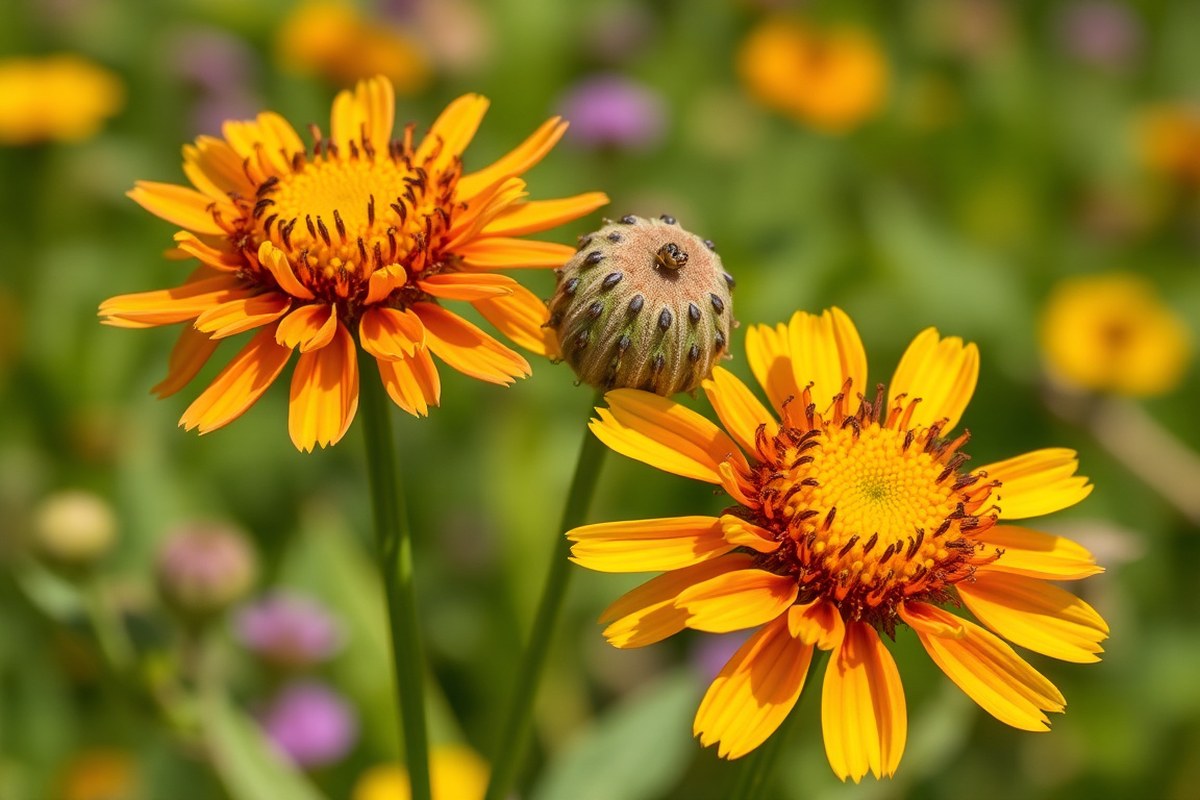
Coreopsis flowers drop tiny seeds that look like ticks. These seeds are small and oval, resembling a tick’s body, which gave them the nickname “tickseed.”
The seeds form inside the flower’s fruit, called an achene. It takes about 4 to 6 weeks for them to mature.
Once ripe, the seeds fall off easily. This natural process spreads the seeds and helps new plants grow.
Watch for these seeds when your coreopsis blooms fade. You can collect the seeds for planting.
Or, let them fall naturally to grow more plants each year. Proper sunlight and space help the plants produce plenty of these tick-like seeds.
Key Takeaways
- Coreopsis gets the name “tickseed” from the shape of its seeds resembling ticks.
- The seeds form in a fruit called an achene that matures in 4 to 6 weeks.
- Seeds drop naturally and help spread the plants to new areas.
- Check for seeds after flowers fade to collect them for planting.
- Full sun boosts seed production and healthy blooming in coreopsis plants.
- Seed shape and small size make tickseeds easy to confuse with actual ticks.
Why Is Coreopsis Called Tickseed?

Coreopsis gets the common name “tickseed” because its seeds closely resemble ticks. These seeds are small, dark, and oval-shaped, about the size of a tick. They also have two tiny projections that early botanists thought looked like tick legs.
Early gardeners and botanists named plants using simple visual cues. Since Coreopsis seeds looked like ticks in shape, size, and color, they called the plant “tickseed.The Latin name Coreopsis hints at this fact.
“Opsis” means “resembling.” It shows the bug-like look was noted long ago.
The resemblance does not mean Coreopsis seeds are harmful or carry diseases like ticks do. These seeds are safe to handle and even attract birds that like to eat them.
You won’t find ticks on the plant just because of this name. So no need to worry when gardening with Coreopsis.
What Is Coreopsis and What Does Its Botanical Name Mean?

Coreopsis as a Genus of Flowering Plants
Coreopsis is a genus in the Asteraceae family with about 100 species. These plants mostly come from North, Central, and South America. You’ll find them in many gardens because they add bright, cheerful blooms.
They grow well in sunny spots with well-drained soil and are quite hardy. Depending on your region, you can pick species native to your area for the best results. For example, 28 species grow in North America and 13 native to Florida.
Origin and Distribution of Coreopsis Species
Coreopsis species spread across various American climates, from dry prairies to moist woodlands. These plants adapt well, making them good for mixed borders or naturalized garden beds. Their ability to thrive in different soils helps them survive with minimal care.
Their native origin matters because it guides how to grow them and manage pests. Choosing local species means you’re working with plants used to your weather and soil. It also supports local wildlife, which might rely on their nectar and seeds.
Explaining the Botanical Name Coreopsis
The name Coreopsis comes from two Greek words: “koris,” meaning bedbug, and “opsis,” meaning appearance. This name refers to the seeds looking like tiny insects. Gardeners notice the flat seeds resemble small bugs or ticks.
This visual connection explains why people call these plants tickseed. The name tickseed describes the seeds more simply than the botanical term. Both names point to the same plant feature: the unique seed shape.
Common Names and Their Acceptance
Coreopsis is commonly called tickseed because of its seed shape, which looks like ticks. Another frequent name is calliopsis.
You’ll see both used in gardening books and plant catalogs. Tickseed tends to be more popular among home gardeners.
Using tickseed helps gardeners spot the plant quickly by seeds. This is useful when flowers are not blooming yet. Seeds give a clear way to identify the plant.
Some nurseries might advertise calliopsis, but tickseed remains the widely accepted term. Knowing both names can help you find the plant more easily.
Choose native Coreopsis species to ensure easy growth and minimal care in your garden.
How Do Coreopsis Seeds Develop and Mature into Tickseeds?
Coreopsis seeds develop inside small dry fruits called achenes that form after flowering. It usually takes about 4 to 6 weeks for these seeds to mature. Their tight, flat shape makes them look like tiny ticks.
The dark color adds to this look. That’s why Coreopsis is nicknamed “tickseed.””
Flower to Seed Transformation Steps
The process from flower to seed involves several clear steps. Each step changes the flower, turning it into a seed pod that holds the mature achene. This transformation is what makes seed collection and planting possible.
- Flower blooms, showing bright yellow or golden petals.
- Petals begin to fade and drop as pollination occurs.
- Fertilized ovary swells, starting fruit formation under the flower head.
- Early achene develops, small and green, protected by the fading petals.
- Achenes grow darker and harden as they dry out.
- Flower head dries completely, ready to release mature seeds.
After these steps, the achenes are ripe and ready for harvesting or natural dispersal.
Timeline of Seed Maturation
Coreopsis seeds take roughly 4 to 6 weeks to mature after flowering. The timeline varies slightly by weather and soil conditions. Warm nights and steady sunlight speed up the process.
Check the flower heads about one month after the blooms fade. They should dry fully and feel hard to the touch. Most seeds fully mature by 6 weeks.
After that, they are ready to drop. You can also collect them at this time.
Description of Coreopsis Achenes
The seeds themselves are actually small fruit called achenes. These are flattened, oval shapes with a slight bulge in the middle. Their texture is pitted and ribbed, giving a matte finish that is not shiny.
Coreopsis achenes come in muted gray-brown or deep charcoal colors. They are only a few millimeters long, about the size of a grain of coarse salt. Their shape and color closely resemble tiny ticks, catching the eye and inspiring the name “tickseed.”
Comparing Seed Shapes and Sizes Among Coreopsis Species
Coreopsis species show clear differences in seed size and shape. Seeds look dry and dark after the flowers finish blooming. These traits help tell which species you’re dealing with in a garden or meadow.
Coreopsis grandiflora, lanceolata, and verticillata are among the most popular. Each produces seed heads called tickseeds, but their sizes and shapes vary. Recognizing these differences is useful when collecting seed or planning a garden with multiple species.
| Species | Common Name | Seed Size (approx.) | Seed Shape | Plant Height | Notable Traits |
|---|---|---|---|---|---|
| Coreopsis grandiflora | Large-flowered Tickseed | 5-7 mm long | Oval with slight ridges | 1, 3 feet | Large yellow flowers, drought tolerant |
| Coreopsis lanceolata | Lanceleaf Tickseed | 4-6 mm long | Narrow, lance-shaped | 1, 2 feet | Good for naturalized meadows |
| Coreopsis verticillata | Threadleaf Tickseed | 3-5 mm long | Slender, slightly curved | 1, 3 feet | Feathery foliage, fine texture |
Seed shapes range from oval to lance-shaped, matching leaf forms. The size varies from 3 mm in verticillata to 7 mm in grandiflora.
Taller plants, like grandiflora, have bigger seeds. These seeds stand out more in a seed packet.
The ridges or curves on the seeds also differ. Coreopsis lanceolata’s seeds are narrow and smooth, helping them catch wind for spread. Verticillata seeds curve a bit, making them easy to spot against the plant’s threadlike leaves.
How to Identify Coreopsis Seeds and Distinguish Them from Actual Ticks
Coreopsis seeds look a lot like tiny ticks, but you can tell them apart. Seeds usually cling to the stem in clusters. Real ticks crawl or stay on surfaces.
Seeds don’t move or bite. So movement is a quick way to separate them from ticks.
Coreopsis seeds are dry and have a hard surface with a flat side. They are about 1/8 inch long and oval-shaped. The real ticks are rounder with legs and are softer to the touch than seeds.
When collecting seeds, use a close-up lens or magnifying glass. Look for legs or mouthparts to spot ticks. Seeds have no legs or eyes, they just look like tiny brown or black specks.
- Check for movement: if it moves, it’s a tick, not a seed.
- Look for legs or tiny features using a magnifier.
- Coreopsis seeds usually cluster on stems in a dry bunch.
- Seeds feel hard and dry; ticks feel softer and can be squished.
- Seeds are flat on one side; ticks are rounded all around.
- Wear gloves during collection to avoid bites if ticks are present.
Always handle collected material gently and inspect closely to avoid spreading ticks in your garden.
Many gardeners confuse the name “tickseed” with actual ticks because the seeds look so similar. Keep in mind that these seeds won’t attach to skin or plants like ticks do. If you spot something attached to your skin, it’s safer to assume it’s a tick, not a seed.
Remember, Coreopsis seeds might not always match the parent plant because of cross-pollination. The seeds’ shape and size can vary a little.
But they won’t have legs or move. Knowing these details helps you safely harvest seeds without mixing in pests.
Historical and Cultural Stories Behind the Name Tickseed
The name “tickseed” originated from the look of Coreopsis seeds. These seeds are small, dry, and hard with tiny wing-like edges. They closely resemble ticks, the tiny parasitic bugs people try to avoid.
Early farmers and gardeners noticed this resemblance and started calling the plant tickseed. The name stuck because it vividly described the seeds’ shape and size. This visual link made the term easy to remember and widely used.
Coreopsis carries cultural weight in some U.S. Regions, especially Florida. It was named Florida’s state wildflower in 1991, a sign of its local importance. This boosted interest in growing tickseed plants in home gardens there.
Gardeners appreciate the name because it hints at seed collection and planting. When seeds look like ticks, it reminds you to handle them carefully. You don’t want to confuse real ticks growing near the garden with these harmless seeds.
The name also guides gardeners on seed care. Dry seeds can be stored for months in paper envelopes before planting. This trick helps people plan their garden timing to grow healthy Coreopsis flowers later.
Tickseed’s historical background helps gardeners connect with the plant’s story. Knowing why the name fits adds charm while you care for the bright blooms. It also encourages sharing the name’s origins with new gardeners curious about Coreopsis.
How to Collect and Plant Coreopsis Tickseeds Successfully
Collecting and planting Coreopsis tickseeds is simple if you follow some clear steps. The seeds need to be harvested when fully mature and dried before storage. Plant them in a sunny spot with well-draining soil for the best germination.
When to Collect Seeds
Coreopsis seeds are ready to harvest once the flower heads dry out and turn brown. Check for seed heads that feel firm but dry to the touch. Harvesting too early can result in poor seed viability.
To know the exact timing, wait until all petals fall off naturally. The seed capsules will then begin to harden and darken, signaling maturity. This usually happens in late summer or early fall.
How to Store Tickseeds
Keep the seeds dry and cool to maintain their viability for future planting. Use a paper envelope or a breathable container to avoid moisture buildup. Avoid plastic bags unless you add a desiccant.
Store seeds in a dark place. Keep the temperature between 40 and 50°F. This helps the seeds last longer.
Label the container with the harvest date since viability decreases over time. Using seeds within one year gives the best germination rates.
Optimal Planting Conditions
Plant Coreopsis seeds in soil that drains well. Make sure the spot gets six hours of sunlight daily. Good drainage and sun help seeds grow.
Prepare the soil by loosening it to about 1 inch deep and removing weeds. This helps the tiny seeds make good contact with the soil.
Water the soil gently after planting. Keep the soil moist until seeds sprout. Sprouting usually takes up to 21 days.
Avoid overwatering as this can cause seed rot or disease. Thin seedlings to 12 inches apart once they grow four sets of leaves.
- Wait for flower heads to dry and turn brown on the plant.
- Cut seed heads with scissors or pruning shears and place them in a paper bag.
- Allow seeds to dry completely for a few days indoors in a ventilated spot.
- Remove seeds from the dried heads by gently rubbing them over a clean surface.
- Store seeds in a paper envelope labeled with the collection date.
- Choose a sunny spot with well-draining soil for planting.
- Scatter seeds lightly and cover with 1/8 inch of soil.
- Keep soil moist and wait up to 3 weeks for seedlings to emerge.
Ecological Role and Seed Dispersal Mechanisms of Tickseed
Coreopsis seeds have a unique shape that helps the plant spread naturally. Their seeds are small, flat, and a bit oval in shape. They fall close to the plant and get caught in soil cracks.
This helps the seeds stay put where they land. This shape supports easy germination in poor soils, where Coreopsis thrives despite drought or low nutrients.
The seed appearance also influences interactions with wildlife. The seeds are brown and hard. Birds and rodents don’t go for them.
They prefer softer seeds instead. These seeds resist nibbling by animals.
They can pass through animal stomachs without harm. This helps spread the seeds farther away.
Coreopsis grows about 1 to 2 feet tall and wide. So its seeds usually drop near the parent plant.
But animals like small mammals may carry the seeds a short distance, helping colonize new spots. This natural movement adds resilience, especially since the plants handle wildlife nibbling without damage.
Try planting tickseeds in well-draining soil. Excess moisture can harm germination and seedling growth.
The plant’s survival hinges on this effective seed dispersal. The tough seed coat protects the embryo during dry spells and passes through animals unharmed.
Seeds look like tiny ticks. But don’t attract ticks or harmful pests, which reduces seed loss due to predation.
This resilience means Coreopsis needs little care. It does well in eco-friendly gardens, supporting pollinators without needing pesticides. The seed shape and animal help spread the plant steadily.
This keeps populations healthy year after year. It ensures new plants grow each season.
Step-by-Step Action Plan for Growing Coreopsis from Tickseeds
Follow these steps to collect, plant, and grow Coreopsis from its unique tickseeds. You’ll see the seeds sprout and thrive in your garden.
- Before you start: Gather fully mature Coreopsis tickseeds by late summer or early fall. Seeds will look dry and hard, not green or soft.
- Day 1: Clean the seeds by removing plant debris. This stops mold and helps you spot the tickseed shape clearly.
- Day 2: Prepare seed trays or pots with well-draining soil. Keep the soil moist but not soaked for best seed contact.
- Week 1: Sow tickseeds on the soil surface and press lightly. Do not bury them more than a quarter inch deep to allow light exposure.
- Week 2: Keep soil moist and maintain room temperature around 65 to 70°F. Check daily for sprouting, which usually takes 7 to 14 days.
- Week 4: Thin seedlings to prevent overcrowding, leaving the strongest plants every 2 to 3 inches. This helps healthy growth and airflow.
- After 6 weeks: Harden off seedlings by moving them outdoors gradually. Plant them in a sunny spot with well-drained soil for best bloom.
- Ongoing: Water moderately and remove spent flowers to encourage continuous blooming. Watch your Coreopsis flourish from seed to flower.
Frequently Asked Questions
Why Does Coreopsis Have the Nickname Tickseed?
Coreopsis is called tickseed because its seeds look like ticks. The seeds’ size, shape, and color resemble those tiny bugs closely.
Can Coreopsis Plants Attract Real Ticks?
Coreopsis plants do not attract ticks despite the nickname. The name only refers to the seed’s tick-like appearance, not the plant’s effects.
Are All Coreopsis Species Called Tickseed?
Most coreopsis species are commonly called tickseed. Their seeds typically share the tick-like look and size, which explains the shared nickname.
What Do Coreopsis Seeds Look Like Compared to Actual Ticks?
Coreopsis seeds are small, oval, and dark-colored, like ticks. However, seeds don’t move or bite like real ticks do.
Is Coreopsis Called Tickseed Anywhere Else in the World?
Yes, coreopsis is often called tickseed internationally in English-speaking areas. The name comes from a universal observation about seed appearance.
Does the Name Tickseed Affect Coreopsis Popularity in Gardens?
Coreopsis remains popular despite the tickseed nickname. Gardeners value its bright flowers and easy growth more than the odd seed name.
Final Thoughts
Coreopsis earned its “tickseed” name because of its seed shape, which looks like tiny ticks. This unique feature helps you identify its seeds easily. Start collecting mature seeds this season to grow your own vibrant Coreopsis patch.