How Long Do Strawberry Plants Live: A Complete Guide to Longevity and Care
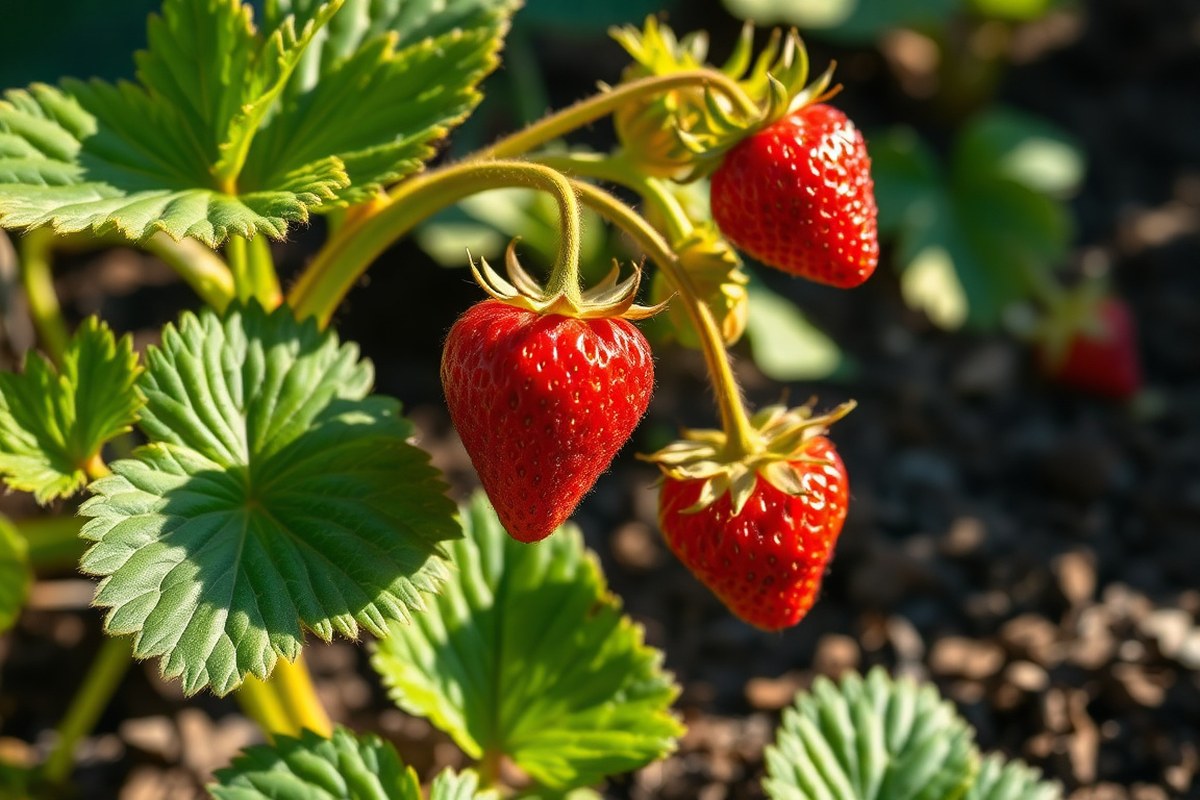
How long do strawberry plants live? Usually, strawberry plants live about 3 to 5 years. Their fruit production peaks in the first two or three years and then starts to decline.
Some strawberry plants can live up to 6 years under perfect conditions. But most stop producing good fruit after 3 or 4 years.
This is normal, so don’t expect high yields beyond that. Older plants often produce smaller berries and fewer flowers.
To get the most from your plants, give them steady water and good soil. Make sure the soil drains well to prevent root rot. Watch for signs of decline like yellow leaves or fewer blossoms to know when it’s time to replace them.
Keeping runners managed also helps extend their life. Removing excess runners can focus the plant’s energy on fruit production. Regular care can keep your strawberry patch productive longer and healthier.
Key Takeaways
- Strawberry plants typically live about 3 to 5 years before fruit drops.
- Peak fruit production usually happens during the first two growing years.
- Good watering practices support longer plant life and better yields.
- Watch for sparse fruit or discolored leaves to spot decline early.
- Removing excess runners prevents overcrowding and extends plant vitality.
- In optimal climates, some plants may live up to 6 years.
How Long Do Strawberry Plants Typically Live?
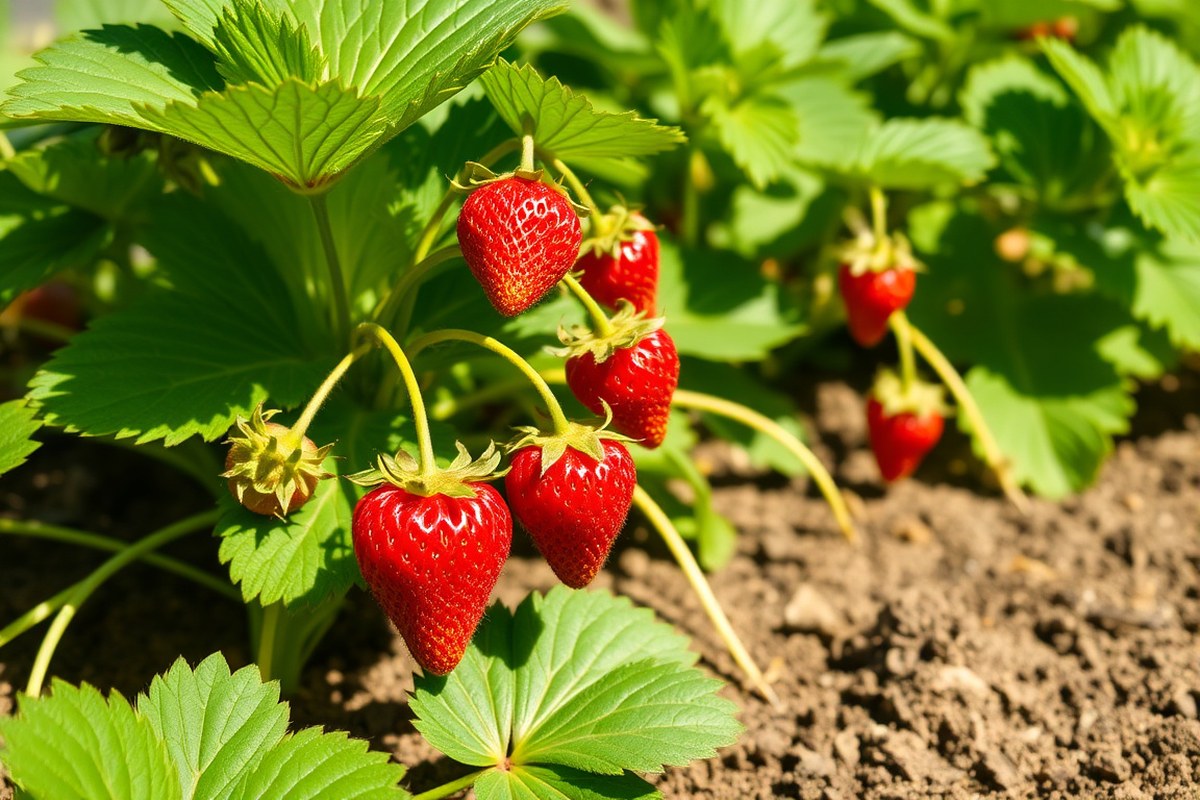
Strawberry plants usually live between three and five years. They start producing fruit right away but tend to lose productivity after a few seasons.
The first two years often give the best harvest. Fruit yields drop noticeably after year three.
Growing conditions and care play a big role in how long strawberry plants last. Plants can live up to six years with good soil. You also need to water them consistently.
Proper nutrients help keep your plants healthy, too. Poor conditions, pests, or diseases often shorten their life to two or three years.
Plants don’t suddenly die after a fixed number of years. But fruit production slows down as they age. For example, June-bearing strawberries usually produce well for about 18 months to two years.
Ever-bearing types might last two to three years. But their productivity varies by environment and care.
How Different Strawberry Types Affect Lifespan and Productivity
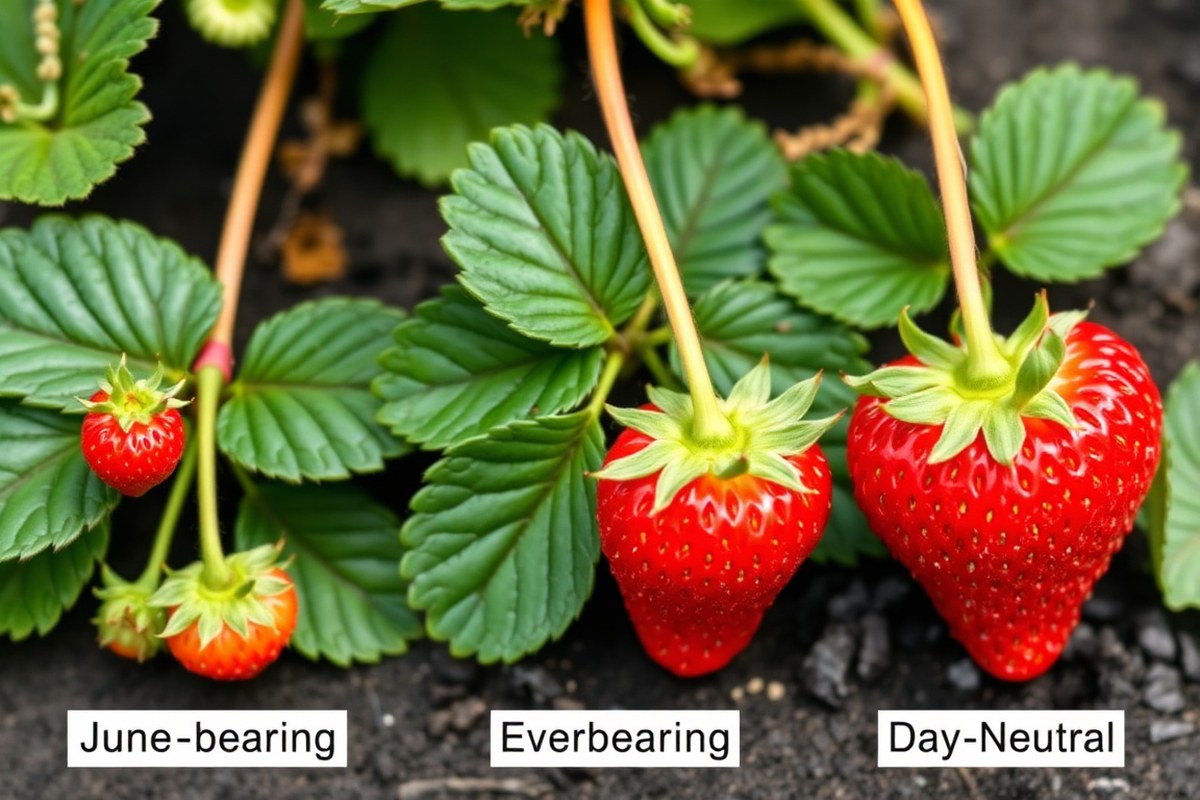
Strawberries come in different types that change how long they live and produce fruit. June-bearing and everbearing strawberries last about 2 to 3 years. Day-neutral varieties live shorter and often need yearly replacement.
June-Bearing Strawberries Lifespan and Yield
June-bearing strawberries usually live 2 to 3 years. They offer the longest productive life among common types.
They produce one heavy crop over two to three weeks in early summer. After the first or second year, their yield usually peaks before dropping off.
This type thrives if you plan on a big harvest once yearly. They work well in gardens where you want large amounts of berries at a set time.
Everbearing Strawberry Longevity and Harvest Times
Everbearing strawberries live roughly 2 to 3 years, similar to June-bearing varieties. They produce fruit twice in the growing season.
First in spring, then in late summer or fall. The peak yield also occurs during the first two years.
This type suits gardeners wanting fruit at different times. You need to replace plants every 2 to 3 years for good crops.
Day-Neutral Varieties: Lifespan and Continuous Fruiting
Day-neutral strawberries have the shortest lifespan, around 1 to 2 years. They produce fruit continuously if temperatures stay moderate.
Not in one or two big bursts. Peak yield is usually during the first year of growth.
Because of their shorter life and ongoing fruiting, they often require annual or biennial replacement. They work well when you want fresh strawberries through several months.
| Variety Type | Avg. Lifespan (Years) | Peak Yield Year(s) | Fruit Production Pattern | Recommended Replacement Cycle |
|---|---|---|---|---|
| June-Bearing | 2, 3 | 1, 2 | One heavy crop in early summer | Every 2, 3 years |
| Everbearing | 2, 3 | 1, 2 | Spring + late summer/fall crops | Every 2, 3 years |
| Day-Neutral | 1, 2 | 1 | Continuous, temperature-dependent | Annual or biennial |
| Alpine Strawberries | 3, 5 | 1, 3 | Small berries throughout season | Every 3, 5 years |
Picking the right strawberry type depends on your harvest goals. Also on how often you want to replace plants. June-bearing and everbearing types need replacement every few years to keep yields strong.
Day-neutral varieties offer fruit for longer periods but don’t live as long. So plan for yearly updates. Alpine strawberries last longer but produce smaller berries and also require less frequent replacement.
Watch for smaller fruit or fewer berries. These signs tell you when to replace plants.
Key Factors That Influence Strawberry Plant Lifespan
Strawberry plants need full sun to live longer and produce fruit well. At least 6 hours of sunlight a day helps them photosynthesize and stay healthy.
Too little sun causes weak growth, while too much heat can stress the plants. So shade or container growing might help in hot climates.
Water plays a big role in lifespan too. Strawberry plants require 1 to 2 inches of water each week, spread evenly.
Overwatering leads to root rot, while underwatering causes drought stress and smaller yields. Well-drained soil helps prevent water problems.
Soil quality matters a lot for strawberry health. Sandy, loamy soil with good organic matter works best.
It drains well and holds nutrients without staying soggy. Poor soil leads to weak roots and disease problems, which shorten plant life.
Pests and diseases can severely reduce how long strawberry plants live. Common issues include spider mites, slugs, fungal infections, and leaf spot.
These pests damage leaves and crowns, lowering vigor. Regular checks and early treatment keep plants strong and productive.
- Provide full sun, at least 6 hours per day
- Water evenly, 1-2 inches weekly, avoid soggy soil
- Use sandy, loamy soil rich in organic matter
- Inspect regularly for pests like spider mites and slugs
- Apply fungicide or natural treatments when diseases appear
- Consider containers or raised beds in hot or poor soils
- Adjust care to match your local climate and seasons
The local climate also affects survival and runner production. Cold winters may cause frost damage. Hot summers lead to heat stress and shortened life.
Mulching and proper placement help protect plants from extreme temperatures. Match your strawberry care routine to the weather where you live to get the best lifespan.
Runner Management to Extend Strawberry Plant Life
Managing runners helps keep strawberry plants vigorous and extends the patch’s life. Healthy runners create new plants, replacing old ones every 2 to 3 years. Trimming excess runners and rooting just a few allows your patch to thrive long term.
Identifying Healthy Runners to Keep
Runners are thin stems extending from the mother plant, each potentially forming a new plant. Healthy runners have firm leaves. They grow to 6 to 8 inches long.
The leaves have small root buds. Choose 2 or 3 runners per plant to grow into replacements without overcrowding.
Look for runners that appear strong and straight, not wilted or discolored. These will form the strongest new plants and best support patch renewal.
Trimming and Thinning Overcrowded Runners
Too many runners drain energy from the main plant and reduce overall fruit production. Cut back runners that grow too close or tangle together to allow air and light. Removing extra runners keeps your berry plants healthy and productive.
Trim runners when they extend beyond 6 inches if you don’t plan to root them. Use clean scissors or pruners and avoid damaging the mother plant. This helps the patch focus energy on fruit and strong new plants.
Rooting Runners to Renew Your Patch
Rooting runners is an easy, low-cost way to keep your strawberry patch fresh. Do this in spring or early summer when plants are actively growing. Follow these steps to root runners effectively:
- Select 2 to 3 healthy runners per mother plant, spaced out to avoid crowding.
- Place the runner’s tip into moist soil or a small pot of potting mix.
- Secure the runner to the soil with a small stone or a bent wire.
- Water the area regularly to keep soil moist but not soggy.
- Wait 3 to 4 weeks until roots develop and the new plant establishes.
- Sever the runner connecting the new plant to the mother once roots are strong.
- Transplant rooted runners to their permanent spot in the garden if needed.
Tagged and rooted runners replenish your patch without starting from seeds. This system keeps your plants productive for many seasons by swapping aging plants with new ones.
Signs Strawberry Plants Are Declining and When to Replace Them
Strawberry plants age when fruit drops after two or three years. You will see less fruit than before. This shows they are aging.
This decline happens because older plants shift energy from fruit to leaf growth. Soil diseases can build up. You might also see smaller berries or fewer blooms each season.
Watch for clear signs in the plant itself. These signs tell you when to replace plants. They are easy to spot.
The crown, where leaves and roots meet, often thickens and expands but becomes less productive. Leaves may yellow or wilt more easily. The plant won’t fill in the patch as well as it did when younger.
- Fewer flowers or blossoms compared to earlier years
- Smaller, less juicy fruit size and lower overall yield
- Yellowing or dying leaves, especially in the center crown
- Thicker, woody crowns that show less new growth
- More vulnerability to pests or diseases despite care
- Patchy growth with bare spots developing in the bed
Plant productivity tends to drop significantly after three to four years. Replacing strawberry plants every three to five years helps keep your garden producing sweet, plump berries. You can try dividing the crown to rejuvenate the plant.
But full replacement usually gives better long-term results. This is true especially if the plants get sick.
Also if they don’t produce enough fruit. These plants need changing.
Replace strawberry plants quickly if fruit and leaf health drop. This stops wasting time on poor yields. Acting fast helps your garden.
Time your replacement in late summer or early fall, once fruiting slows. Removing old plants and starting fresh allows your garden to thrive.
Keep in mind that poor growing conditions shorten the plant’s lifespan and speed up decline. Acting early preserves your harvest and keeps the patch looking healthy year after year.
Care Practices That Help Strawberry Plants Live Longer
Water strawberry plants evenly, aiming for about 1 inch per week. Use drip irrigation or water at the base to avoid wetting leaves. Overwatering can cause root rot, cutting their lifespan.
For soil, mix in organic matter like compost before planting. This improves drainage and feeds roots for years. Avoid heavy clay soil because it holds too much water.
Fertilize with balanced, slow-release fertilizer in early spring. About 1 cup of 10-10-10 fertilizer per 25 square feet works well. Too much nitrogen creates lots of leaves but few berries and weak roots.
- Water early in the day and only when the top inch of soil feels dry
- Add compost or aged manure each fall to replenish nutrients
- Prune old leaves and runners to reduce disease and boost air flow
- Apply mulch to retain moisture and keep soil temperatures steady
- Rotate planting beds every 3 to 4 years to avoid soil disease buildup
Pruning dead leaves and damaged runners yearly helps avoid fungal infections. Trim runners if you want bigger berries or save them to propagate new plants. Cutting back leaves after harvest can prepare plants for winter.
Mulching with straw or pine needles keeps roots cool and reduces weeds. Keep mulch a few inches away from crowns to prevent rot. In poor soil or containers, these efforts reduce stress and help plants live longer.
How to Protect Strawberry Plants Through Winter and Harsh Weather
Strawberry plants can survive frost and snow if you protect them well over winter. Mulching and covering help keep roots and crowns safe from freezing temperatures. Proper winter care boosts plant survival and can extend their lifespan by years.
Choosing the Right Mulch Material
Mulch shields strawberry roots and crowns from frost and temperature swings. Straw and pine needles are the top choices because they insulate well and let moisture through. A 2-inch layer after planting keeps roots moist and crowns safe during winter.
Organic mulch also stops soil from drying out in winter and prevents freeze-thaw damage. Over time, it breaks down and enriches the soil. Avoid using mulch that mats down or holds too much water, as it can cause rot.
Applying Protective Covers Effectively
Besides mulch, use covers like frost blankets or row covers to guard plants during deep freezes. Make sure the cover rests on frames above plants to avoid crushing leaves and crowns. Remove the cover on warm days to prevent overheating.
Check the covers regularly to keep them intact and snug. Covers can double as windbreaks on cold, dry nights. Avoid plastic without ventilation since it traps moisture and risks fungal growth.
Timing Winter Preparations Properly
Start protecting strawberries early, before the first hard frost hits. Apply mulch once plants go dormant and soil temperatures drop below 50°F, usually late fall. Cover plants before temperature dips below 28°F overnight to prevent damage.
In spring, remove mulch and covers gradually as soil warms past 50°F. This helps wakes plants gently from dormancy. Leaving mulch too long can delay growth or cause mold. Follow these steps to get the timing right and protect your strawberries all winter.
- Clear debris and weeds from around strawberry plants in late fall.
- Apply a 2-inch layer of straw or pine needle mulch evenly over the bed.
- Set up a frame structure over plants to support protective covers.
- Drape frost blankets or row covers over plants without touching crowns.
- Secure covers with stakes or weights to prevent wind damage.
- Check weather forecasts and add covers before temperatures drop below 28°F.
- Remove covers on sunny winter days to avoid overheating.
- In spring, lift covers and gradually rake back mulch as soil warms.
How Lifespan Differs for Container-Grown Strawberry Plants
Strawberry plants grown in containers usually live about two to three years. Container soil drains faster, which helps avoid root rot but causes quick drying. You need to water more often in late summer.
The soil dries fast then. This makes watering more important at that time.
Watering in pots should be frequent but measured. Check the soil daily and water when the top inch feels dry. Overwatering can drown roots, while underwatering stresses the plants and shortens their life.
Fertilizing container strawberries requires a steady supply of nutrients. Use a balanced, water-soluble fertilizer every two to four weeks during the growing season.
Containers hold fewer nutrients than garden beds. So regular feeding keeps strawberries productive and healthy.
Container size strongly affects how long strawberry plants last. Small pots dry out faster. They stunt root growth.
This often shortens plant life to about two years. Larger pots hold moisture better.
They give roots room to spread. Plants can live closer to three years this way.
Choose pots at least 12 inches deep and wide to support healthy root growth. Wider containers also reduce the risk of overheating roots on hot days. Keep containers in spots with good air circulation to avoid heat stress and disease.
Water container strawberries early in the morning to prevent quick drying and heat stress.
Step-by-Step Action Plan to Maximize Strawberry Plant Life
Follow these steps to help your strawberry plants live well and produce fruit for several seasons.
- Early Spring: Remove old leaves and runners to focus energy on your main plants. You’ll see fresh green growth soon after.
- Late Spring: Mulch around plants to keep soil moist and prevent weeds. Soil should stay cool and damp to touch.
- Summer: Water deeply once or twice a week, especially in hot weather. The plants should look healthy and not wilted.
- After Harvest: Cut back plants to encourage new growth and reduce disease risks. New leaves will emerge within a few weeks.
- Mid-Fall: Add a layer of straw or leaves for winter protection. Check that crowns stay dry and firm.
- Late Winter: Remove winter mulch gradually when new growth starts. Plants should begin sprouting bright green leaves.
- Each Year: Replace old plants every 3 to 4 years or when fruit production drops. New plants give you a better harvest.
Frequently Asked Questions
How Long Do Strawberry Plants Normally Produce Fruit Before Needing Replacement?
Strawberry plants usually produce good fruit for about 3 to 5 years. After that, their yield tends to go down.
Berry size also shrinks. Replacing plants keeps your harvest strong and tasty.
Can Pruning Runners Help Strawberry Plants Live Longer?
Yes, trimming runners can extend plant life by saving energy. It stops the plant from spreading too thin and focuses growth on fruit production.
Do Strawberry Plants in Colder Climates Have Shorter Lifespans?
They might live a bit shorter due to harsh winters causing more stress. Proper winter protection can help plants survive longer despite cold snaps.
Is It Better to Start New Strawberry Plants from Runners Each Year?
Starting new plants from runners yearly keeps your crop fresh and productive. Older plants lose vigor, so renewing with runners helps maintain good fruit quality.
How Does Soil Quality Impact How Long Strawberry Plants Live?
Poor soil stresses plants and shortens their lifespan. Rich, well-draining soil with organic matter encourages healthy roots and longer life.
Can Diseases Significantly Shorten the Life of Strawberry Plants?
Yes, diseases can kill or weaken plants, cutting their lifespan. Good hygiene and disease-resistant varieties help protect them for years.
Final Thoughts
Strawberry plants usually live 3 to 4 years with good care. Watch for signs they’re fading, and plan to replace them timely. Start preparing your soil this spring to get fresh, productive plants going.